

Food & Beverage


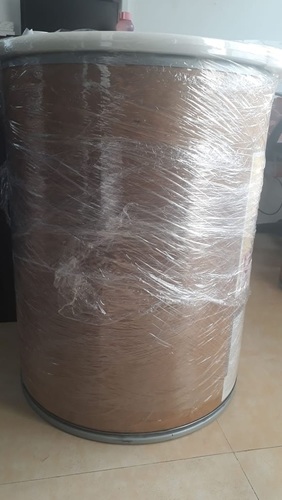
Aqualon Cellulose Gum
100 INR/Piece
MOQ1 Piece/Pieces
Physical StateSolid
Melting PointDecomposes before melting
Molecular FormulaC6H7O2(OH)2CH2COONa
Ph Level6.5 - 8.5 (1% solution)
Purity99%
Shelf Life24 months


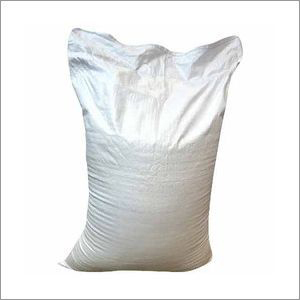
80 Percent Protein Hydrolysate Powder - Origin: India
550 INR/Kilograms
MOQ100 Kilograms/Kilograms
OriginIndia
Shelf Life24 Months
Ph Level5.0 - 7.0
Dosage FormPowder
Storage InstructionsUnder 30 Degree C In Dry Conditions
Packaging Size25 kg


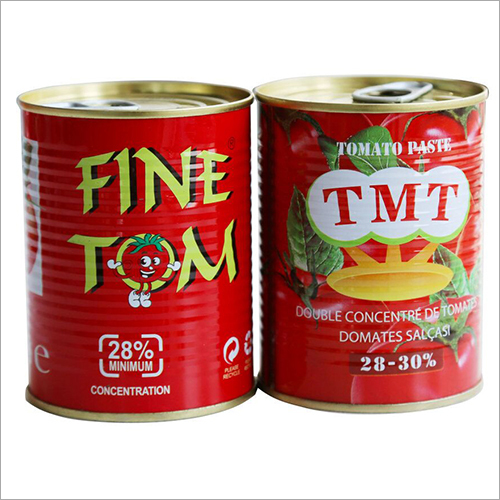
400G Canned Tomato Paste - Concentration: Double Concentrated
MOQ2000 Piece/Pieces
ConcentrationDouble Concentrated
Ingredients100% Fresh Ripe Tomatoes
Shelf Life2 Years
TypeTomato sauce
ProcessingOther, Cold Break
Preservation ProcessCanning

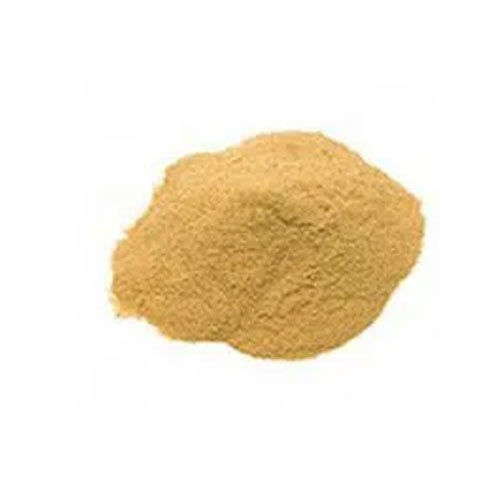
Meat Extract Powder - Color: Brown
750 INR/Kilograms
MOQ100 Kilograms/Kilograms
SourceChicken
FormPowder
AppearancePowder
IngredientsMeat Extract
ColorBrown
ShapeAny
Spices & Seasonings
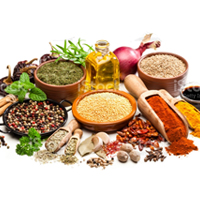
Chili Peppers
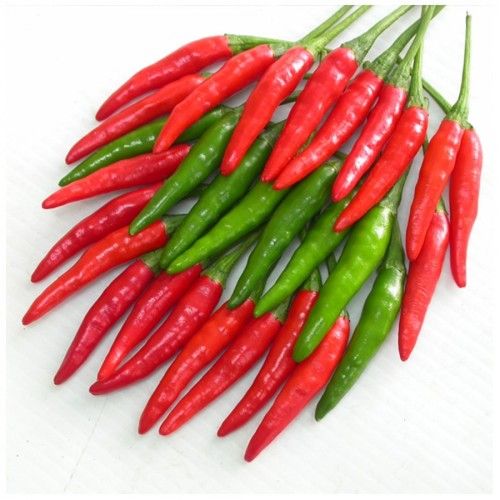
Fresh Red Chili Pepper 10Kg
Price:$500.00 - $750.00 USD ($) /Ton
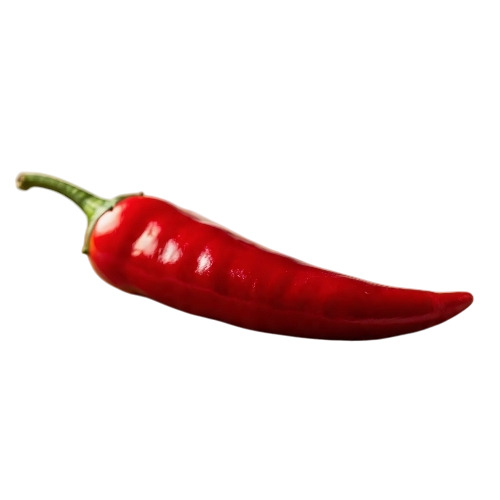
Red Chili
Price:350 INR /Kilograms
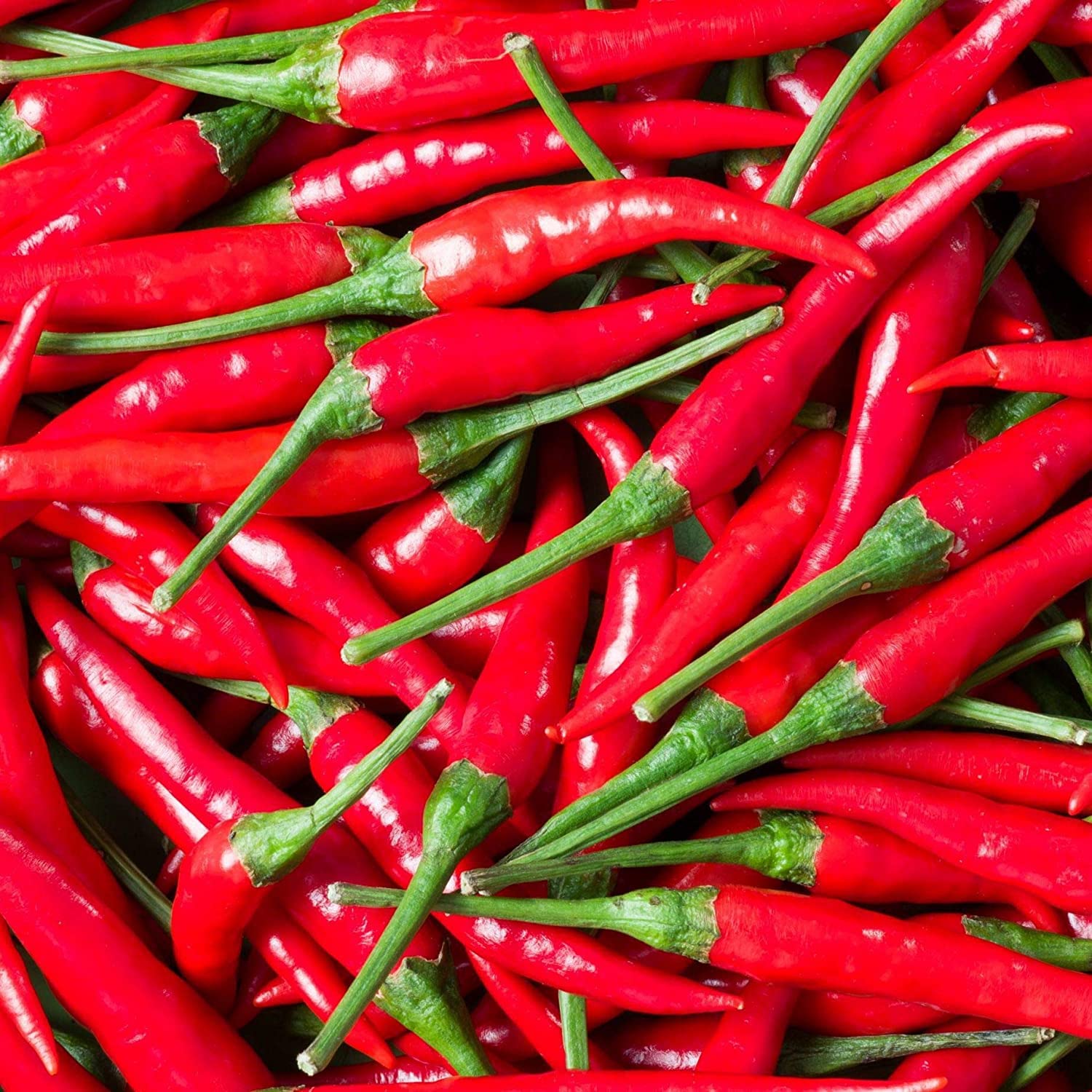
Bird Eye Chilli
Price:550.0 INR
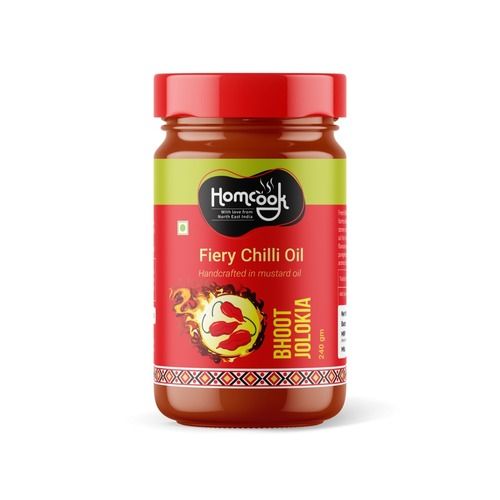
Natural Fiery Chilly Oil
Price:180 INR /Bottle

Red Chili
Price:245 INR /Kilograms
Anise
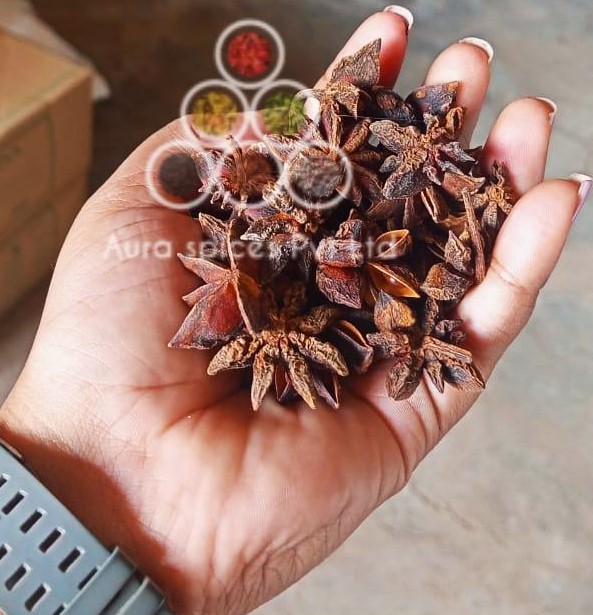
Star Anise Premium
Price:585.0 INR /Kilograms
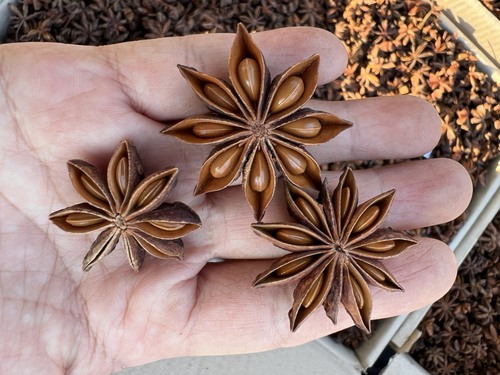
Natural Aromatic Brown Raw Dried Whole Star Anise For Cooking
Price:1000 USD ($) /Ton
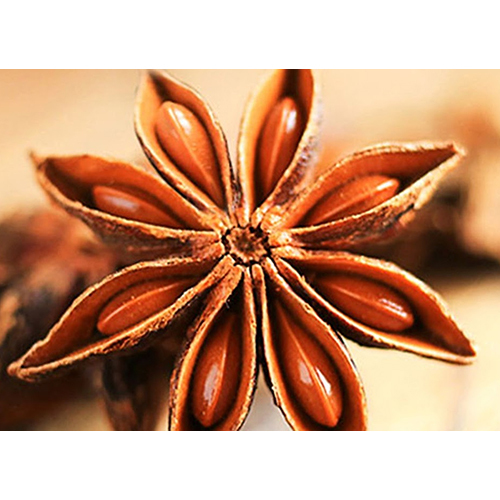
Star Anise
Price:250 USD ($) /Ton
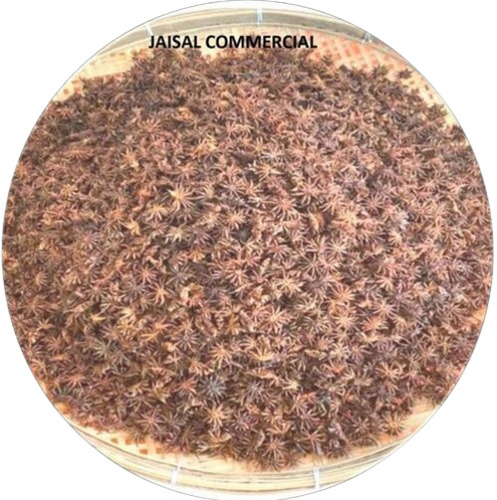
Dried Star Anise
Price:300 INR /Kilograms

Chinese Star Anise
Price:300 INR /Kilograms
Agar Powder
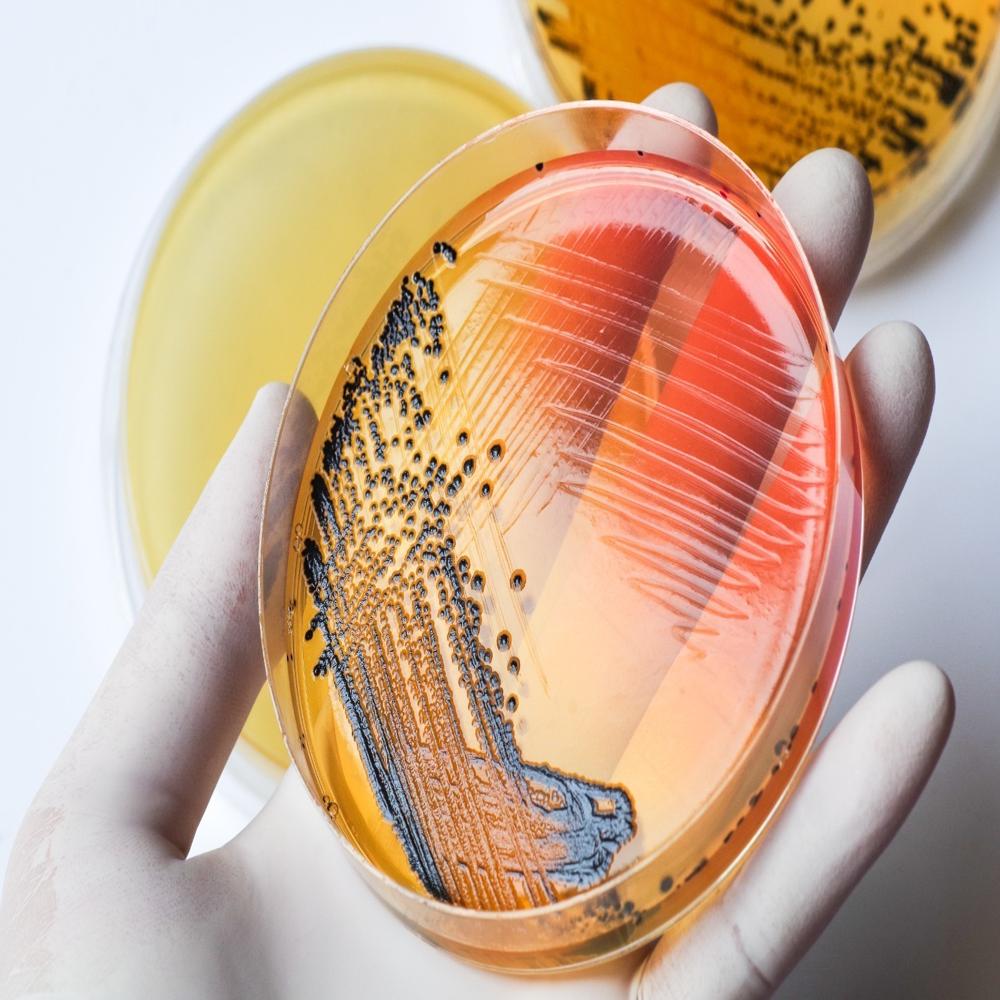
Agar Agar Bacteriological Standard Grade
Price:1200 INR /Kilograms
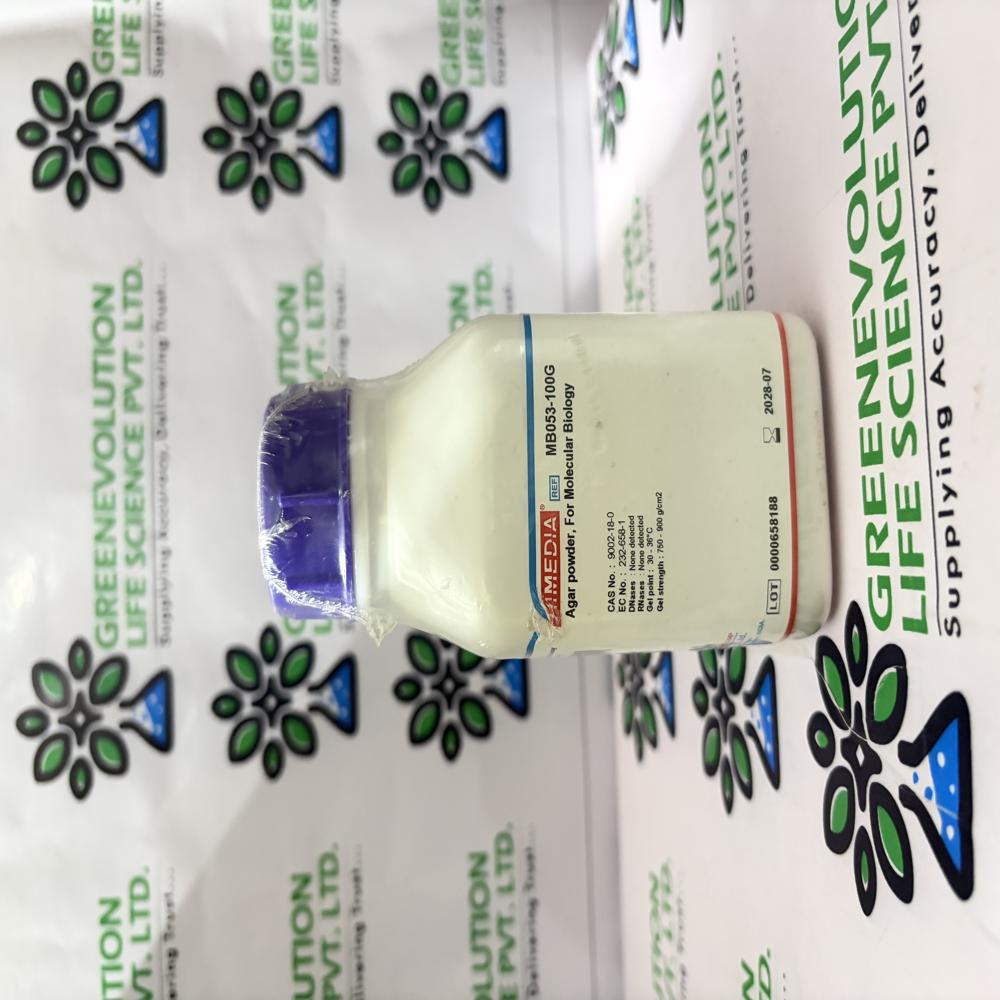
Agar Powder For Molecular Biology Himedia
Price:3305.00 INR /Kilograms
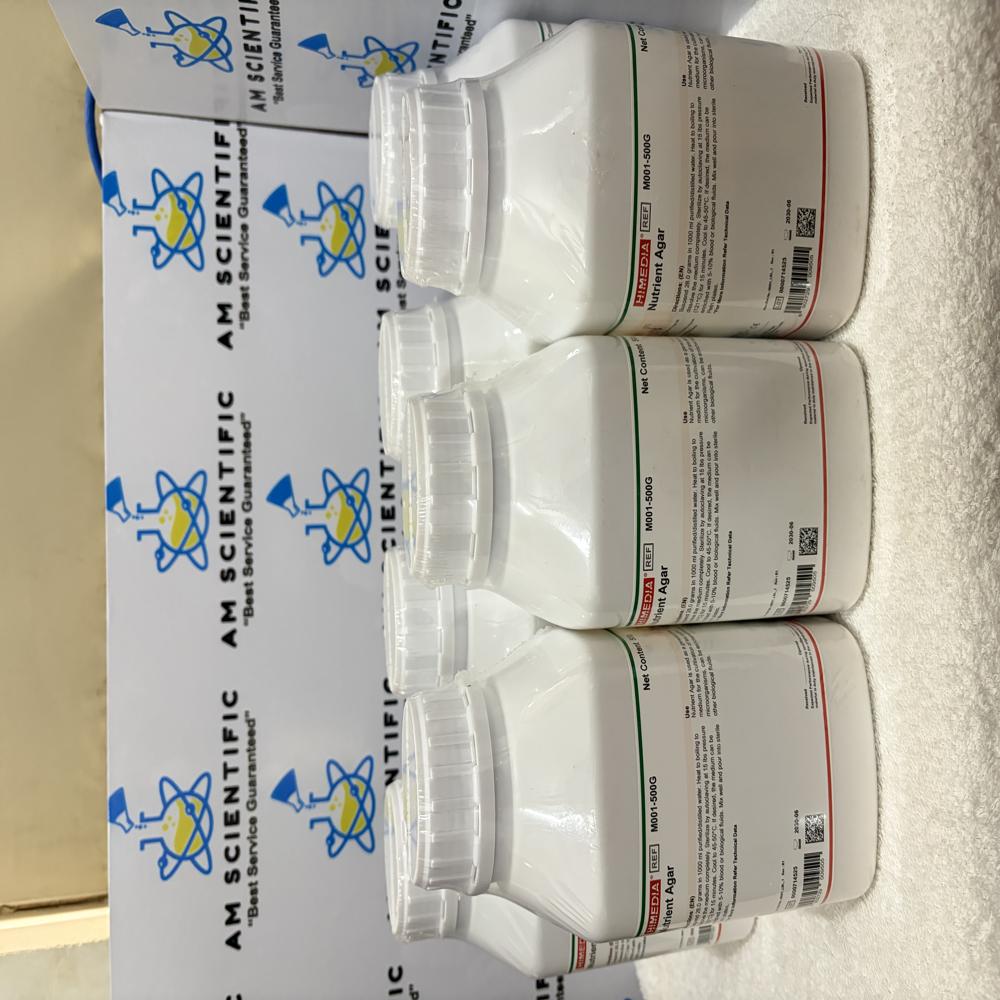
Nutrient Agar 500g
Price:4290.00 INR /Piece
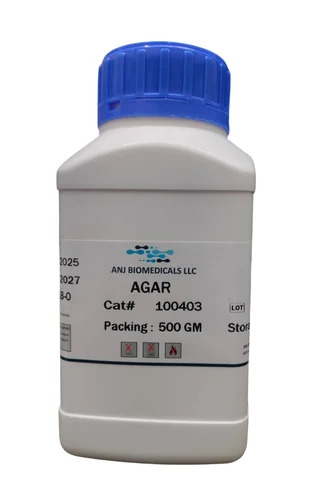
500gm Agar Powder
Price:900 INR /Bottle
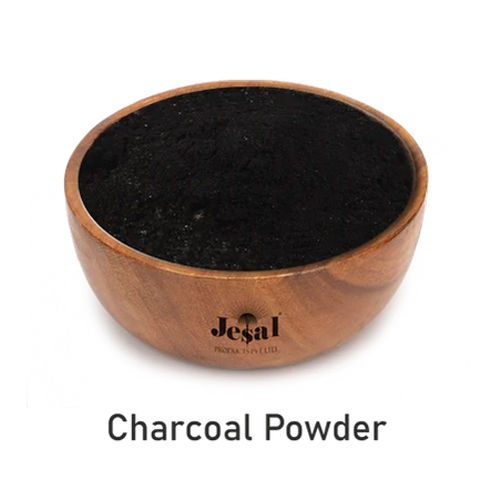
Agarbatti Charcoal Powder
Price:13.50 INR /Kilograms
Carrot Powder
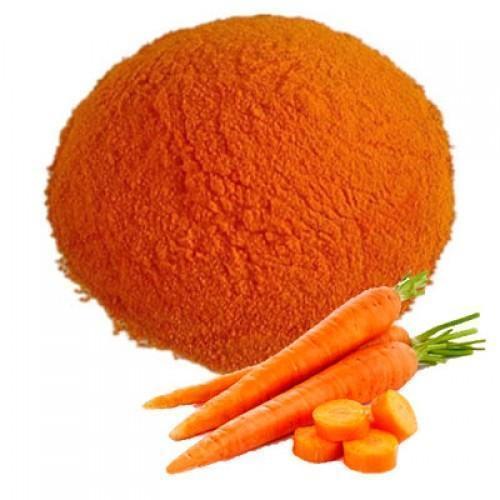
Dehydrated Carrot Powder
Price:100 INR /Kilograms
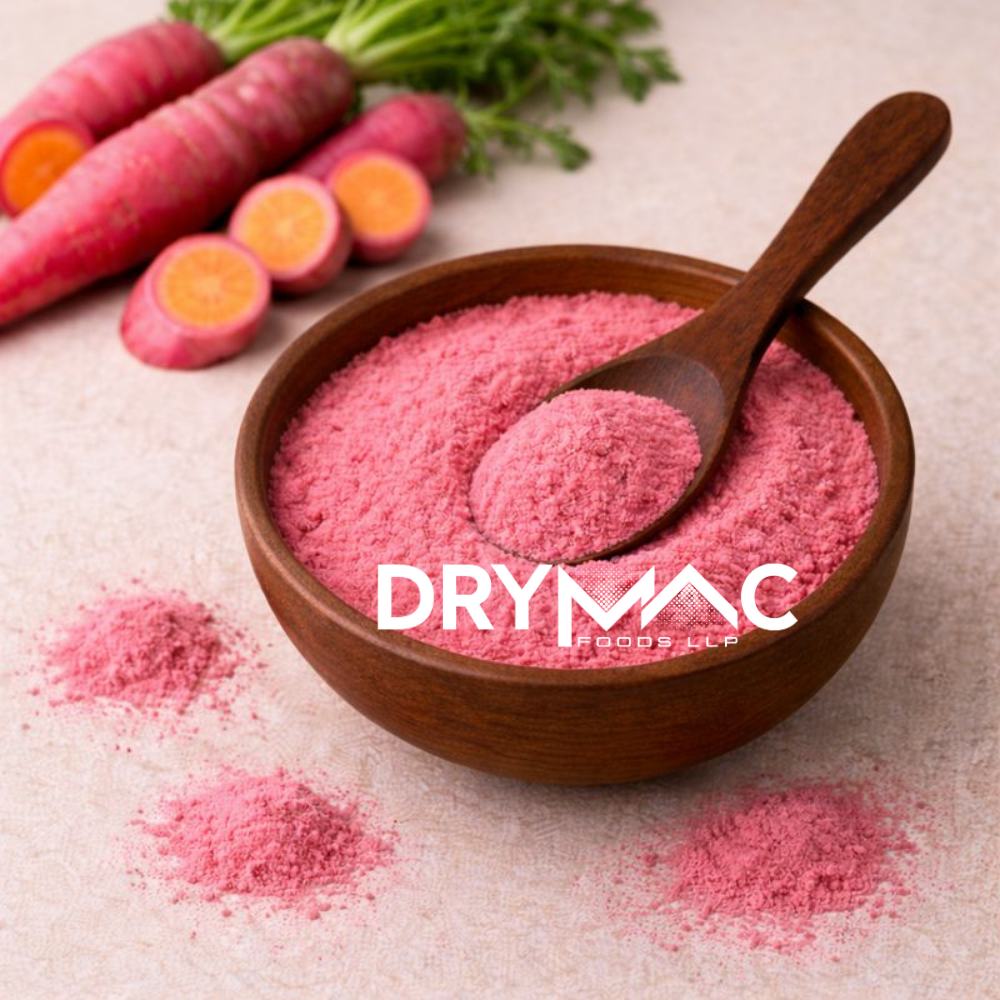
Spray Dried Carrot Powder
Price:300.00 INR /Kilograms
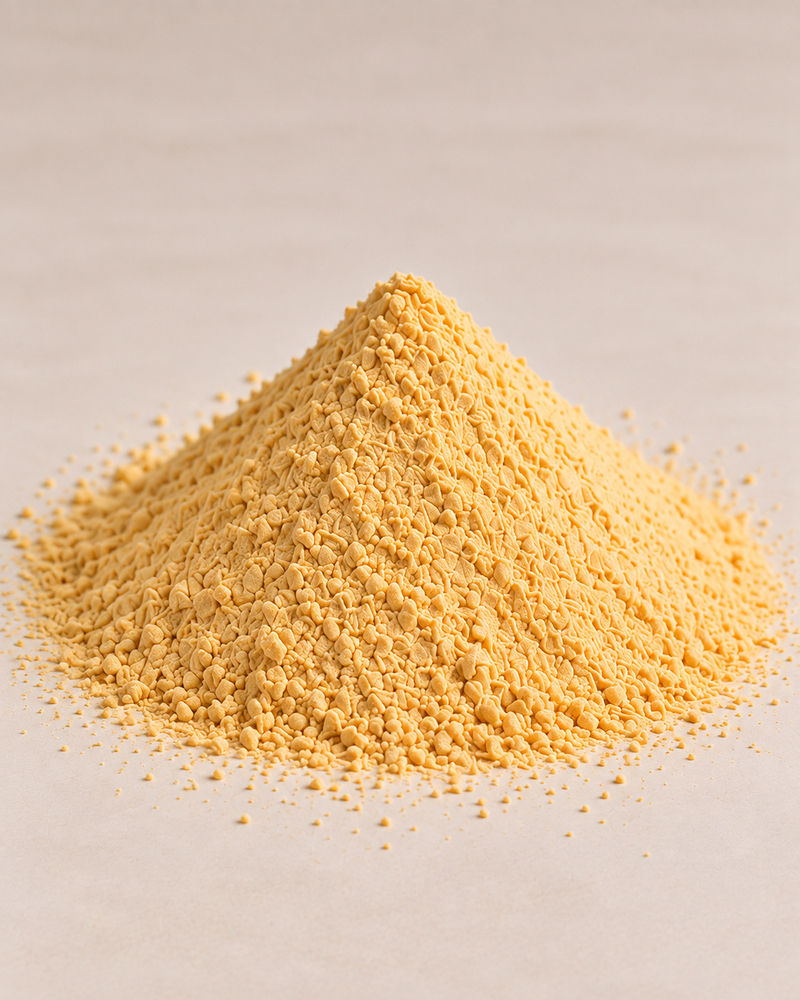
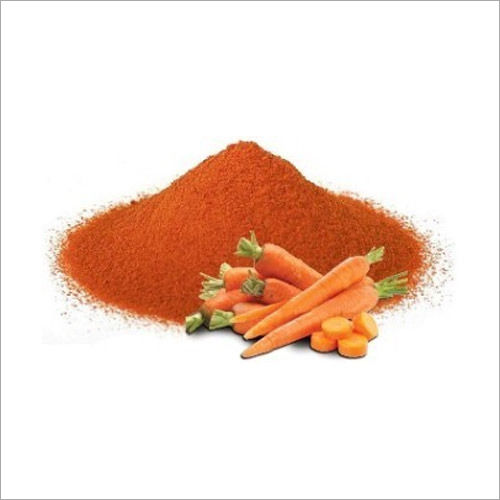
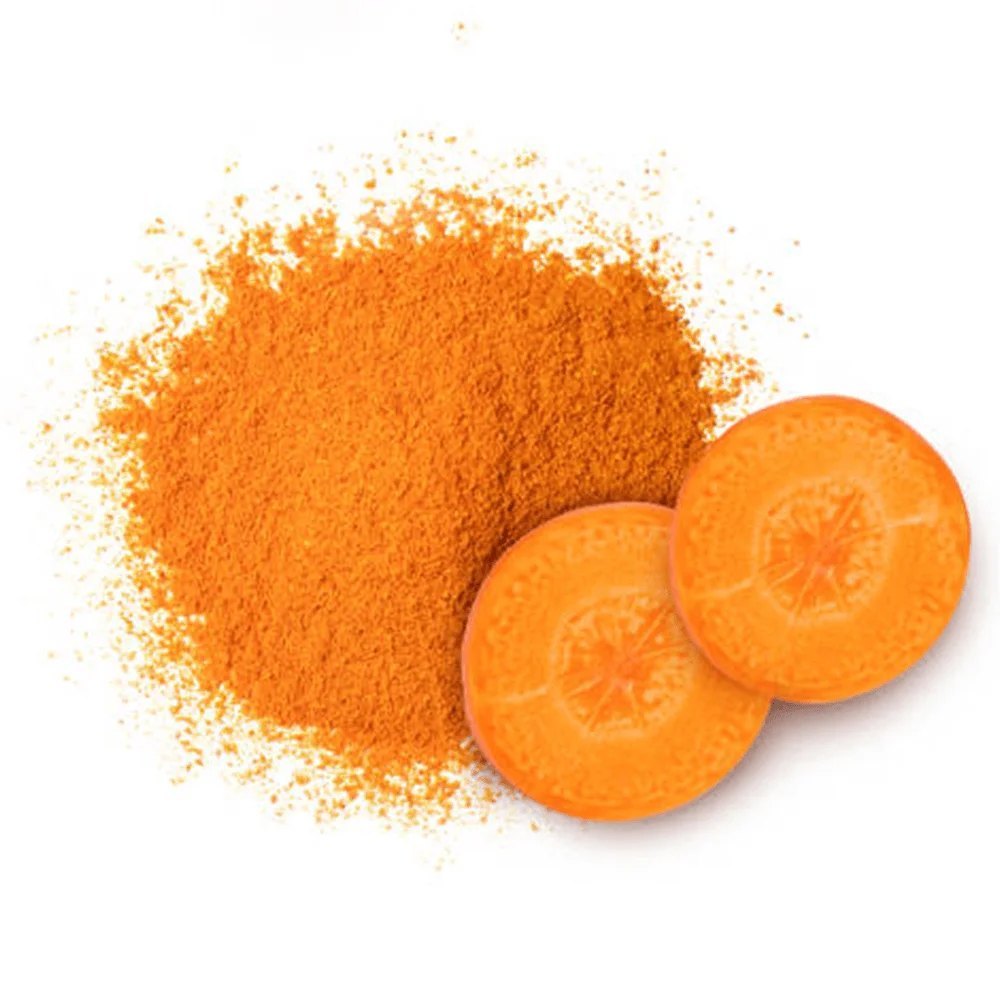
Carrot Powder
Price:440 INR /Kilograms
Peanut Masala
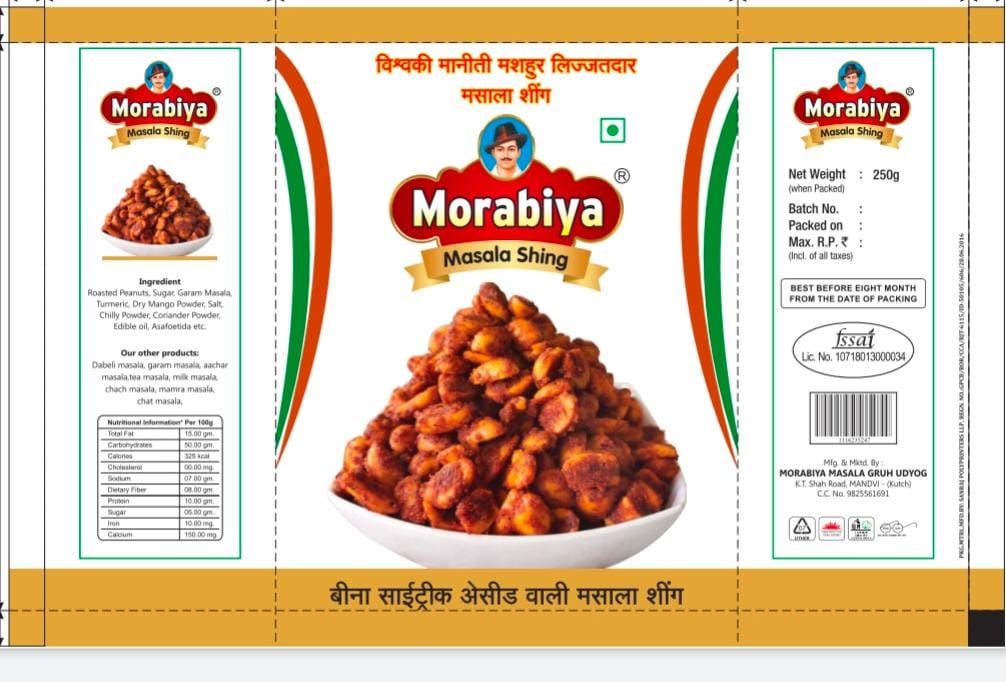
Peanut Masala Shing
Price:300 INR /Kilograms
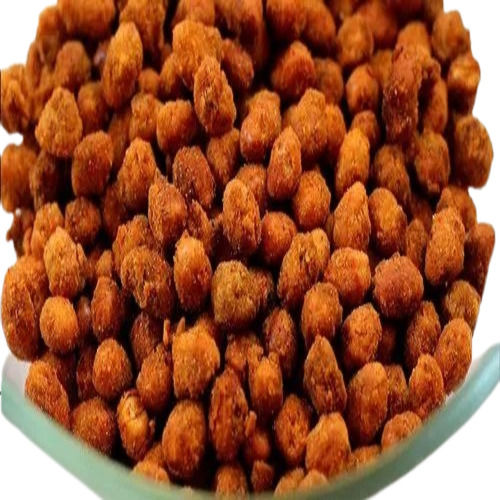
Spicy Masala Peanut
Price:170 INR /Kilograms
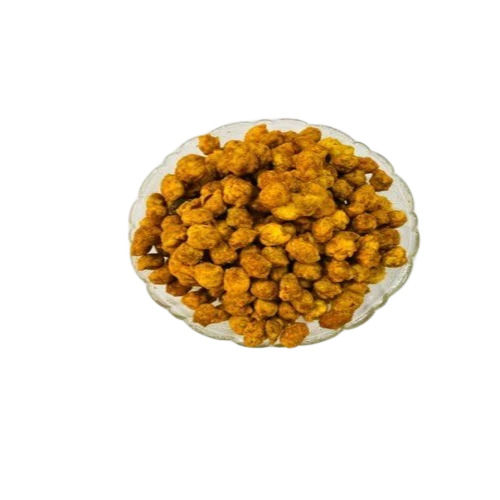
Masala Peanut
Price:340 INR /Kilograms
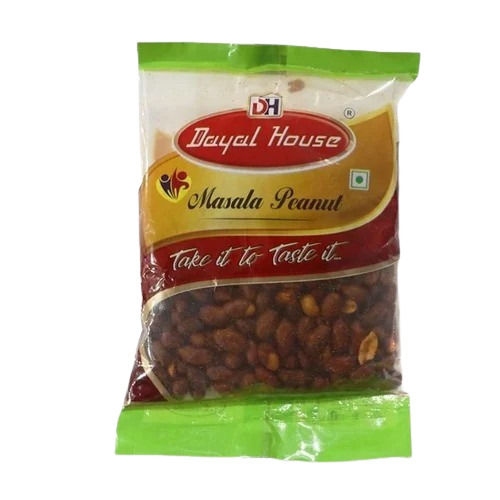
Masala Peanut
Price:80 INR /Pack
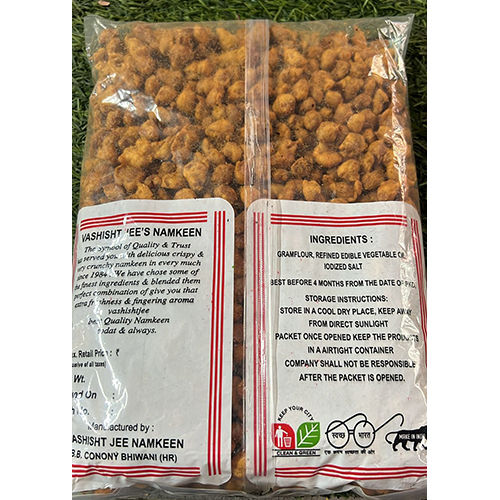
Masala Peanuts Namkeen
Price:95 INR /Pack
Rice
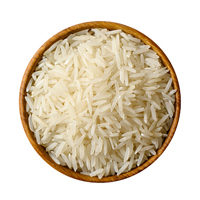
White Rice
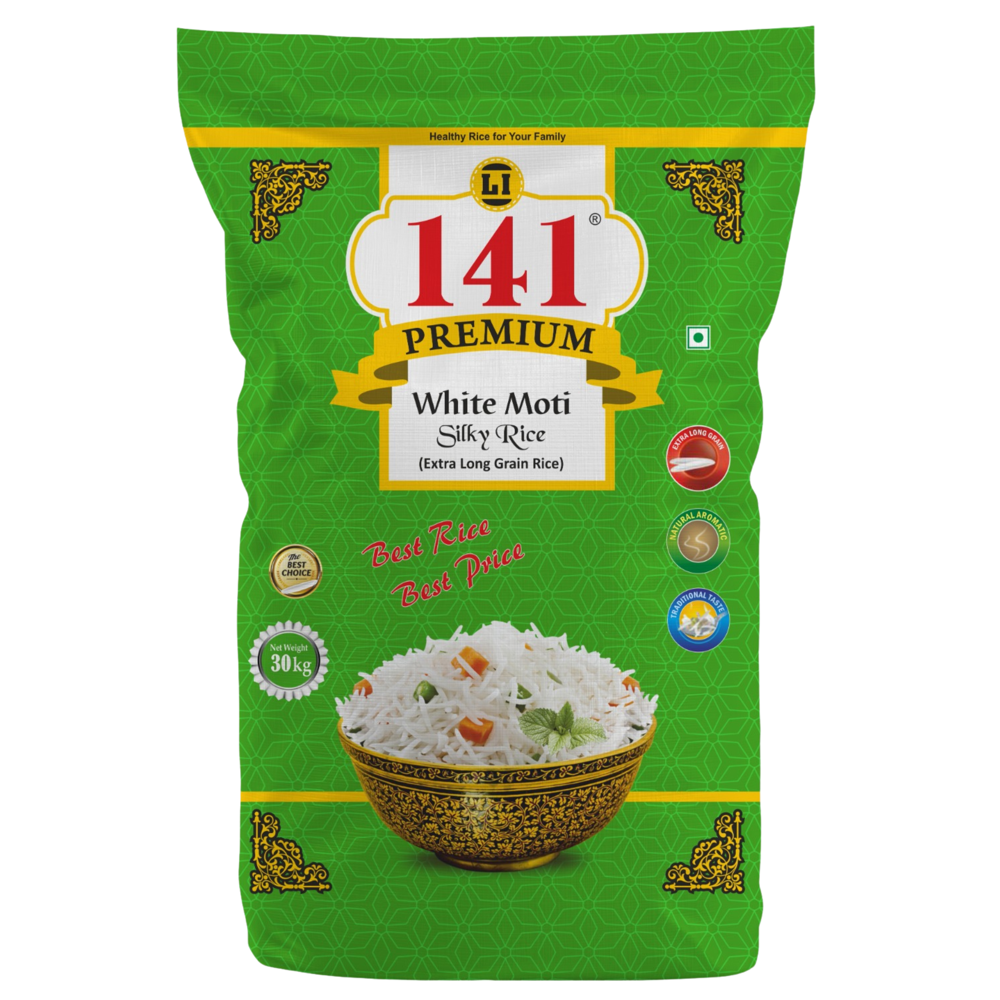
White Moti Silky Rice
Price:1900.0 INR /Bag
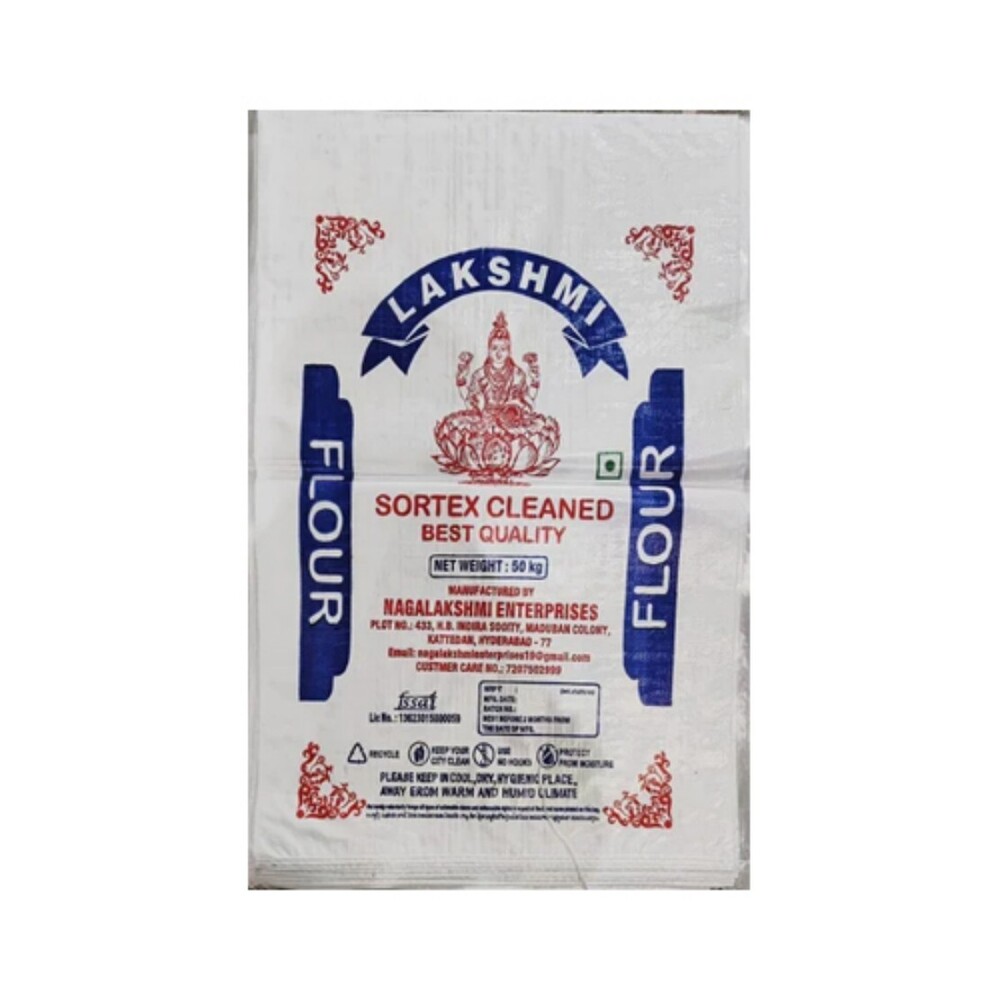
White Rice Flour
Price:1600 INR /Ton
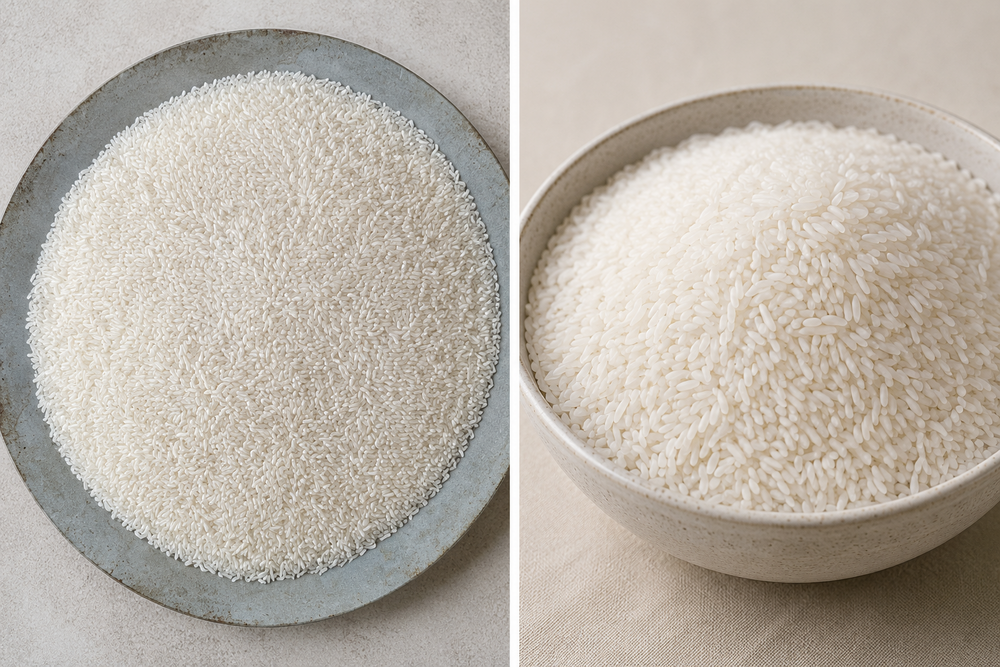
Gobindobhog Rice
Price:50 INR /Ton
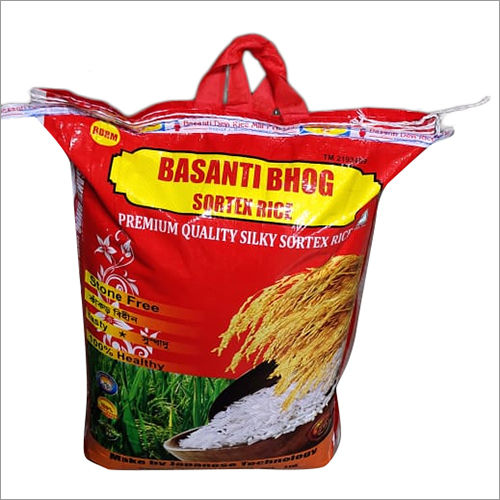
Long Grain White Rice
Price:170 MXN ($) /Kilograms
Swarna Raw Rice
Swarna Atap Rice
Price:45 INR /Ton
Raw Swarna Rice
Price:32500.0 INR /Ton
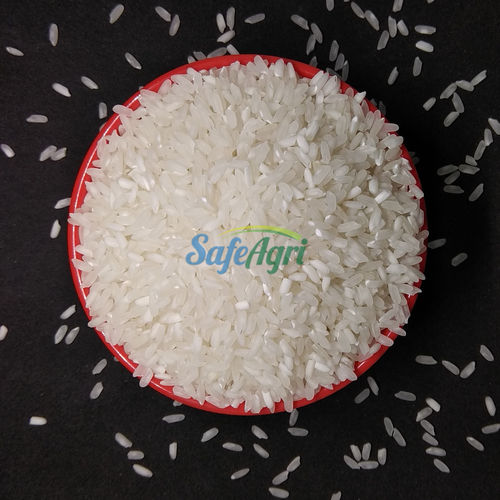
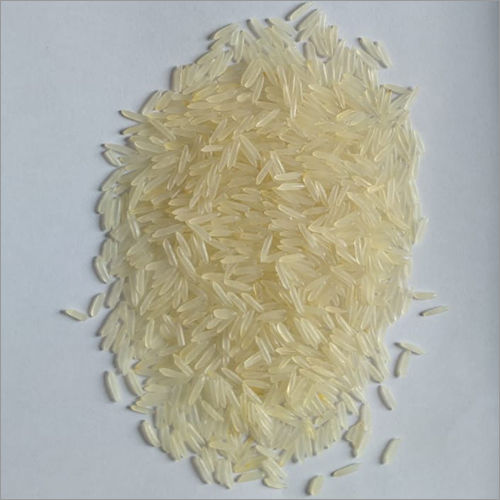
Indian Swarna Rice
Price:24 INR /Ton

Swarna White Rice
Price:29.5 INR /Ton
Sugandha Basmati Rice
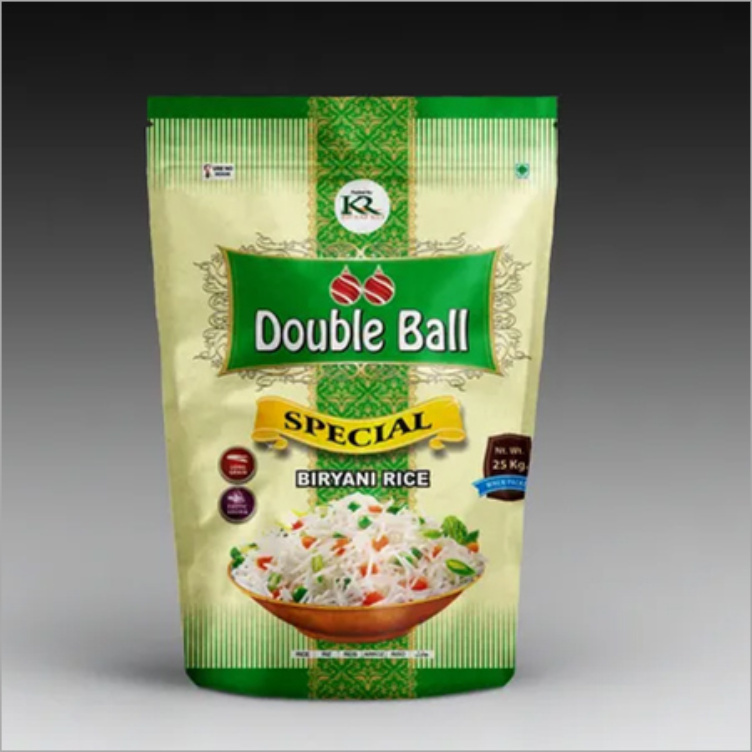
Sugandha Steam Biryani Rice
Price:45 INR /Ton
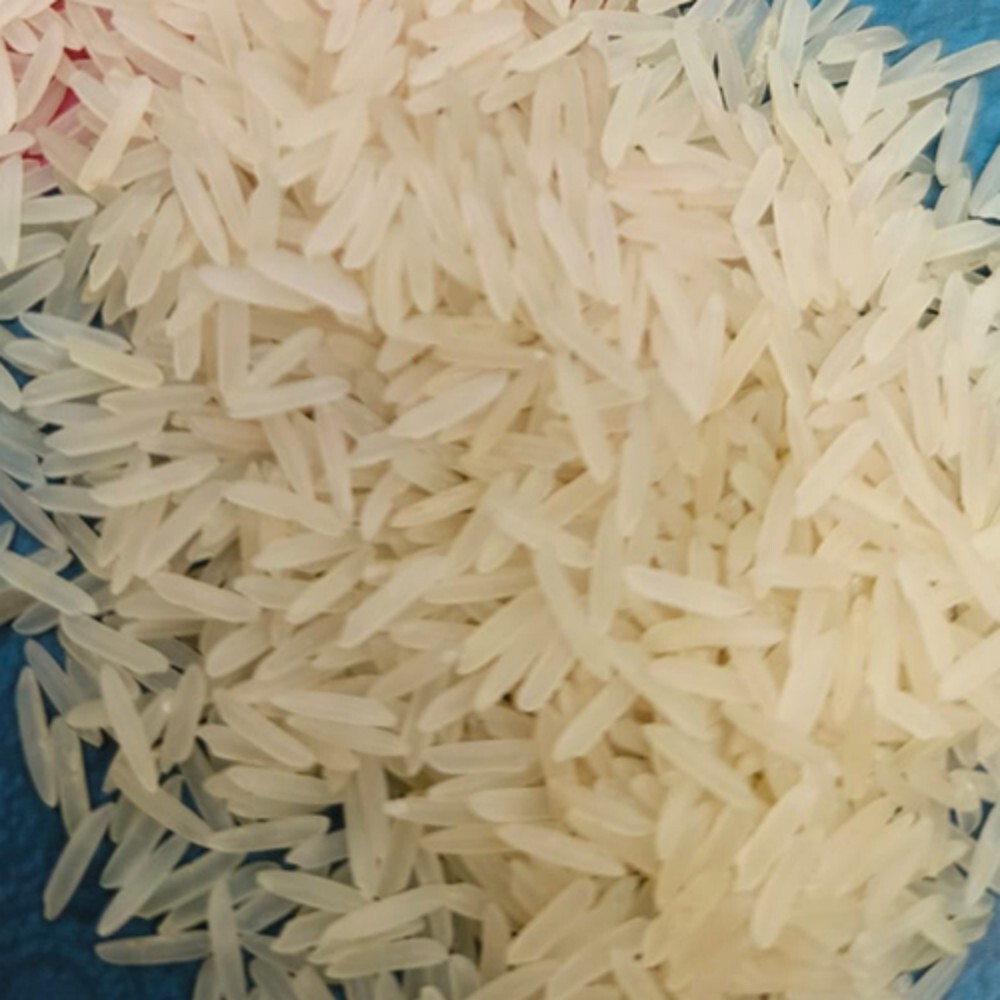
Sugandha White Sella Rice
Price:80.00 INR /Ton
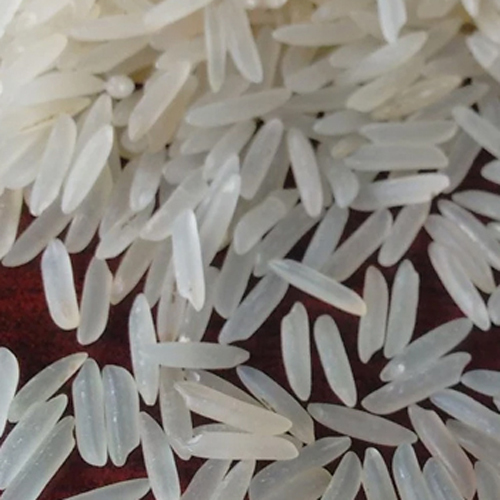
Sugandha Basmati Rice
Price:65000.0 INR /Metric Ton
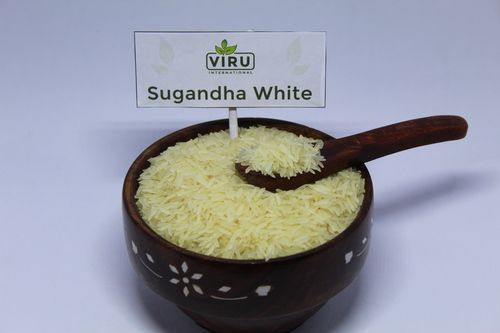
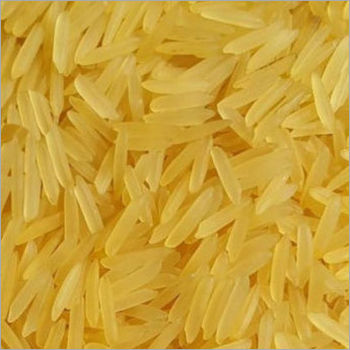
Sugandha Golden Sella Basmati Rice
Price:Click on get price INR /Ton
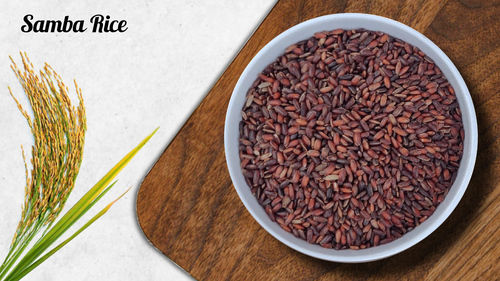
Samba Rice
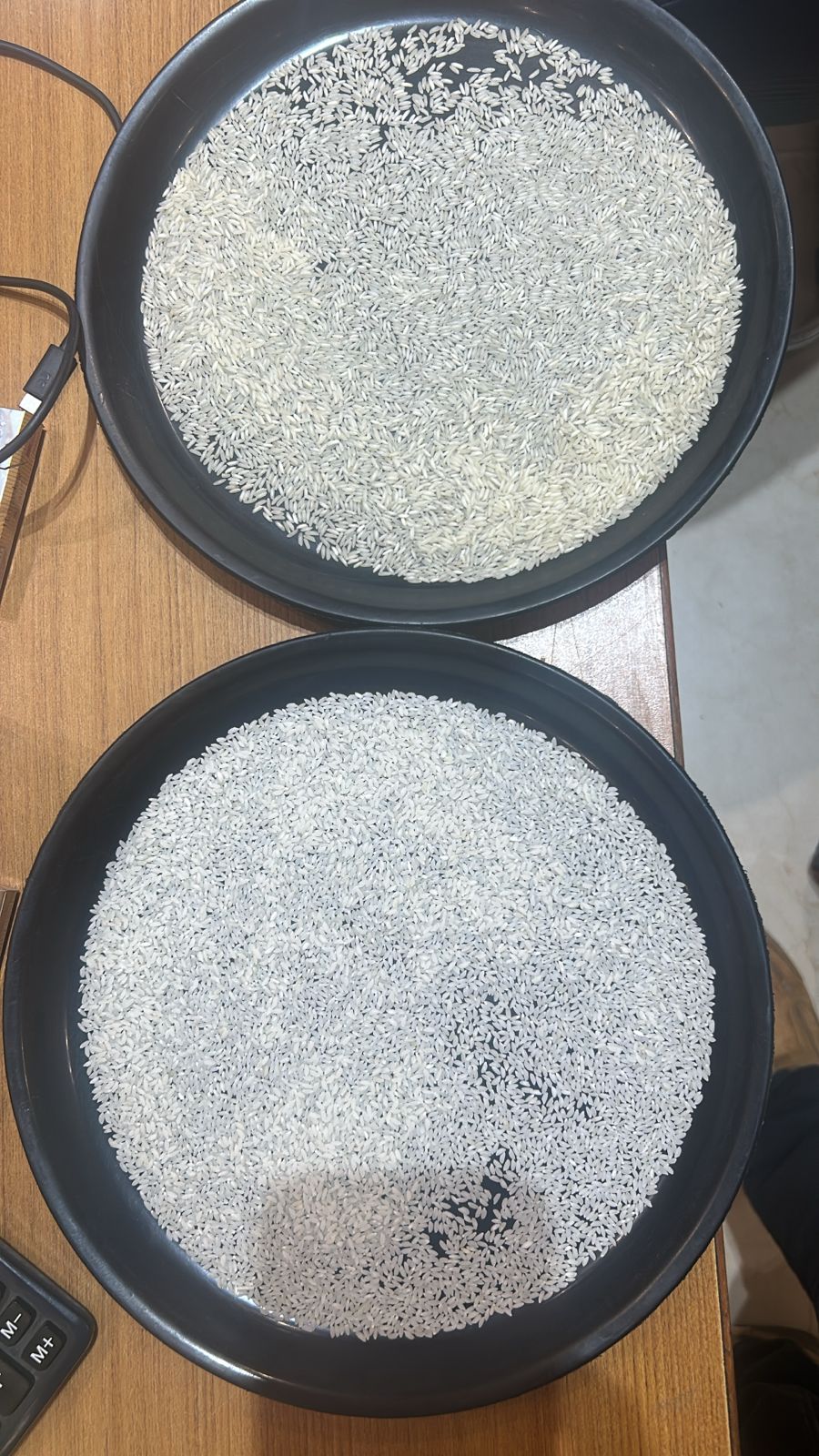
Seeraga Samba Rice
Price:1.0 INR /Kilograms
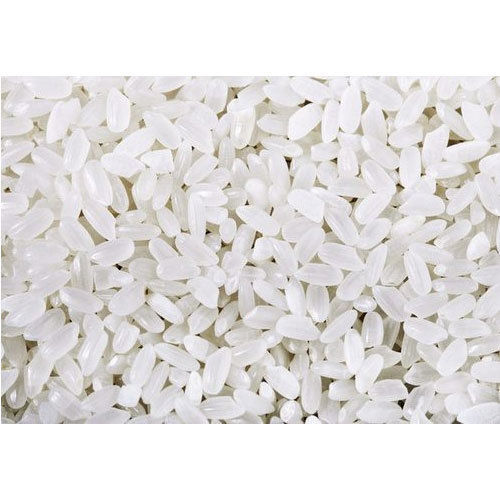
White Colour And Raw Samba Rice With Short Grains And 1 Year Shelf Life
Price:110 INR /Kilograms
Short Grain Indian Origin 100% Pure White Rice
Price:125 INR /Kilograms
100% Pure Medium Grain Dried Samba Rice
Price:125 INR /Kilograms
Jasmine Rice
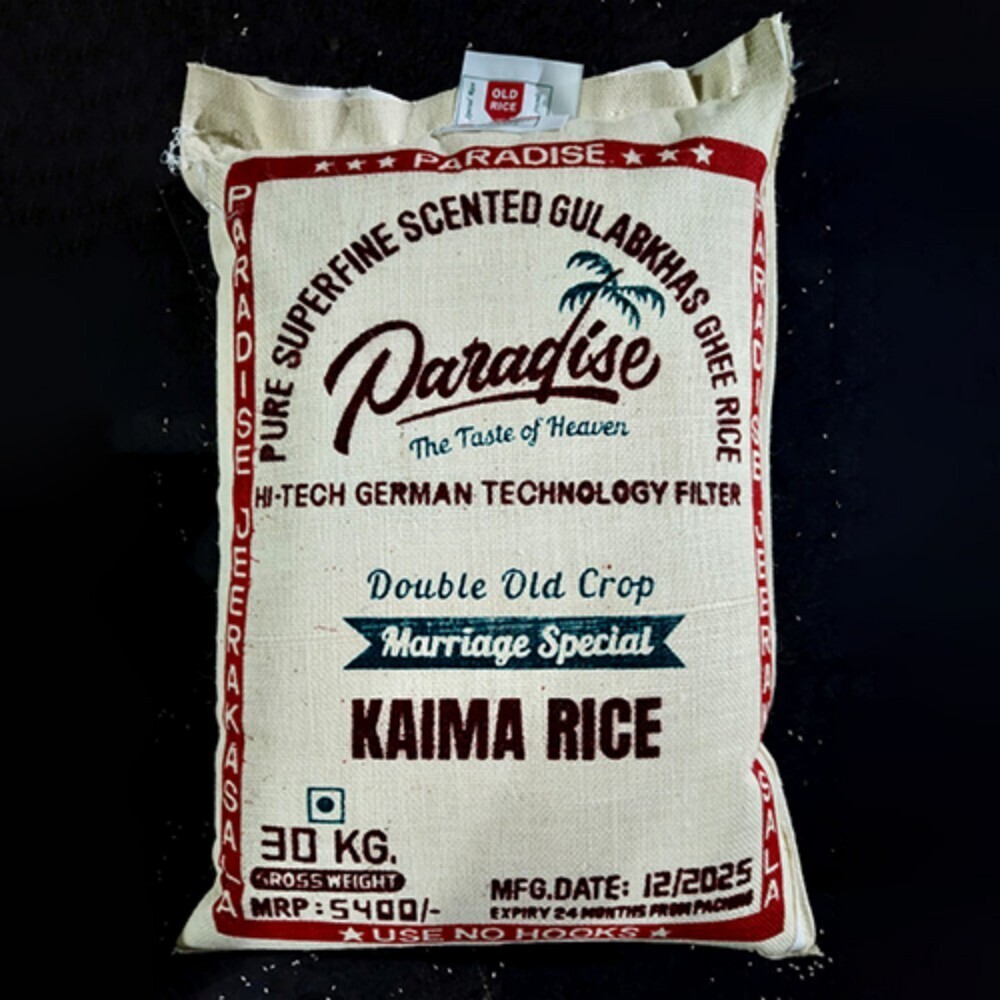
Kaima Rice
Price:160.0 INR /Kilograms

Natural Sweet Taste Fragrant White Rice
Price:$470.00 - $615.00 USD ($) /Metric Ton
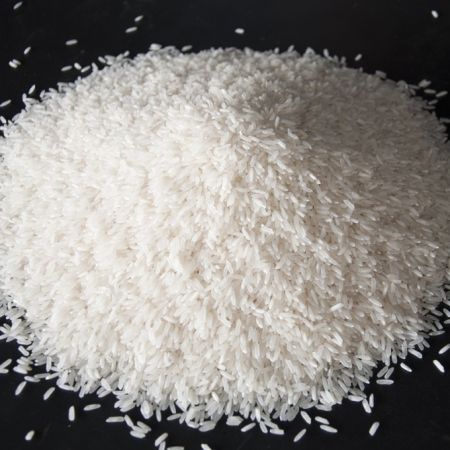
Grain White Rice 5% to 10% Broken
Price:180 - 300 USD ($) /Ton
Long Grain Fragrant Rice
Price:400 USD ($) /Ton
Seeds
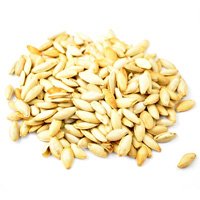
Mushroom Seeds
Oyster Mushroom Seed
Price:25 INR /Square Feet
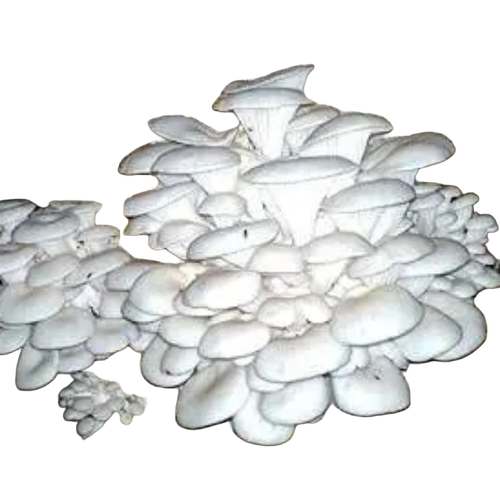
Mushroom Seed
Price:200 INR /Kilograms
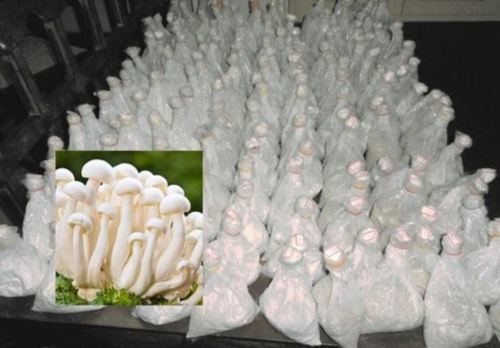
Organic Milky Mushroom Seed
Price:150 INR /Kilograms

Mushroom Spawn Filling Section
Price:305000.00 INR /Unit
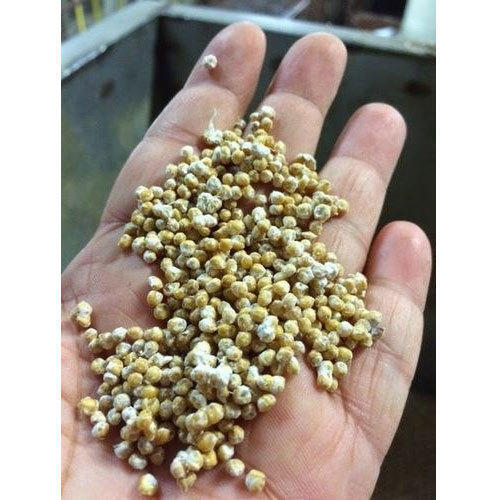
For Agriculture Post-Harvest Easy To Grown Natural Brown Button Mushrooms Seeds
Price:110 INR /Kilograms
Mucuna Pruriens Seed
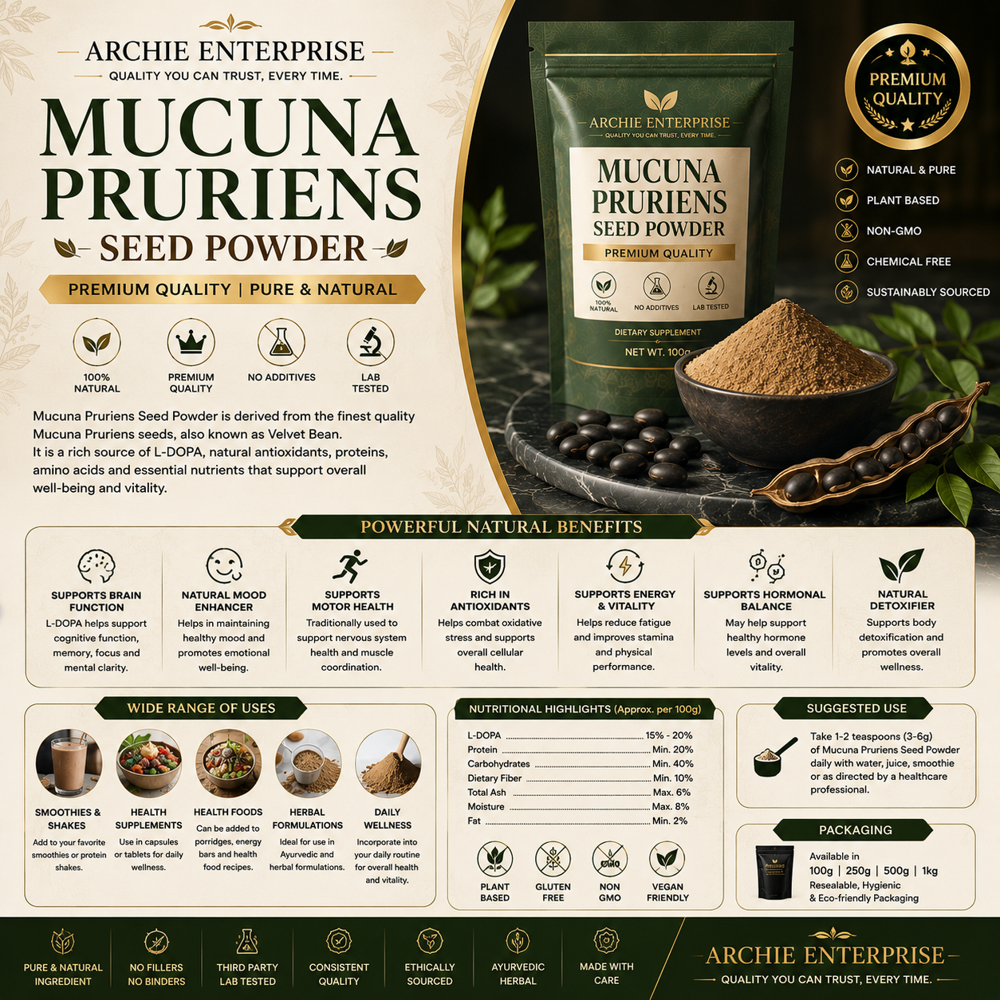
Mucuna Pruriens Seed powder
Price:130.0 INR /Kilograms
Mucuna Bracteata
Price:17 USD ($) /Kilograms
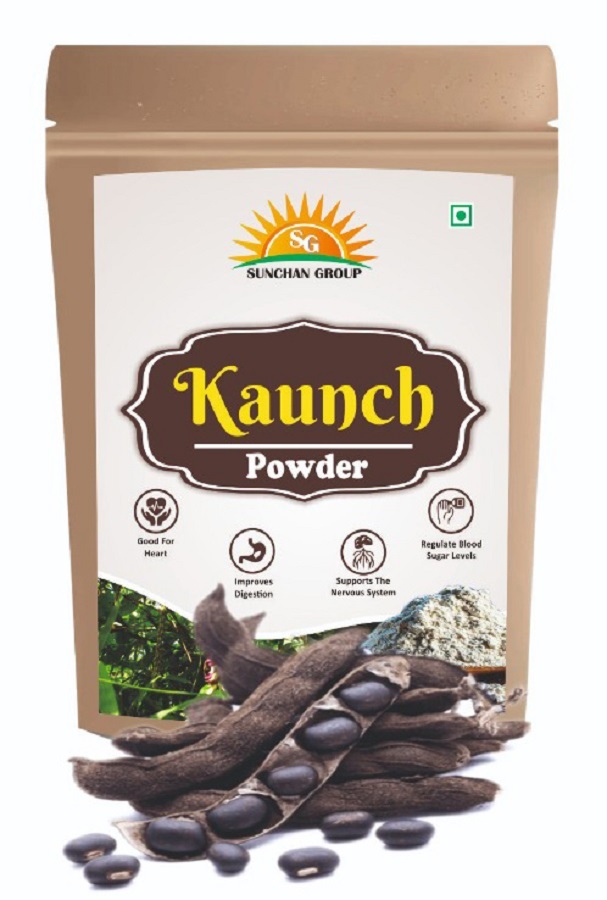

Mucuna Extract Capsules
Price:1.00 USD ($) /Bottle
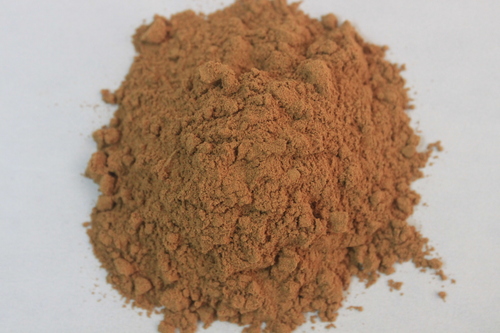
Isabgol Seeds
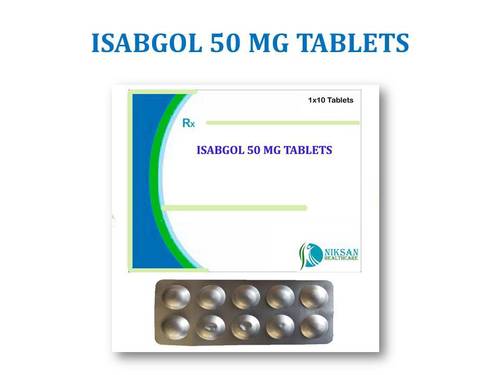
ISABGOL 50 MG TABLETS
Price:65 INR /Box
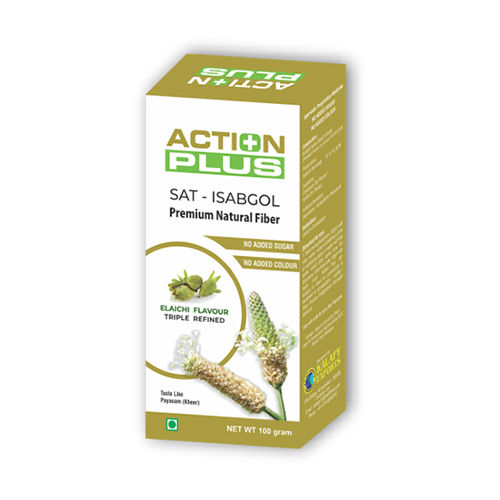
Ilaichi with Vanilla Isabgol Natural Fiber Isabgol Seeds Psyllium Husk
Price:220 INR /Pack
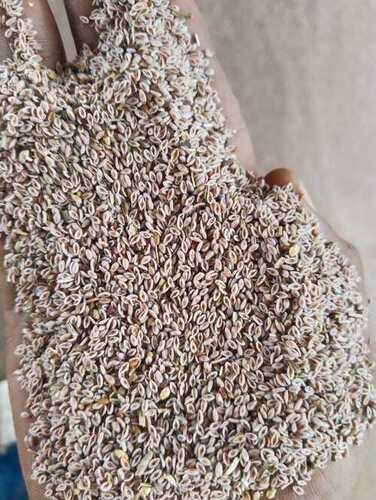
Isabgol Seed
Price:150 INR /Kilograms
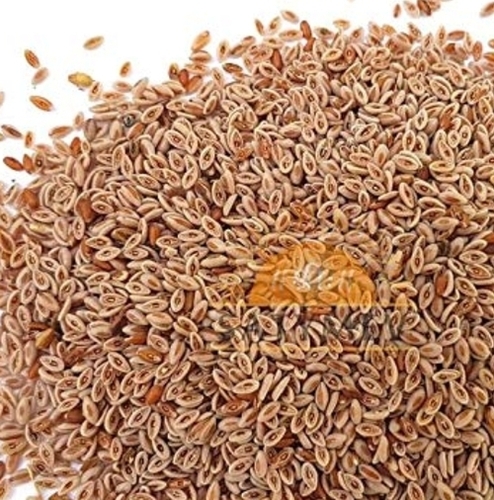
Isabgol Seeds
Price:150 INR /Bag
Psyllium Seeds
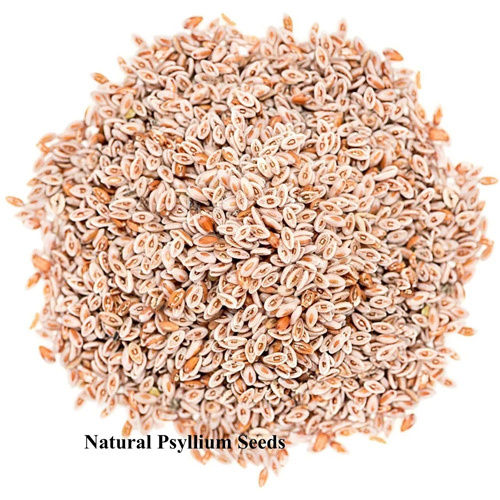
Natural Psyllium Seeds
Price:150.0 INR /Kilograms
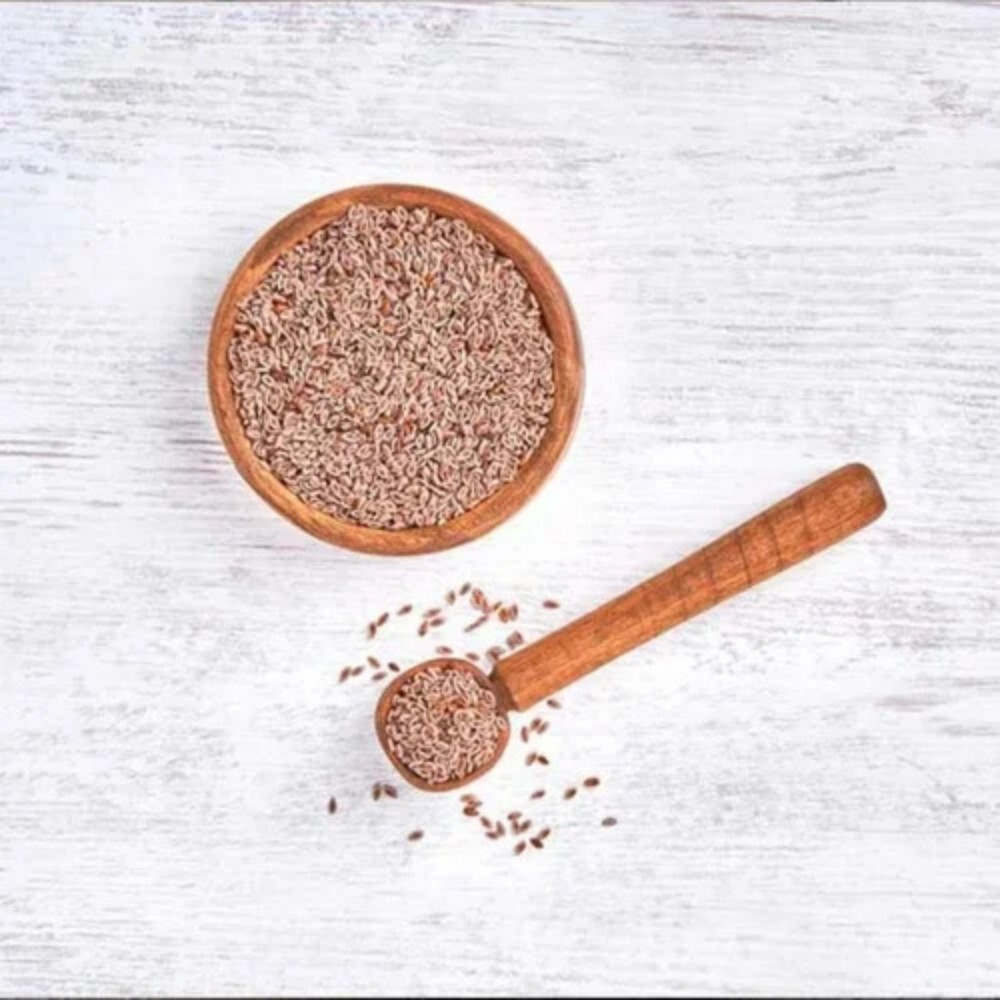
Organic Psyllium Seeds
Price:130.0 INR /Kilograms
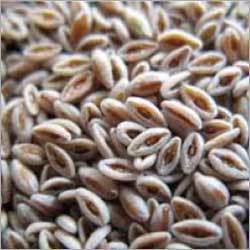
Psyllium Seed
Price:220.00 INR /Kilograms
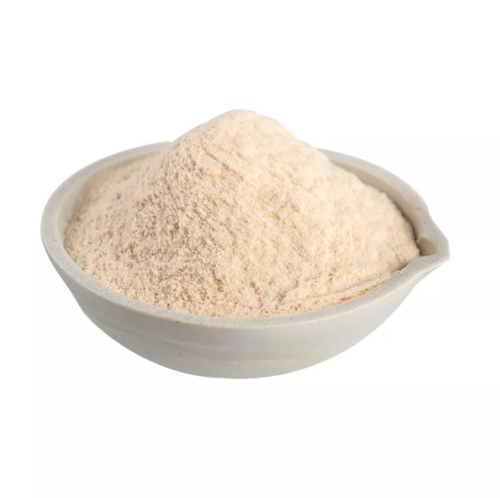
Ilaichi with Vanilla Isabgol Natural Fiber Isabgol Seeds Psyllium Husk
Price:220 INR /Pack
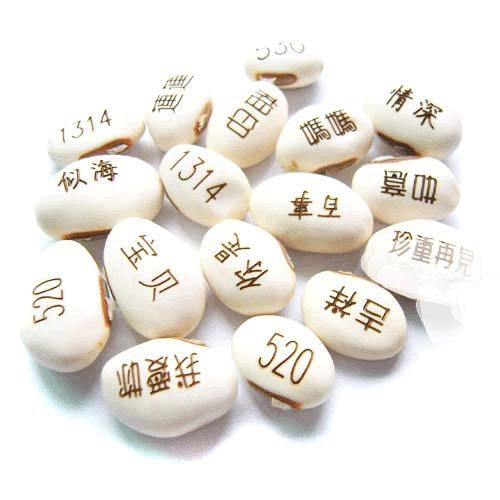
Magic Bean Seeds
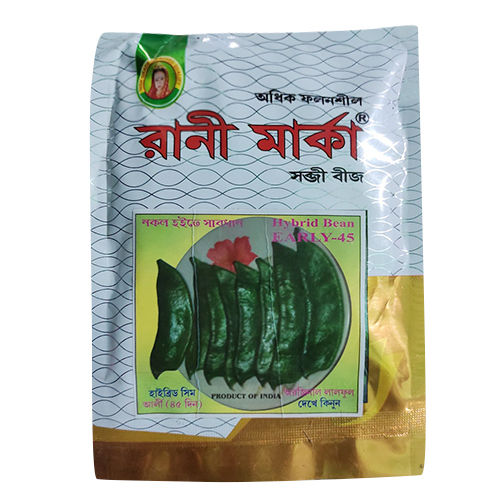
Hybrid Bean Seeds
Price:100 INR /Pack
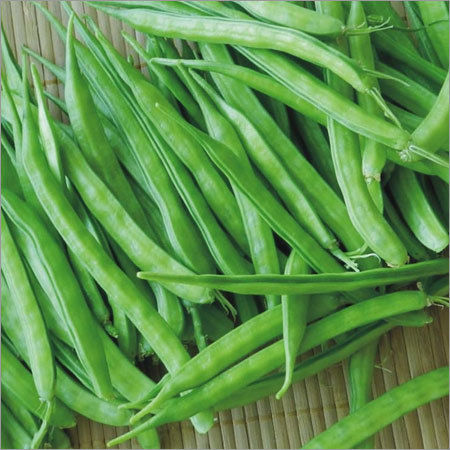
Cluster Bean Seed
Price:300 INR /Kilograms
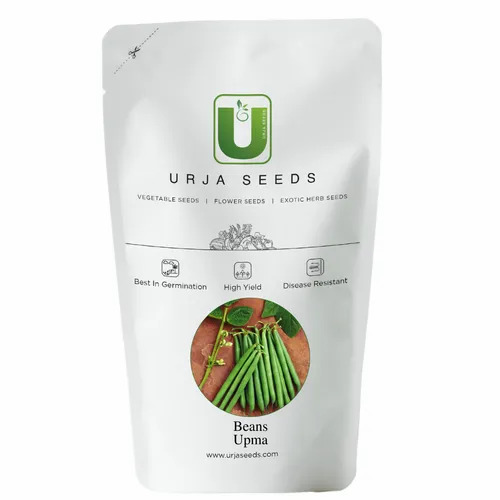
Beans Seeds
Price:450 INR /Kilograms

Edible Oils & Fats
Nut Oils

Mono Saturated Wood Pressed Groundnut Oil
Price:3.23 USD ($) /Liter
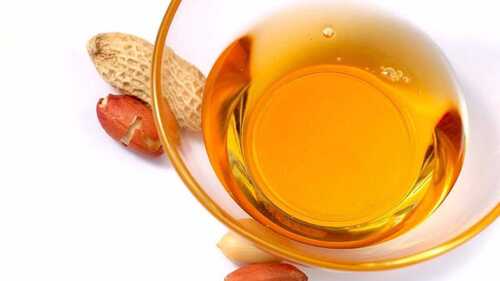
Ground Nut oil
Price:160 INR /Kilograms
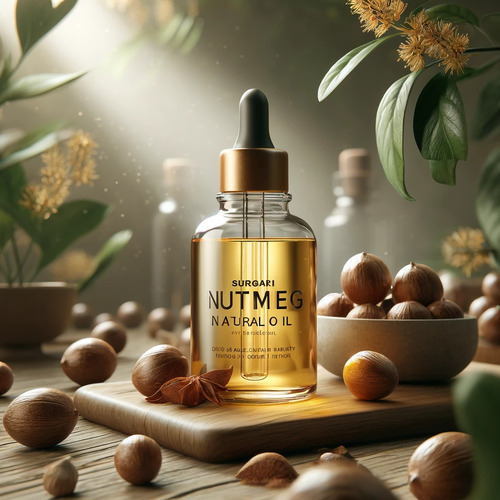
Nutmeg Natural Oil
Price:4060 INR /Liter
Nut Meg Oil
Price:10000 INR /Kilograms
Refined Palmolein Oil
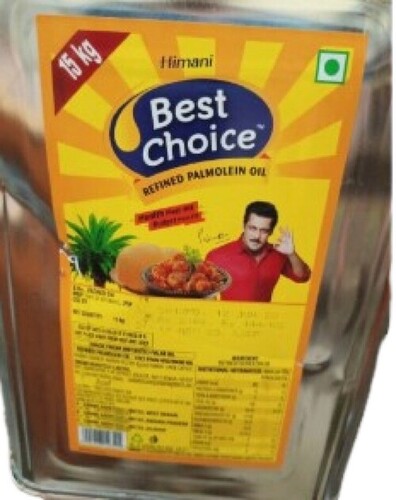
Refined Palmolein Oil
Price:150 INR /Liter
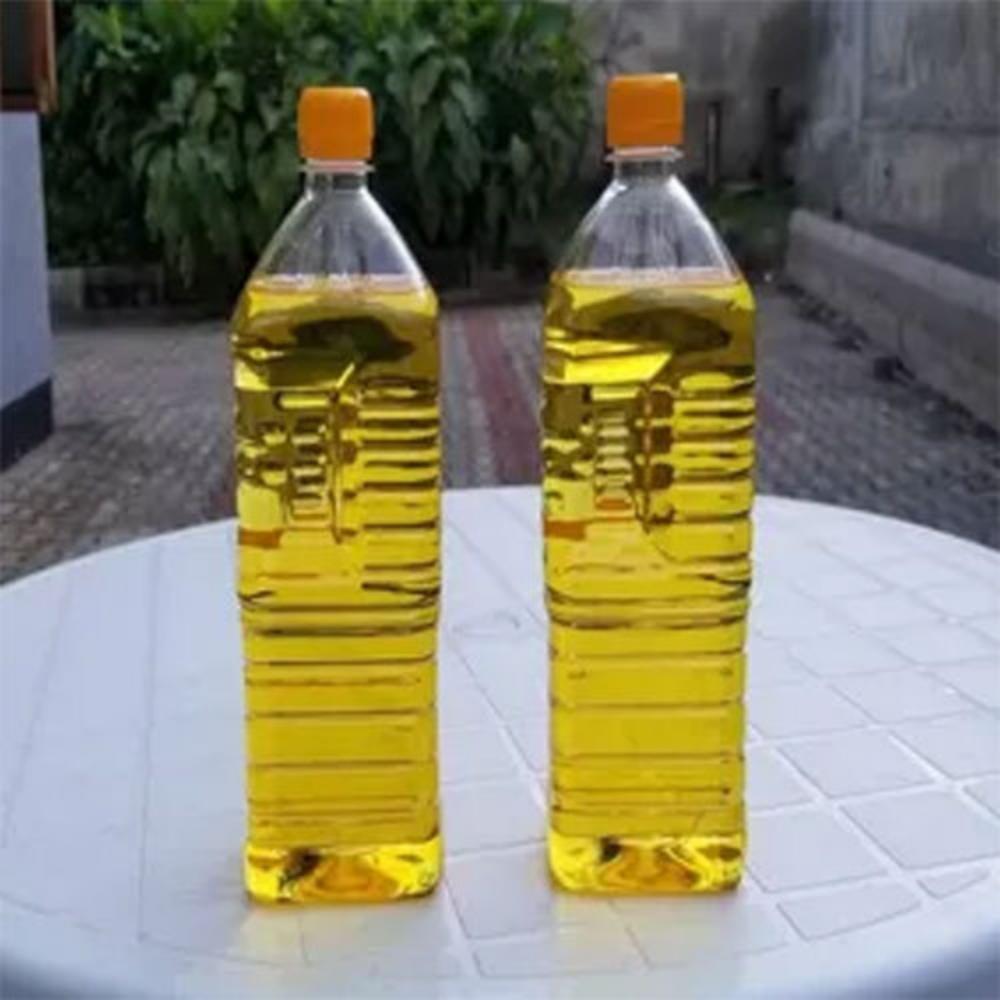
Refined Palm Oil
Price:144000 INR /Ton
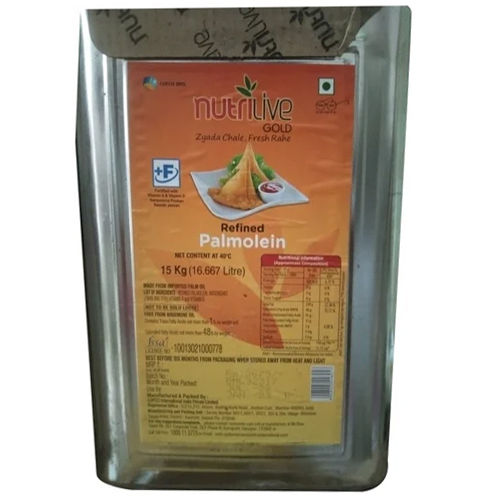
15 kg Nutrilive Gold Refined Palmolein Oil
Price:1850.0 INR /Liter
Saffola Refined Oil
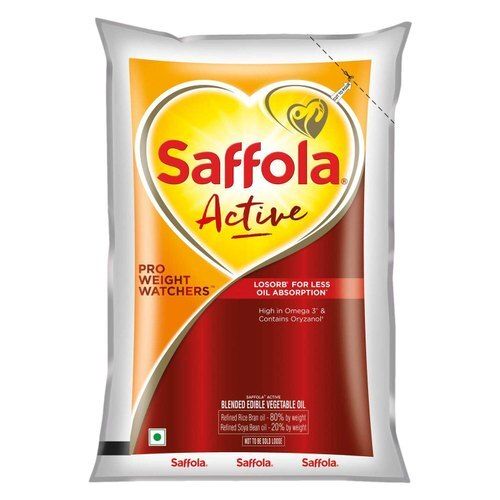
Less Absorption Indian Pro Saffola Active Refined Blended Edible Oil
Price:240 INR /Pack
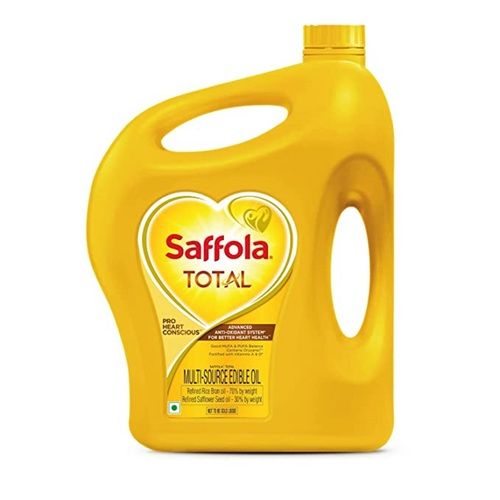
Saffola Oil
Price:700 INR /Liter
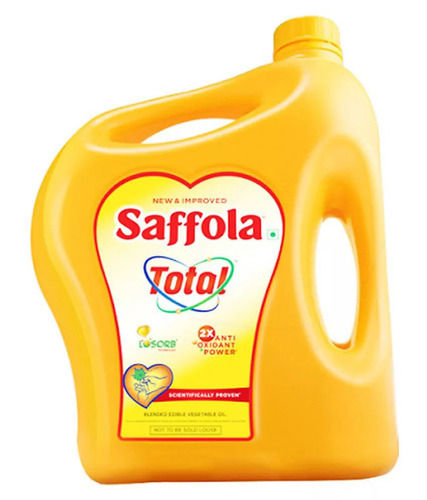
Saffola Refined Oil
Price:800 INR /Liter
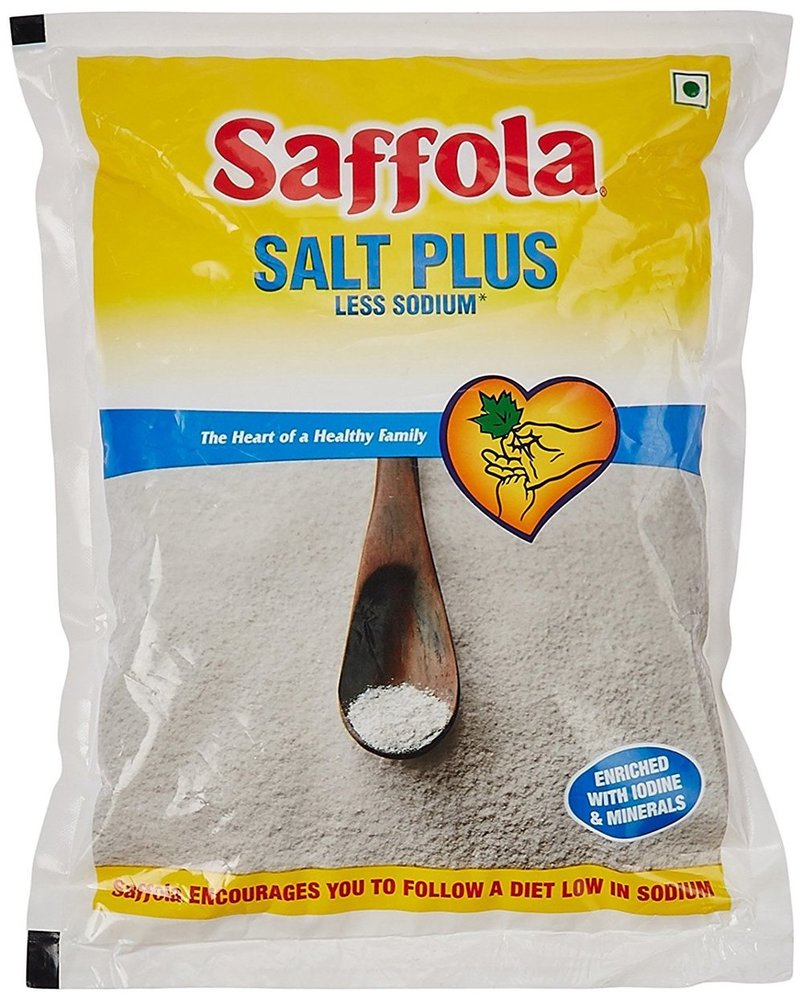
Saffola Salt Plus
Price:31 INR /Bag
Cold Pressed Mustard Oil
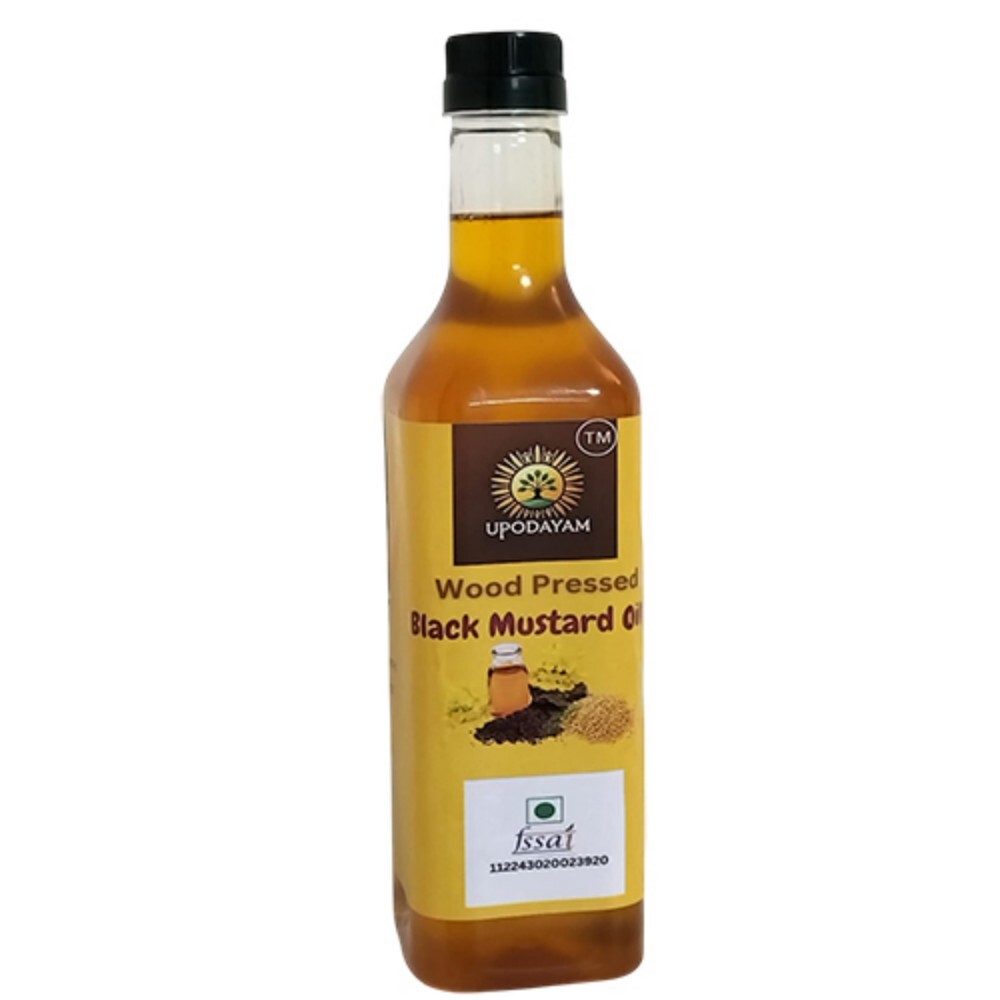
Wood Pressed Black Mustard Oil
Price:220 INR /Liter
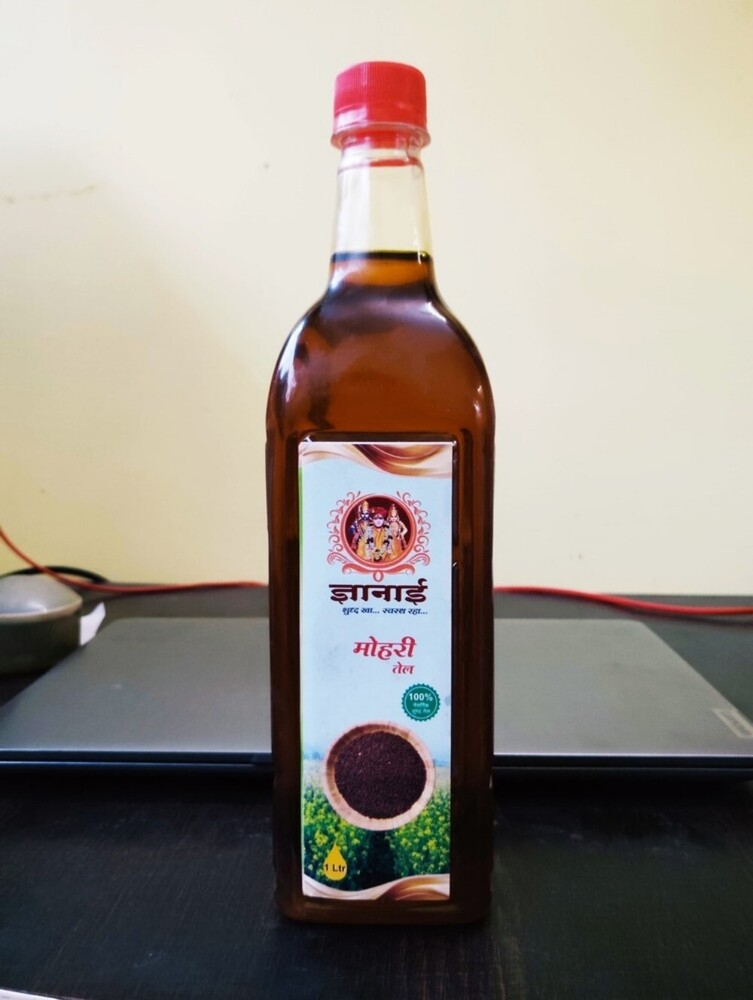
Wooden Pressed Mustard Oil
Price:360.0 INR /Number
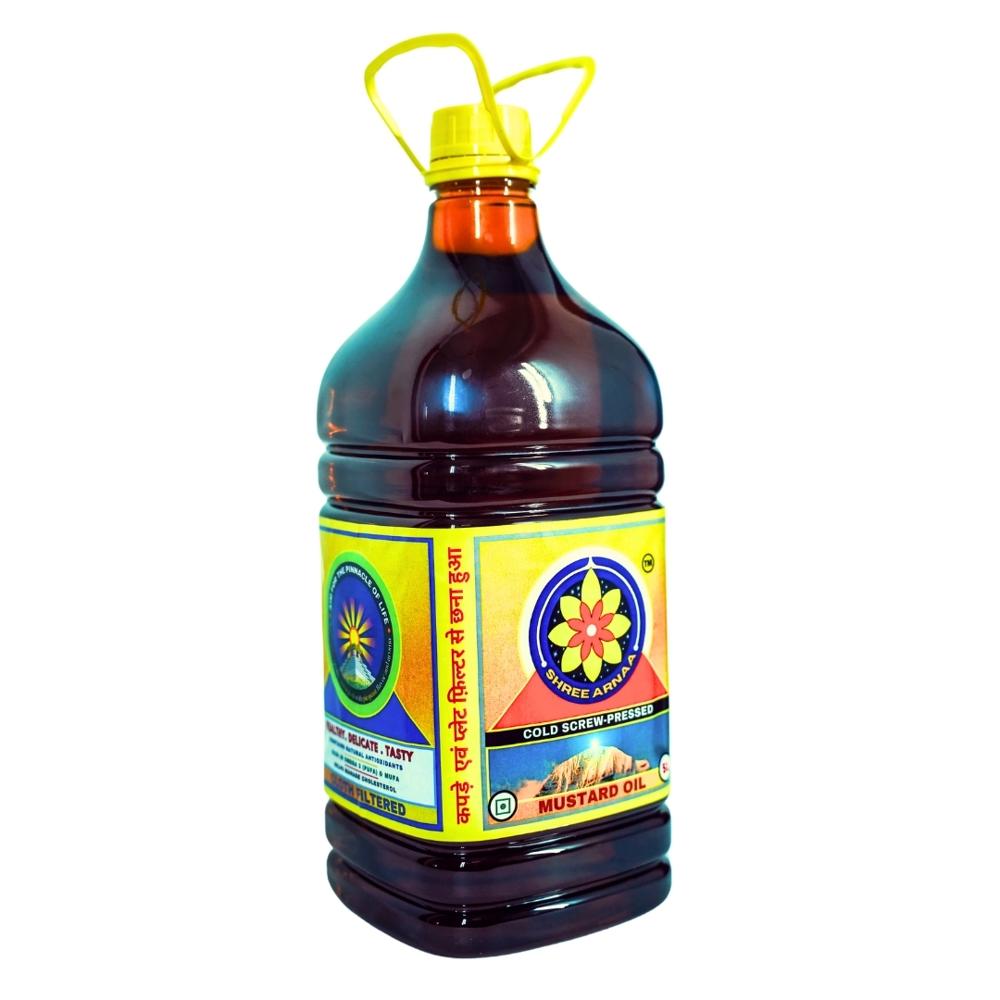
SHREE ARNAA Cold Screw Pressed Mustard Oil 5 LTR
Price:1150.0 INR /Carton
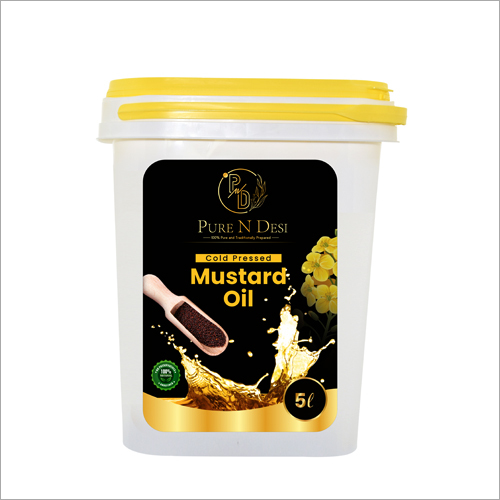
Organic Cold Pressed Mustard Oil
Price:1400 INR /Piece
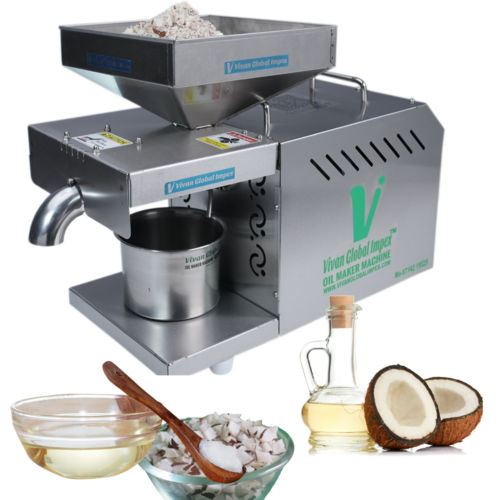
700Watt Cold Press Oil Machine
Price:25499 INR /Unit
Acid Oil
2-Chloro-1-(4-methylphenyl)-1-propanone CAS 69673-92-3
Price:50 USD ($) /Kilograms
Cashew Residue Oil
Price:25.00 INR /Kilograms
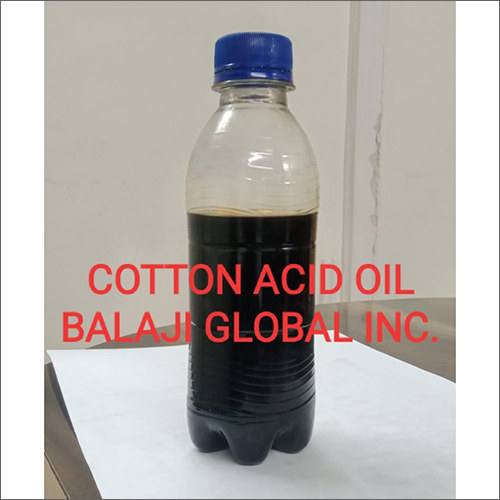
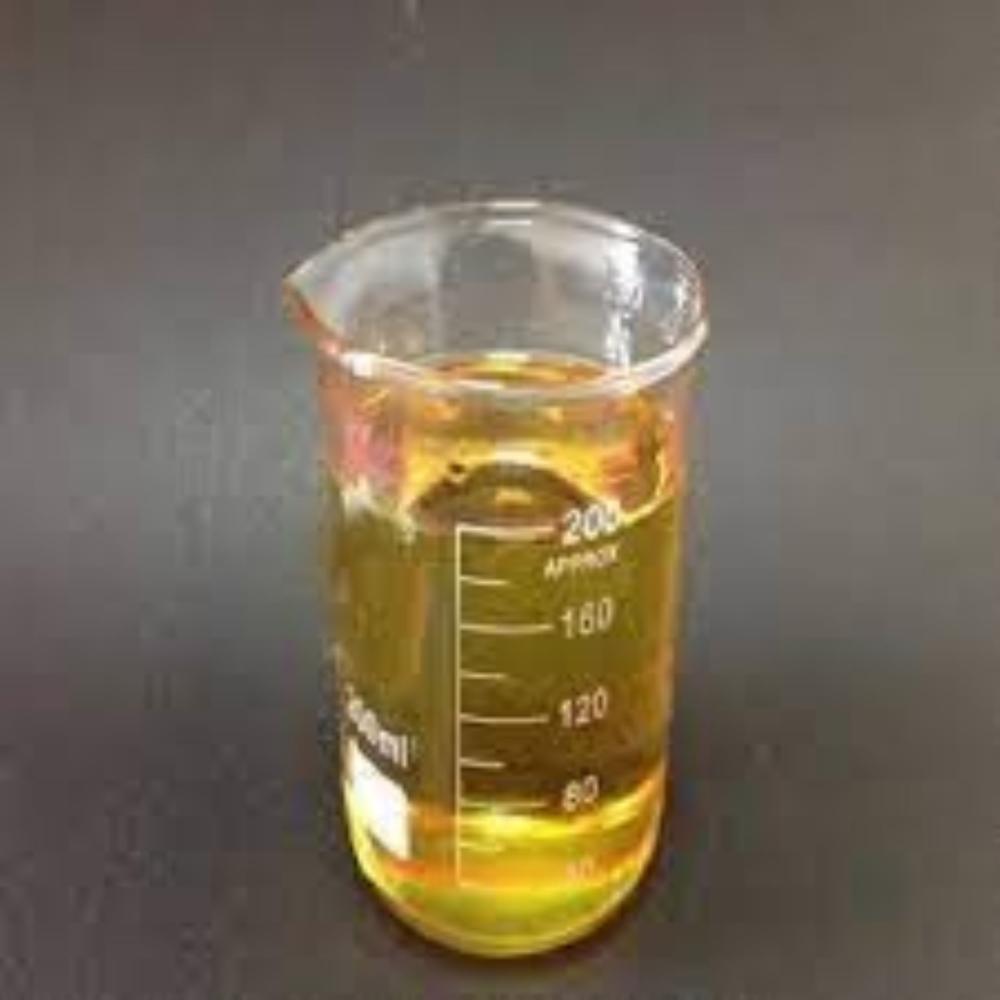
Distilled Acid Oil
Price:80.0 INR /Liter
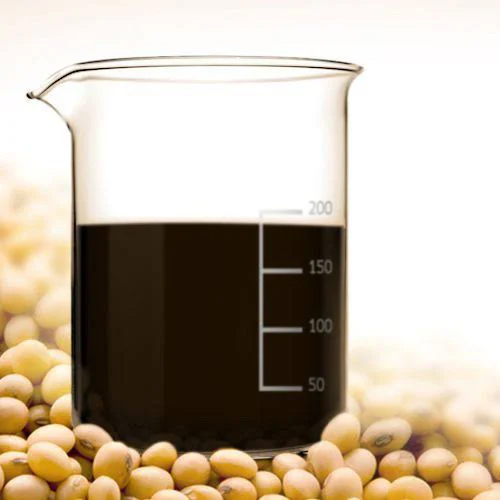
Liquid Acid Oil
Price:64.0 INR /Kilograms
Fresh Fruits
Jamun
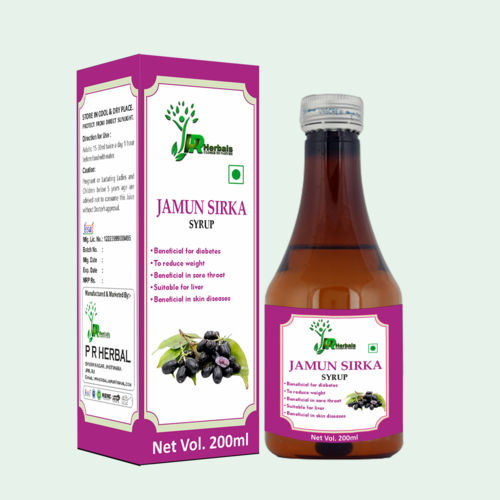
Jamun Sirka Syrup
Price:40 INR /Bottle
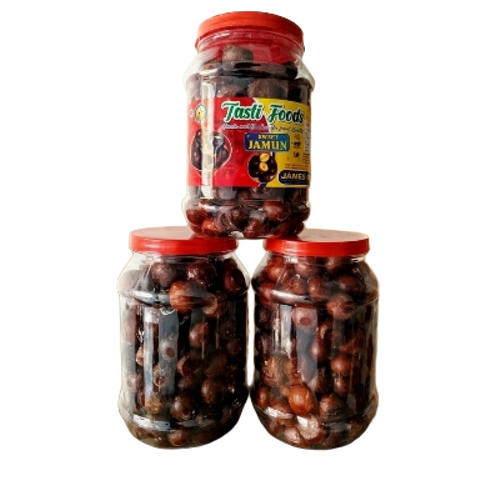
Gulab Jamun Sweet
Price:240 INR /Kilograms
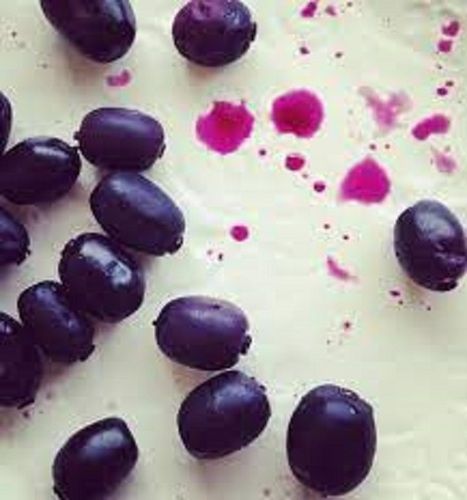
Jamun Fruit
Price:148 INR /Kilograms
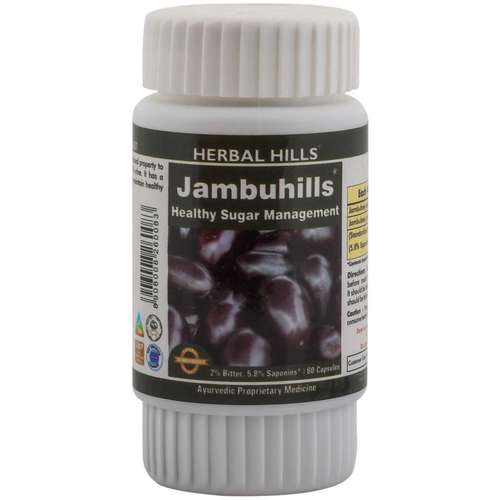
Ayurvedic Medicine For Diabetes - Jamun Capsule
Price:195 INR /Pack
Aegle Marmelos
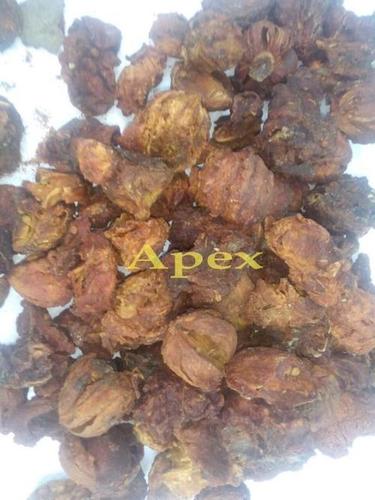
Bael Dried Fruit
Price:100 INR /Kilograms

Aegle Marmelos Extract
Price:410 INR /Kilograms
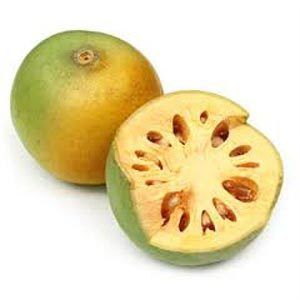
Bili Fruit
Price:110 INR /Kilograms
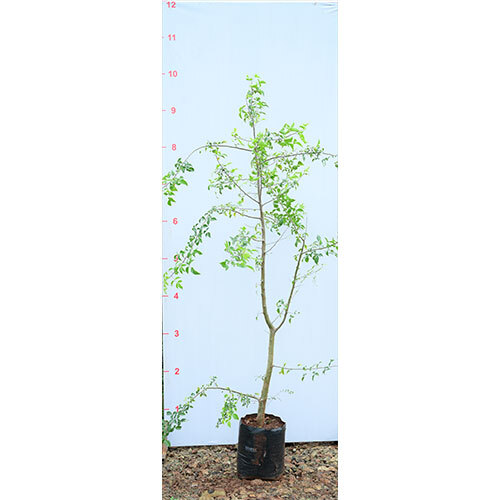
Bel Aegle Marmelos
Price:1200.0 INR /Piece
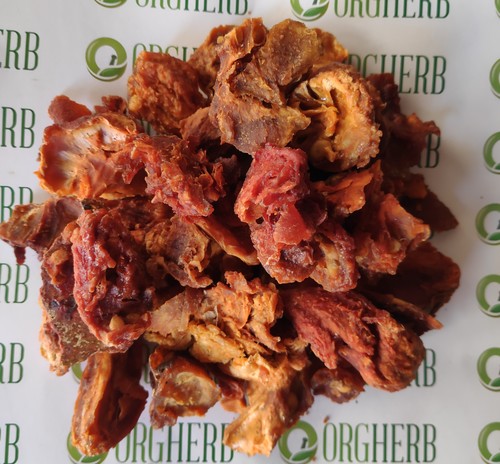
Bael Giri
Price:50 INR /Kilograms
Kesar Mango
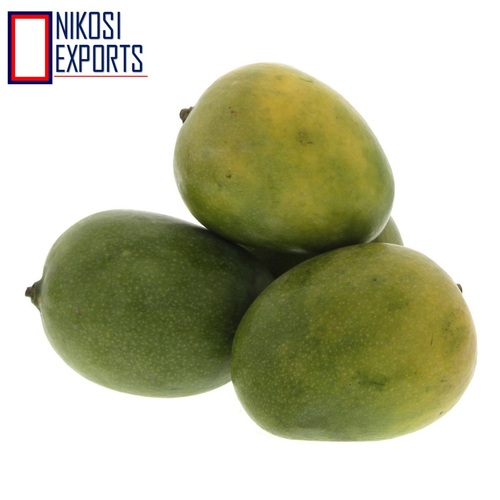
Fresh Neelum mangoes
Price:1.57 USD ($) /Kilograms
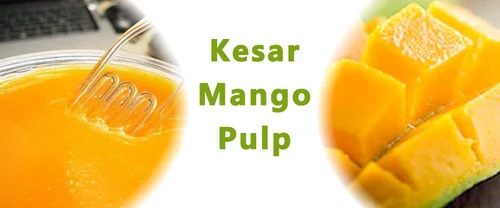
Kesar Mango Pulp
Price:190 INR /Kilograms

Kesar Mangoes
Price:200 INR /Kilograms
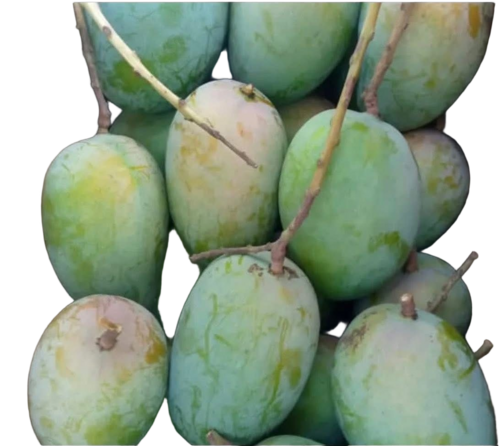
Fresh Kesar Mango
Price:120 INR /Kilograms

Kesar Mango
Price:1 USD ($) /Twenty-Foot
Totapuri Mango
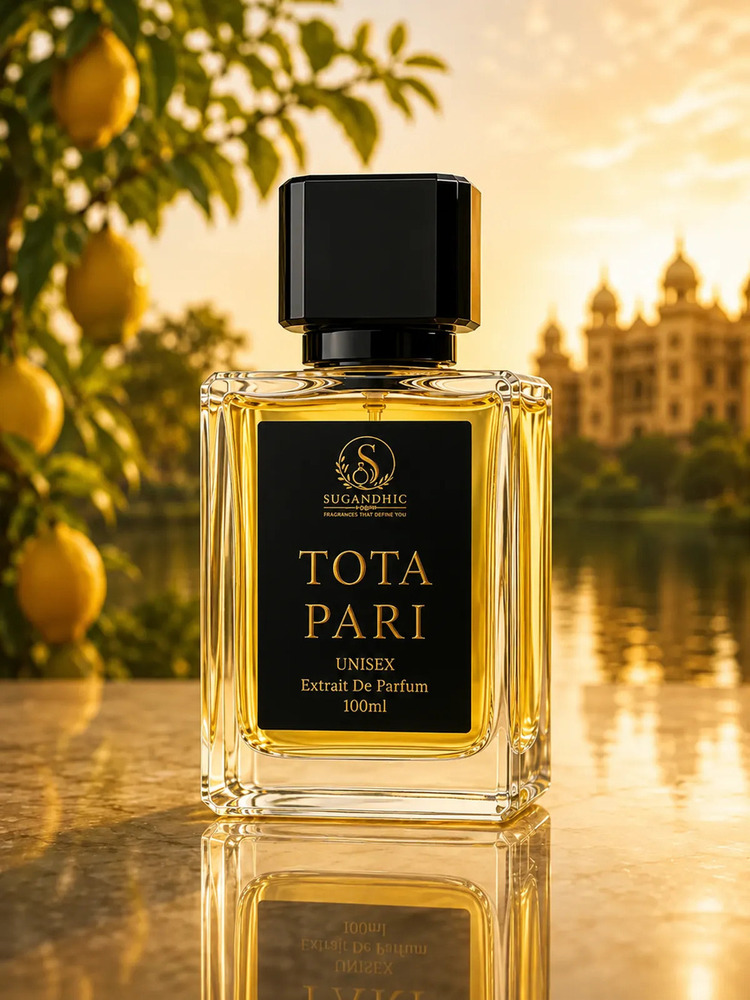
Sugandhic Tota Pari Mango Bergamot Eau De Parfume
Price:1399 INR /Piece
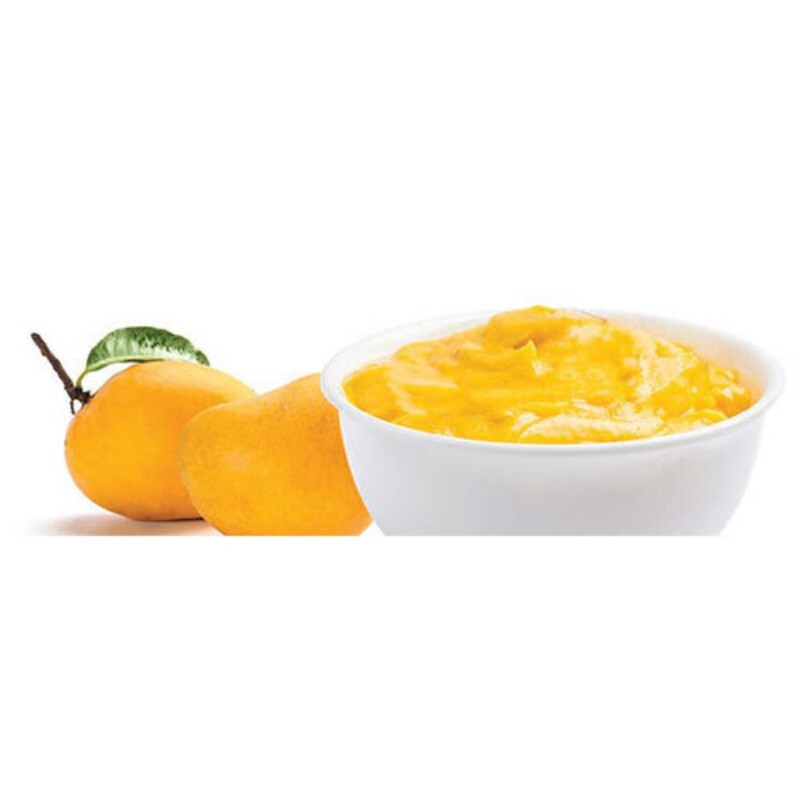
Totapuri Mango Pulp
Price:120 INR /Kilograms

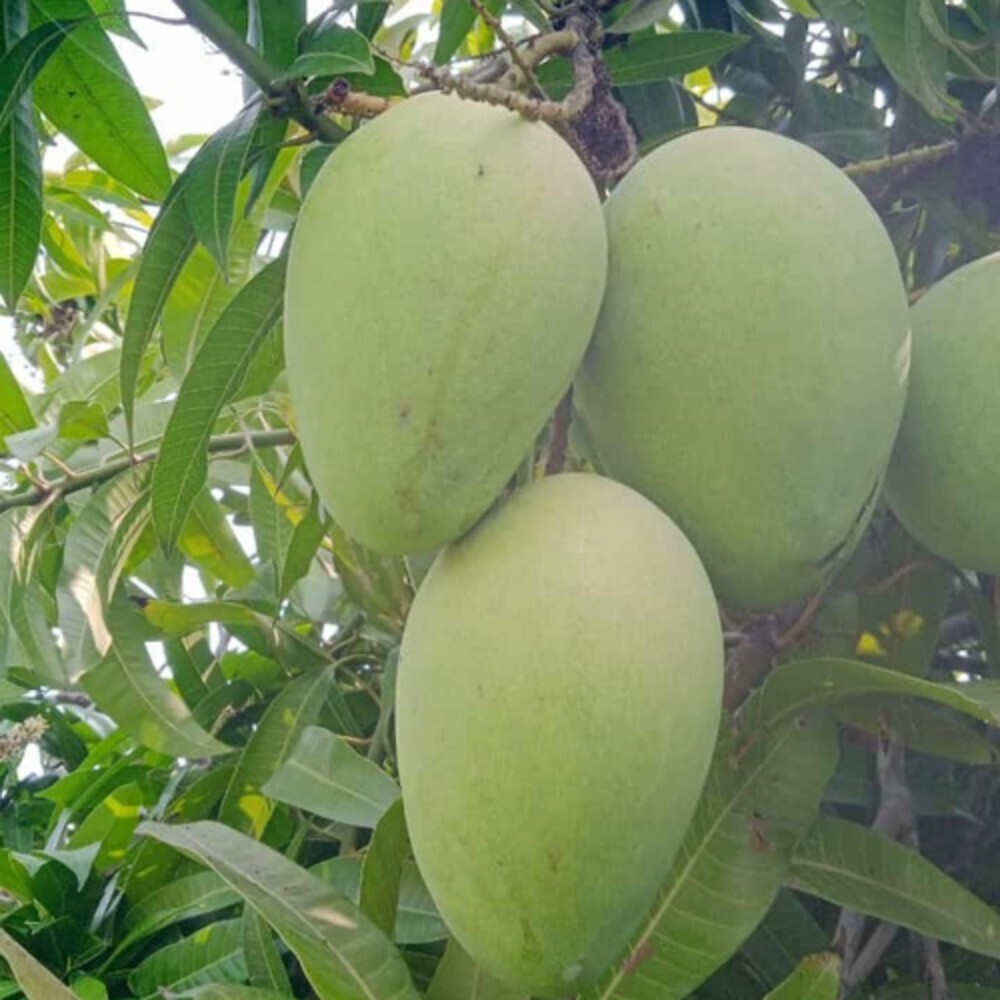
Raw Mango
Price:65000 INR /Ton
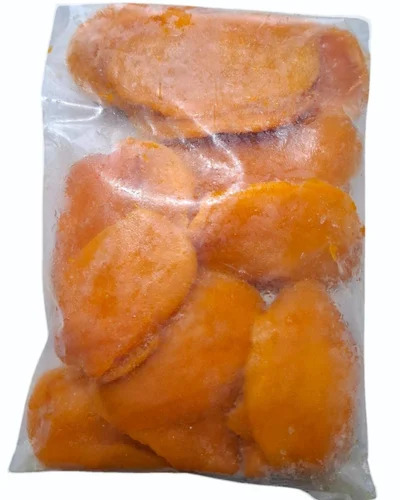
Frozen Totapuri Mango Slice
Price:280.0 INR /Kilograms
Banana
KGCPL Cavendish Banana
Price:390 USD ($) /Metric Ton
G9 Banana
Price:0.35 USD ($) /Kilograms
G9 Cavendish Banana
Price:1200 INR /Box
Fresh banana G9
Price:17 INR /Container
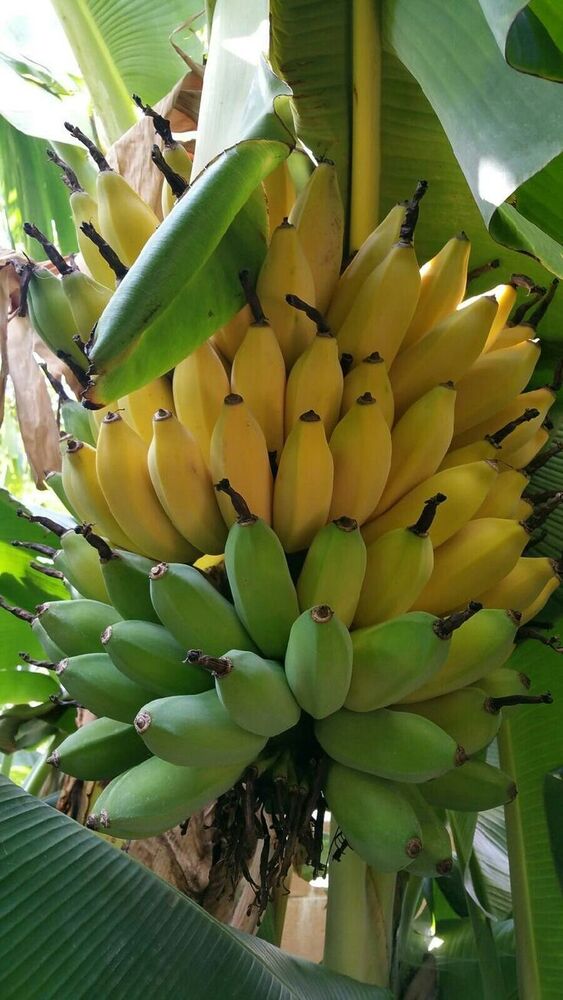
Natural Fresh Banana
Price:30.0 INR /Kilograms
Dairy Products
Brie Cheese
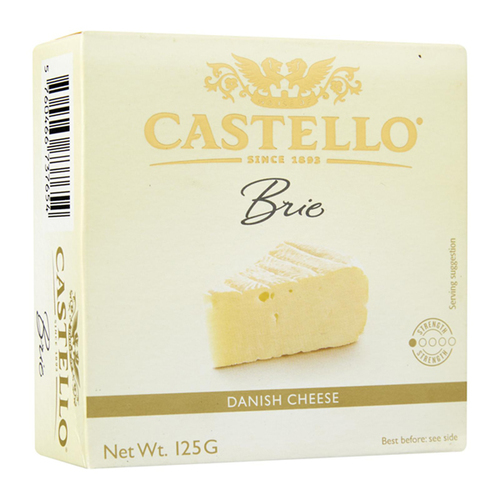
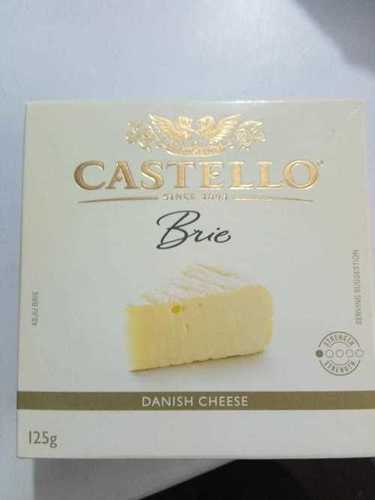
Castello Brie Cheese 125 Gms
Price:250 INR /Piece
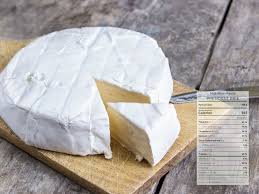
Brie Cheese
Price:450.0 INR /Kilograms
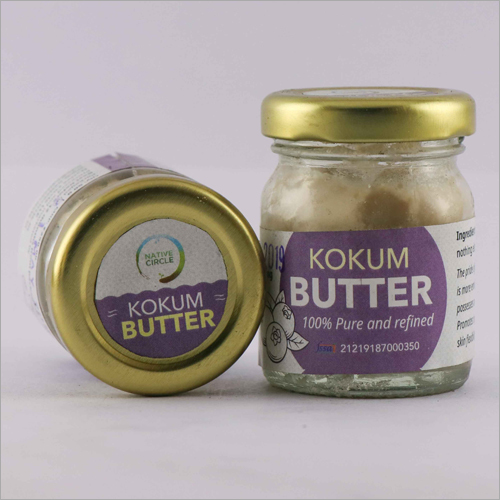
Pure Kokum Butter
Price:250 INR /, Bottle
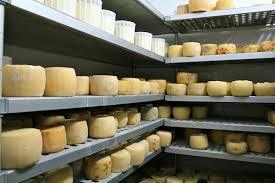
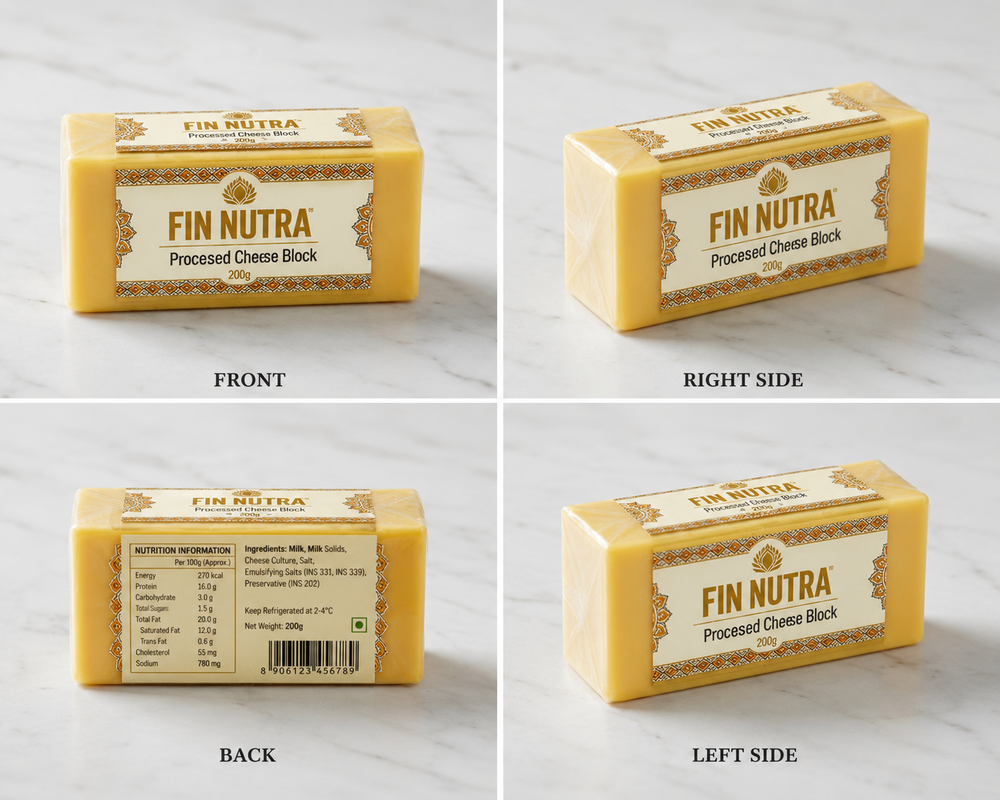
Feta Cheese
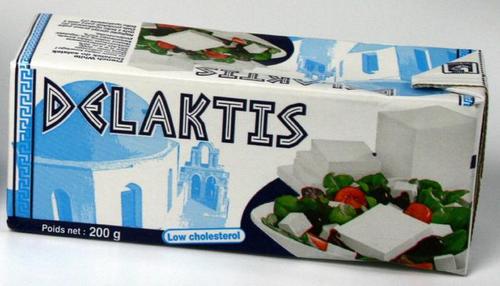
Delaktis Combi White Feta Style
Price:600 INR /Kiloampere
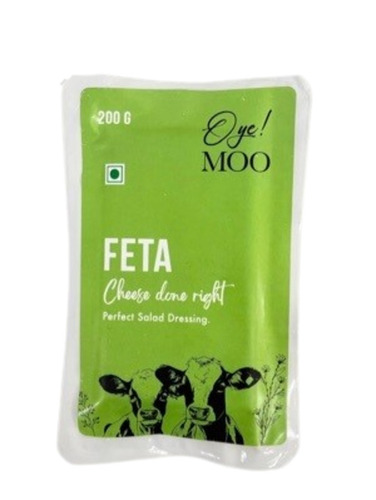
Feta Cheese
Price:300 INR /Kilograms
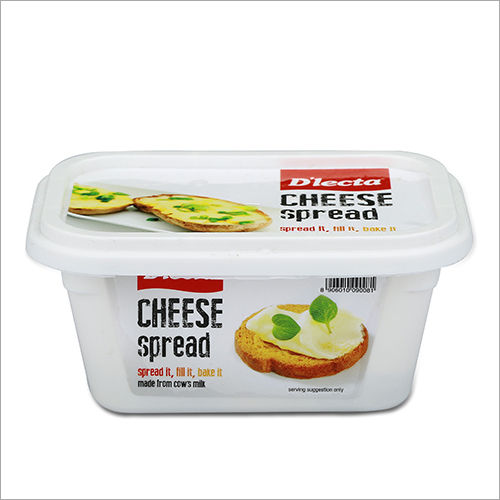
180 GM Cheese Spread
Price:2 INR /, Piece
Pure Kokum Butter
Price:250 INR /, Bottle
Sour Cream
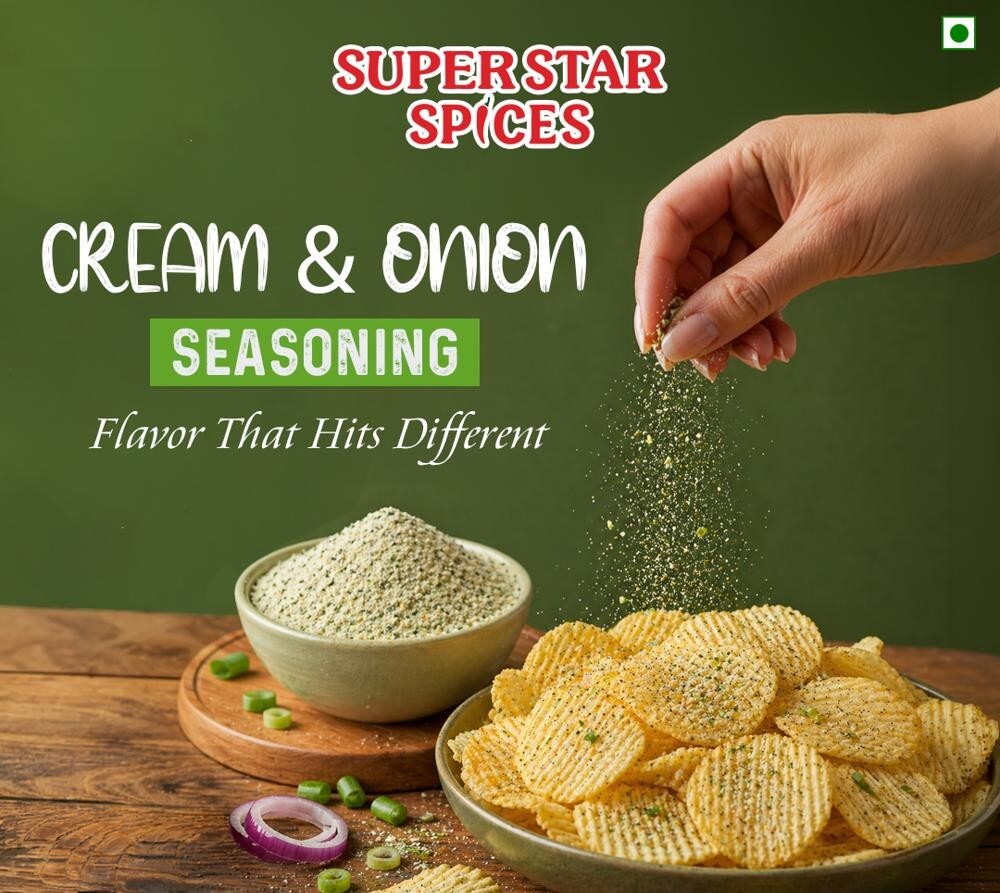
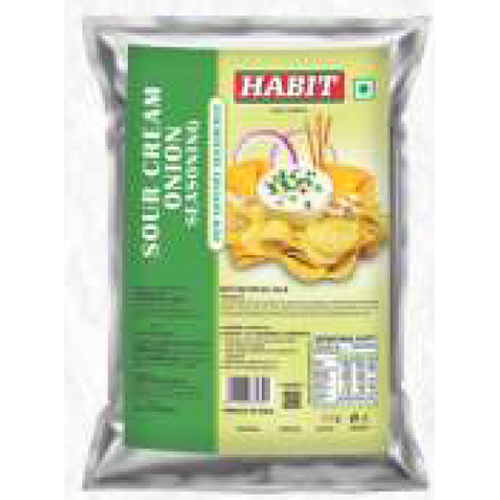
Sour Cream & Onion Seasoning
Price:180 INR /Kilograms
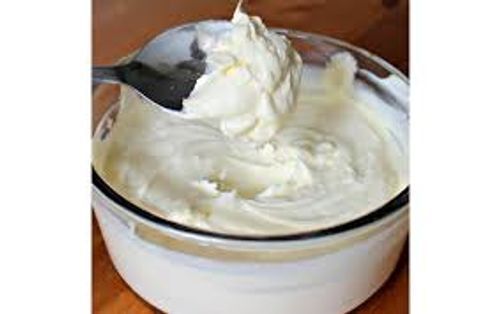
Rich In Nutrient Smooth Texture Pure Milk Based Fresh Milk Cream
Price:190 INR /Kilograms
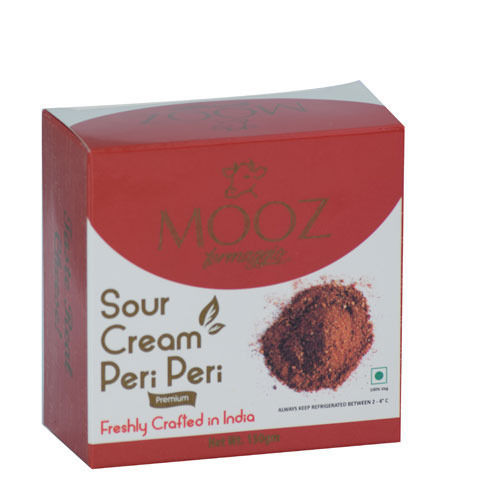
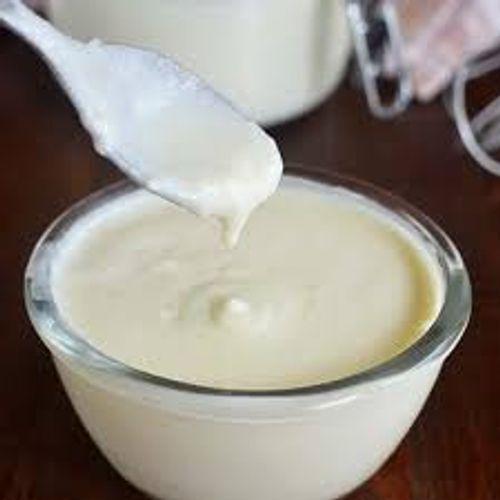
Pure Natural In Flavor Extra Spark Milk Fresh Sour Cream, High In Vitamins
Price:195 INR /Kilograms
Curd
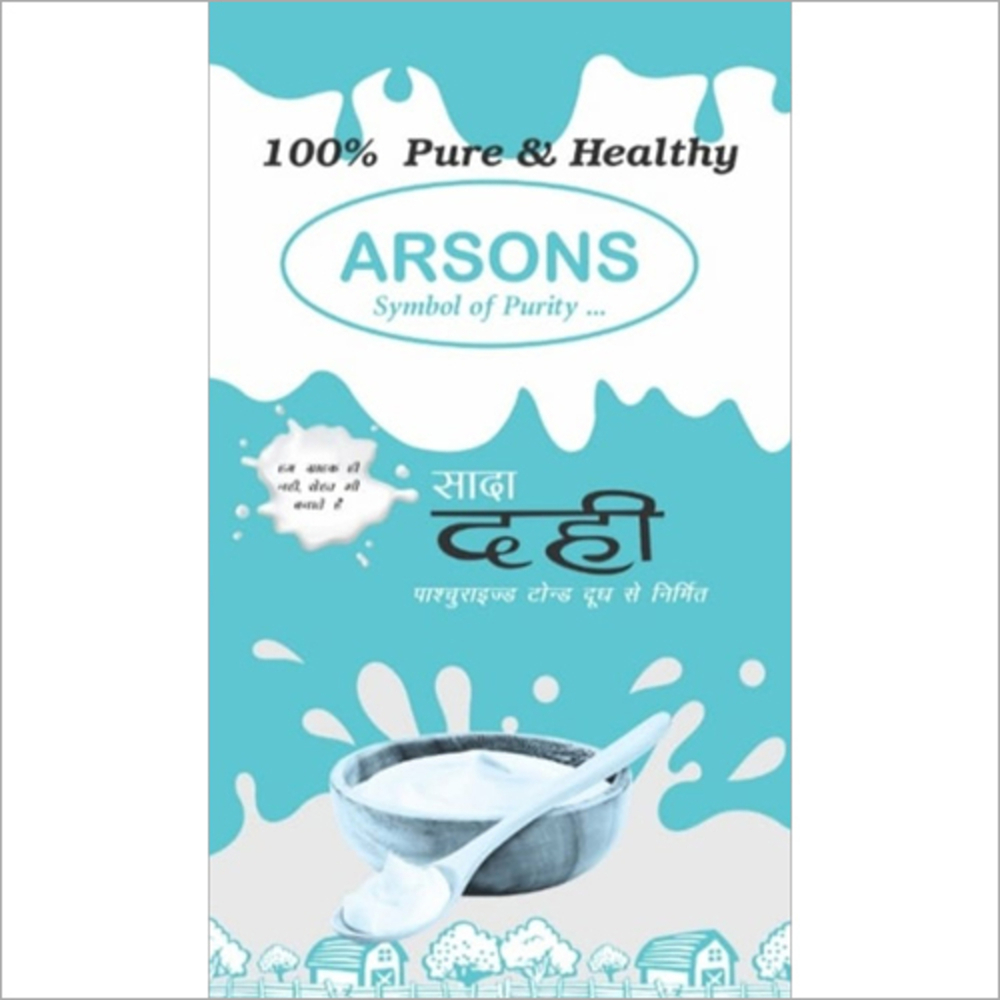
100% Pure Dahi
Price:80 INR /Kilograms
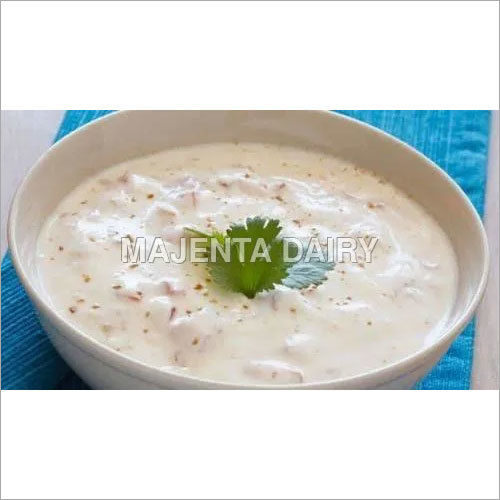
Milk Curd
Price:30 INR /Kilograms
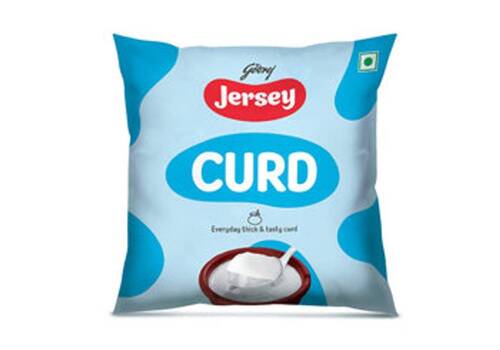
Creamy Testy Hygienically Made High Calcium Jersey Curd Pack Of 500 Mg
Price:21 INR /Pack
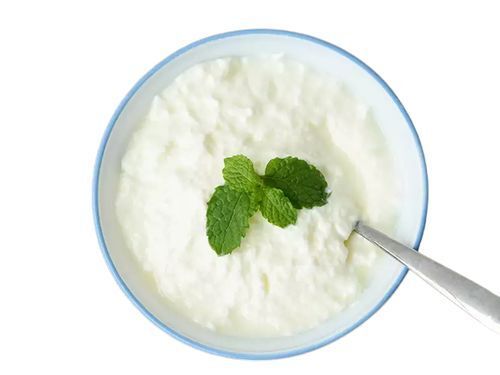
Fresh Pure And Natural Original Half Sterilized White Curd, Packet Of 1 Kg
Price:40 INR /Kilograms
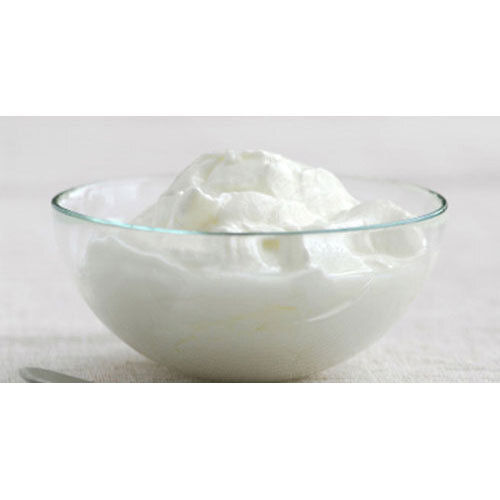
Best Quality And Tasty Creamy Curd Or Dahi
Price:40 INR /Pack
Custard Powder
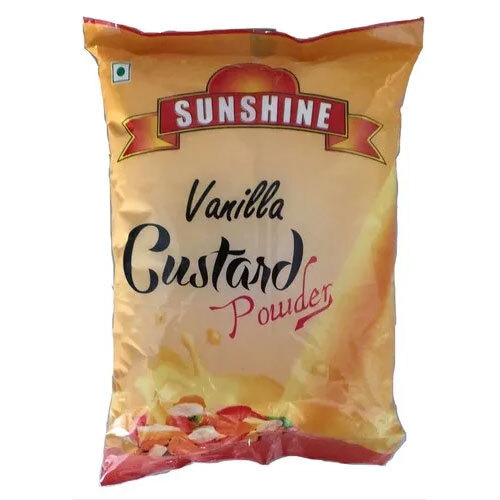
Vanilla Custard Powder
Price:65.0 INR /Kilograms
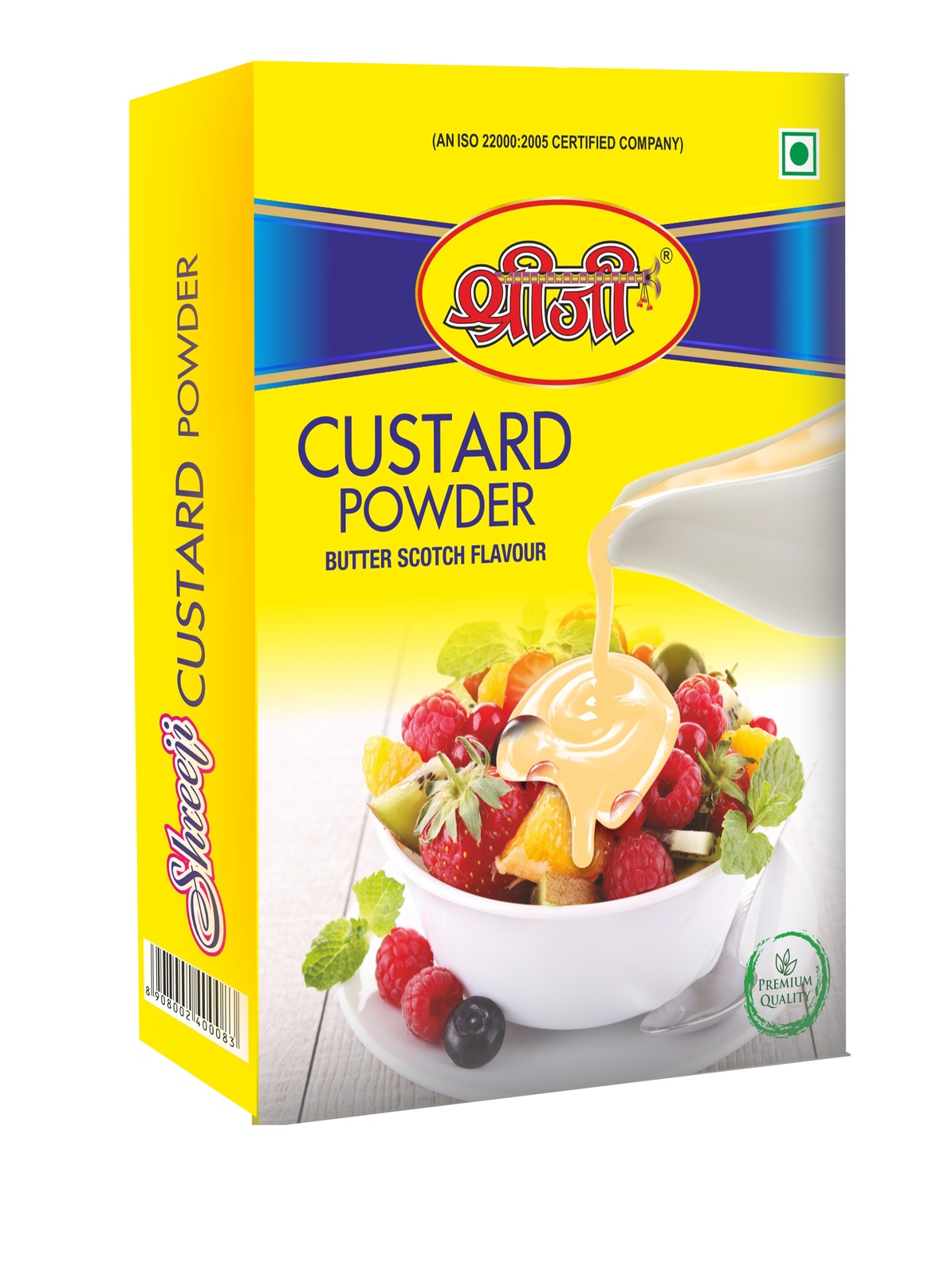
Shreeji Vanilla Flavour Custard Powder 100g
Price:17 INR /Kilograms
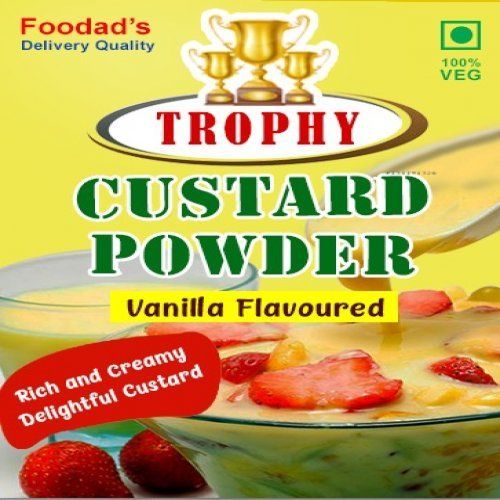

Bharat 100g Custard Powder Strawberry
Price:23 INR /Box
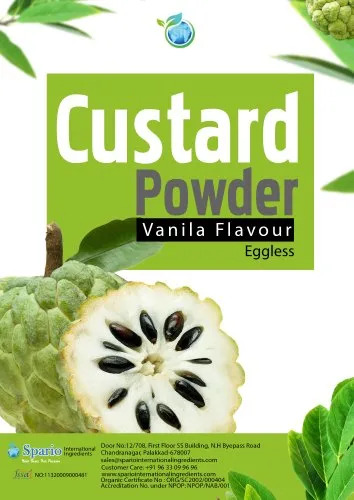
Custard Powder Spario
Price:58 INR /Bag
Top Rated Companies from Food & Beverage Category
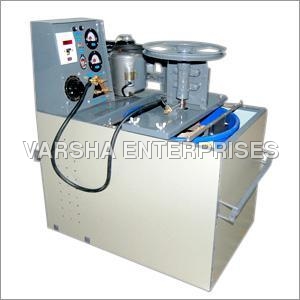







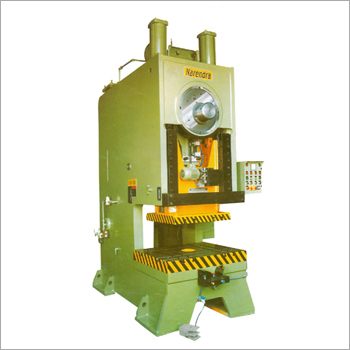

Food Products
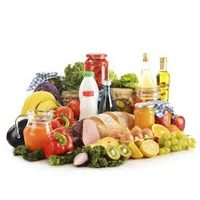
Ready To Eat Food
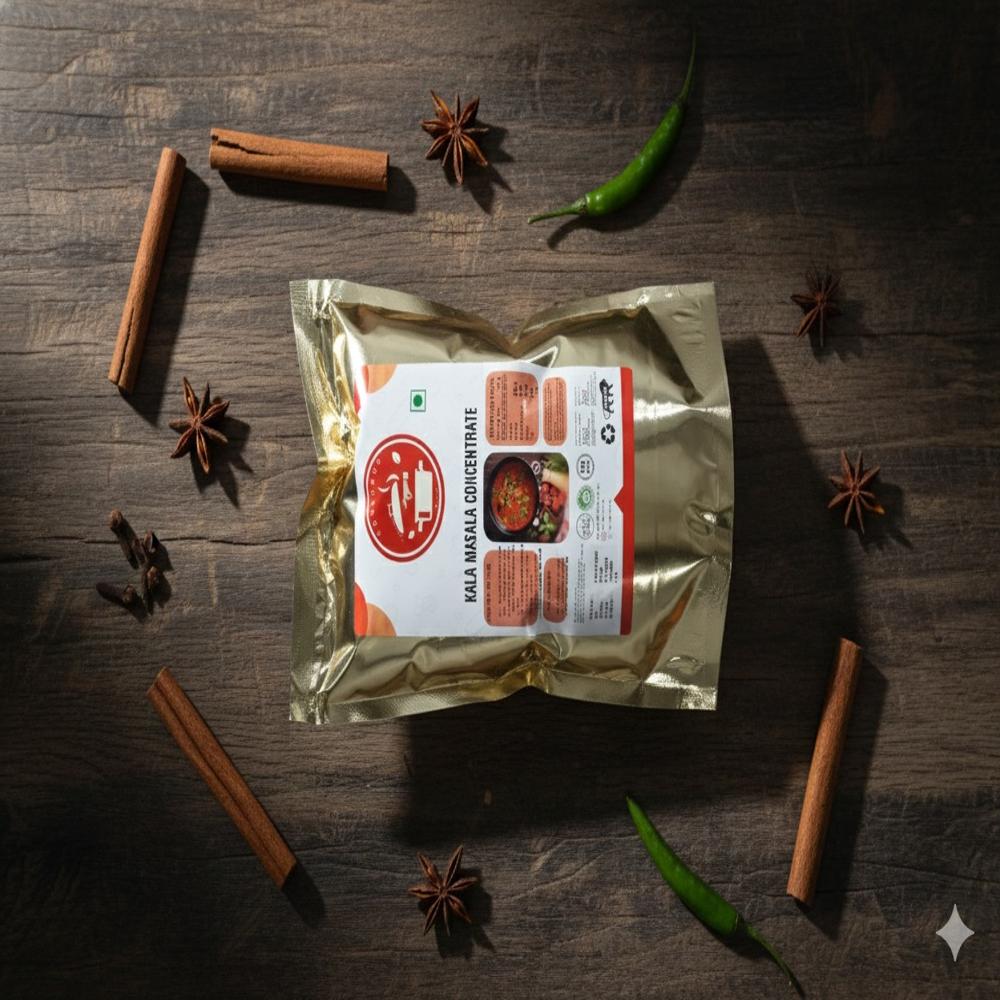
Kala Masala Concentrate
Price:340.0 INR /Kilograms
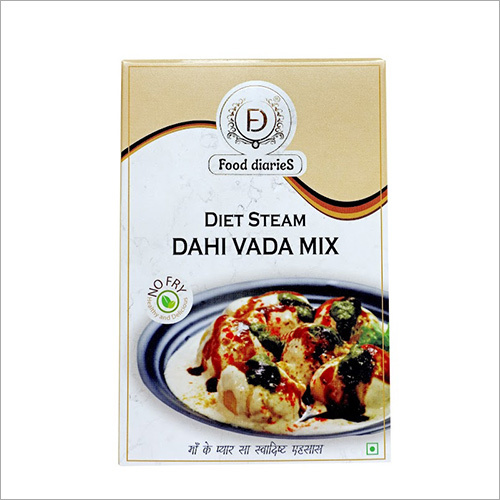
Instant Dahi Vada Mix
Price:102.50 INR /Box
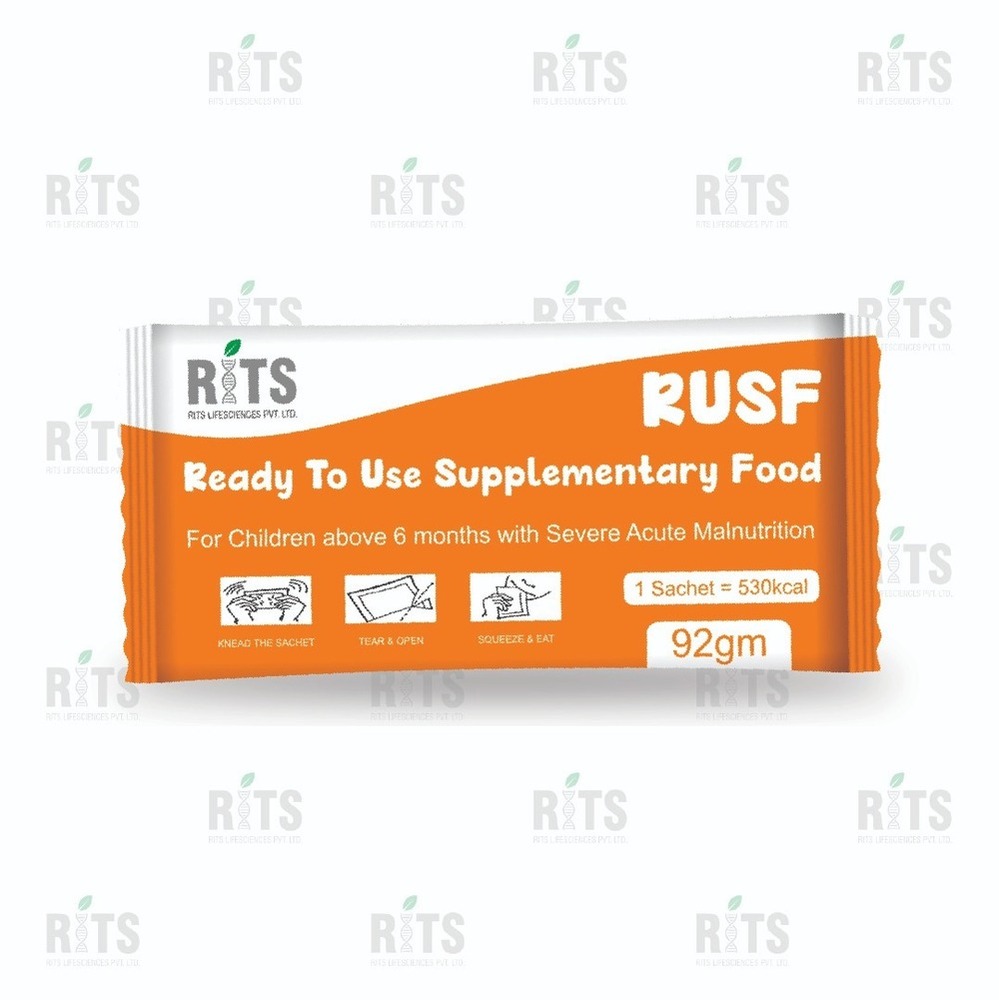
Ready To Use Supplementary Food (RUSF)
Price:4055 INR /Container
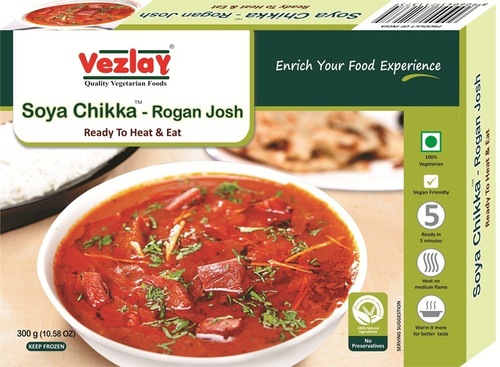
Soya Chikka Rogan Josh (Plant Based)
Price:320 INR /Kilograms
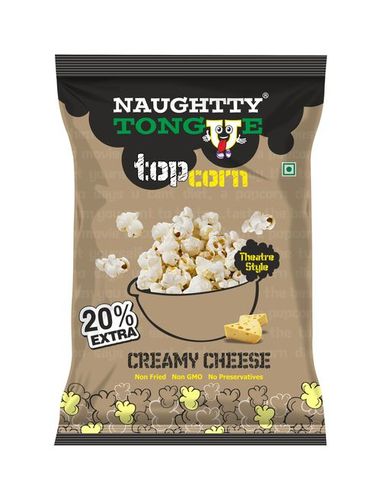
Naughty Tongue Creamy Cheese Popcorn
Price:10 INR /Piece
Coffee Syrup
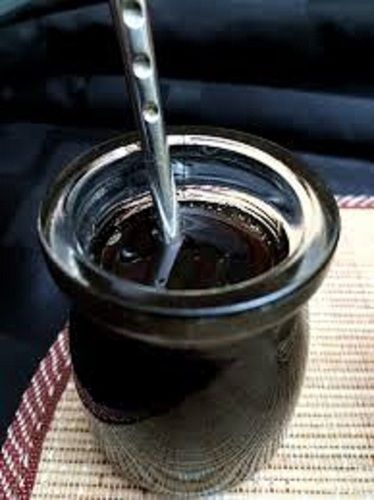
Pure And Sweet Tast Health Brown Coffee Syrup
Price:200 INR /Milliliter
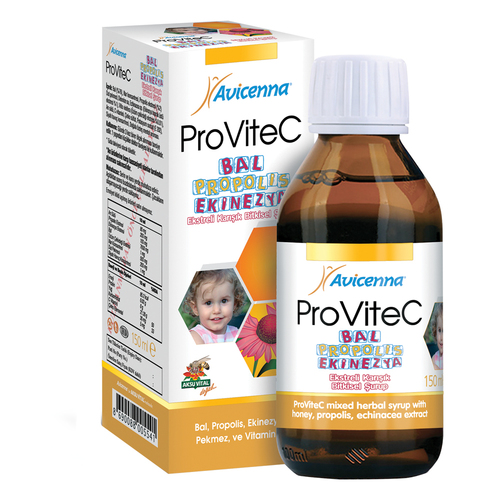
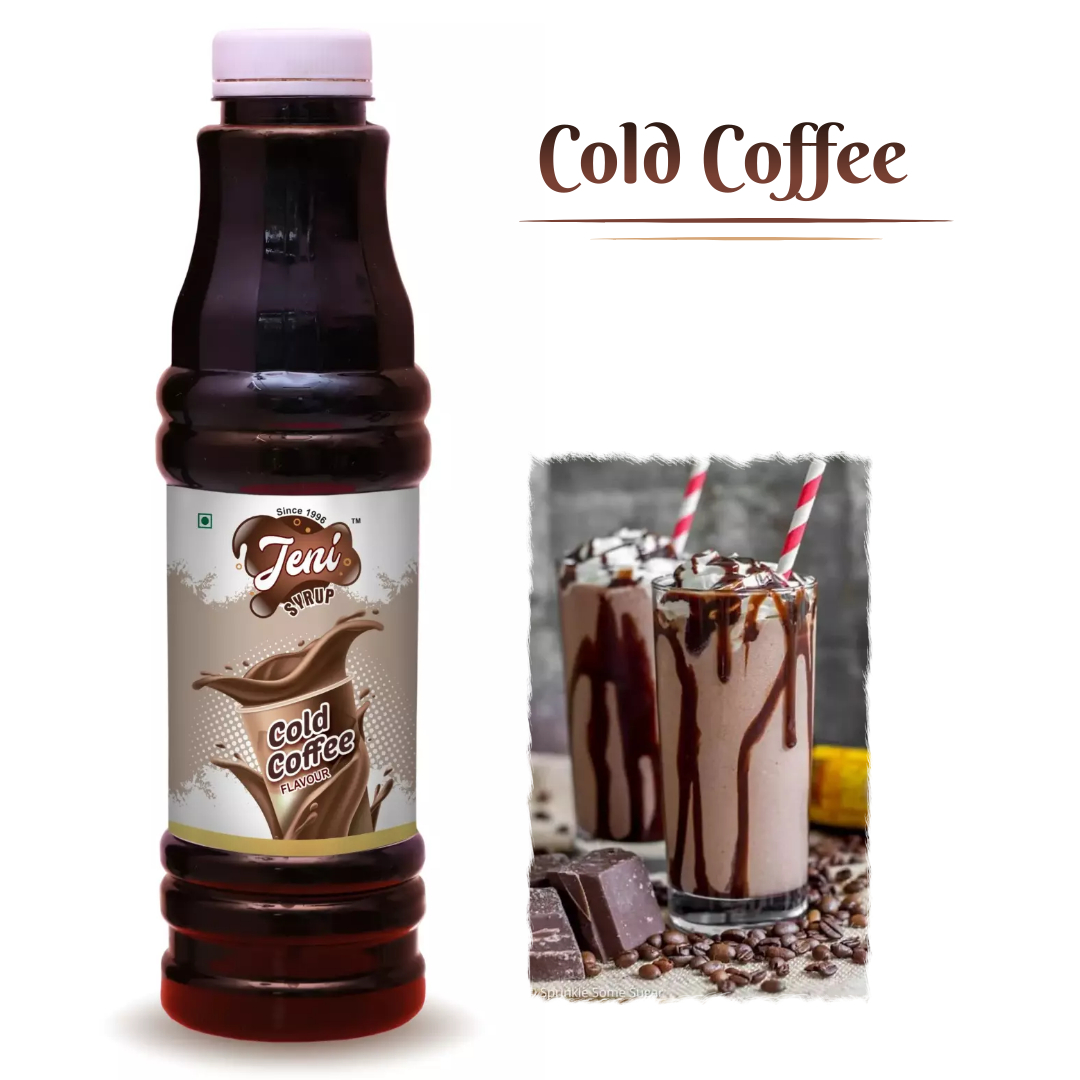
Cold Coffee Sharbat Syrup 700 Ml
Price:190 INR /Piece
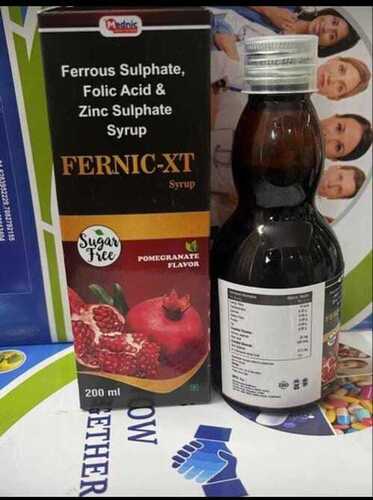
FERNIC -XT SYRUP 200ML
Price:16 INR /Bottle
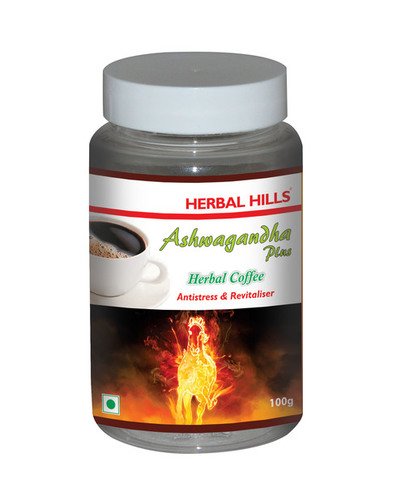
Soup Powder
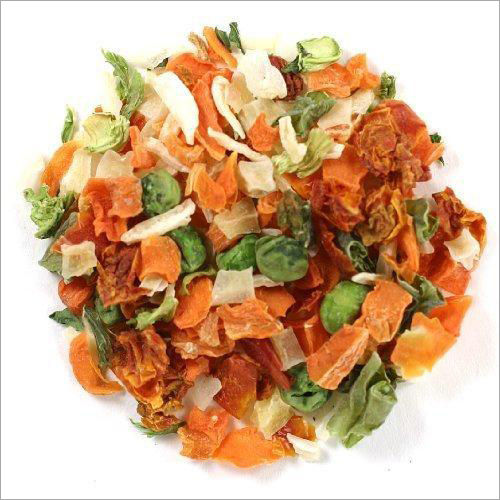
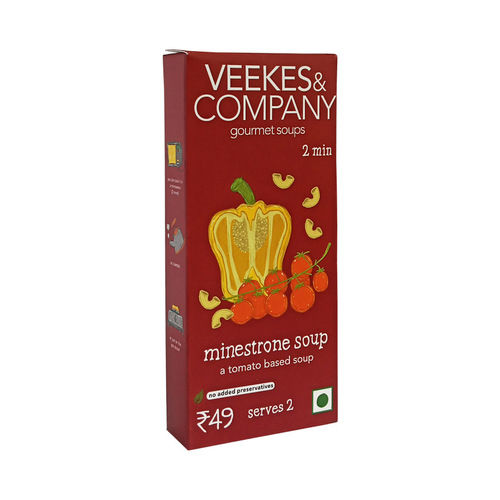
Minestrone Tomato Based Soup
Price:49 INR /Piece
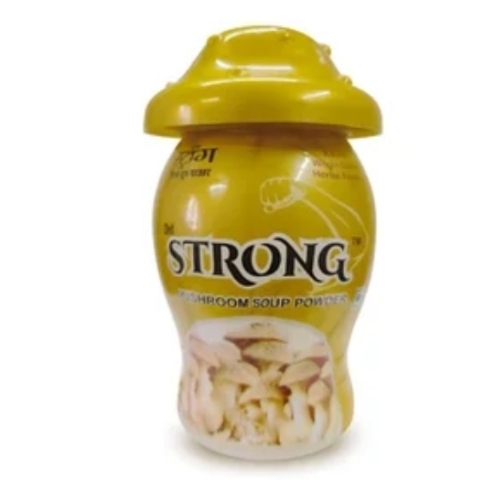
Mushroom Soup Powder
Price:360 INR /Pack
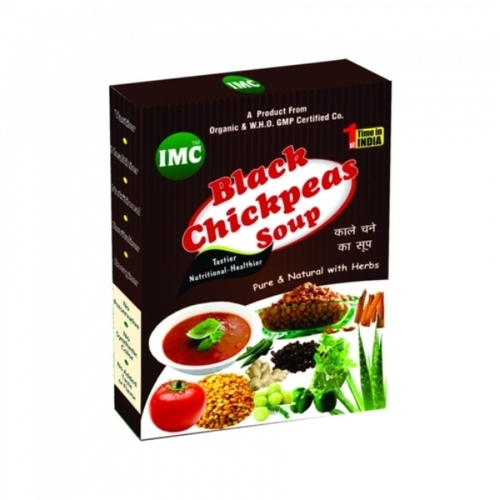
Chickpeas Soup Powder
Price:65 INR /Piece
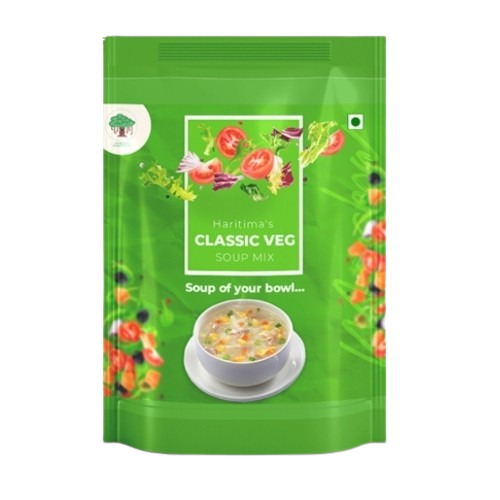
Haritima Classic Veg Soup Mix
Price:800 INR /Kilograms
Tomato Soup Powder
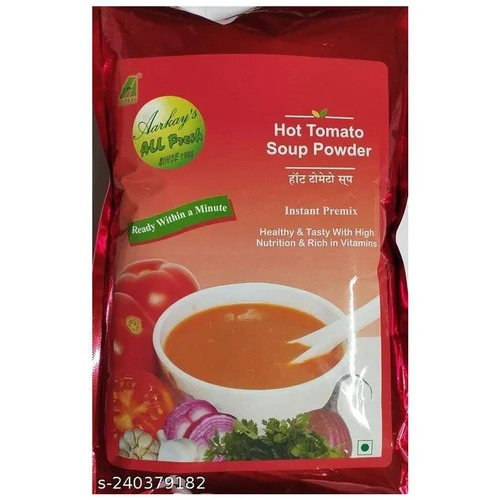
All Fresh Hot Tomato Soup Powder
Price:437.0 INR /Pack
A Grade Hygienically Packed Fresh Tasty Tomato Soup Powder For Cooking Use
Price:298 INR /Kilograms
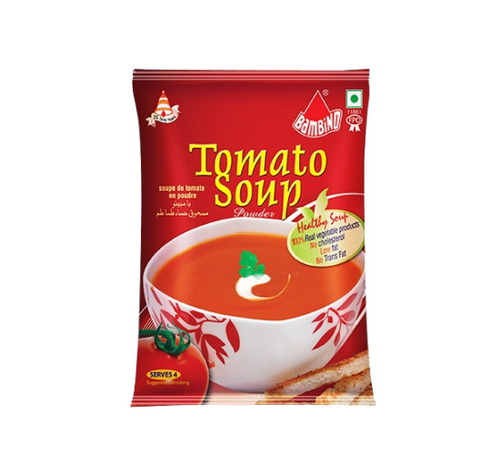
Tomato Soup Powder
Price:300 INR /Kilograms
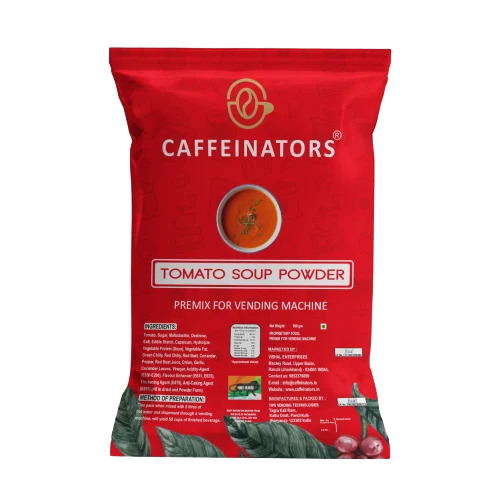
Caffeinators Tomato Soup Powder
Price:450 INR /Pack
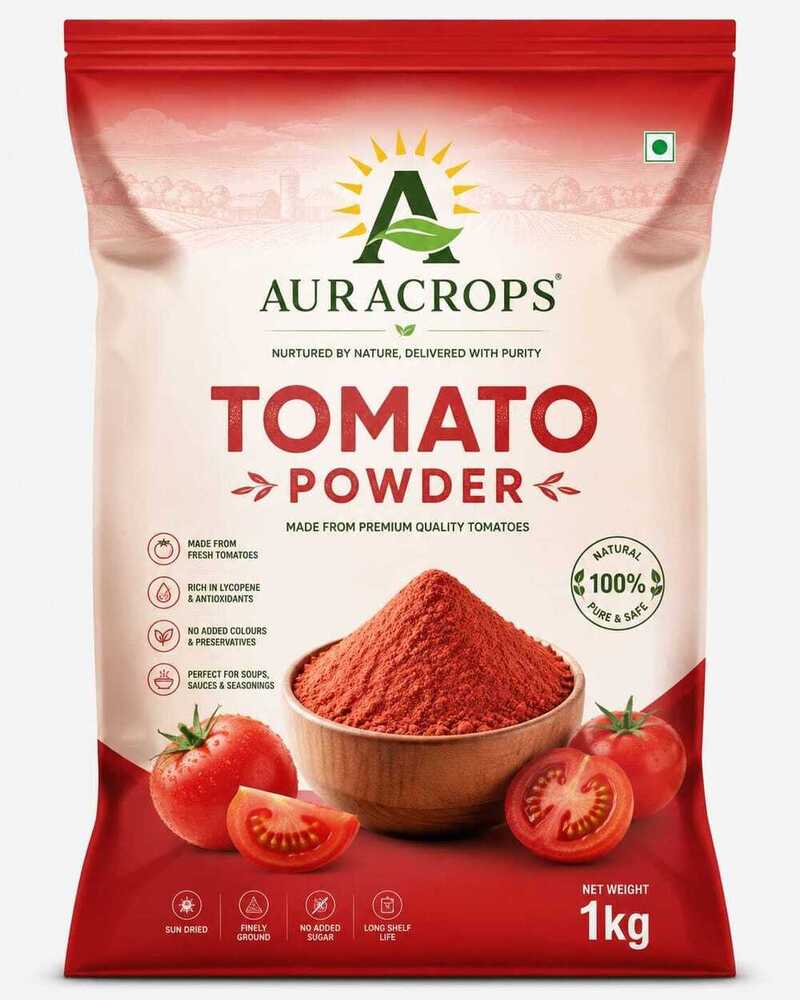
Premium Quality Tomato Powder | Food Grade Dehydrated Tomato Powder Supplier & Exporter
Price:165 INR /Kilograms
Dhokla
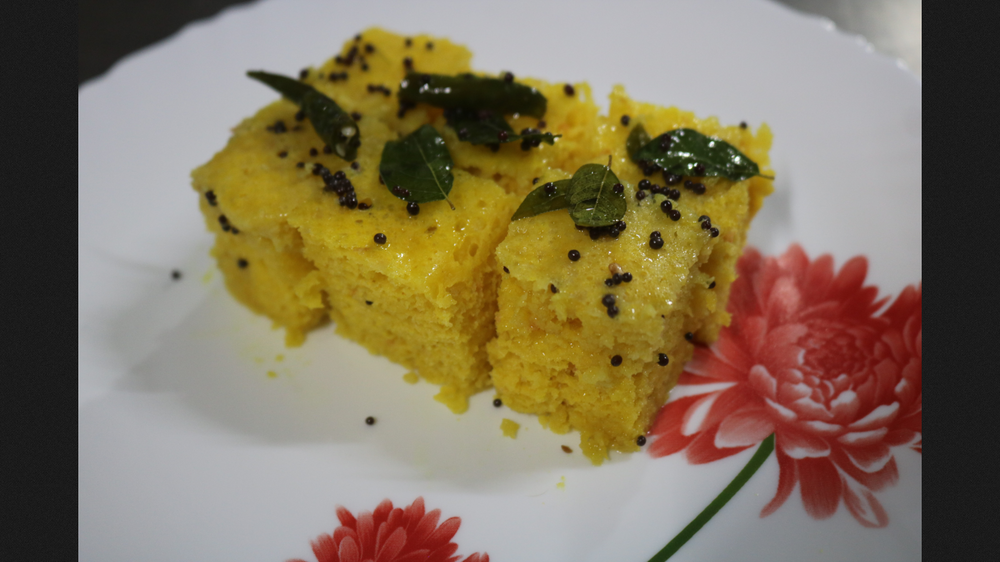

TVK Katchi Kari White Dhoti
Price:250 INR /Piece
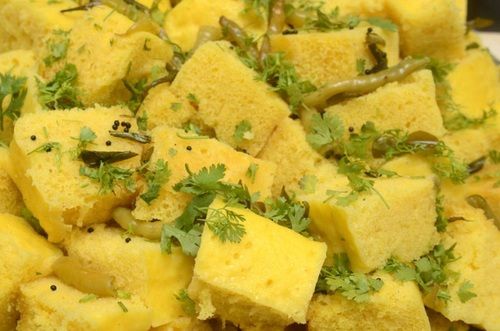
Hygienically Prepared Mouthwatering Taste Soft And Spongy Yellow Dhokla
Price:100 INR /Kilograms
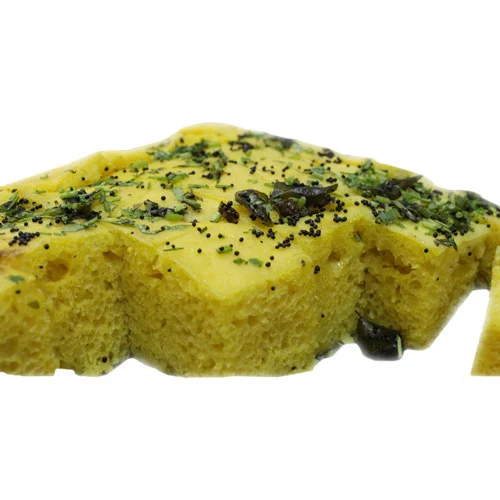
Basen Khaman Dhokla
Price:240 INR /Kilograms
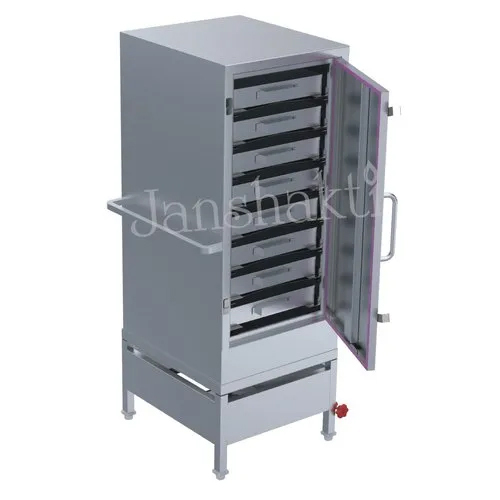
Dhokla Khaman Steamer
Price:37500 INR /Unit
Confectionery & Bakery Products
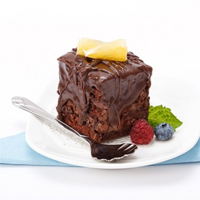
Plum Cake
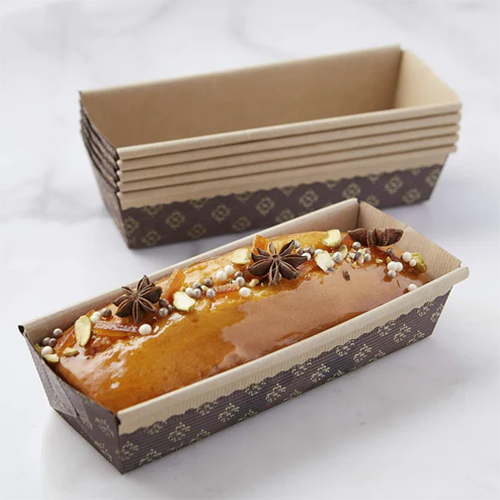
Plum Cake Mould
Price:8.0 INR /Piece
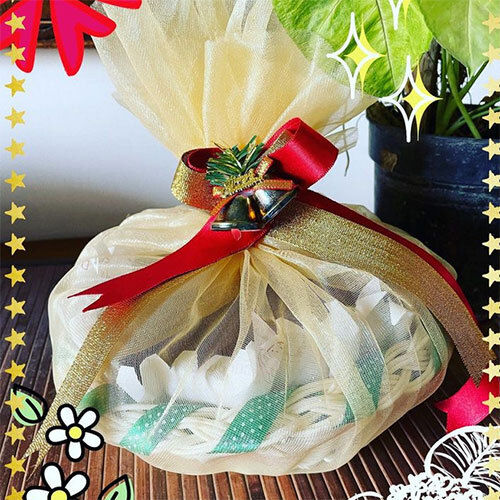
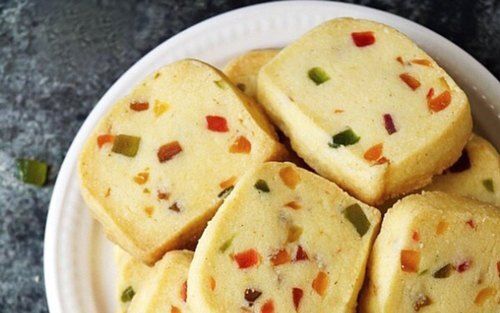
Healthy Yummy Tasty Delicious High In Fiber And Vitamins Vanilla Plum Cake
Price:520 INR /Kilograms
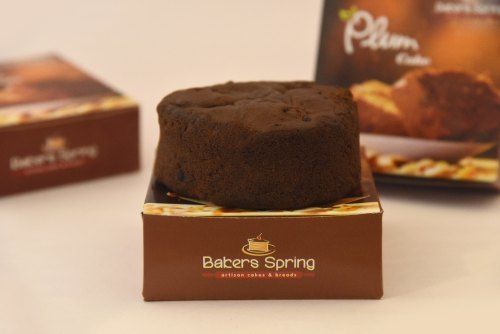
Healthy Yummy Tasty Delicious Hygienically Prepared Antioxidants With Plum Cake
Price:800 INR /Kilograms
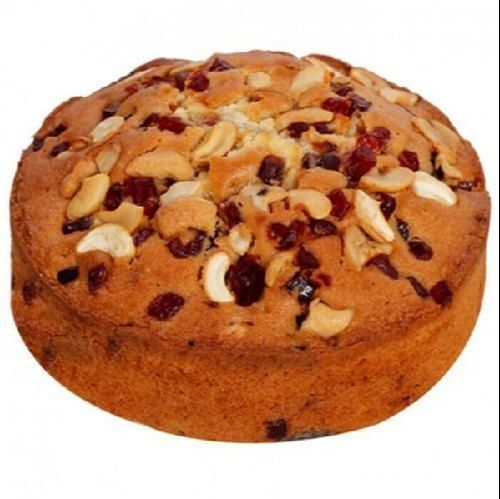
Delicious Yummy Tasty Round Shape Brown Plum Cake
Price:800 INR /Kilograms
Coco Chips
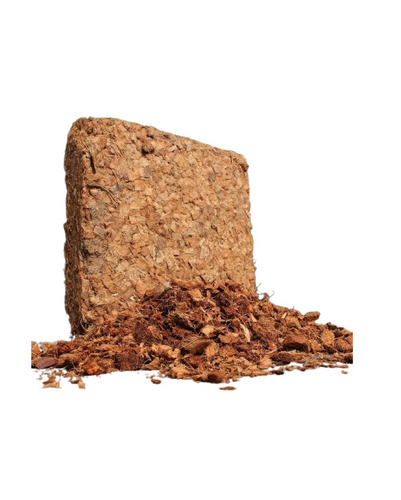
Husk Coco Chips
Price:80 INR /Kilograms
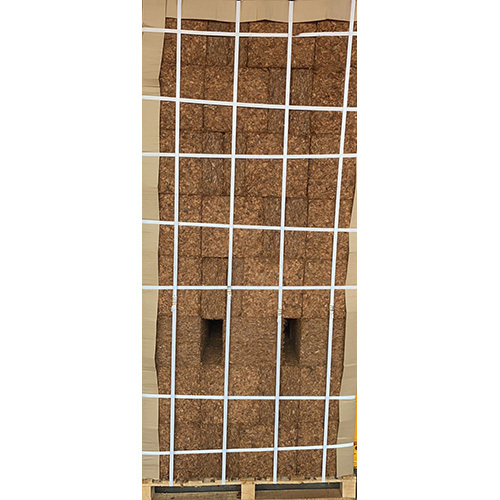
Coco Chips Blocks
Price:75 INR /Kilograms
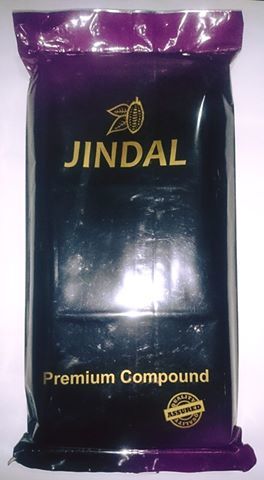
Dark Compound Chocolate CH
Price:120 INR /Piece
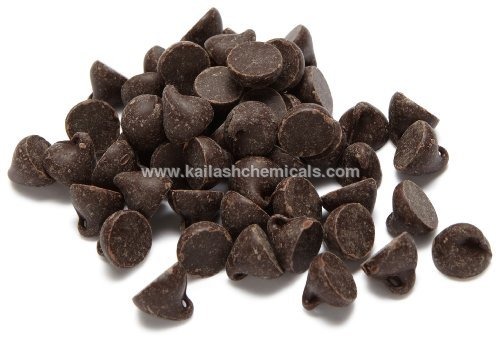
Choco Chips
Price:200 INR /, Unit
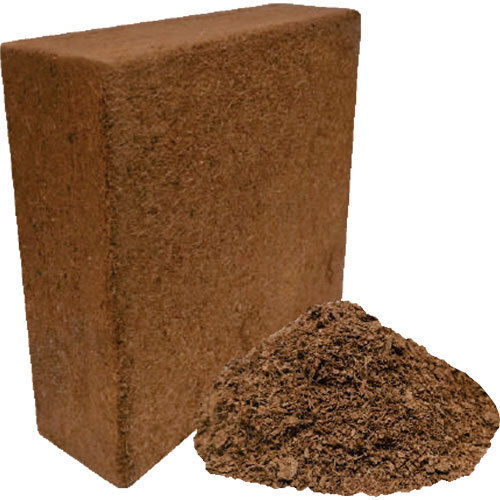
Cocopeat Nutrient Enriched Block
Price:166 INR /Kilograms
Apple Cake
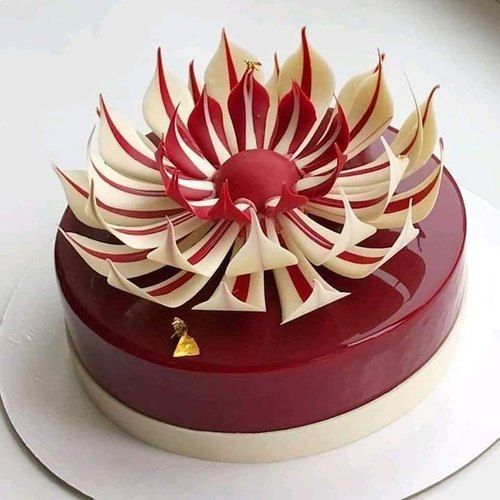

Apple Cake
Price:753 INR /Kilograms

Fresh apple fruits, Fuji variety High quality Apples
Price:200 USD ($) /Ton
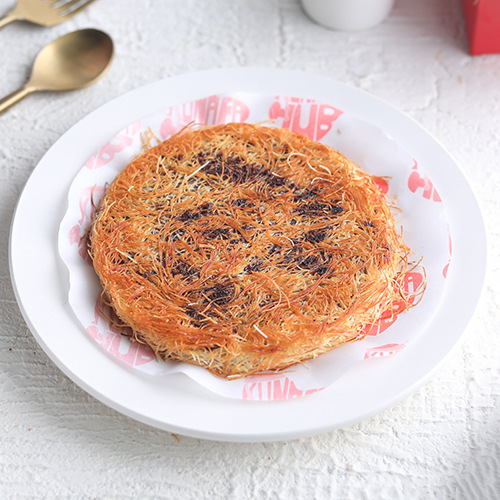
Nutella Kunafa
Price:2700 INR /Kilograms
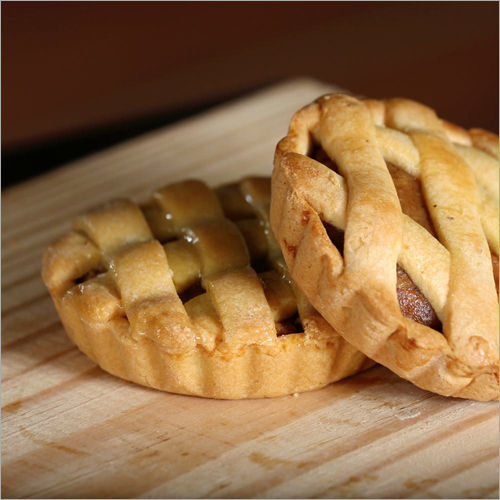
Apple Pie
Price:10-40 INR /Piece
Banana Cake
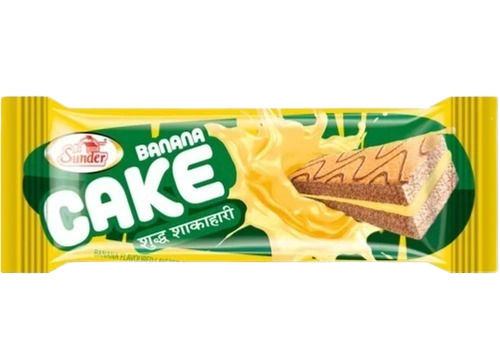
30 Gram Soft Ready To Eat Sweet And Creamy Flavor Banana Cake
Price:5 INR /Pack

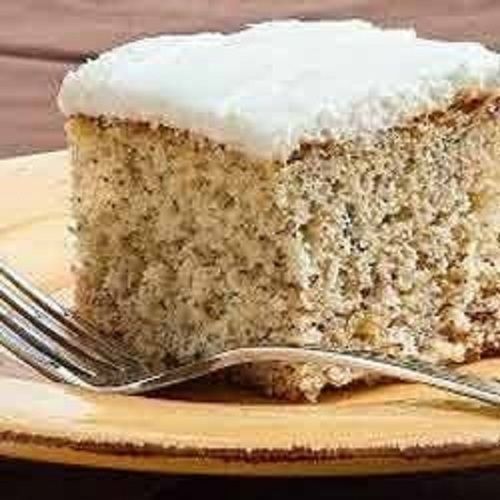

Round A-Grade Fluffy Frosted Natural Ingredient Creamy Banana Flavor Cake
Price:450 INR /Kilograms
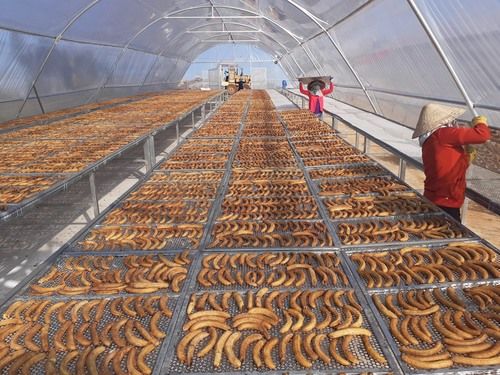
Soft dried banana
Price:340 USD ($) /Ton
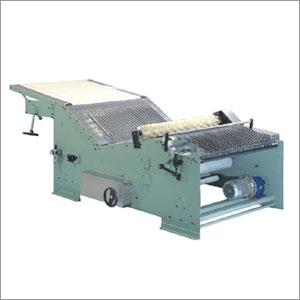
Biscuit Stacker
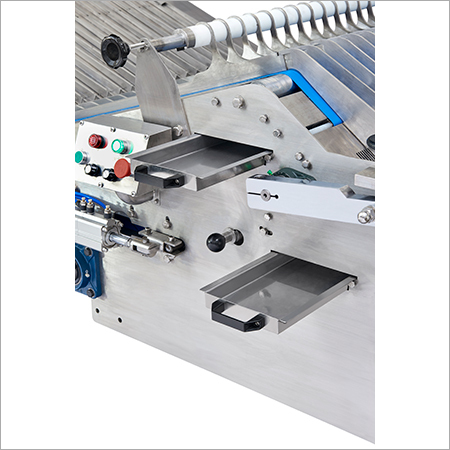
Biscuit Stacking Machine
Price:5000-20000 USD ($) /Set
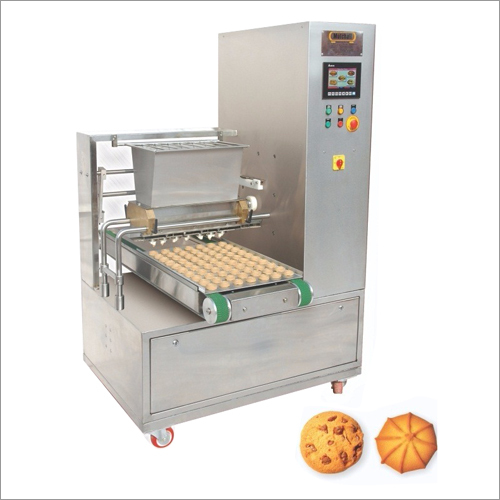
Biscuit Dropper Machine
Price:750000 INR /Unit
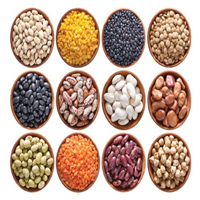
Pulses
Adzuki Beans
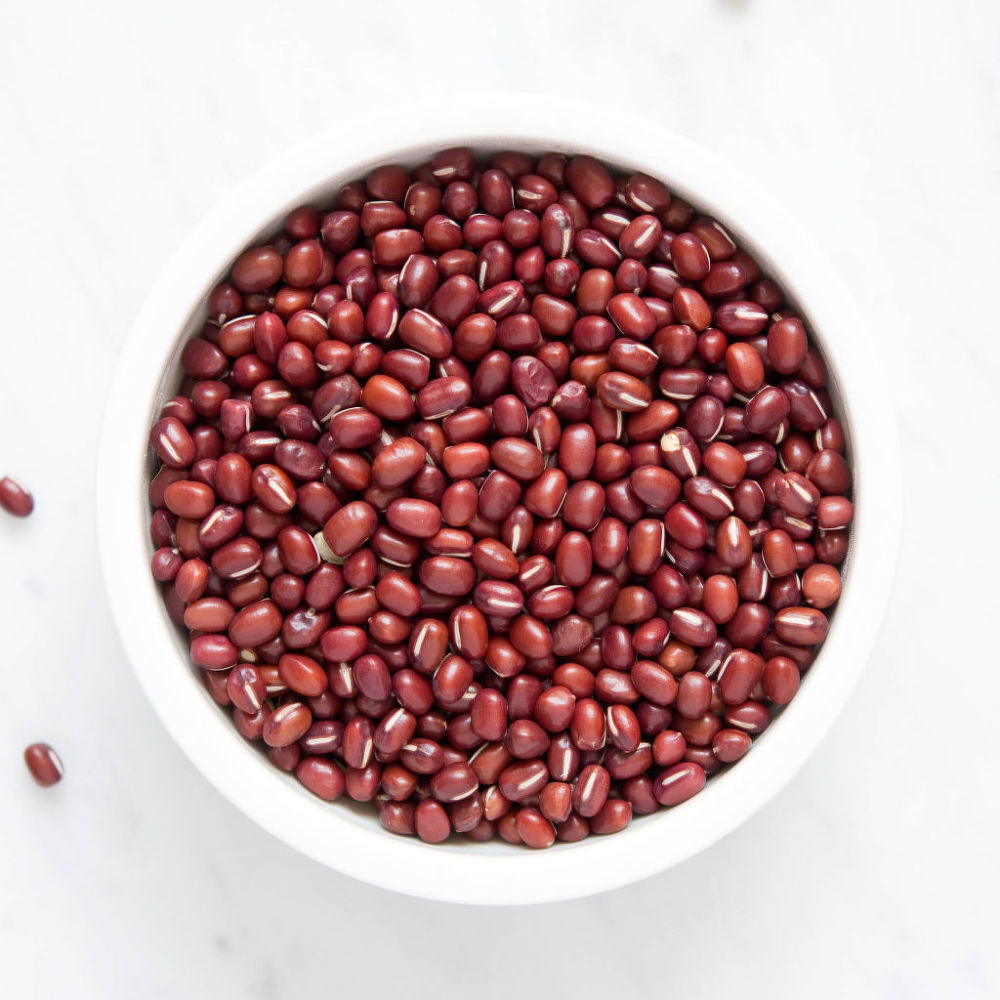
OEM ODM Food Grade Fermented Adzuki Beans
Price:250.0 USD ($) /Ton
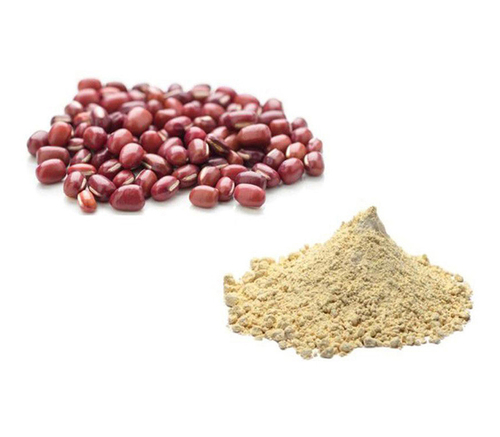
Red Adzuki Bean Powder
Price:35 USD ($) /Kilograms
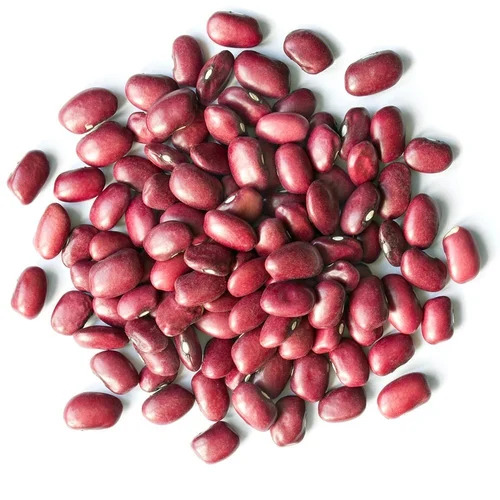
Organic Adzuki Beans
Price:180 INR /Kilograms

Adzuki beans
Price:95.0 USD ($) /Metric Ton
Organic Adzuki Beans
Price:150 INR /Kilograms
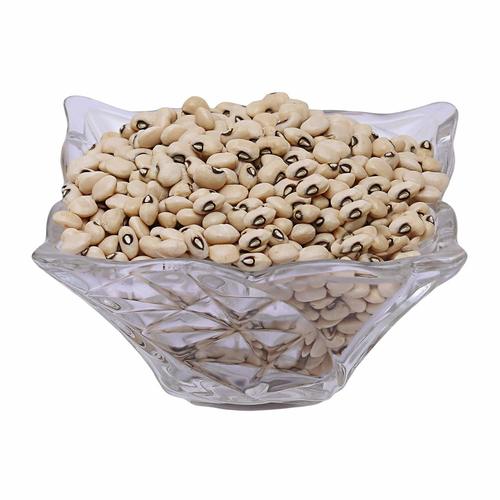
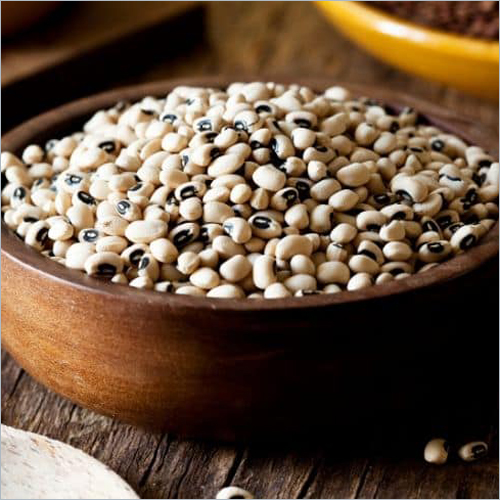
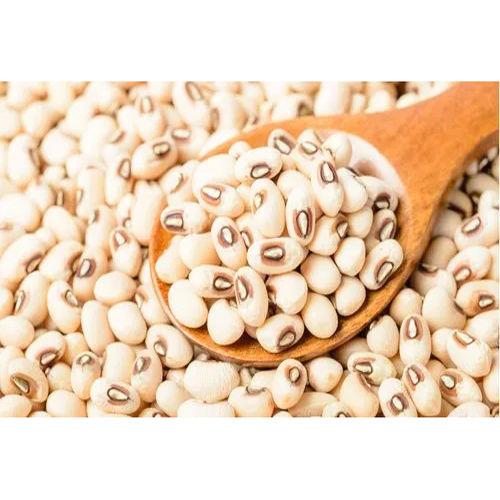
Black Eyed Pea
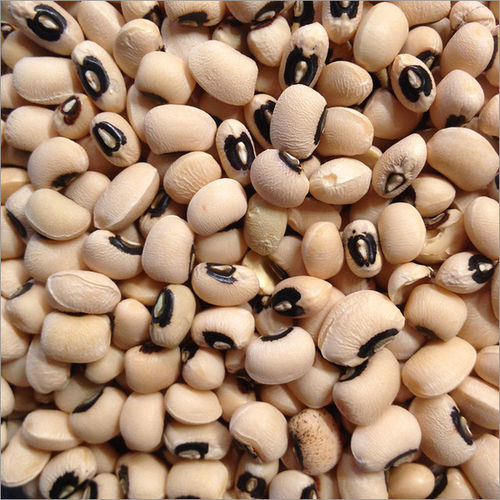
Oklahoma Black Eyed Peas
Price:60 INR /Kilograms
Black Eyed Peas
Price:20-110 INR /, Tonne
Desi Chana
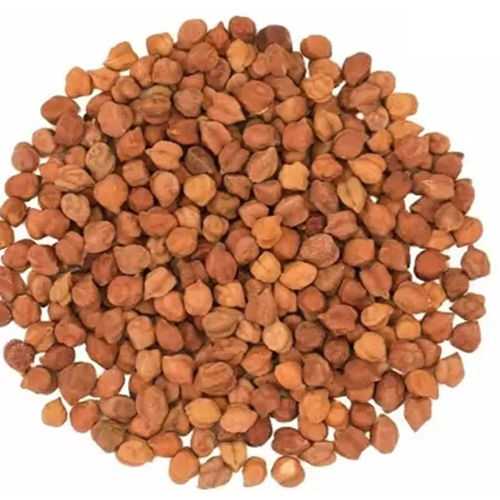
Brown Desi Chana
Price:60.00 INR /Kilograms
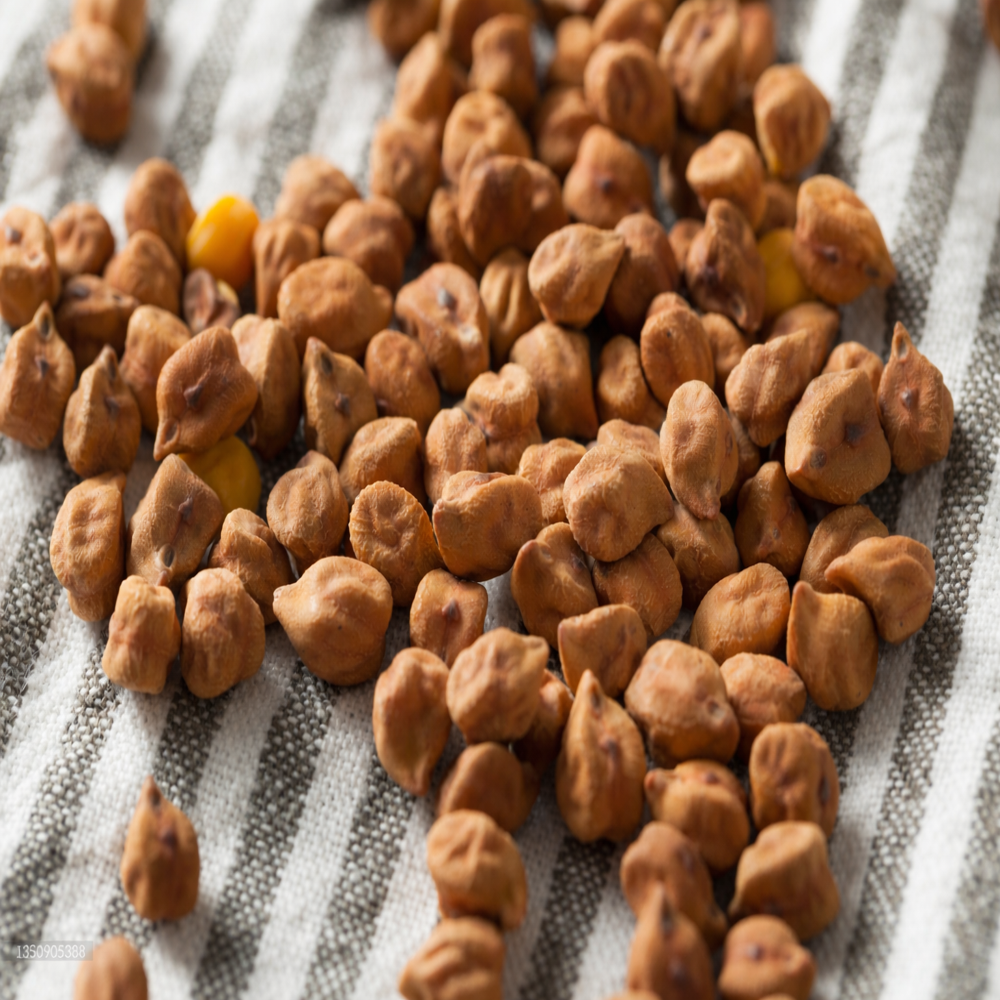
Premium Quality Desi Chana
Price:70.0 INR /Ton
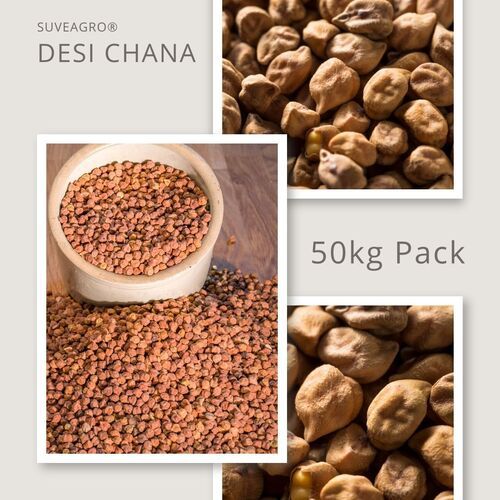
Desi Chana (Whole Black Chickpeas)
Price:90.00 INR /Kilograms
Healthy And Commonly Cultivated Medium Grain Size Brown Dried Desi Chana
Price:69 INR /Kilograms
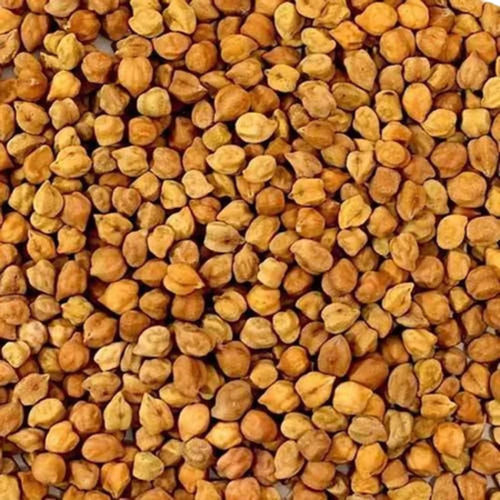
A Grade Commonly Cultivated Whole Dried Desi Chana
Price:100 INR /Kilograms
Green Moong
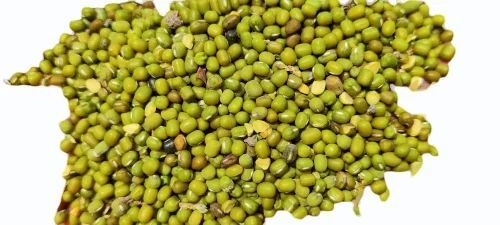
Green Moong
Price:80.0 INR /Ton
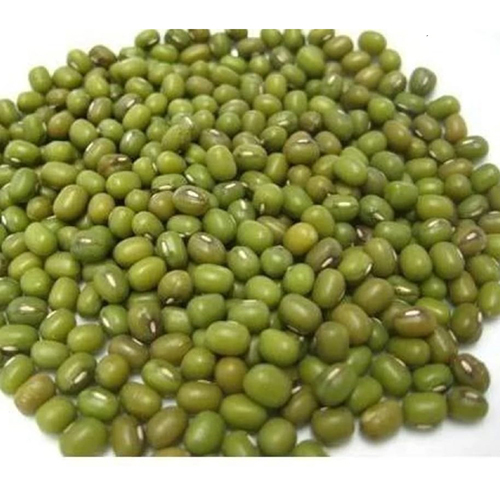
Green Moong Pulse
Price:82.00 INR /Kilograms
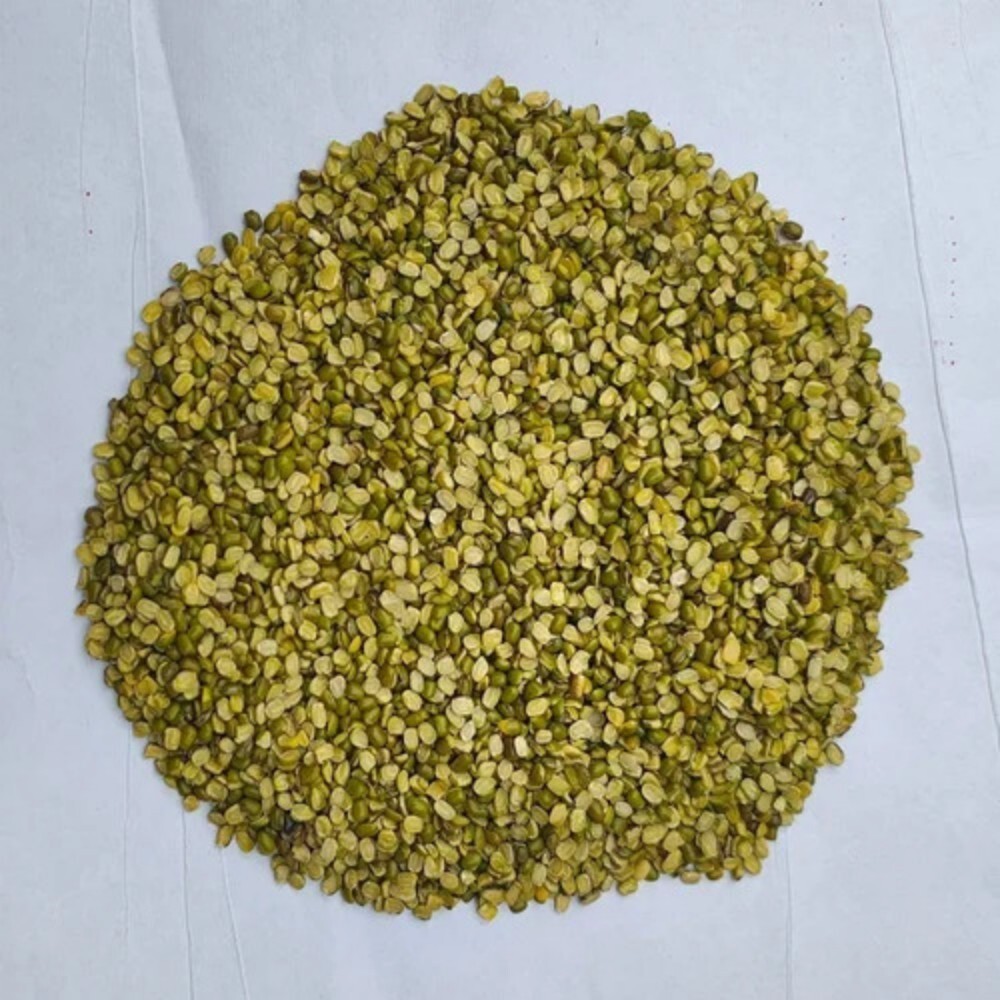
Green Moong Dal
Price:90 INR /Kilograms
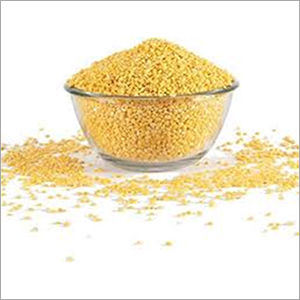
Yellow Moong Dal
Price:60-180 INR /Metric Ton

Tata Sampann Green Moong 500 Gm
Price:89 INR /Pack
Black Matpe

Black Hdpe Geocell
Price:45 INR /Square Meter
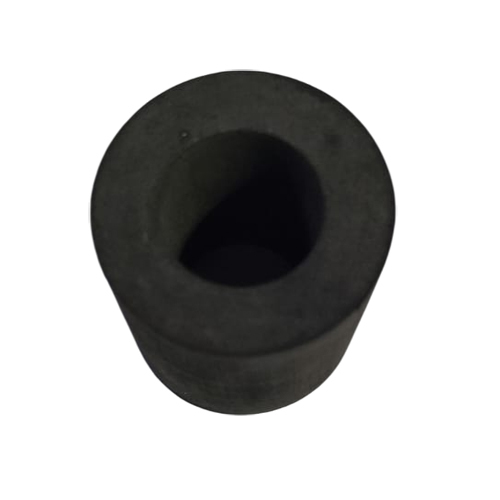
Rubber Black Bush
Price:20.0 INR /Number

Black Matpe
Price:75 INR /Kilograms
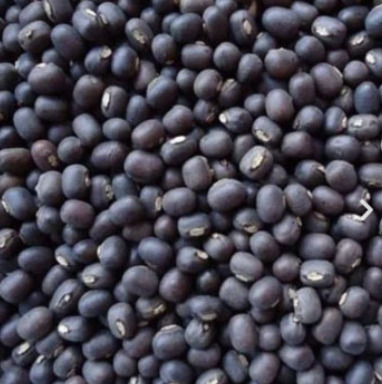

Black Mat
Price:190.0 INR /Number
Tea
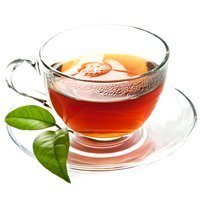
Darjeeling Tea
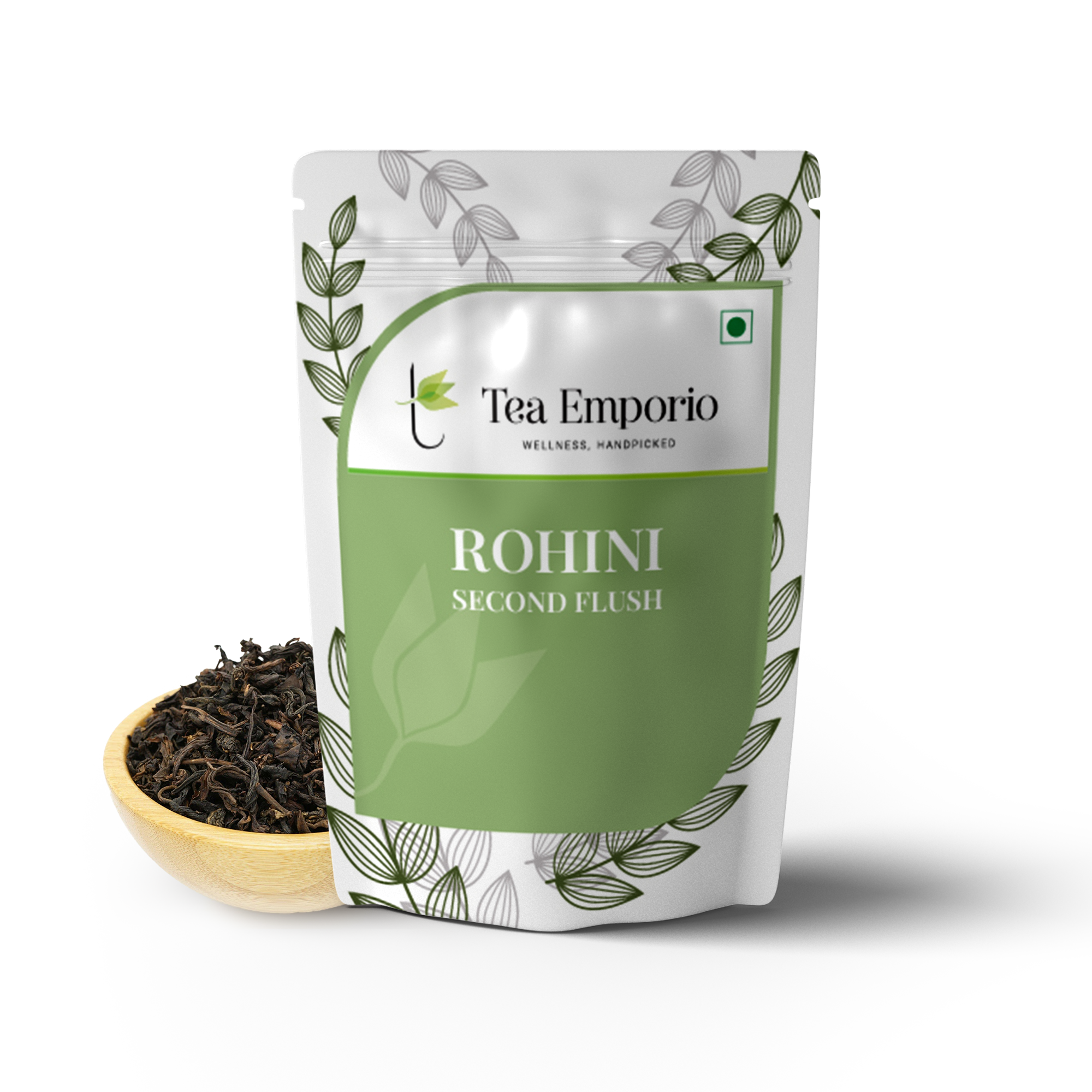
Rohini Second Flush Darjeeling Tea
Price:1100.0 INR
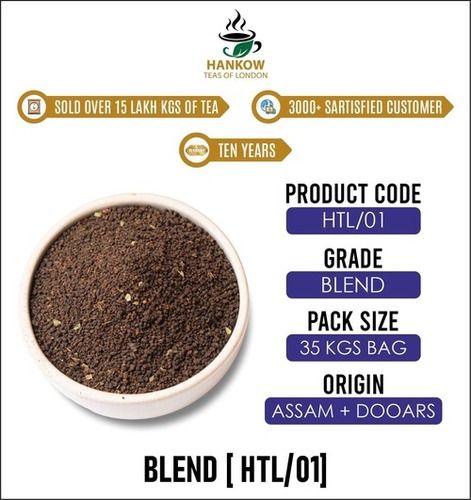
HANKOW'S FAMILY BLEND ONE (HTL 01)
Price:121 INR /Kilograms
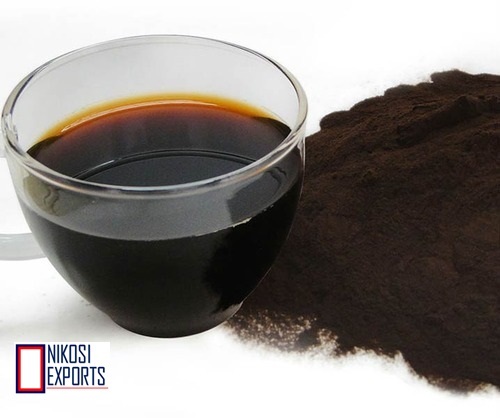
NGK Gold Tea
Price:1.33 USD ($) /Kilograms
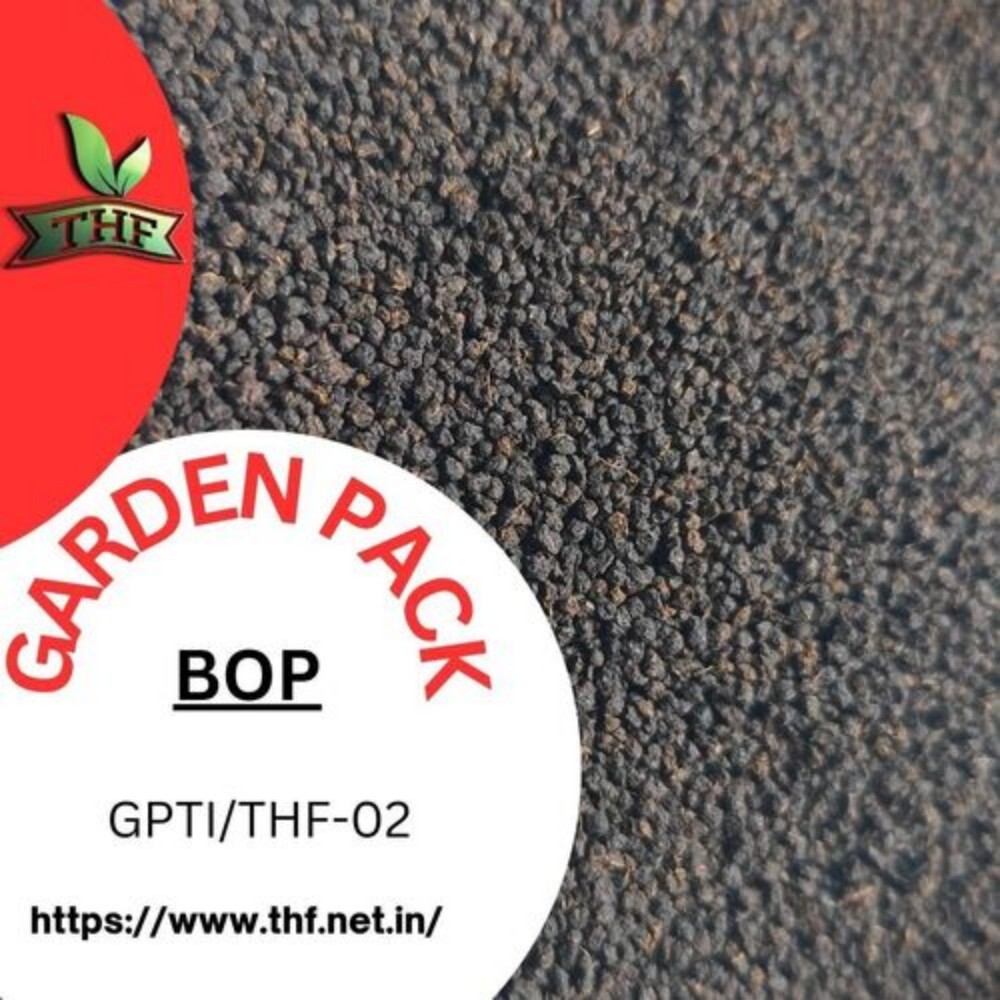
BOP CTC Tea
Price:100.00 INR /Kilograms
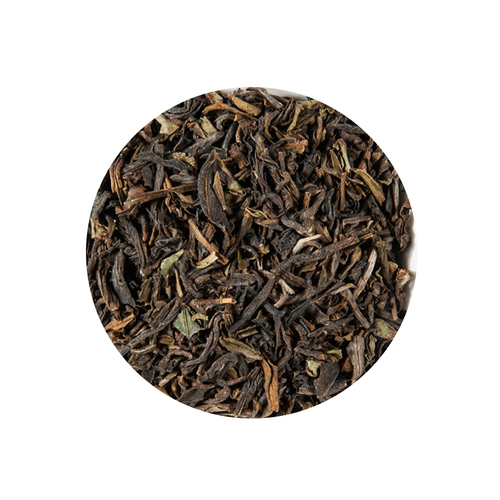
Darjeeling Orthodox Tea
Price:1500-5000 INR /Kilograms
Peppermint Tea
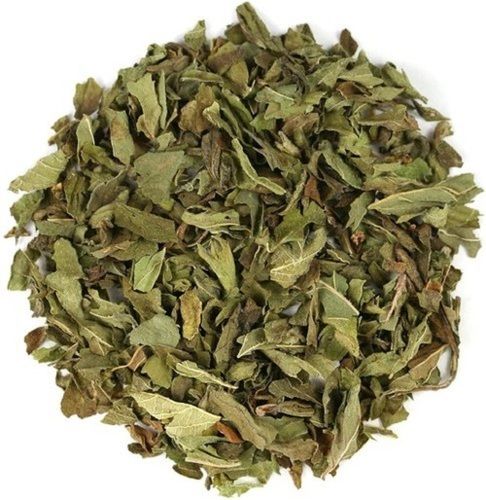
Ono Teas Leaves Mh01 Classic Peppermint Tea
Price:1200 INR /Kilograms
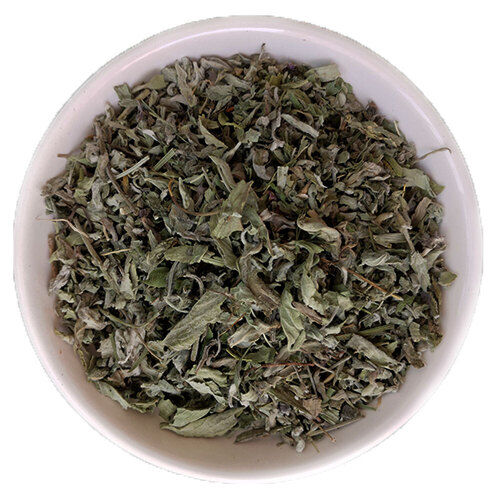
Pure Natural Sun Dried Peppermint (Mentha Piperita)
Price:5.0 USD ($) /Kilograms
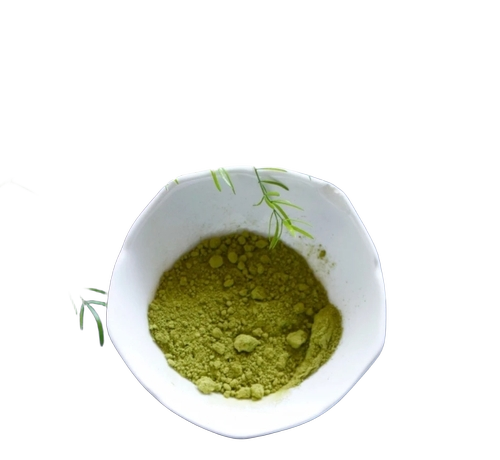
Peppermint Matcha Green Tea
Price:1600 INR /Kilograms
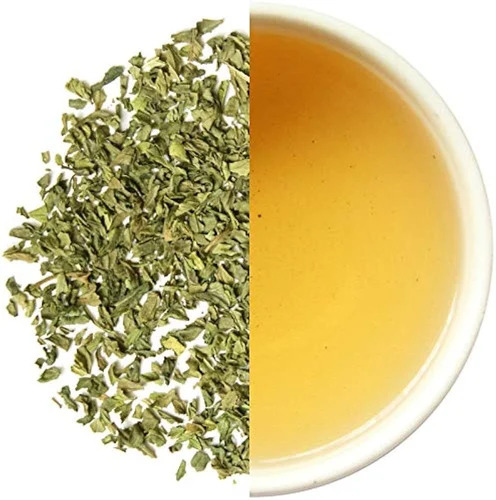
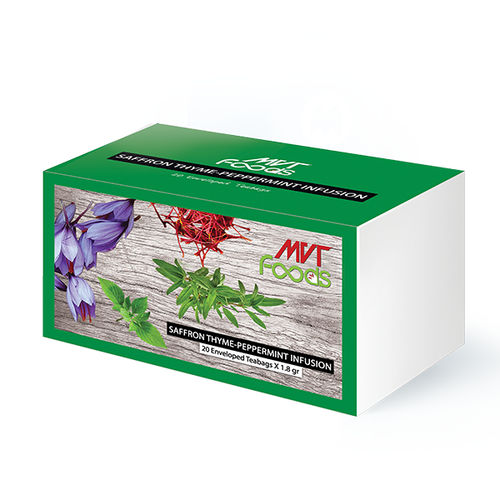
Black Tea Extract
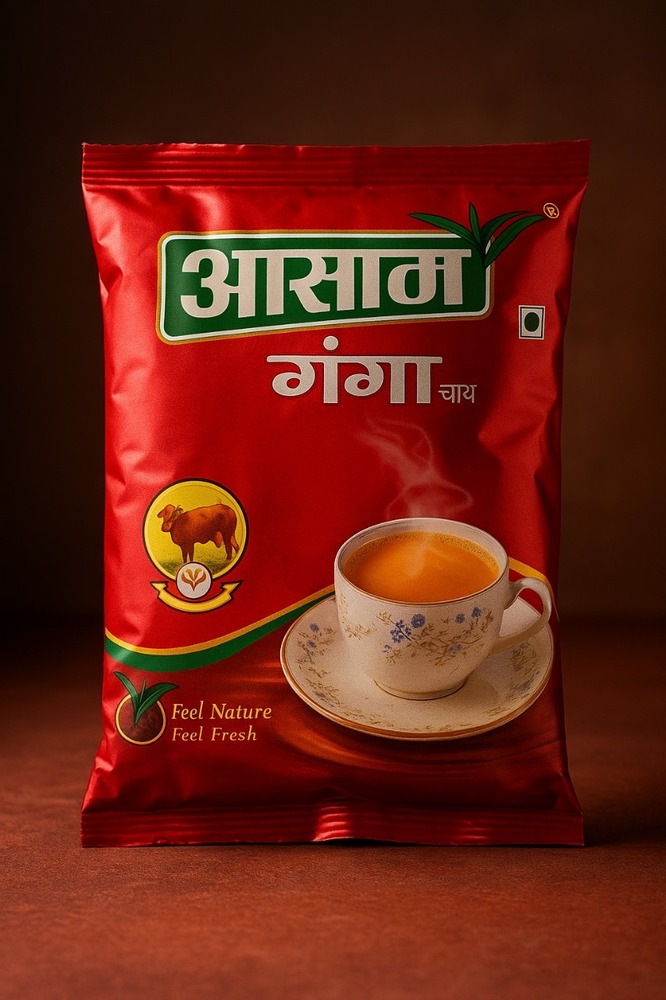
CTC Black Tea
Price:320.0 INR /Kilograms

NGK Gold
Price:1.33 USD ($) /Kilograms
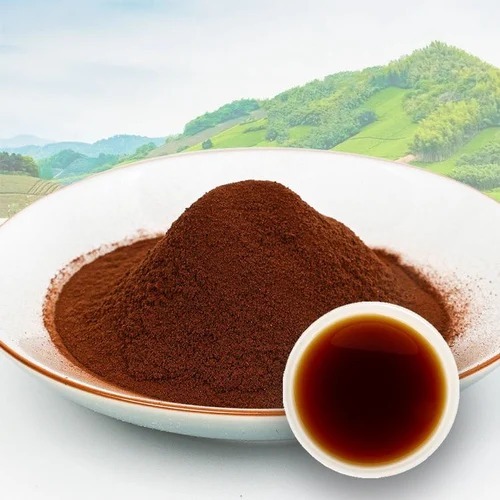
Tea Extract Powder
Price:250.00 INR /Kilograms

Dried Black Tea CTC-PD
Price:800 USD ($) /Bag
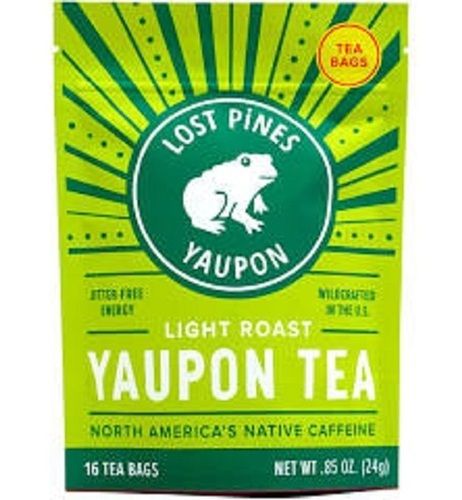
100 Percent Natural Herbal Roasted Typical Fresh And Healthy Black Tea
Price:250 INR /Pack
Rose Tea
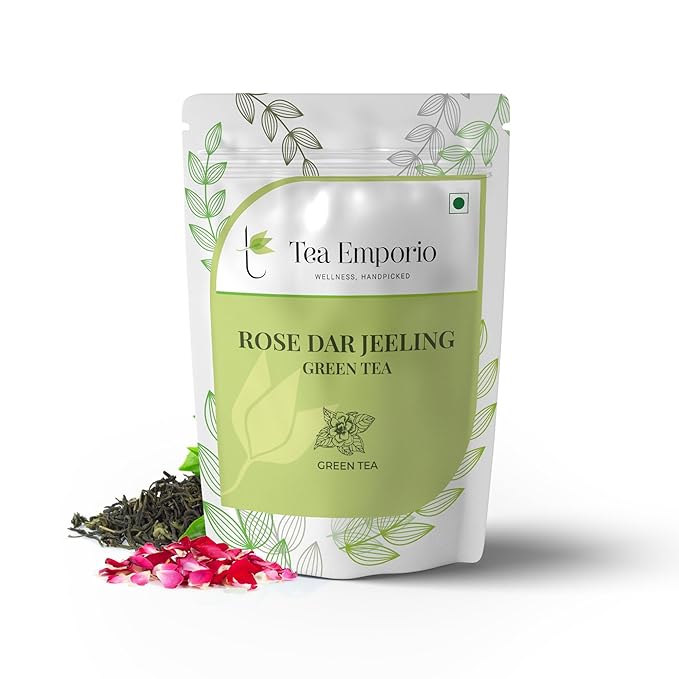
DARJEELING ROSE TEA
Price:1500.0 INR
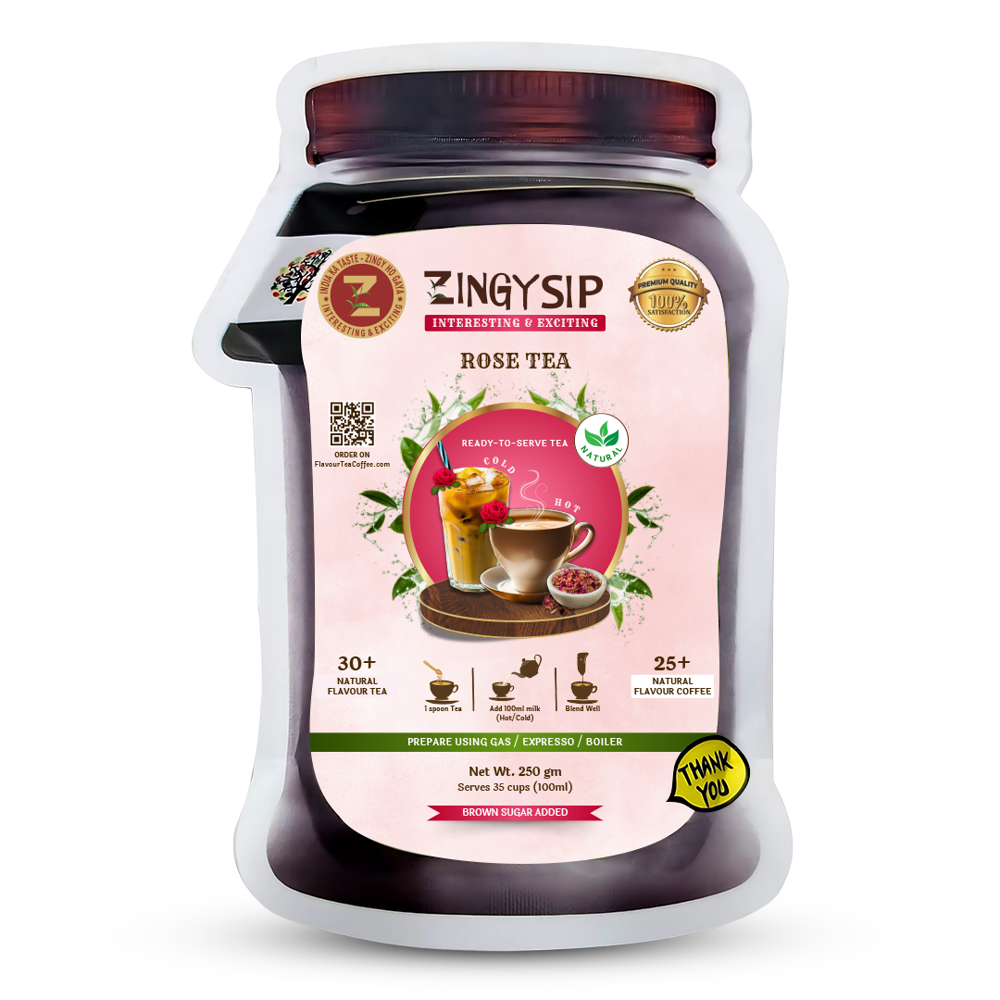
Rose Tea
Price:177.96 INR /Piece
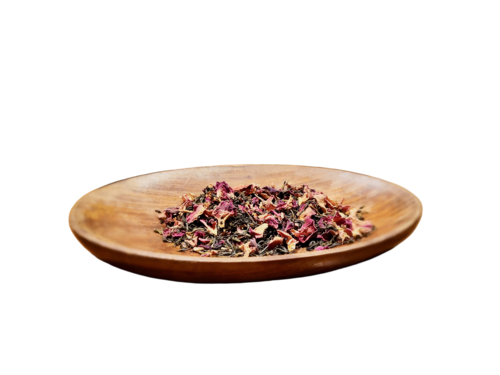
Rose Black Kangra Tea 100gm Pack
Price:700 INR /Gram
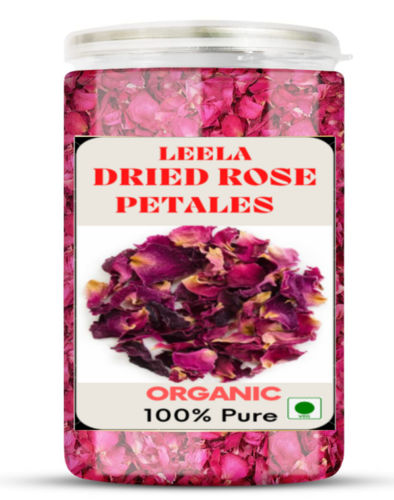
Dry Rose Prattles
Price:550 INR /Kilograms
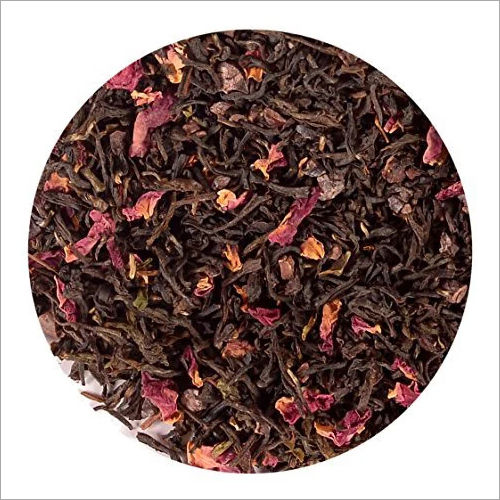
Rose Green Tea
Rose Tea
Price:177.96 INR /Piece
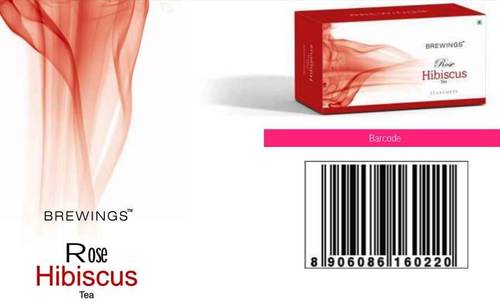
Rose Hibascus Tea
Price:175 INR /Box
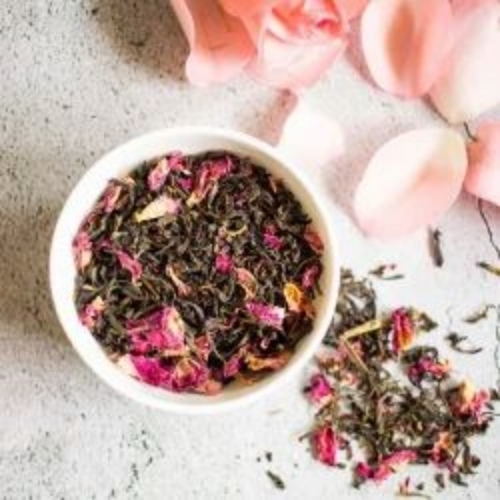
Rose Petal Green Tea
Price:650 INR /Kilograms
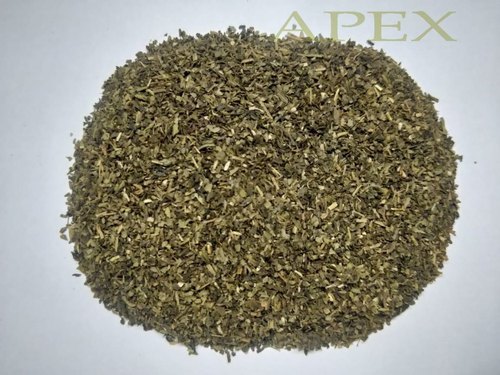
Rose Green Tea
Price:400 INR /Kilograms
How to Do Food & Beverage Export/Import Business?
Register Your Company
First, you will need to create a free seller account.

Get Your License
Request for your permits and licenses to become eligible.

Learn Regulations
Learn all about the rules and regulations of import & export business.

Hire Professional Shipping Company
Partner with ecommerce company to deliver your products.

Import/Export Business
Stepwise Process to Start the Import Export Business for Food & Beverage Industry

Get Custom Clearance Document
Contact a custom clearing officer to get a go ahead to ship your products.

Recently Added Products in Food & Beverage Categories
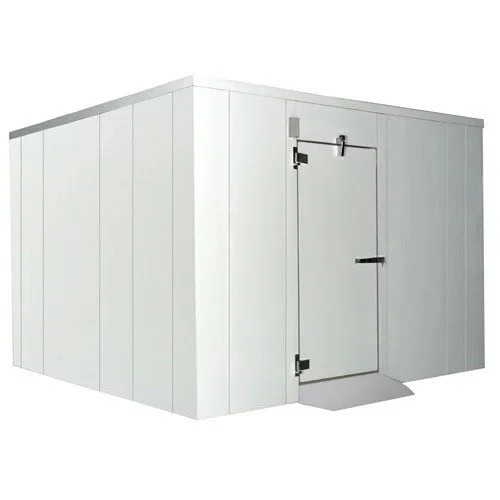
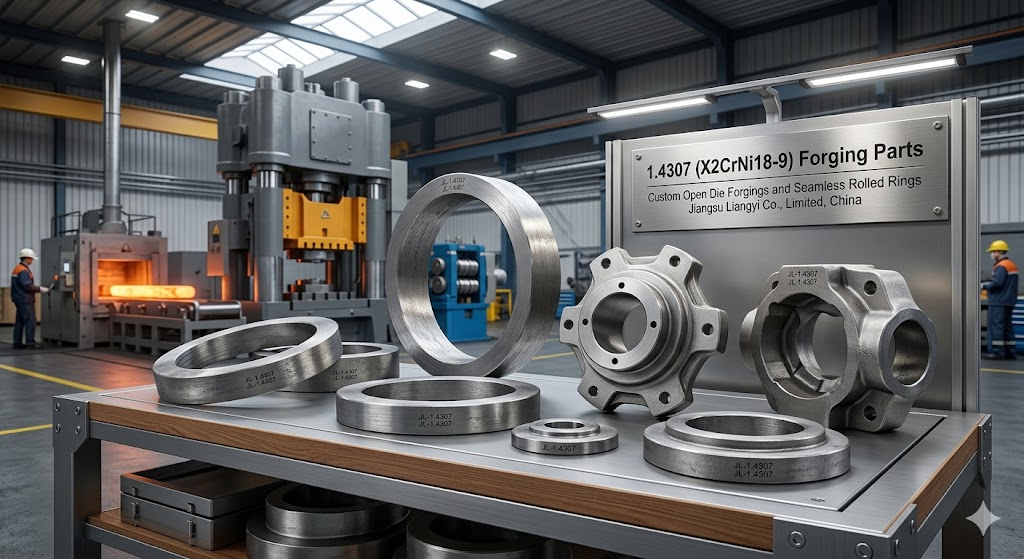
1.4307 X2Crni18-9 304L Low-Carbon Austenitic Stainless Forgings For Food Chemical Process Flanges, Valve Bodies & Fittings - Application: Machine Parts
1500 USD ($)
By:
Jiangsu Liangyi Co., Limited
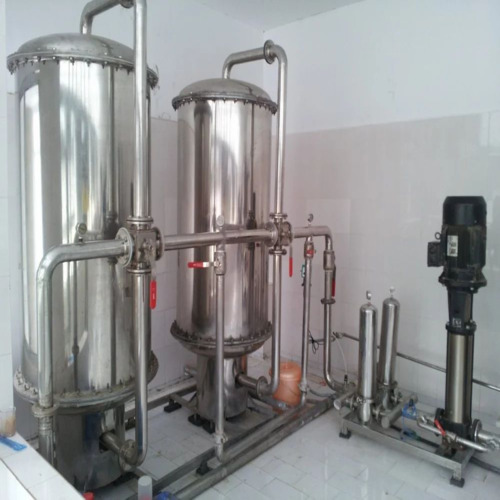
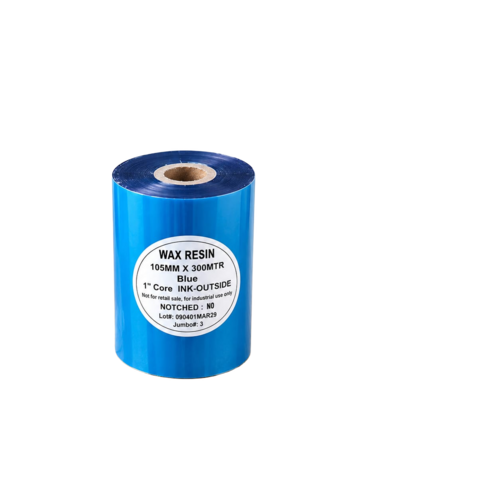

Harmony Gto 5315 | 10.4" Advanced Stainless Steel Hmi Panel, Food & Beverage, 24V Dc - Battery Life: Lithium Battery Maintains Internal Sram Up To 100 Days Days
30000.0 INR
By:
Graven Automation Private Limited

Sea Buckthorn Berries | Premium Himalayan Sea Buckthorn Berries Supplier & Exporter From India - Color: Orange
1000 INR
By:
Falak International
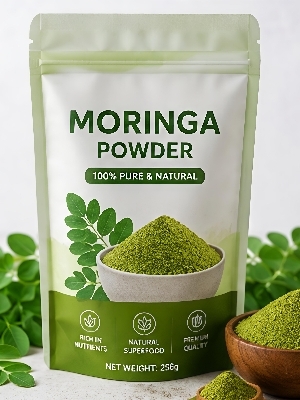
Natural And Organic Rice Ingredients To Food-Beverage And Dietary Supplement
By:
Barentz Distribution India Private Limited
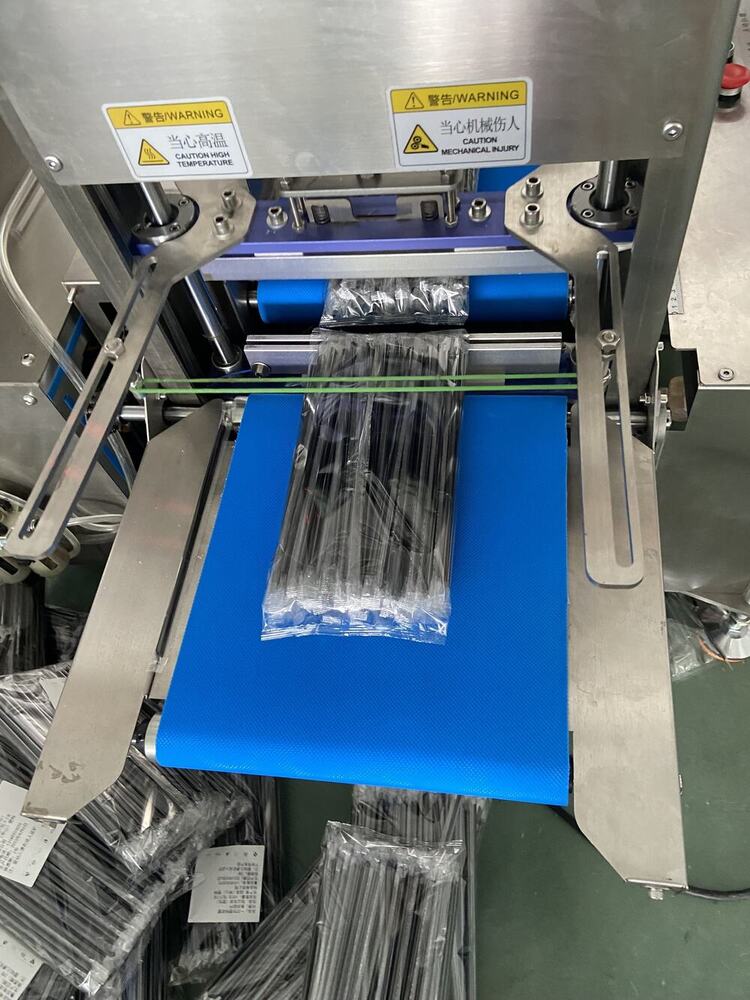
Paper Straw Packaging Machine Engine Bearing for Food Beverage Processing Adjustable Packing
By:
Foshan Nanhai Jingdong Machinery Co., Ltd.
Popular Food & Beverage Categories
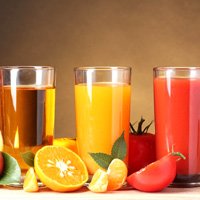





Food And Beverage :- Overview, History & Importance
The History of Food and Beverage
Until the 1960s, eating in was the preferred method of food consumption among the majority of Indians. When they went to the office, school, or on a trip, they always brought along some of their handmade snacks. Some folks still take food items with them whenever they go out.
Food and drink have been around for as long as people have. Not until the 19th century, with the invention of canning by Nicholas Appert and the creation of pasteurization by Louis Pasteur, did any significant progress occur.
People back then slept outside beneath the cover of trees and foraged for their meals when they were away from home. Dangerous wildlife and random bandits on the roadside compelled them to seek shelter, sustenance, and security. As a result of the dangers posed by both wild animals and bandits, safe havens like Dharamshala and Chatrams were established.
Importance of Food and Beverage Industry
The hospitality business, which includes restaurants and bars, has always catered to travelers' basic requirements for food and drink.
When people are away from home for any number of reasonsa work, school, business, pleasure, medical care, sports, religion, etc.a they must rely on the food service industry for all of their nutritional needs.
What is FMCG Non-alcoholic Beverages
Companies that manufacture and sell beverages that do not contain alcohol are a part of the "non-alcoholic beverages" sector.
The impact of the coronavirus outbreak reduced the value of the global non-alcoholic beverages market from over $1.1 trillion in 2019 to just over $1 trillion in 2020.
1. Fermented Beverages
The consumption of fermented drinks has increased in popularity recently. There are several positive health effects associated with drinking fermented beverages including kombucha, kefir, and ginger beer.
2. Zero-Alcohol Beer
Beer was always a fixture at any get-together, but sales have been on the decline in recent years. Beer has lost some of its luster in the eyes of drinkers who can now choose between a variety of alcoholic and nonalcoholic options. In 2020, volume sales of beer in the United States fell by 3%, while sales of craft beer fell by 9%.
3. Non Alcoholic Wines
Consumers are quite curious about alcohol-free wine, despite the market's youth. BevZero found that sales of alcohol-free wines increased by 39.4 percent in 2020.
4. Digital Age Boosts Non-Alcoholic Beverages Sales
The consumption of alcohol-free drinks is at an all-time high. The widespread dissemination of brand information via social media and other digital platforms has opened up vast opportunities for the alcoholic beverage business to reach new consumers.
Young adults (those between the ages of 18 and 34) are more receptive to advertising on social media and are thus more likely to try novel meals and drinks.
Trends in the Food and Beverage Industry for 2022
1. Global Flavors
Now more than ever before, people all over the world can instantly communicate with one another, opening up a whole new world of cultural experiences for everyday consumers.
Eating the food of a new culture is one of the best ways to learn about that culture.
Fortunately, there is an infinite supply of mouthwatering and envious images available on social media.
2. Transparency
It's a natural progression that this movement would coincide with ethical production practices. Customers want businesses to be open about their production methods and materials sourcing.
You'll be in a better position if you can supply as much detail as possible. Providing information to consumers in a clear and understandable manner is an example of transparency.
3. Sustainability
Consumers are more concerned about the environmental impact of the goods they purchase in light of global warming. Compared to one-time use products, those created from recycled or repurposed materials have greater value.
4. Homemade Convenience
All of humankind now has instantaneous access to the sum total of all human knowledge. This suggests that more people are engaging in risky behavior while remaining in their own homes.
Meal kit delivery services like Hello Fresh and Home Chef are booming because customers demand access to higher-quality ingredients for cooking at home.
The average person, however, lacks the training necessary to ensure that their food remains edible during the cooking process.
5. Casein-Free Diet
It's estimated that more than 30 million Americans have sensitivity to the lactose found in dairy. A severe allergic reaction can be brought on by ingesting casein, a protein found in dairy products.
This means it's essential for some Food & Beverage shoppers to steer clear of it completely. The popularity of "natural" goods has skyrocketed, and now consumers are increasingly interested in niche diet products.
6. Responsible Sourcing
While there is certainly room for error, the majority of customers want to see brands making an attempt to source their products ethically. If you truly live by this credo, you should be able to show it in the packaging.
7. Plant-Based Foods
But contrary to what you may have seen on social media, there hasn't been a significant rise in the number of strict vegetarians and vegans. Very 3% of American individuals consider themselves vegan, up only marginally from 2% in 2012.
But according to NielsenIQ, "vegan" ranks as the second most sought-after snack term and the sixth most sought-after across all online grocery buying platforms.
Is Food and Beverages FMCG?
Yes, production, distribution, and promotion of fast-moving consumer goods (FMCG), also known as consumer packaged goods (CPG), constitute the largest sector of the consumer goods industry. Due to their short shelf life and quick turnover, food and drink products frequently fall under the umbrella of fast moving consumer goods.
Common examples of fast-moving consumer goods (FMCGs) in the food and beverage industries include, but are not limited to:
- Bread, pasta, and potato chips are examples of processed foods.
- Packaged snacks like nuts and chips that don't require heating.
- Cups, bottles, and cans of various beverages
Fast-Moving Consumer Goods (FMCG) are items that people use on a regular basis. People from many walks of life spent substantial chunks of their incomes on these items, demonstrating how widely used they were.
The View of the Consumer
- High availability: Fast-moving consumer goods (FMCG) tend to be broadly distributed and can be found at a variety of retail outlets and supermarkets around the world. Buyers can now acquire these items with minimal effort.
- Purchased frequently: Products that are needed on a regular basis (or almost every day) by the average consumer are included in the category of fast moving consumer goods (FMCG). Breads and coffee, to give two examples, are two of the staples that people tend to buy on a weekly basis.
- Low buying effort: In general, buying FMCGs requires little effort from the shopper. Most people have a go-to shampoo brand or type they know they like even before trying it. The vast majority of shoppers come into the store with a clear idea of what they need, and they make a snap decision to make a purchase.
What is FMCG Food Industry?
The FMCG industry in India is the country's fourth major economic driver. Products that are manufactured, shipped, sold, and consumed in a relatively short time frame are typical of this sector. Products can be classified as either "durable" or "nondurable," whereas services are a separate category entirely. Products classified as "durable" get a shelf life of 3 years or more, while those classified as "nondurable" have a shelf life of one year or less.
In the realm of consumer products, the fastest-turnover items are by far the most prevalent category. Due to their short shelf life and immediate consumption, they are classified as nondurable goods.
Conclusion
The food and drink sector must ensure that their products are safe for consumers to consume. It's an effective measure against food-related illnesses and allergic reactions for consumers. It's crucial for the food and beverage industry's bottom line since it cuts down on costly product recalls.
Losses from product rejection, legal action, or government action against a business for rule breaking are also mitigated.
FAQs: Food & Beverage
Q. What are Beverages Exactly?
Ans. Basically every liquid consumed is included in the category of beverages. Beverages are something you could serve a guest in your home, and they are also the preferred name for businesses that produce both soft drinks and fruit juices.
Q. What do you mean by Food and Beverage?
Ans. Food and beverages include anything that is consumed by humans, whether processed, cooked, or raw, and include but are not limited to: mixed drinks, water, spirituous liquors, beer, soft drinks, soda, Ice, and other beverages.
Q. What is the Future of Food and Beverage Industry in India?
Ans. Forecasts indicate that by 2028, India's food services sector will be worth $79,65 billion, a whopping 11.19 percent increase from its current value.
Q. What is FMCG?
Ans. The Indian economy has many subsectors, but the fourth largest is the Fast Moving Consumer Goods (FMCG) industry. In this context, "high turnover" refers to consumer packaged goods that go from production to distribution to marketing to consumption in a relatively short period of time.
Q. What are the Major types of FMCG Categories?
Ans. Here are the FMCG types:
- Food and Beverages
- Personal Care
- Baked goods
- Cosmetics and toiletries
- Office supplies
- Medicines
- Cleaning Products




© 1999-2026 Infocom Network Private Limited. All rights reserved.