

Textiles & Fabrics
Fabrics


Bonded Fabric
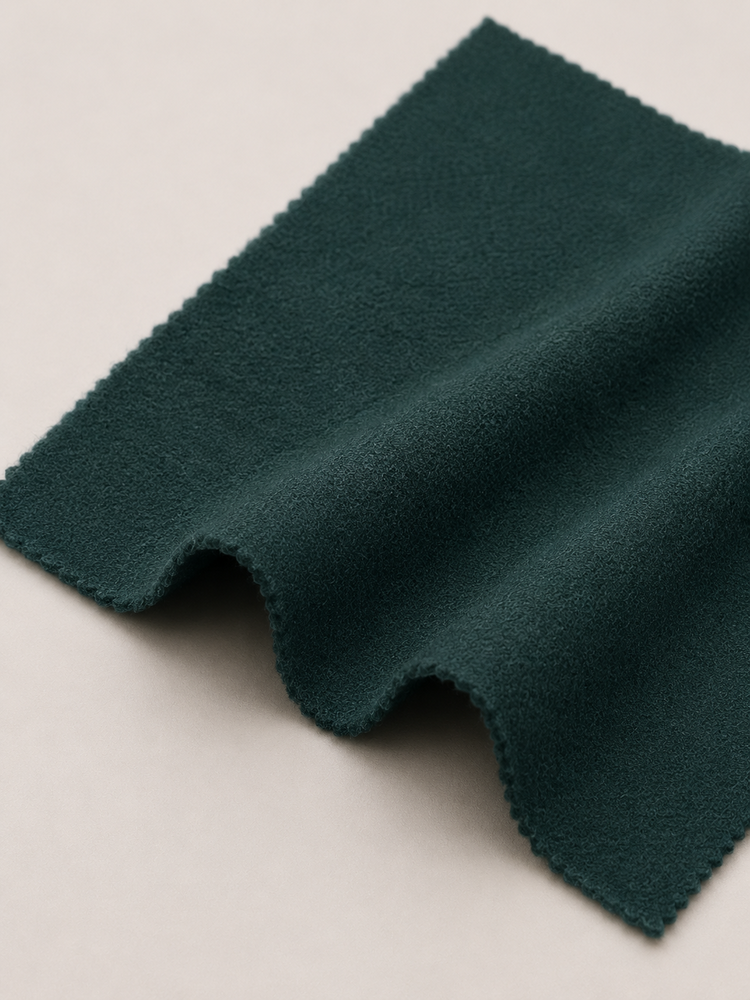
Green Imported Bonded Fabric
Price:415 INR /Kilograms
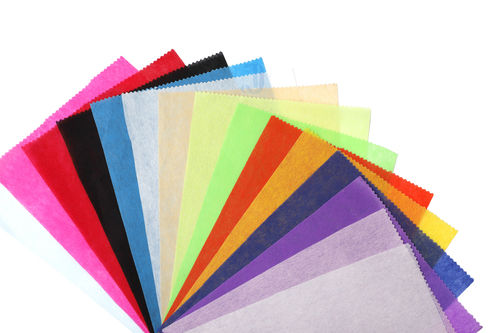
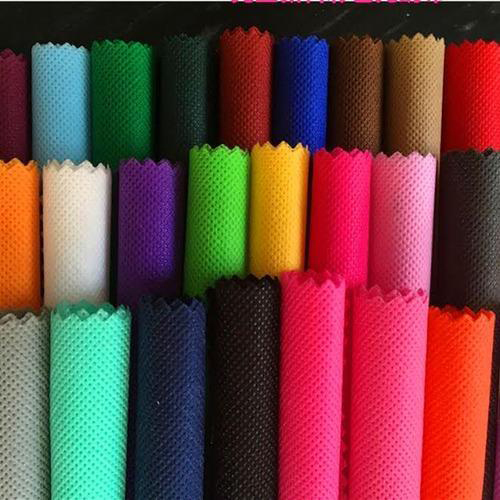
Coloured Non Woven Chemical Bonded Fabric
Price:8.0 INR /Meter
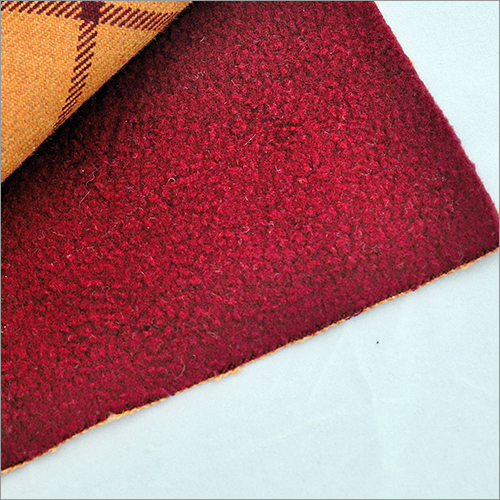
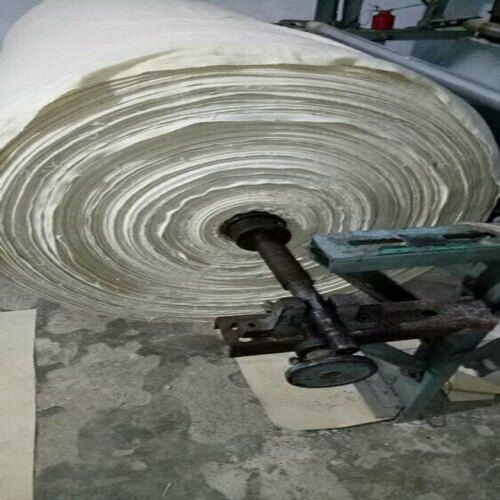
Hdpe Fusing Machine Adhesive Coating On Fabric
Price:12 INR /Meter
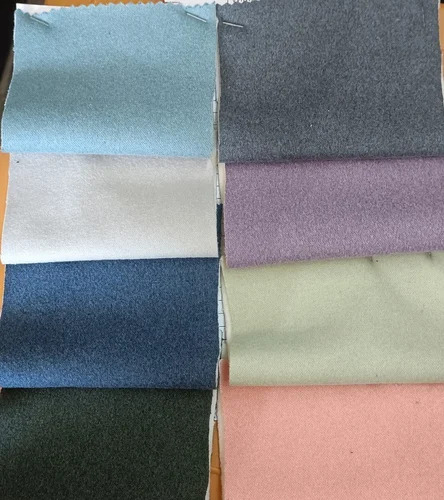
400 GSM Filish Bonding Stylish Fabric
Price:360 INR /Kilograms
Foil Fabric
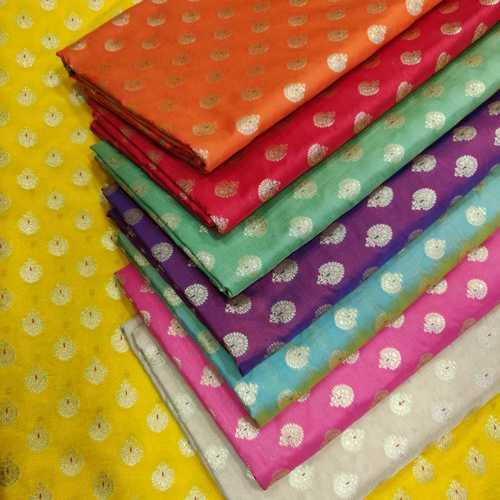
FOIL PRINT GARMENT FABRIC
Price:85 INR /Set
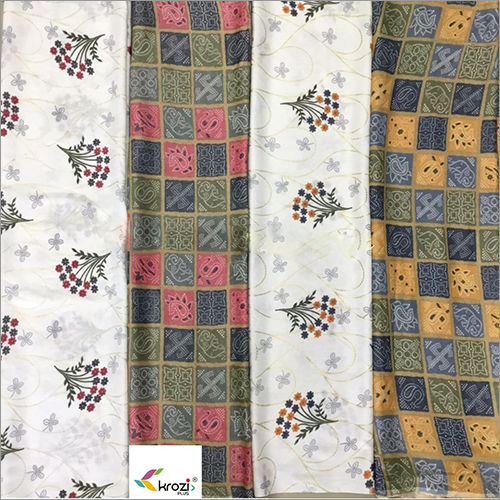
Rayon Slub Foil Fabric
Price:90 INR /Meter
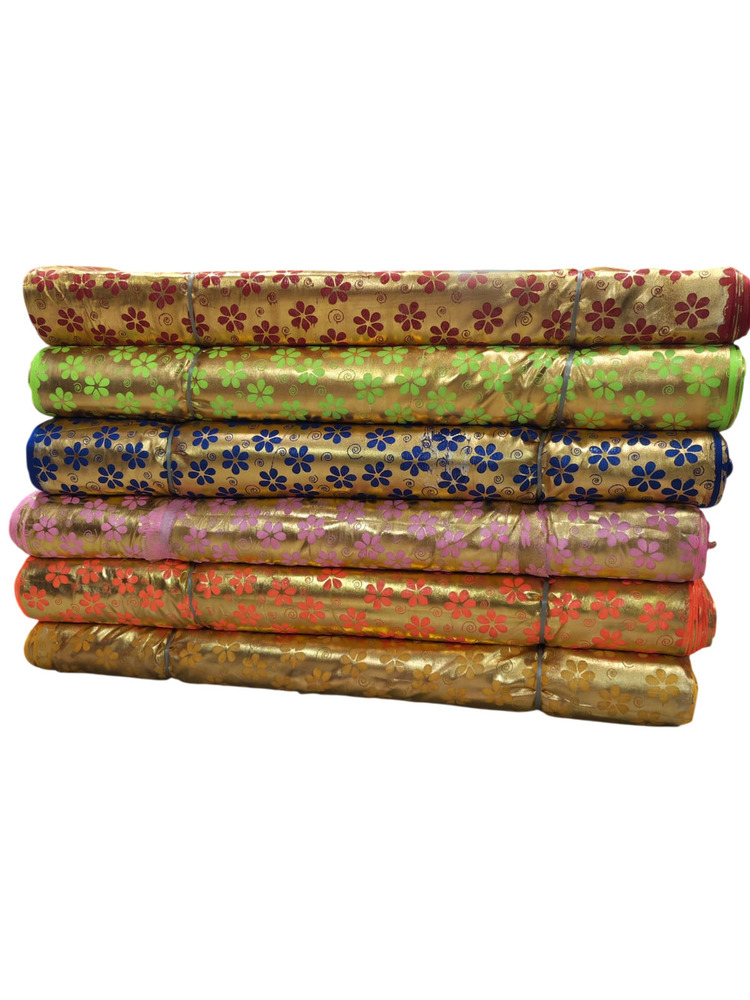
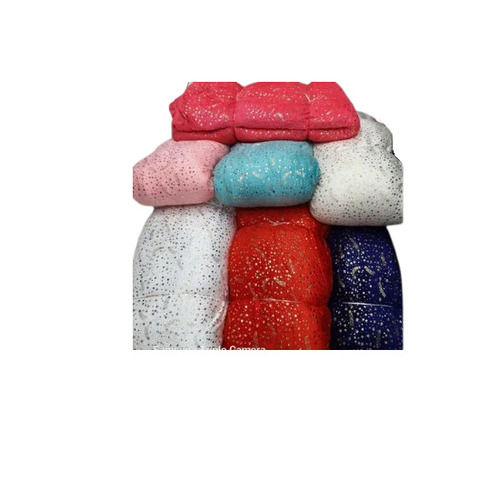
Teddy Fur Foil Fabric
Price:120 INR /Meter
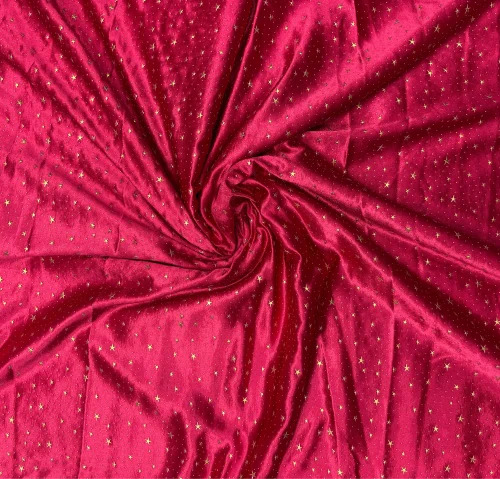
Fluorescent Fabric
Fabric Brightener
Price:20.00 INR /Kilograms
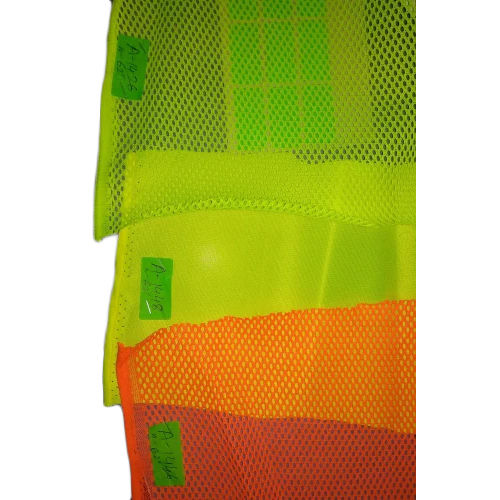
Fluorescent Fabric
Price:80 INR /Meter
Metro Fluorescent Reflective Jacket Mesh Net Fabric
Price:35 INR /Meter
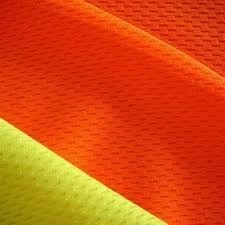
Fluorescent High Visibility Fabrics 130GSM
Price:65 INR /Meter

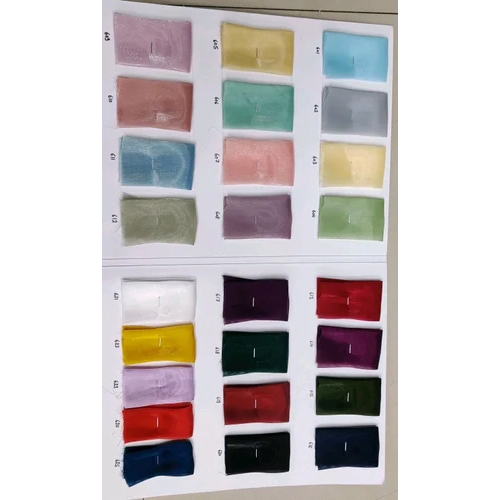
Cotton Fabric
Cotton Single Jersey Fabric
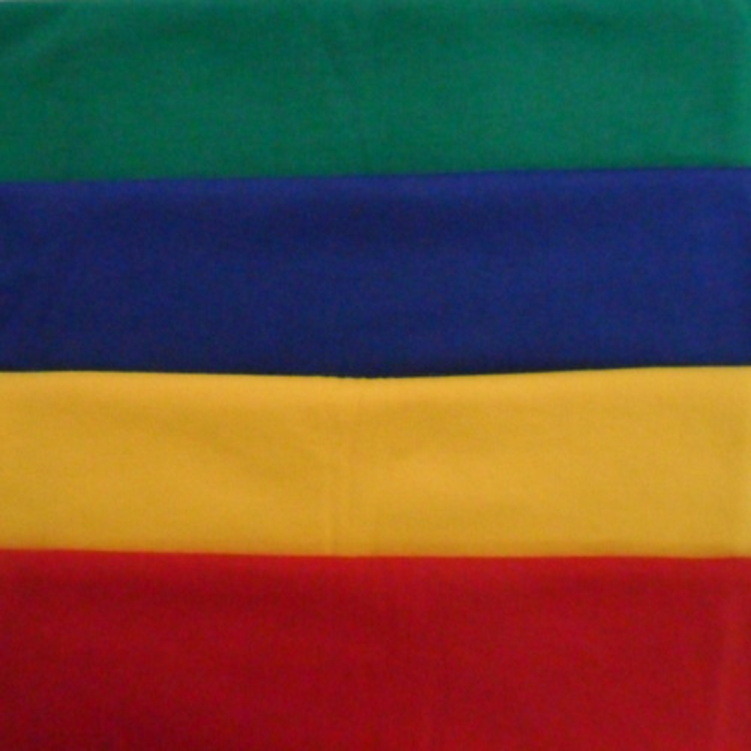
SINGLE JERSEY Cotton FABRIC
Price:380 INR /Kilograms
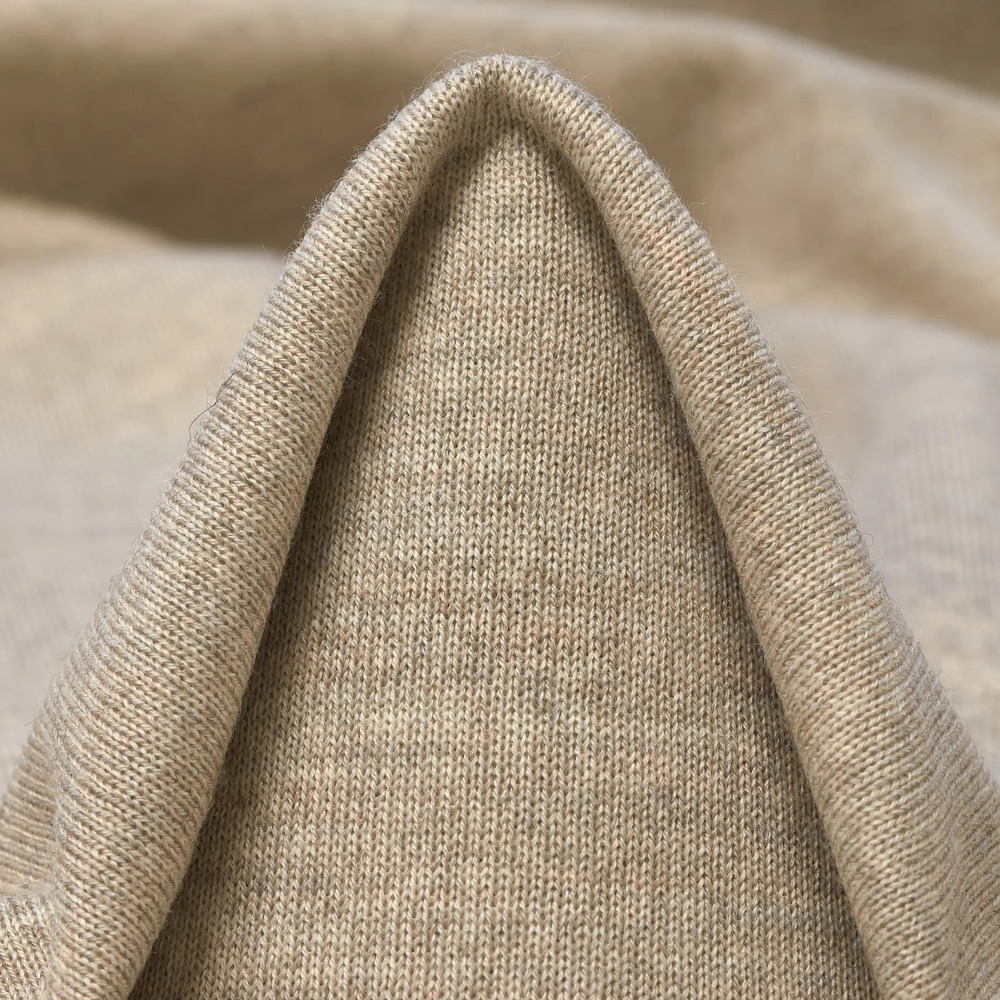
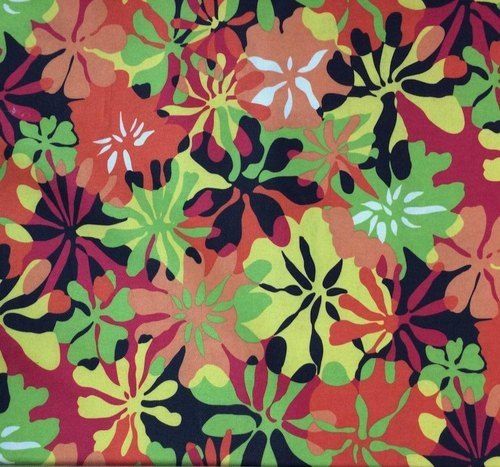
Bright And Cheerful Floral Printed Recycled Cotton Single Jersey Fabric
Price:370 INR /Kilograms
Cotton Knit Single Jersey Fabric
Price:152.0 INR /Kilograms
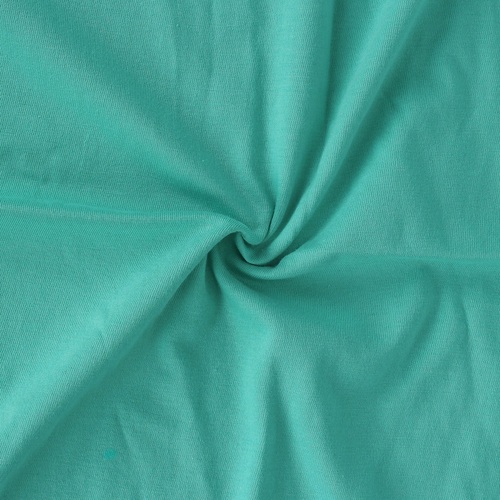
Organic Cotton Jersey Fabric
Price:430 INR /Kilograms
Cotton Textile
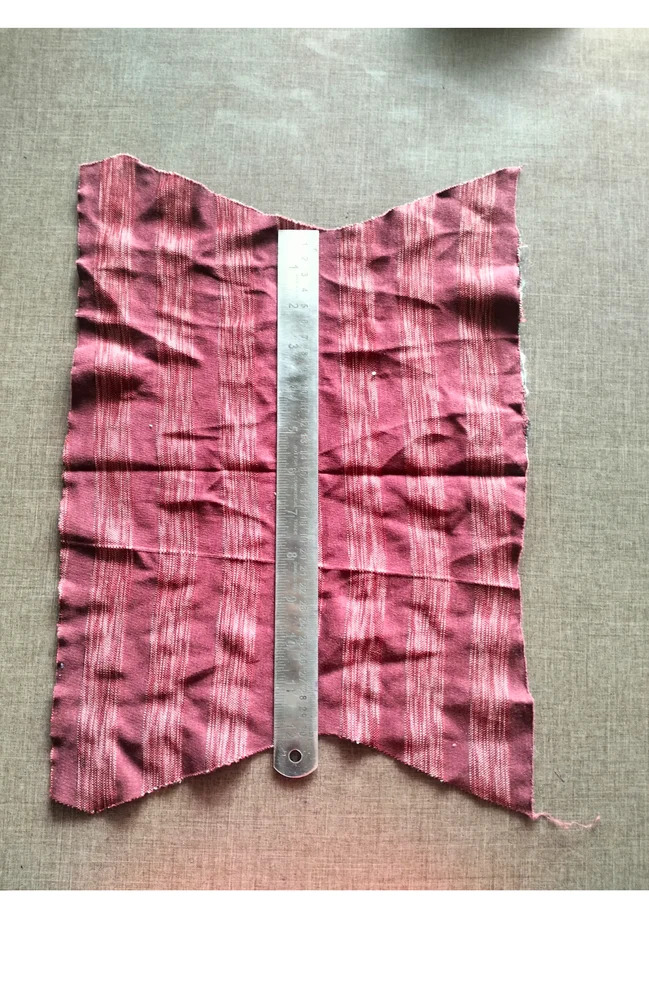
Cotton Textile Waste
Price:30 INR /Kilograms
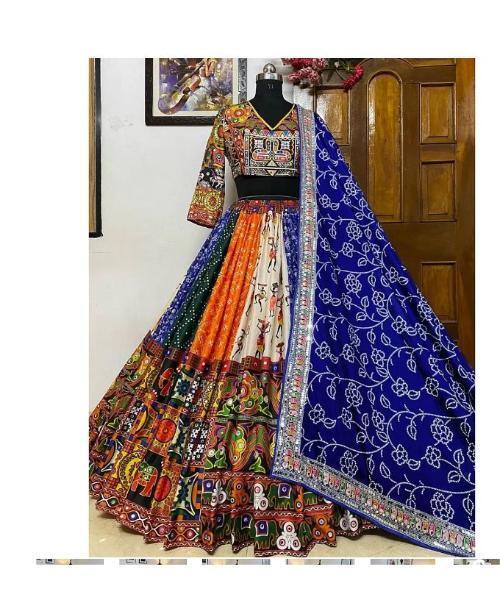
Pure Cotton Gamthi Kodi Work Navratri Special Chaniya Choli
Price:1850 INR /Bunch
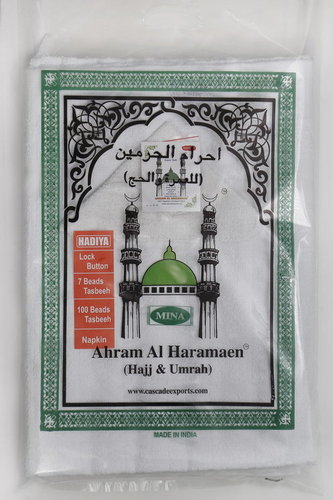
White Cotton Terry Mina Hajj Towel
Price:390-590 INR /, Pair
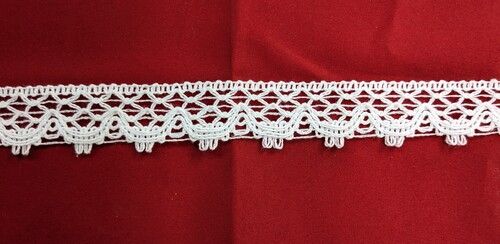
cotton lace single decor
Price:220 INR /Piece
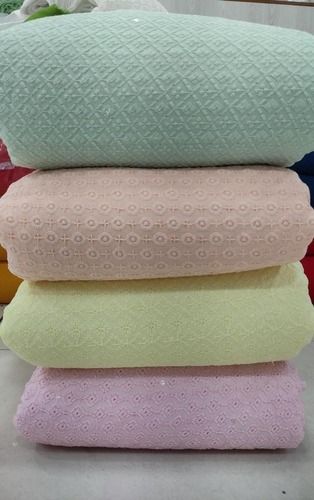
PC COTTON CHIKAN SEQUENCE FABRIC
Price:130 INR /Meter
Cotton Viscose Fabrics
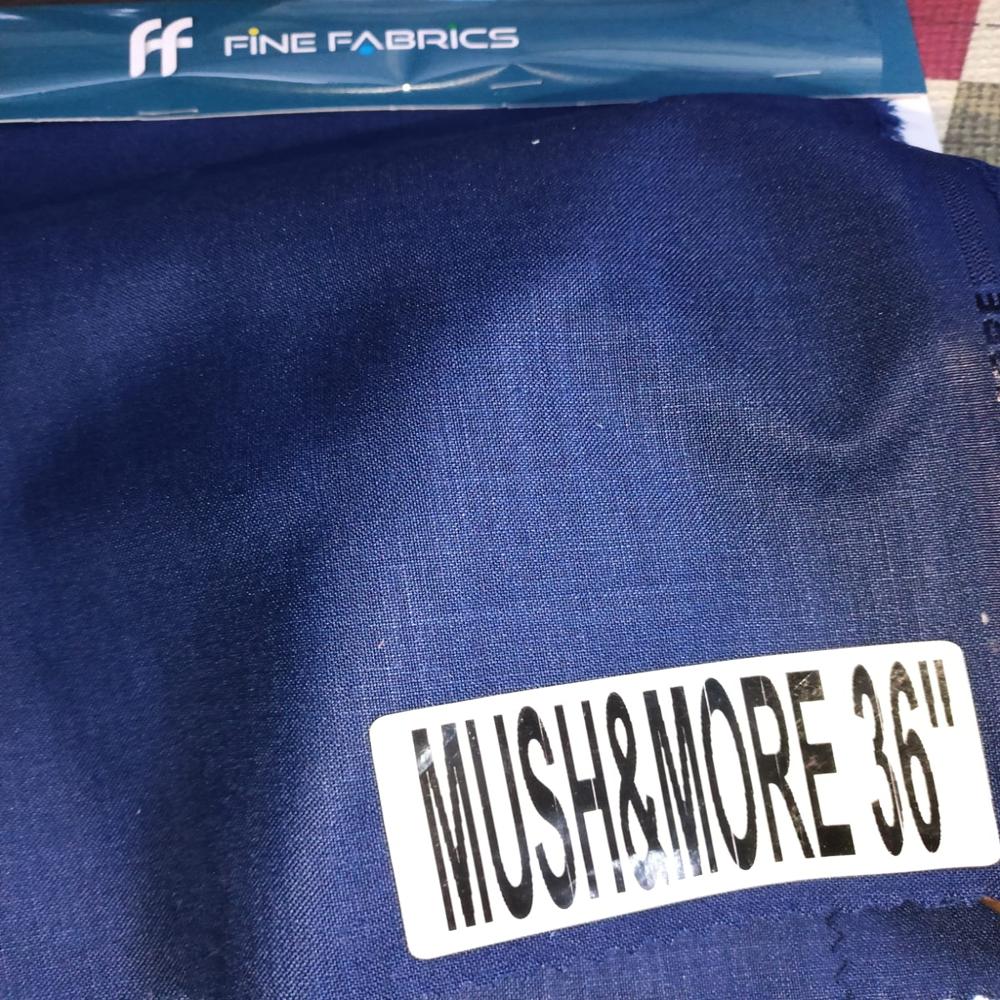
MUSH MORE VISCOSE COTTON FARBIC
Price:46.0 INR /Meter
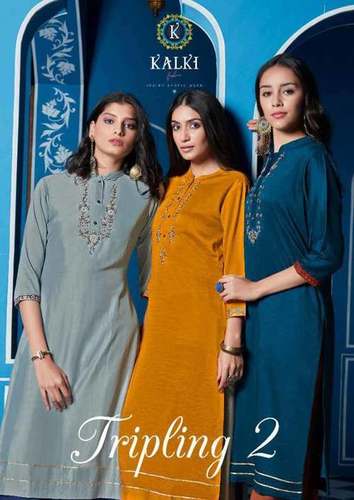
Pure Viscose Cotton Silk
Price:898 INR /Piece
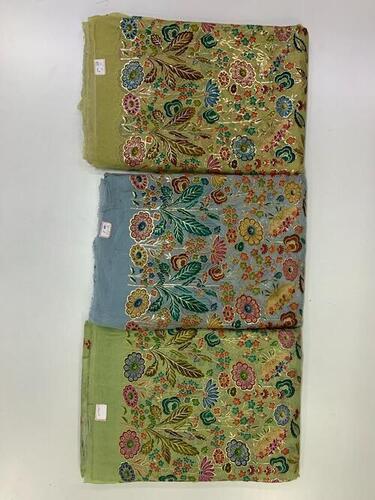
Viscose Organza Multicolor Fabric
Price:810 INR /Meter
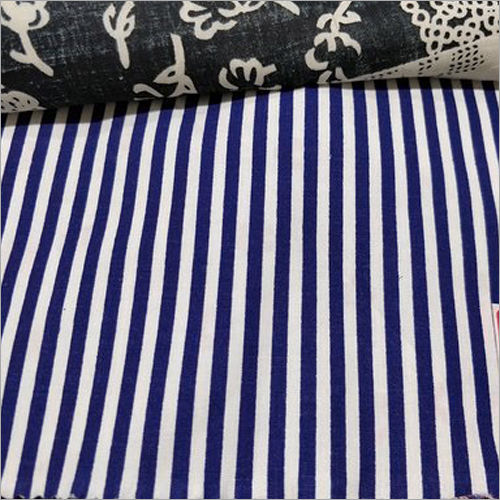
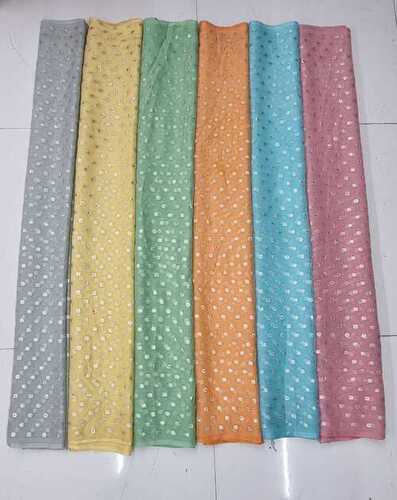
Viscose Jequard Butta
Price:89 INR /Meter
Cotton Sheeting Fabric
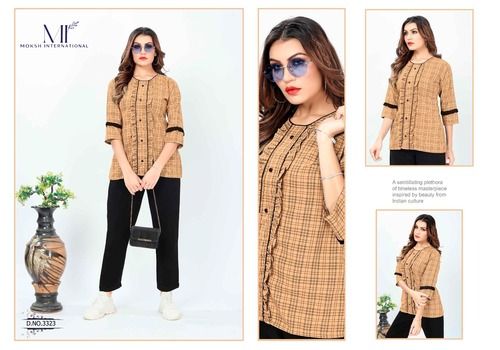
lining Cotton Short Top
Price:500 INR /Piece
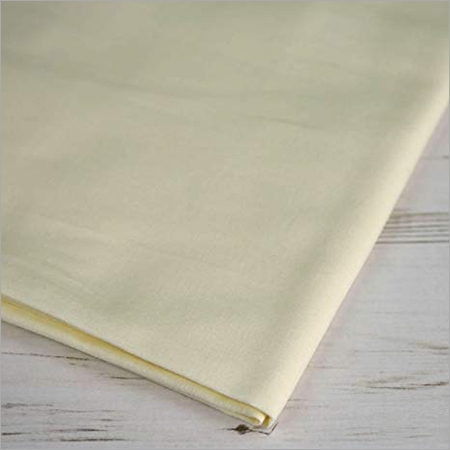

White Suiting Cotton Fabric
Price:1.3 USD ($) /Meter
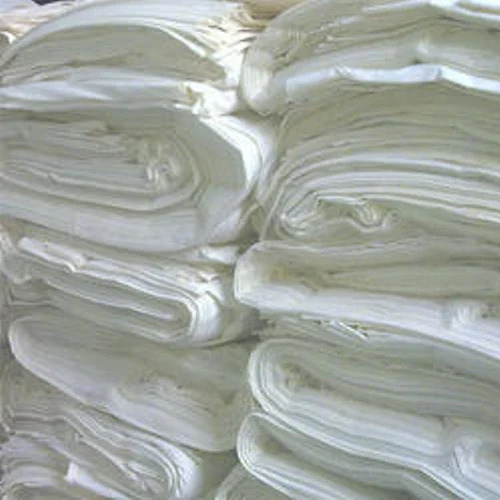
White Sheeting Cotton Fabric
Price:66 INR /Meter
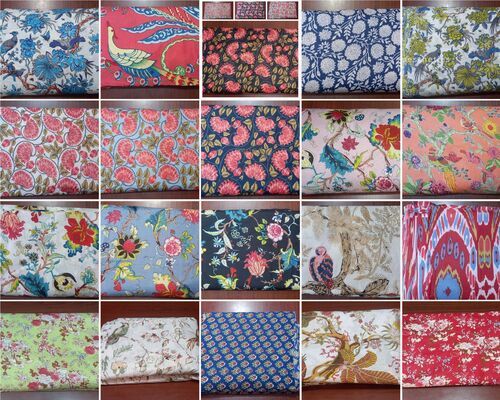
Printed Cotton Fabric
Price:90 INR /Meter
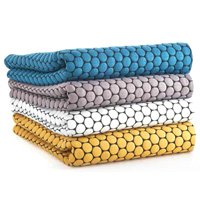
Waffle Fabric
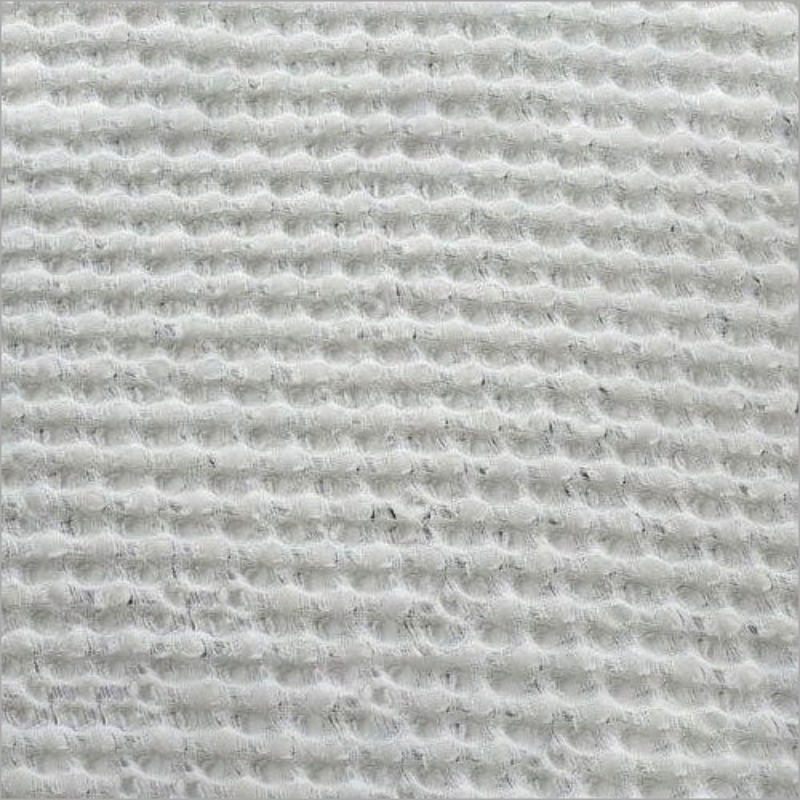
Waffle Honeycomb Fabric
Price:190.00 INR /Kilograms
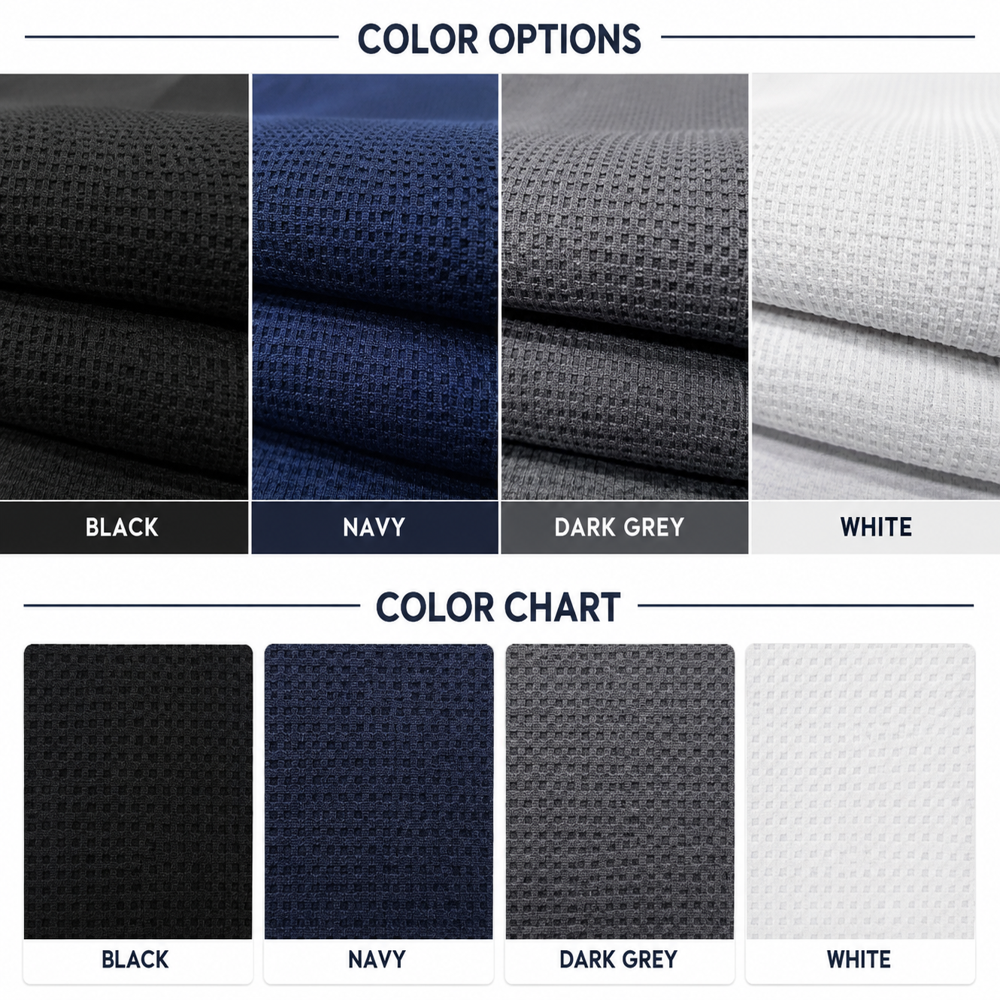
Waffle/ CROWN Fabric
Price:240 INR /Meter
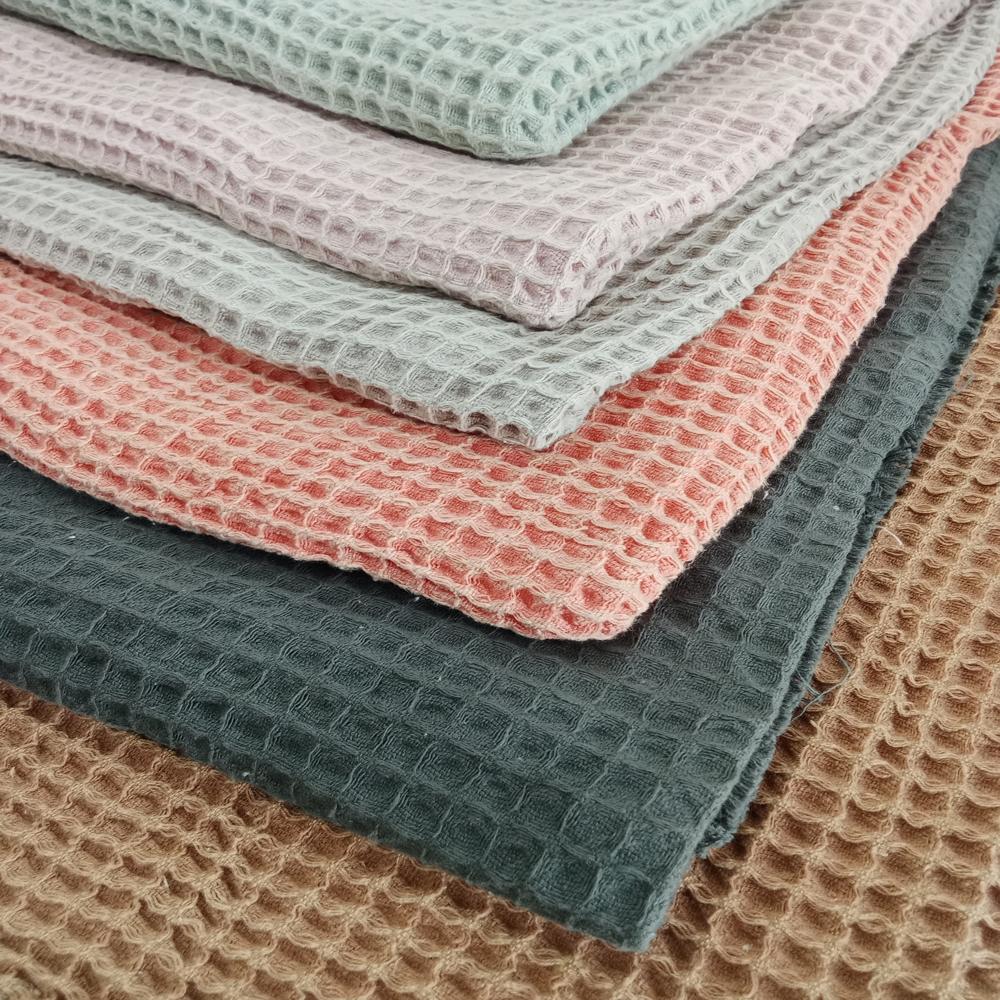
cotton waffle fabric
Price:300.0 INR /Meter
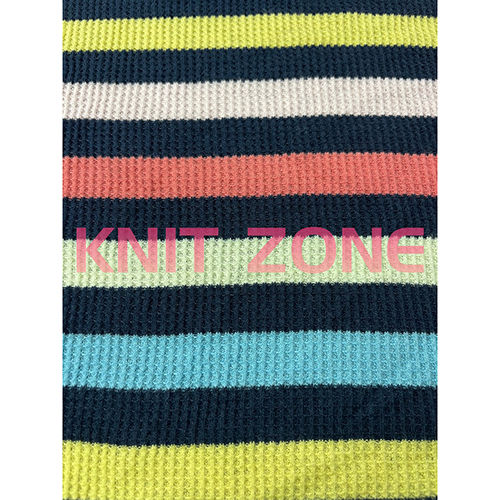
Knitted Waffle Fabric
Price:512.00 INR /Kilograms
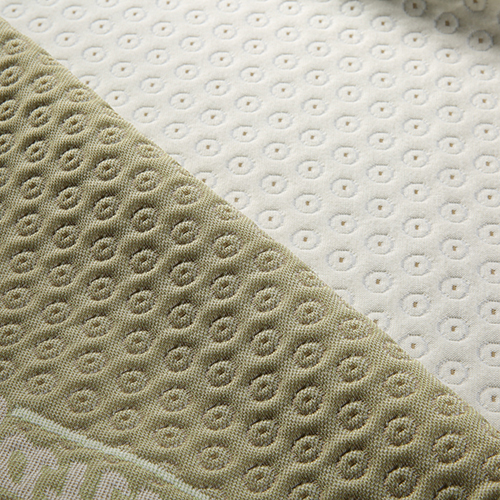
Cotton Waffle Fabric
Price:95.0 INR /Meter
Yarn
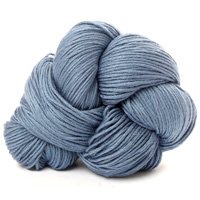
Combed Cotton Yarn
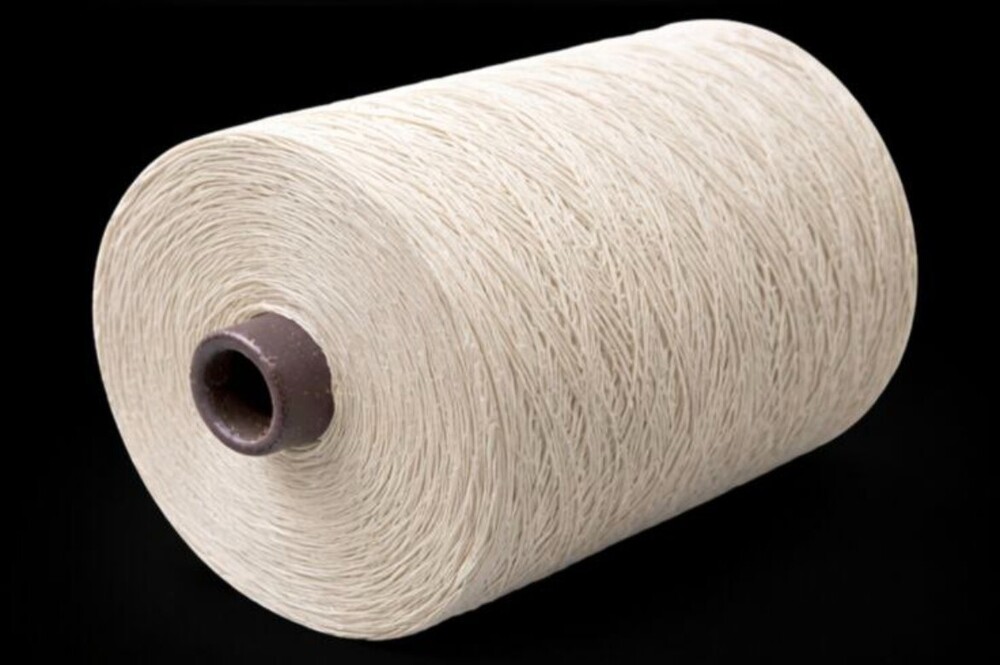
Cotton Doubling Yarn for Narrow Fabrics
Price:110 INR /Kilograms
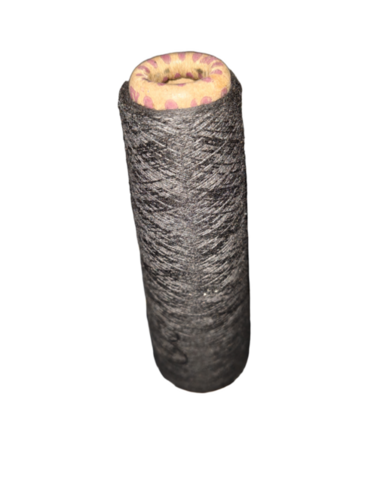
Combed Cotton (Ne 2/30c), Extra Dark Black, dyed, Best for Knitting
Price:550 INR /Kilograms
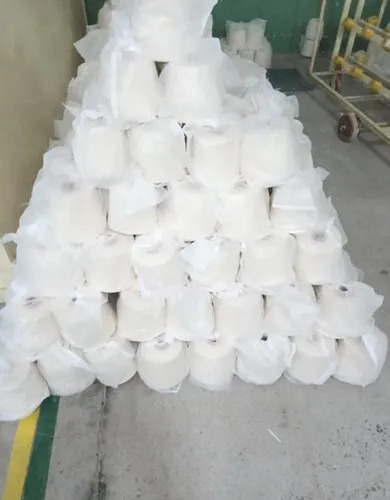
Combed Cotton Yarn
Price:350 INR /Kilograms
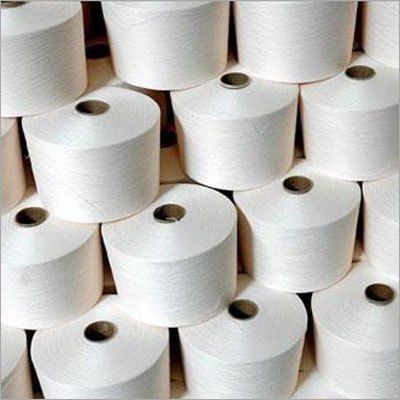
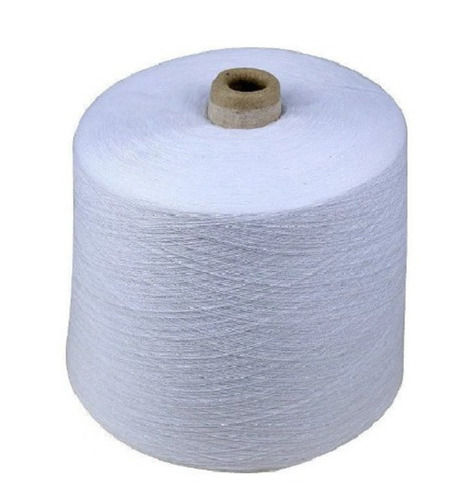
Plain Pattern Twisted Smooth Combed Cotton Yarn For Stitching
Price:280 INR /Kilograms
Polyester Melange Yarn
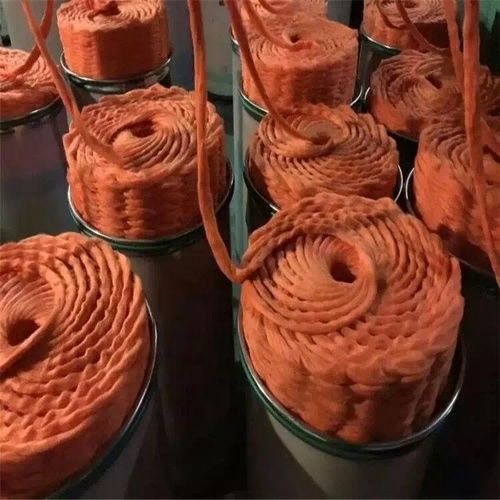
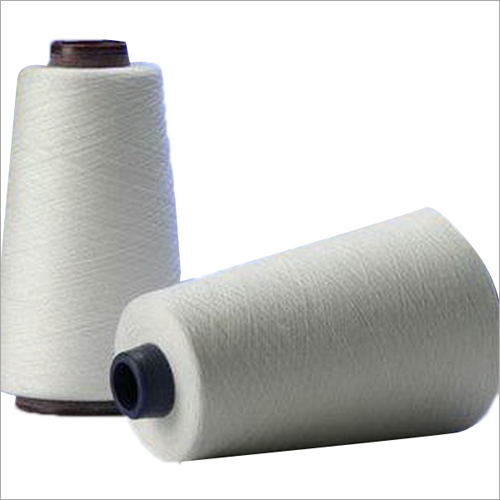
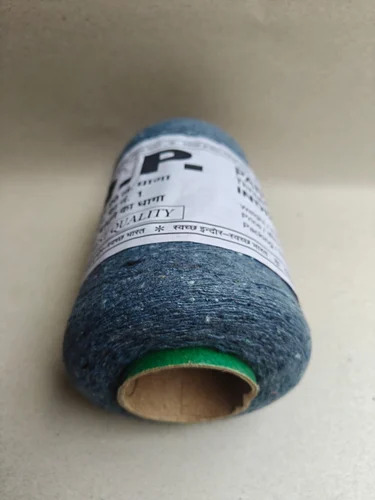
60gm Polyester Melange Yarns
Price:48 INR /Kilograms
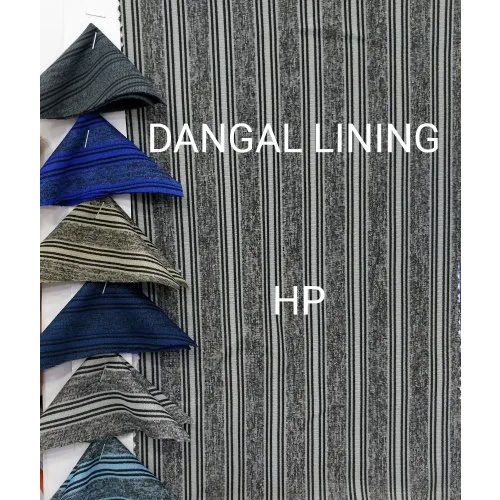
Dangal Lining Melange Fabric
Price:195 INR /Kilograms
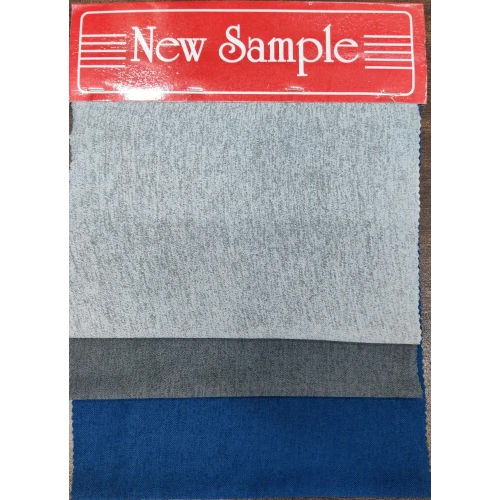
Melange Polyester Lycra Fabric
Price:28998.0 INR /Kilograms
Fiberglass Yarn
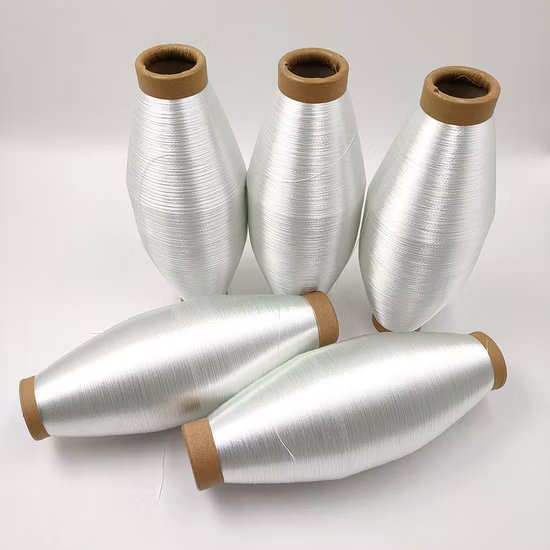
Fiberglass Yarns (C Grade)
Price:50.0 INR /Kilograms
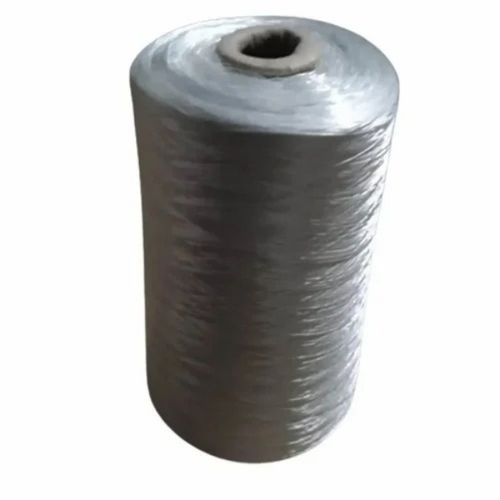
Grey Fiberglass Yarn
Price:150 INR /Kilograms
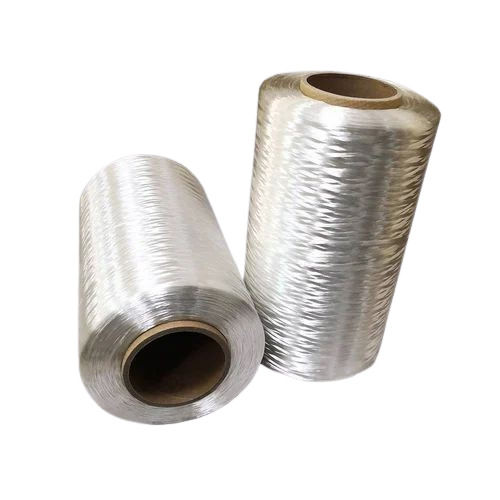
Fiberglass Yarn
Price:210 INR /Kilograms
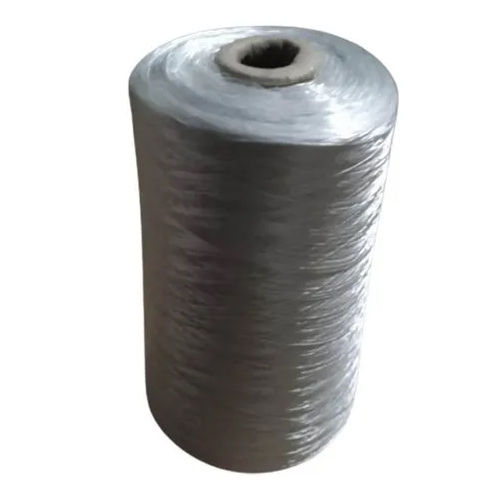
White Polyster Fiberglass Yarn
Price:17.5 INR /Piece
Dyed Yarn
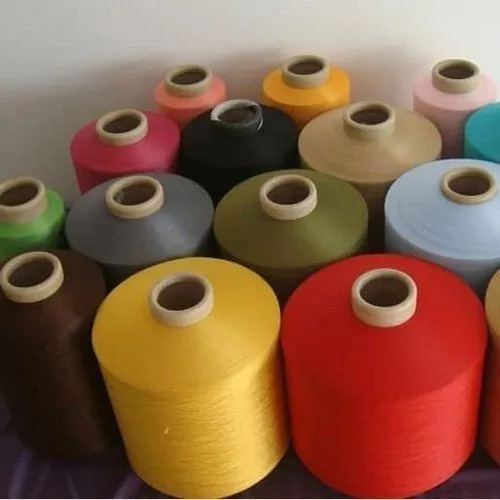
Dyed Cotton Yarn
Price:500 INR /Kilograms
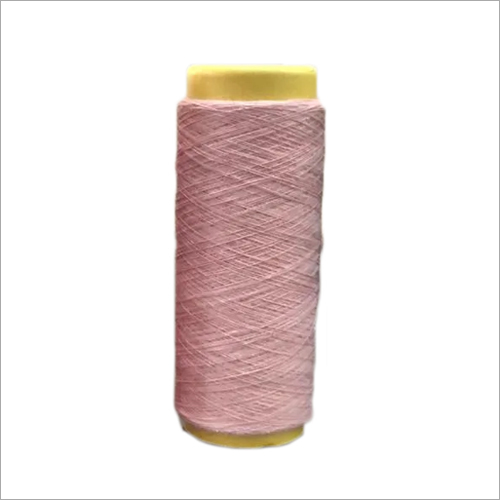
Shoddy Dyed Yarn
Price:175 INR /Kilograms
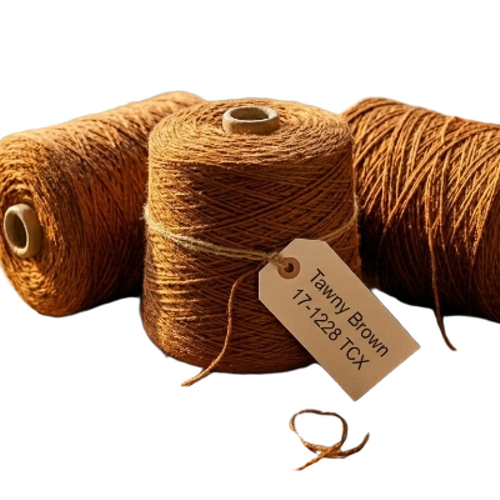
Brown Dyed Yarn
Price:600 INR /Kilograms
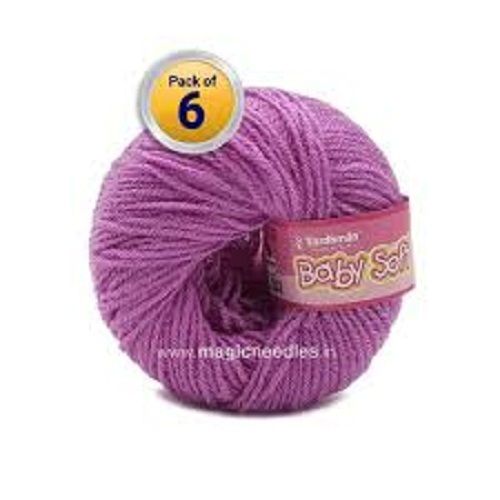
6 Pieces Pack Multi Color Synthetic Soft Dyed Yarn For Weaving And Knitting
Price:170 INR /Pack



Tents & Tarpaulins
Boat Covers
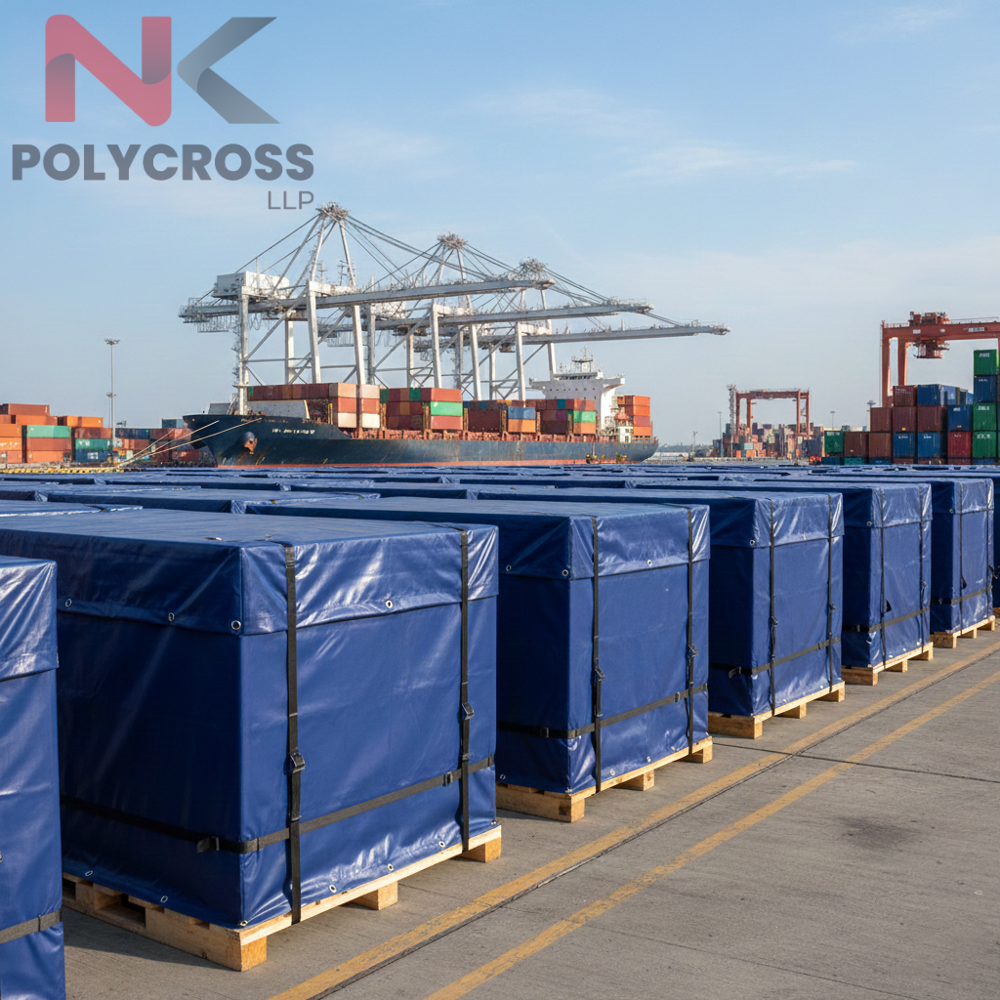
Dockside Goods Cover
Price:150.0 INR /Kilograms
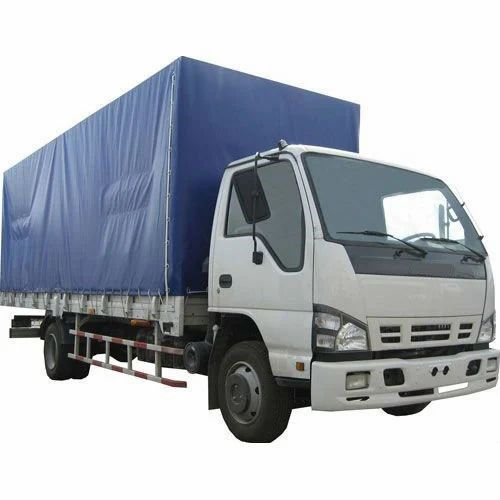
Big Truck Covers
Price:24000 INR /Piece
Polyester Cover
Price:200 INR /Piece

Pole Tent
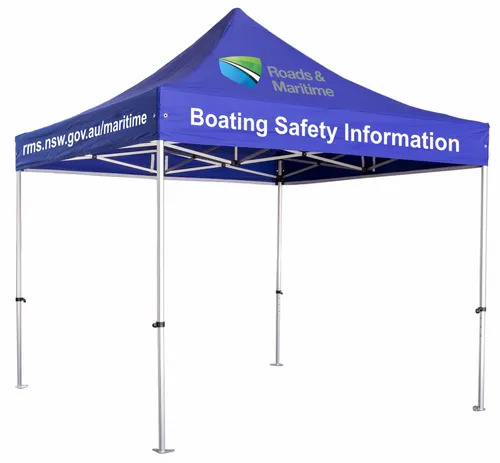
Blue Gazebo Tent
Price:5999 INR /Unit
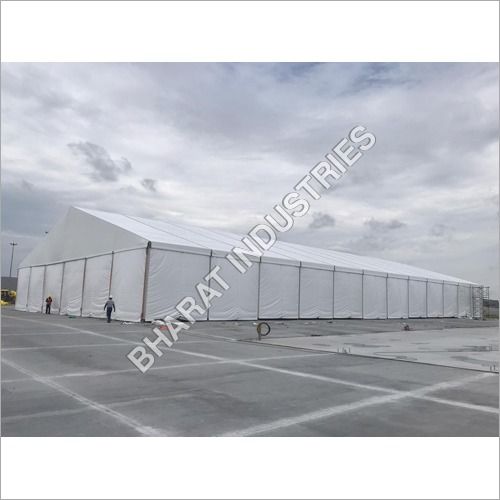
German Hanger Tent
Price:350.00 INR /Square Foot
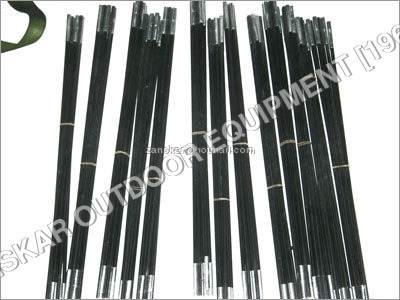
Fibre Pole Tents
Price:5520 INR
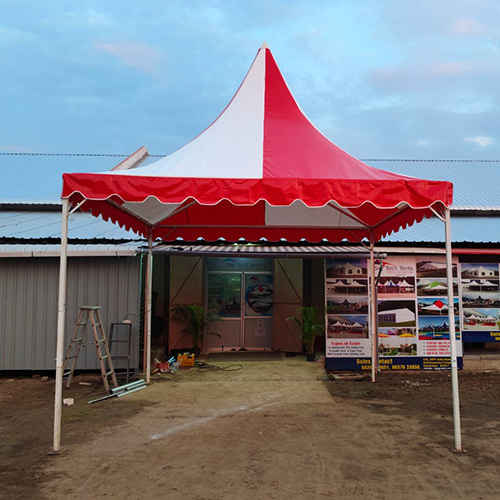

Polycarbonate Awning
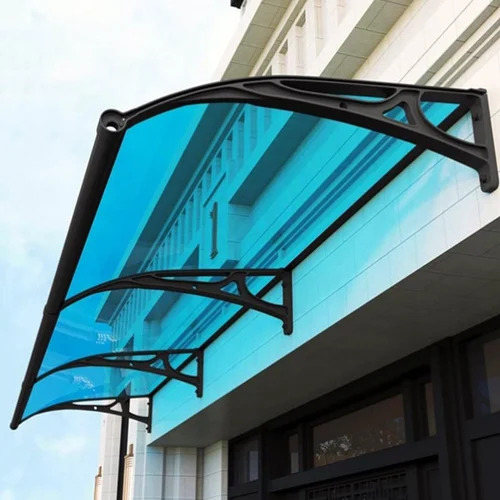
Residential Polycarbonate Awnings
Price:230 INR /Square Foot
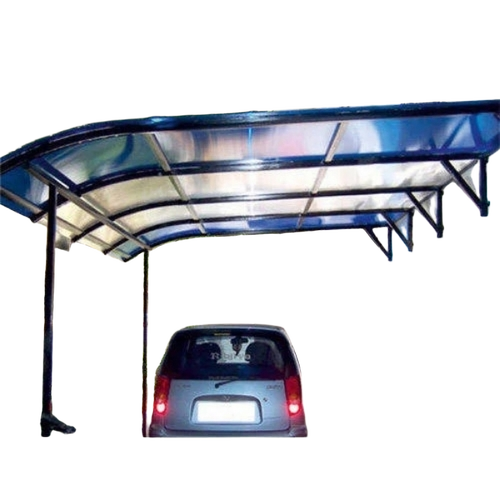
Industrial Polycarbonate Awning
Price:200 INR /Square Foot
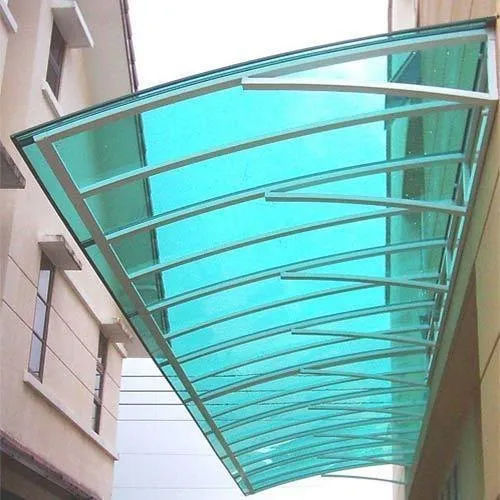
Polycarbonate Residential Awnings
Price:120 INR /Square Foot
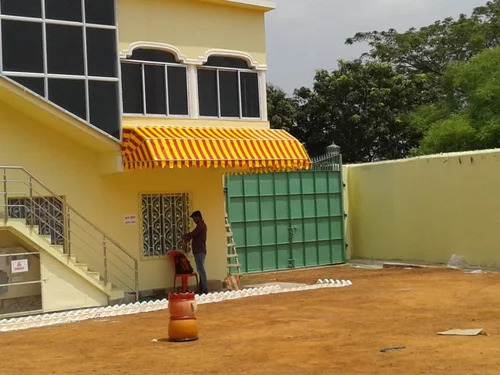
Polyester Foldable Retractable Awning
Price:210 INR /Square Feet
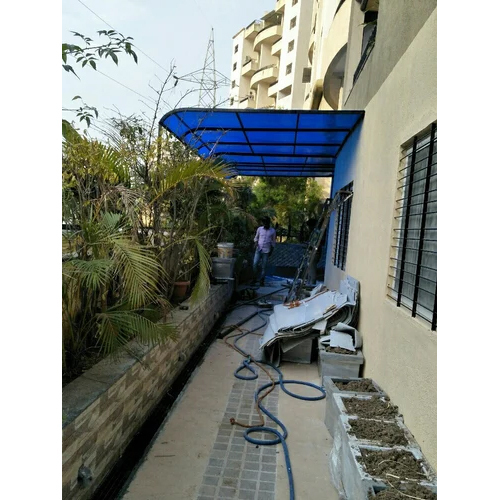
Mild Steel Polycarbonate Awning Shed
Price:180.0 INR /Square Foot
Fixed Awnings
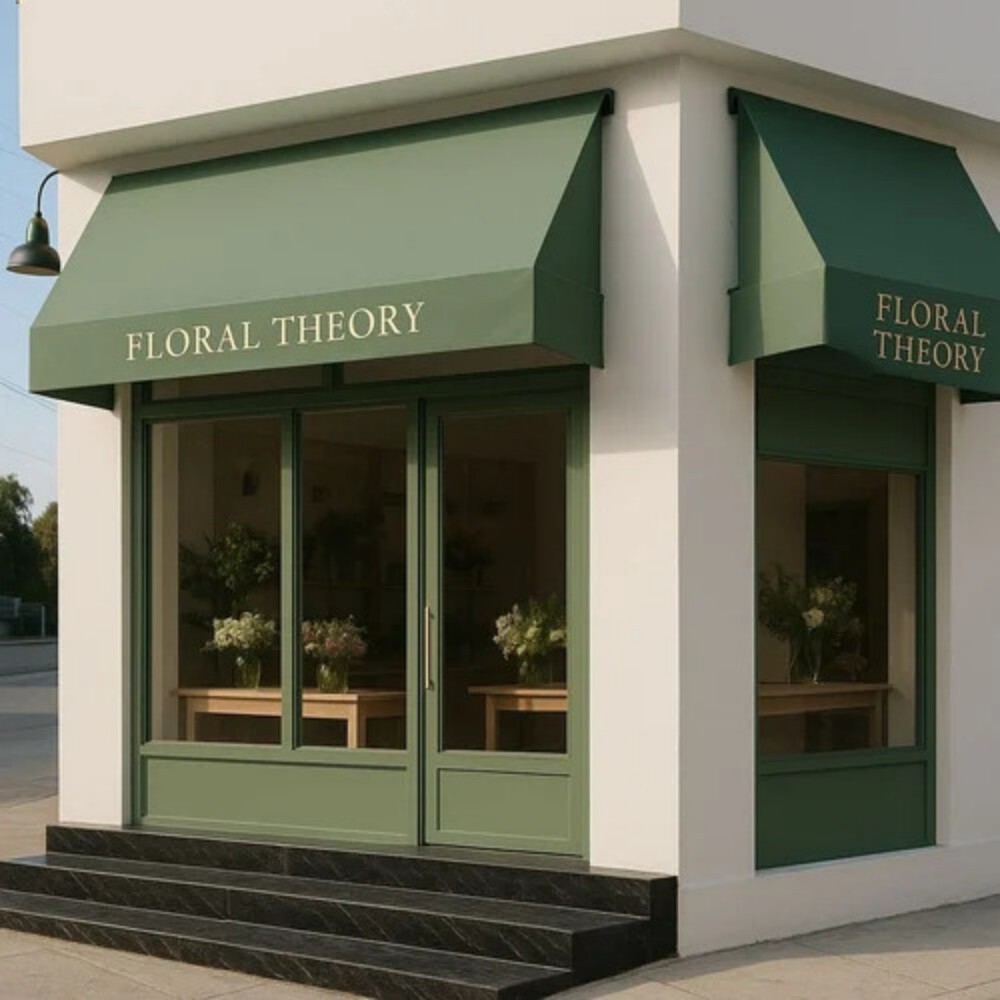
Customized Fixed Awning
Price:190 INR /Square Feet

Fixed Frame Awning
Price:160.0 INR /Square Foot
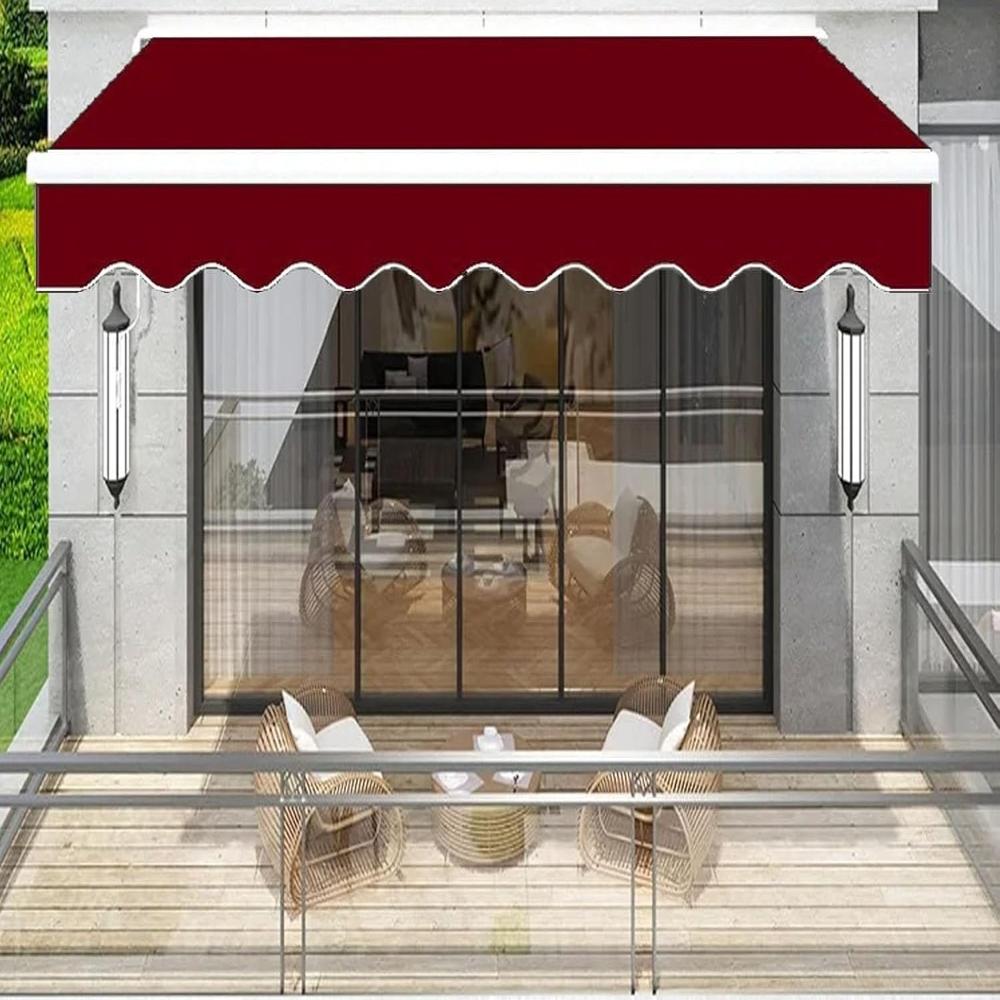
Sun Shade Awning
Price:165.0 INR /Square Foot

Paint Coated Aluminium Striped Canvas Fabric Double Layer Fixed Awnings
Price:250 INR /Square Foot
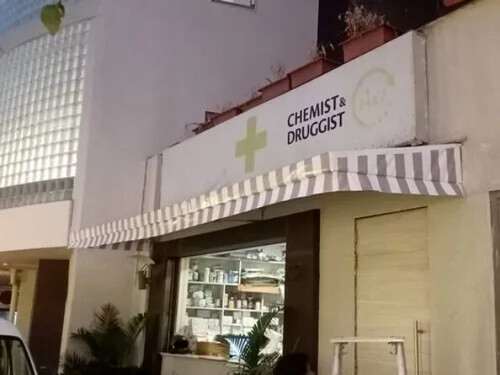
Fixed Shop Awning
Price:160 INR /Square Foot
Rope,Twines & Webbings
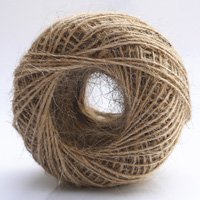
Plastic String
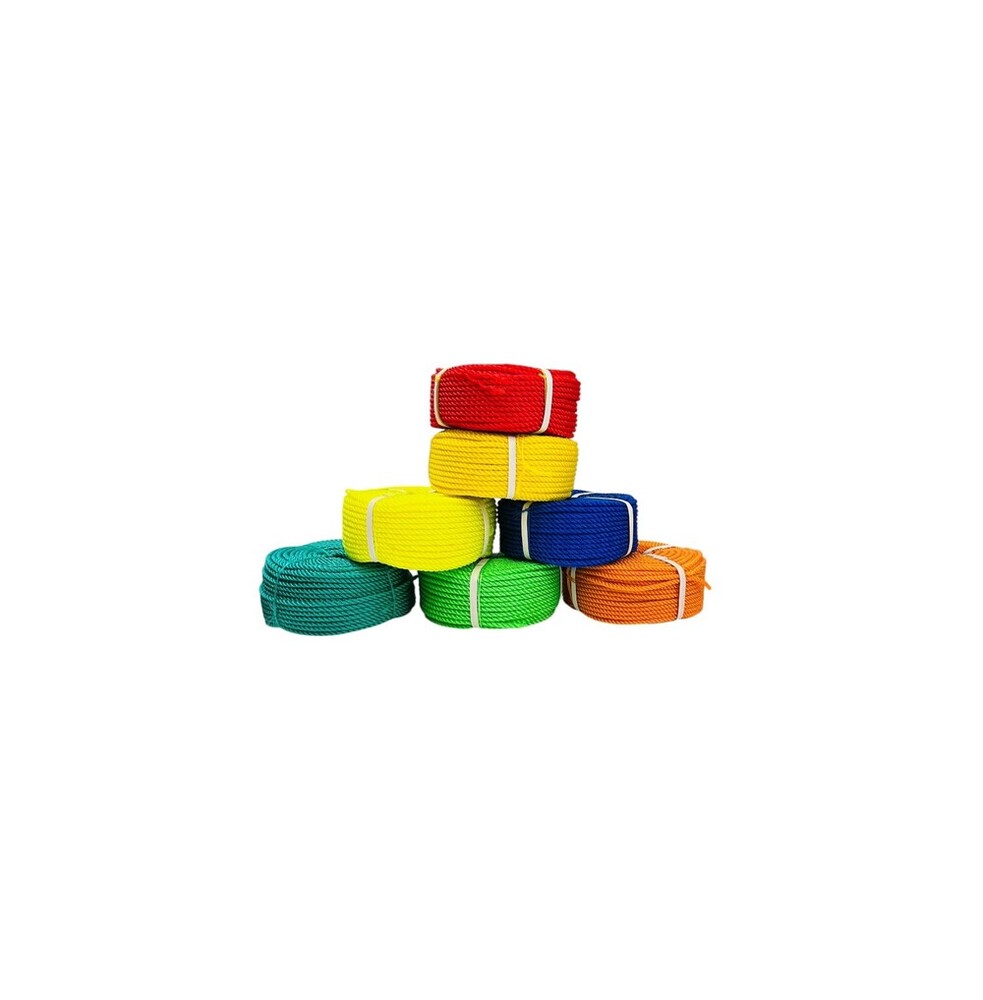
Plastic Packing String
Price:1.5 USD ($) /Kilograms
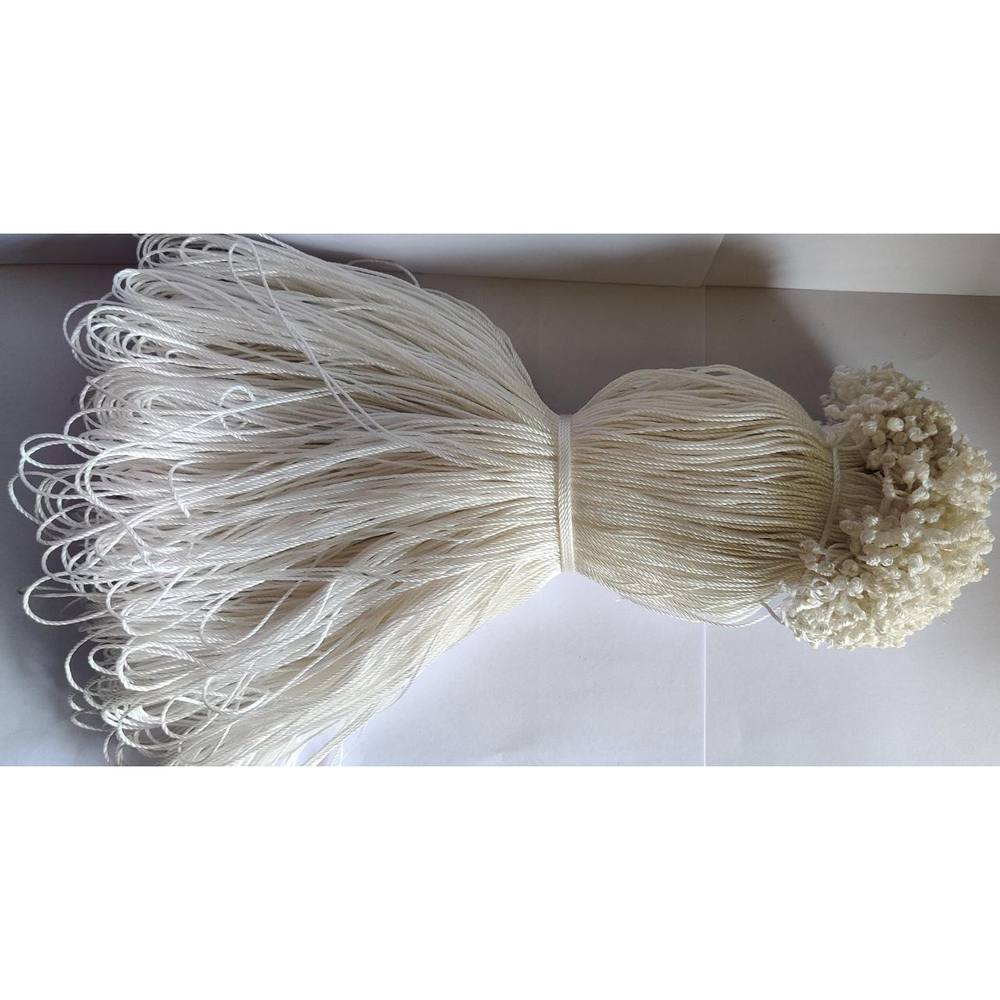
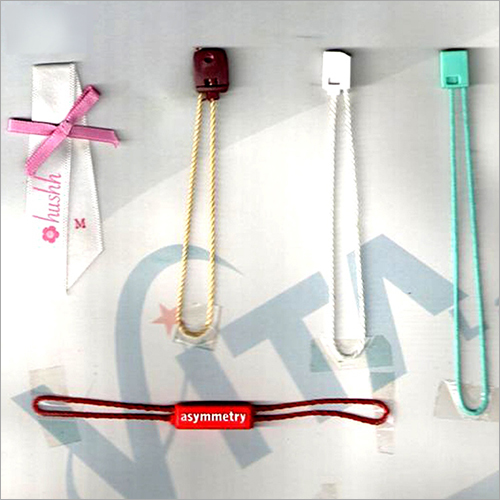
Tag String
Price:105 INR /Piece
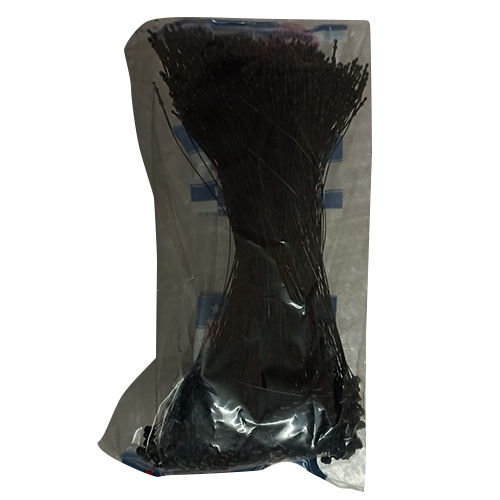
Garment PVC String
Price:150 INR /Piece

Gland Packing Rope
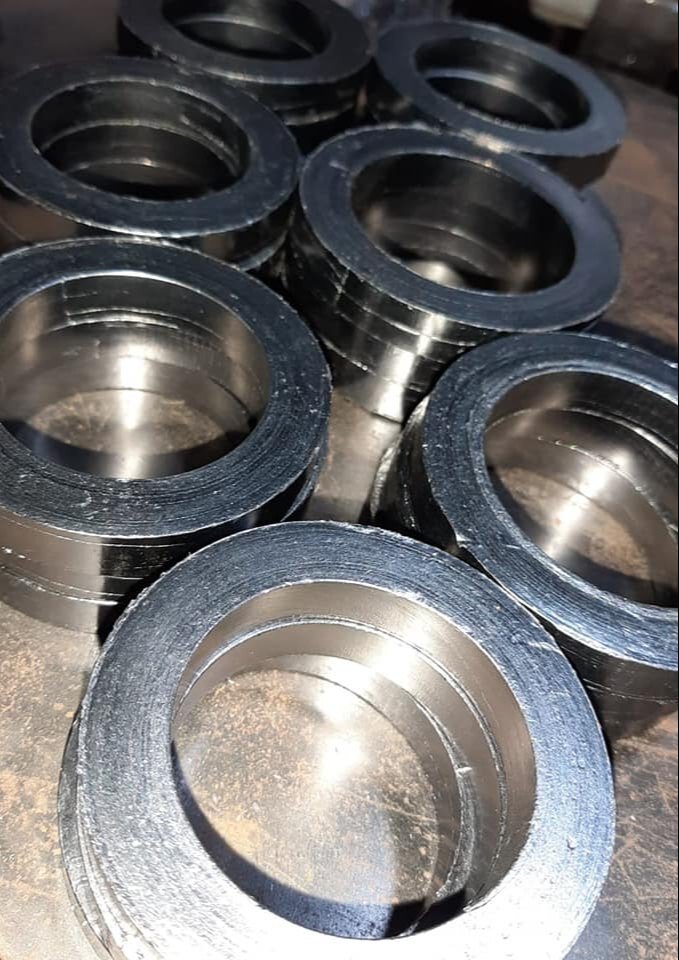
Graphite Die Moulded Rings
Price:35 INR /Piece
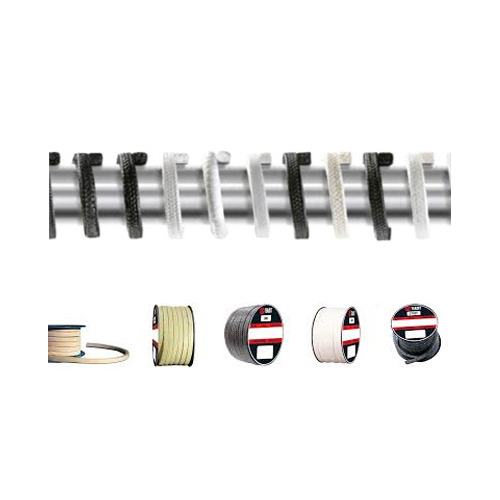
Braided Gland Packing
Price:10000.0 INR /Kilograms
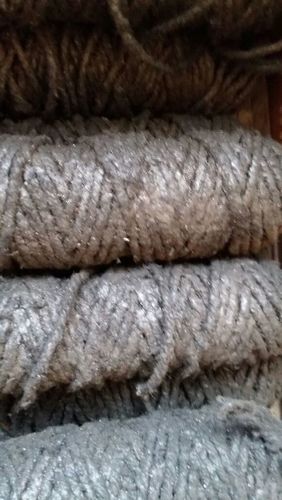
Valve Twisted Gland Rope
Price:300.0 INR /Piece
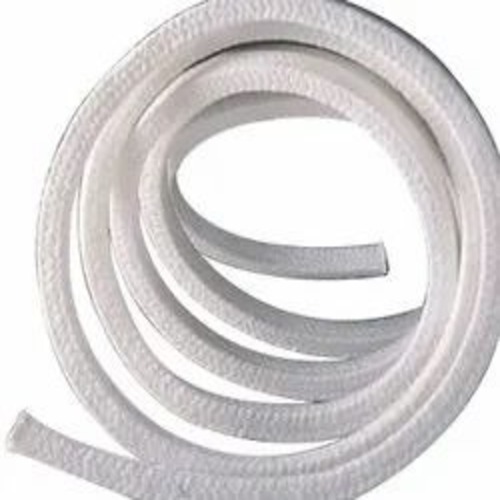
Gland Packing Rope
Price:100 INR /Kilograms
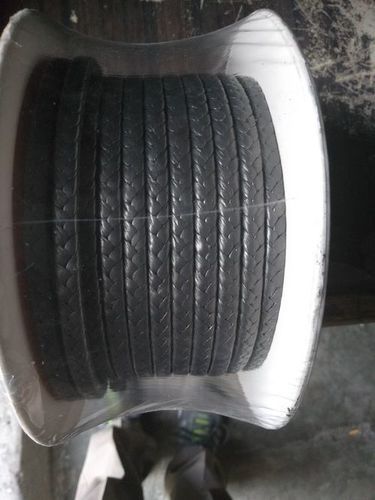
Polyester Rope
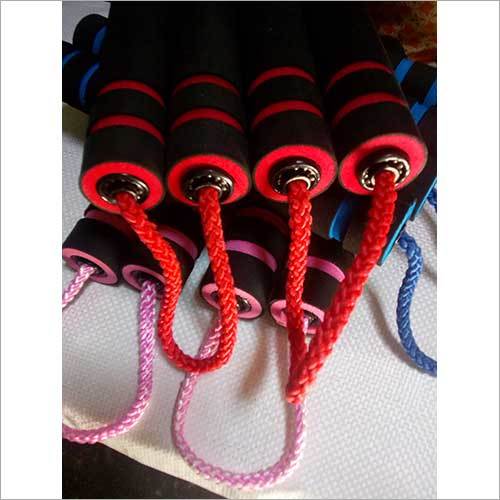
Double Color Foam Rope Nunchaku
Price:80 INR /Piece
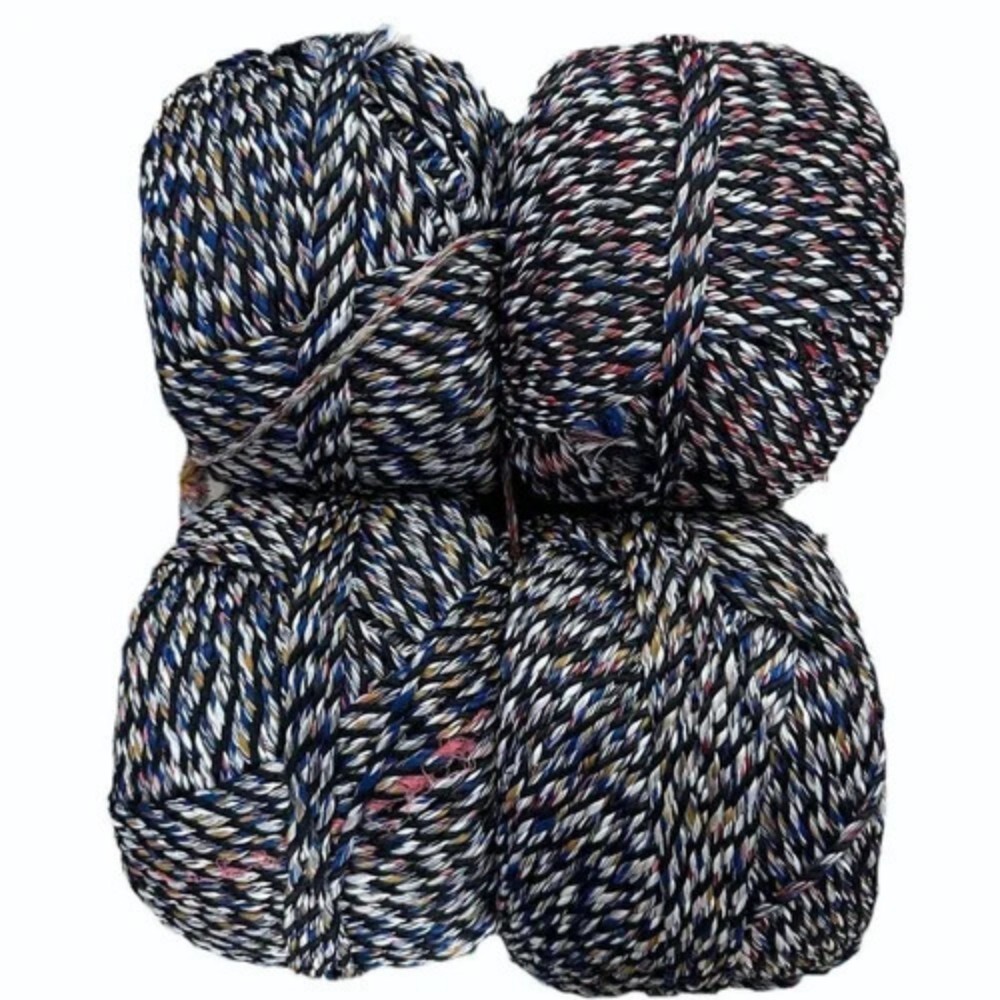
4 Mm Polyester Rope
Price:65.0 INR /Kilograms
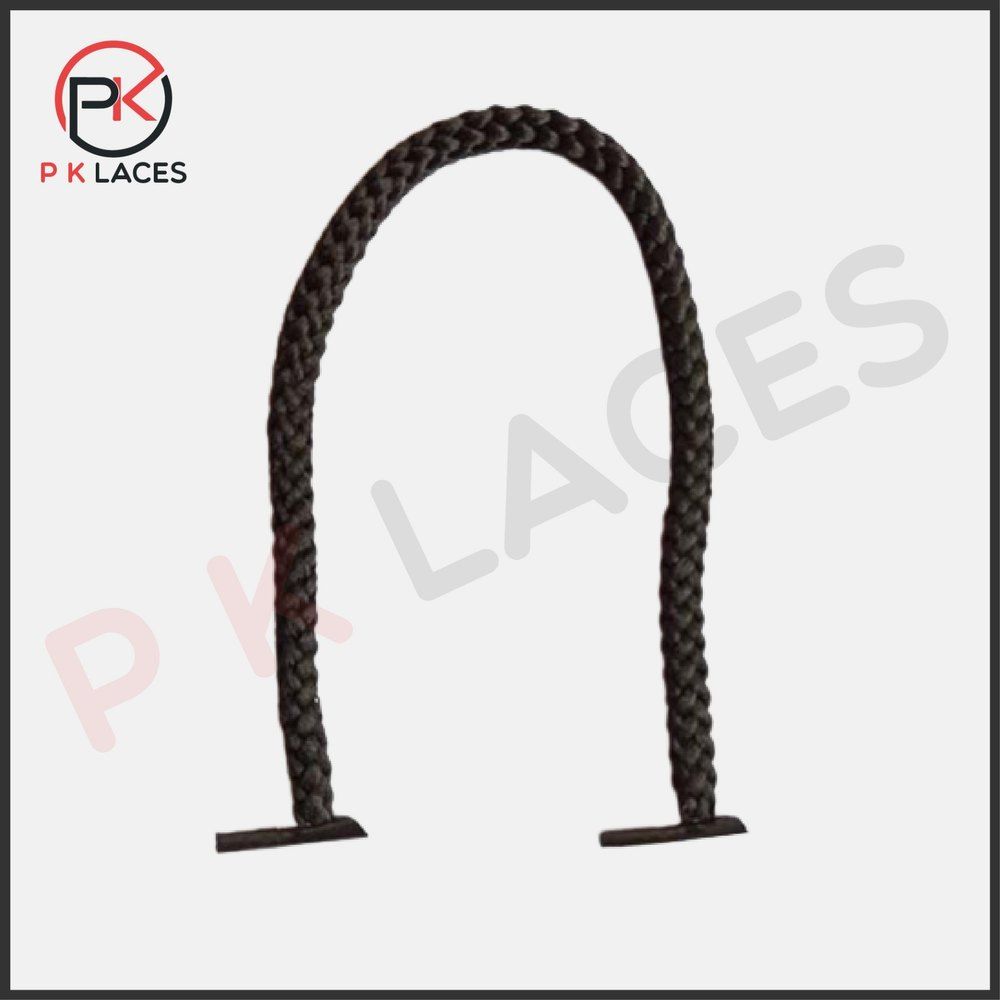
Half Tipping Polyester Rope
Price:0.6 INR /Pair
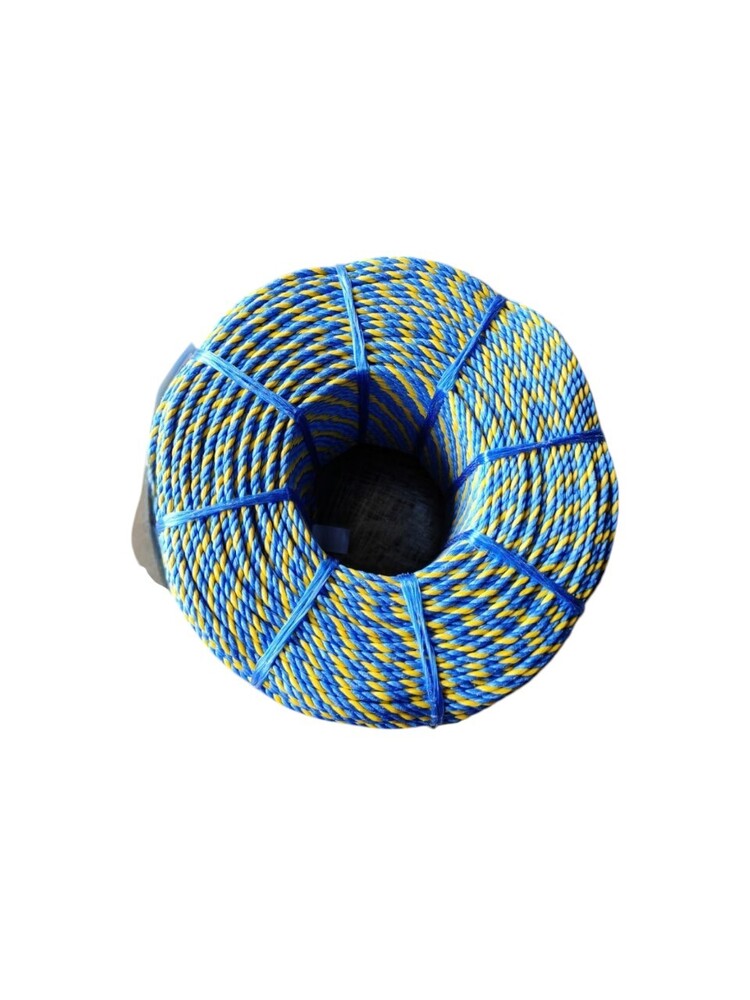
Durable plastic rope
Price:1.5 USD ($) /Kilograms
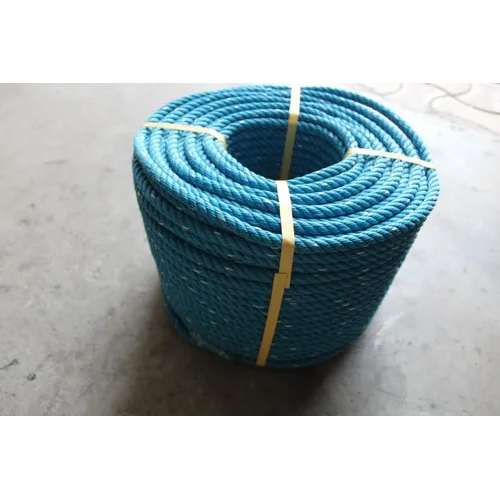
Polyester Monofilament Rope
Price:115.0 INR /Kilograms
Polyethylene Rope
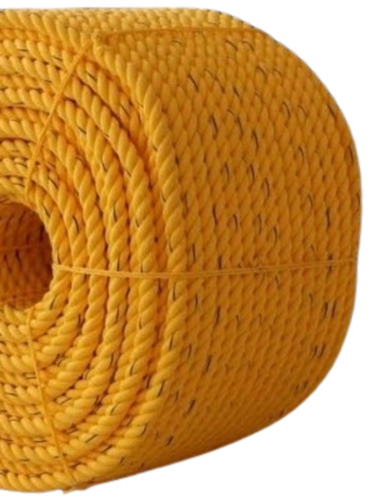
Twisted Polypropylene Rope
Price:111.0 INR /Kilograms
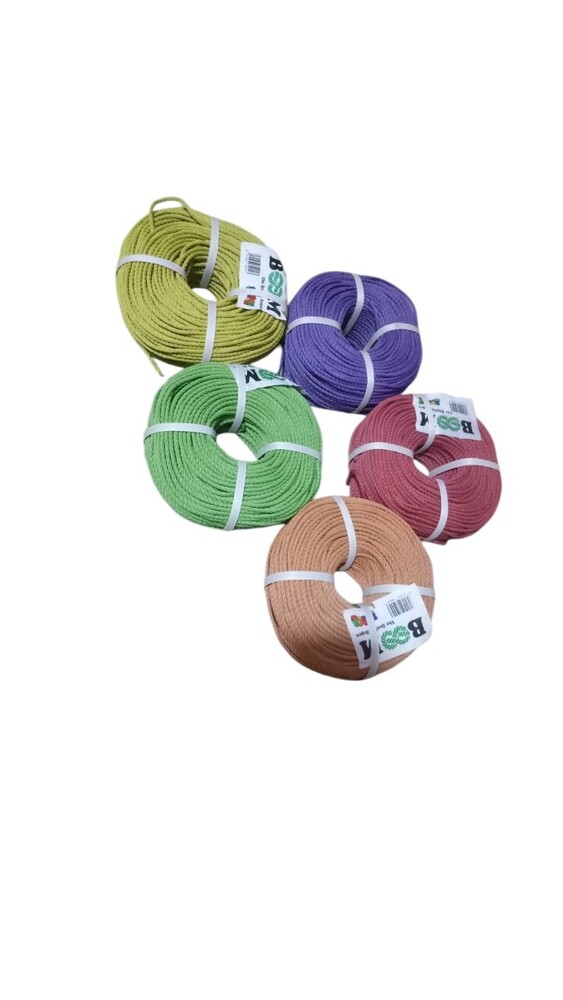
Plastic Line Rope
Price:1.5 USD ($) /Kilograms
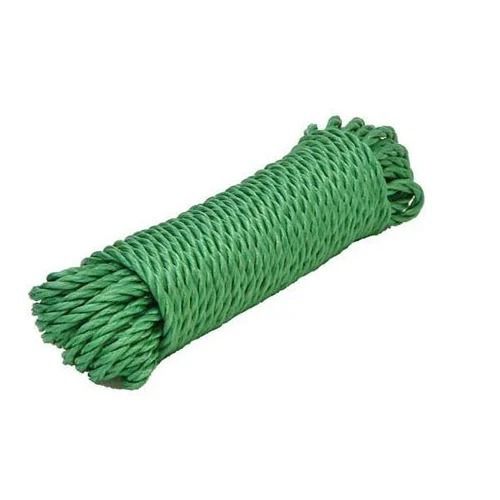
6 Mm Thick Round Solid And Plain Polyethylene Rope For Construction Use
Price:120 INR /Kilograms
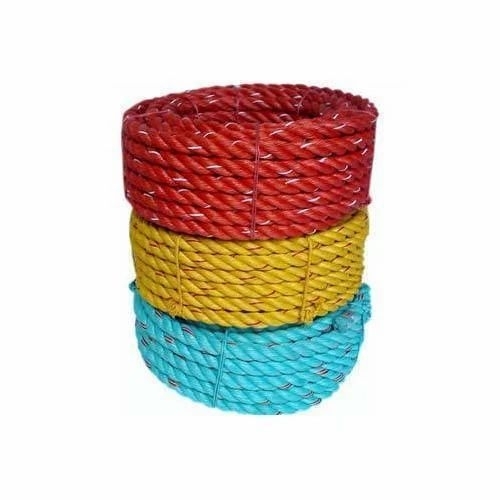
Polypropylene Twisted Rope
Price:160 INR /Kilograms
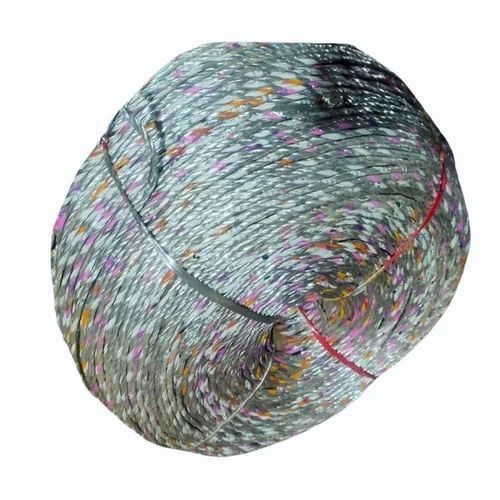
Grey Polyethylene Ban Rope
Price:55 INR /Kilograms
Stainless Steel Wire Rope
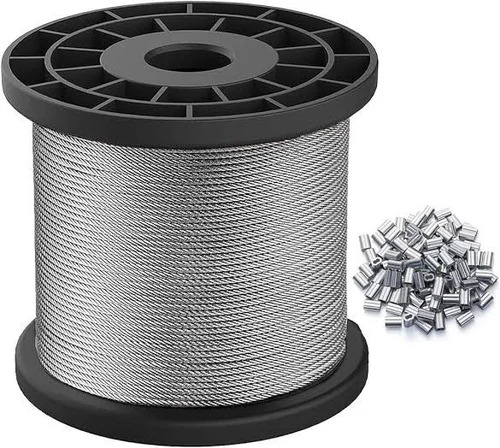
Stainless Steel Wire Rope
Price:60 INR /Meter
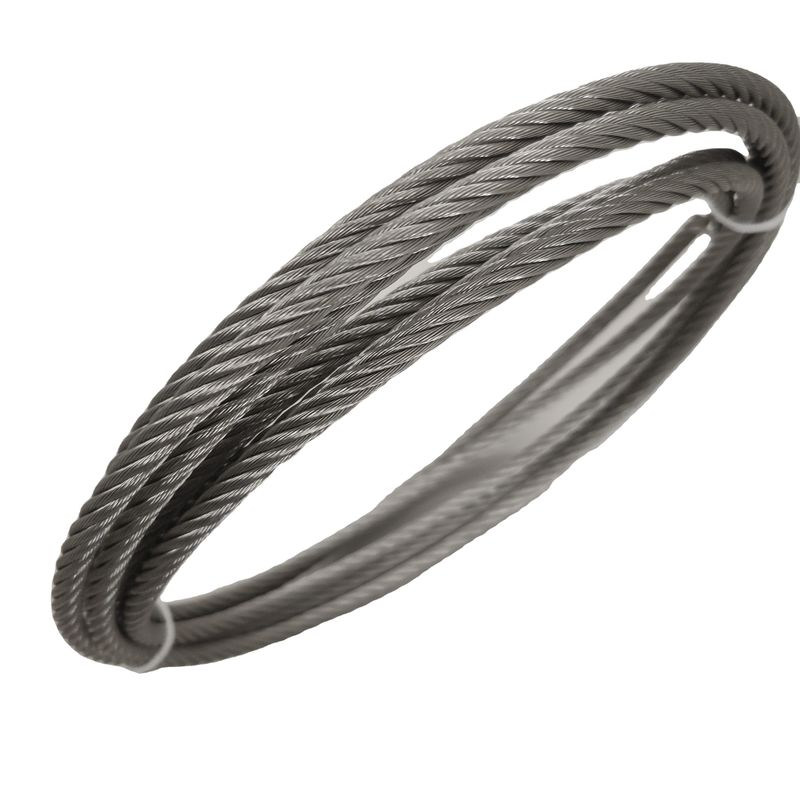
2mm Stainless Steel Wire Ropes
Price:280.0 INR /Piece
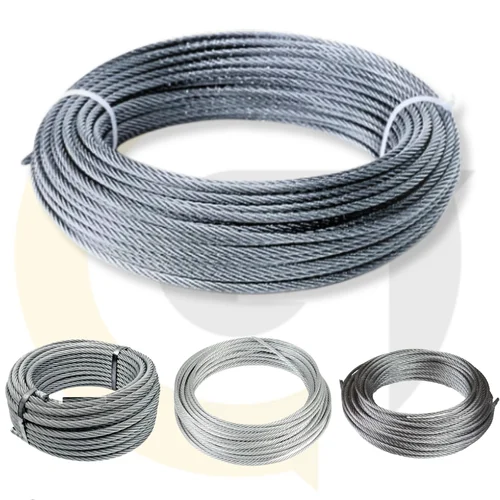
SS WIRE ROPE
Price:500.0 INR /Piece
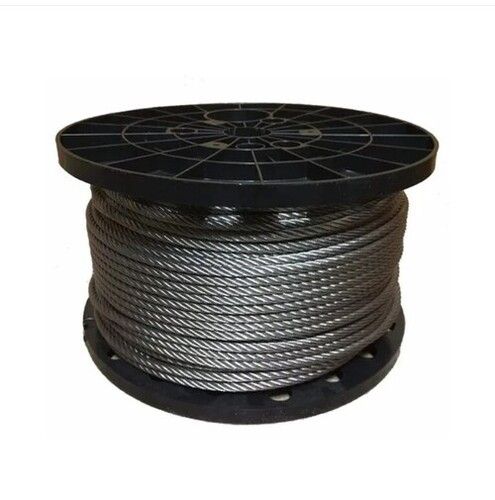
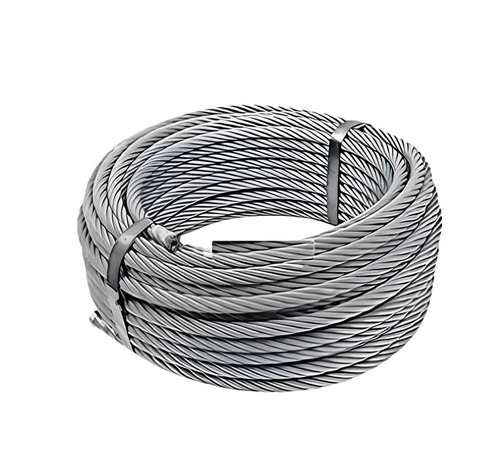
Steel Wire Ropes
Price:100 INR /Meter
Foam,Rexine & PU Products
Pu Foam
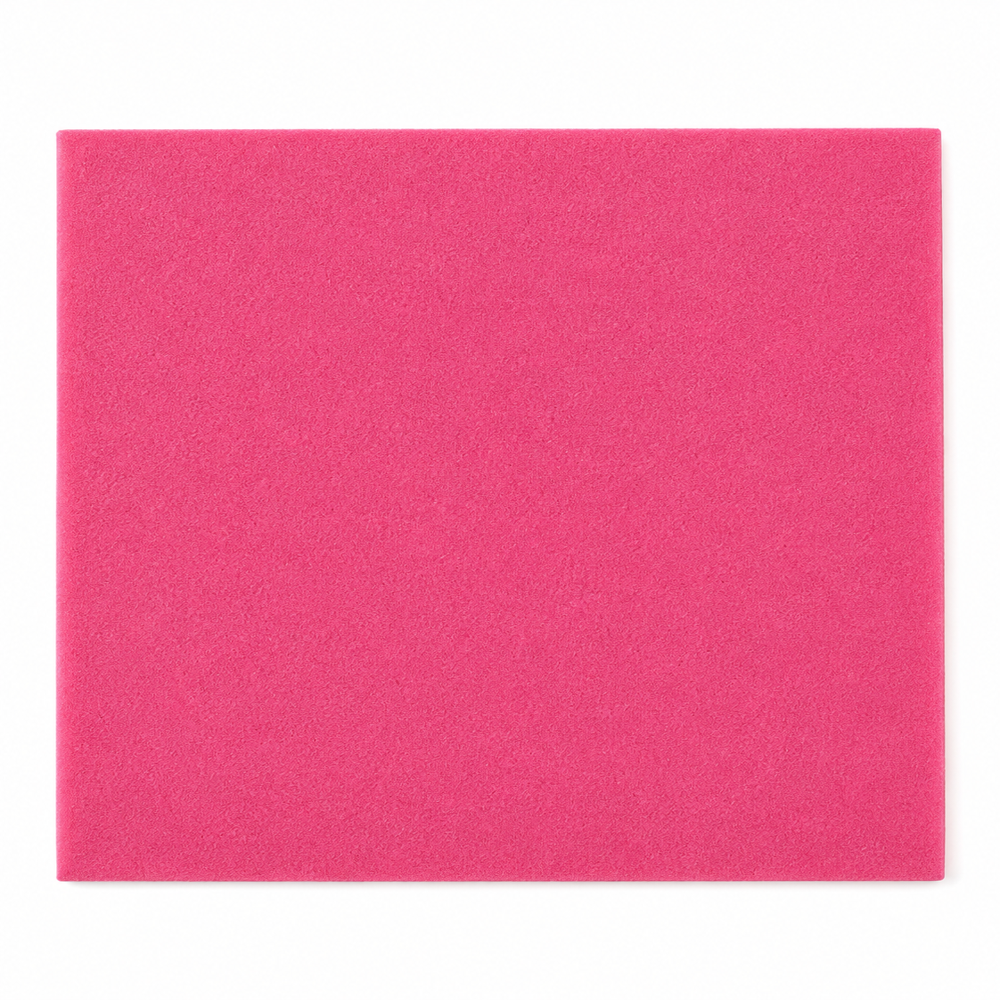
PU Foam 40D (78*72) 95mm
Price:2784.0 INR /Piece
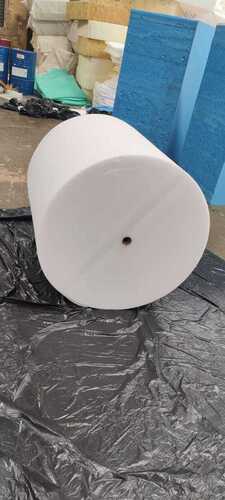
Peeling Foam Roll
Price:295.00 INR /Roll
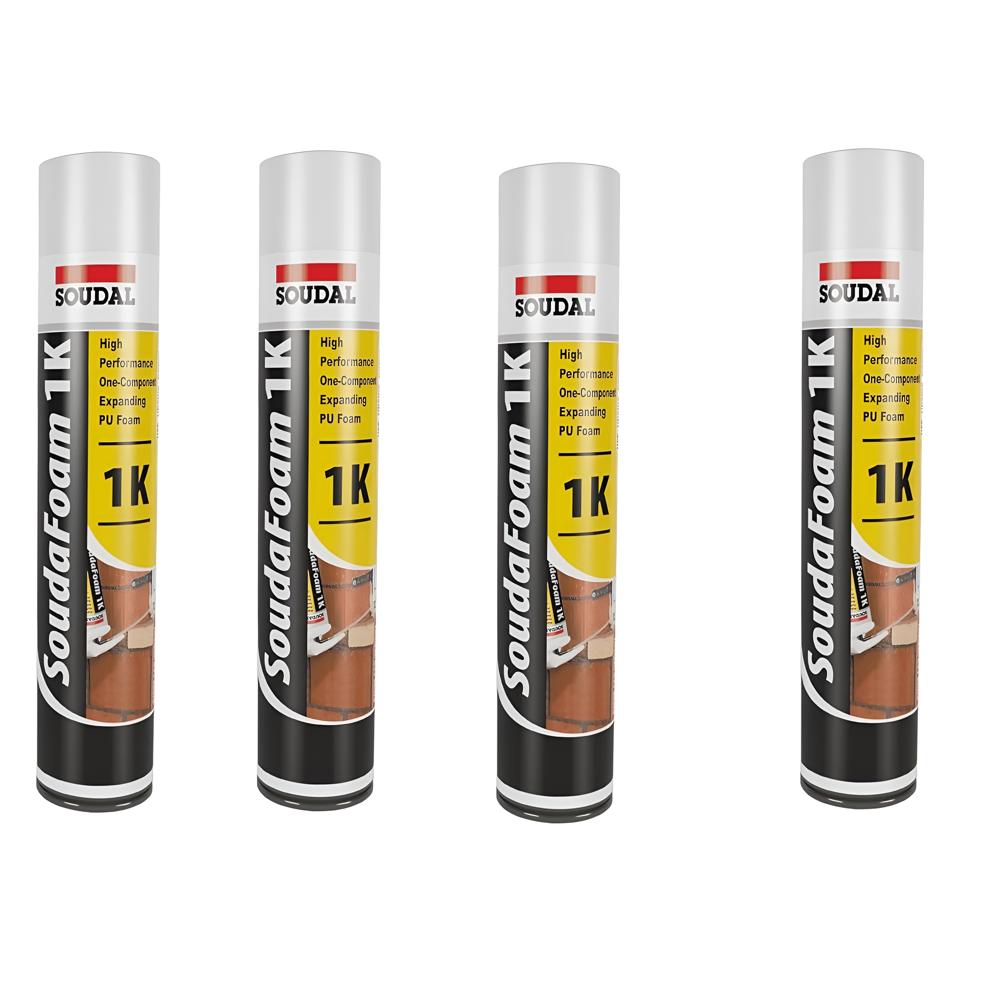
Soudafoam 1K PU Foam
Price:430.0 INR /Piece
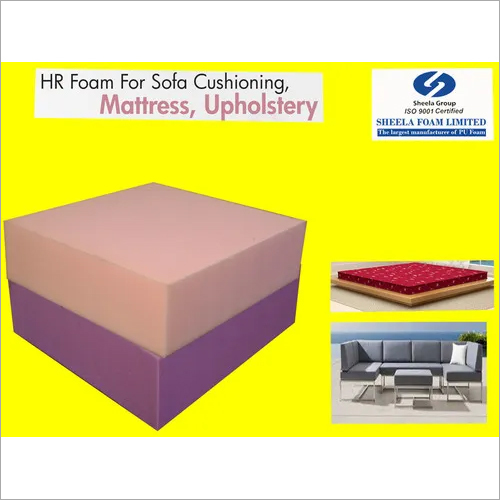
High Resilience Foam
Price:500 - 650 INR /Kilograms
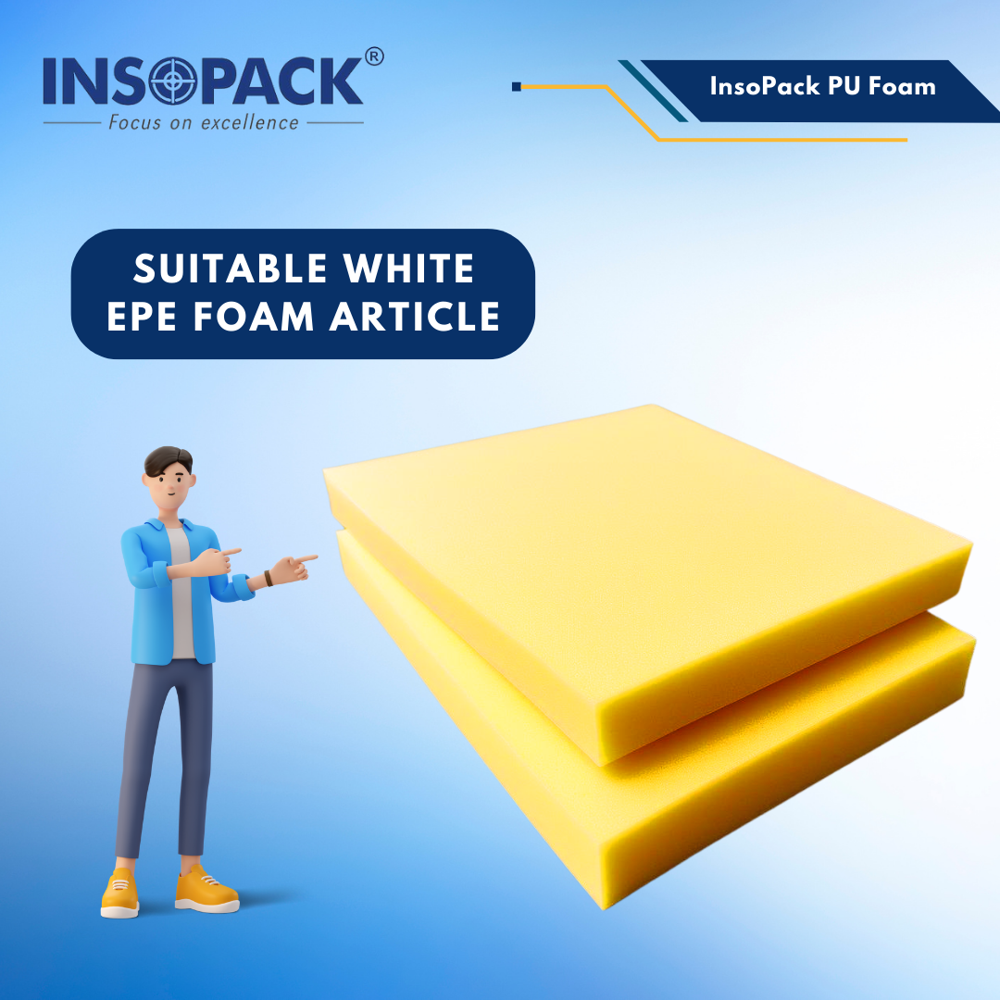
PU Foam PU
Price:750.0 INR /Piece
Pu Gloves
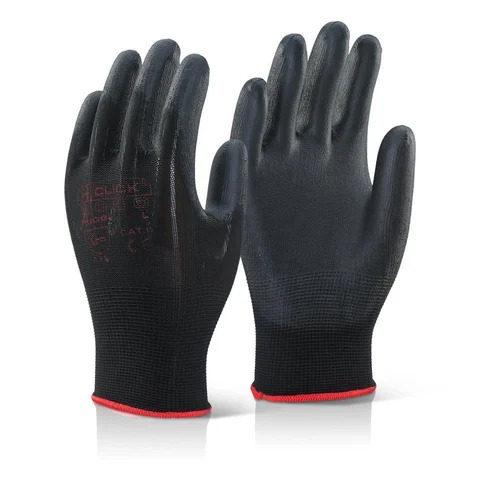
PU Black Gloves
Price:21.0 INR /Pair
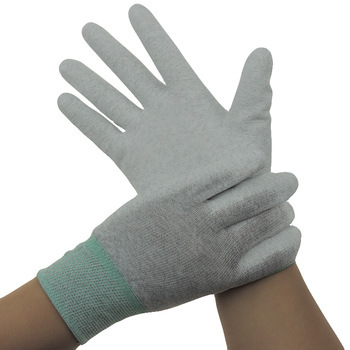
PU Palm Coated Gloves
Price:24.0 INR /Pair
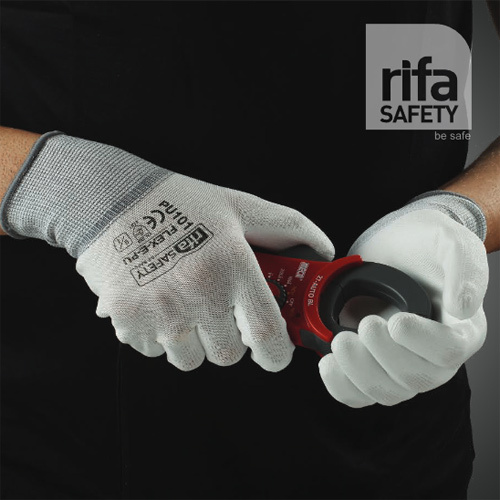
PU101 Flex-e-PU Polyurethane Coated Gloves White
Price:35.0 INR /Pair
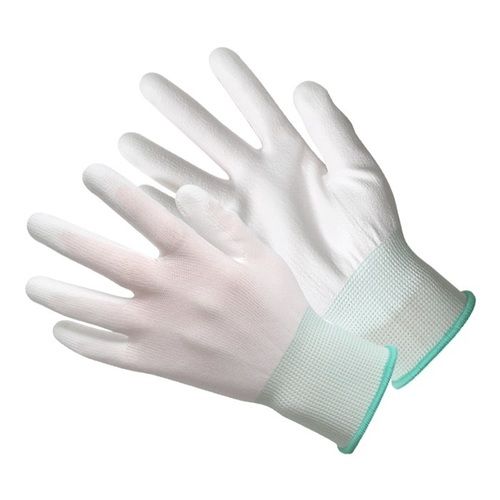
White Polyester PU Palm Coating Gloves
Price:0.15-0.20 USD ($) /Pair
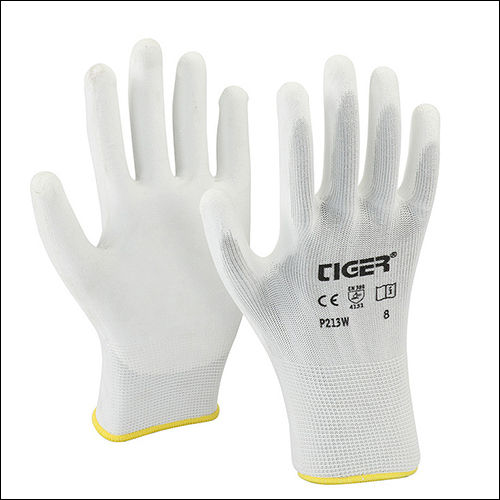
Pu Coated Glove
PU Palm Coated Gloves
Price:24.0 INR /Pair
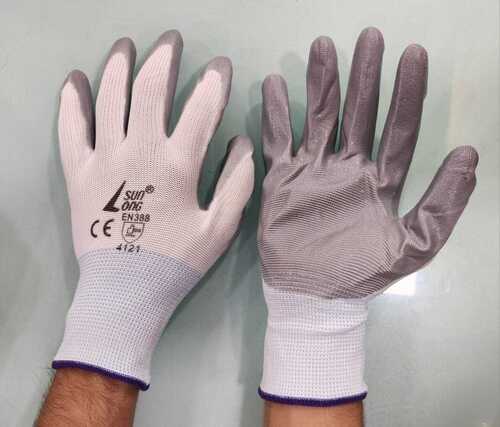
Sunlong Nitrile Dip Cut Resistance
Price:14.0 INR /Pair
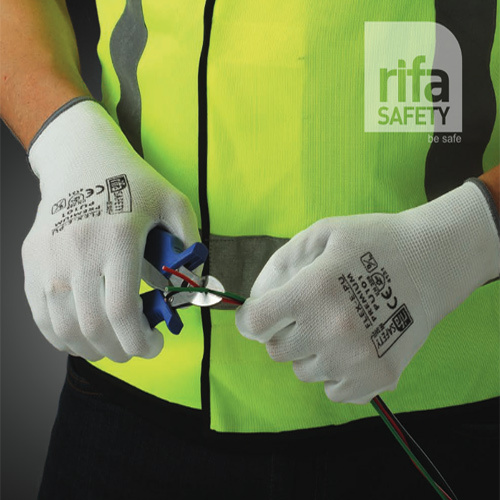
PU 101 Polyurethane Coated Gloves White
Price:35.0 INR /Pair
Carbon Fiber PU Finger Glove
Price:0.19 USD ($) /Pair
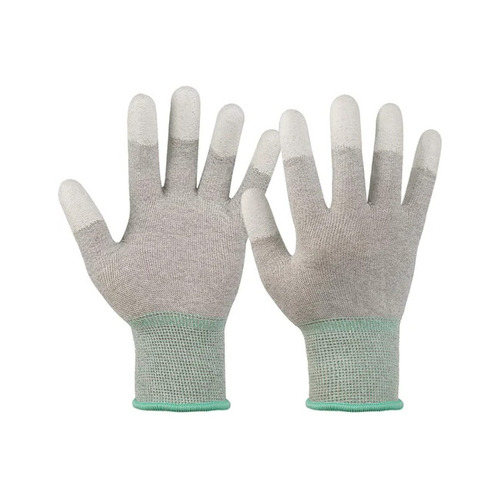
Pu Coated Hand Gloves
Price:25 INR /Pair



Top Rated Companies from Textiles & Fabrics Category



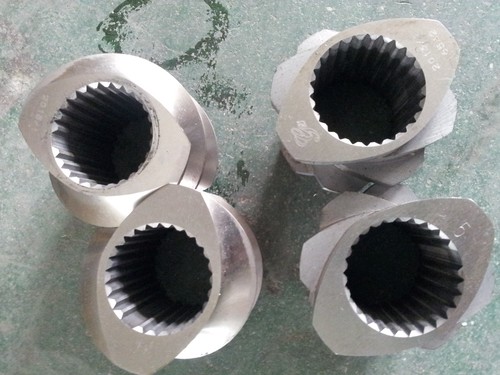





Polyester Fabric
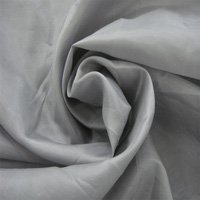
Polyester Mesh
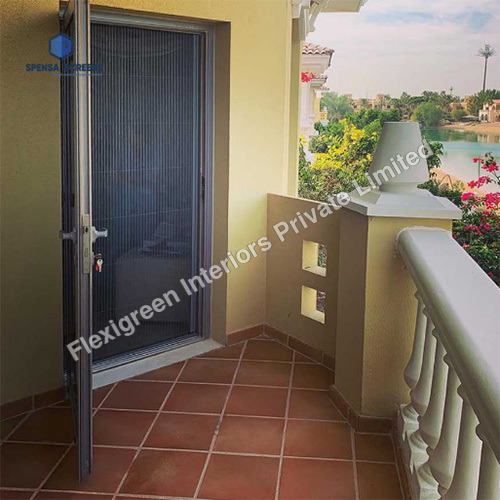
Polyester Pleated Mesh Door
Price:300 INR /Square Foot
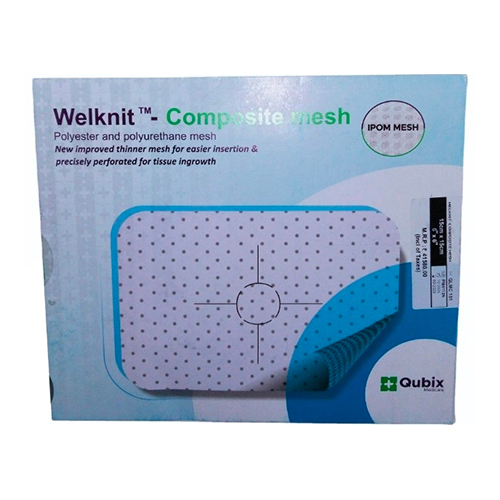
COMPOSITE MESH 15X15 QLMC151
Price:16500.0 INR /Unit
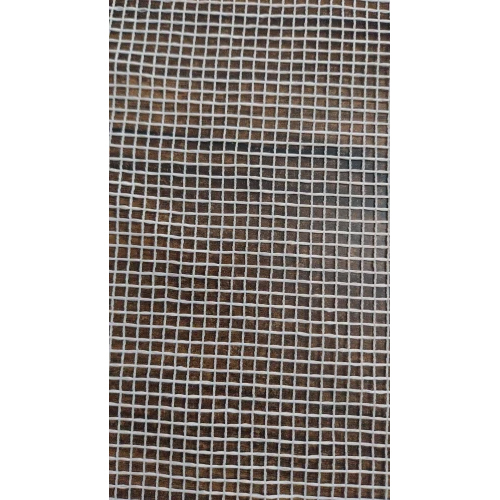
Polyester Square Mesh Net Fabric
Price:60 INR /Meter
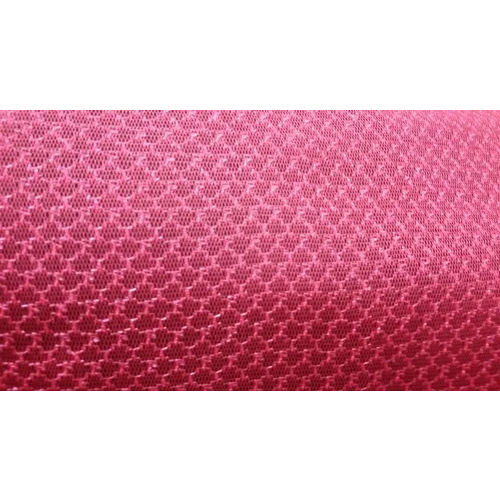
Polyester Mesh Fabrics
Price:100.0 INR /Meter
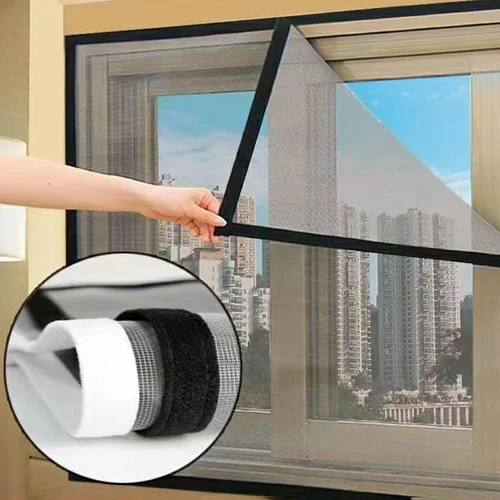
Polyester Magnetic Mosquito Mesh
Price:150 INR /Square Foot
Polyester Shirting Fabric
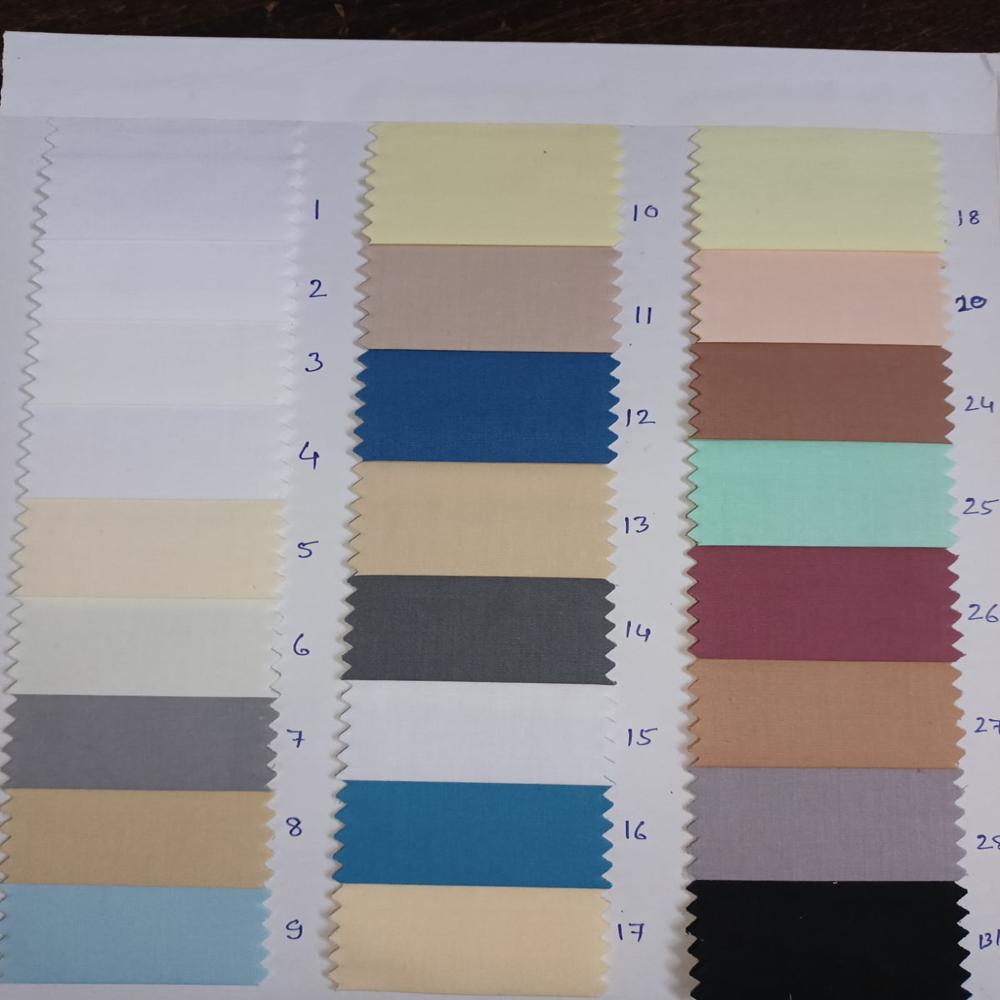
DIAMOND POLYCOTTON SHIRTING FABRIC
Price:112.0 INR /Meter
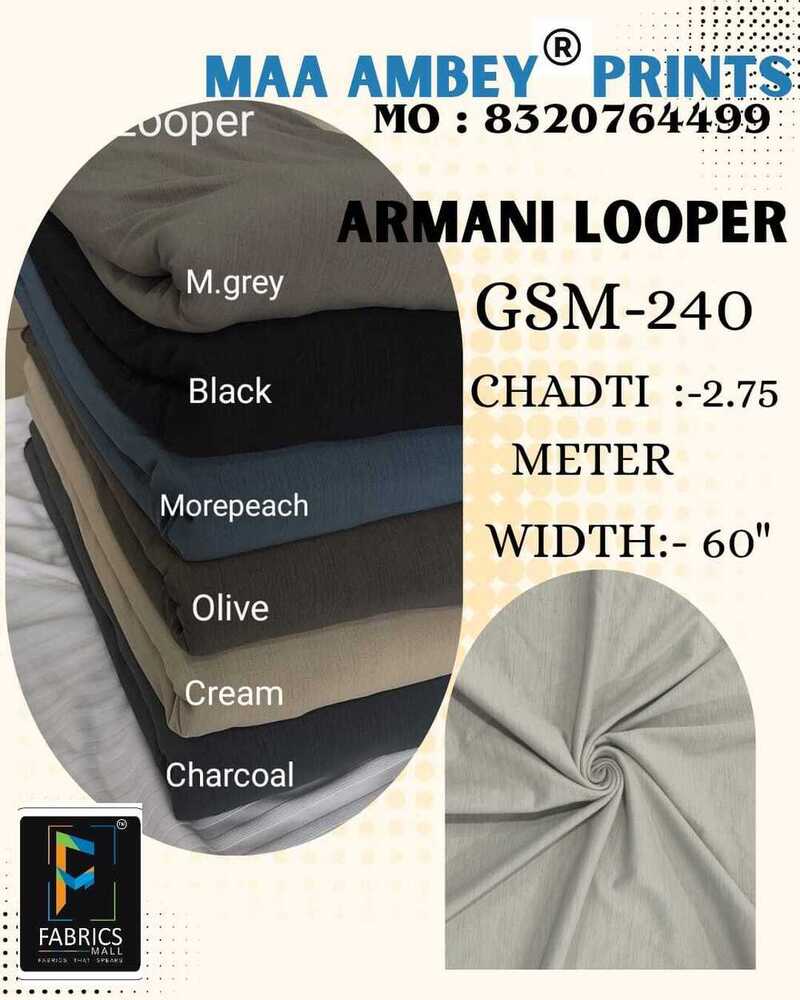
Armani Looper Polyester Fabric
Price:225 INR /Kilograms
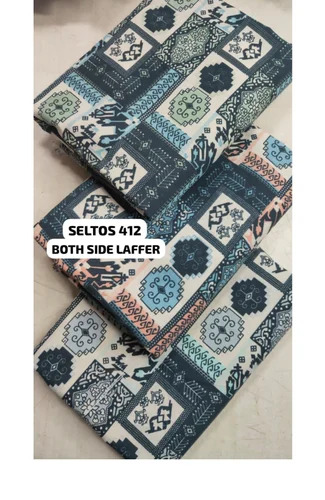
Both Side Laffer Shirting Fabric
Price:55.0 INR /Meter
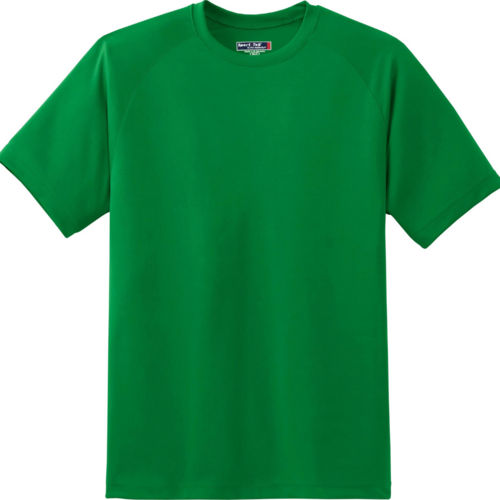
Plain Polyester T Shirt
Price:199 INR /Piece
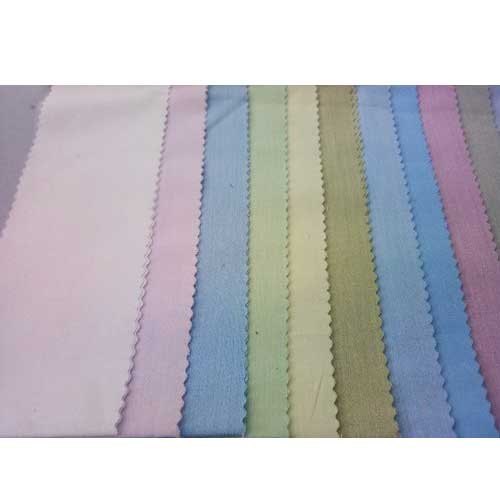
Polyester Sofa Fabric
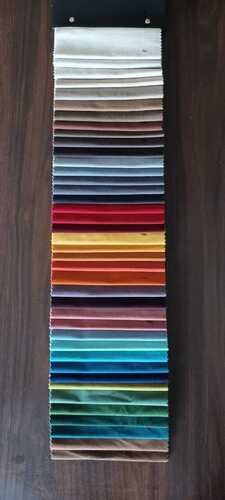
Mosha sofa Fabric
Price:150 INR /Meter
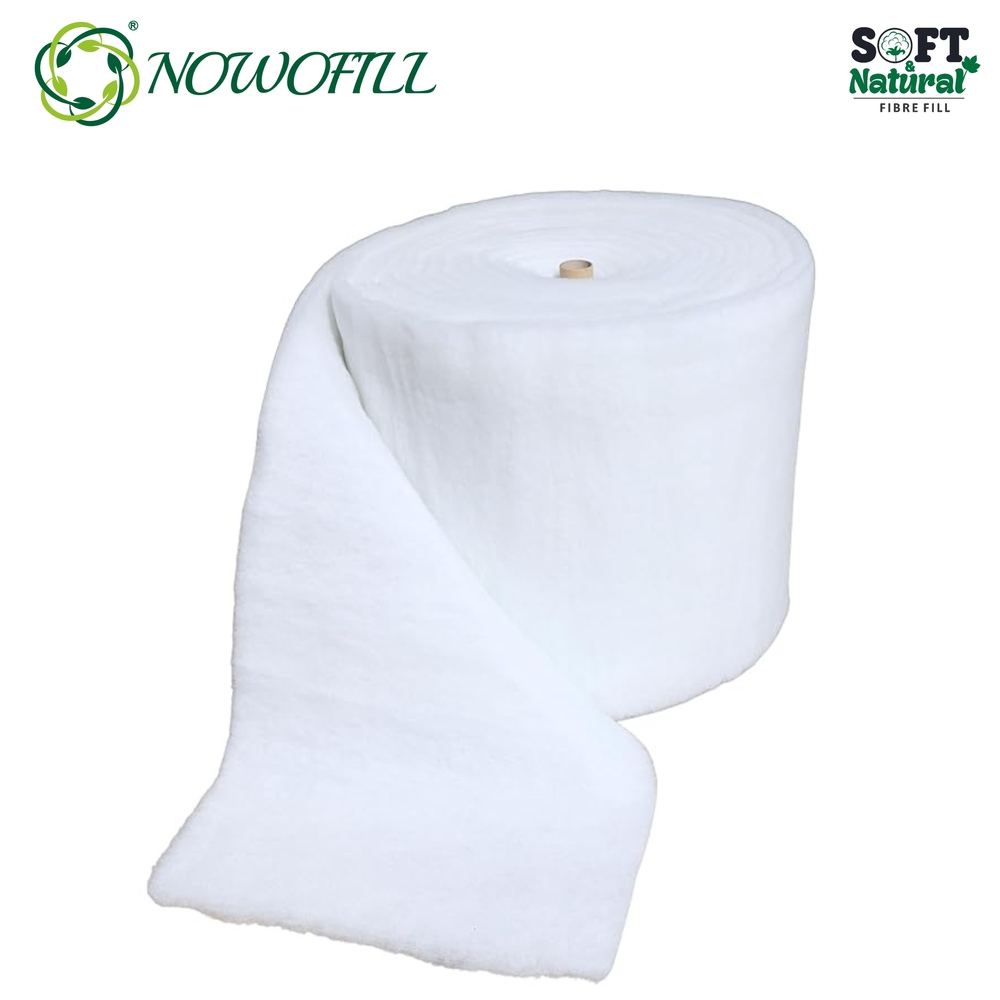
TB117 Fire Retardent Polyester Needle Punch Felt For Furniture and Sofa.
Price:85 INR /Meter
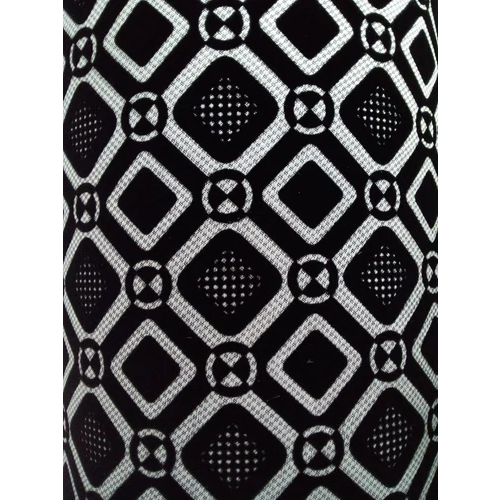
Polyester velvet Fabric
Price:75 INR /Meter
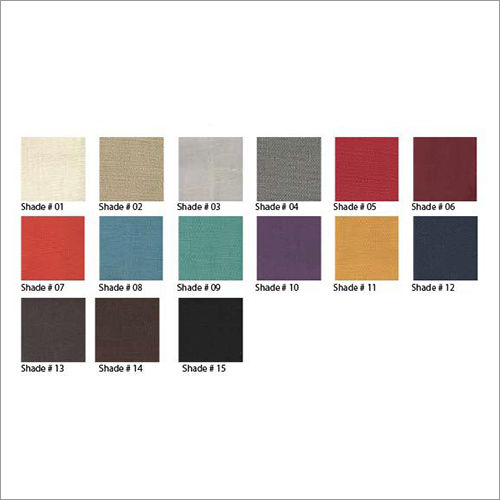
Faux Linen A
Price:100 INR /Meter

Polyester Viscose
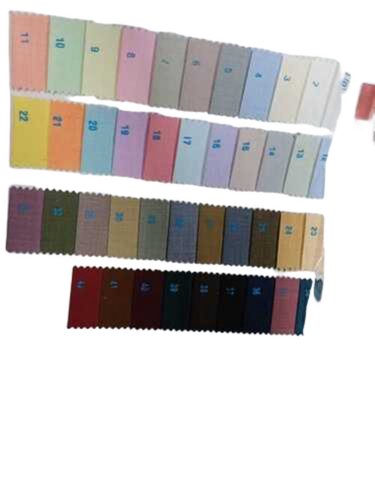
Poly Viscose Dollar Fabric
Price:100 INR /Meter

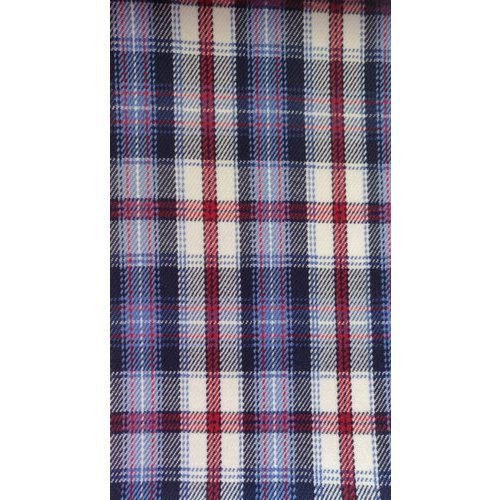
SCOTTISH CHECK FABRIC
Price:150 - 350 INR /Meter
Viscose Organza Multicolor Fabric
Price:810 INR /Meter
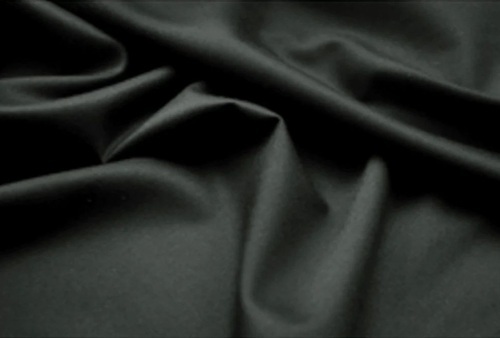
Polyester Viscose Fabrics
Price:25 INR /Meter
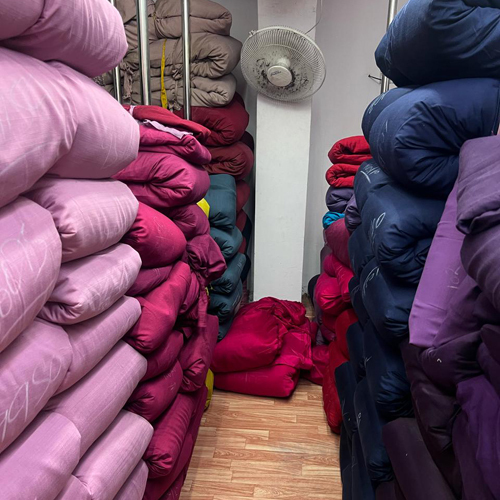
Polyester Viscose Vatican Fabric
Price:75.0 INR /Meter
Ropes
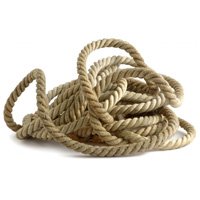
Plastic String
Plastic Packing String
Price:1.5 USD ($) /Kilograms
Tag String
Price:105 INR /Piece
Garment PVC String
Price:150 INR /Piece
Danline Rope
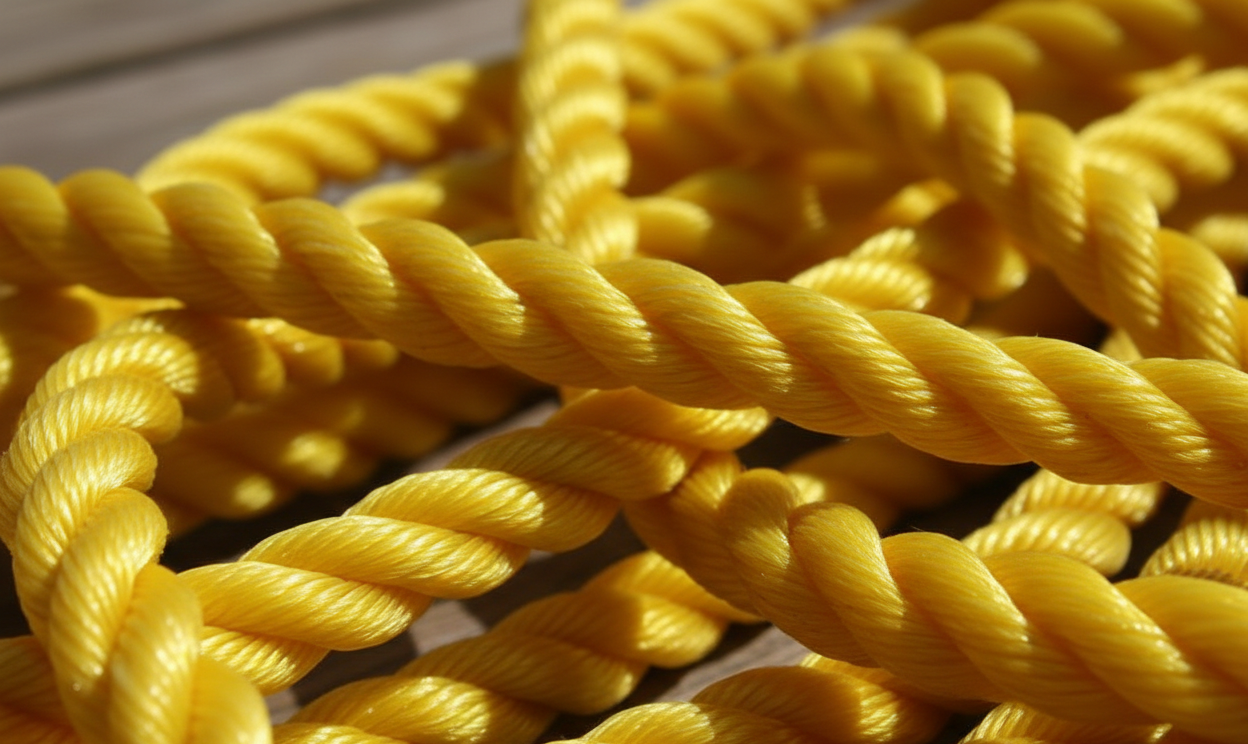
PP Danline Rope
Price:150 INR /Number, Number, Kilograms
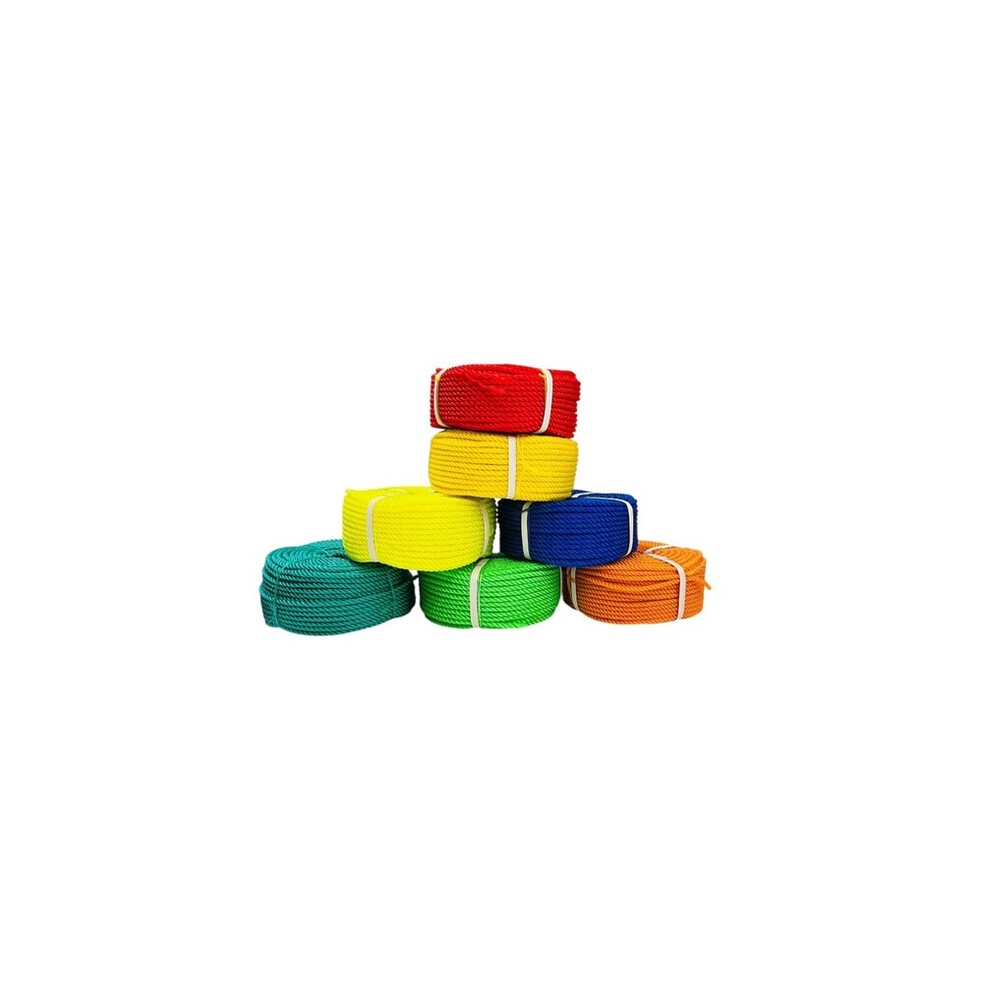
Plastic rope for agriculture
Price:1.5 USD ($) /Kilograms
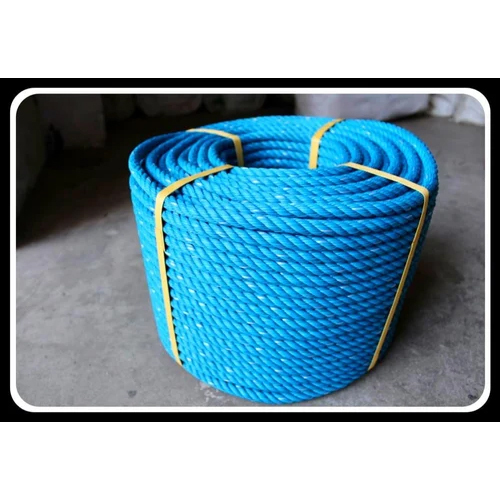
C Green Danline Rope
Price:85.0 INR /Kilograms
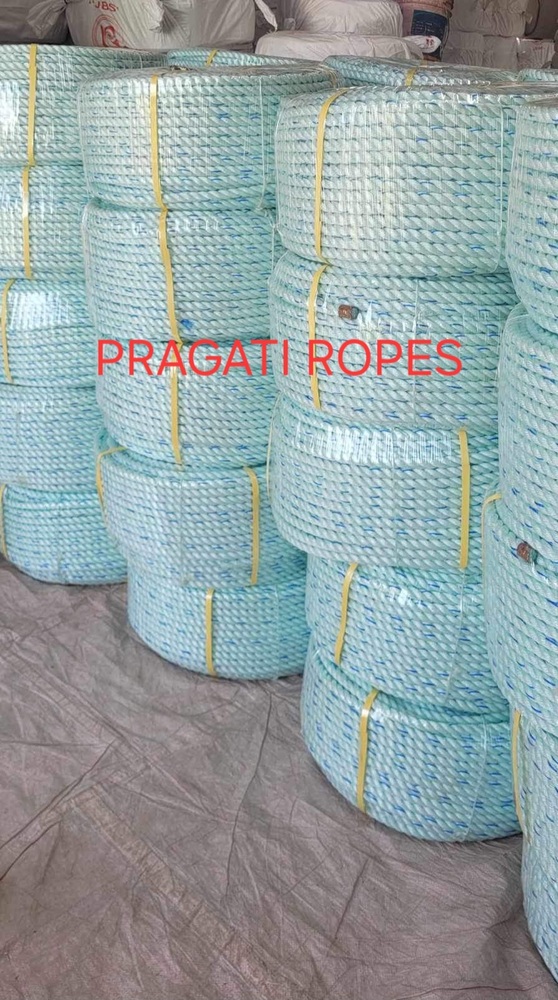
Danline Ropes
Price:157.0 INR /Kilograms

Fiberglass Rope
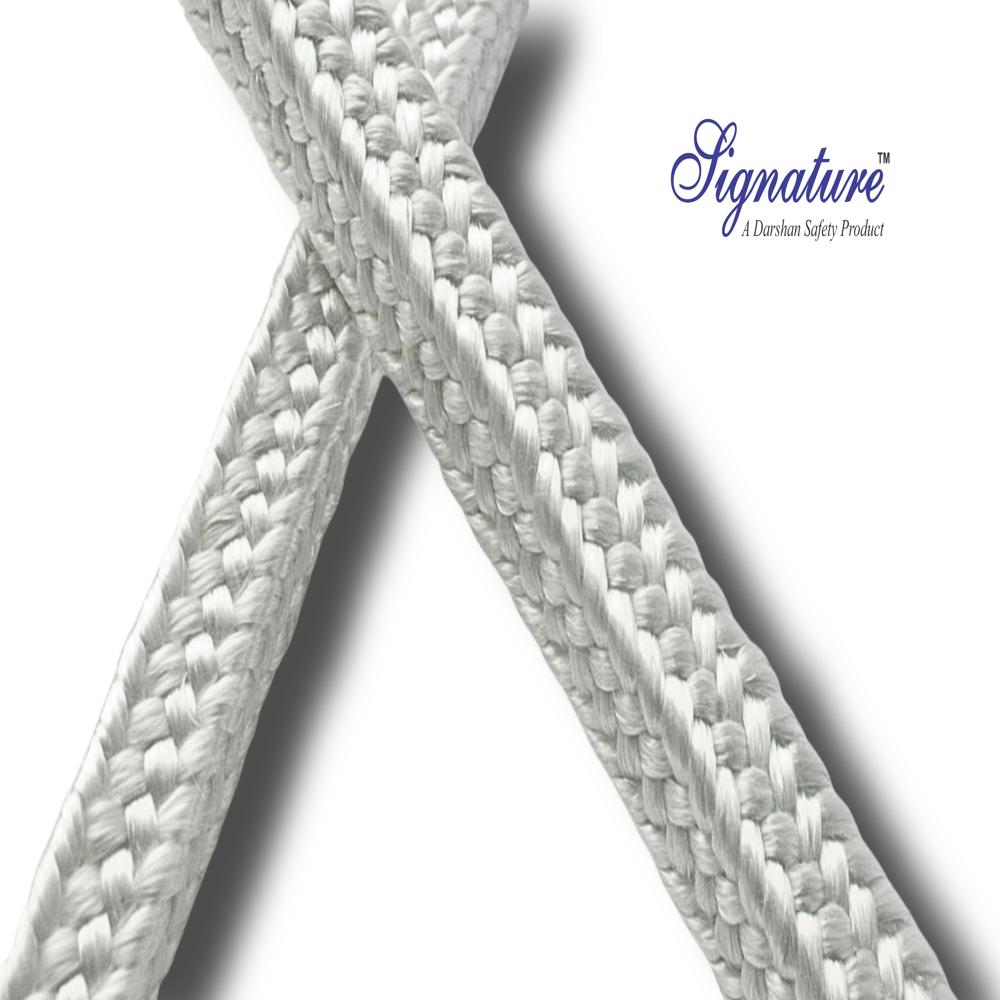
Signature Fiber Glass Rope
Price:100.00 INR /Bundle
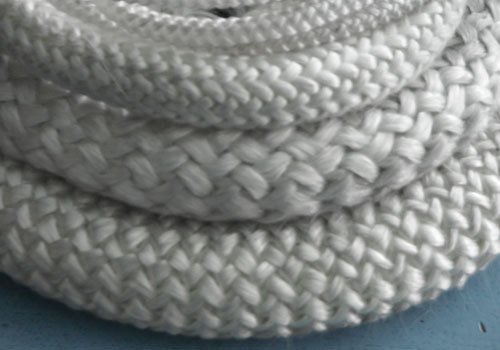
Fiberglass Rope and Braid
Price:350.0 INR /Piece
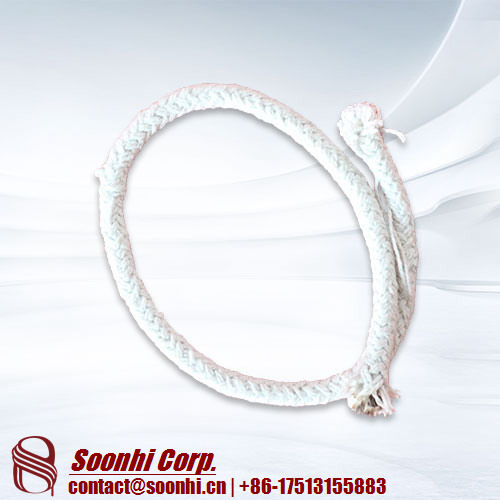
Ceramic Fiber Rope
Price:1 USD ($) /Piece
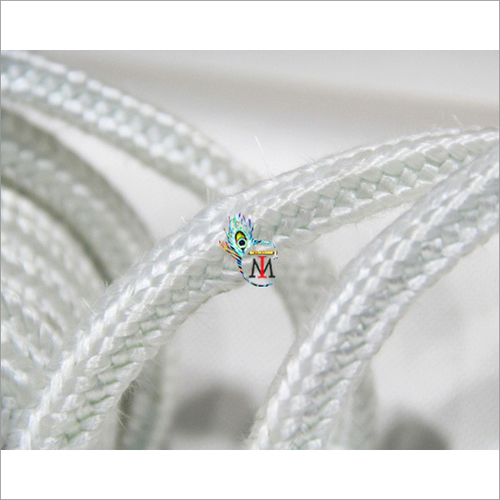
Silica Fiber Rope
Price:1000 INR /Box
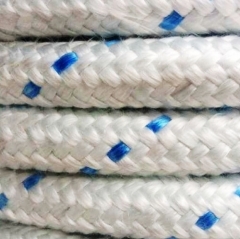
Fiberglass Rope With Color Mark
Price:0.50-1.00 USD ($) /Meter
Galvanized Wire Rope
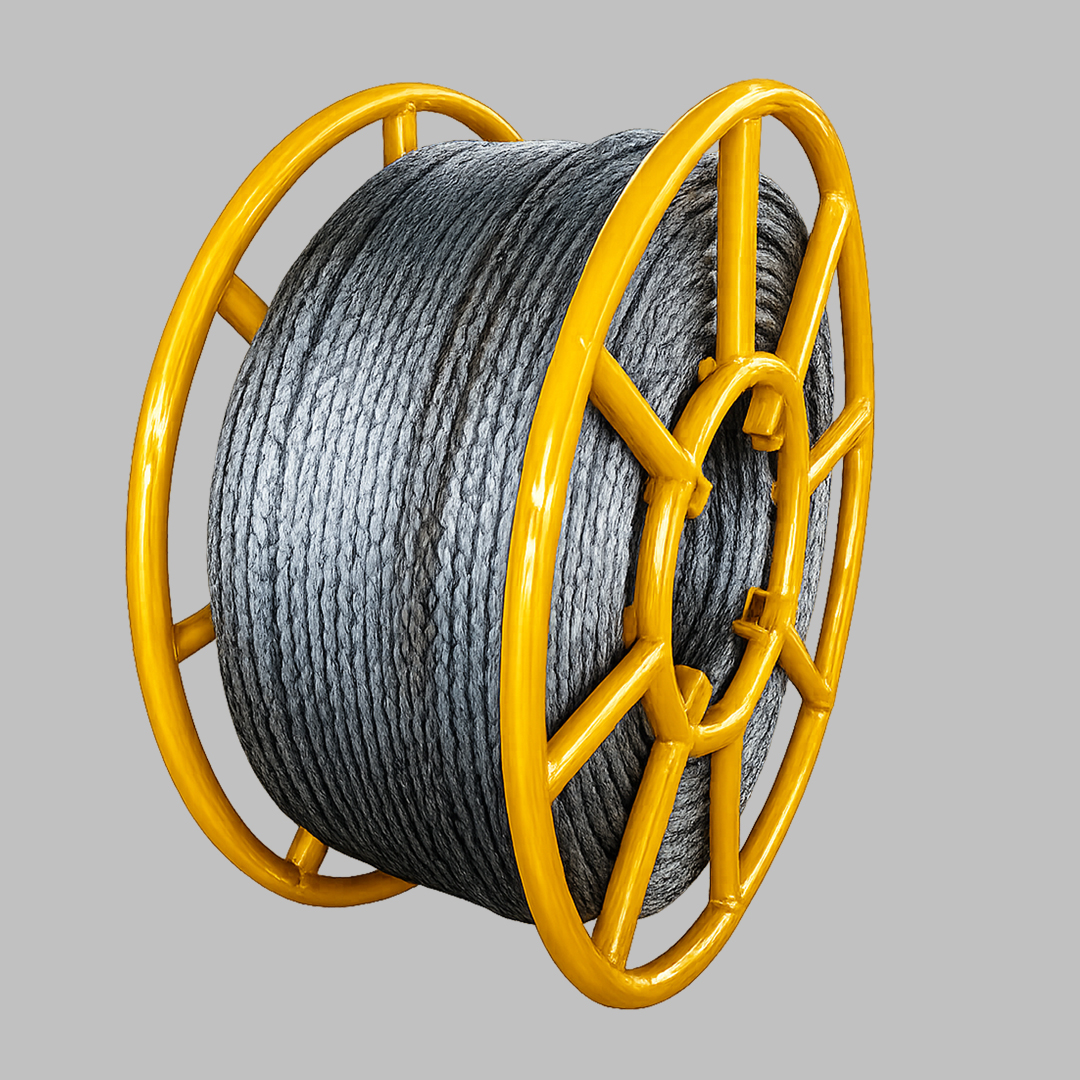
Pilot Wire Rope
Price:130 INR /Meter, Meter, Meter
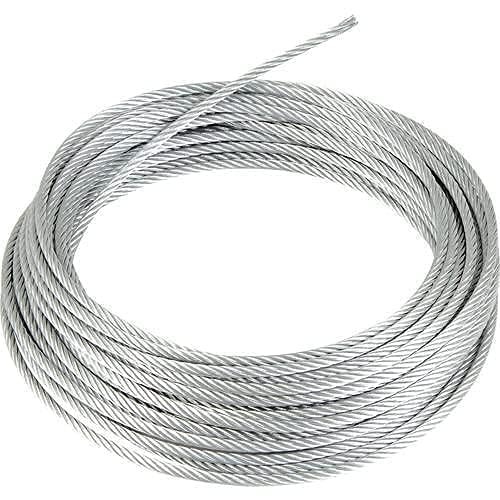
Galvanized Wire Rope
Price:10.0 INR /Meter
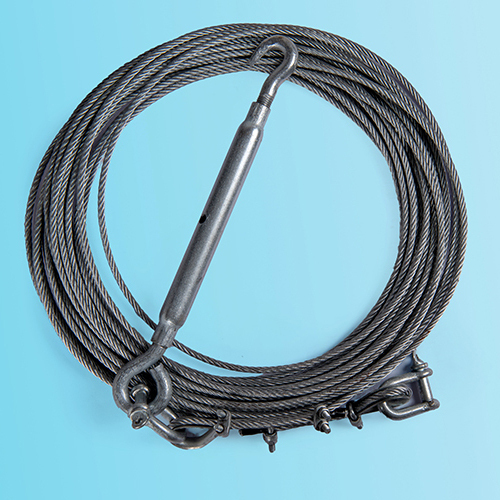
Galvanized And Ungalvanized Wire Rope
Price:60 INR /Meter
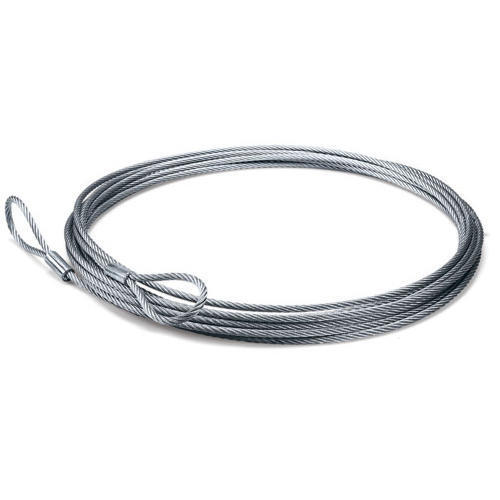
Wire Rope for Hanging Duct
Price:1100 INR /Meter
Rust-Resistant Tarnish-Free Bendable And Flexiblealuminum Wire Rope
Price:12 INR /Meter
Gland Packing Rope
Graphite Die Moulded Rings
Price:35 INR /Piece
Braided Gland Packing
Price:10000.0 INR /Kilograms
Valve Twisted Gland Rope
Price:300.0 INR /Piece
Gland Packing Rope
Price:100 INR /Kilograms
Threads
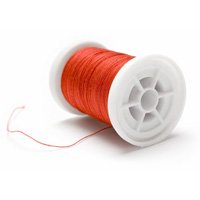
Kasab Zari Thread
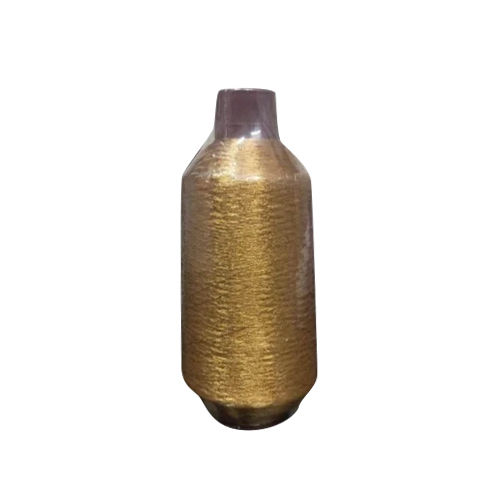
R550 Polyester Kasab Zari Thread
Price:215 INR /Kilograms
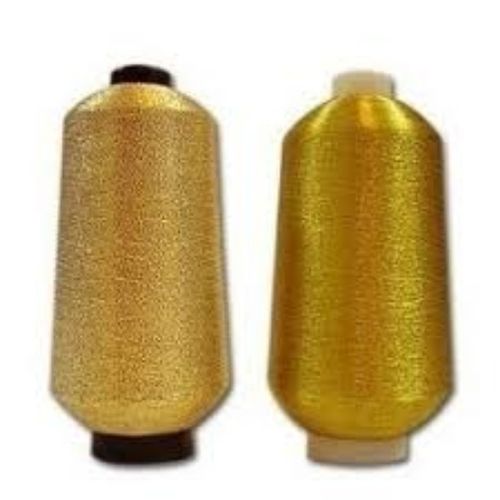
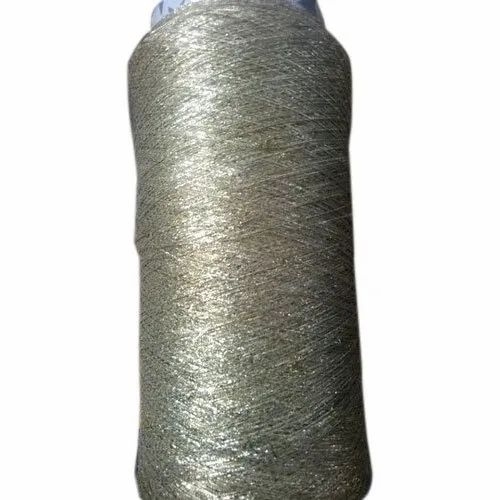
Kasab Zari Thread
Price:200 INR /Kilograms
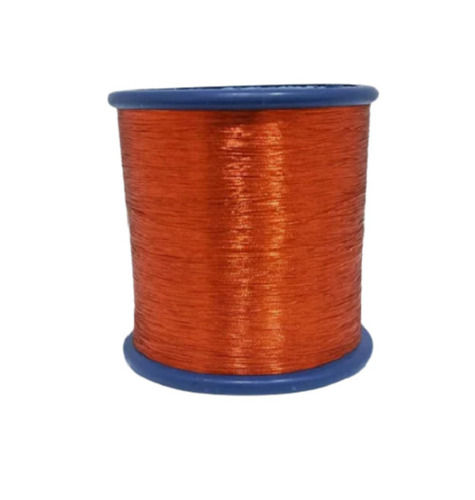
Plain Fancy Yarn Kasab Zari Thread
Price:250 INR /Kilograms
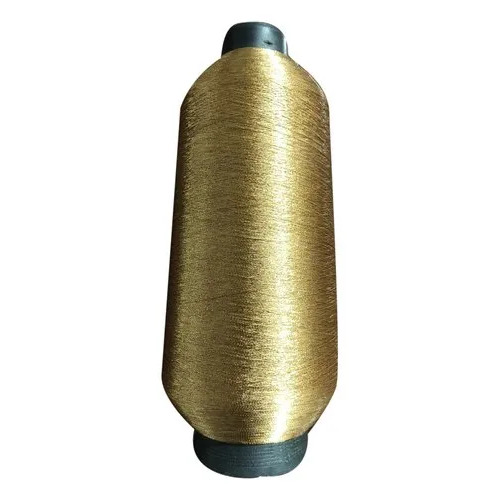
Metallic Kasab Zari Thread
Price:275 INR /Kilograms
Ptfe Thread Seal Tape
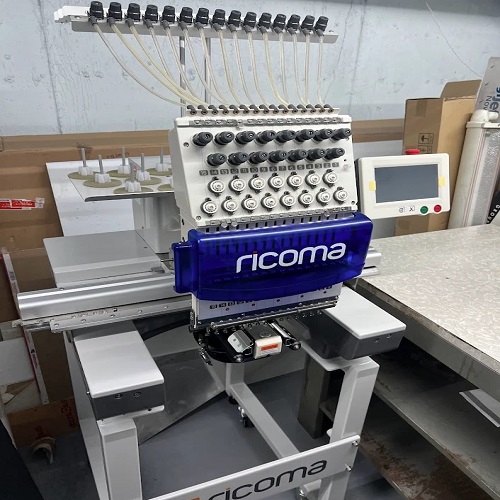
Ricoma TC-1501 15-Needle Single Head Commercial Embroidery Machine
Price:95500.00 INR /Unit
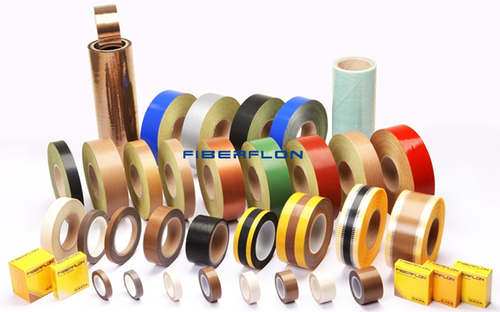
Ptfe Adhesive Tape
Price:120.0 INR /Unit
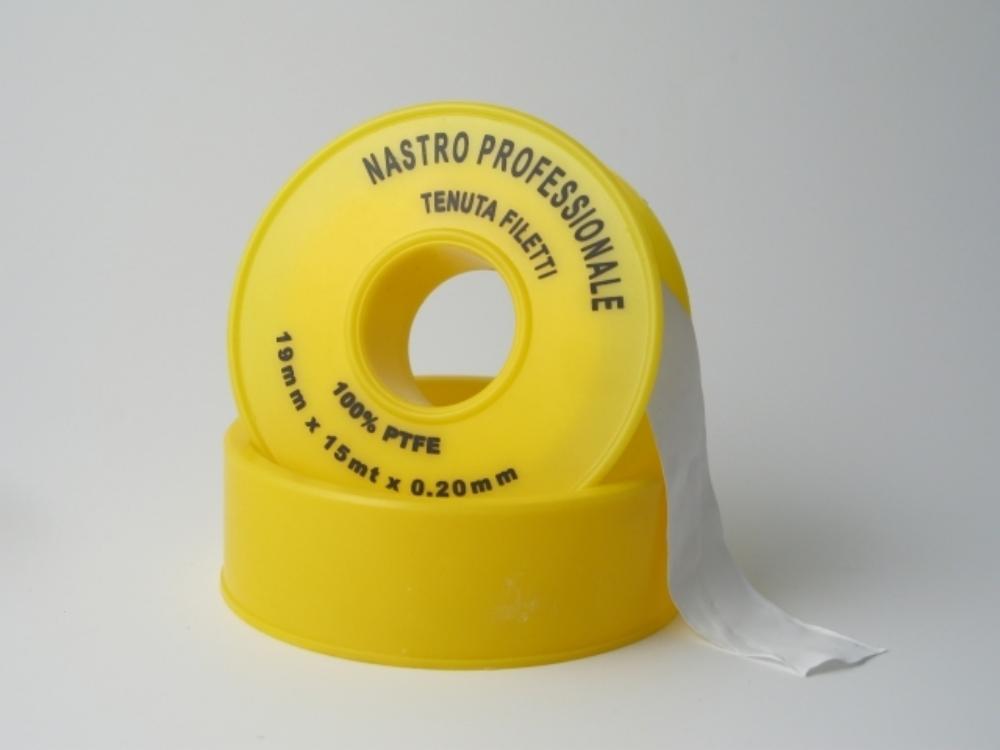
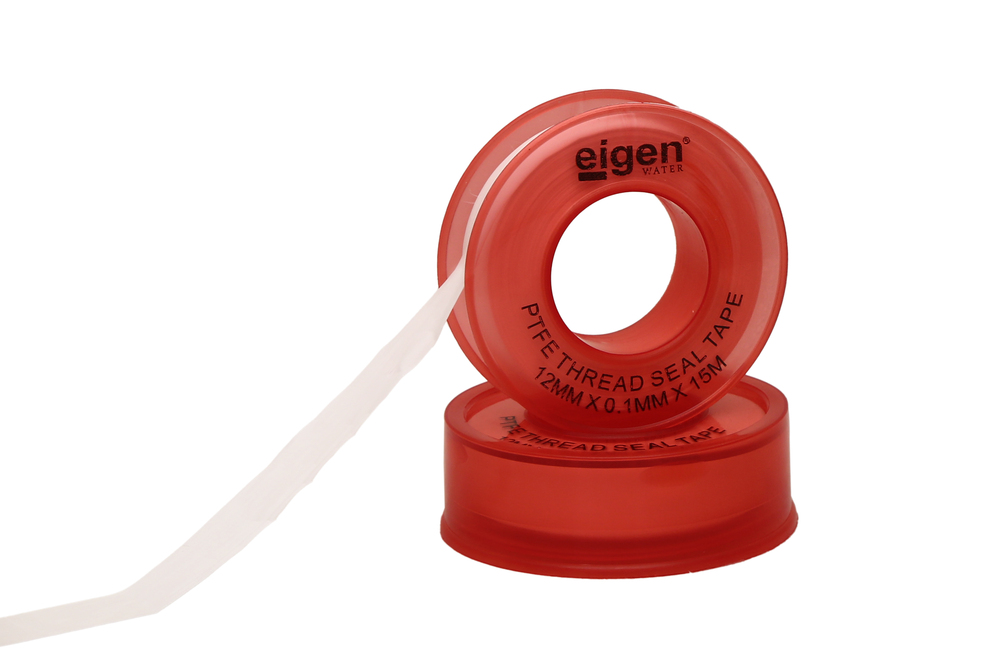
Eigen Water PTFE Taflon Tape
Price:25.0 INR /Piece
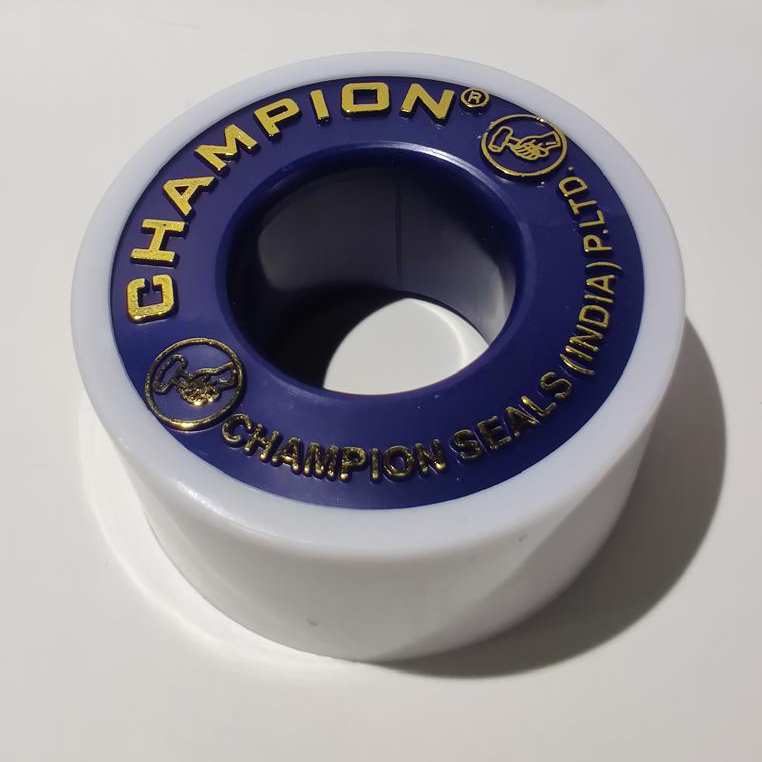
Embroidery Zari Thread
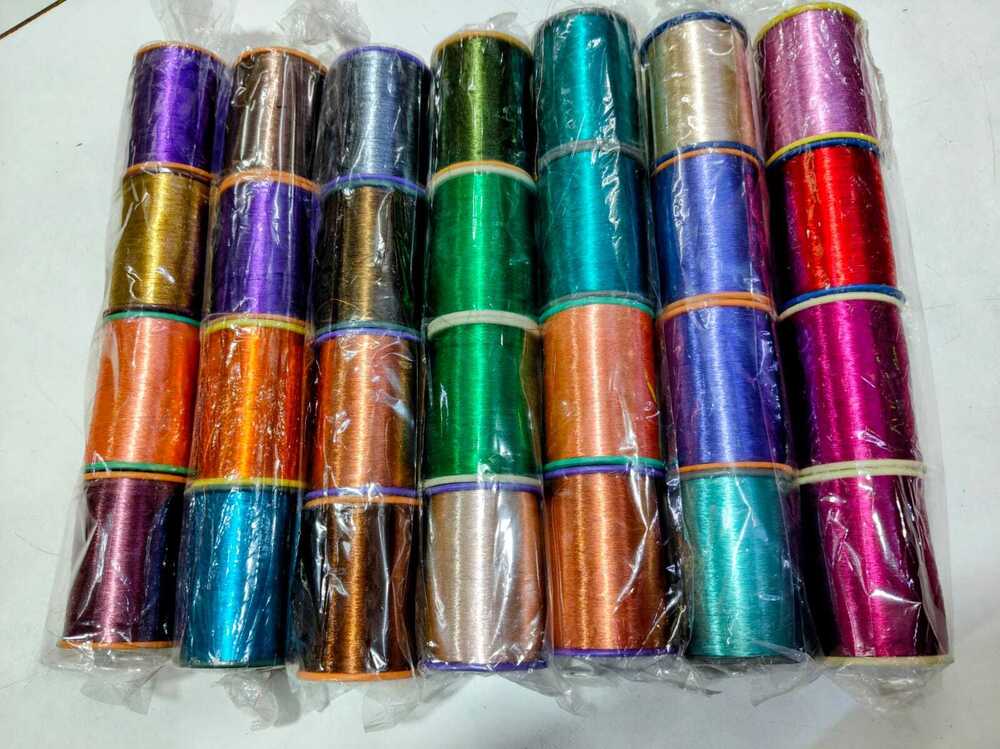
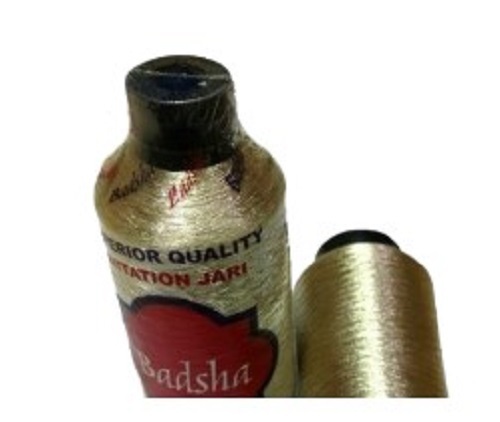
Zari Embroidered Thread
Price:230 INR /Kilograms
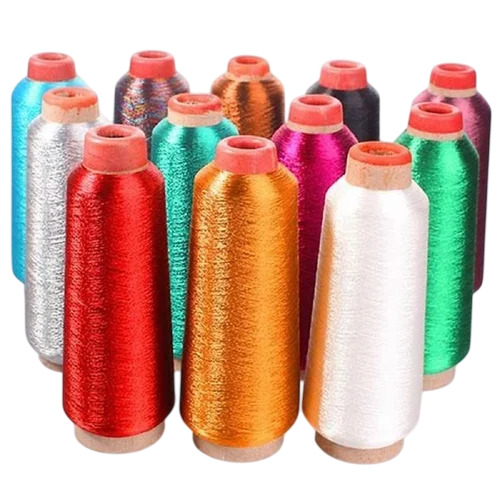
Polyester Embroidery Zari Thread
Price:250 INR /Kilograms
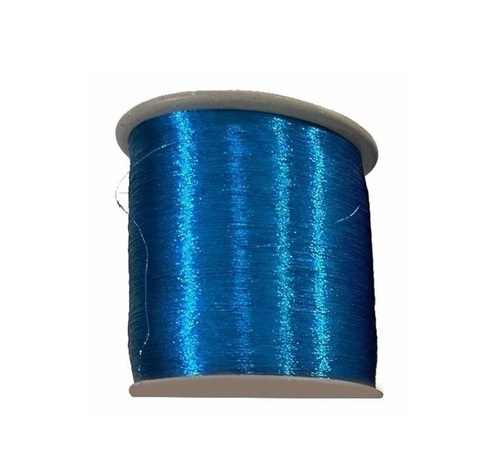
Polyester Zari Thread
Price:330 INR /Kilograms
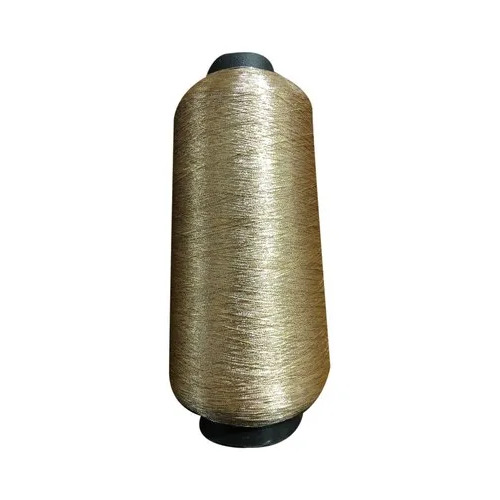
Premium Polyester Zari Thread
Price:395 INR /Kilograms
Nylon Thread
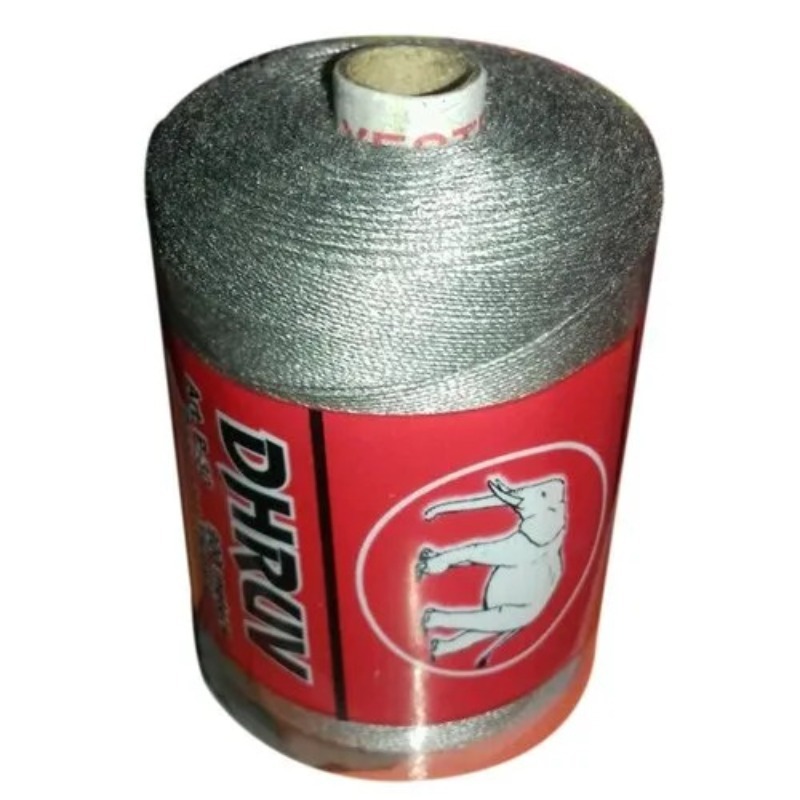
Grey Nylon Thread
Price:60 INR /Piece
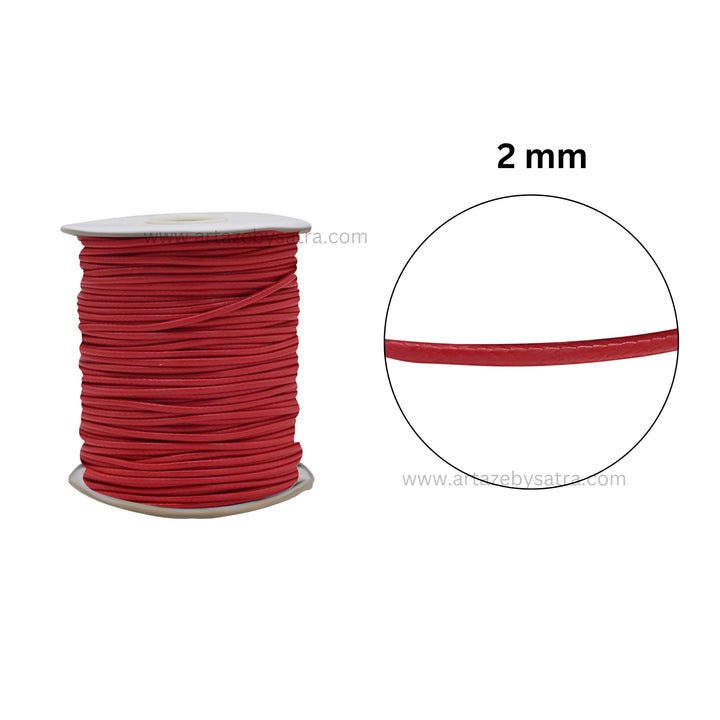
Crafts Nylon Threads | Size : 2mm | 50-60mtr Roll
Price:336.0 INR /Roll
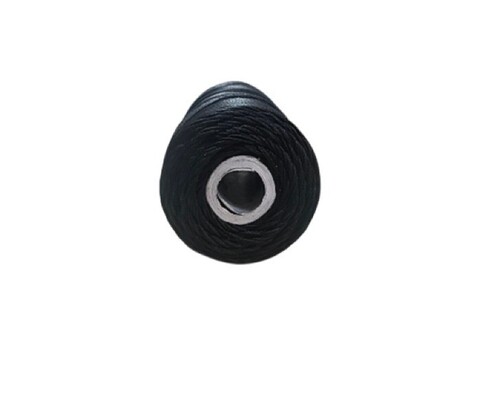
Black Wax Coated Nylon Thread
Price:300 INR /Kiloampere
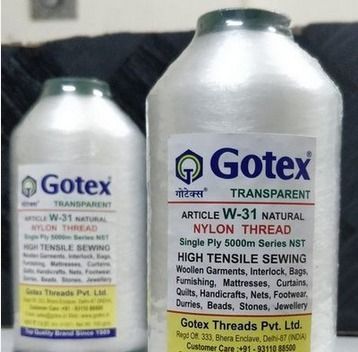
Gotex Transparent Nylon Thread W 31
Price:70 INR /Piece

Light Weight 100% Luster Plain Nylon Thread
Price:250 INR /Kilograms
Ptfe Sealing Tape
Ptfe Adhesive Tape
Price:120.0 INR /Unit
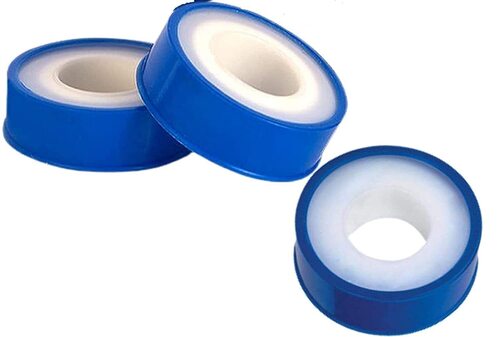
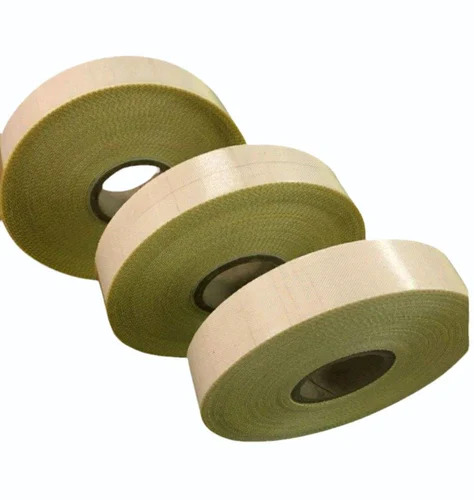
liner PTFE heat sealing Tape
Price:150 INR /Piece
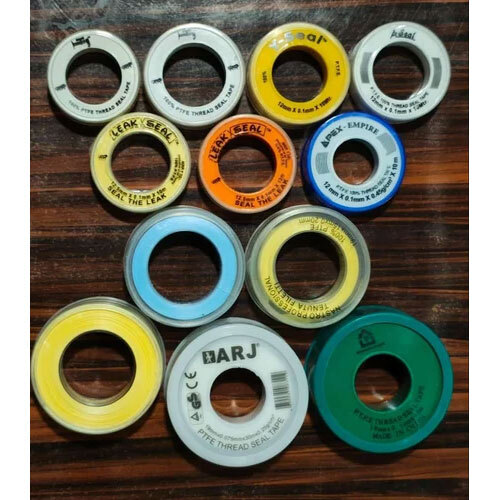
Leak Seal PTFE Teflon Tapes
Price:3 INR /Piece
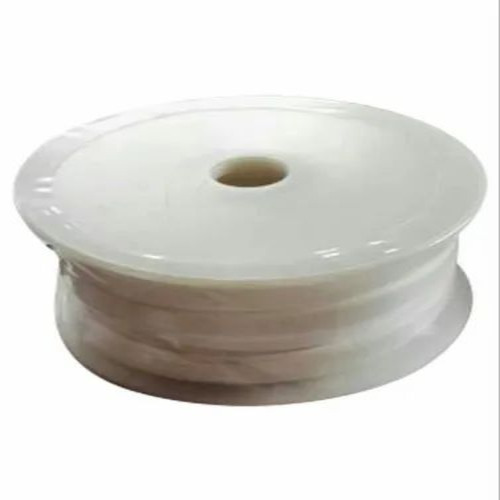
Ptfe Joint Sealant Tape
Price:150 INR /Piece
Silk, Silk Fabric
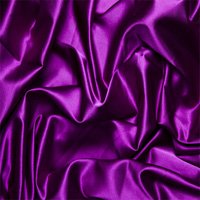
Pure Silk Fabrics
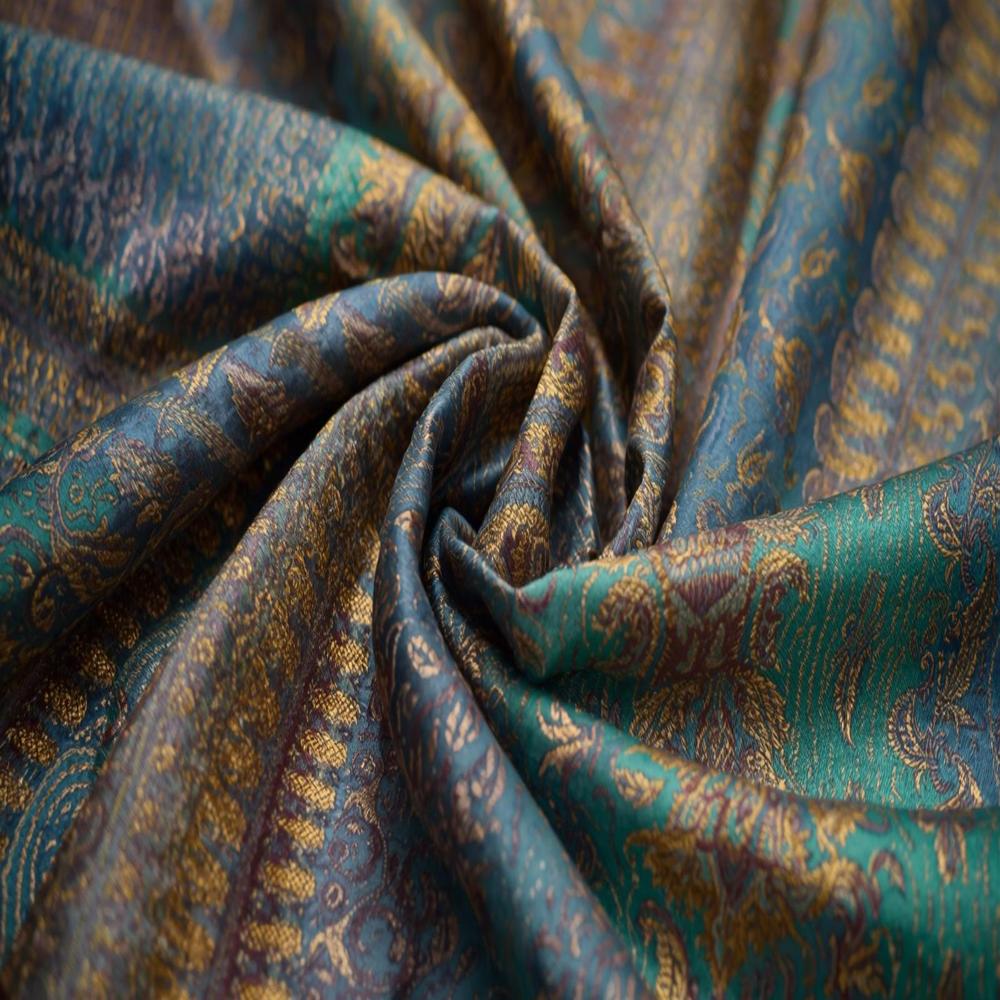
Pure Silk Fabric, Premium Natural Silk for Saree, Designer Wear & Garments
Price:590.0 INR /Meter
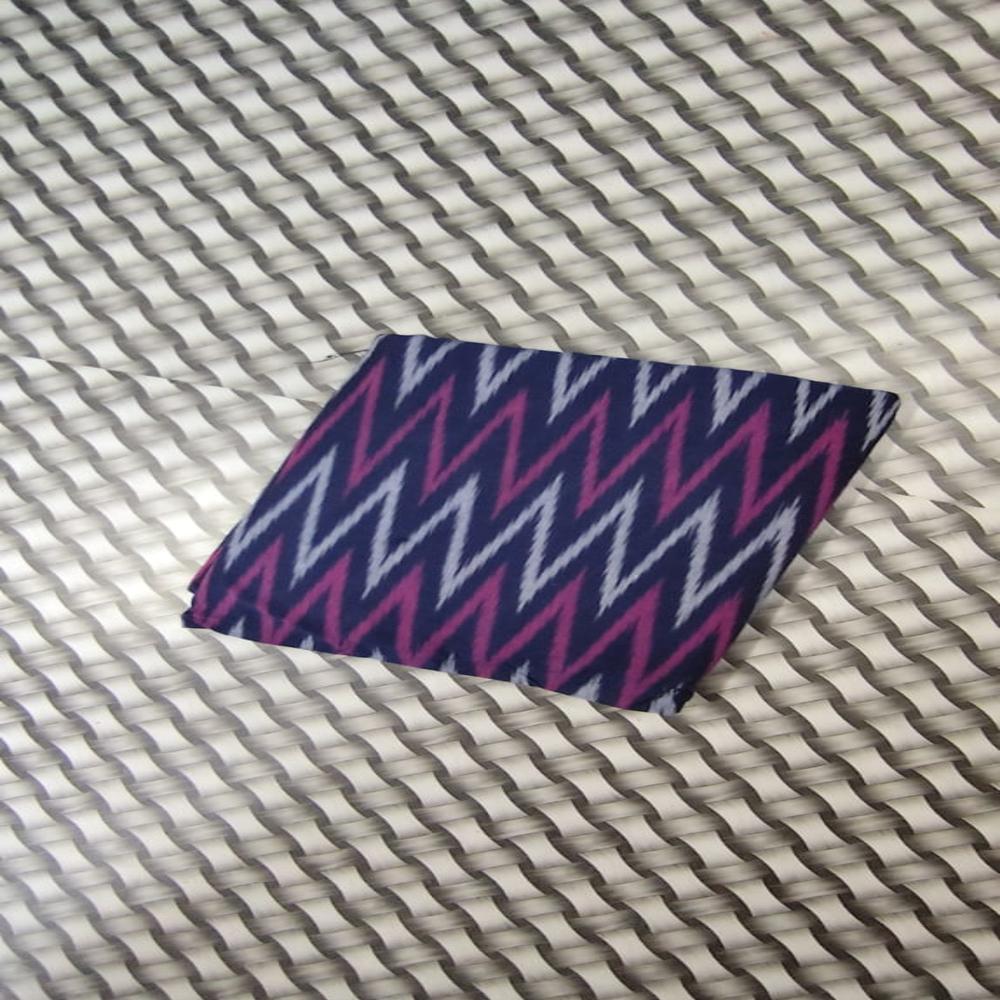
Pure cotton ikkat fabrics bulk
Price:90.0 INR /Piece
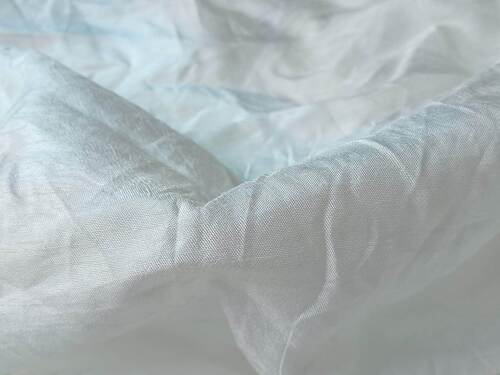
Madhav fashion White Pure Plain Dola Silk fabrics
Price:100 INR /Meter
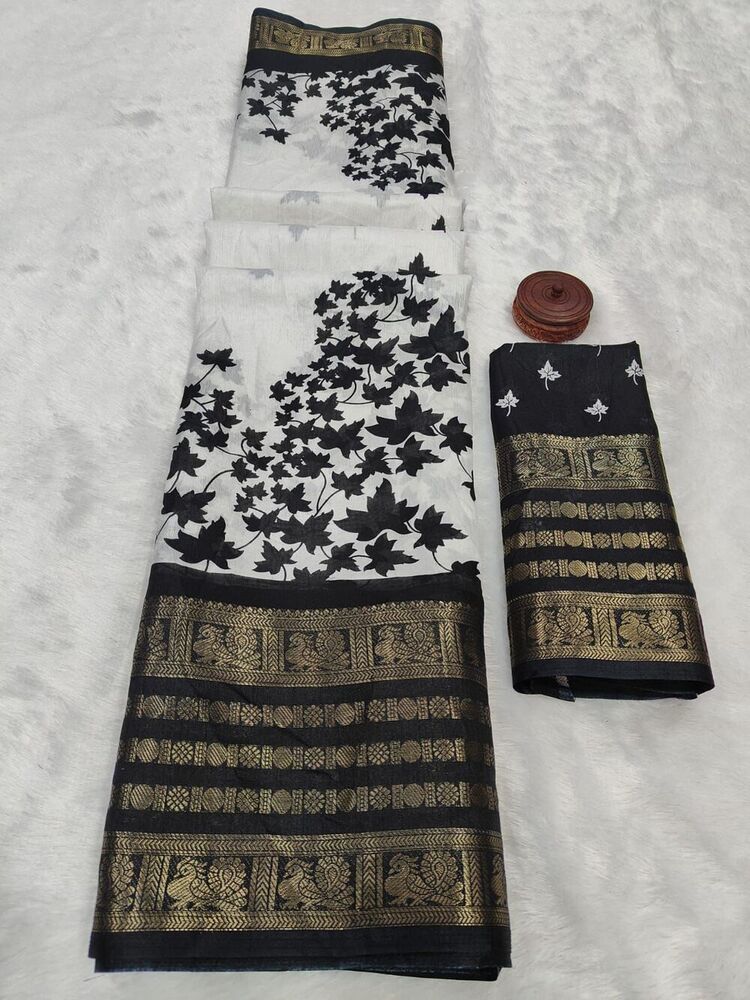
Pure Dola silk
Price:540 INR /Piece
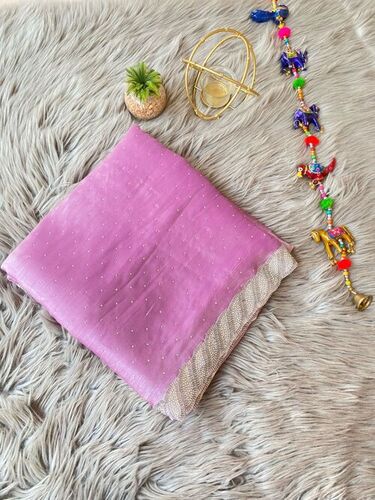
Jimmy Chu Silk With Pure Jarkan Handcraft Lace Border And Diamond in Saree
Price:1849 INR /Piece
Tissue Fabric
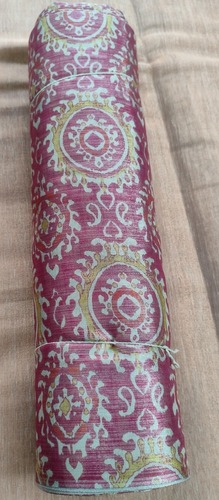
Light Weight Tissue fabrics
Price:70 INR /Meter
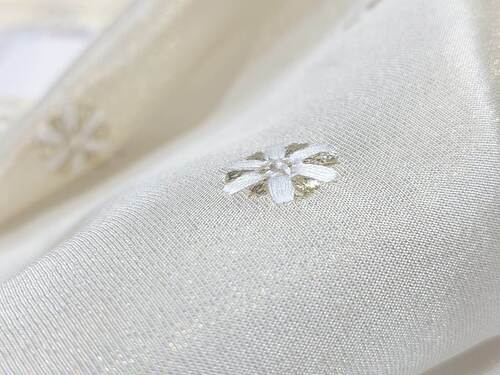
Designer Embroidery Tissue Butti fabric
Price:226 INR /Meter
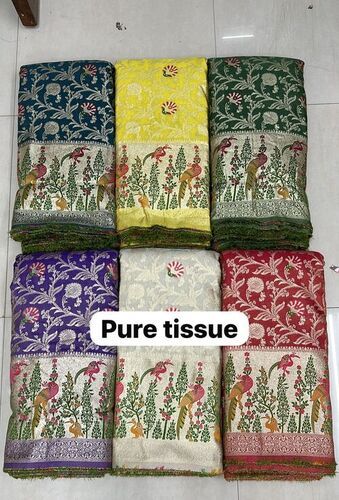
PURE TISSUE FABRIC
Price:340 INR /Meter
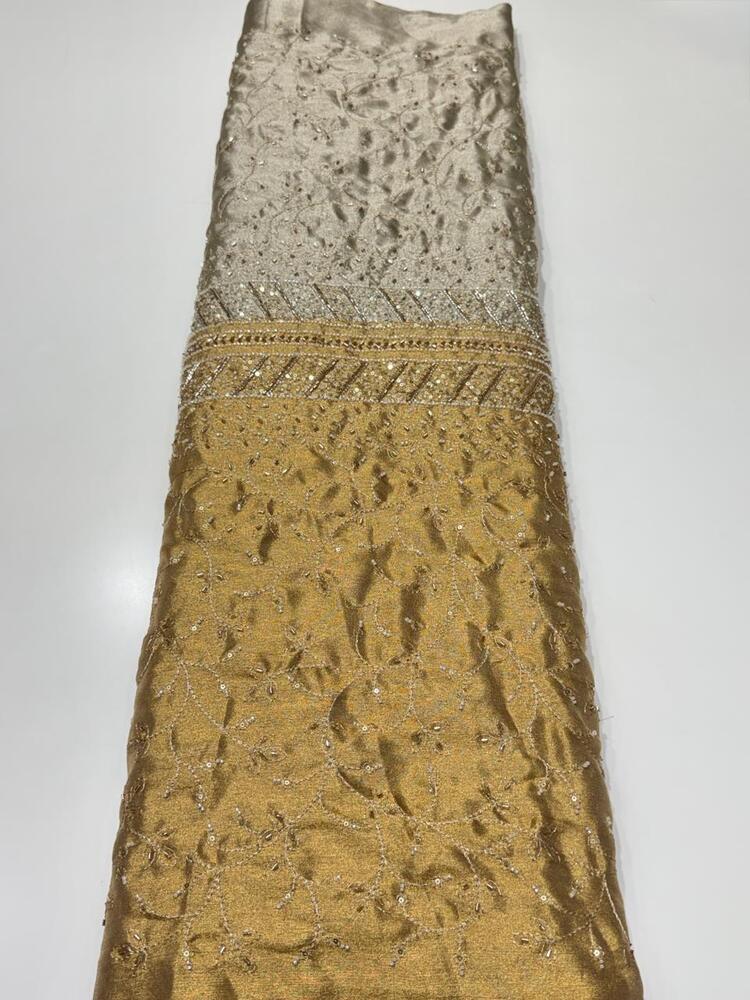
Tissue Jari Fabric
Price:895 INR /Meter
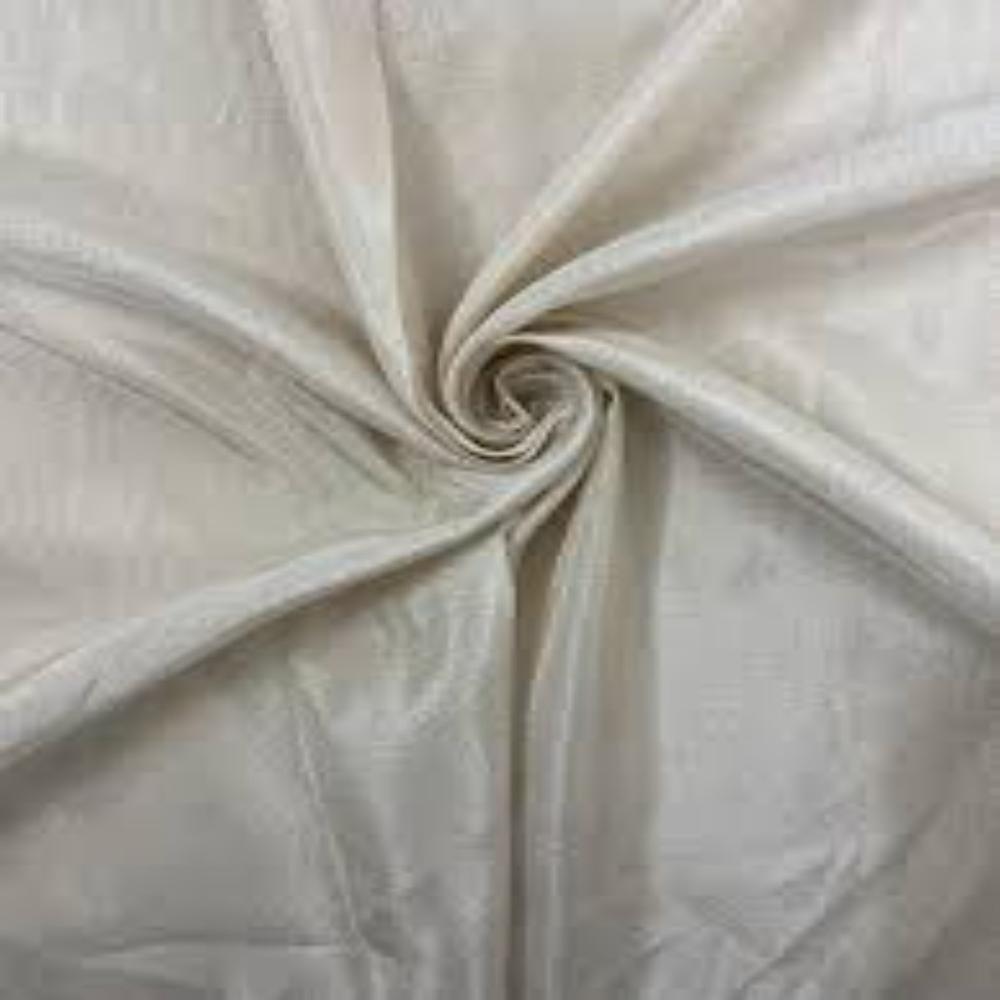
Tulip Tissue LT Silver
Price:95.0 INR /Meter
Polyester Silk Fabric
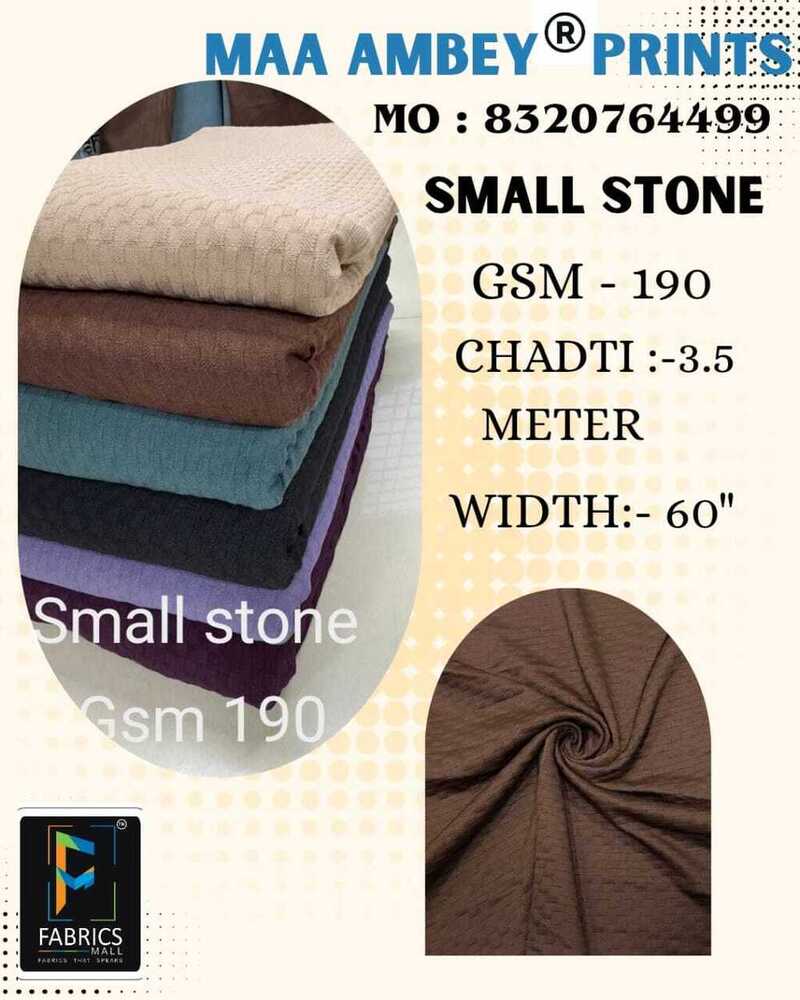
Small Stone Polyester Fabric
Price:210 INR /Kilograms
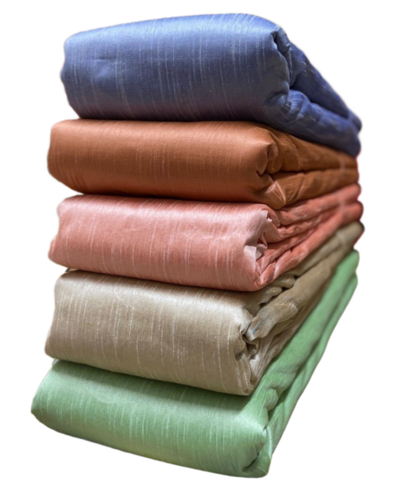
Polyester Dupion Silk Fabric
Price:55 INR /Meter
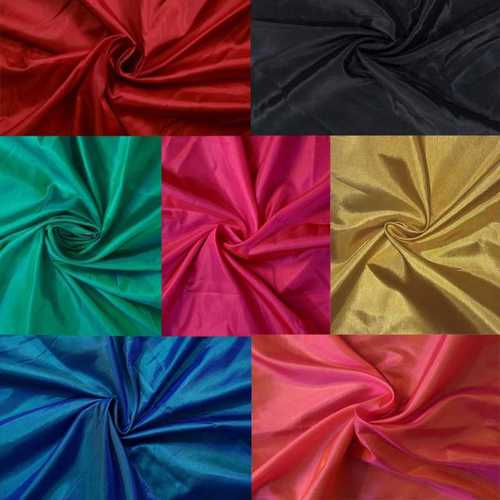
CxN Paper silk
Price:36-42 INR /Meter
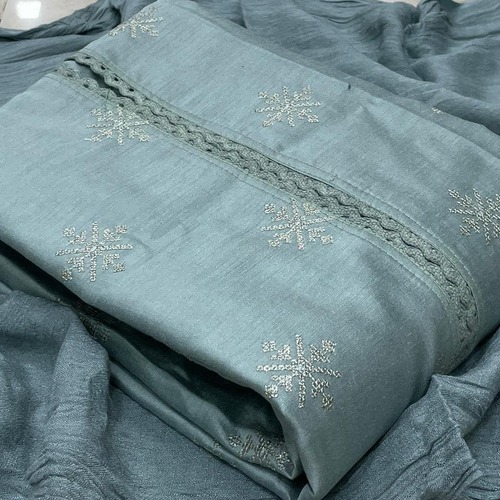
Silk Dress Material
Price:900.00 INR /Piece

Poly Silk Green Fabric
Price:200 INR /Meter
Hand Embroidered Silk Fabric
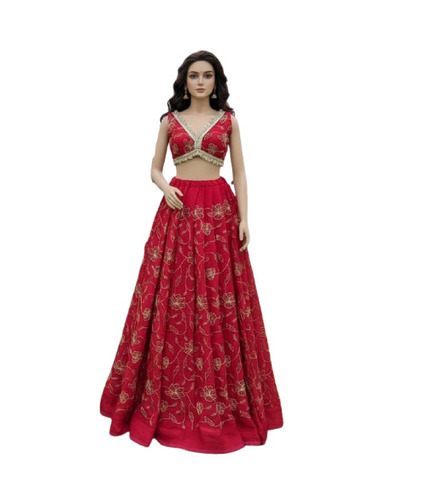
Soft Fendi Silk Flower Jaal Embroidery Fabric
Price:400 INR /Meter
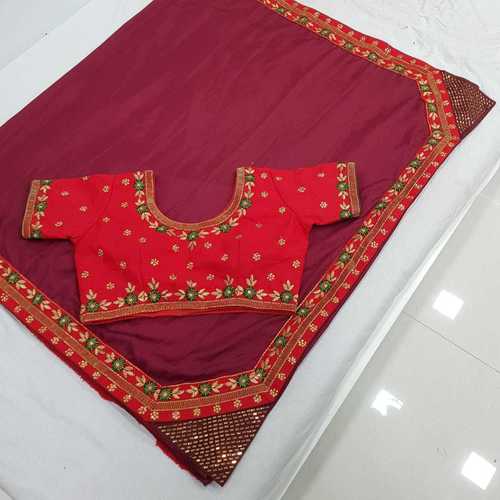
HEAVY DOLA SILK SAREE
Price:850-1100 INR /Piece
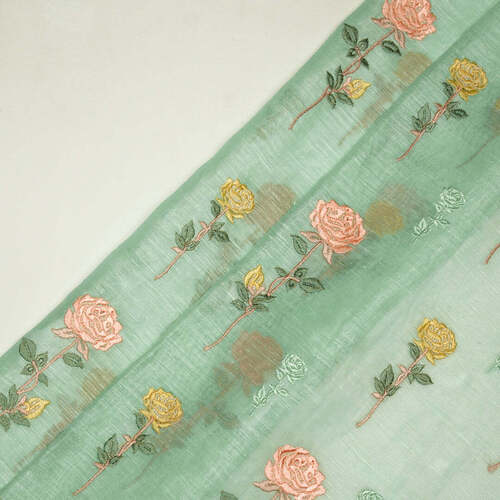
Embroidered Silk Fabric
Price:1600 INR /Meter
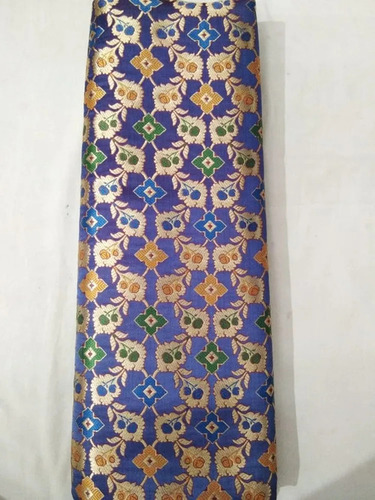
Silk Handloom Fabric
Price:1100 INR /Meter
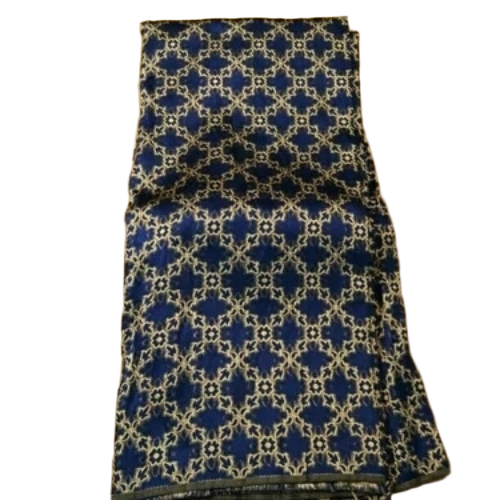
Embroidery Silk Fabric
Price:150 INR /Meter
Muga Silk Fabrics
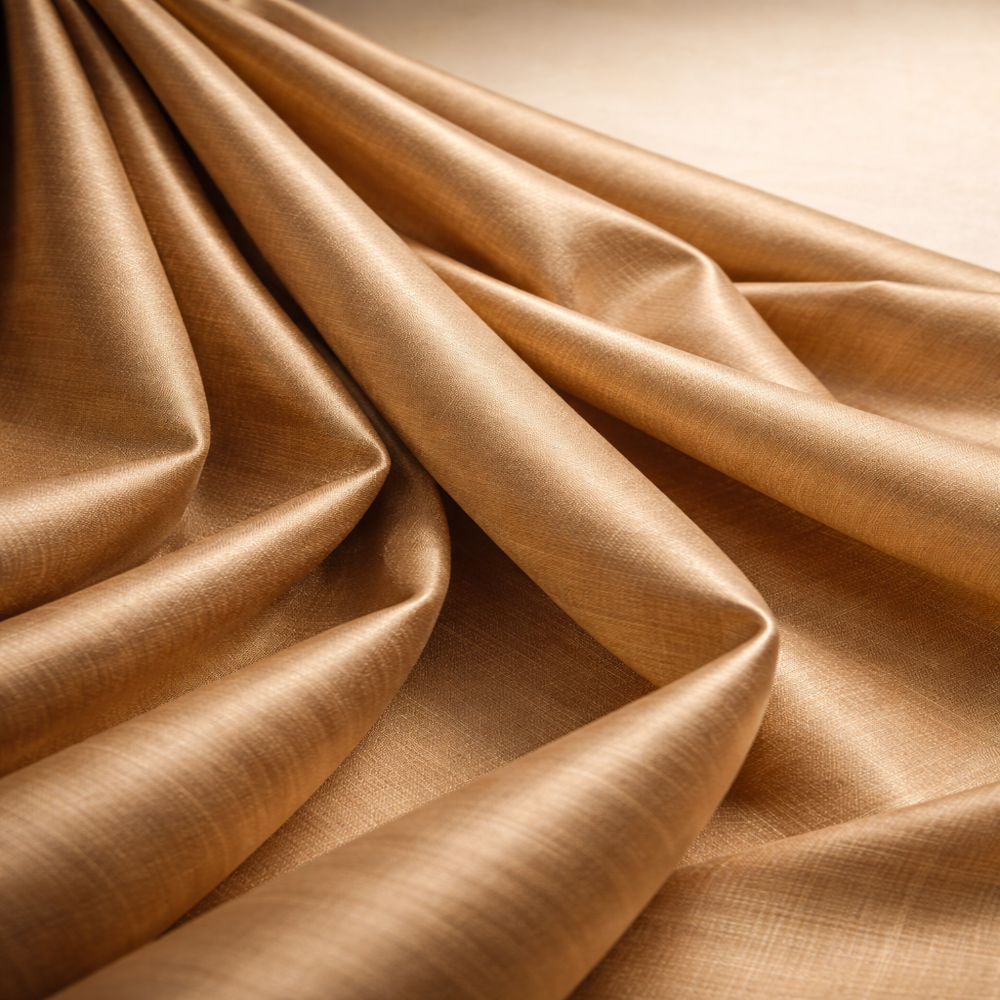
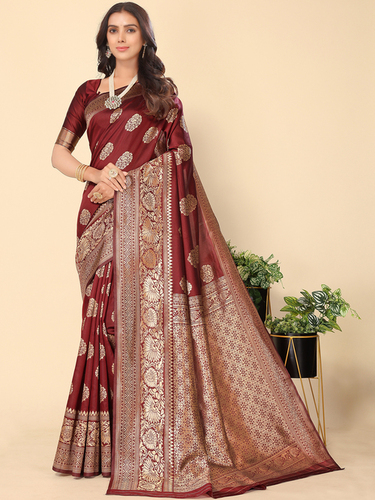
Silk Blend Jacquard Woven Golden Zari Butta Saree
Price:479.00 INR /Piece
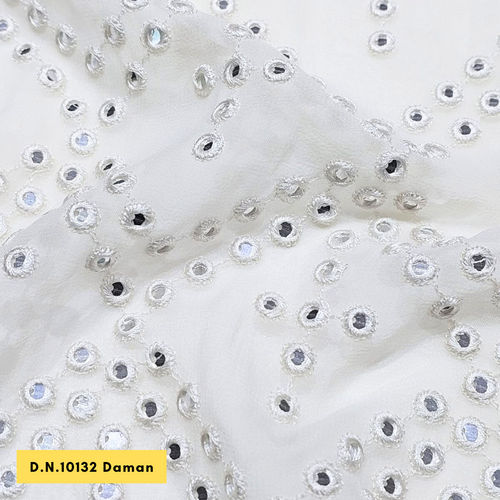
Madhav fashion Mirror work daman fabric
Price:870 INR /Meter
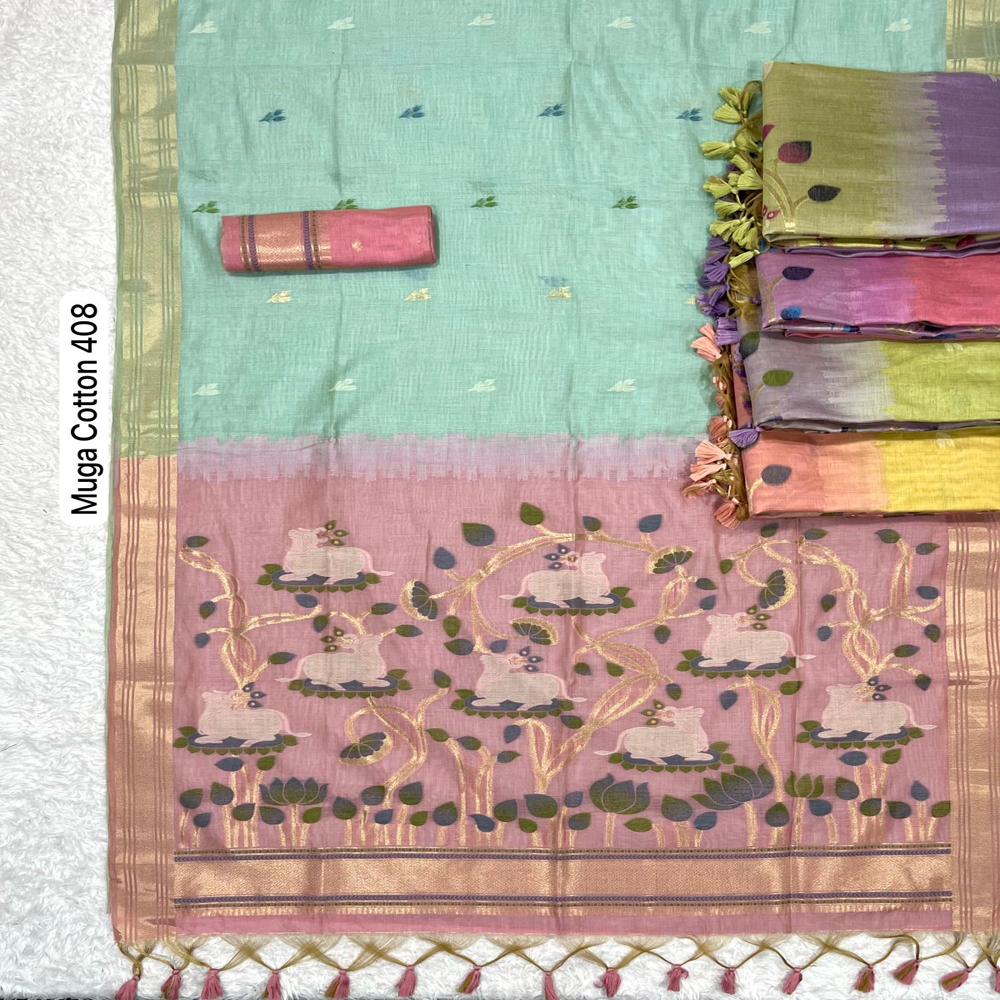
PREMIUM MUGA COTTON SAREE WITH PICHWAI WEAVING WORK
Price:1070.0 INR /Piece
Munga Silk Fabrics
Price:1500 INR /Meter
How to Do Textiles & Fabrics Export/Import Business?
Register Your Company
First, you will need to create a free seller account.

Get Your License
Request for your permits and licenses to become eligible.

Learn Regulations
Learn all about the rules and regulations of import & export business.

Hire Professional Shipping Company
Partner with ecommerce company to deliver your products.

Import/Export Business
Stepwise Process to Start the Import Export Business for Textiles & Fabrics Industry
Get Custom Clearance Document
Contact a custom clearing officer to get a go ahead to ship your products.

Recently Added Products in Textiles & Fabrics Categories
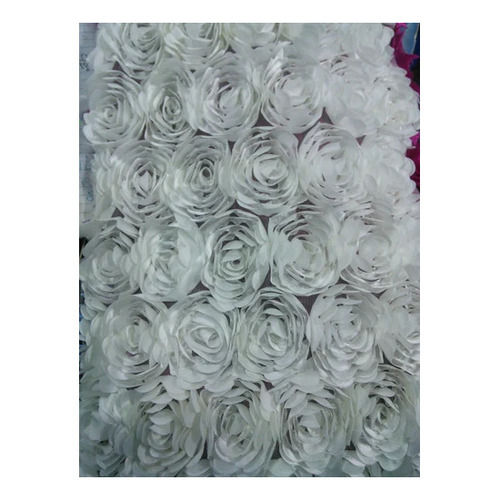

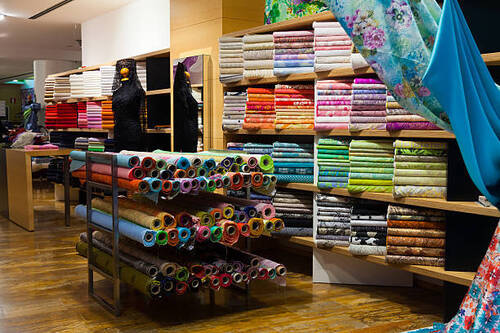

Blue Plain Shiny Single Side Metallic Coated Polyester Heat Transfer Foil
3000 INR
By:
Goods Enterprises
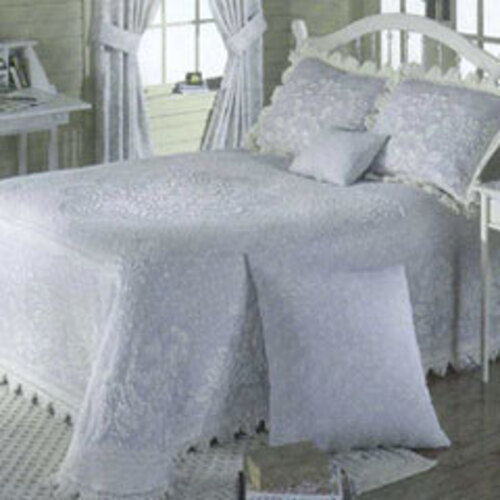
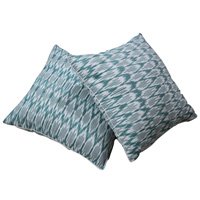
Polyester Home Textile Fabrics Making Bedsheet And Pillow Cover
By:
Nidhie Weaving Mill

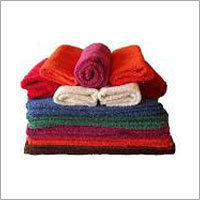
Home Textiles - Quality Tested Fibers, Vibrant Colors & Soft Texture | Fade Resistant & Tear Resistant
By:
Versatile Exports & Imports

Dotted Textile
By:
Sanwariya Gum Industries

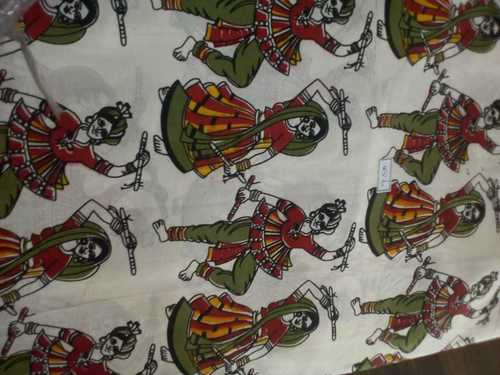
Printed Textiles Fabrics
By:
Siva Fashion
Popular Textiles & Fabrics Categories
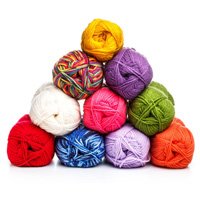
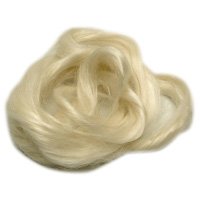
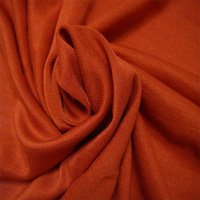
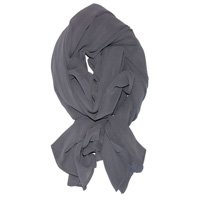
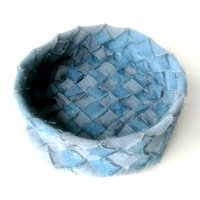
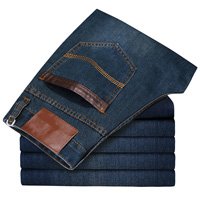
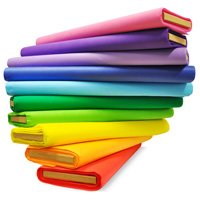
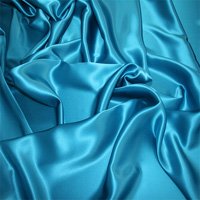
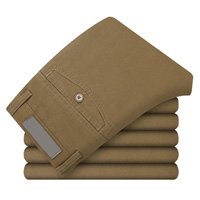
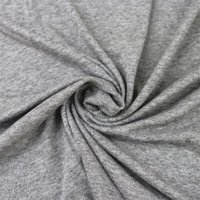
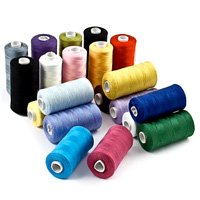
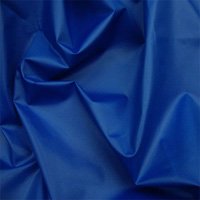
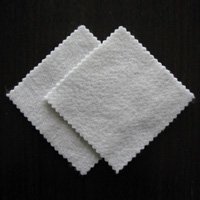
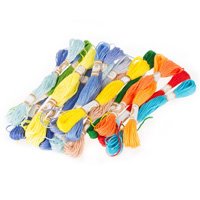
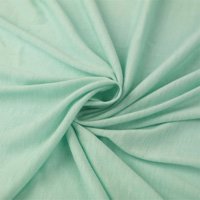
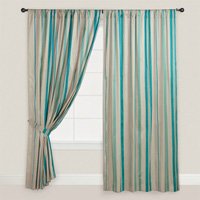
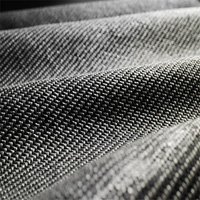
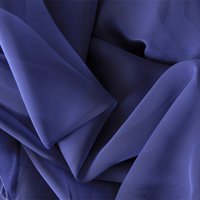
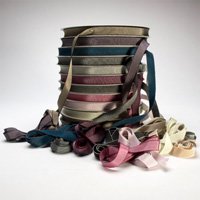
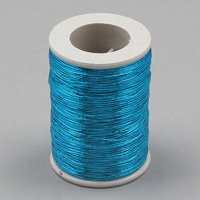
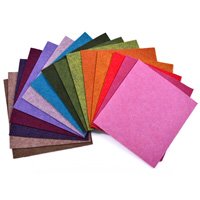
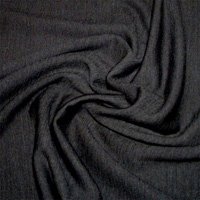
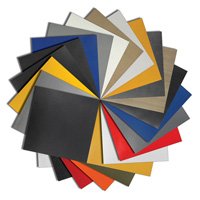
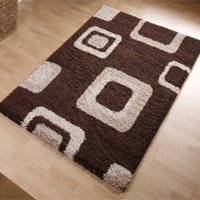
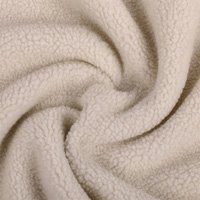
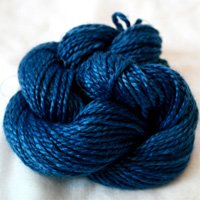
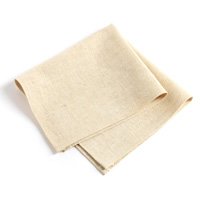
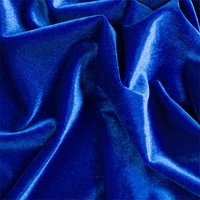
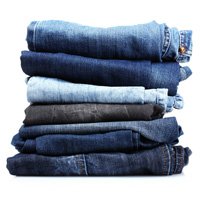
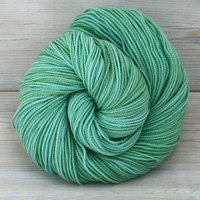

Textiles & Fabrics: Overview & Examples
Overview
A textile is any fabric in which the fibers are woven together. Forms and uses vary depending on context. Fiber is processed into thread, metal wire, natural silk, yarn, rayon, and other forms for use in the textile industry. Textiles are made by knitting or weaving together these things, either on their own or in conjunction with additional fibers.
Textile Industry & Market Growth in India
Market Size
After a slow start in 2019a 20, the textile and apparel sector in India is predicted to rise at a CAGR of 10%, reaching US$ 190 billion by 2025a 26. The textile and clothing industry in India accounts for 4% of the country's total exports. When it comes to cotton, India is the world leader. Through the course of the 2021-22 cotton seasons, it was predicted that a total of 362.18 lakh bales will be produced. Rising domestic demand is expected to boost India's cotton output to 7.2 million metric tons (about 43 million bales of 170 lb each) by 2030.
Key Developments
Jointly, PurFi Global LLC, a green innovation business, and Arvind Limited, India's biggest fabrics company, have formed a new company to reduce the number of textiles that end up in landfills. In Tuensang, Nagaland, indigenous weavers received 45 days of instruction, or 315 hours, through the SAMARTH program in November 2022. India's home textile manufacturers are fortifying their operations and market share through the use of strategic partnerships.
Government Incentives
To support the growth of the state's weavers and craftsmen, Amazon India and the Manipur Handloom & Handicrafts Development Corporation Limited (MHHDCL) inked an MoU in June 2022. The state government of Kerala announced in June 2022 that 1,975 individuals will receive funding to participate in the SAMARTH initiative of the textile sector. United Nations Climate Change's Sustainable Textiles for Sustainable Development (SusTex) program improves the employment and working conditions of textile artisans and encourages the development and use of environmentally friendly textiles.
Main Textile Areas in India
1. Madhya Pradesh
2. West Bengal
3. NCR
4. Gujarat
5. Rajasthan
6. Tamil Nadu
7. Maharashtra
8. Uttar Pradesh
Different Types of Fabric and Their Uses
1. Bamboo
Fabric woven from bamboo plant fibers has many desirable qualities for usage next to the skin, including hypoallergenic, thermal insulation, and a plush feel.
2. Lace
Whether it's created by hand or machine, lace is a delicate decorative fabric with a web-like structure and a wide variety of design options, from flowers and butterflies to geometric and abstract motifs.
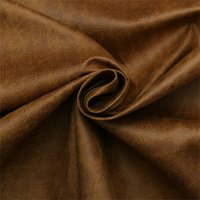
3. Leather
Due to its durability and water resistance, leather is frequently used in the production of footwear, bags, jackets, purses, and other accessories. Suede is a kind of leather that is soft and supple but not waterproof because it is formed from the underside of the animal hide.
4. Rayon
The semi-synthetic fabric rayon, derived from fibers of wood pulp, was developed as a less expensive substitute for silk. All of them are lightweight, breathable, and easy to drape, but none of them are particularly long-lasting.
5. Polyester
Polyester is a man-made Textile & Fabric that functions similarly to plastic. Because of its durability, resistance to stains, resistance to shrinking and stretching, and ease of maintenance, it is frequently used in the production of clothing and furniture.
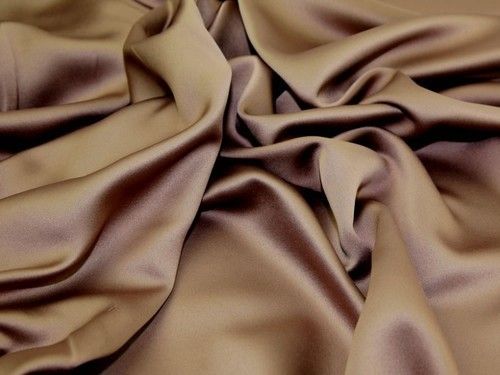
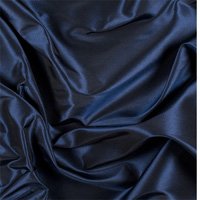
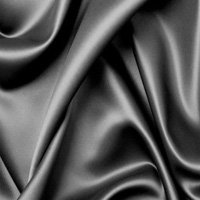
6. Satin
Items of utmost opulence, such as evening gowns, bridal attire, and lingerie or sleepwear, are frequently crafted from satin.
7. Silk
The cocoon of the silkworm contains the strands used to create silk. Sewing with it is a luxury, therefore it's typically reserved for more expensive garments like cocktail dresses, skirts, and blouses.
8. Wool
Wool is an organic material spun from sheep's or goats' hairs. Although sheep's wool has gained more notoriety, other prevalent types of wool come from alpacas, yaks, and goats. Although wool might be scratchy at times, it is often warm, sturdy, breathable, and moisture-wicking.
9. Cotton
Cotton, a natural fiber derived from the cotton plant, is a comfortable, breathable, and machine-washable fabric. It's one of the best sewing materials overall, and it's widely used for everything from apparel to home decor. Sustainable, eco-friendly alternatives to conventional cotton include organic and recycled varieties.
10. Linen
The flax plant is used to create the natural fiber known as linen. It is more expensive than cotton, but it is more durable and long-lasting. Linen is commonly used for summer wear and linen sheets.
Things to Check When Buying Fabrics Online
Fabric Weight
The weight of a fabric, or any other object, is a major factor in how comfortable it will be. We should all know by now that being overweight has never benefited anyone. The purpose for which the cloth is intended determines whether a lightweight or sturdy material is required. In contrast to a cushion cover, which may benefit from a heavier fabric, a stole or saree would be inappropriate unless it was composed of lightweight material.
Here are some fabrics based on the weights:
a)- Lightweight: Mesh, Habutai, Chiffon, Organza, Linen, Cotton
b)- Medium: Satin, Oxford, Velvet, Oxford, Taffeta
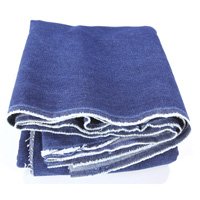
c)- Heavy Weight: Brocade, Canvas, Denim, Upholstery Fabric
Thickness
Fabrics can vary in weight due to a number of factors, one of which is the thickness of the material. The thickness of the cloth is something that should be considered in relation to the intended purpose. In contrast to the heavier fabric required for items like coats and blazers, the saree cloth is typically quite thin so that it can drape gracefully.
Feel, Drape & Flow
You can use these as a starting point to determine the fabric's quality.
a)- Feel -Put on clothes that make you feel good. What is it about this that seems familiar? Velvet has a fuzzy, soft feel, while satin is extremely smooth, and cotton has a coarser feel.
b)- Drape & Flow-The drape of a fabric refers to its ability to fall or flow. Here, the fall is affected by the weight in addition to the weave structure.
Materials
Similarly, if you have sensitive skin, you shouldn't use polyester or any other synthetic materials in your designs. Instead, you should use more natural and airy fabrics. Consider the fact that the fabric used for the foundation of a jacket could need to be sturdy and thick, while the fabric used for the foundation of a flowy dress would need to be thinner.
Washing Instructions
You know that dress you bought with such glee, right? To add insult to injury, you did not dry clean it after the first use but instead sent it to the laundry. Oops, I missed the part where it said not to wash the fabric in water. Well, there goes a fantastic new investment. Due to its unique characteristics, each cloth requires special attention. Before committing to cloth, you should learn what type of care it requires. If you don't, you can find that something you worked hard to acquire ends up costing you more than twice as much in upkeep.
Top Textile Companies in India
1. Himtasingka Group
The Himatsingka Group is a key player in the home textiles industry on a global scale. The Group is in the business of making and selling home textiles.
2. Nitin Spinners
In its 25 years of business, Nitin Spinners has become India's preeminent producer of cotton yarn and knitted garments.
3. JOCKEY International
JOCKEY International Inc. (USA) has licensed Page Industries Limited of Bangalore, India to produce, distribute, and market products bearing the JOCKEYAR name in those countries, as well as in Sri Lanka, Bangladesh, Nepal, and the United Arab Emirates (UAE). Speedo International Ltd. has granted Page Industries the only manufacturing, marketing, and distribution rights to the Speedo brand in India.
4. Arvind ltd
Arvind Ltd. is one of the largest textile companies in India. Fabrics from Arvind, one of the world's leading textile manufacturers, are so long that they could circle the Earth six times. On average, two items of clothing from an Arvind-managed brand are sold in India every second. The company's main office is in the Gujarati city of Ahmedabad.
5. Raymond
Raymond is a multifaceted corporation that operates in multiple industries, including Textile & Apparel, Fast Moving Consumer Goods (FMCG), Engineering, and Preventative Medicine. There are only ten textile enterprises in India, and this one is the fourth largest of them all.
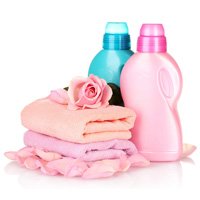
Washing your clothes with fabric softener can help get rid of wrinkles, stop static cling, soften the fabric, and leave a pleasant scent behind. Fabric softeners can help clothes last longer by eliminating static cling. If you're planning on purchasing some fabric, you should first ask yourself why you need it and then compare your answers to the aforementioned questions.
FAQs: Textiles and Fabric
Q. What is the difference between Textiles and Fabric?
Ans. As raw materials, textiles can be used in their own right or combined with others to make something entirely new while the fabric is primarily an "ingredient" used in the production of other materials.
Q. Is the Indian textile industry growing?
Ans. Yes, the Expansion of India's textile industry is predicted to increase exports to $300 billion by 2025, attracting a total of US$120 billion in investment.
Q. What are the main categories of Textiles?
Ans. Yarn, Cotton, Silk, Rayon, Wool, Polyester, Satin, and leather is some main categories of textiles.
Q. Who is the queen of textiles?
Ans. Silk is known as the queen of textile fibers due to its luster and sheen.
Q. Which textile is India famous for?
Ans. Silk, Khadi, or wool are some Indian textiles which is famous all over the world.




© 1999-2026 Infocom Network Private Limited. All rights reserved.