

Handloom Products
(1407 products)
Explore More Categories
Made in India
Matt Handloom
4 Years
Business Type: Exporter | Trading Company
MEDUSA EXIM
Verified Exporter
( Accepts only Foreign Inquiry)
Made in India
Handloom Throw
22 Years
Business Type: Manufacturer | Distributor
K. A. INTERNATIONAL
Made in India
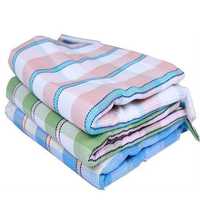
Reversible 4Pc Comforter Set With Frill
Price: 1399 INR (Approx.)/Piece
MOQ - 10 Piece/Pieces
2 Years
Business Type: Manufacturer | Trading Company
Tulsi Handicraft
Indian Inquiries Only
Made in India
White Hotel Bath Towel
Price: 320 INR (Approx.)/Piece
MOQ - 50 Piece/Pieces
Length - 60 Inch (in)
Width - 30 Inch (in)
Product Type - Bath Towel
4 Years
Business Type: Manufacturer | Distributor
NAVYA FAB TEX
Made in India
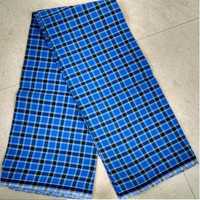
jocky silk handloom soft cotton fabrics
Price: 150 INR (Approx.)/Meter
MOQ - 50 Meter
3 Years
Business Type: Manufacturer
SILK INDIA CORPORATION
Indian Inquiries Only
Handloom Floor Carpet
Price Trend: 75.00 - 120.00 USD ($) (Approx.)/Square Meter
MOQ - 1000 Square Meter/Square Meters
4 Years
Business Type: Manufacturer | Distributor
CHANDAN RUGS
Verified Exporter
( Accepts only Foreign Inquiry)
Face Mask
Price Trend: 25.00 - 50.00 INR (Approx.)/Piece
MOQ - 100 Piece/Pieces
Response Rate: 78.18%
Business Type: Manufacturer | Exporter
VICHITRA EXPORTS
Verified Exporter
( Accepts only Foreign Inquiry)
Cotton Kantha Vintage Quilts
Business Type: Manufacturer | Exporter
Raghav Handicrafts
Handloom Throw
Business Type: Manufacturer | Exporter
SWAMI TEXTILE (P) LTD.
Customized Shapes And Sizes Handloom Fabric
MOQ - 100 unit
Business Type: Manufacturer
Z N Fabrics
Pure Dupion Raw Silk Handloom Bird Jala Saree,Contrast Blouse, Jari Woven Pallu
Response Rate: 84.85%
Business Type: Manufacturer | Distributor
MANISHA SILK WEAVES
Kitchen Towel
Business Type: Manufacturer | Supplier
VIGNESHWARA EXPORT
Verified Exporter
( Accepts only Foreign Inquiry)
100% Genuine Leather Belt Grade: Automatic
Price: 500 INR (Approx.)/Piece
MOQ - 10 Piece/Pieces
Business Type: Manufacturer | Supplier
Navya Garments
Faas Handloom Products
Business Type: Supplier | Exporter
Faas Exports
NIDHI Handloom Products
Business Type: Manufacturer
NIDHI ENTERPRISES
Shrink Resistance Handloom Alfi Fabric
Business Type: Manufacturer | Trading Company
DEEN FABRICS
Handloom Sarees
Business Type: Supplier | Service Provider
WAHAAN TRADERS
Craft Handlooms
Business Type: Manufacturer | Supplier
GAYATRI FURNITURE
Multicolored Knitted Ethnic Design Waist Pouch
Price: 650 INR (Approx.)/Piece
MOQ - 50 Piece/Pieces
Business Type: Manufacturer | Distributor
CREATIVE BAZAAR
Cryspal Wrappers
Business Type: Manufacturer | Exporter
NARGO INDUSTRIES
Handloom Printed Sarees
Business Type: Manufacturer | Supplier
PSK INDIAN EXPORTERS
Anti Slippery Stylish Quick Dryings Long Life And Cotton Handloom Mats
Price: 200 INR (Approx.)/Piece
MOQ - 100 Piece/Pieces
Business Type: Distributor
Peeyem Marketing
Eco Friendly Handloom Tweeds
Business Type: Manufacturer | Supplier
KASHMIRI LAL TARUN KHANNA PVT. LTD.
Handlooms
Business Type: Distributor | Supplier
Ansh Enterprises
Cotton Hand Loom Hammocks
Business Type: Manufacturer | Supplier
HOUSE OF HARMONY
Electro Galvanized Steel Sheets
Business Type: Distributor | Supplier
POLLUX GLOBAL STEEL PVT. LTD.
Verified Exporter
( Accepts only Foreign Inquiry)
Kitchen Set
Business Type: Manufacturer
INDIA CRAFT LOOM
Brass Antique Handloom
Business Type: Manufacturer | Distributor
DVNK EXPORTS PVT. LTD.
Handloom Products Manufacturers | Suppliers in India
| Company Name | Location | Member Since |
|---|---|---|
| K. A. International | Amritsar, India | 22 Years |
| Medusa Exim | New Delhi, India | 4 Years |
| Navya Fab Tex | Surat, India | 4 Years |
| Chandan Rugs | Bhadohi, India | 4 Years |
| Silk India Corporation | Surat, India | 3 Years |
| Tulsi Handicraft | Panipat, India | 2 Years |
Making of handloom products involve traditional handloom weaving methods. In the handloom weaving process, a wooden loom or frame keeps the threads in place during weaving cloth. The products usually include apparel, fabrics, bags, accessories, and much more. Some of the popular handloom products include sarees, shawls, blankets, bedspreads, tablecloths, and scarves. Handloom products are known for their distinctive designs, quality, durability, and superior craftsmanship. Natural materials like wool, silk, linen, and cotton are used in making handloom items.
The History and Cultural Significance of Handloom Products
Handloom products have a long history and significant cultural importance. This type of weaving traces back to ancient civilizations like the Indus Valley Civilization in India. It is the place where cotton weaving evidence from 5000 BCE was discovered. Handloom weaving has been embraced in many cultures in India, China, Southeast Asia, Africa, and South America. Numerous communities and cultural identities have immensely benefitted from handloom products. Different states have different patterns and designs that capture the area's history, culture, and natural resources. Manufacturing of handloom products is a community or family-based enterprise. Labor-intensive handloom weaving includes traditional instruments and methods like handloom, shuttle, and comb.
Sustainable Fashion and the Rise of Handloom Products
Handloom items have gained immense prominence recently. These are textiles created by skilled artisans who have been passing down these skills and techniques through generations. The methods and techniques for making these handloom products include weaving, knitting, or embroidery. Biodegradable and natural fibers that do not emit hazardous chemicals into the environment are usually used to make these products. The materials used in the handloom products are cotton, silk, or wool.
The Unique Characteristics and Beauty of Handloom Fabrics
Handloom fabrics are woven using natural fibers including cotton, silk, wool, and jute on a hand-operated loom. Owing to their distinctive attractiveness, these textiles stand out from fabrics created by machines. Here are some of the special qualities of handwoven fabrics:
- Rich texture: Handloom fabrics offer a rich texture that is absent from fabrics created by machines. The strands that are utilized for making handloom fabrics are not all the same, which results in a textured surface that alters how light reflects. They have a luxurious and distinctive appearance that are not present in fabrics made in large quantities.
- Durability: These fabrics are well known for their strength and durability. They get resistance and strength from the hand-looming method that produces tight, interlocking weaves.
- Designs that are distinctive: As these are made using age-old weaving methods, handloom fabrics have distinctive patterns that are not seen in fabrics created by machines. These patterns hold cultural and historical importance and are more than just a piece of fabric.
- Environmental friendliness: Usage of natural fibers in the production of handloom fabrics, makes them biologically and environmentally friendly. In comparison to machine-made fabrics, they go through a weaving technique that uses less water and energy.
- Handcrafted Quality: Talented and experienced craftsperson invest their creativity, energy, and time in the making of these aesthetically appealing fabrics. Each handloom cloth has a handmade character that distinguishes it from other fabrics.
How to Incorporate Handloom Products into Your Home Decor
Adding handloom products to your décor can give your home a distinctive feel. People can incorporate handloom products into their home décor. Let’s discuss how they can do it:
- Select a colour palette: The colours, patterns, and designs of handloom fabrics are varied. Colour schemes that match your existing furnishings will be easy for you to select.
- Patterns can be combined: Using solid colours will prevent patterns from overpowering a space. Patterns on handloom items range from vibrant and outlandish to subtle and conventional. Your decor can gain interest and texture by combining different designs and colours.
- Add handloom textiles: A simple approach to incorporating handloom products into décor is to use blankets, pillows, and table runners. Add visual interest by choosing items with appealing textures and patterns.
- Use handloom rugs: The rugs make it easy to add texture and warmth to a space. If you want to make a statement, then select rugs with a distinctive pattern or colour.
How Do Handloom Products Support Local Communities and Artisans
Artisan groups and regional economies are greatly dependent on products made from handlooms. Below are some ways by which handloom items assist these organizations:
Employment: Handloom goods offer great work opportunities to the local artisans and communities. Competent artisans are required for making handloom products as they are woven by hand and require a lot of hard labour. For many people, especially those who are proficient in weaving and other related crafts, this opens up employment prospects.
Handloom products preserve ancient skills and crafts handed down through the years. Preserve these crafts because they contribute to the community's sense of identity as they play a crucial part in a region's cultural legacy.
Sustainability: Natural fibers and dyes are used for the production of handloom fabrics. These are more environmentally friendly and sustainable than synthetic ones. It encourages sustainable and environmentally beneficial practices.
Economic growth: The manufacture of handloom products can lead to the development of a nearby industry that generates jobs and benefits the community's economy. These items also promote cross-cultural interaction. Handloom items give consumers an insight into the local culture and traditions.
The Future of the Handloom Industry and Its Challenges
The Handloom business faces numerous difficulties today, even though it has a long history and holds great cultural significance in many region worldwide. Some of the major issues that are being confronted by the handloom sector are:
Competition by mechanized textile manufacturing: With time, the use of affordable, reliable, and faster machine-made materials has increased. As a result, handloom weavers and craft persons are facing immense trouble in making a living wage. It may also cause the sector to deteriorate. One potential remedy can be focusing on creating superior, more distinctive textiles such as artisanal hand-dyed fabrics or intricate weaves that cannot be duplicated by machines.
Lack of market access: Handloom weavers living in rural and isolated locations could experience trouble selling their products. It makes it more difficult for them to sell their goods and generate a stable income. Consumer preferences are shifting to more convenient and affordable goods. One possible answer could be better distribution channels, such as collaborations with merchants or designers who can showcase and market handloom products to a larger audience. Traditional handcrafted goods are becoming unusable and outmoded in today’s society.
FAQs: Handloom Products
Q. What are the different types of handloom products available?
Ans: The textiles made on hand-operated looms are called handloom products. No machine is used in the process, which makes the products stand out and have a unique quality. The most common handloom products include the following:
-
Sarees: Traditional Indian clothing is woven on handlooms using a range of materials, such as cotton, silk, and wool. A variety of weaving techniques are used to make sarees with elaborate patterns and designs.
- Fabrics for upholstery: There are many handloom fabrics available in a variety of colours and patterns that are used to make cushions, curtains, and upholstery covers.
- Bedding: Handloom bedding includes bedspreads and quilts made with traditional weaving processes. They come in a variety of hues and patterns. These are most commonly made by using cotton and silk materials.
- Handloom tablecloths: These are a stylish accent to any dining table. Materials like silk, cotton, and linen are used for making tablecloths.
- Shawls: Handloom shawls are renowned accessories worn with classic and modern attire. They are embellished with embroidery or other decorative elements as well.
- Towels: Cotton is the material used for making soft and absorbent handloom towels. These are woven on hand-operated looms by professionals making use of traditional techniques.
- Scarves: Cotton, silk, and wool are materials used for making handloom scarves in several designs and colours.
Related Categories
Acrylic Fabric
Blend Fabric
Chiffon Fabric
Coated Fabrics
Corduroy & Velvet Fabric
Cotton Fabric
Cotton Textile Materials
Cotton Yarn
Curtain Fabric
Denim Fabric
Durries
Embroidery Designs
Fabrics
Felt & Felt Products
Fibres
Flocked Fabric
Foam,Rexine & PU Products
Georgette Fabric
Geotextiles
Glass Fiber Yarns
Grey Fabric
Handloom Products
Handwoven Textiles
Hosiery Fabric
Industrial Fabric
Knitted Fabric
Linen Fabric
Linen Materials
Metallized Fabric
Military Tent
Narrow Fabric
Non Woven Fabric
Nylon Fabric
Polyester Fabric
Polyester Yarn
Polypropylene Fabric
Printed Fabric
Raw Silk Yarn
Rayon Fabric
Rope,Twines & Webbings
Ropes
Satin Fabric
Sewing Threads
Silk Textile Materials
Silk, Silk Fabric
Spandex Fabric
Suede Fabric
Synthetic Fabric
Synthetic Fibres
Synthetic Yarn
Taffeta Fabric
Tassels & Trimmings
Tents & Tarpaulins
Textile Accessories
Textile Agents
Textile Articles
Textile Materials
Textile Testing Equipment
Textiles Auxiliaries
Threads
Upholstery Textile
Velvet Textile Materials
Viscose Fabric
Wool Fabric
Wool Textile Material
Yarn
Zari & Glitter Products
