

Packaging & Paper
Packaging Boxes

Nailless Plywood Box
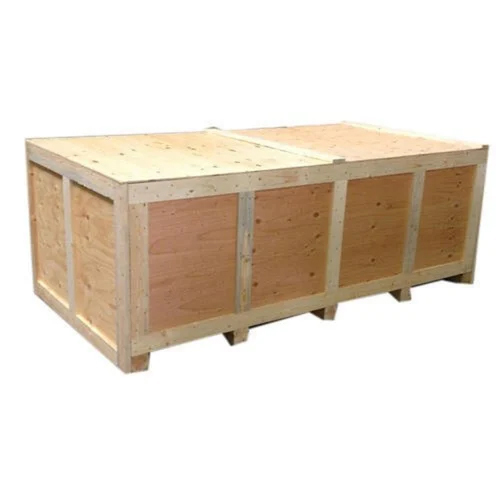
Wooden Ply Box
Price:6500 INR /Piece
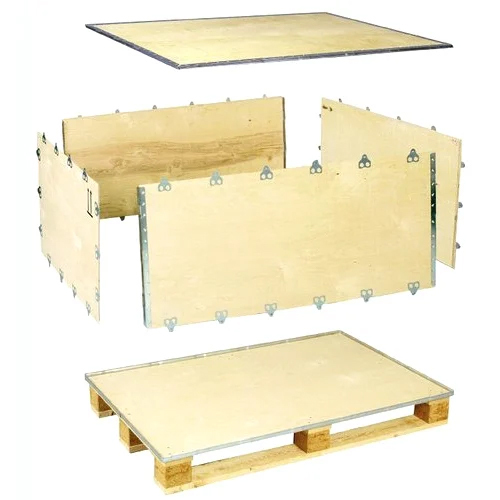
Wooden Nailless Box
Price:600.0 INR /Piece
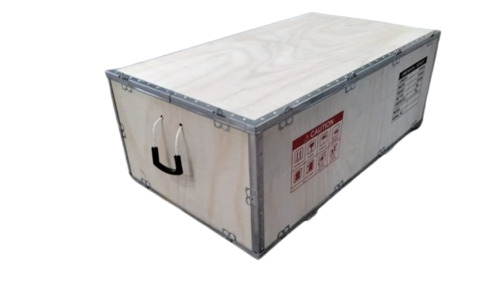
Nailless Plywood Boxes
Price:1950 INR /Piece
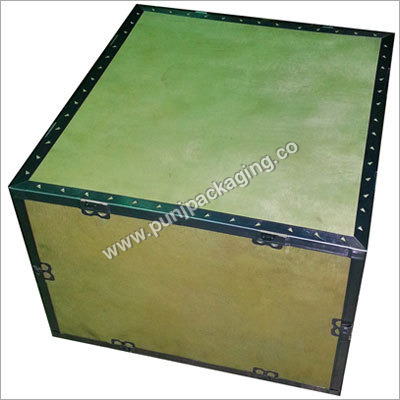
Nailless Plywood Boxes
Price:200 INR /Piece
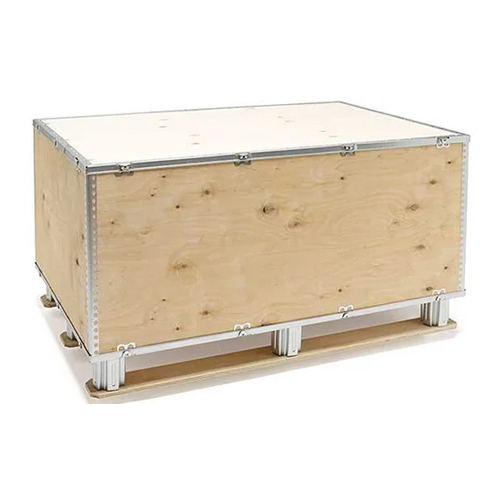
Wooden Nailless Box
Price:499.0 INR /Piece
Cardboard Food Box
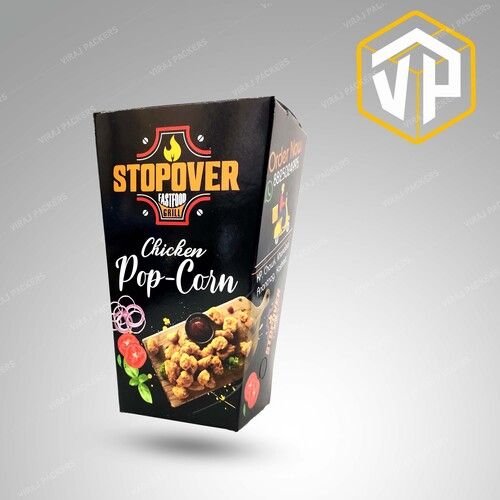
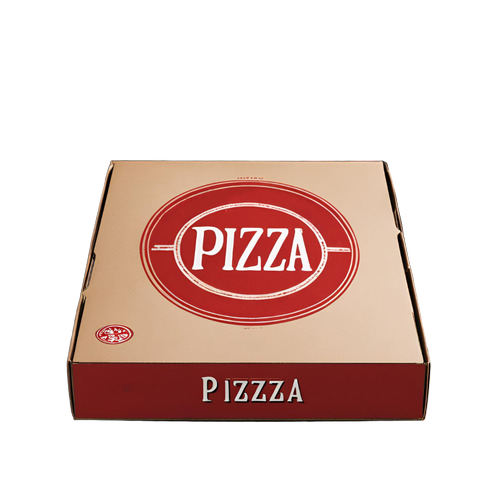
Food Grade Packaging Boxes
Price:12 INR /Box
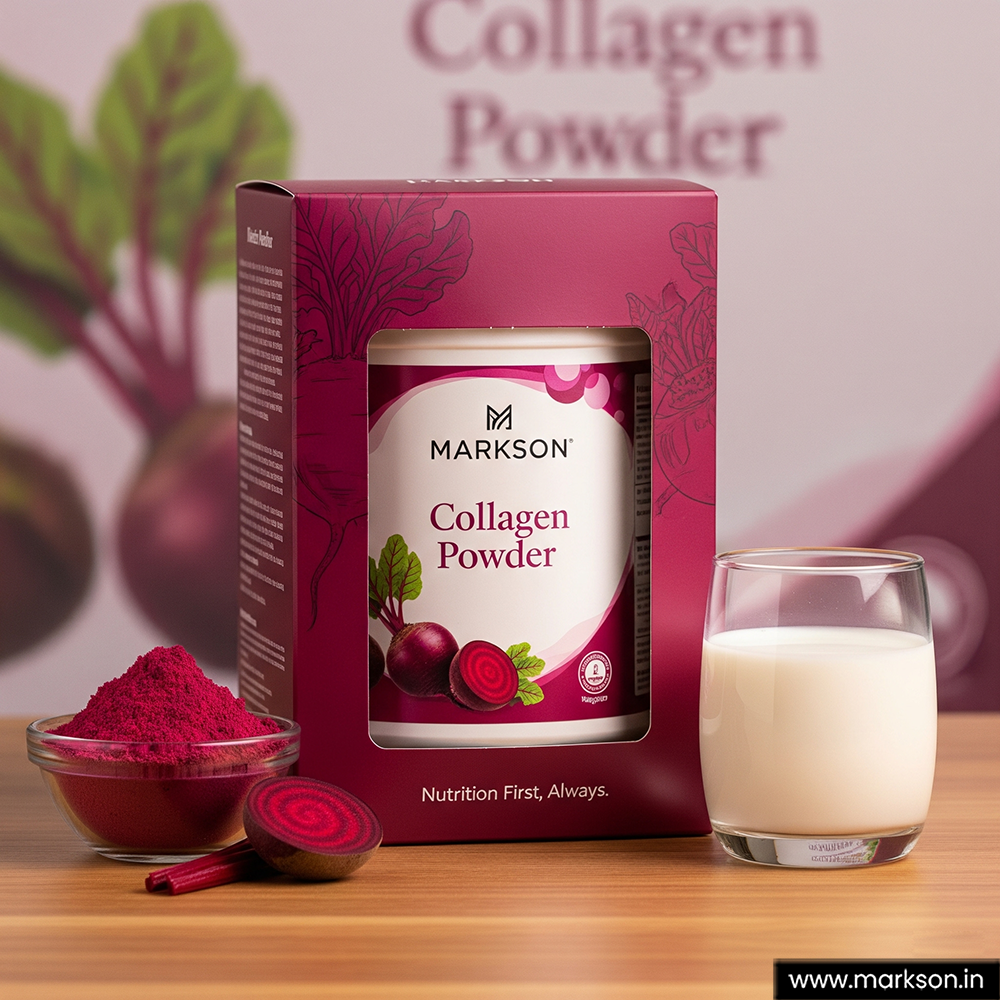
Window Supplement Food Boxes
Price:15 INR /Piece
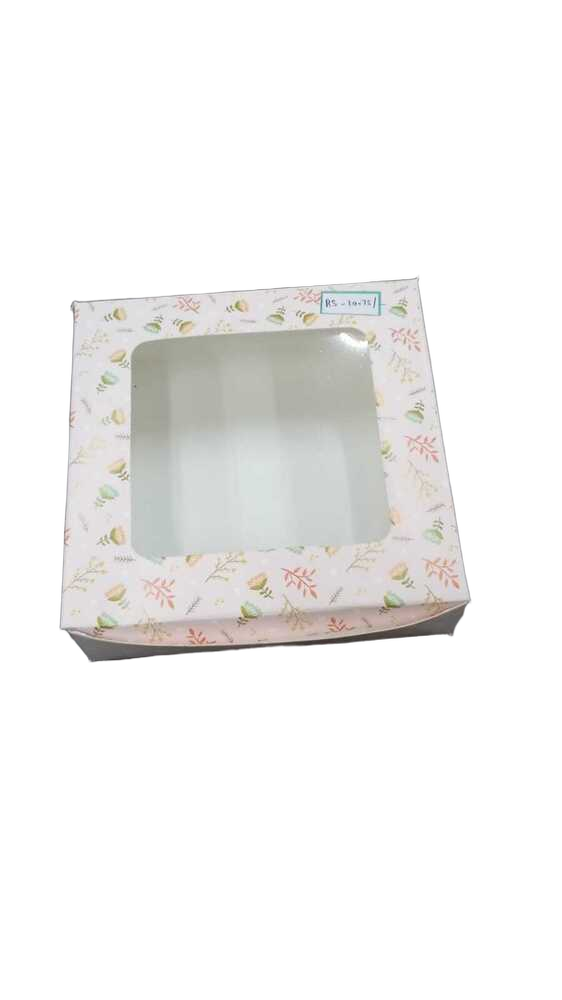
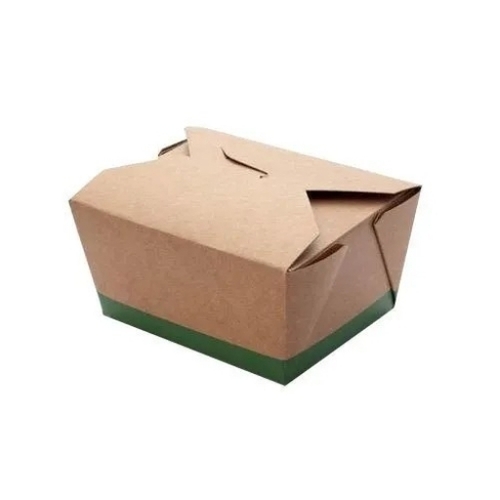
Cardboard Food Box
Price:10 INR /Box
Drug Box
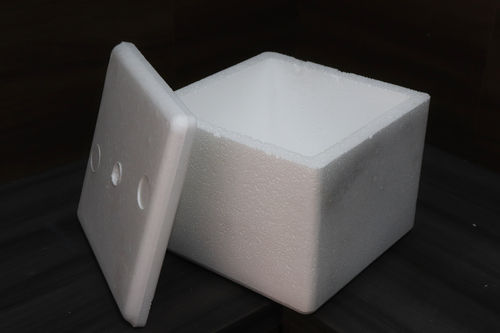
Pharma Big Box
Price:80.0 INR /Unit
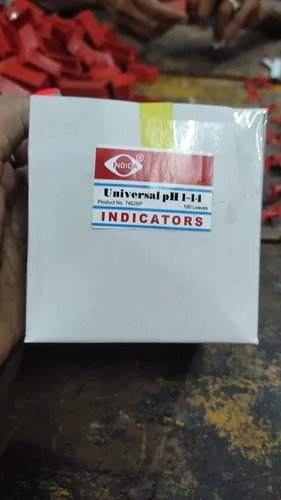
Ph Box
Price:800 INR /Pack
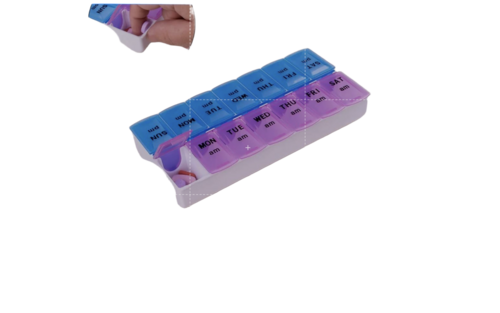
2 Layer Pill Box
Price:39 INR /Unit
Pharmaceutical Carton Box
Price:8 INR /Piece
Acrylic Box
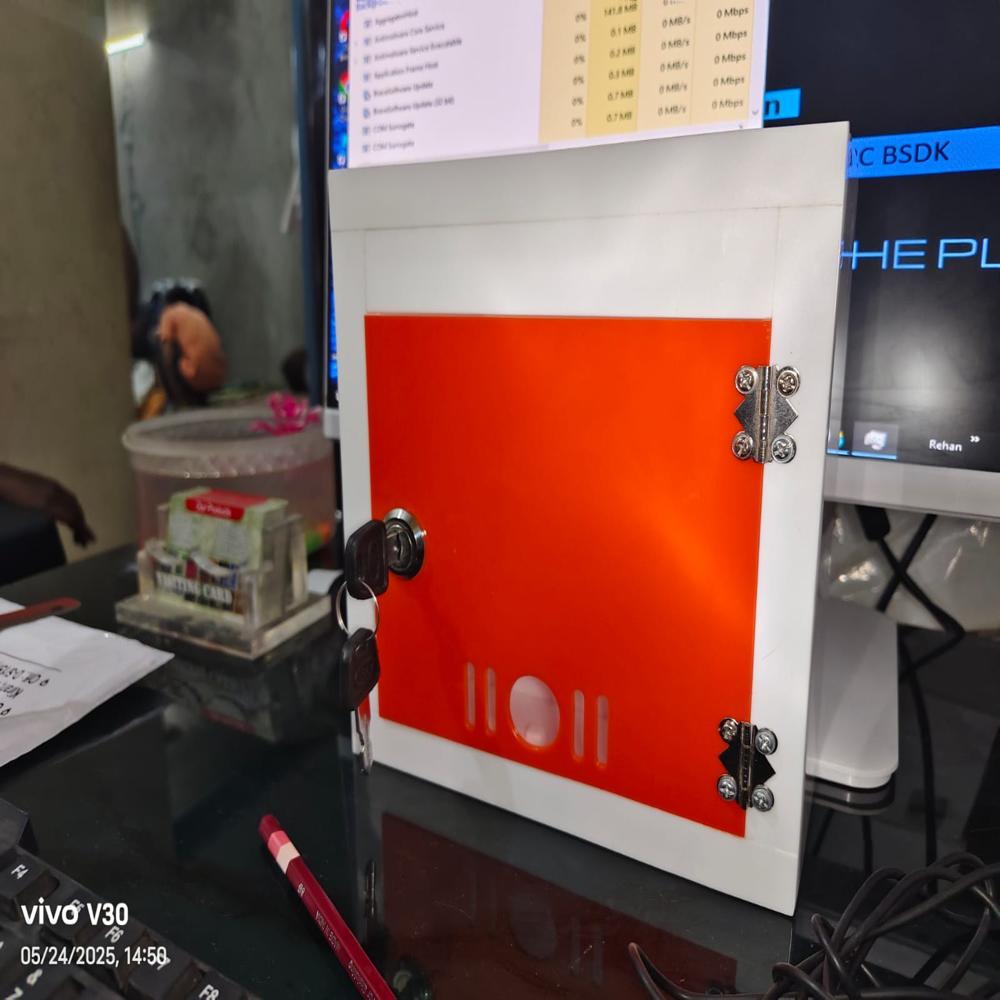
Acrylic Latter Box
Price:600.0 INR /Piece
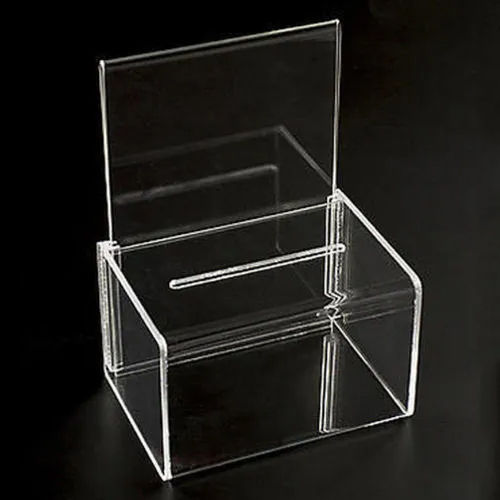
Acrylic Donation Box
Price:1345.0 INR /Piece

Transparent Polished Covid Protection Acrylic Screen
Price:95 INR /Sheet
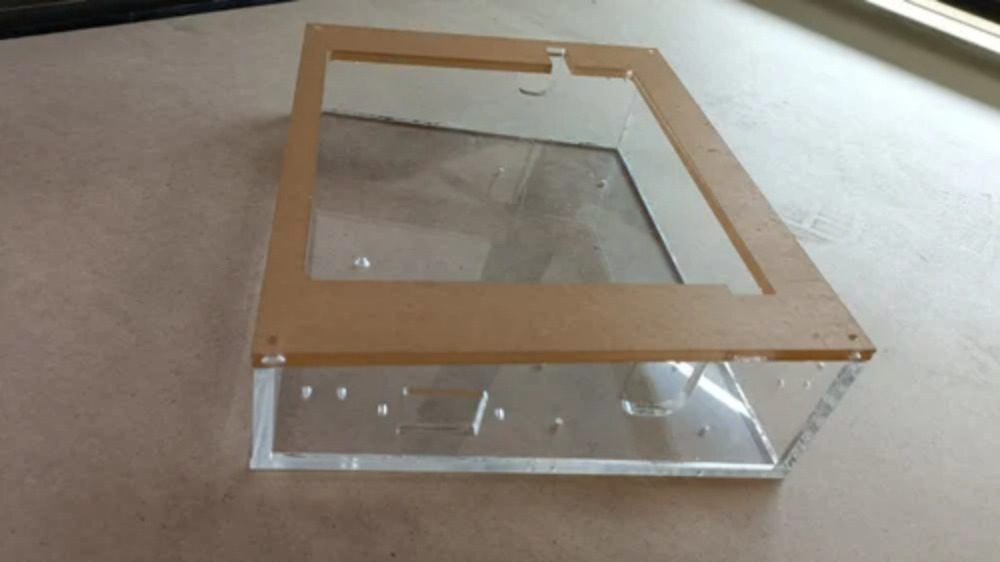
Customised Acrylic Box
Price:350 INR /Piece
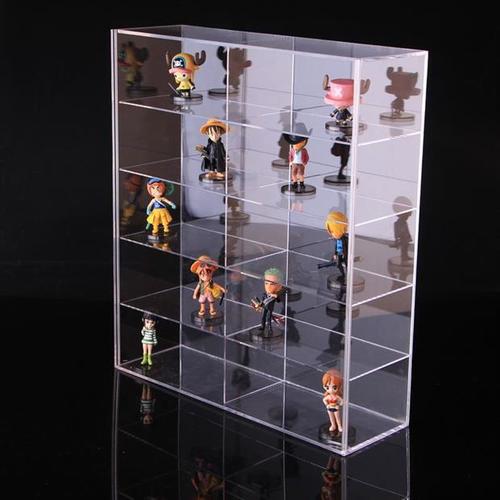
Custom Professional Design Display Rack Swing Model Acrylic Display Box
Price:250 USD ($) /Box
Cake Box
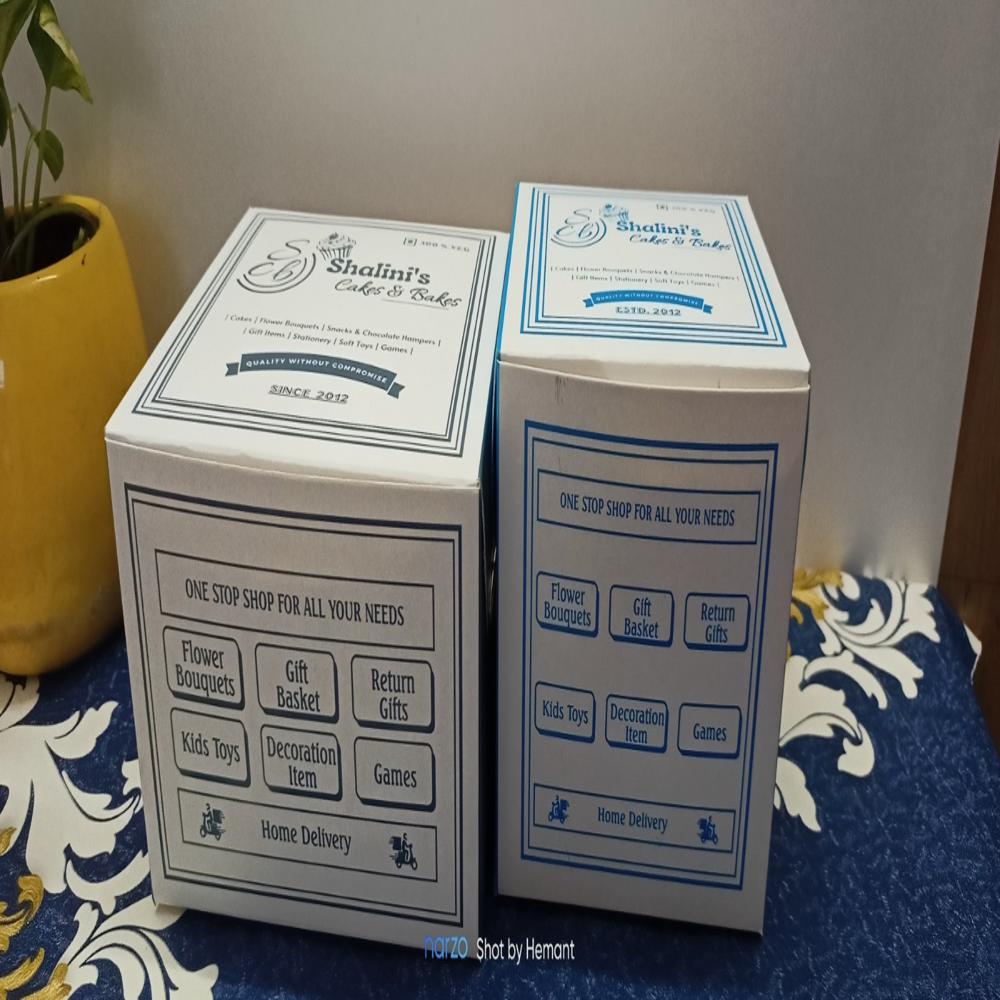
cake paper box
Price:10.00 INR /Piece
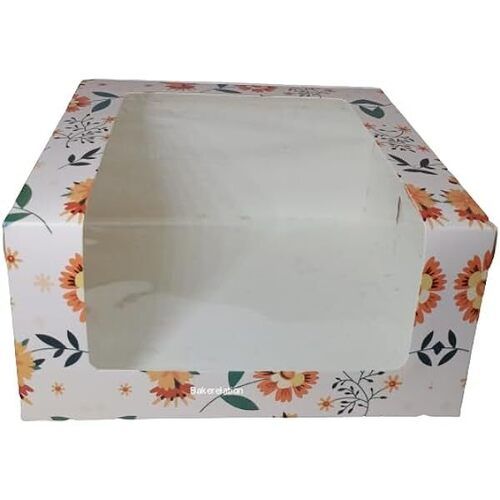
L Window Cake Box
Price:30.80 INR /Piece
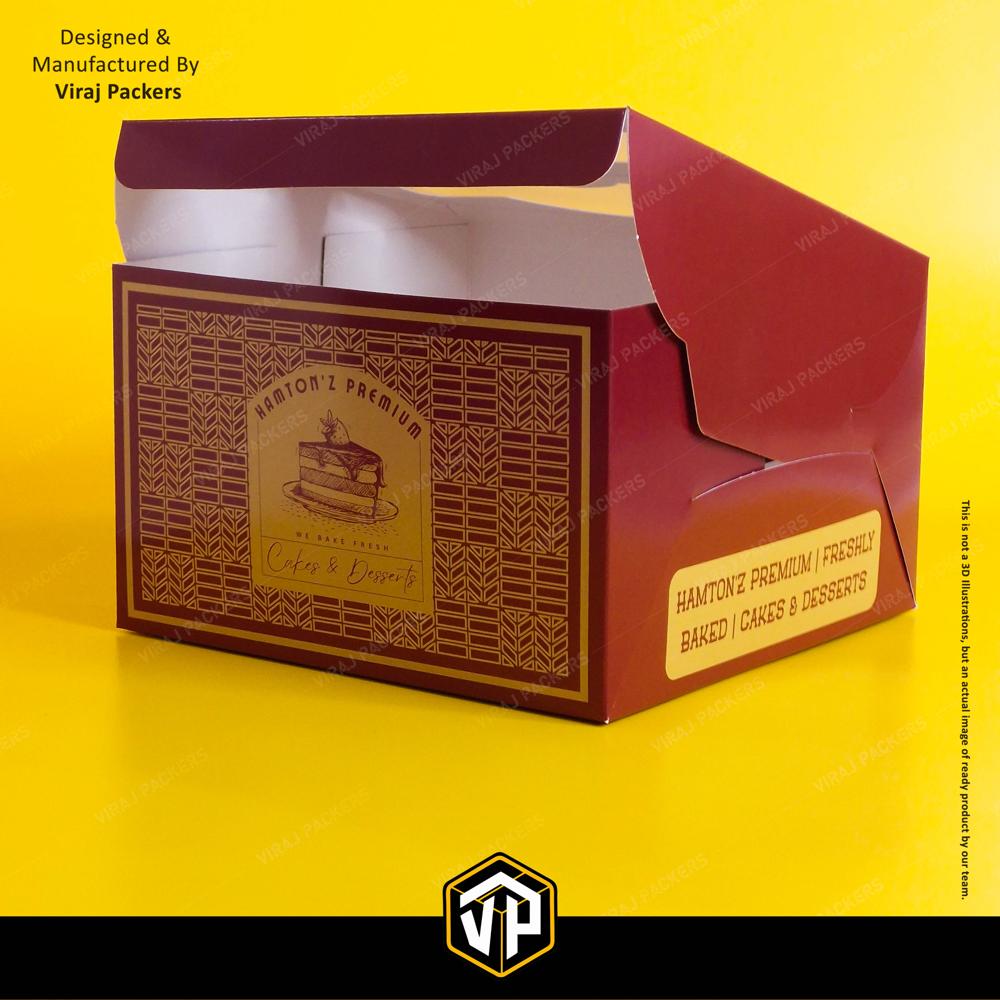
CUSTOMIZE CAKE BOX
Price:15.0 INR /Piece
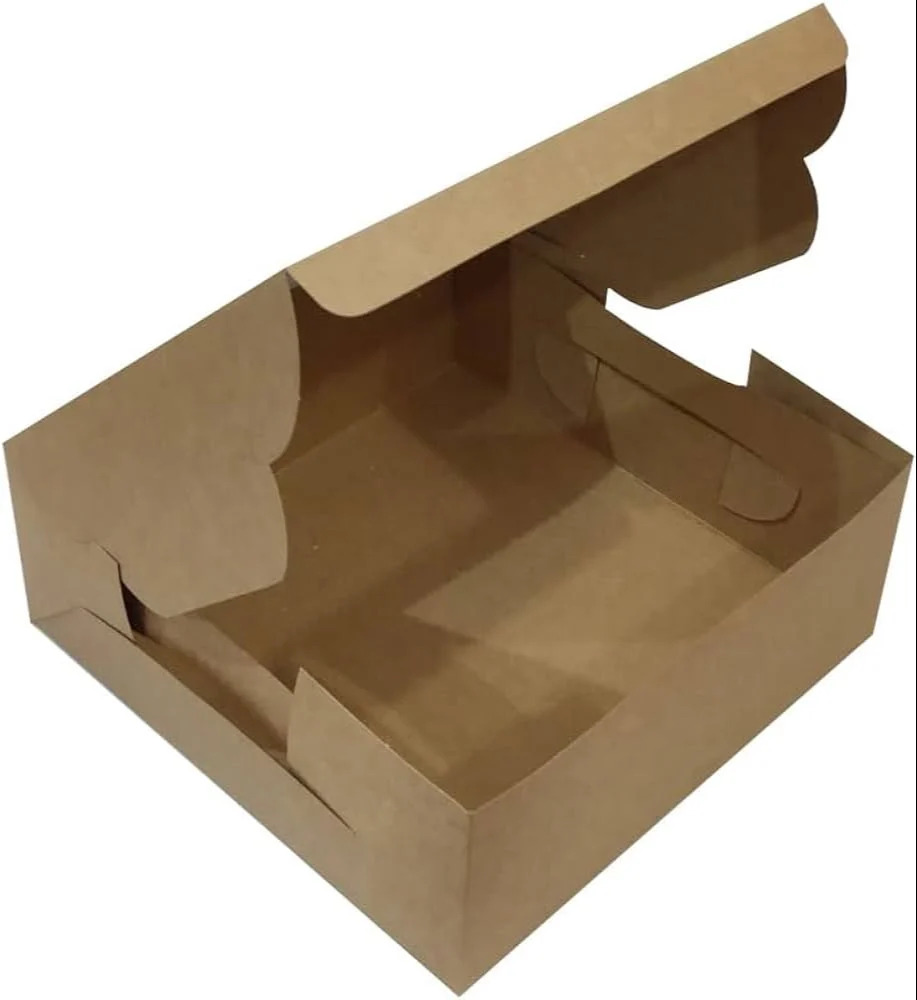
Cake Box - 1 Kg. - 10 X 10 X 4
Price:10.5 INR /Piece
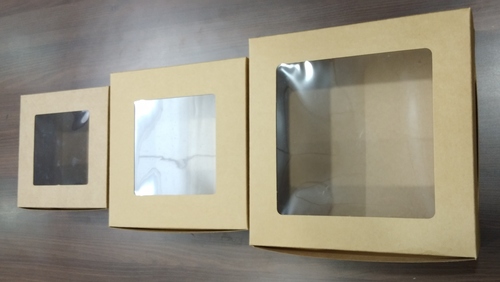
Cake Box
Price:10 INR /Piece
Bottles

Stainless Steel Vacuum Bottles
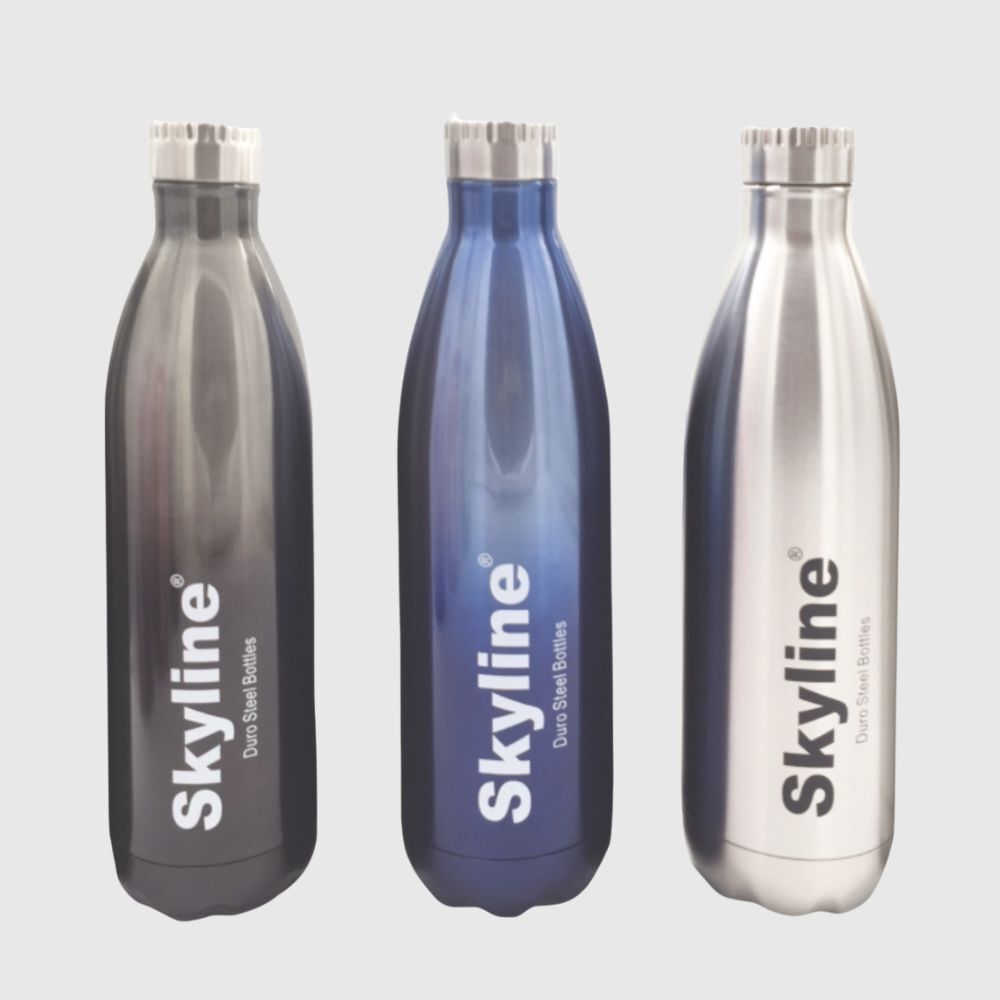
Premium Double Wall Vacuum Bottle
Price:999 INR /Piece
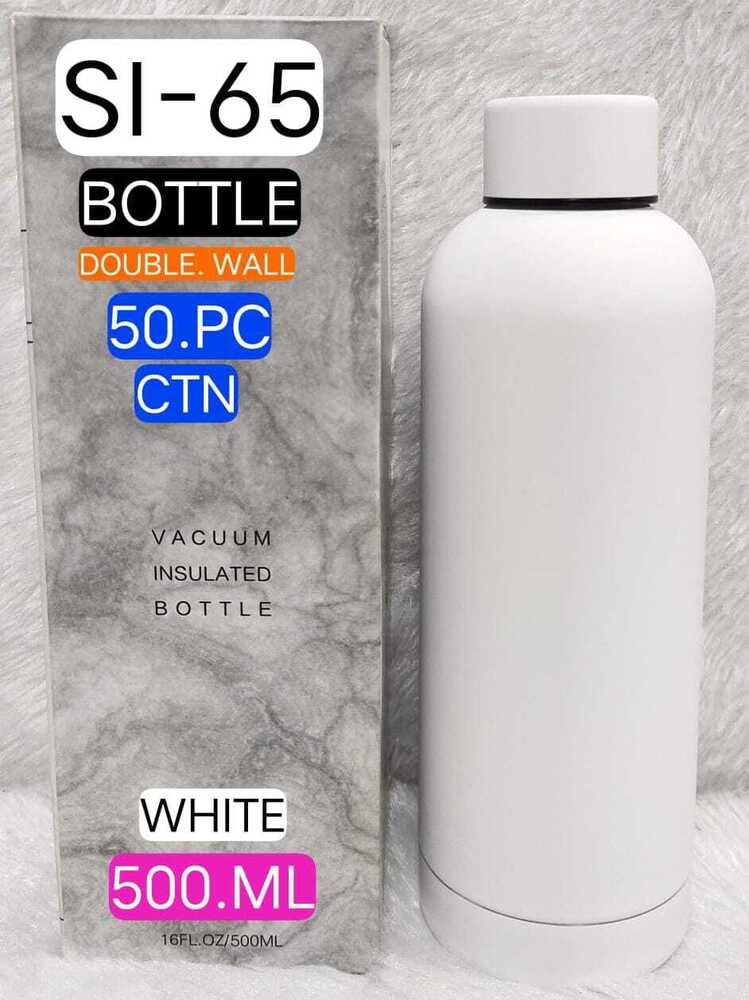
500ml Stainless Steel Vacuum insulated Bottle (Double wall) in Rubber(Black/White) finish
Price:280.00 INR /Piece
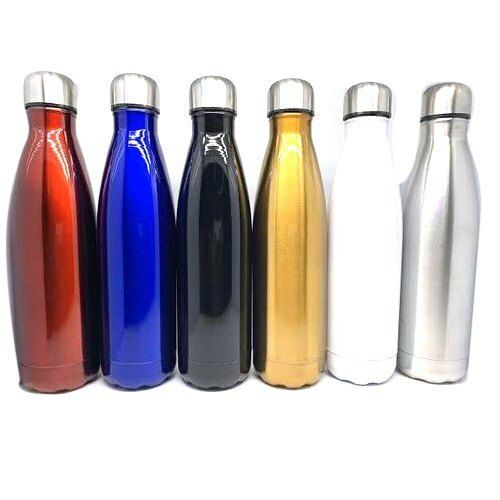
Polished Round Plain 1 Liter Stainless Steel Steel Vacuum Bottle
Price:300 INR /Piece

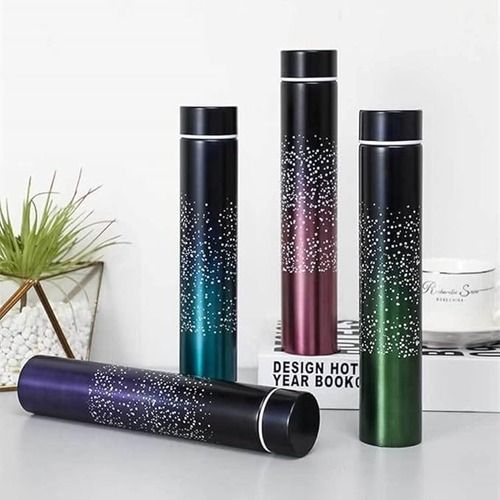
Stainless Steel Vacuum Bottle
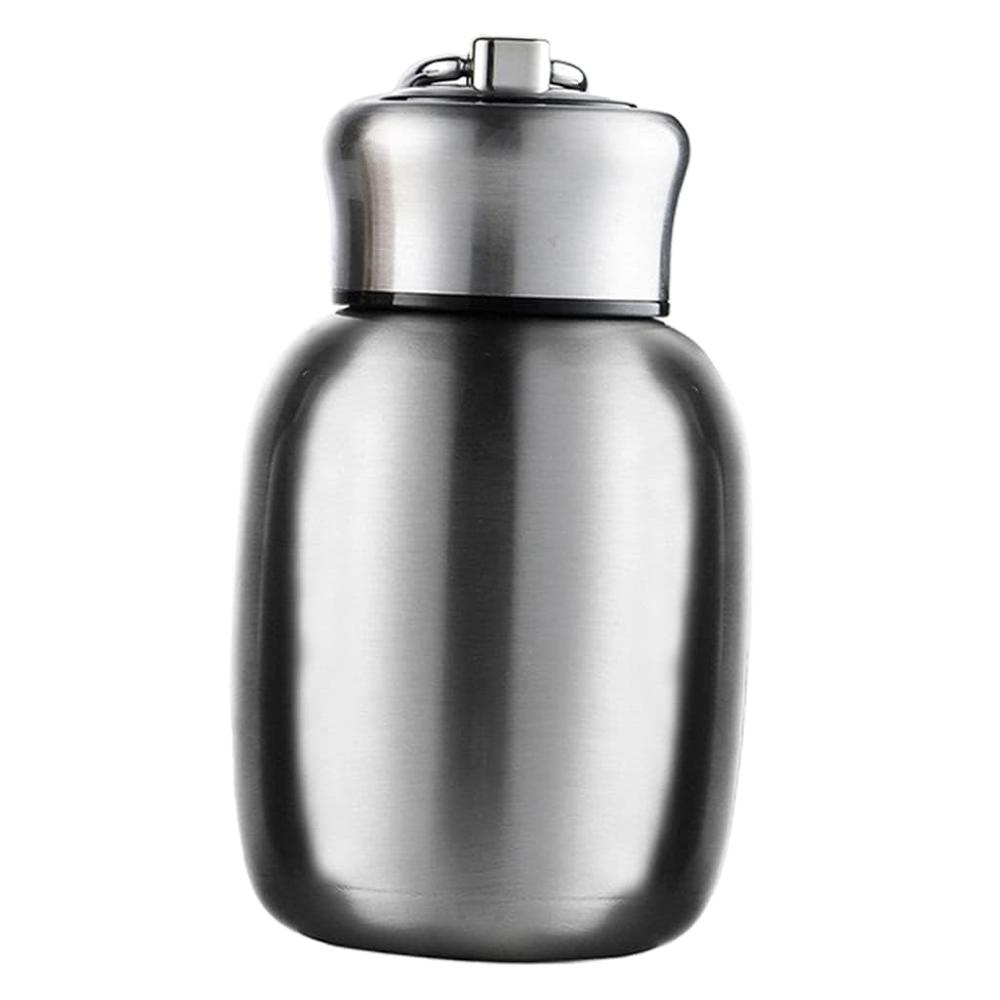
Mini Stainless Steel Vacuum Insulated Water Bottle
Price:155.0 INR /Piece
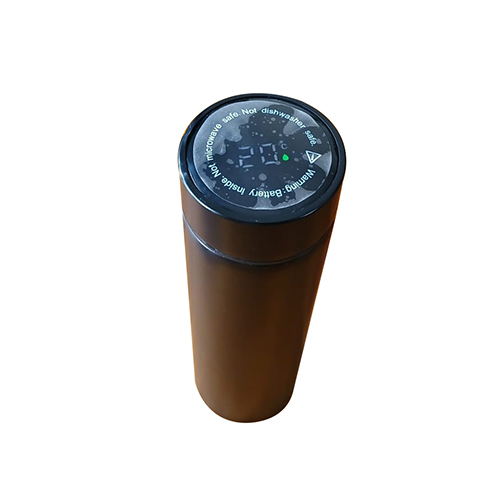
500ml Temperature Display Stainless Steel Bottle - Black
Price:125.00 INR /Piece
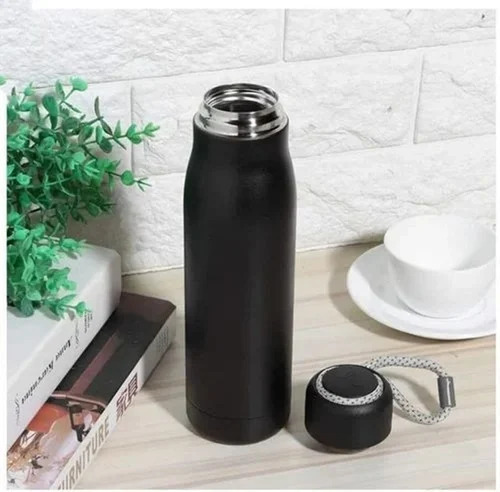
Vacuum Insulated Stainless Steel Water Bottle
Price:150.0 INR /Piece
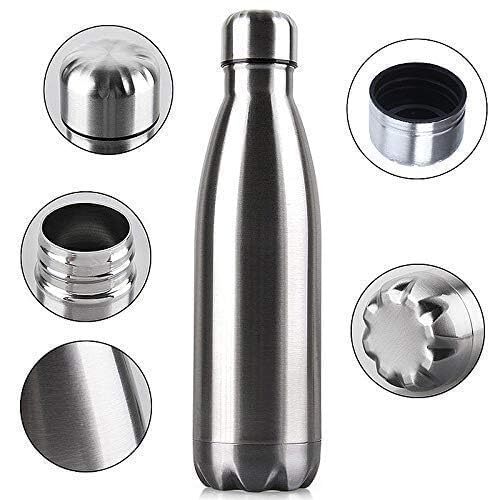
Vaccum Insulated bottle 1000 ml
Price:280 INR /Bottle
Metal Bottles
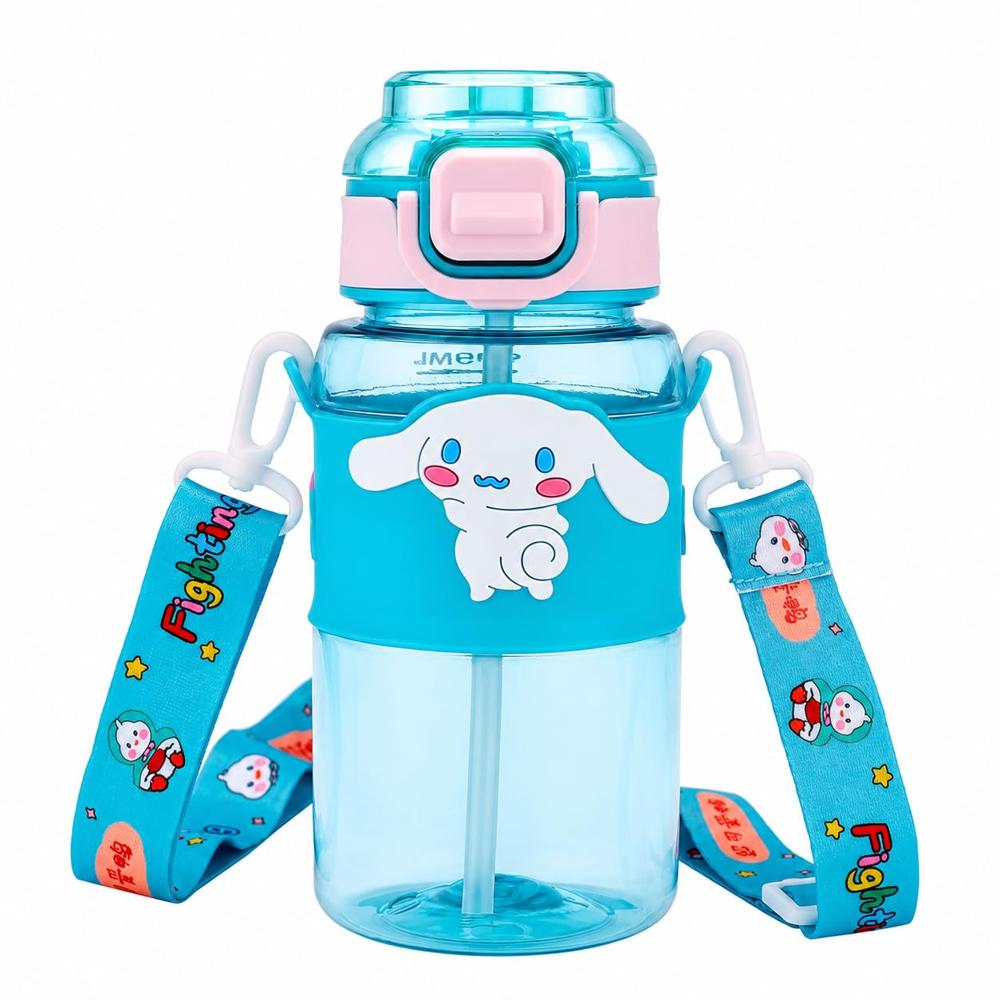
One-Click Open Kids Water Bottle with Shoulder Strap
Price:160.00 INR /Case
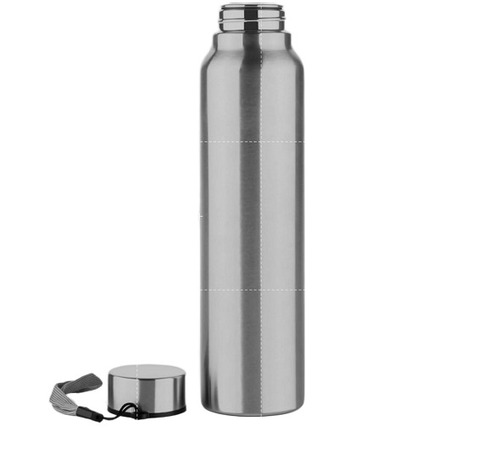
Steel Water Bottles
Price:130 INR /Piece
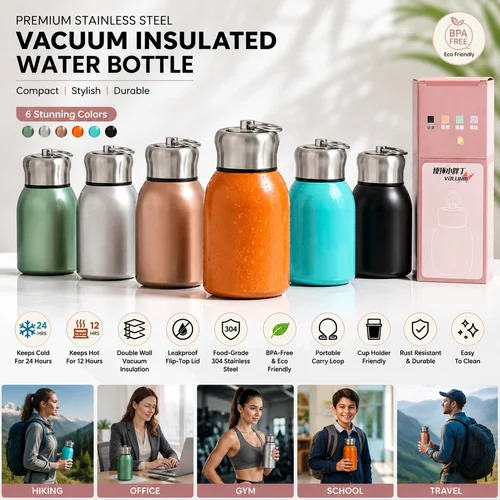
Stainless Steel Thermal Bottle 300ml
Price:155 INR /Piece
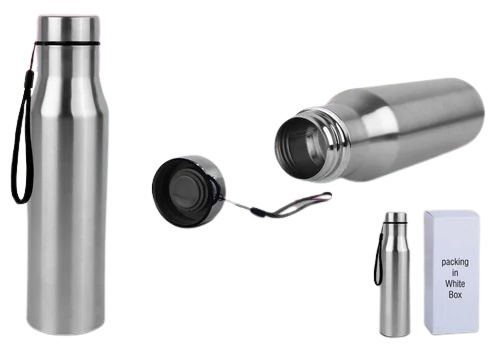
Stainless Steel Bottle
Price:185 INR /Bottle
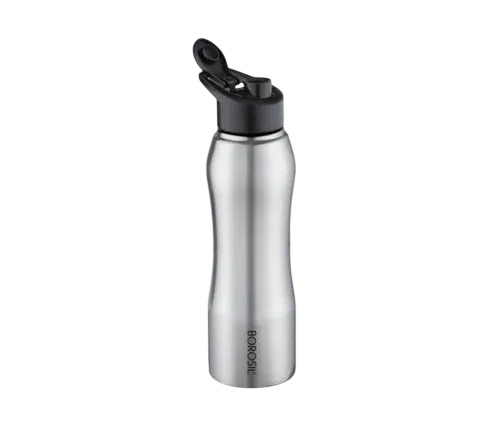
Grip and Sip SS 1000Ml
Price:335 INR /Piece
Polycarbonate Bottle
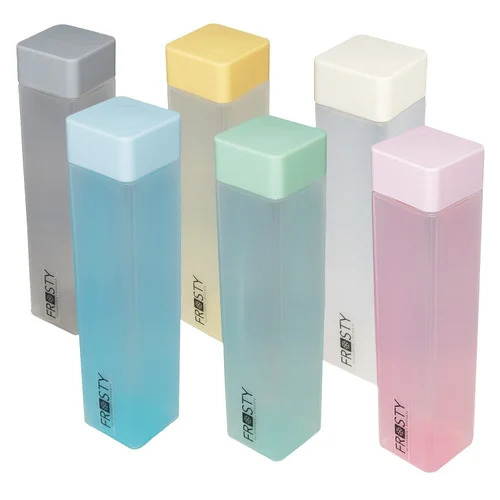
Polycarbonate Bottles
Price:120 INR /Unit
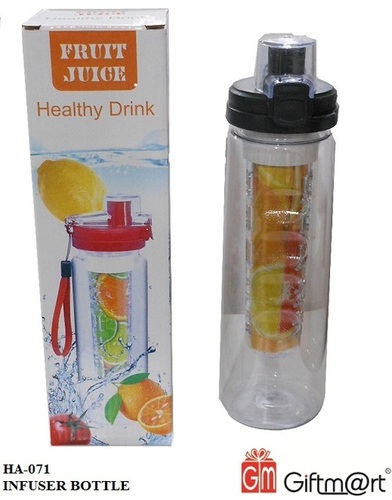
Fruit Infuser Bottle
Price:255 INR /Piece

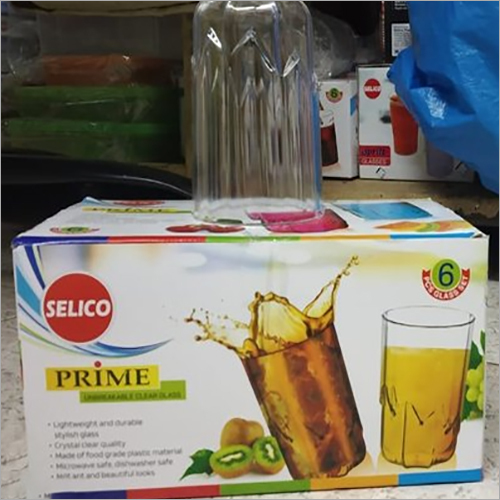
Polycarbonate Unbreakable Glasses
Price:100 INR /Set

100% Recycle PC Water Bottle Regrind Scrap
Price:450 USD ($) /Metric Ton
Beer Bottle
Flint Beer Bottle Family
Price:8-15 INR /Bottle
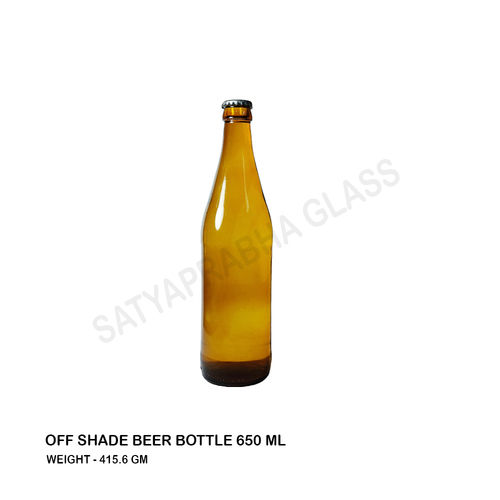

20 ml beer shape bottle
Price:1.7 INR /Perch
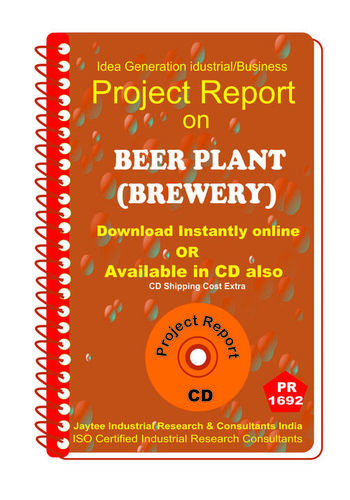
Beer Plant (Brewery) manufacturing Project Report eBooK
Price:400 USD ($) /Piece
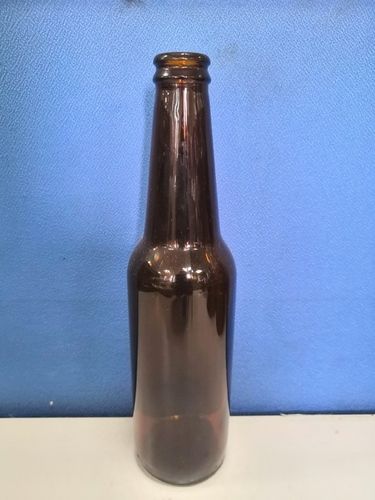
330ML Beer Glass Bottle
Price:0.2 USD ($) /Piece
Disposable Products
Plastic Drinking Cups
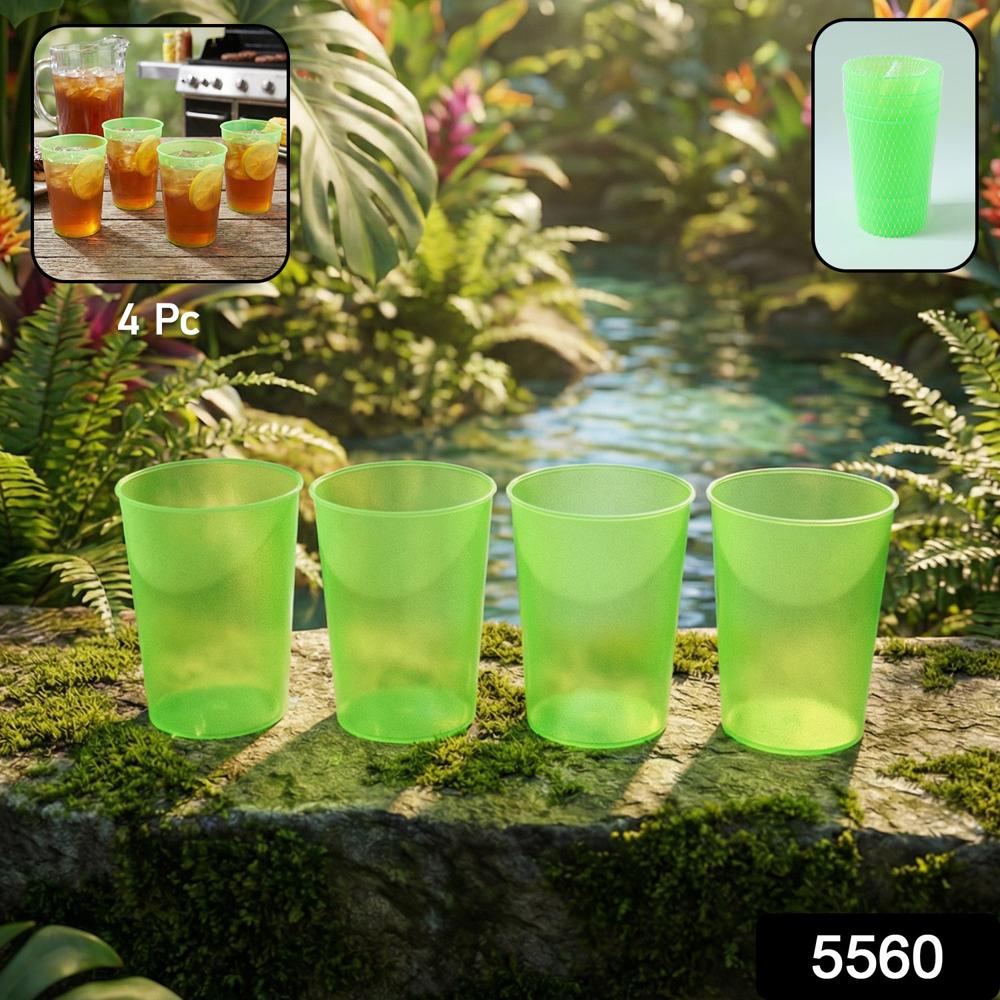
Reusable Plastic Drinking Tumblers - 4-Piece Transparent Water Cup Set
Price:25.66 INR /Piece
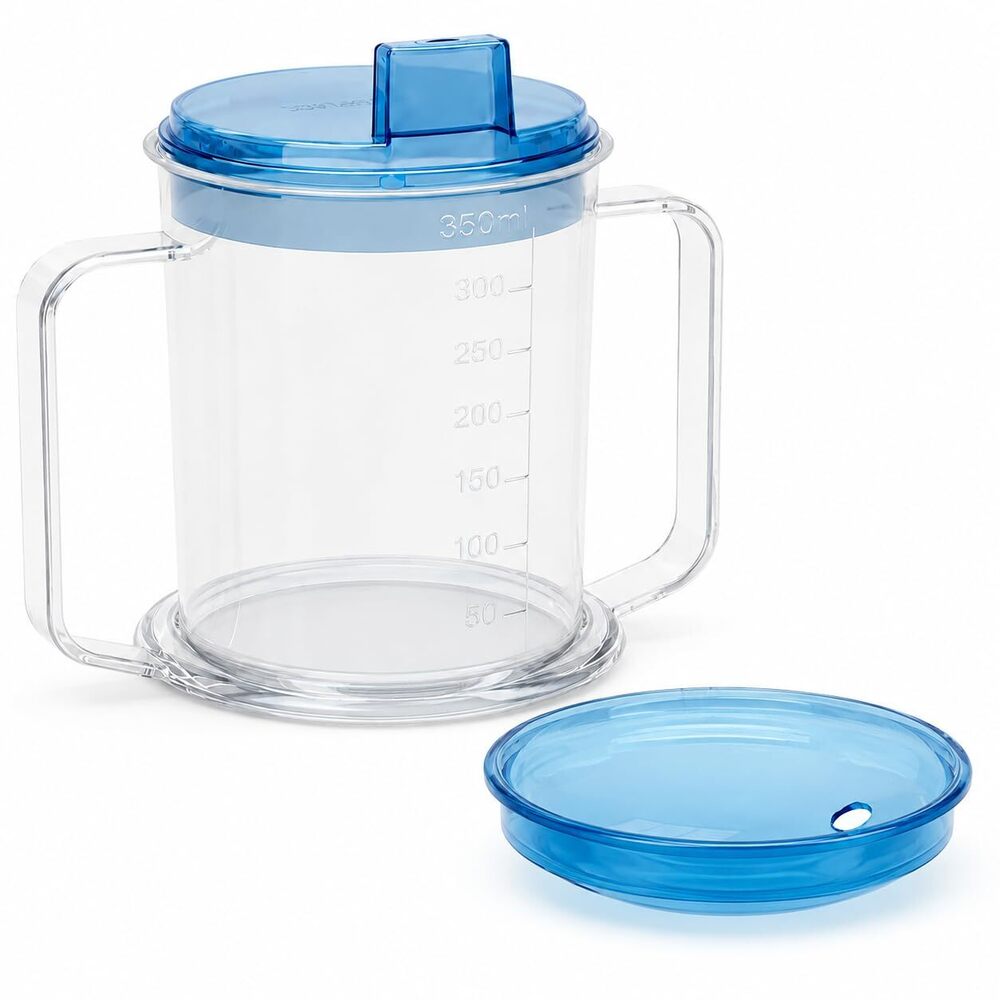

Yellow Round Shape 65ml 40gm Pouring And Liquid Drinking Plastic Cup
Price:40 INR /Piece
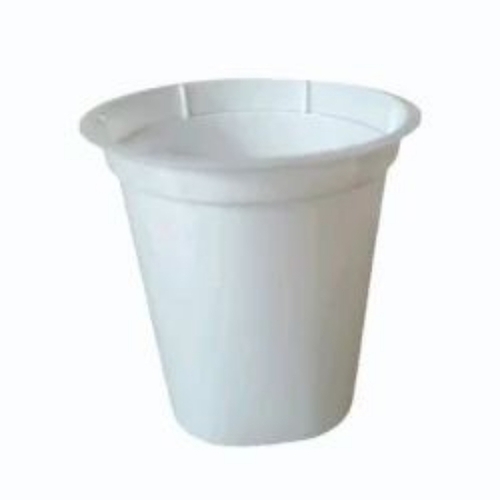
Plastic Cup
Price:2 INR /Piece
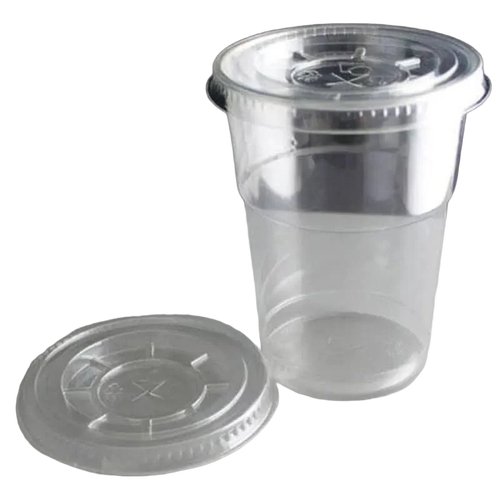
Plastic Cups
Price:4 INR /Piece
Toothpick
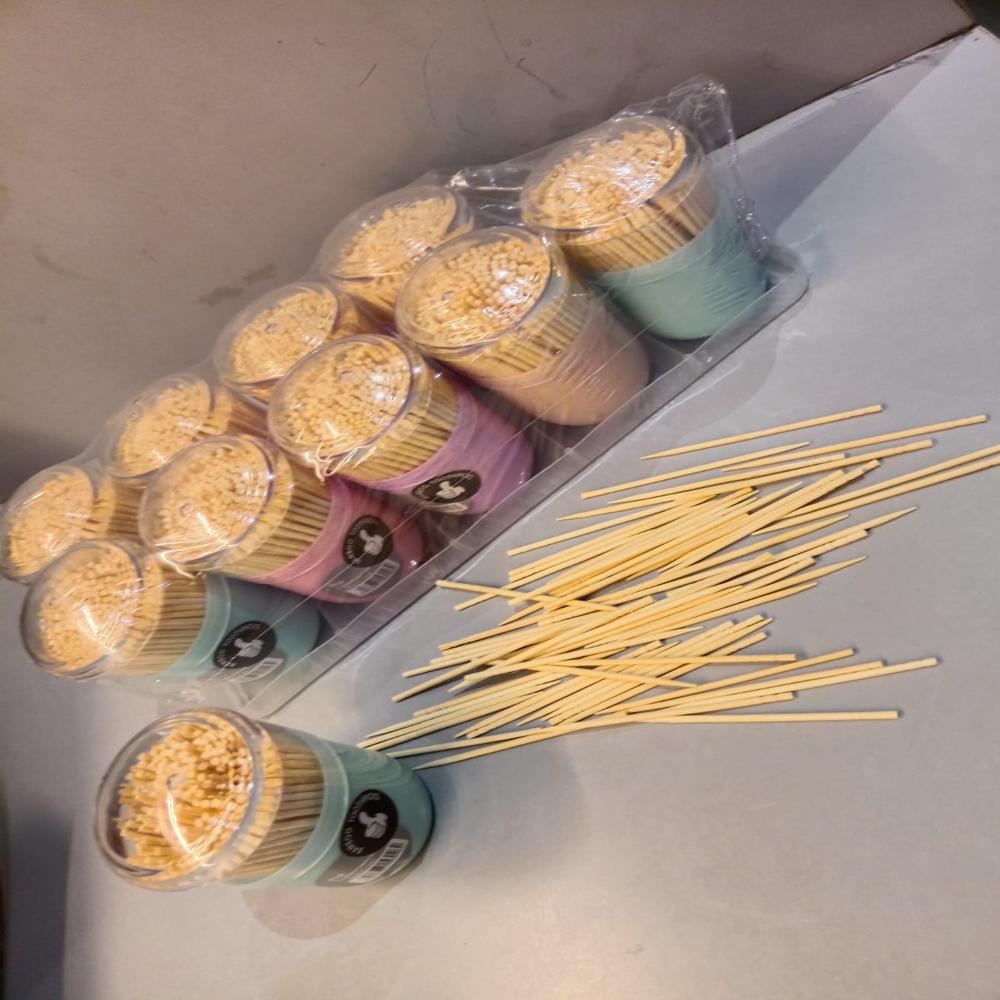
IMPORTED ROUND BIG BOTTEL TOOTHPICK
Price:14.50 INR /Box
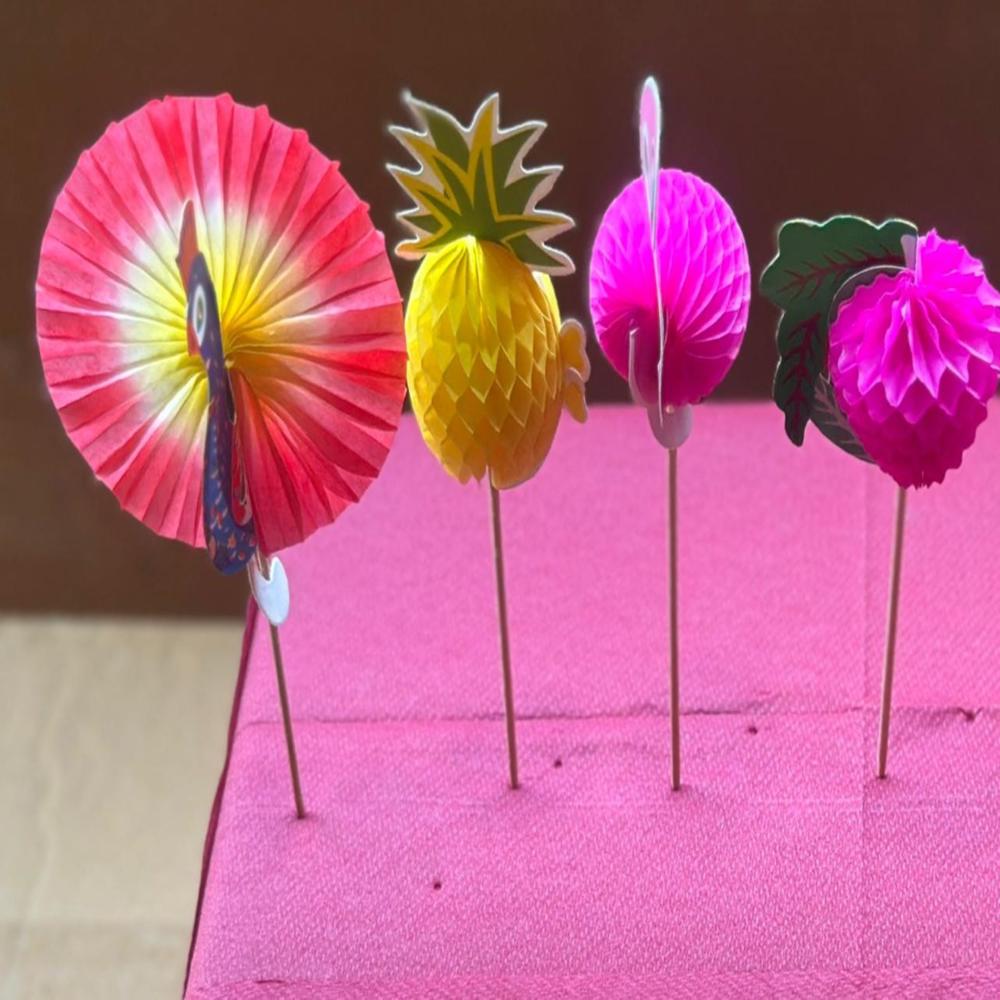
FANCY CRAFTED TOOTHPICK
Price:150.0 INR /Unit
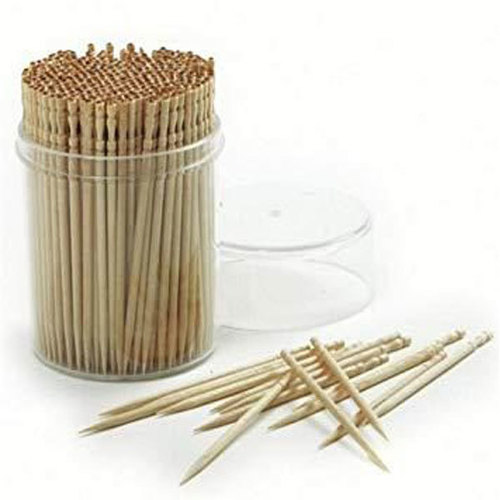
Wooden Toothpick
Price:6 INR /Bottle
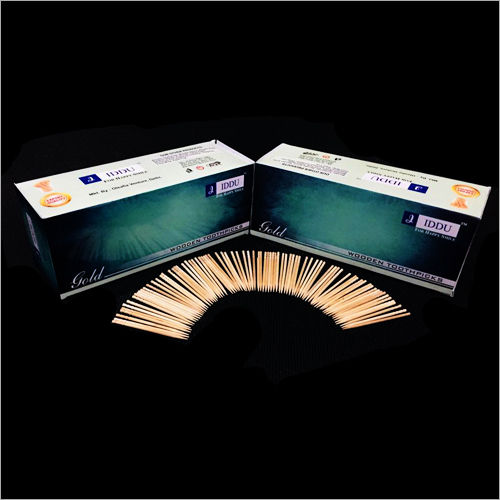
Toothpick
Price:70 INR /Carton

Factory Price Wholesale Bamboo Toothpicks
Price:0.5 USD ($) /Box
Plastic Straw
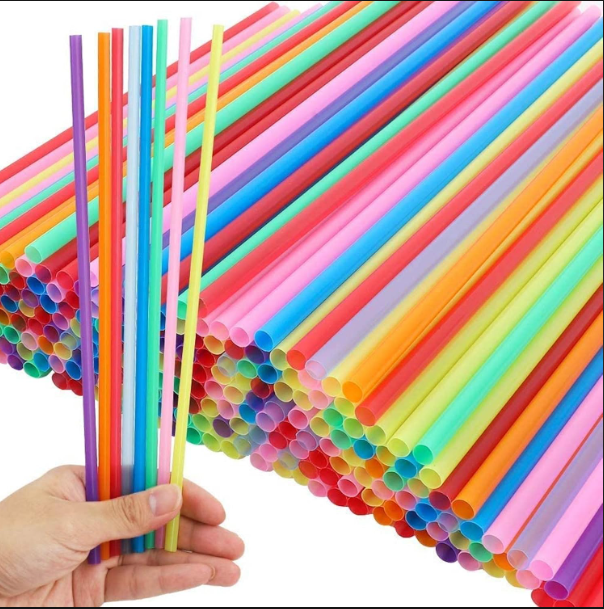
Plastic straw 5mm
Price:8.0 INR /Carton

STRAW SET
Price:35.0 INR /Piece

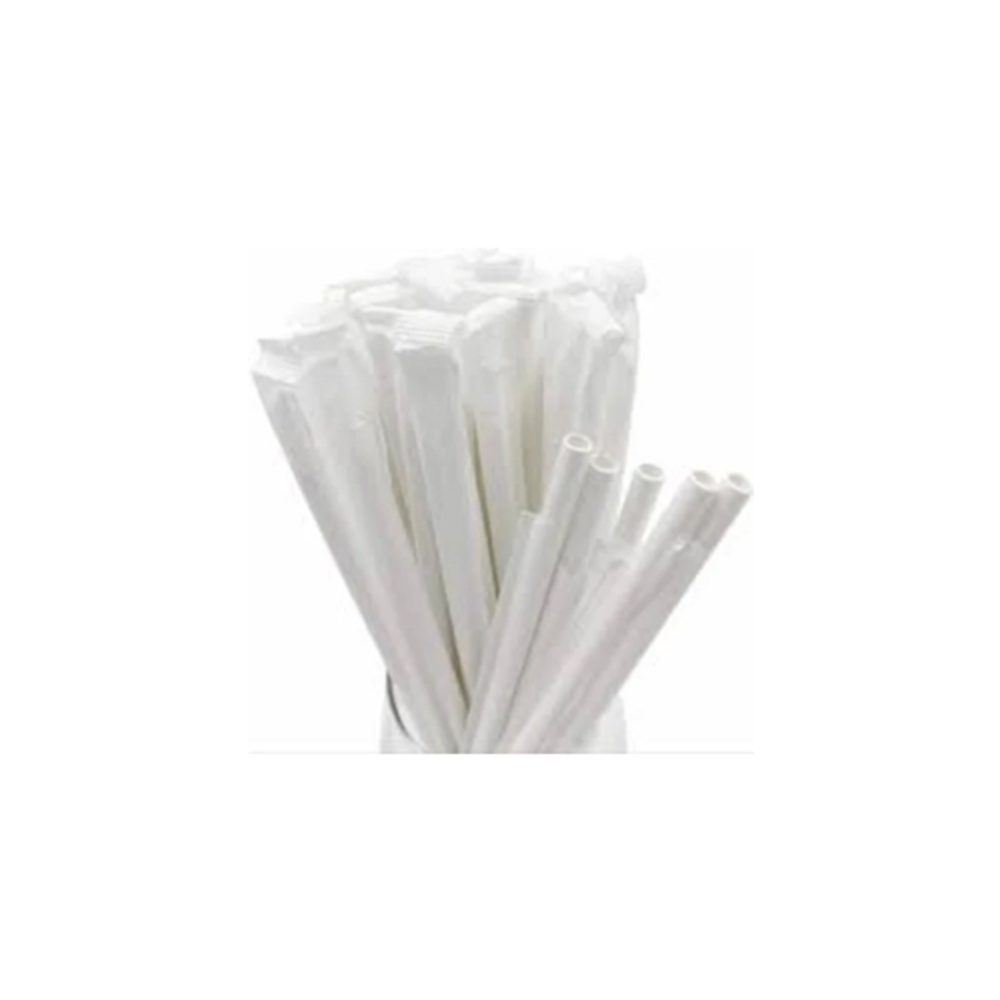
Plain Paper Straw
Price:40 INR /Pack
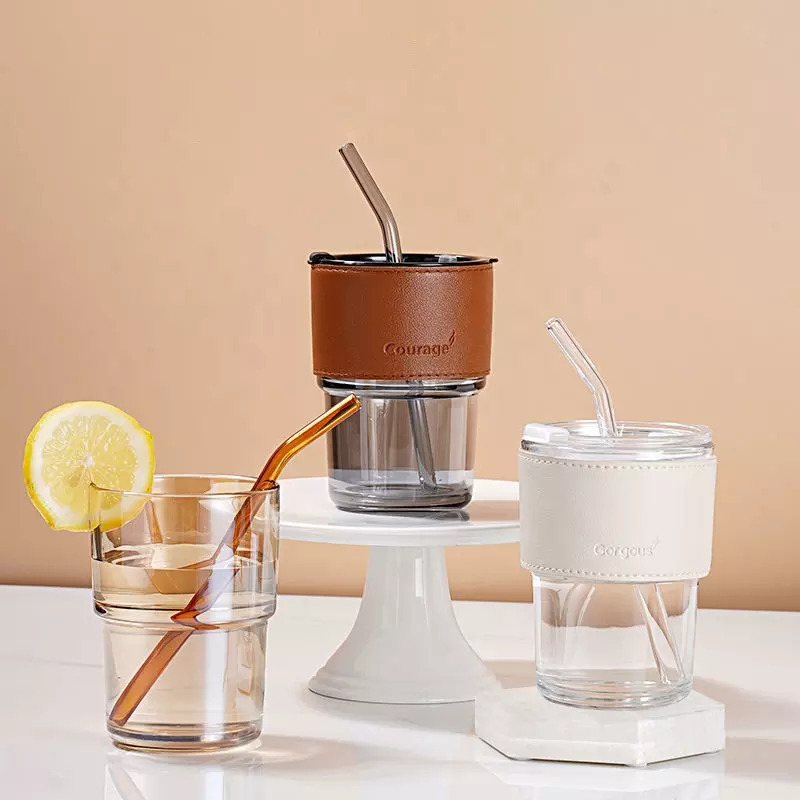
Flexible Straws

Steel Straw Set
Price:19.0 INR /Set

Plastic Drinking Straw
Price:50 INR /Pack
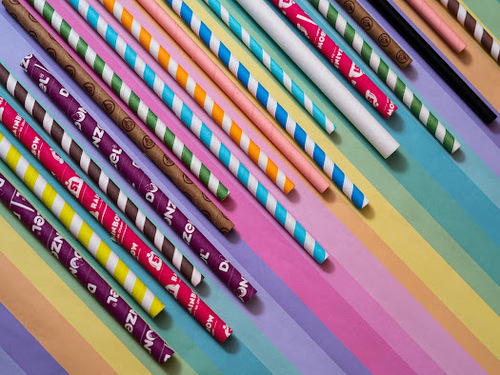
Customized Paper Straw
Price:2000 INR /Carton
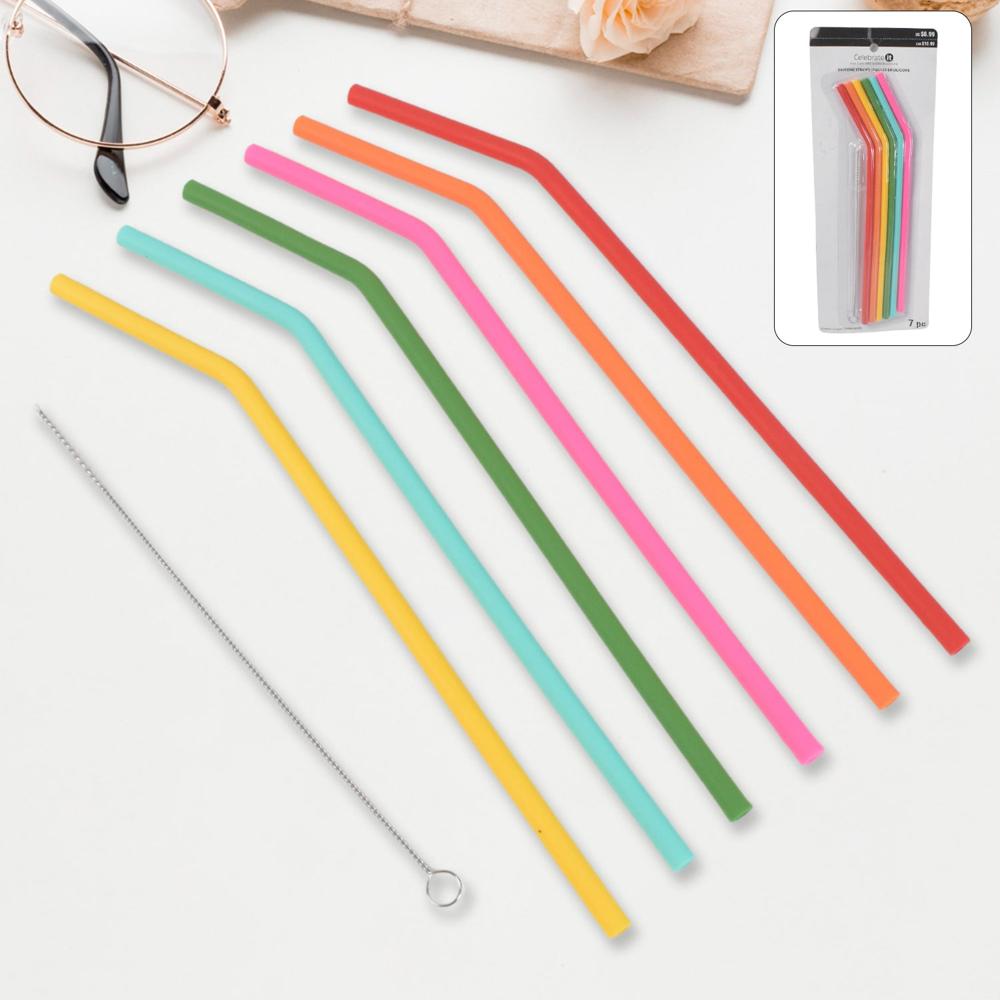
Reusable Silicone Straws Flexible Drinking Straws with Cleaning Brush (7 pc)
Price:53.46 INR /Piece
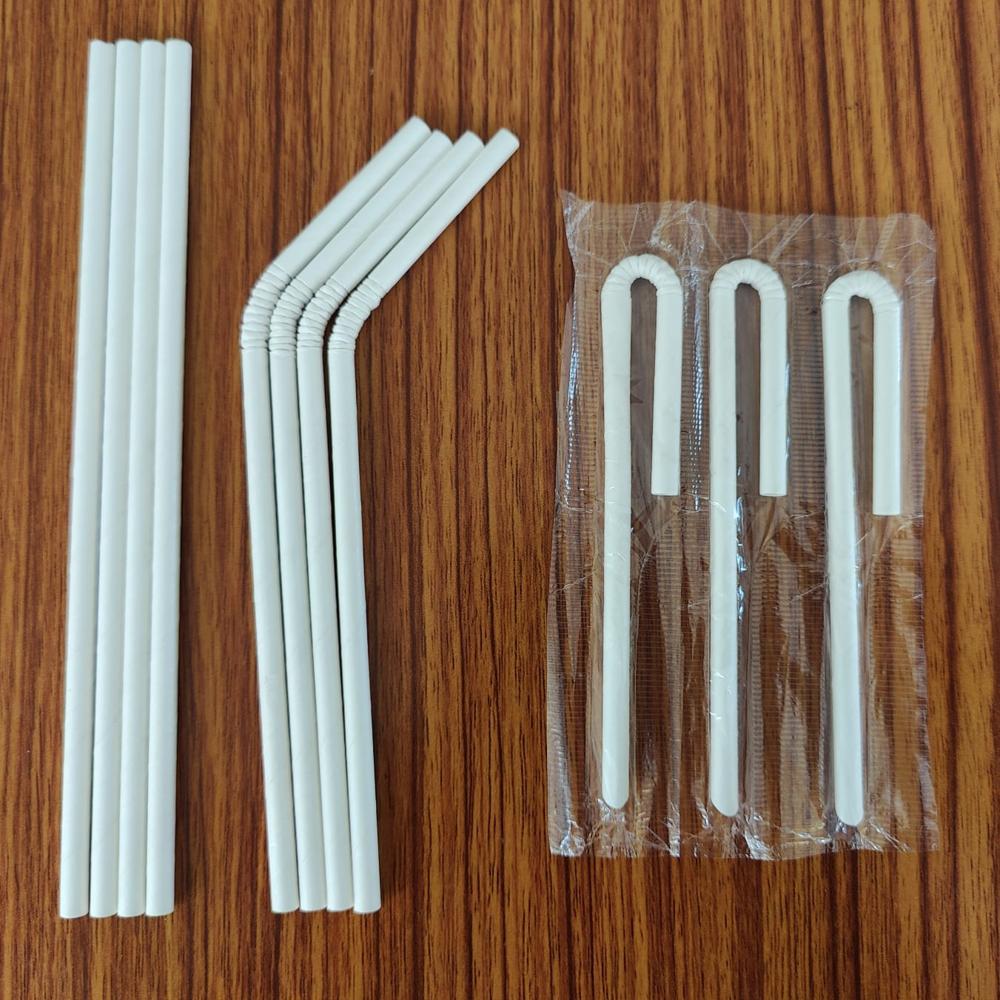
U Bend Paper Straw for TetraPak
Price:10000.00 INR /Box
Labels, Stickers & Tags
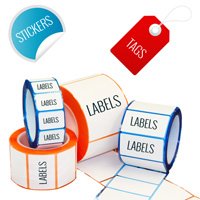
Brass Tags

3 Mm Thick Brass Made Clothing Tag
Price:5 INR /Piece
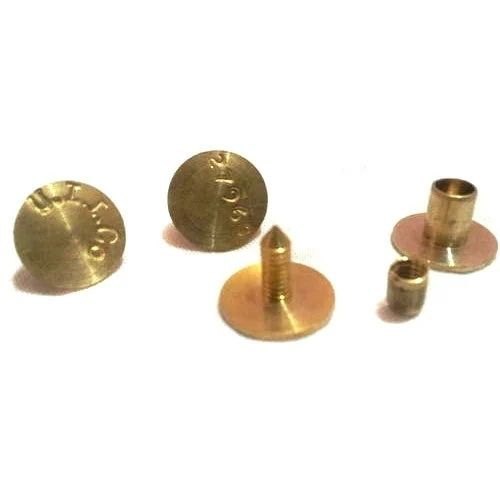
Tag Applicator Pin - Brass 22m
Price:267.96 INR /Piece

Brass Sheet Cutting Tags
Price:20 INR /Piece

Wash Label
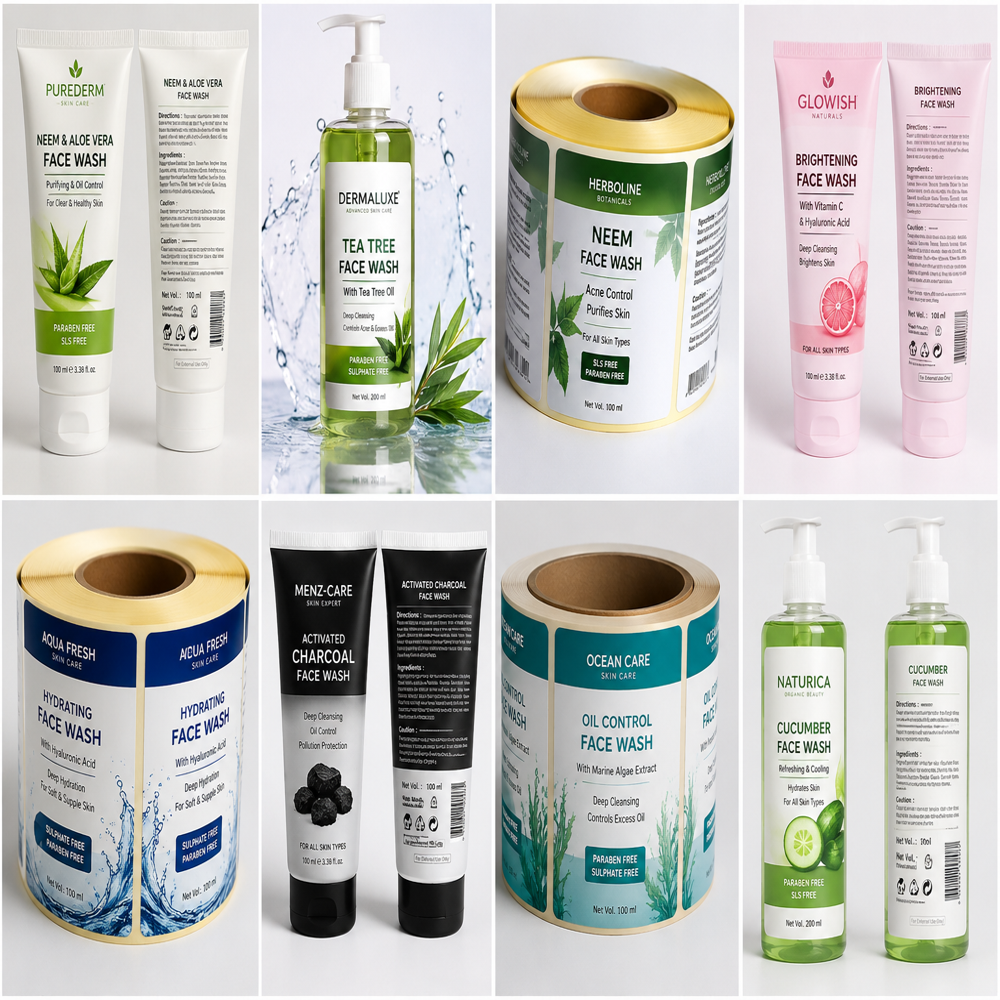
Face Wash Labels
Price:1.25 INR /Piece
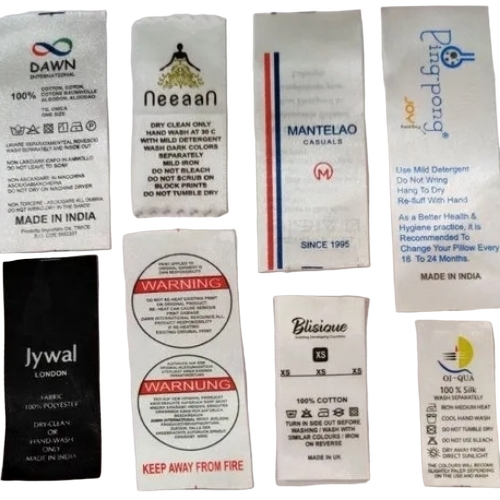
White Printed Wash Label
Price:1 INR /Piece
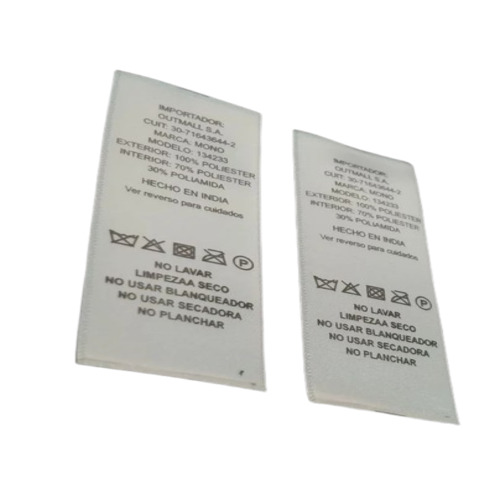
Impress Wash Label
Price:500 INR /Piece
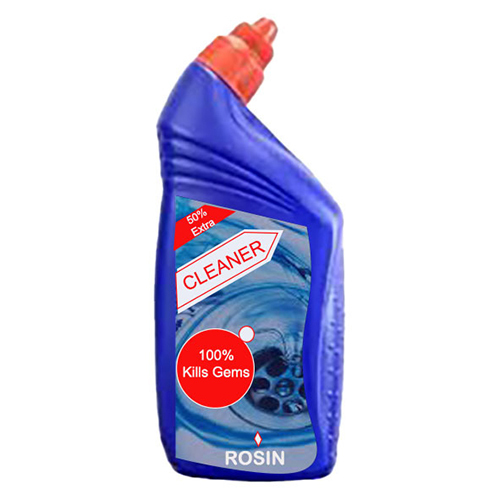
Toilet Cleaner labels
Price:1.0 INR /Piece

Labels For T-shirt
Price:1.2 INR /Piece
Soft Pvc Label
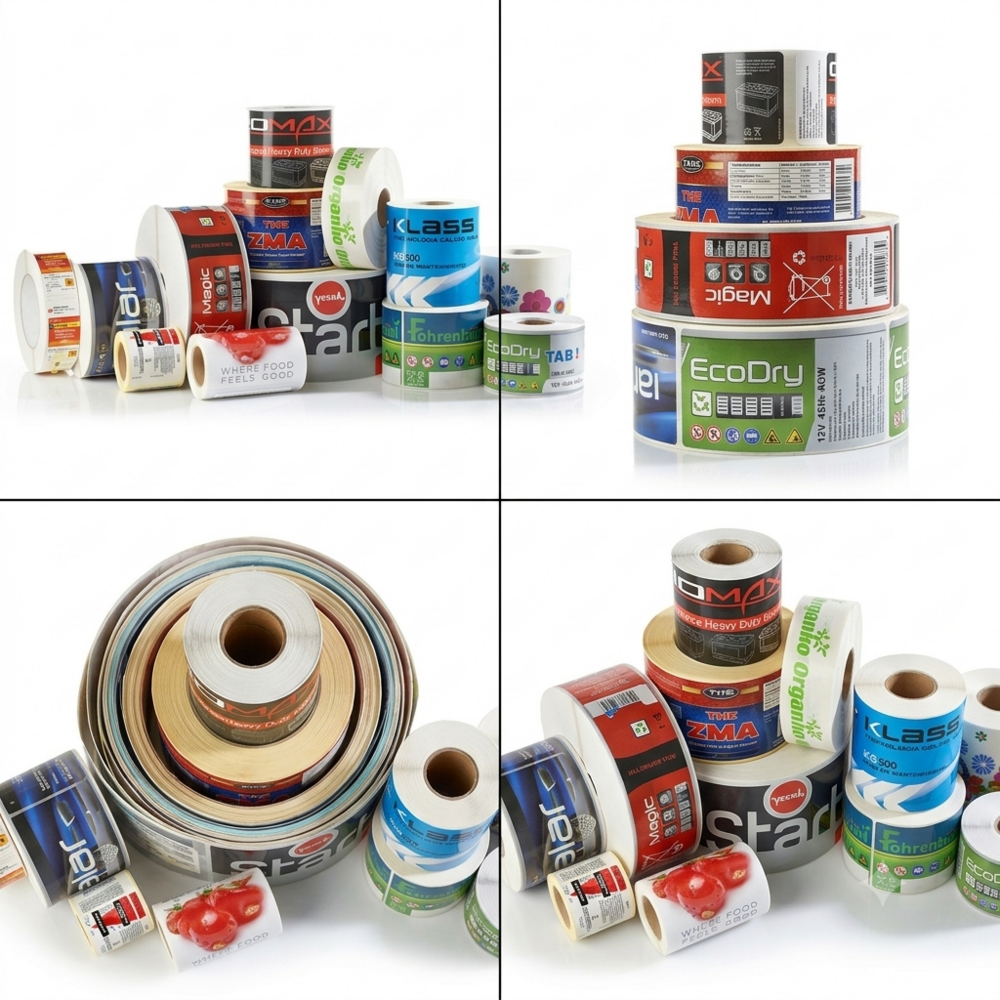
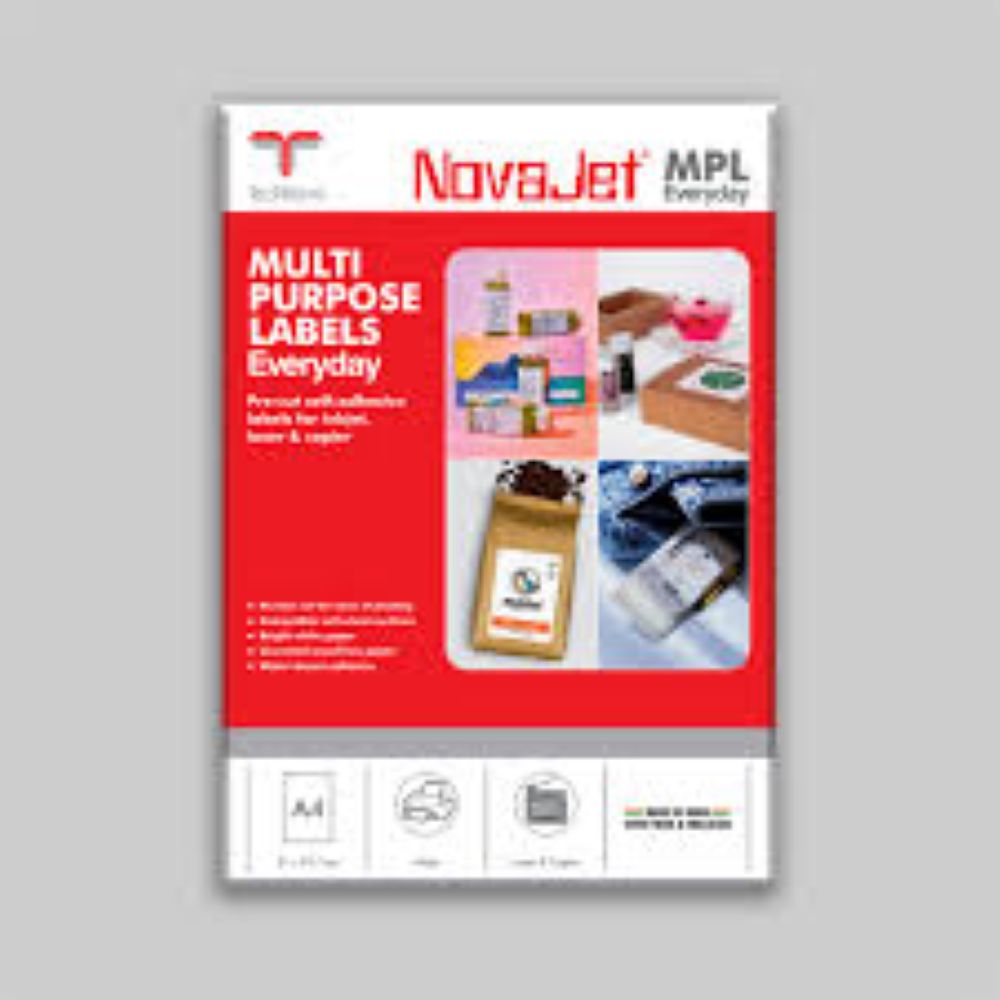
Technova MPL Label
Price:270.0 INR /Number
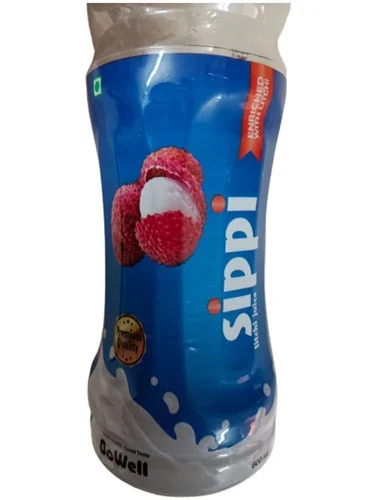
Litchi Bottle PVC Label
Price:400 INR /Kilograms
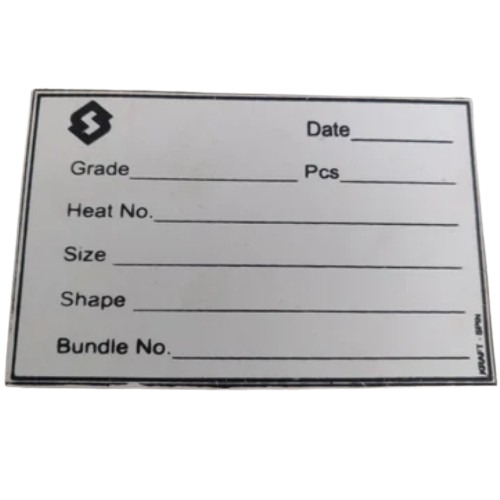
Hard Pvc Printed Label
Price:5 INR /Piece
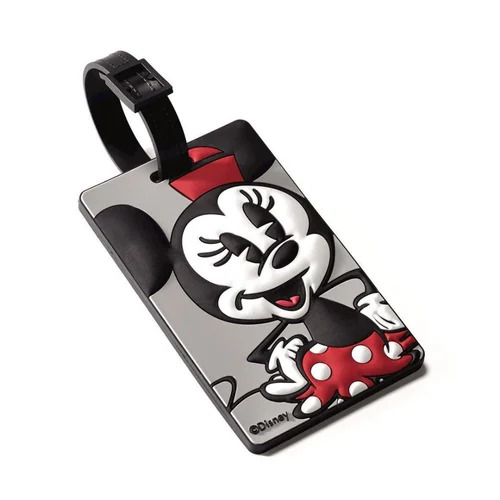
Soft Pvc Label
Price:25 INR /Piece
Electronic Labels
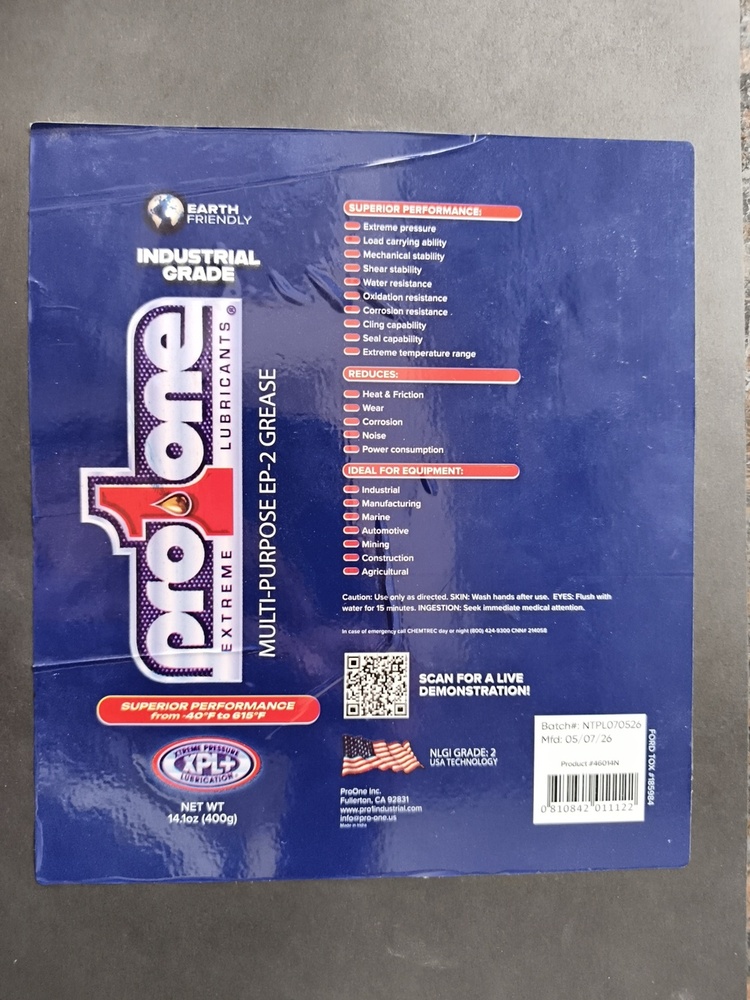
Multi-Purpose EP-2 Grease Chemical Industry Labels
Price:0.60 INR /Piece
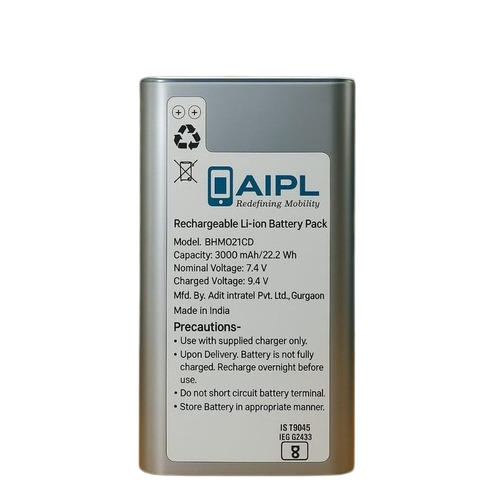
Battery Labels
Price:2.00 INR /Piece
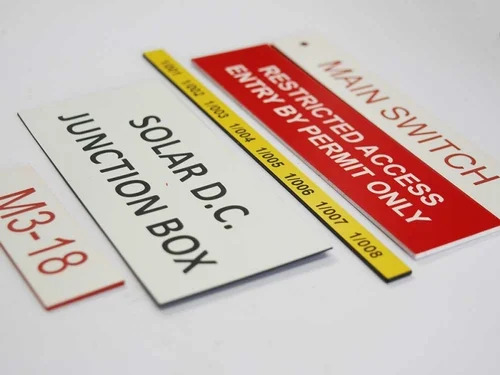
ABS Traffolyte Labels
Price:110 INR /Piece
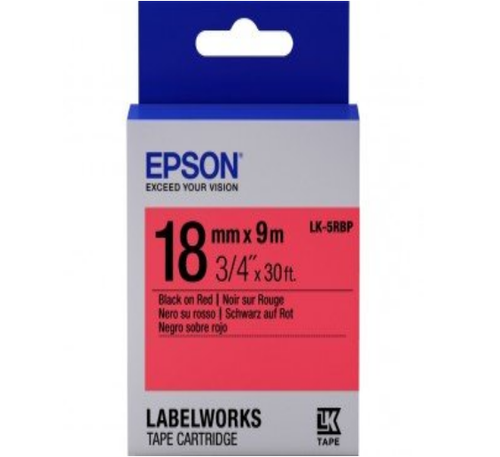
LK-5RBP 18MM B/R Label Tape
Price:761.00 INR /Piece
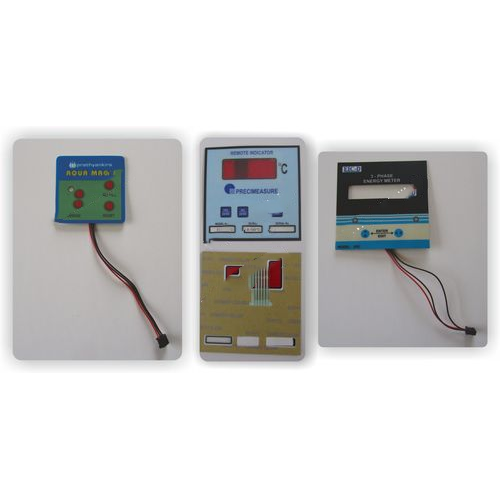
Front panel
Price:500 INR /Piece
Fabric Sticker

Gota Patti Fabric Sticker sheet
Price:26 INR /Sheet

10x9 Inch Mandir Big Gold Micro Sticker
Price:180 INR /Piece
Cmyk Embroidery Stickers
Price:7.50 INR /Piece
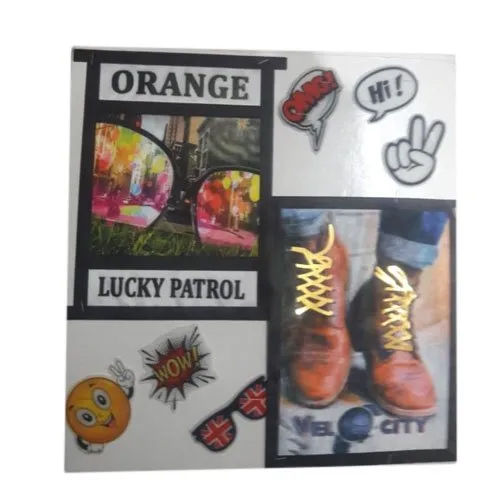
Garments Stickers
Price:22 INR /Piece
Plastic Packaging Materials
Food Containers

Twist-Locking Airtight Food Storage Kitchen Container Set
Price:60 INR /Set
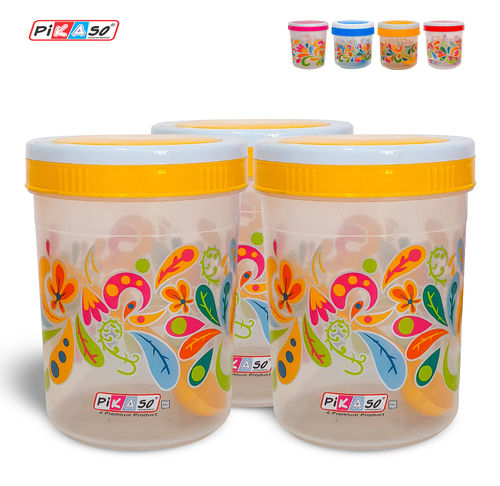
Cozy Dc 1600 Container (3 Pc Set)
Price:132.00 INR /Set
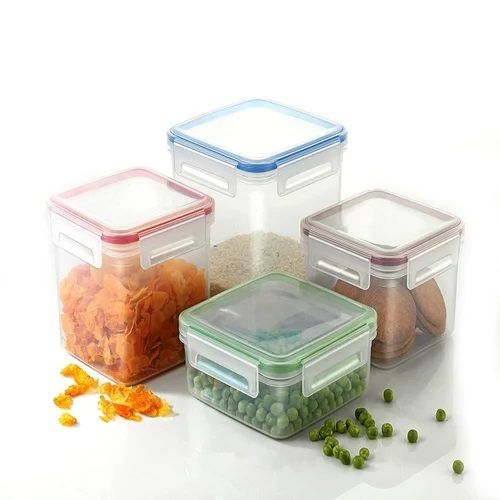
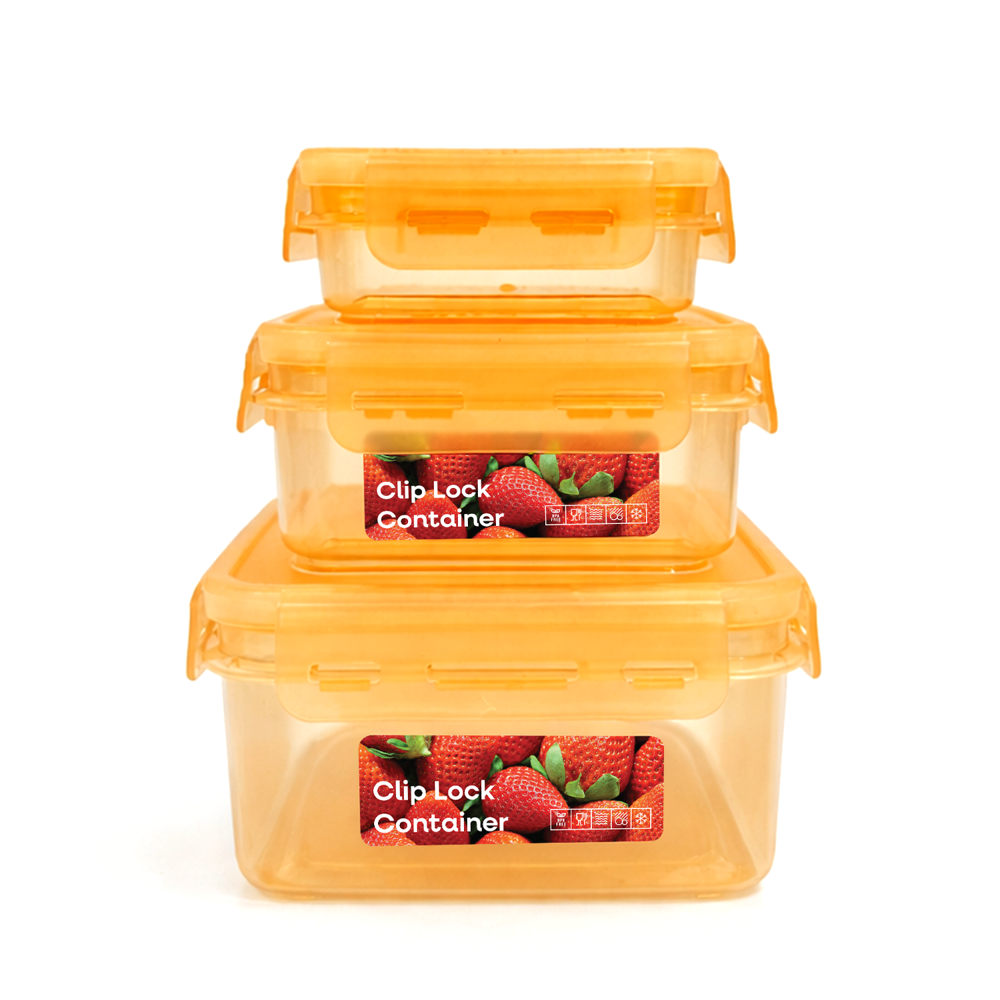
Shallow Smart Clip Lock Container 3 Pcs Set
Price:202.6 INR /Set
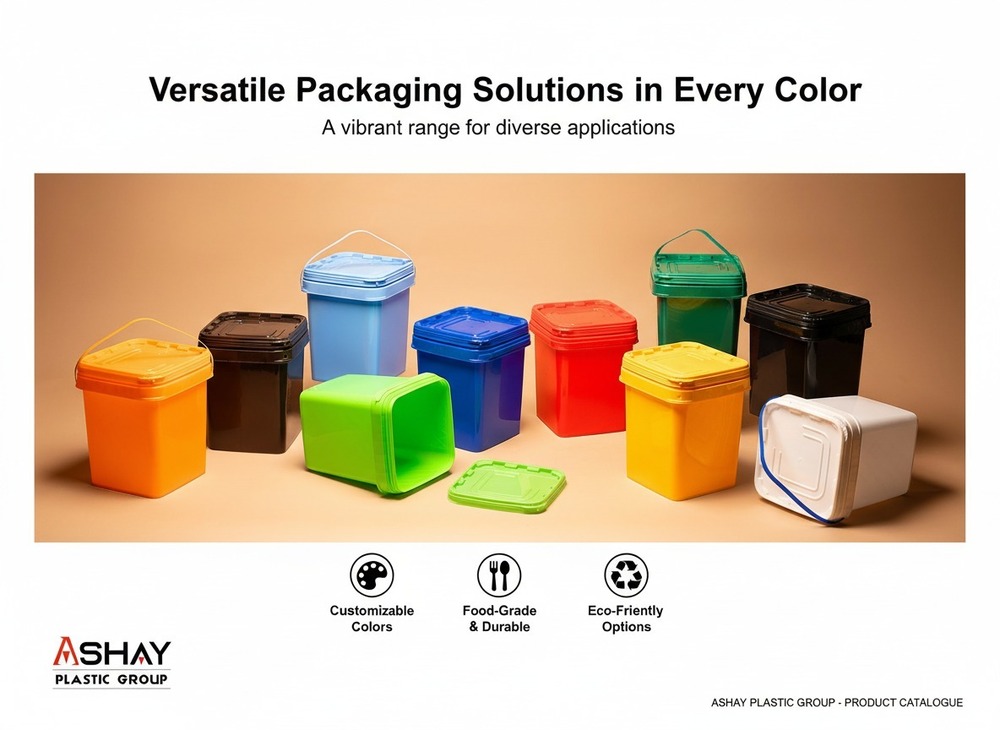
Tamper proof food containers
Price:25 INR /Box
Pvc Cling Film
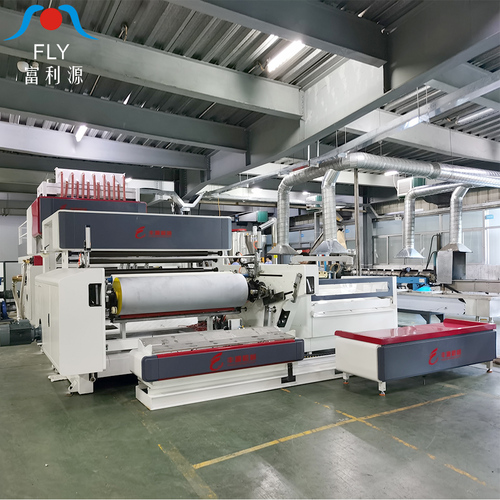
FLY PVC cling film making machine
Price:128800 USD ($) /Meter
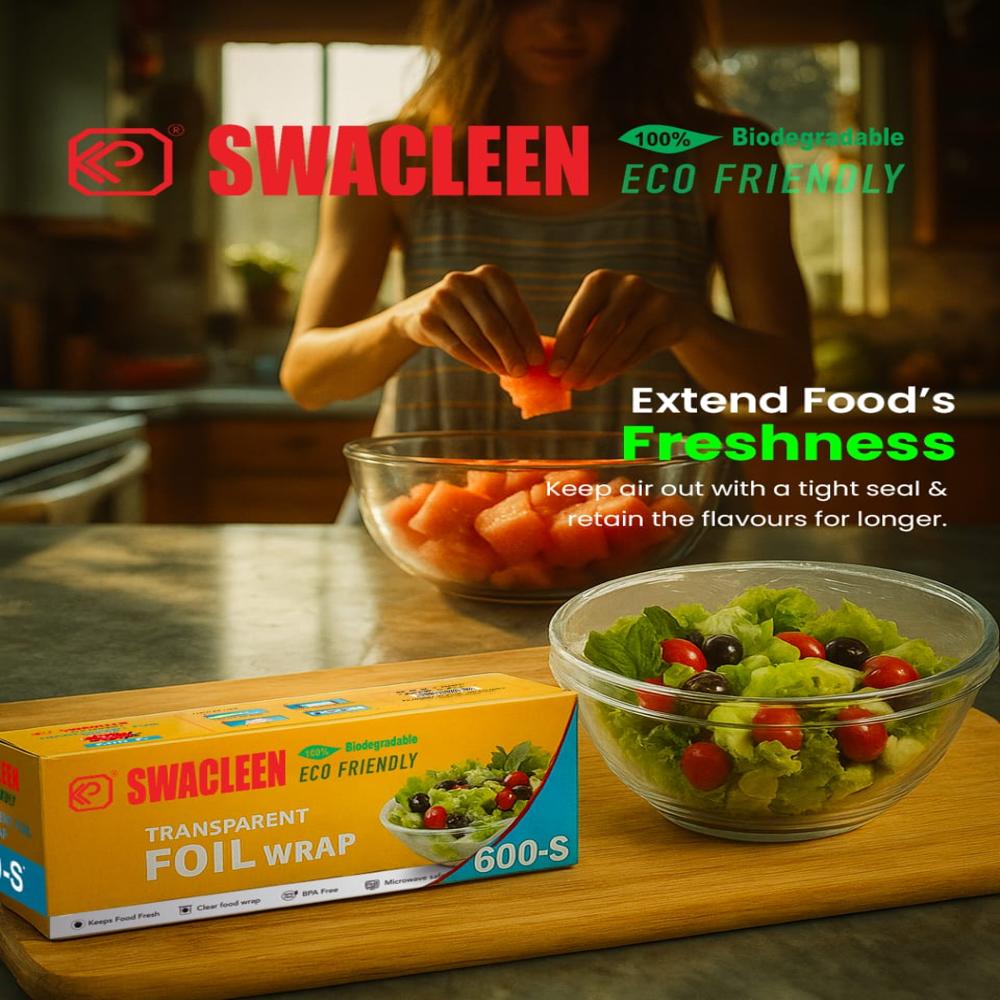
PVC Cling Film
Price:150.0 INR /Number

PVC food wrap FILM ROLL
Price:150.00 INR /Piece
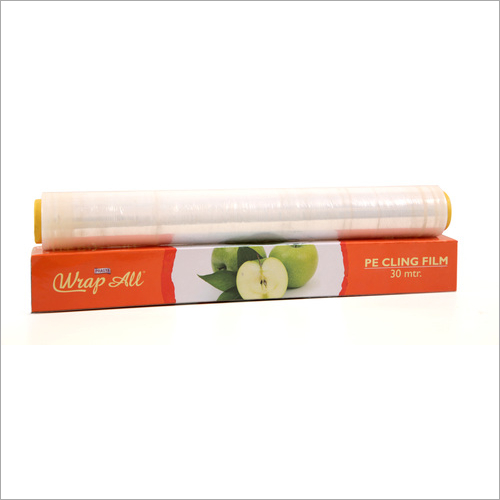
PE (Polyethylene) Non-toxic Cling Film
Price:150.00 INR /Kilograms
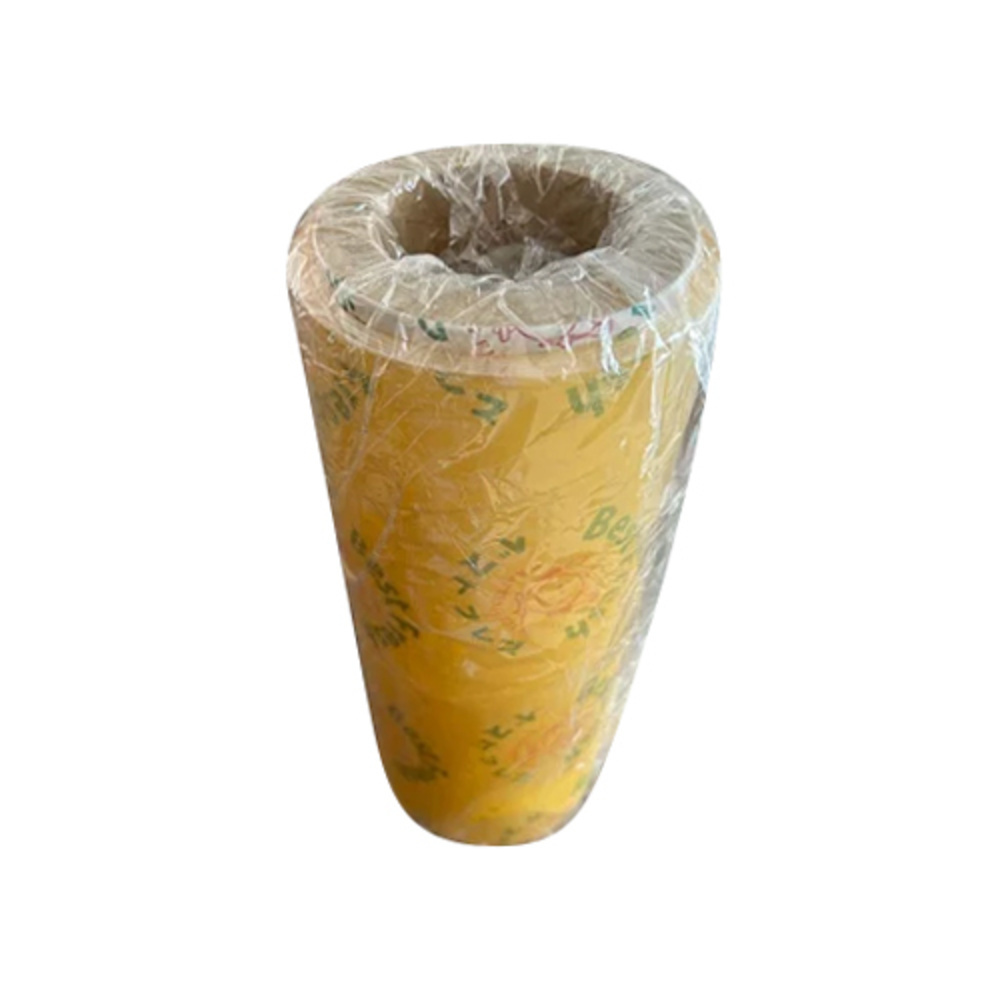
PVC Cling Film
Price:130 INR /Piece
Pet Shrink Films
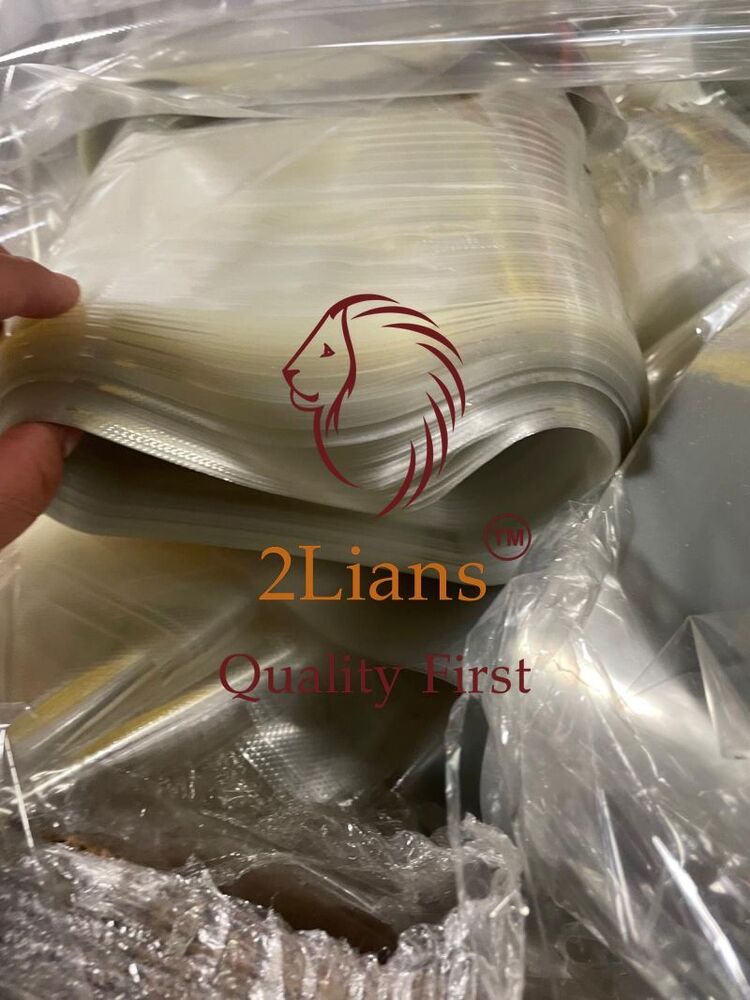
PET film without cores Natural
Price:400 USD ($) /Metric Ton
PET Shrink Film For Packing
Price:0.5 INR
Shrink Film
Price:25 INR /Piece
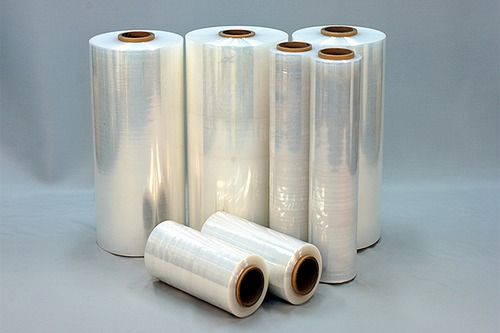
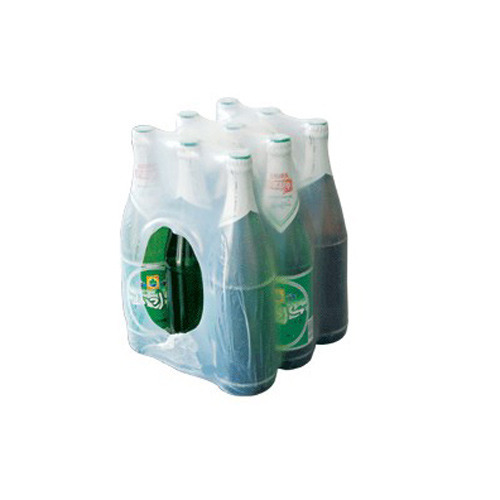
PE Heat Shrink Film
Price:90 INR /Kilograms
Flat Pouches
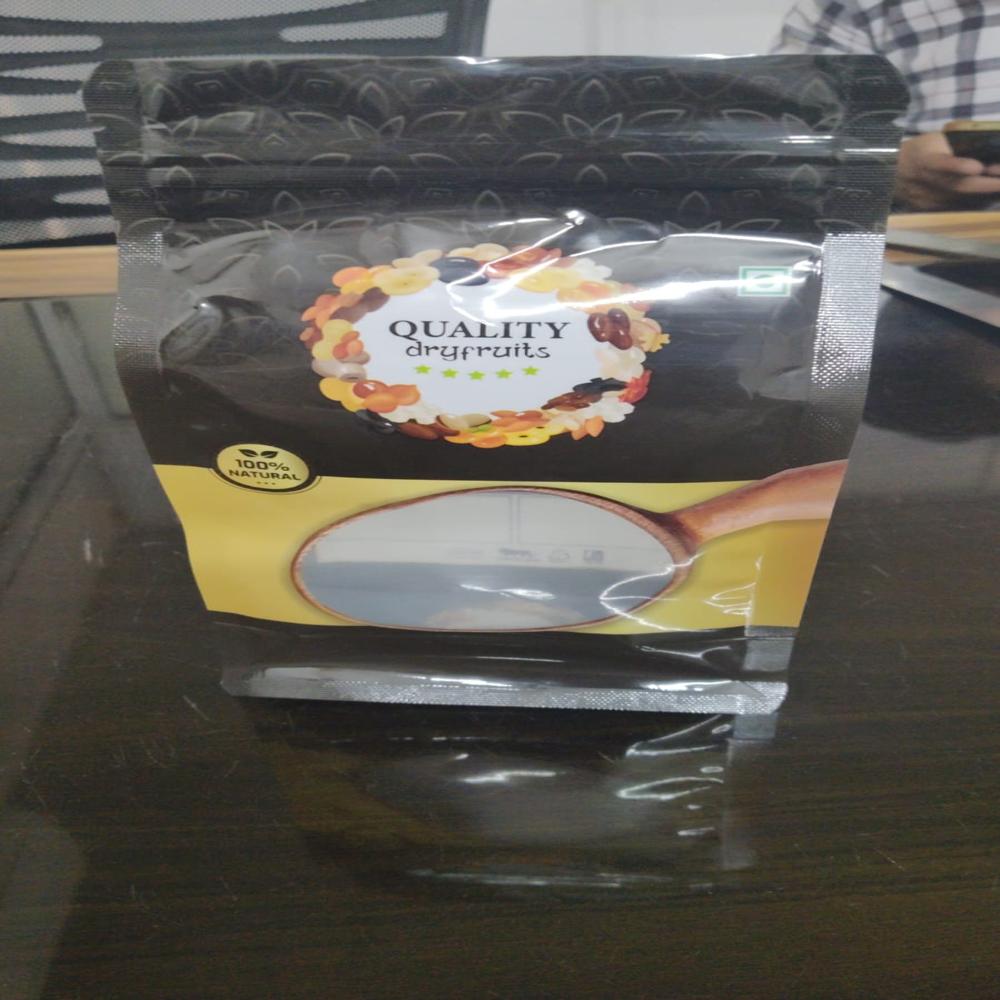
FLAT BOTTOM POUCH
Price:5.0 INR /Piece
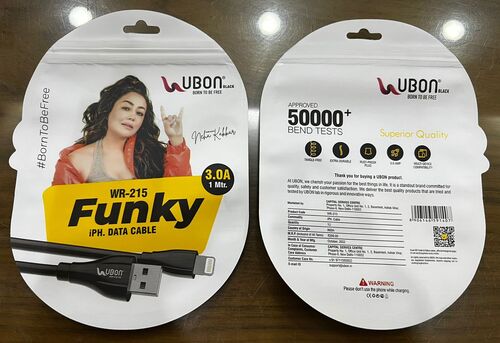
Shaped pouches
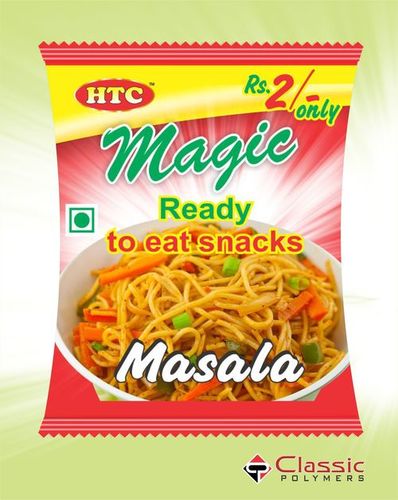
Price:5 INR /Piece
Flexible Flat Bottom Pouch
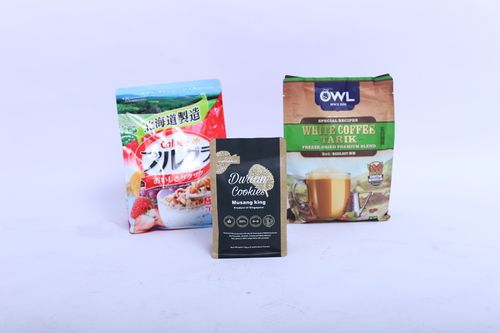
Price:0.01-1 USD ($) /Bag
Shaped Pouch
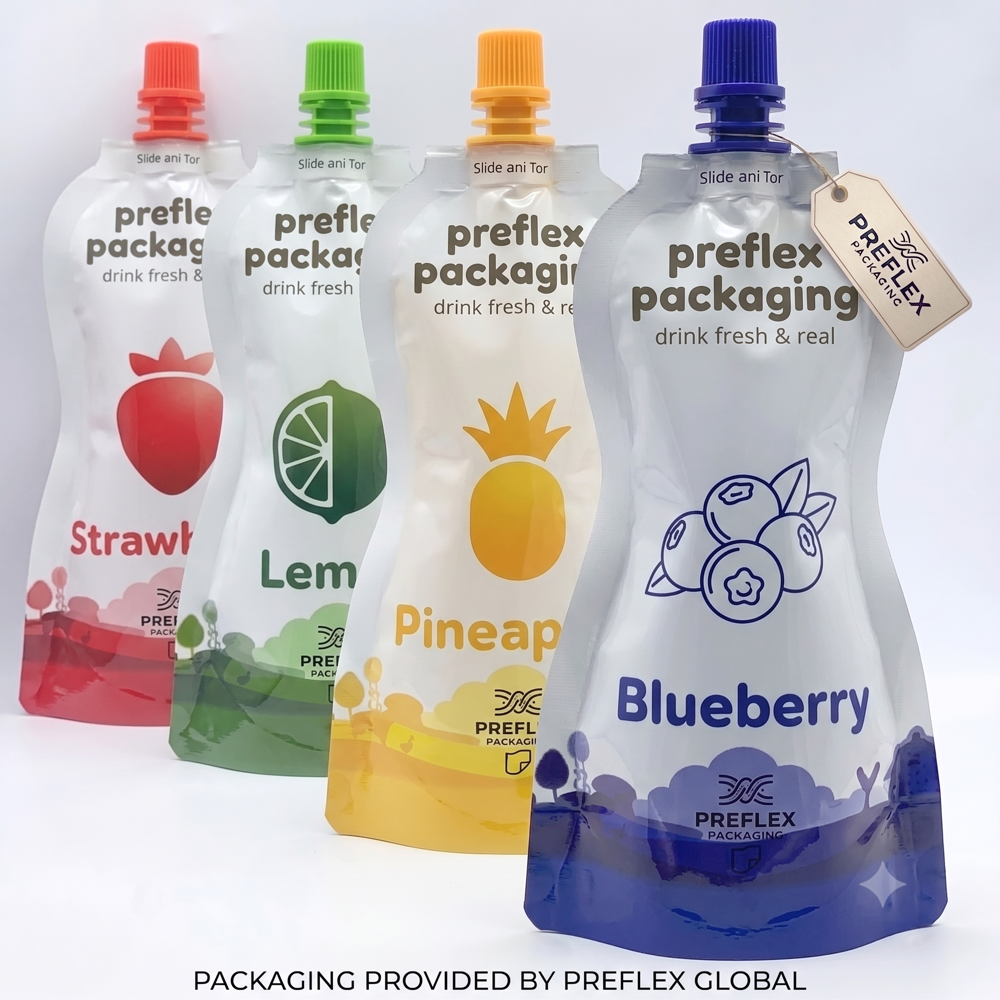
Price:12.0 INR /Kilograms
Layflat Tubing
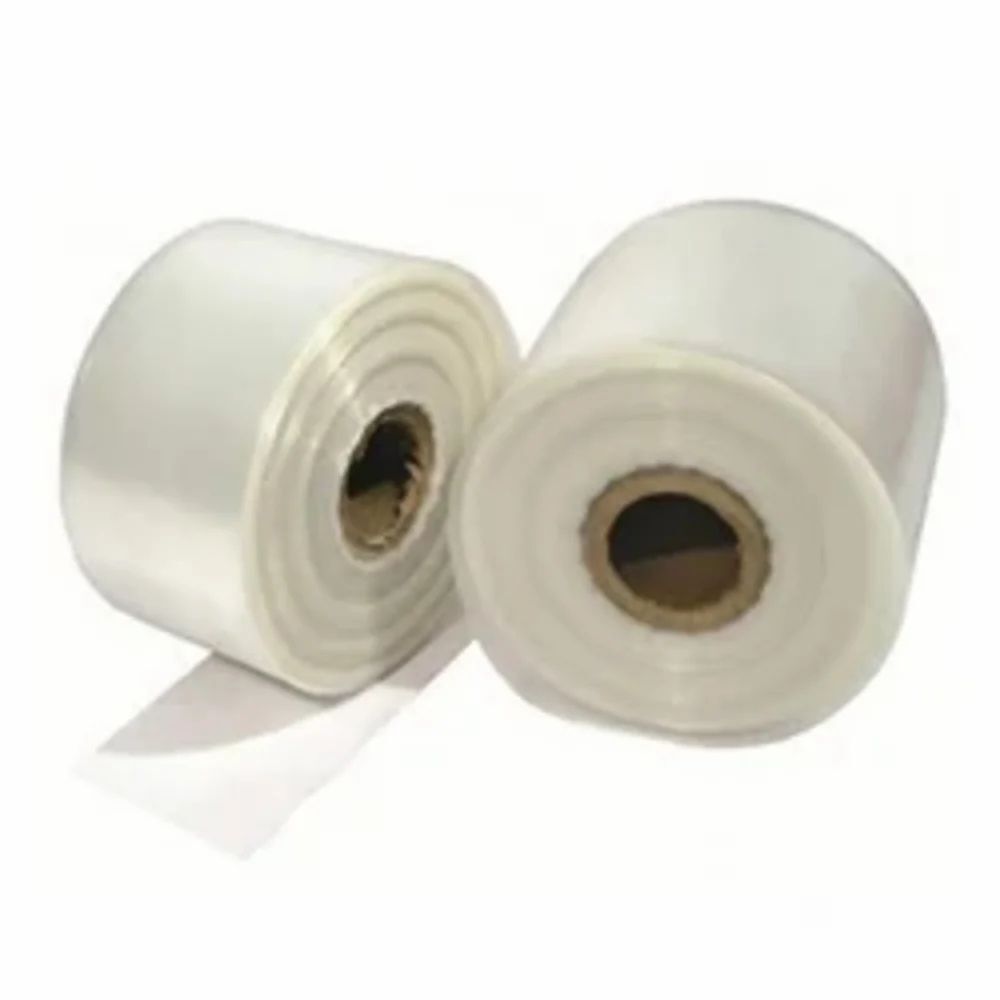
Layflat Tubing
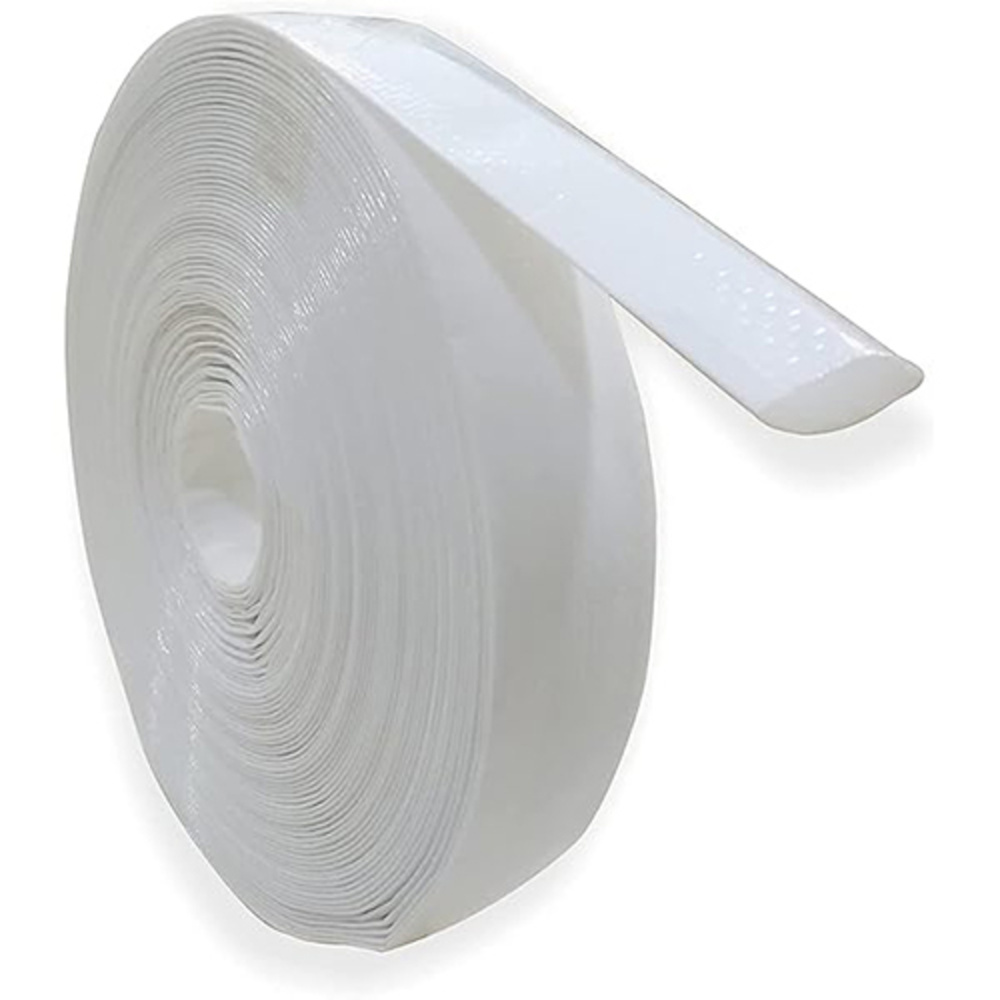
Price:160 INR /Kilograms
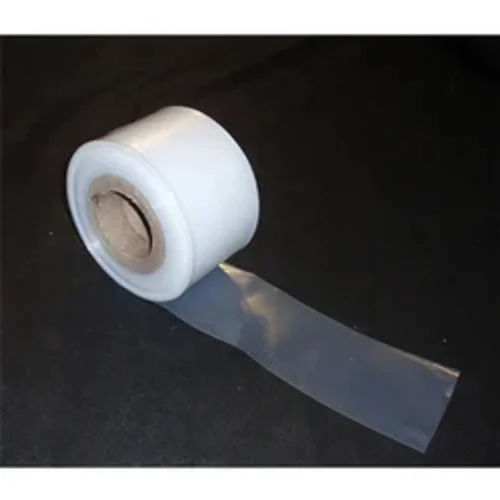
Lay Flat Tubing
Price:135 INR /Kilograms
Packaging Bags

Coffee Pouch
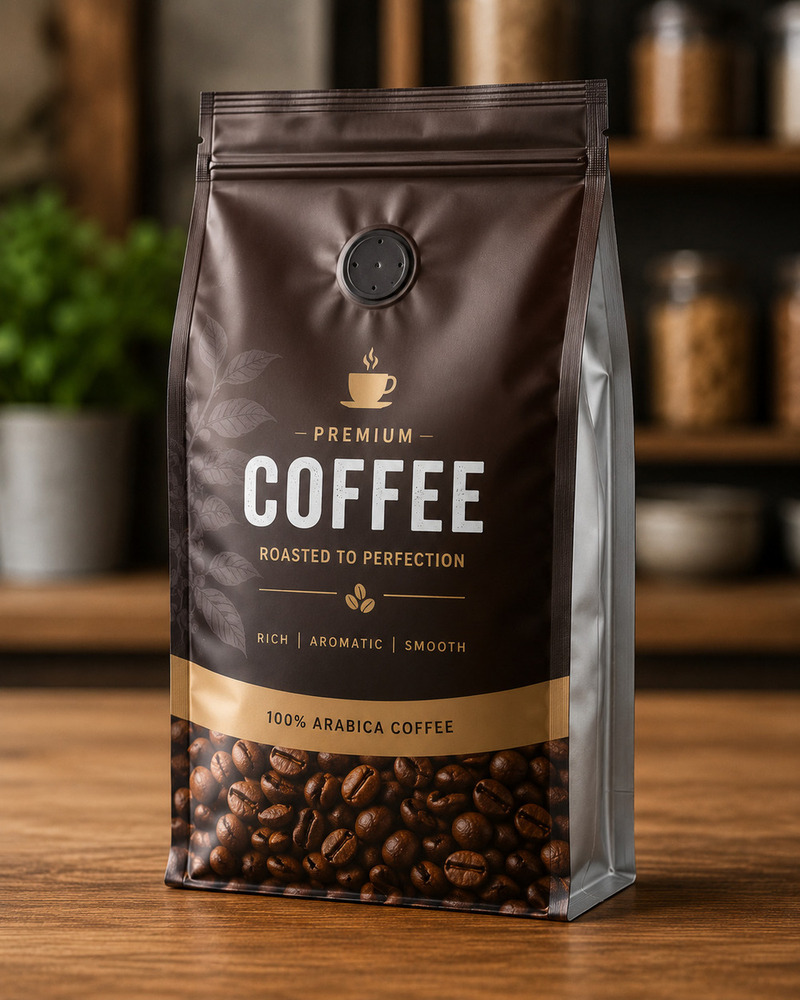
Coffee Packaging Pouch
Price:300.00 INR /Kilograms
6x4 Inches Offset Printed Glossy Laminated Plastic Coffee Pouch
Price:20 INR /Piece
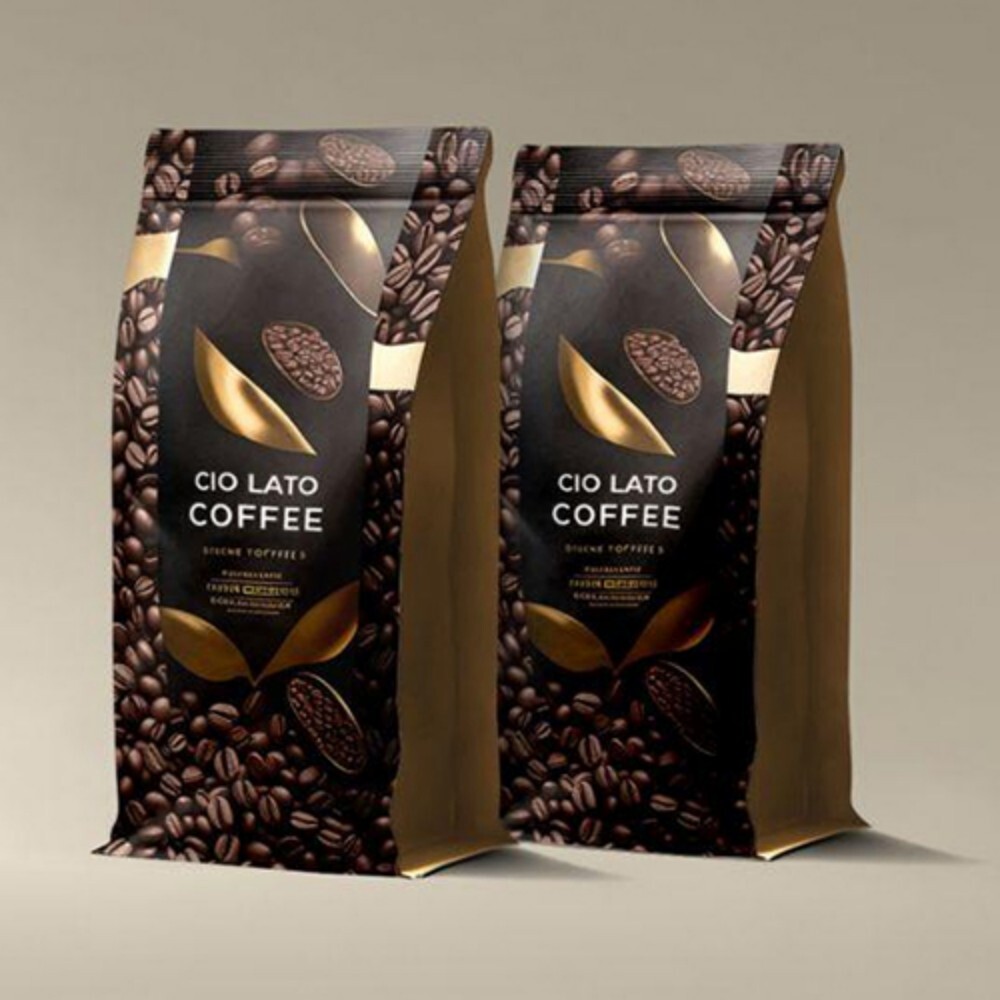
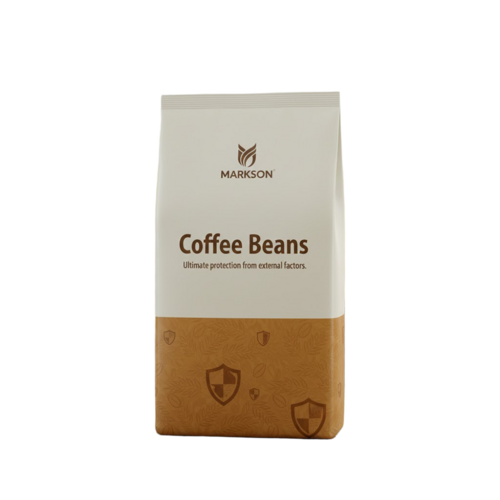
Coffee Beans Gusset Pouches
Price:500.00 INR /Kilograms

Tubular Bag

Circular Tubular Bulk Bag
Price:6 USD ($) /Piece
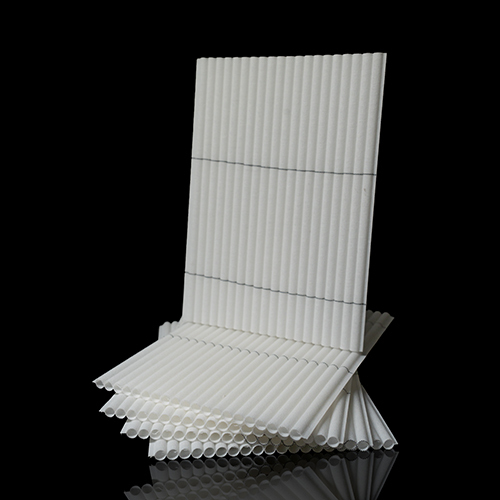

Tubular Bags
Price:1800 INR /Piece
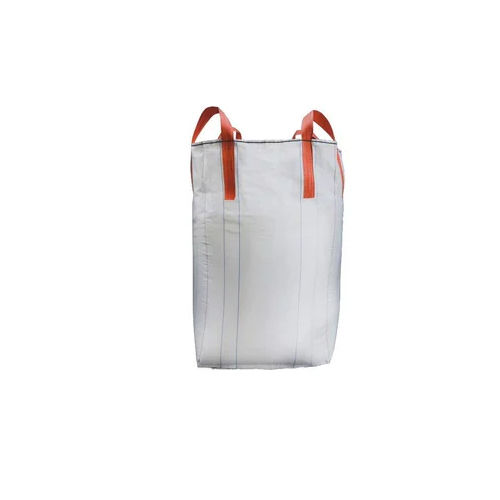
Tubular Fibc Bag
Price:195 INR /Piece
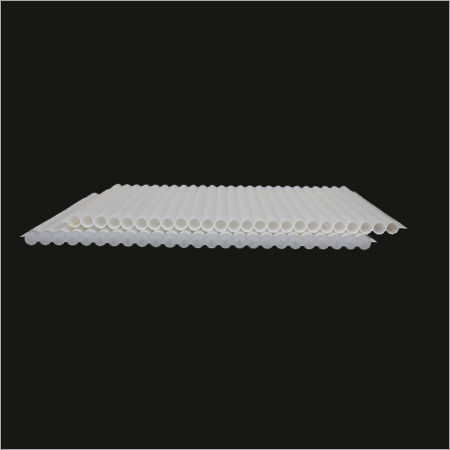
School Backpack
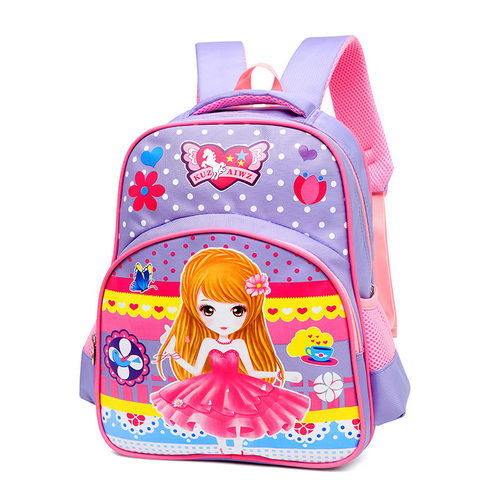
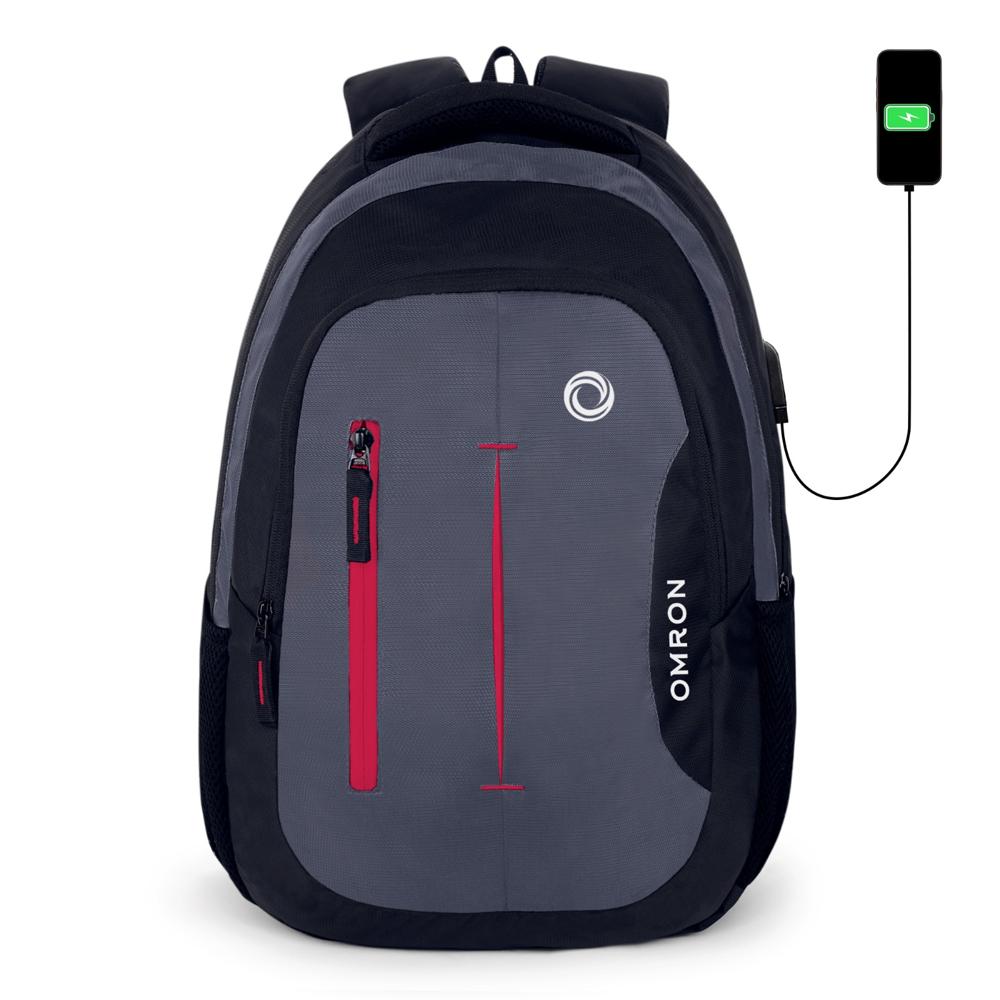
Night Light Kids Backpack School Bags for Students
Price:3.5 USD ($) /Piece
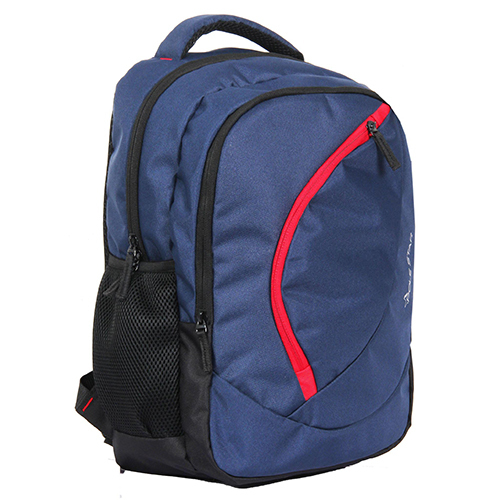
Arrow 30 L College/ School/ Office/ Casual/ Travel Backpack made with polyester
Price:599 INR /, Piece
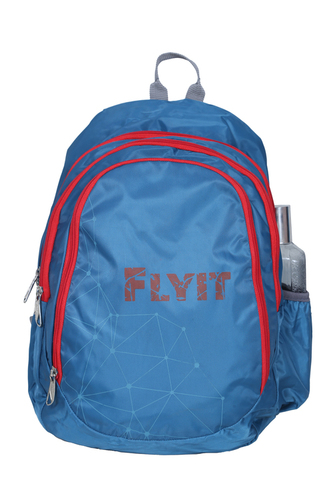
Flyit Casual Backpack
Price:590 INR /Bag
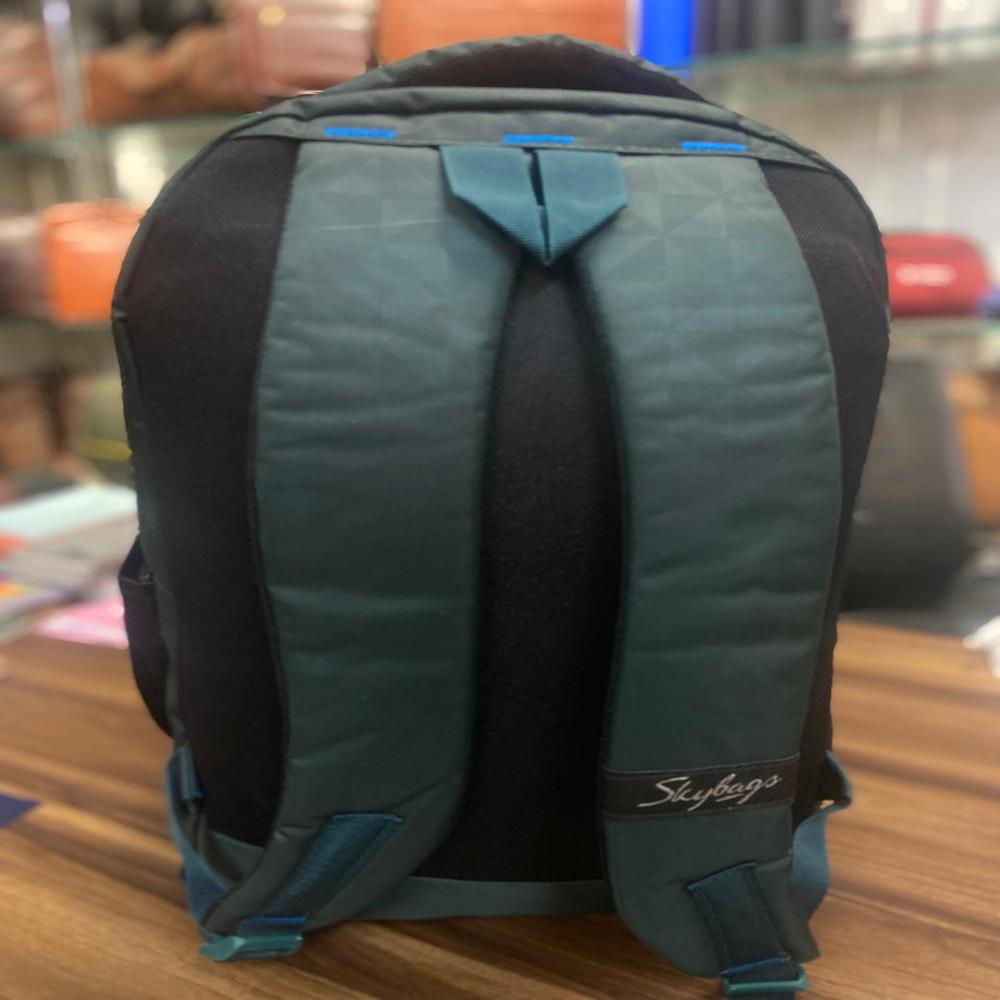
sky college backpack
Price:489.0 INR /Piece
Biscuit Packaging Pouch
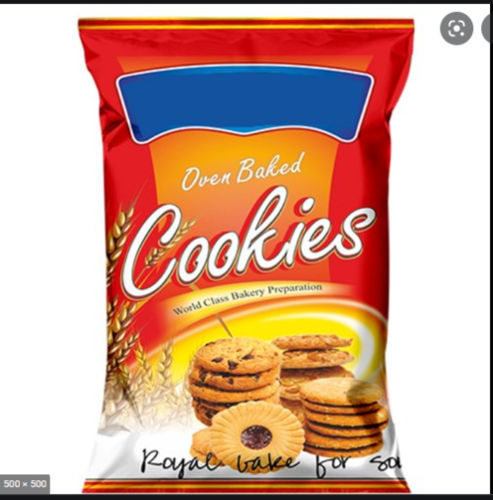
Biscuits Packaging Printed Pouch
Price:240 INR /Kilograms
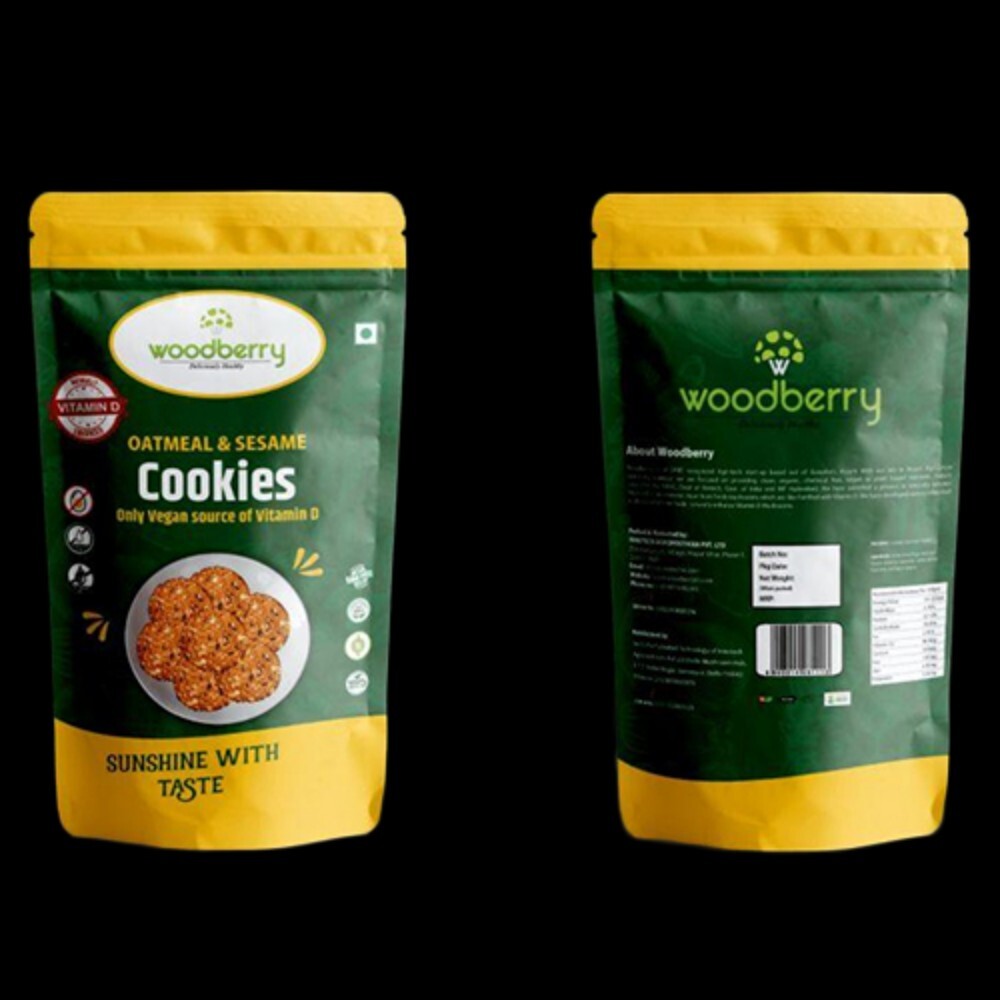
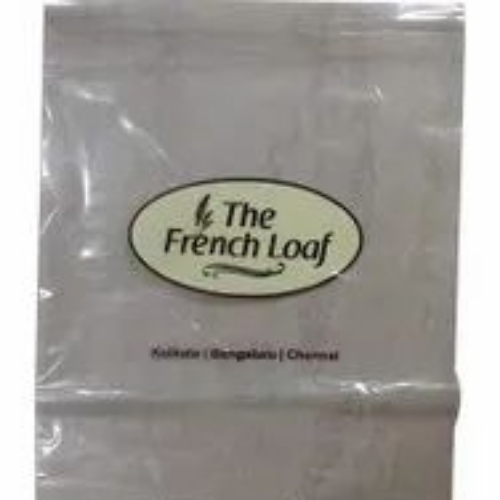
Pp Bakery Packing Pouch
Price:150 INR /Kilograms
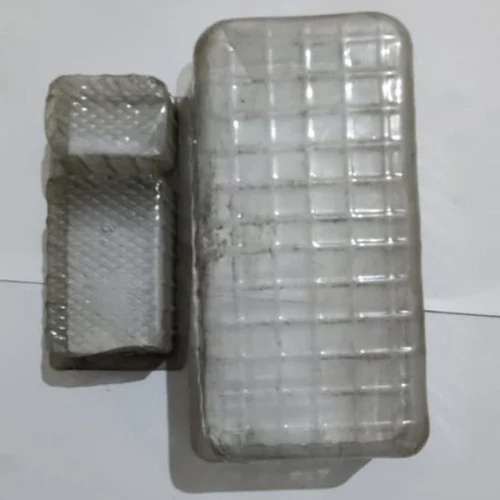
2mm Biscuit Packaging Tray
Price:250 INR /Kilograms
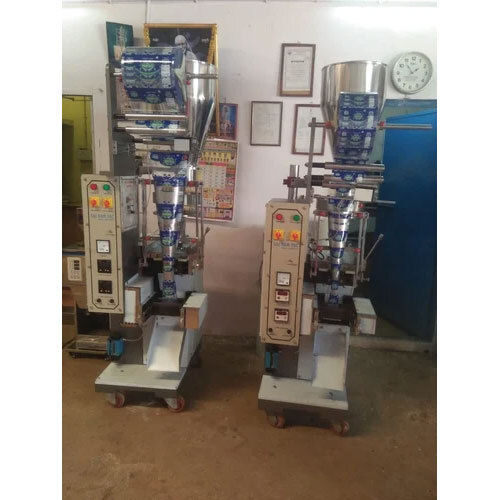
Semi-Automatic Pouch Packing Machines
Price:140000.00 INR /Piece
Namkeen Packing Pouch
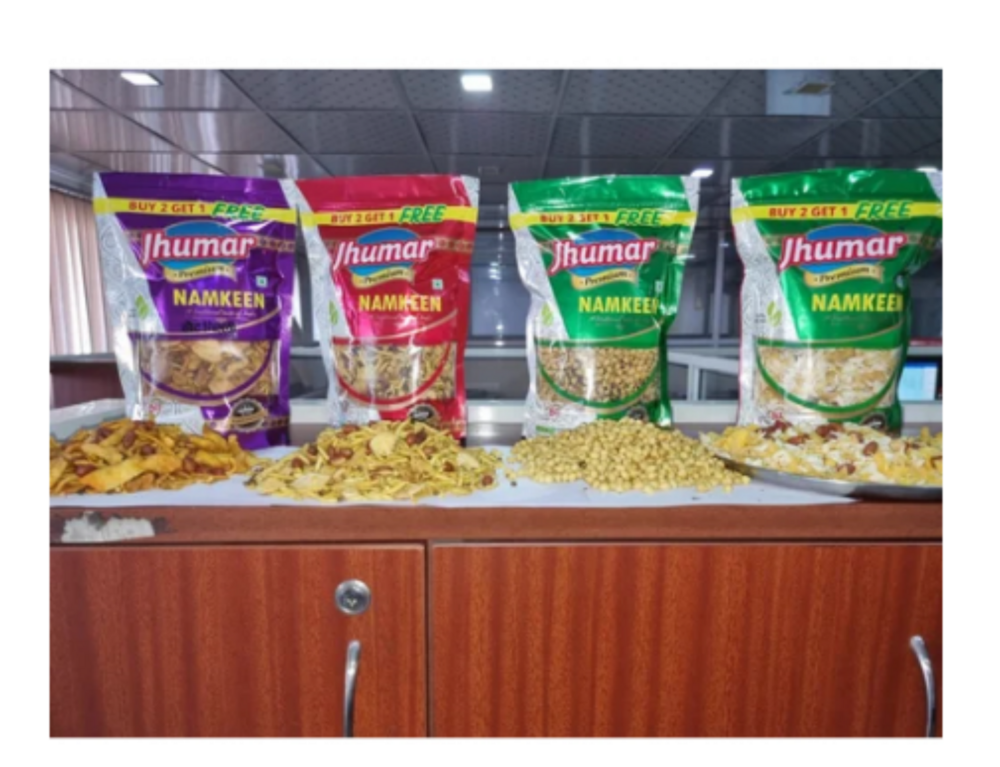
Namkeen Zipper Pouch
Price:60 INR /Pack
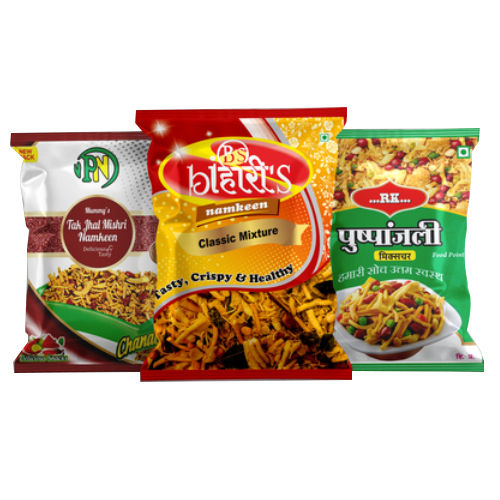
Printed Namkeen Chanachur Packaging Pouch
Price:255 INR /Kilograms
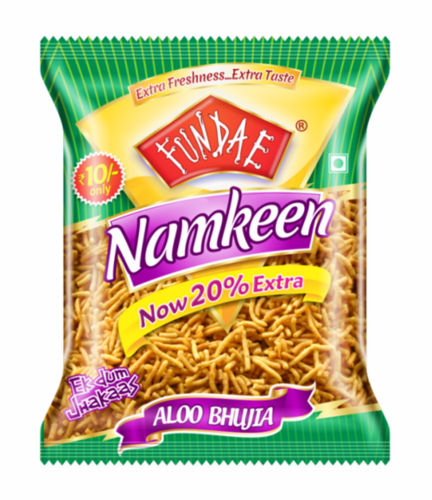
Namkeen Pouches
Price:1.00 INR /Piece
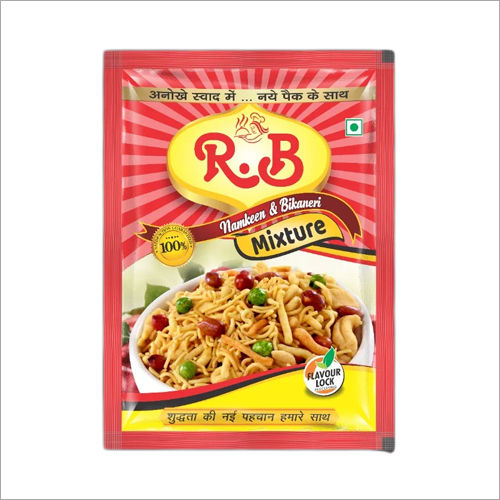
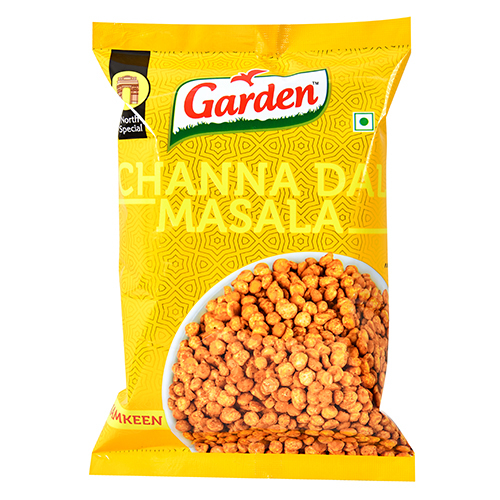
4 Layer Namkeen Packaging
Price:210 INR /Kilograms
Top Rated Companies from Packaging & Paper Category






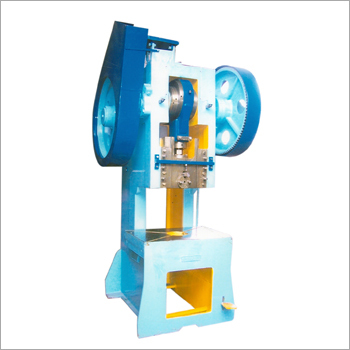


Adhesive Tapes
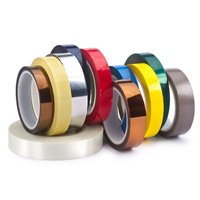
Scotch Tape
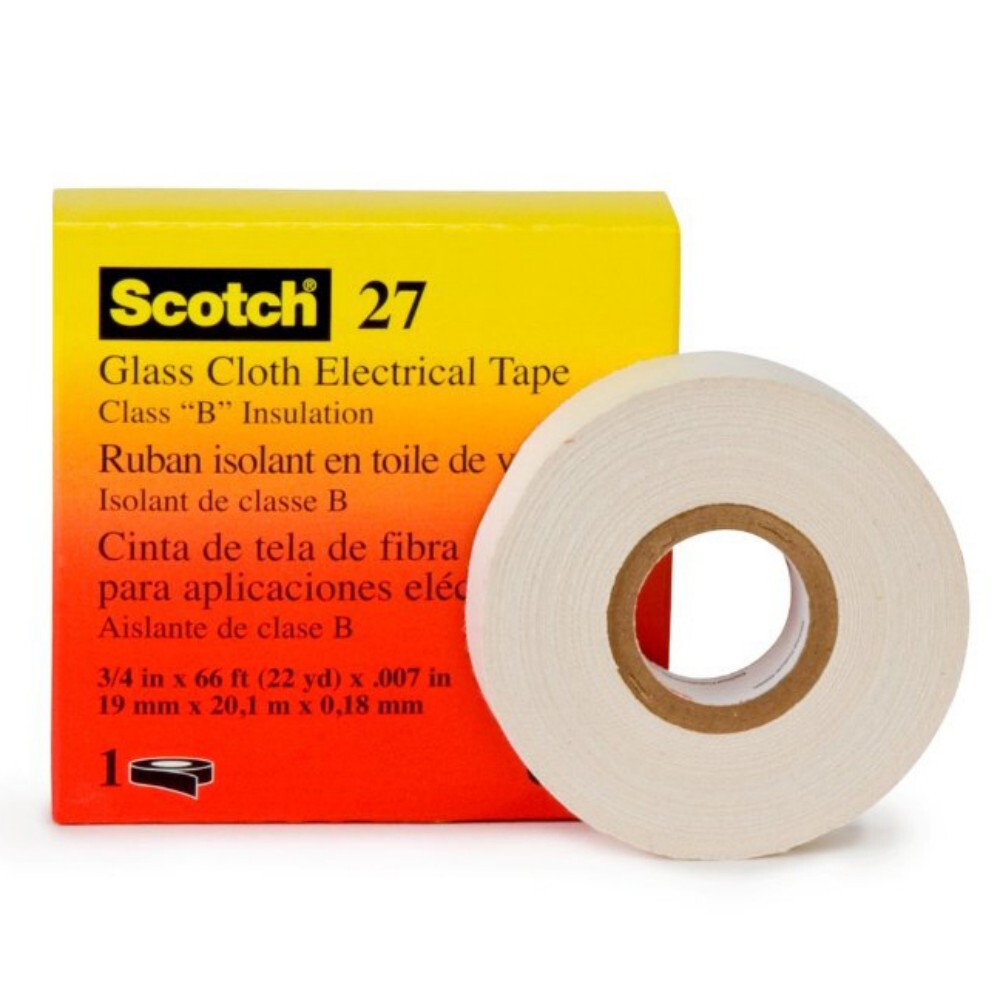
Scotch 27 Class B Glass Cloth Tape
Price:700 INR /Piece
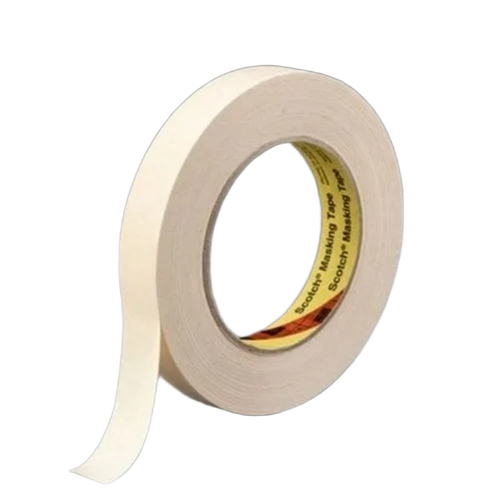
Scotch Masking Tape
Price:45 INR /Piece
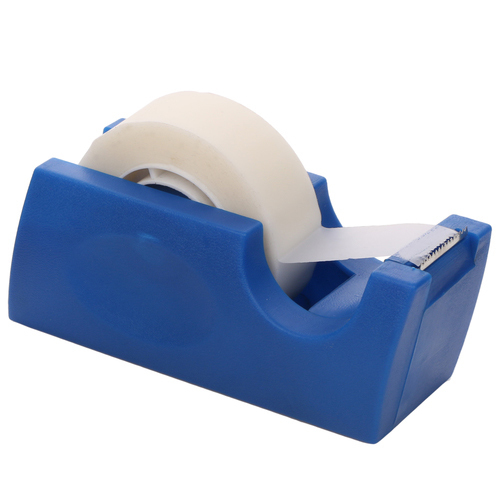
Invisible Tape
Price:15 INR /Roll
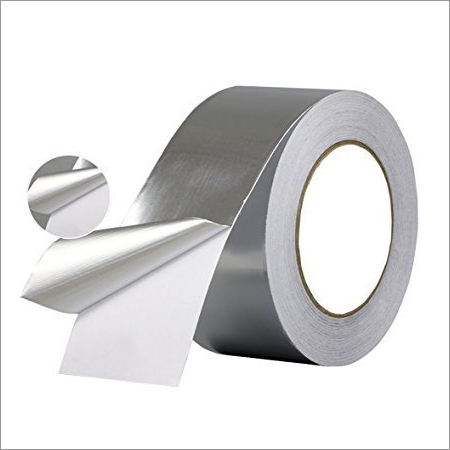
Aluminium Silver Tape
Price:65 INR /Box
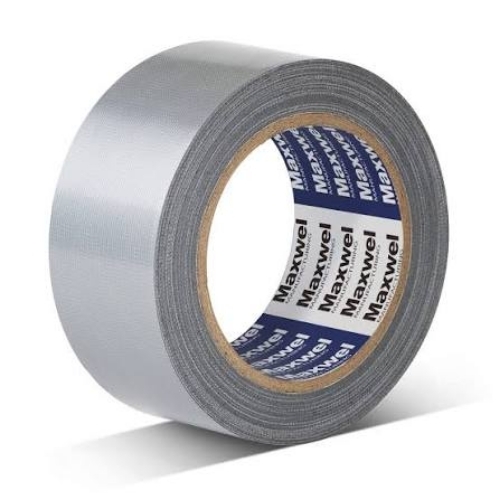
Silver Tape
Price:50 INR /Piece
Name Tapes
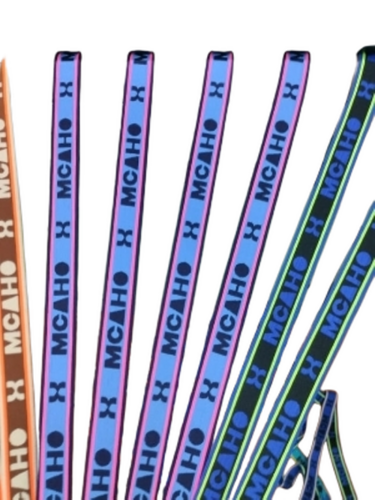
Elastic Name Tapes
Price:10 INR /Meter
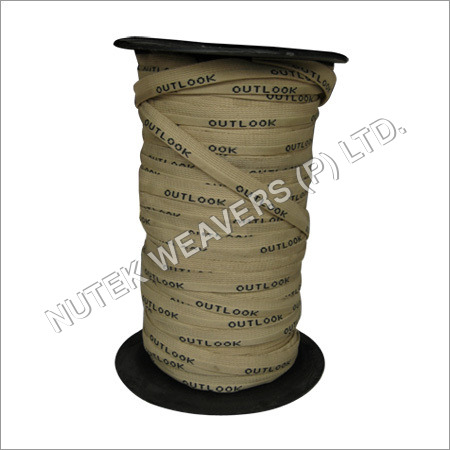
Shirt Collar Tape
Price:7 INR /Meter
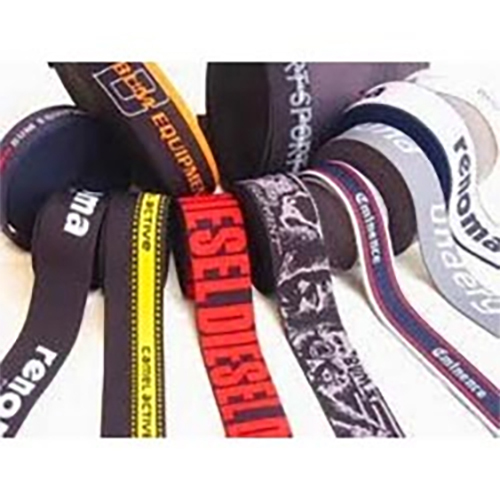
Name Tapes
Price:5 INR /Meter
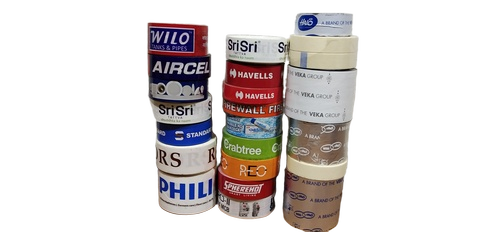
Printed Self Strips Tape
Price:56 INR /Roll
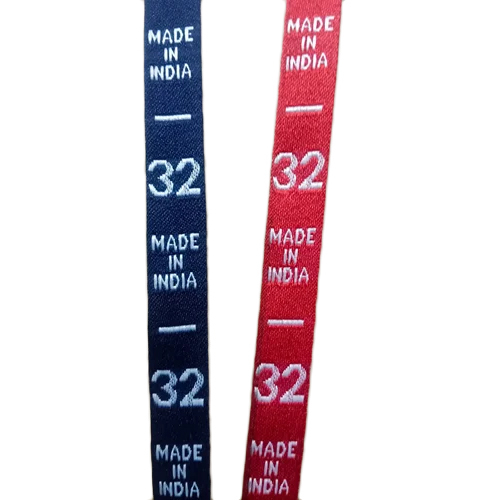
Printed Woven Label
Price:150 INR /Meter
Double Sided Polyester Tape
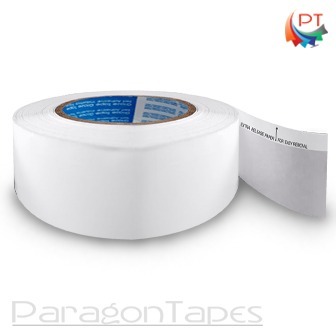
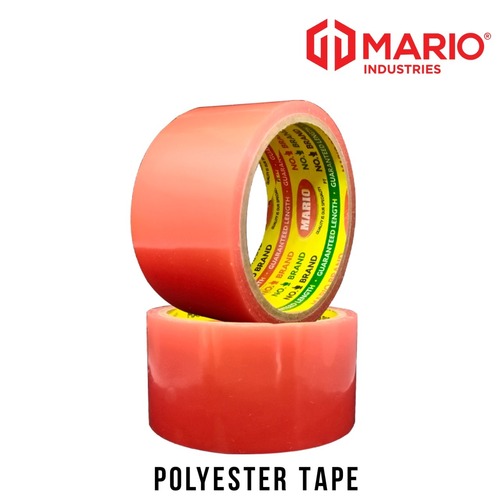
DOUBLE SIDED RED LINER POLYESTER TAPE
Price:0.82 INR /Piece

Double Sided Red Polyester Tape
Price:1100 INR /Roll

Red Polyester Tape
Price:150 INR /Piece

Doubble Side Red Polyester Tape
Price:330.0 INR /Number
Wire Harness Tape
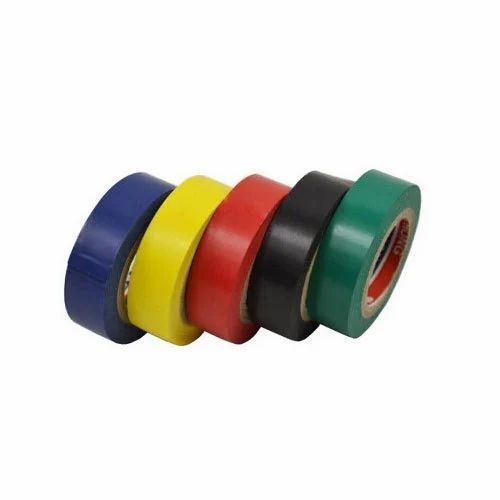
Pvc Wire Harness Tape For Fitting Use
Price:60 INR /Piece
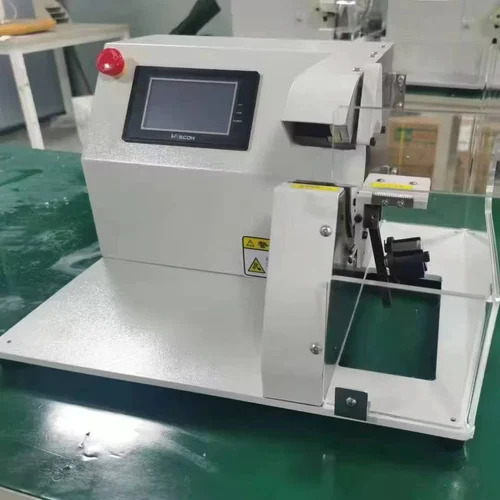
Automatic Cable Harness Wrap Tape Wire Winding Machine
Price:142000 INR /Unit
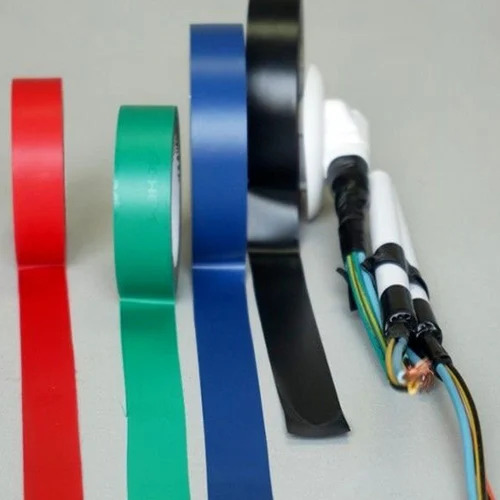
PVC Wire Harness Tapes
Price:60 INR /Roll
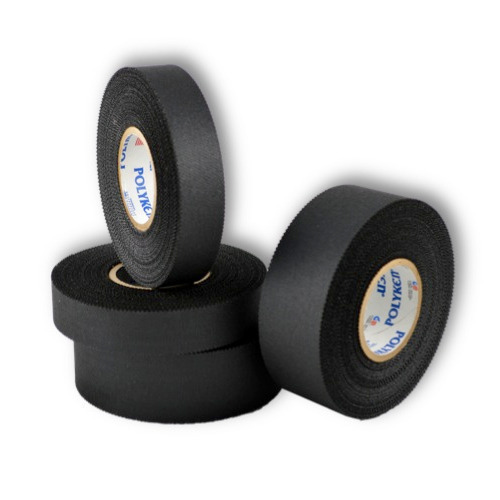
Wire Harness Tape
Price:43 INR /Piece
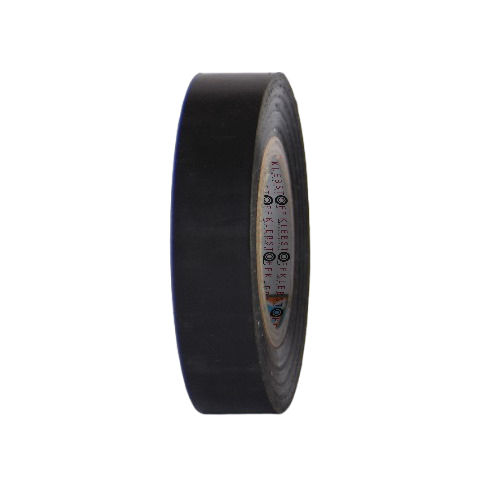
PVC Wire Harness Tapes
Price:21.0 INR /Piece
Paper Masking Tape
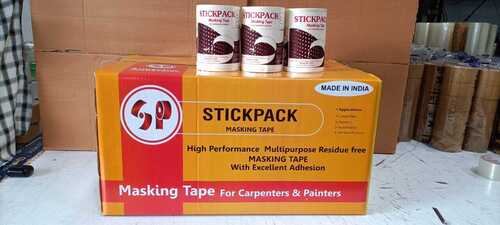
Industrial Masking Tape
Price:11.33 INR /Piece
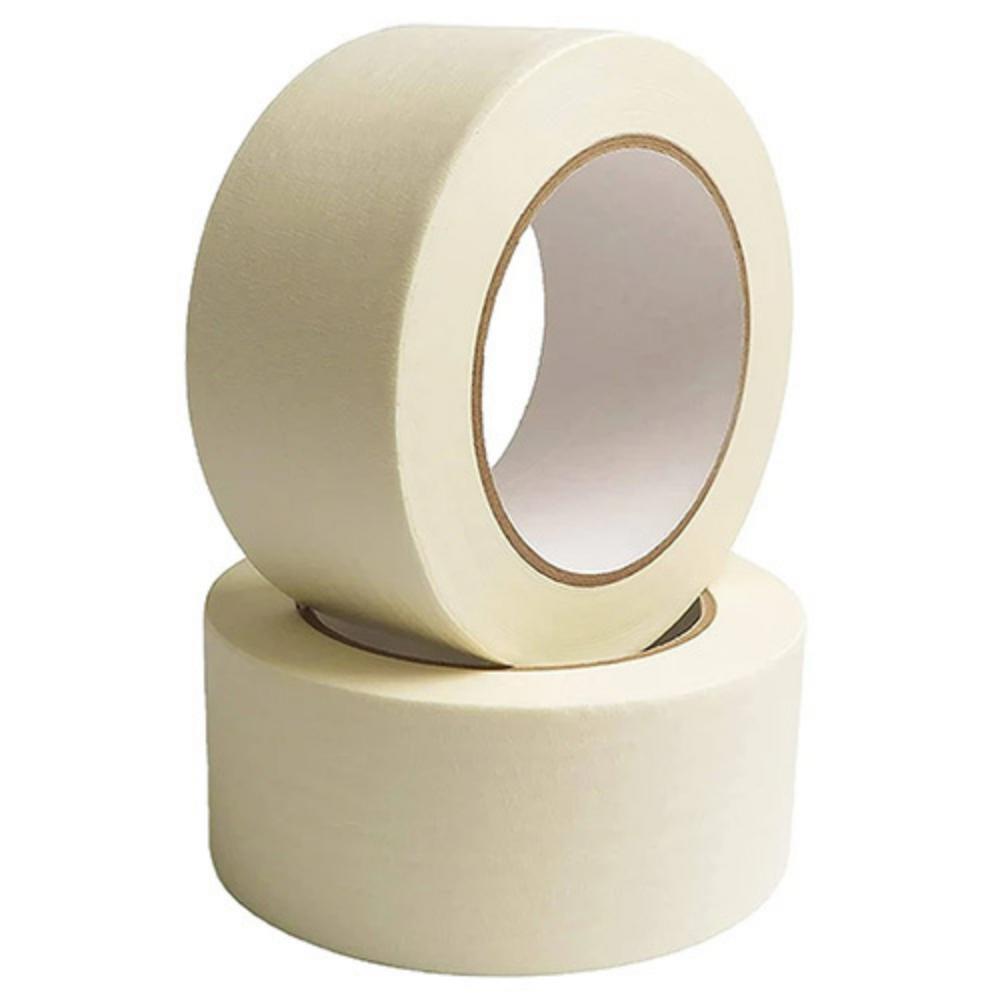
Adhesive Masking Tape
Price:15 INR /Unit
Premium Crepe Paper Masking Tape for Painting, Automotive and Industrial Use
Price:40.0 INR /Piece
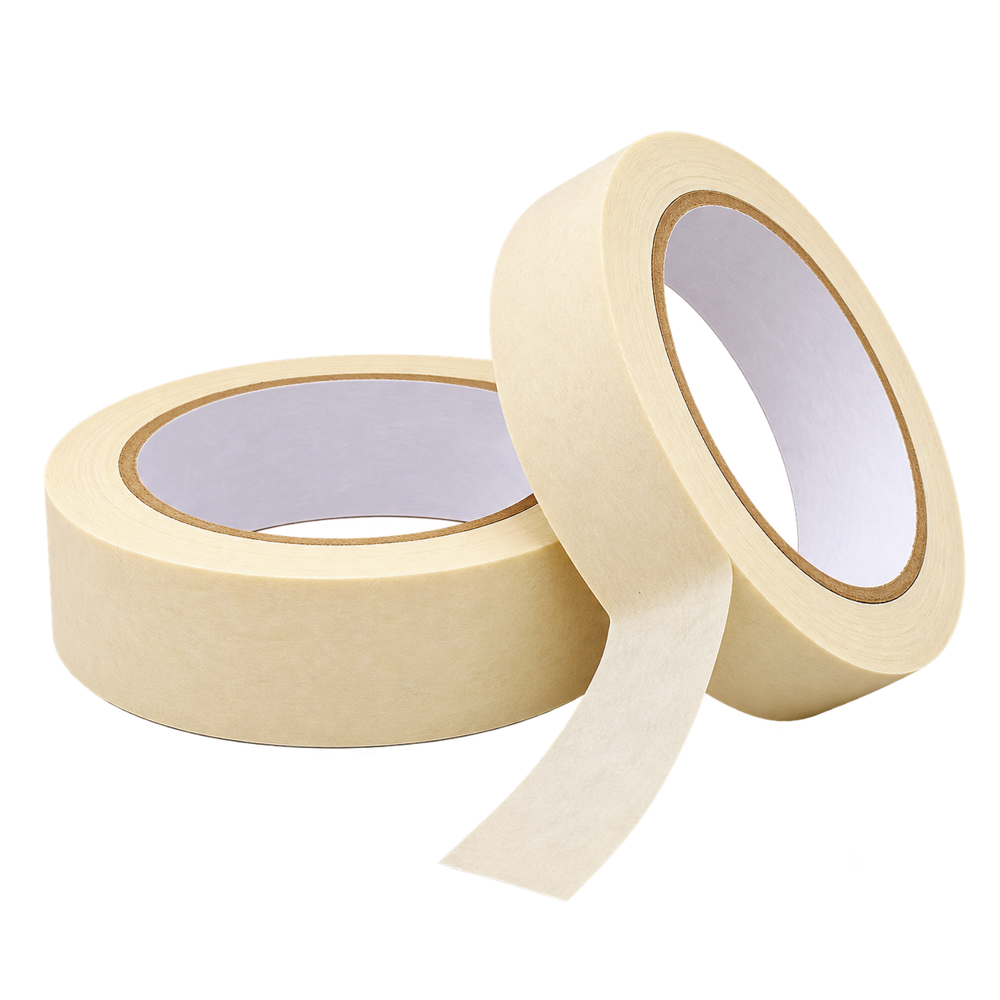
Masking Tape 1 inch
Price:40.00 INR /Piece
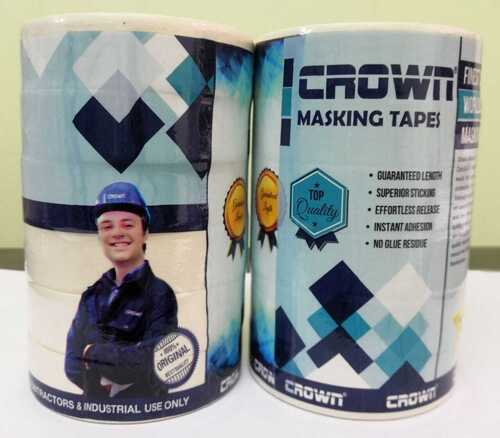
CROWN MASKING TAPE
Price:0.82 INR /Roll
Paper Bags

Thank You Bags

Insulated Brown Thank You Paper Bag
Price:CNAY=0.6884 - CNAY=5.51 USD ($) /Piece
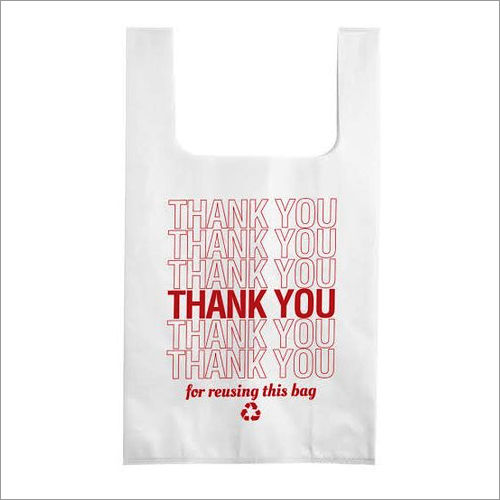
Non Woven Thank You Bag
Price:210 INR /Kilograms
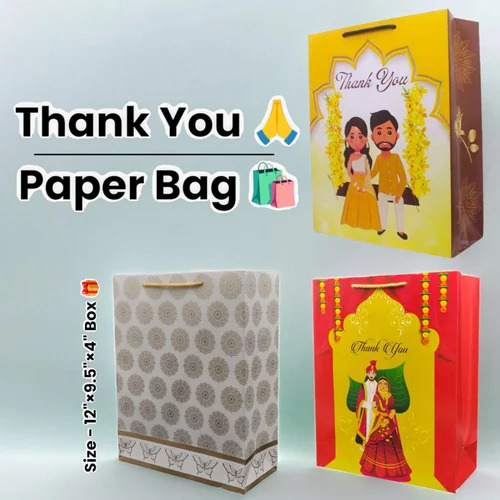
Thank you Paper Bag
Price:13 INR /Piece

Thank you card
Price:150 INR /Piece

Wicketed Bags
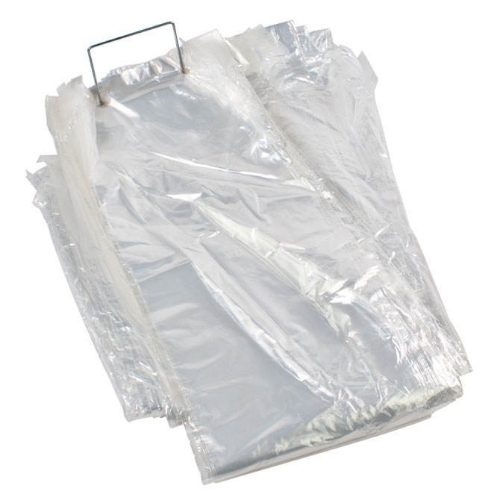
Custom Design Block Head Wicket Bread Poly Bags
Price:3 USD ($) /Piece
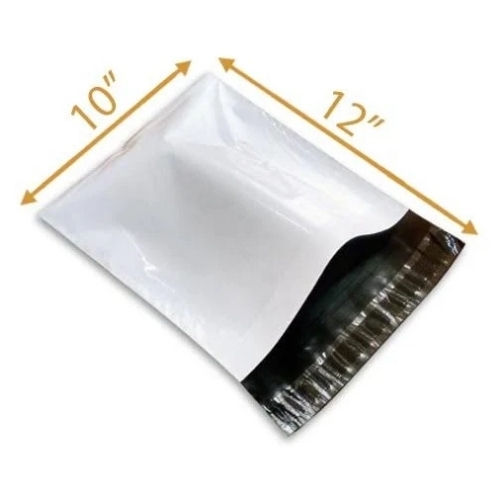
Wicketed Bags
Price:250 INR /Kilograms

Wicket Bags
Price:2 INR /Piece


Shirt Bags
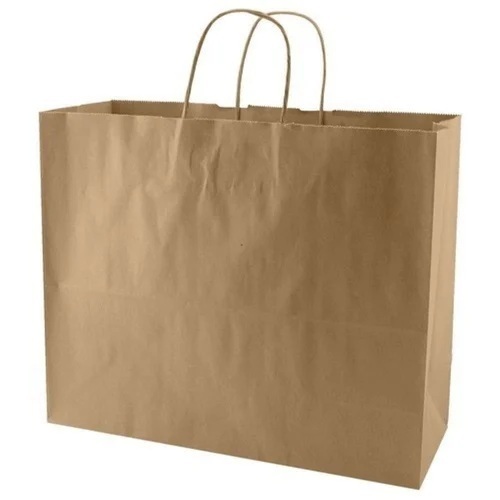
Paper Shirt Bags
Price:5 INR /Piece
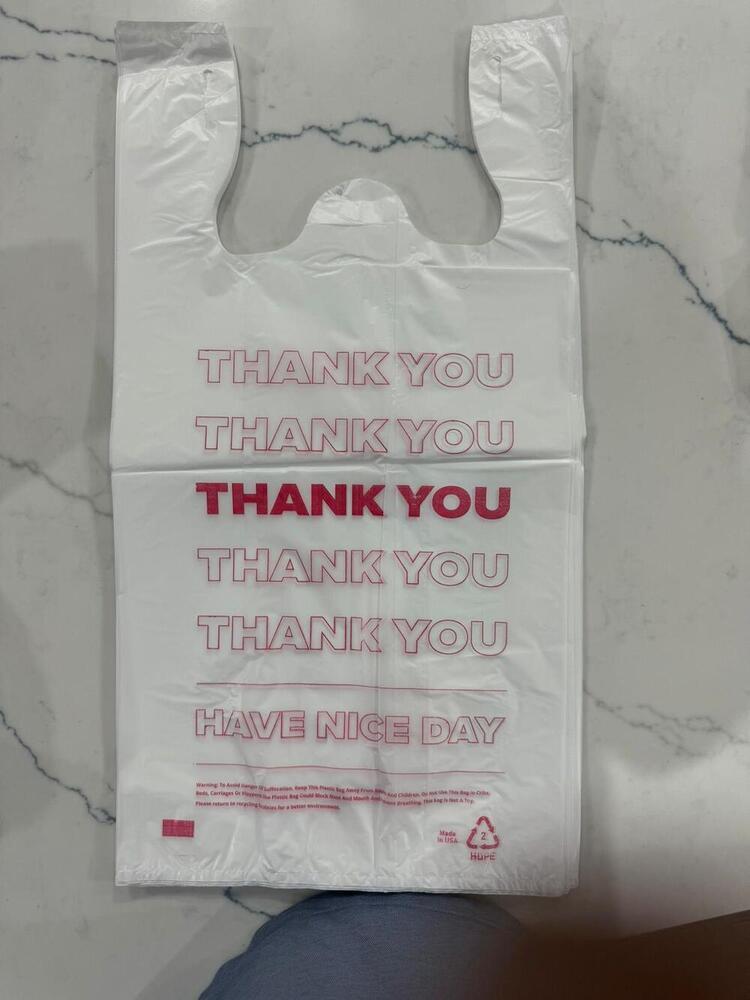
T Shirt Bags
Price:1.44 INR /Kilograms
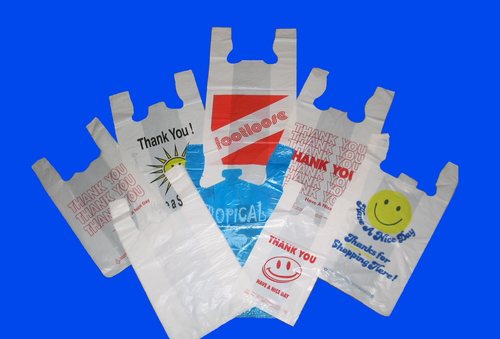
Printed T Shirt Bags
Price:90 INR /Kilograms
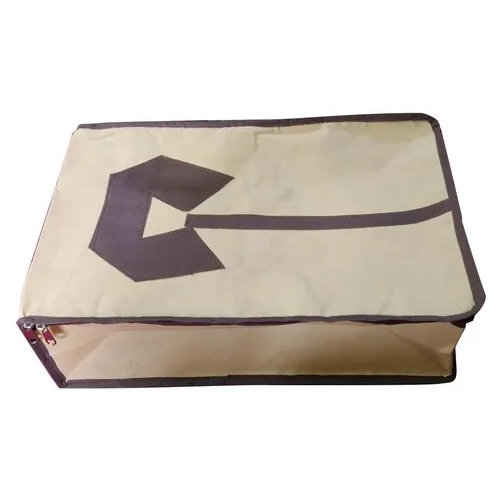
100GSM Woven Shirt Bag
Price:40 INR /Piece
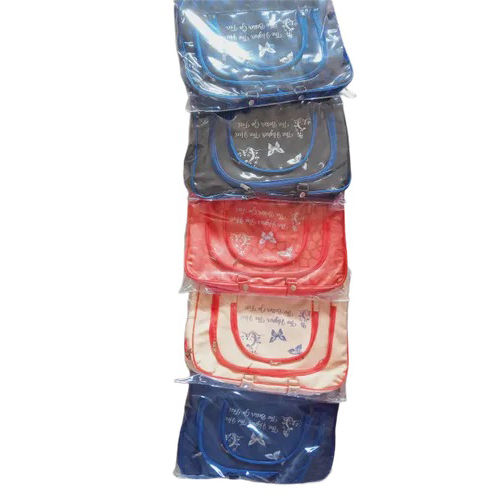
Portable Shirt Organizer Bag
Price:121 INR /Piece

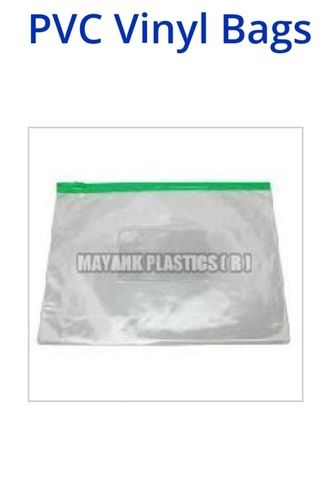
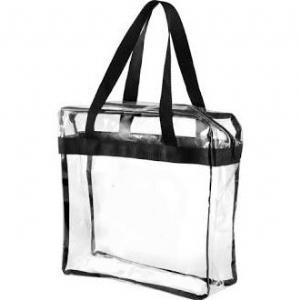

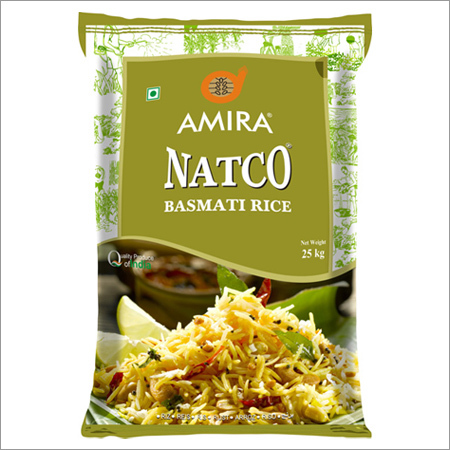
Biodegradable Shopping Bags
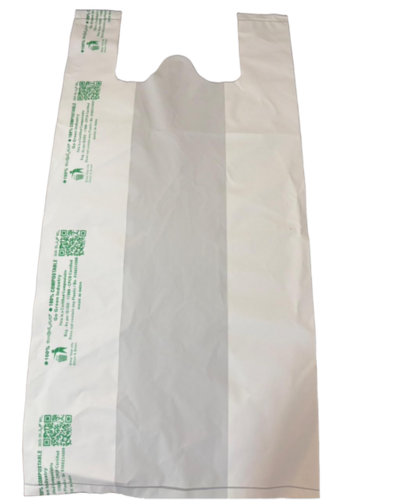
Biodegradable Carry Bags
Price:118 INR /Kilograms
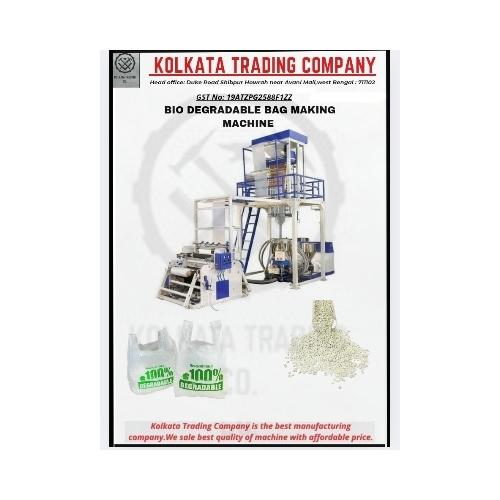
Bio Degradable Bag Making Machine
Price:500000 INR /Unit
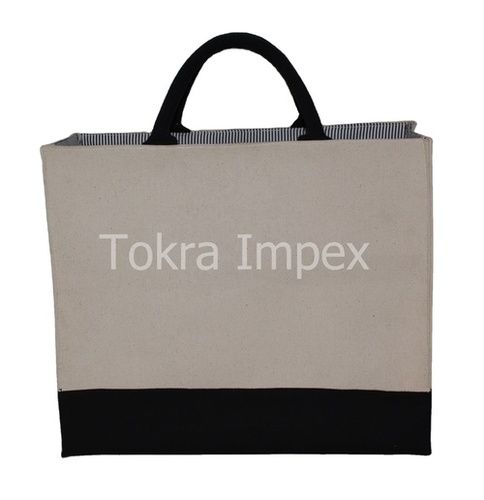
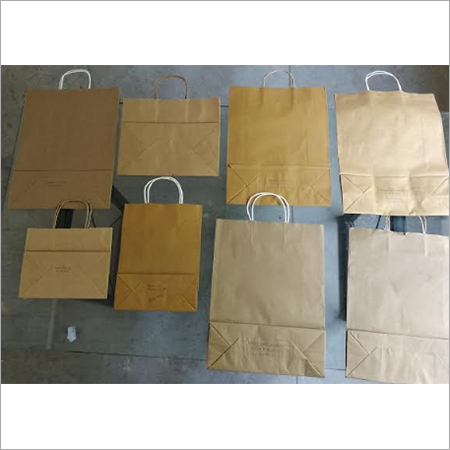
Natural Kraft Paper shopping Bags
Price:0.088 - 0.099 USD ($) /Piece

Online Shopping Bag
Price:2 INR /, Piece
Corrugated Boxes

Die Cut Corrugated Box
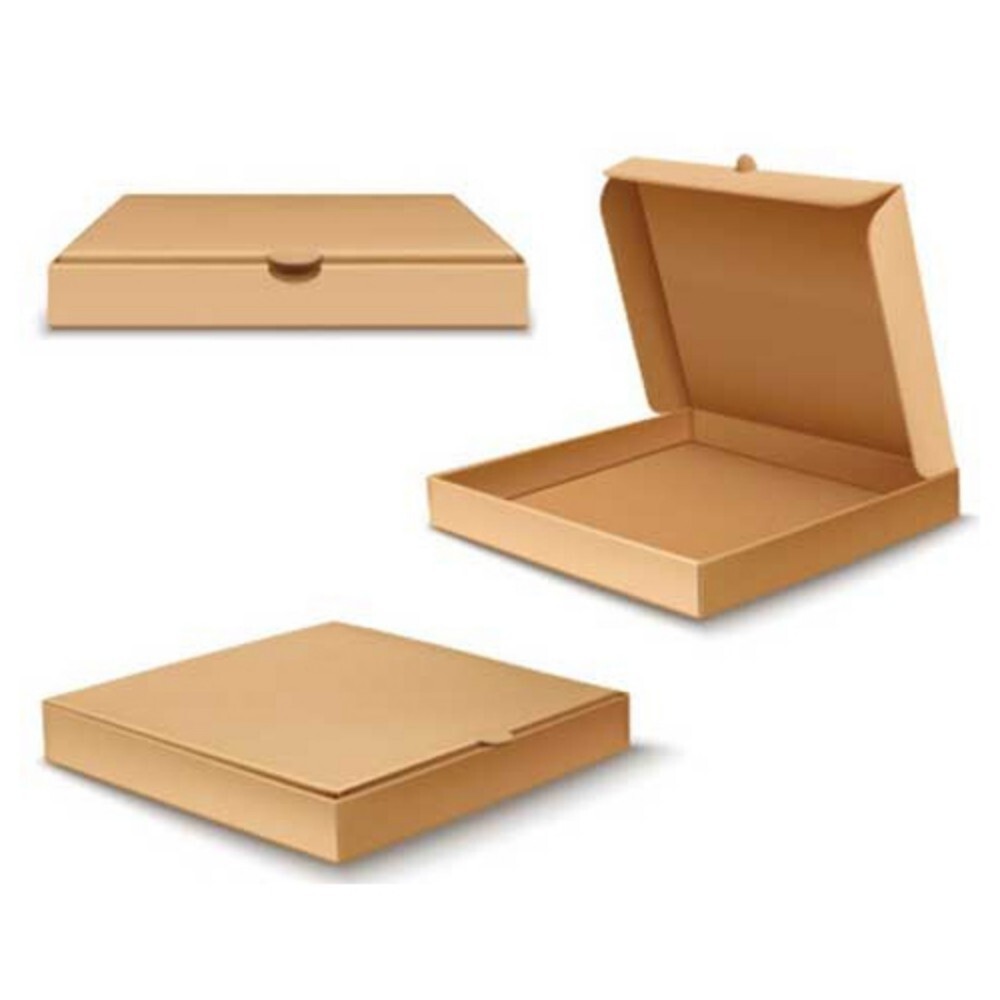
Die Cut Box
Price:150 INR /Kilograms
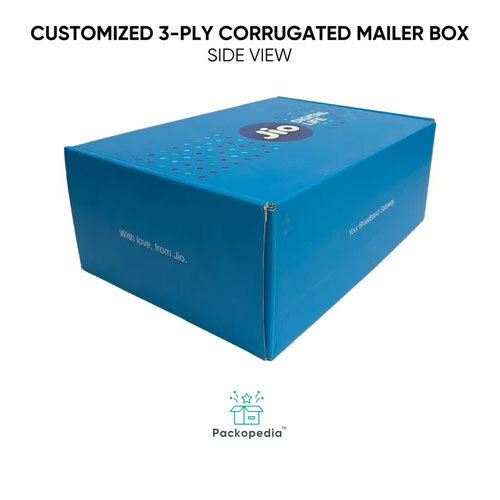
Customized 3-ply Corrugated Printed Mailer Box
Price:15 INR /Box
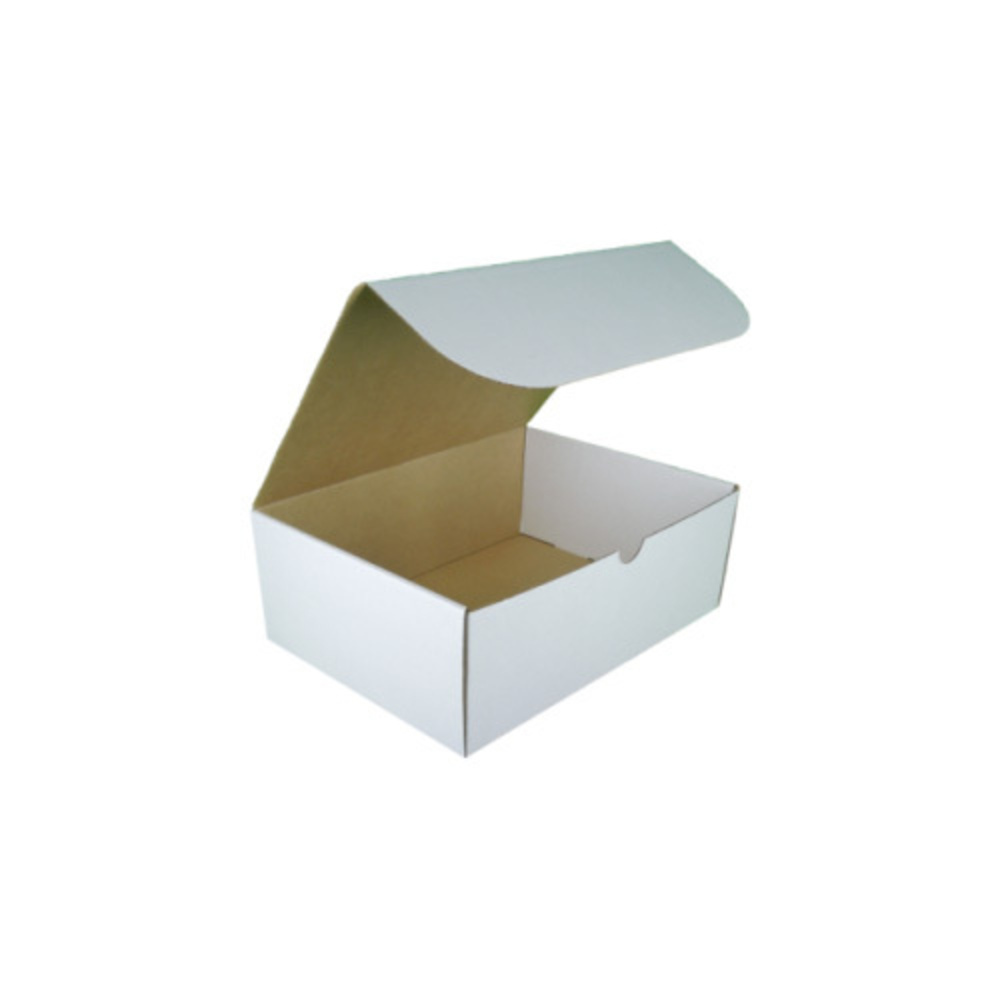
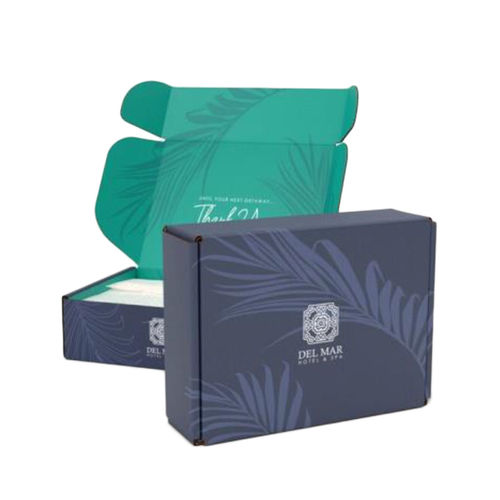
Die-Cut Carton Boxes
Price:15.00 INR /Piece
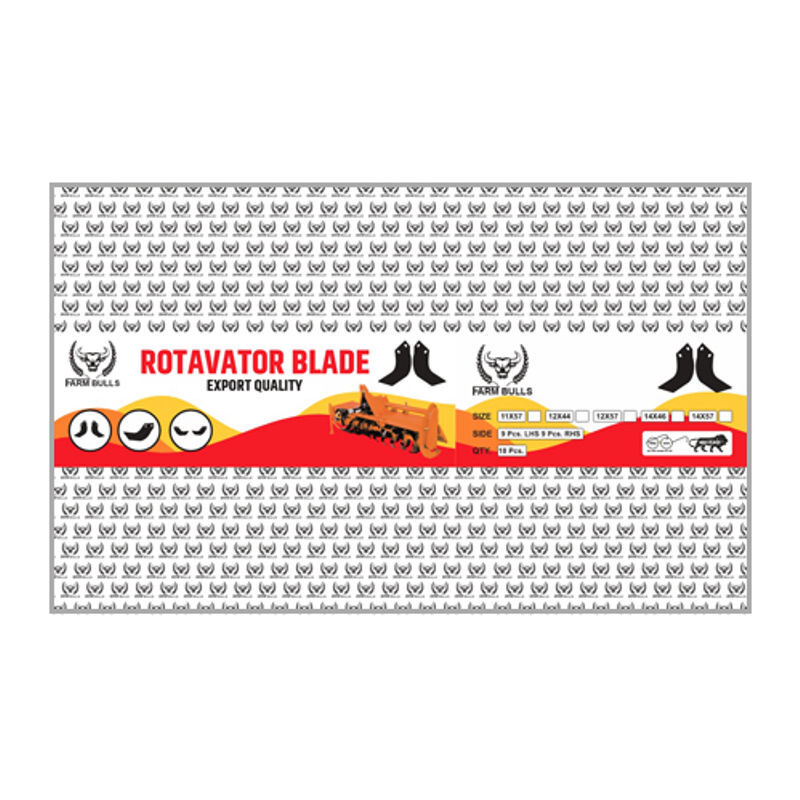
Blade Printed Corrugated Box
Price:18.0 INR /Piece
Transport Boxes
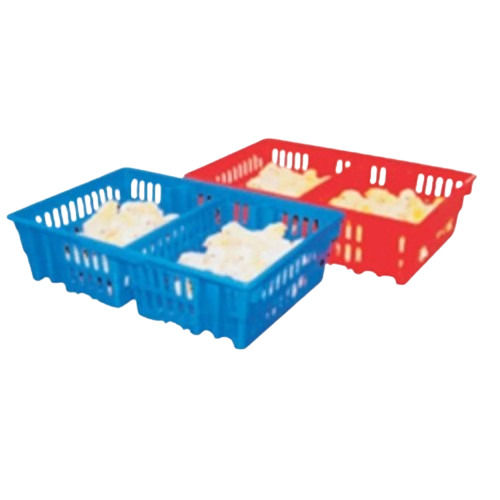
2 Compartments Chick Transport Box
Price:450 INR /Piece

Butterfly Shape 4 Compartment Multipurpose Box
Price:70 INR /Piece
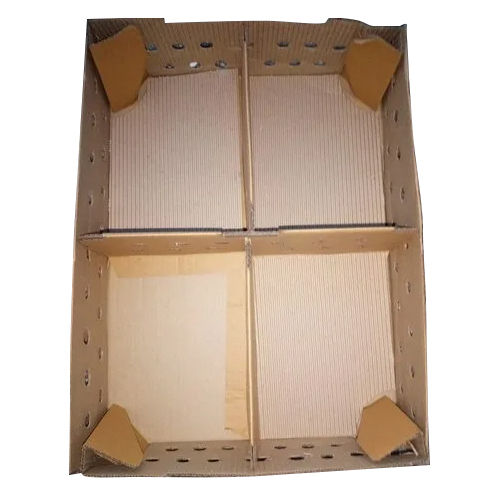
Tearrt Pheasant Transport Box
Price:31 INR /Piece
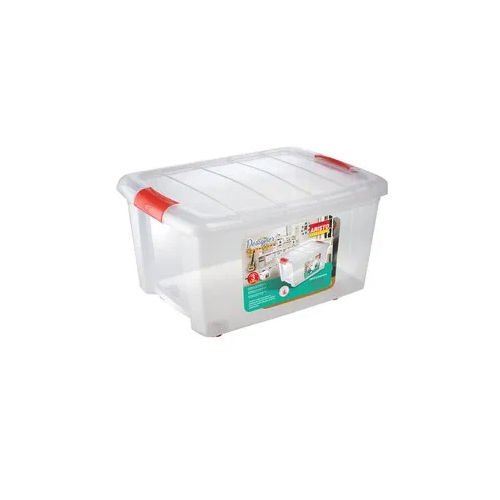
Plastic Transparent Wheel Box
Price:1020 INR /Piece
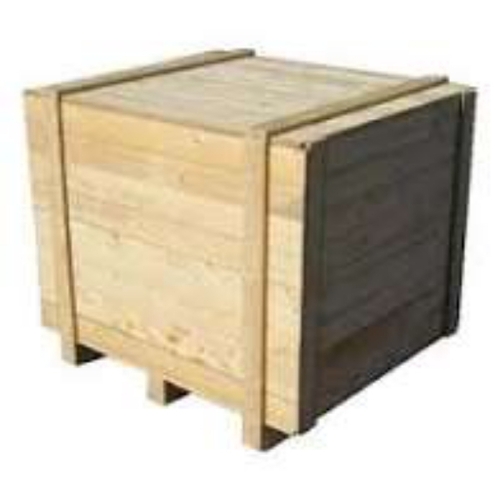
Transport Wooden Box
Price:2450 INR /Piece
Printed Cardboard Boxes
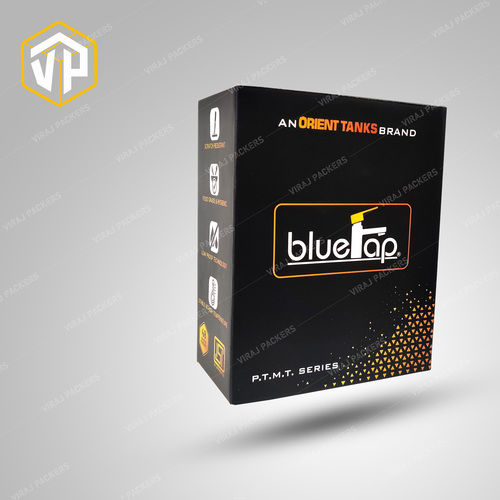
Auto Parts Packaging Boxes in 3 ply Corrugated With Multicolored Printing
Price:12 INR /Piece
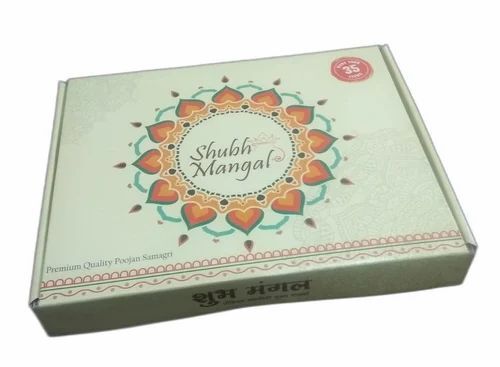
Printed Cardboard Sweet Packaging Box
Price:10 INR /Piece
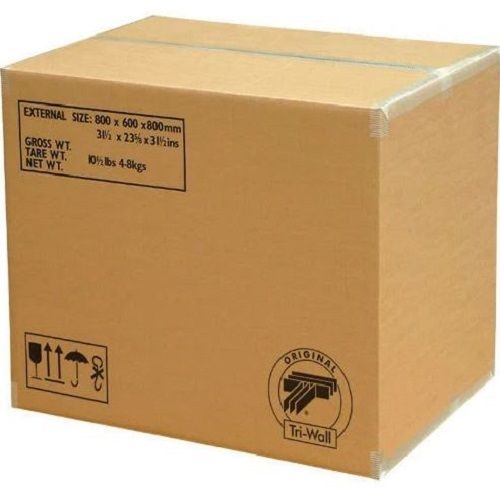
800 X 600 X 800 Mm Hot Stamping Printed Cardboard Packaging Box
Price:100 INR /Piece
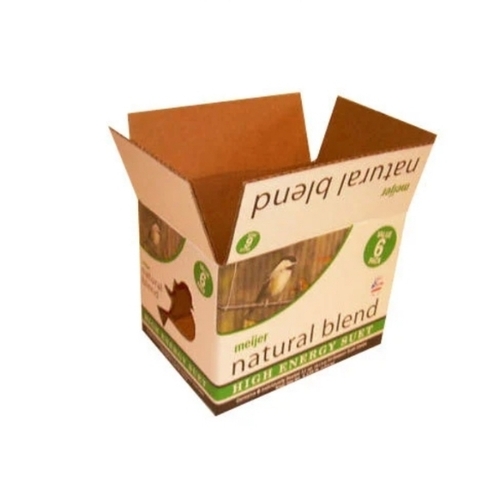
Cardboard Packing Boxes
Price:15 INR /Box
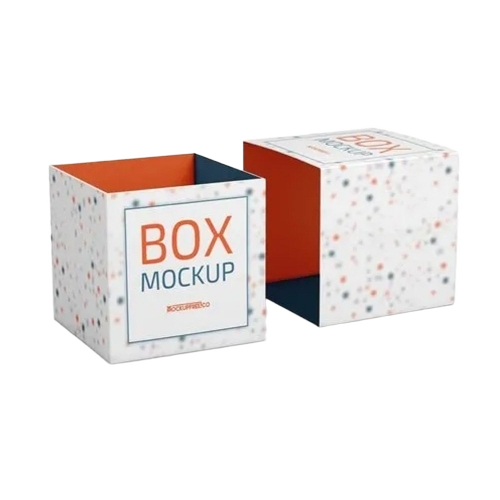
Printed Cardboard Box
Price:15 INR /Box
Custom Corrugated Box
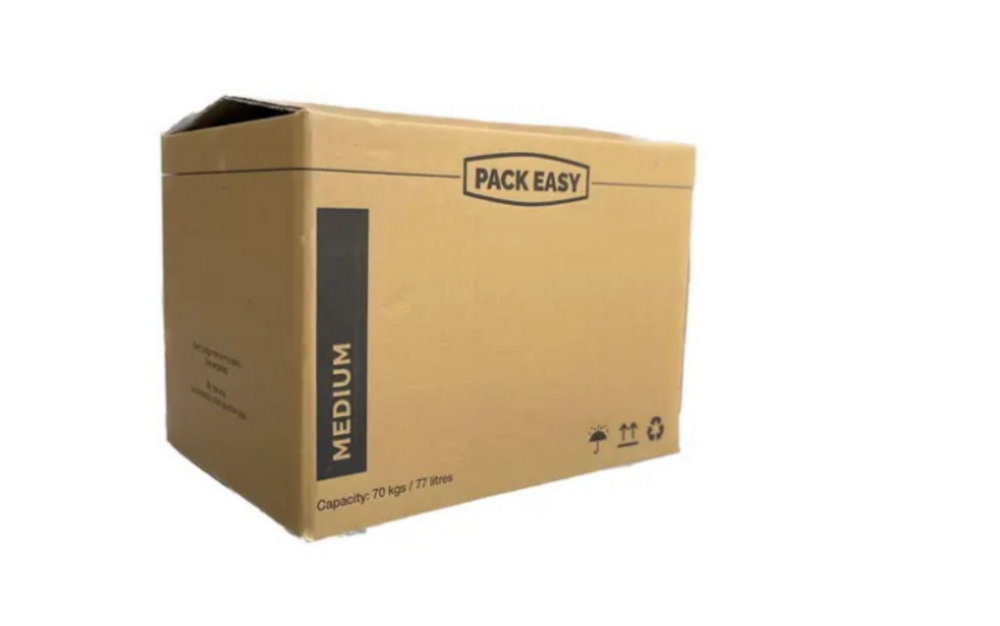
Strong Corrugated Box
Price:60.0 INR /Kilograms
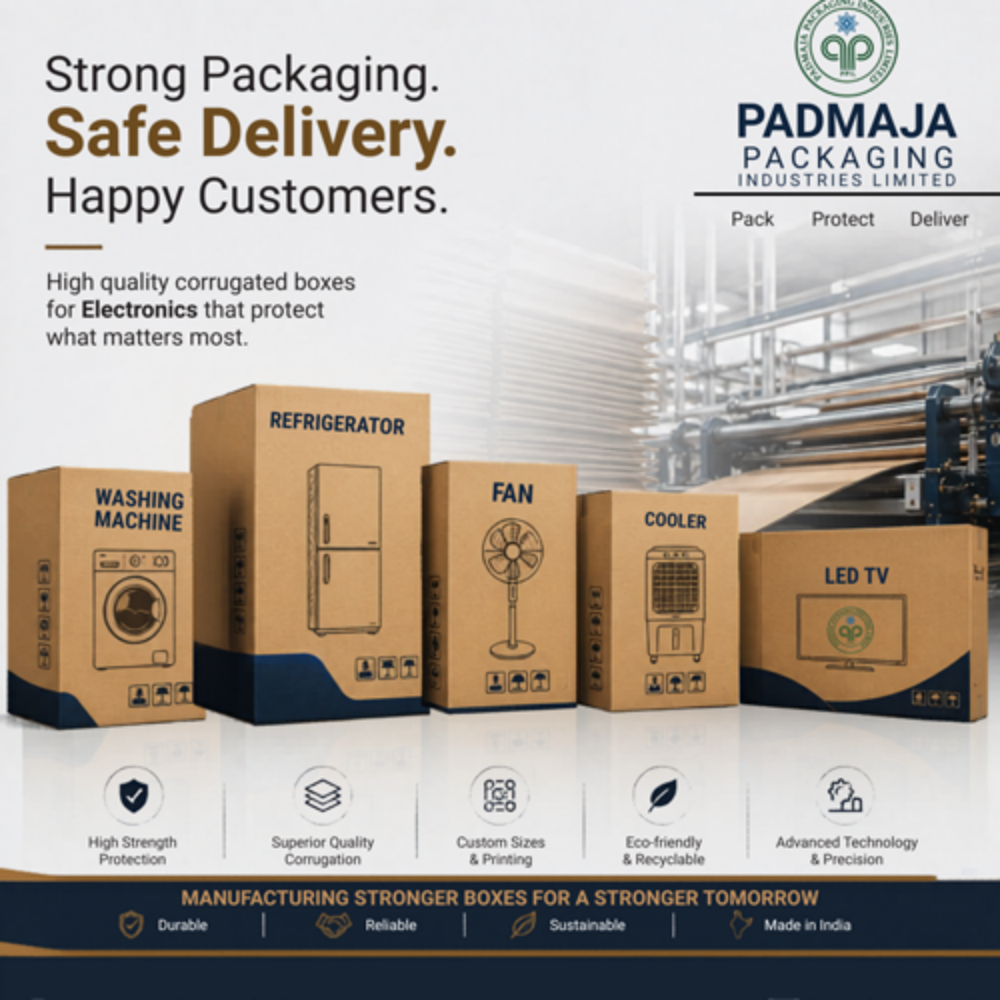
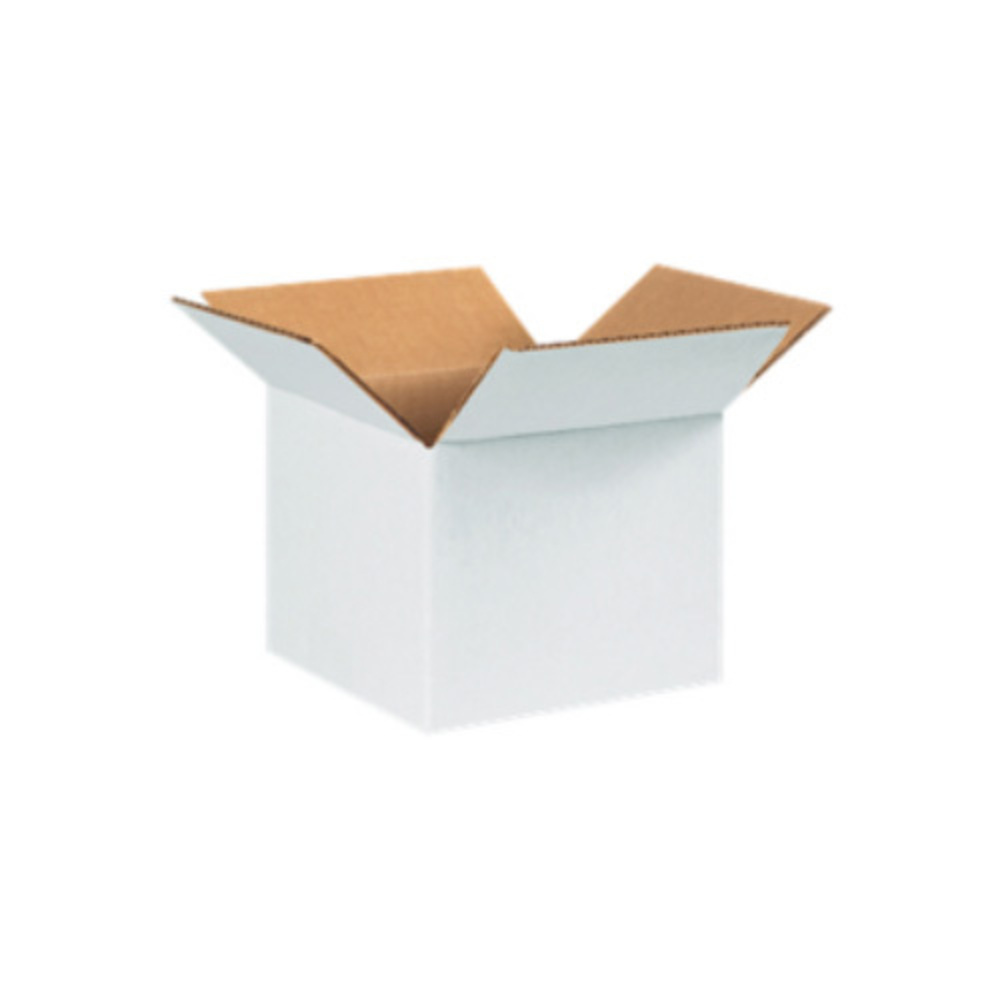
Electronics Corrugated Box
Price:10.0 INR /Kilograms

Air Cooler Corrugated Box
Price:80 INR /Piece
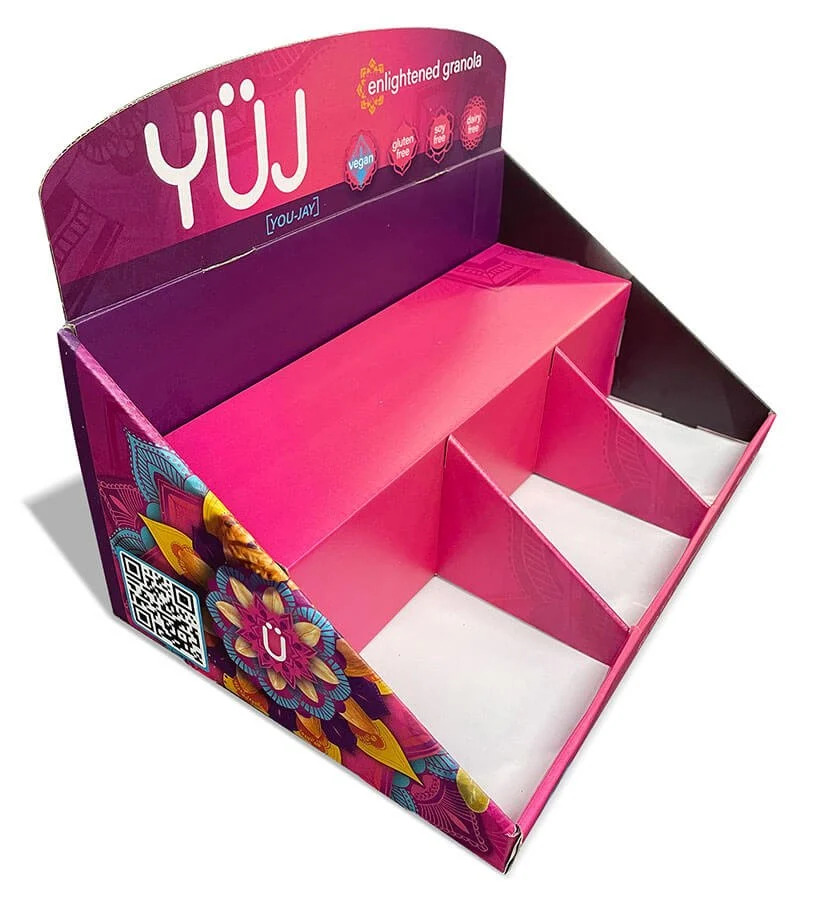
Display Corrugated Box
Price:50 INR /Piece
Printed Carton Box
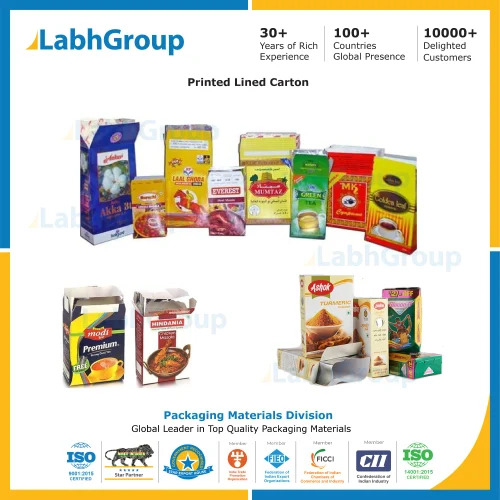
Printed Liner Carton Boxes
Price:3.0 INR /Box
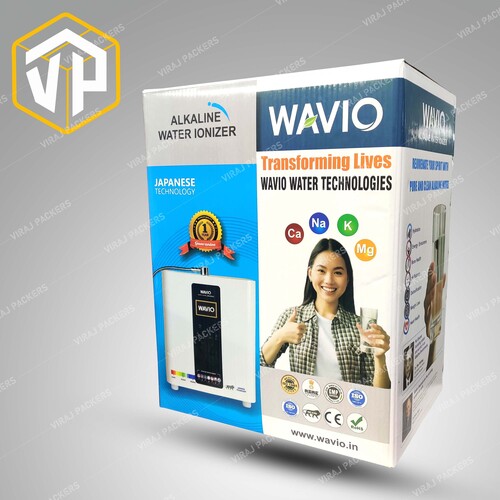
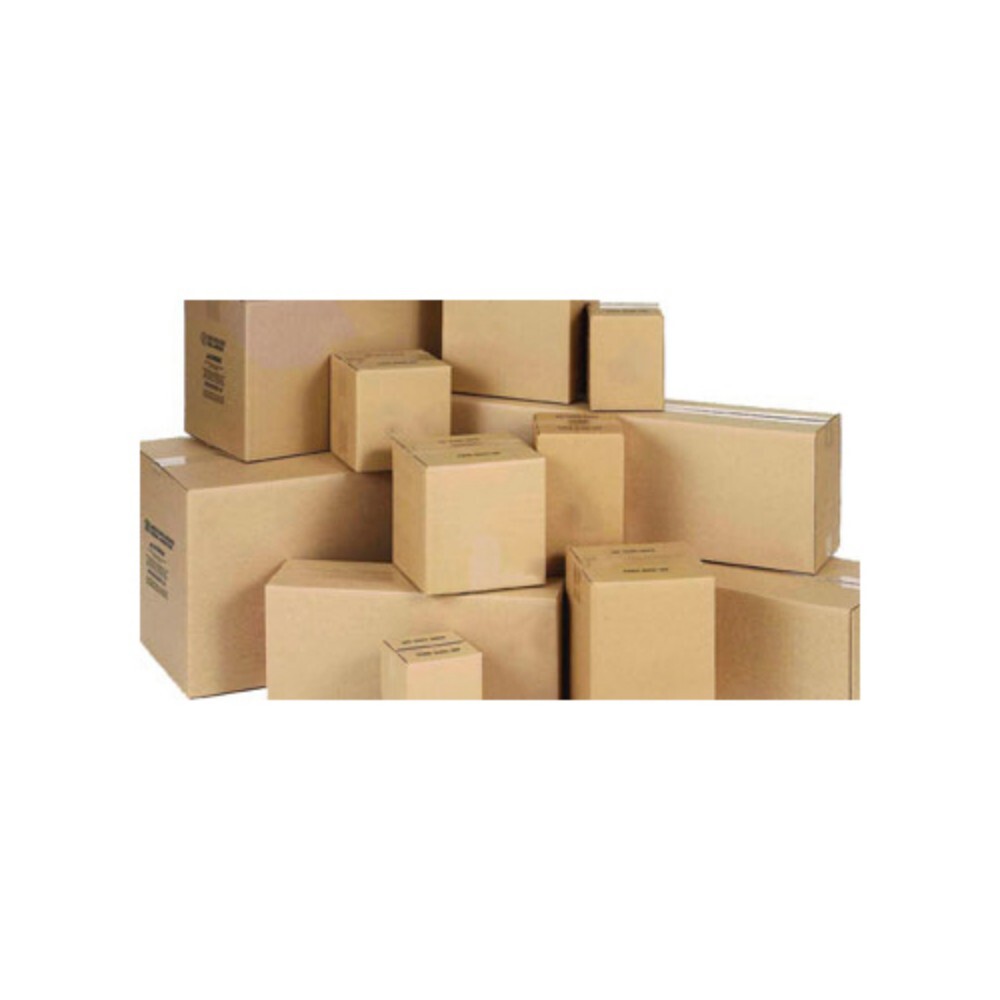
Carton Boxes
Price:10.00 INR /Piece
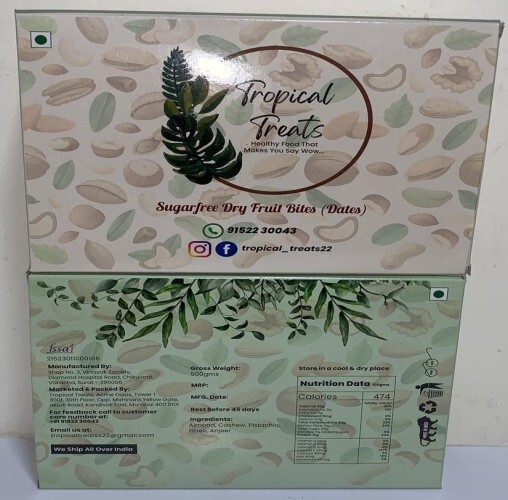
Duplex Printed Box
Price:8.0 INR /Carton
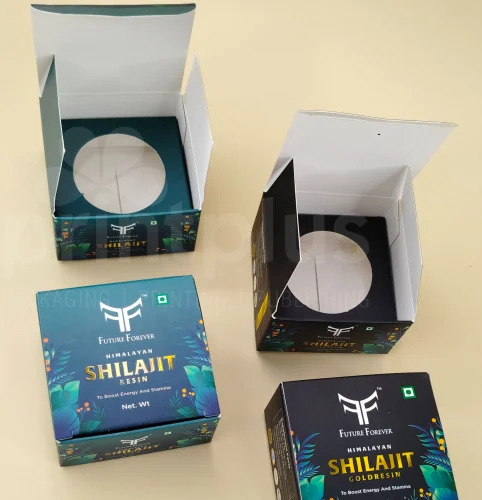
Printed Mono Carton Box
Price:11 INR /Box
Paper Cups, Plates & Food Trays
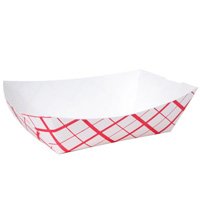
Foam Tray
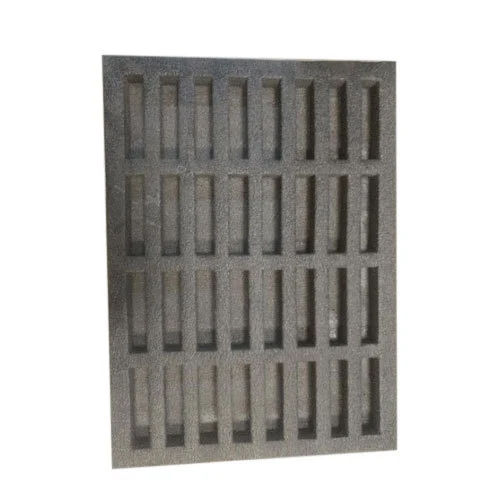
Customized High Density Foam Tray
Price:9 INR /Square Meter
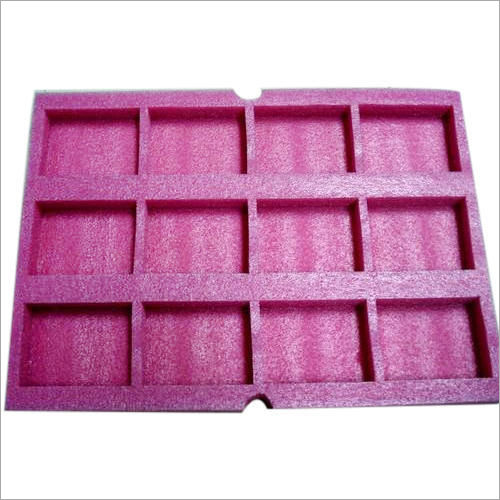
EPE Foam Tray
Price:60 INR /Piece
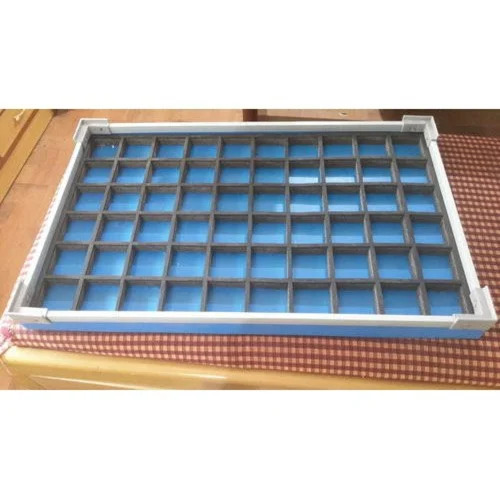

Foam Tray
Price:100 INR /Piece
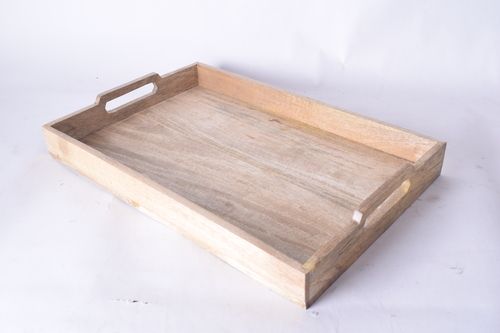
Food Packaging Trays
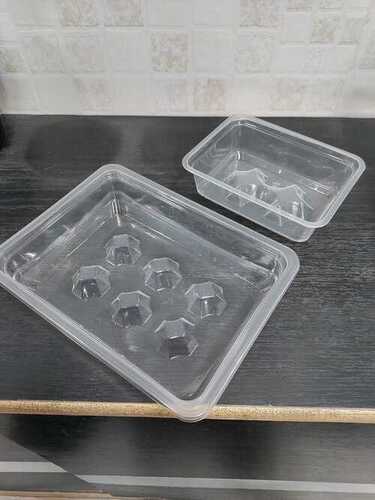
6 / 12 / 24 PC LADOO TRAY
Price:3.5 INR /Piece
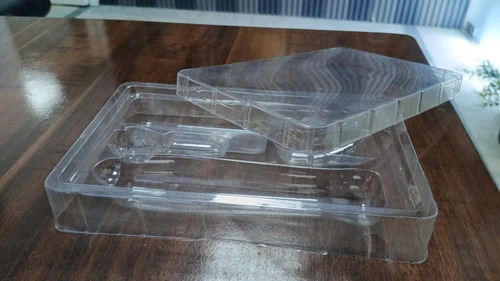
Trimmer Packaging Tray with LID
Price:6.5 INR /Piece
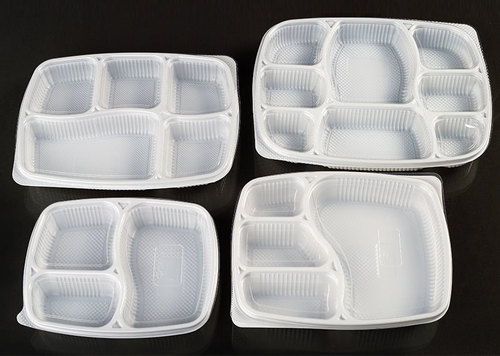
Disposable Meal Tray
Price:6-13 INR /Piece
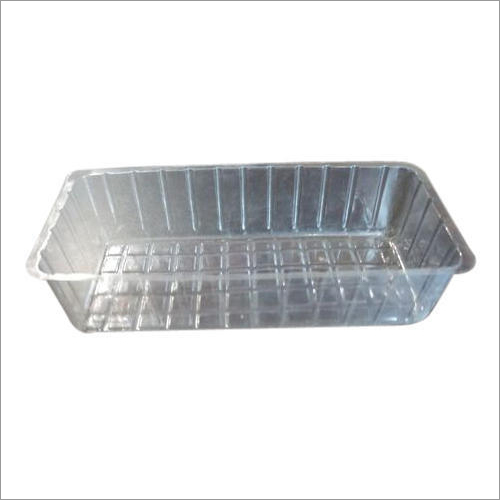
Fruit Cake Packaging Tray
Price:200 INR /Kilograms
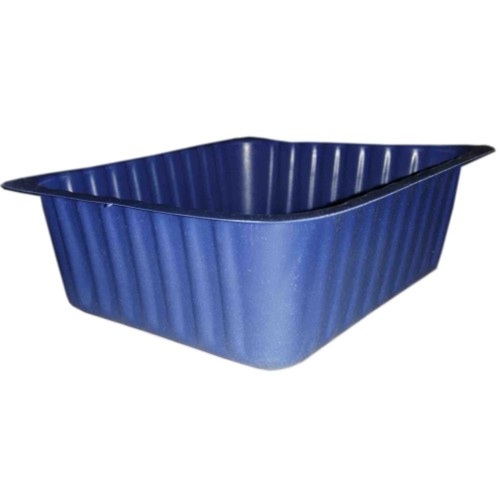
Mushroom Packing Tray
Price:110 INR /Kilograms
Paper Plates
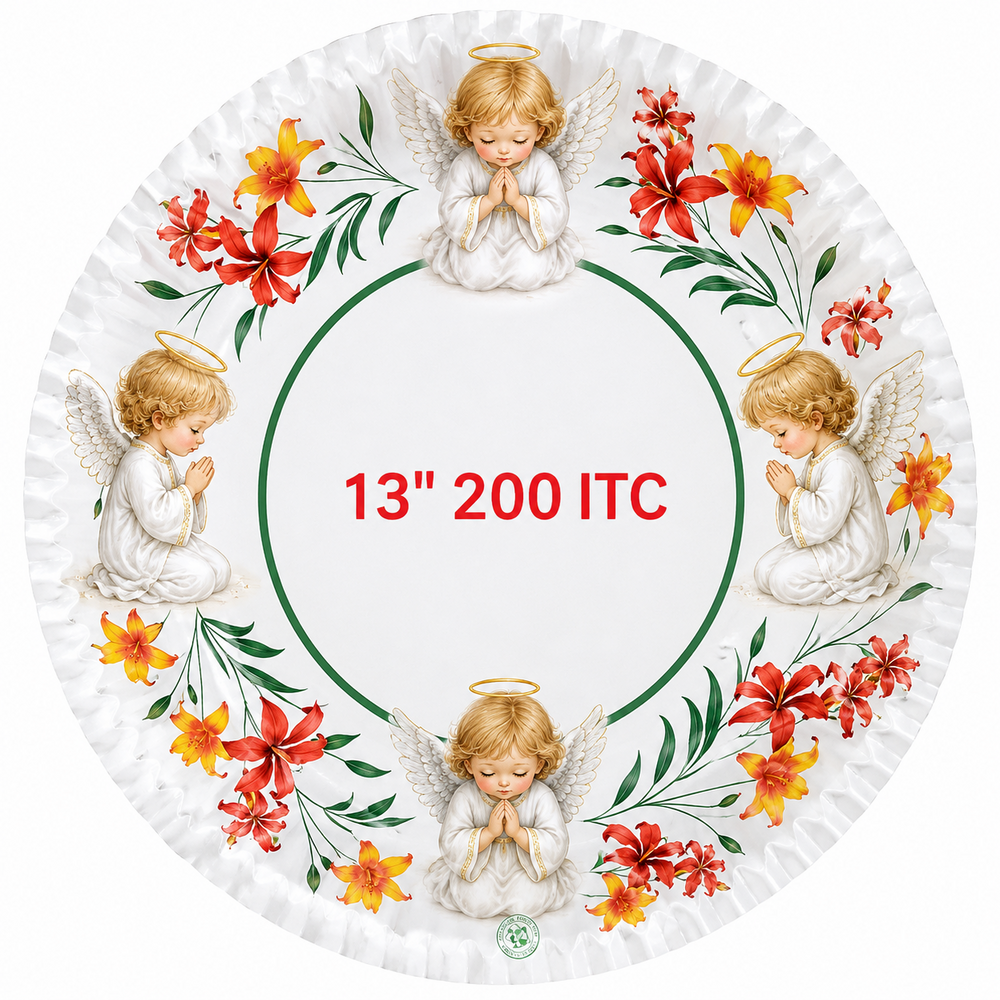
Digital Printed Paper Plate
Price:1800 INR /Bag
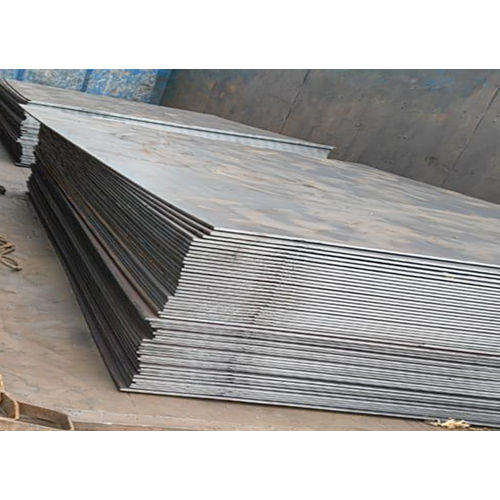
High Grade MS Plates
Price:60 INR /Kilograms
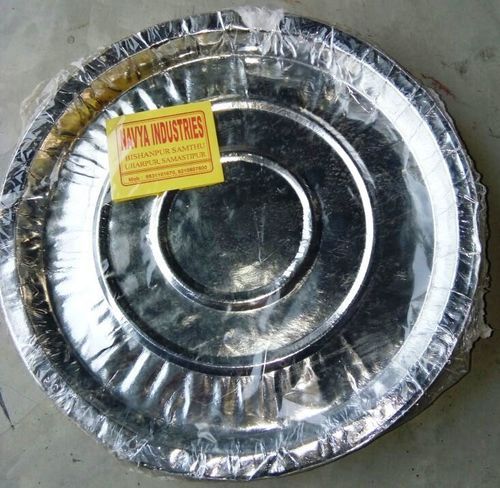
Paper Plates and Paper Dona Bowls
Price:Rs 4 - 18 Per Pack INR /Pack
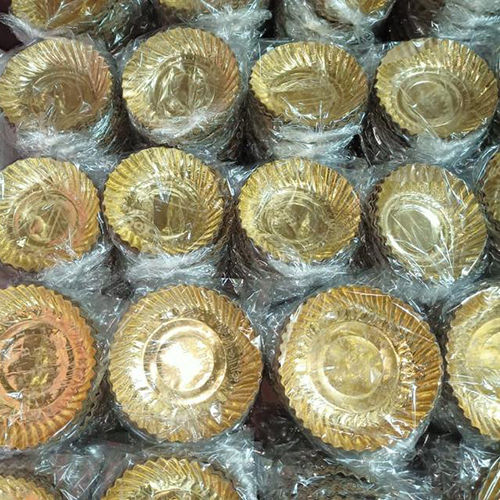

Paper Plates
Price:1 INR /Piece
Ice Cube Tray
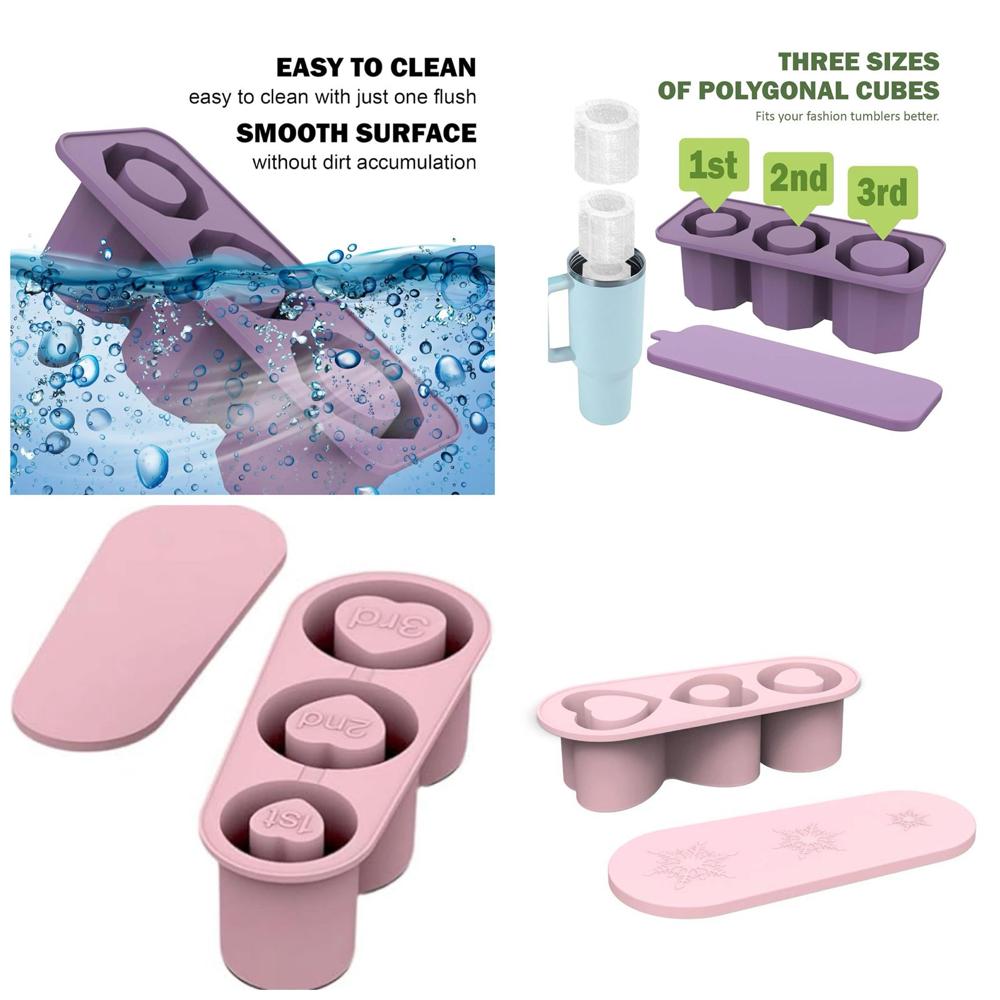
Shape Stanley Cup Ice Mold Cube Tray
Price:270.0 INR /Piece
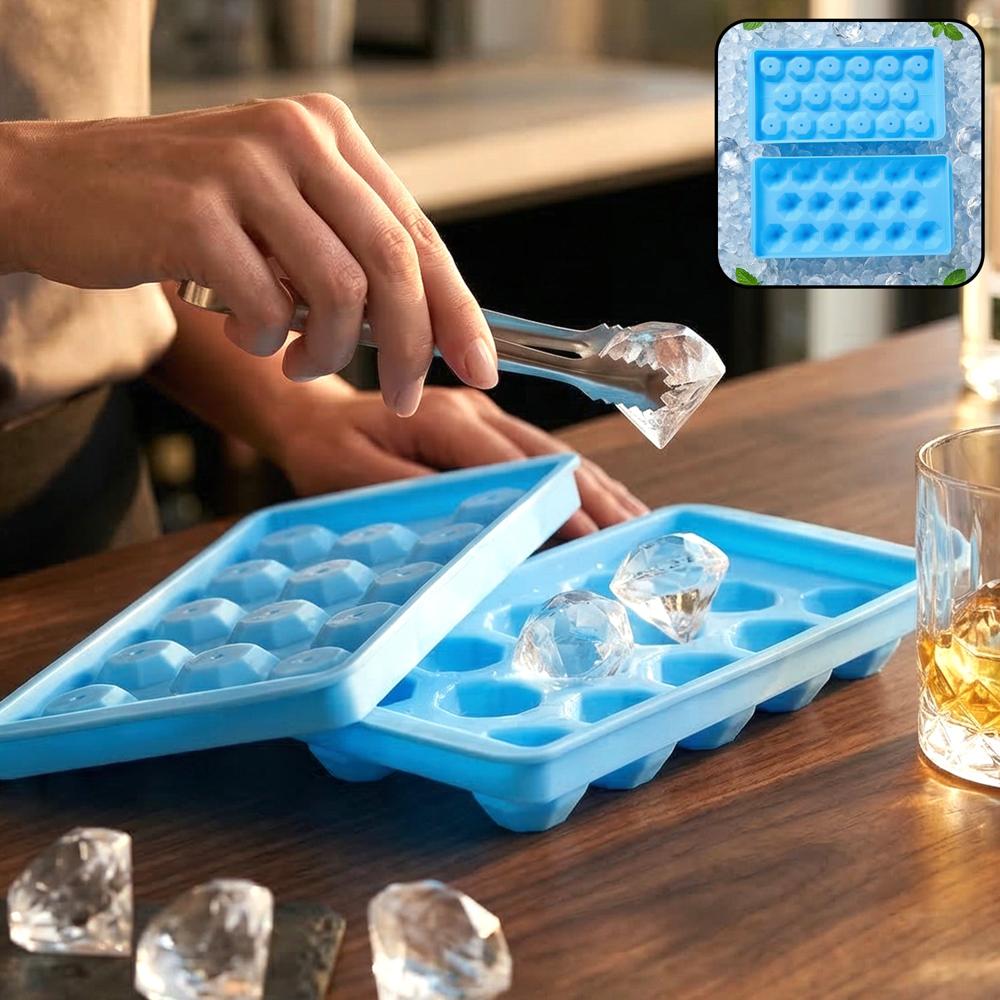
Multipurpose Ice Cube Tray with Lid 17 Grid Mold (1 Pc)
Price:26.07 INR /Piece
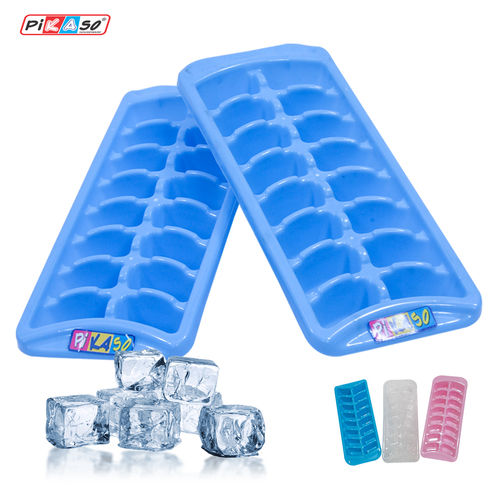
Splash (Ice Tray) (2 pc set)
Price:48 INR /Piece
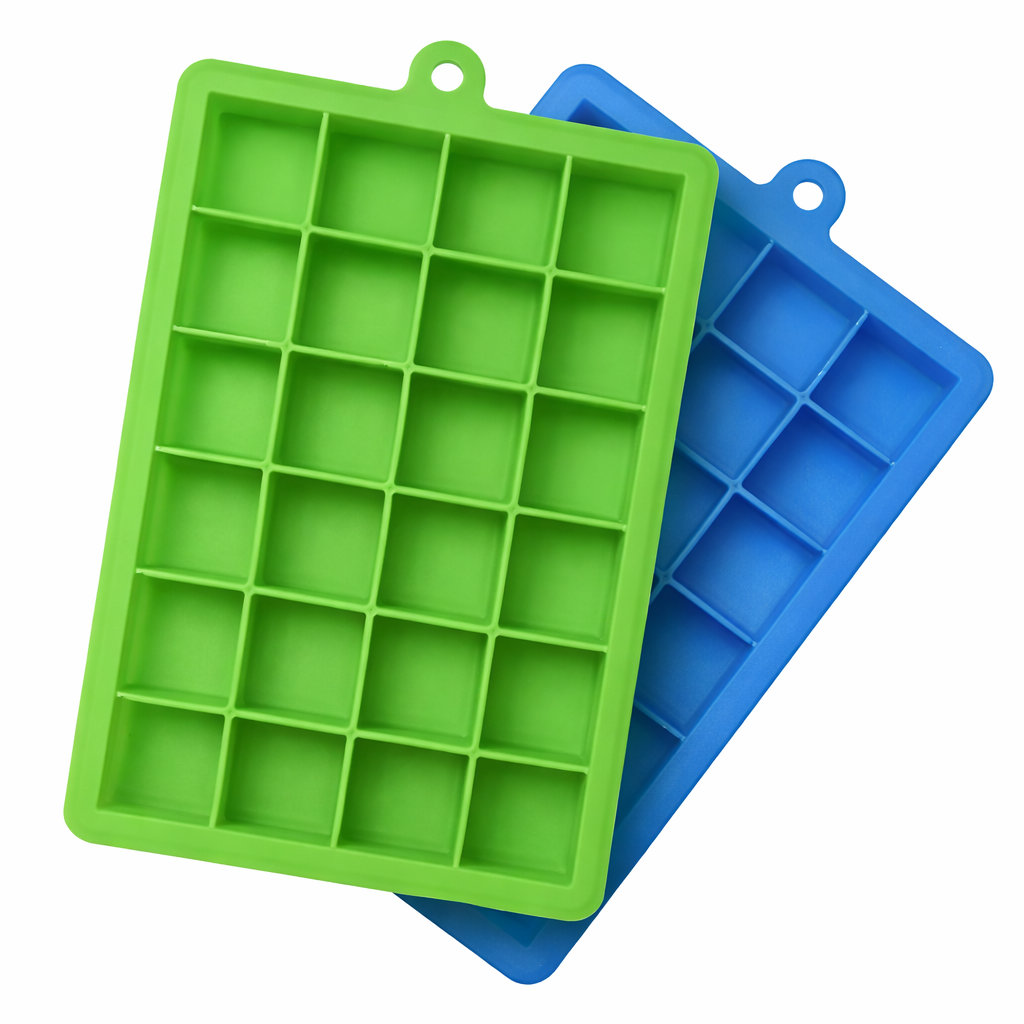
Ice Cube Tray
Price:25.00 INR /Unit
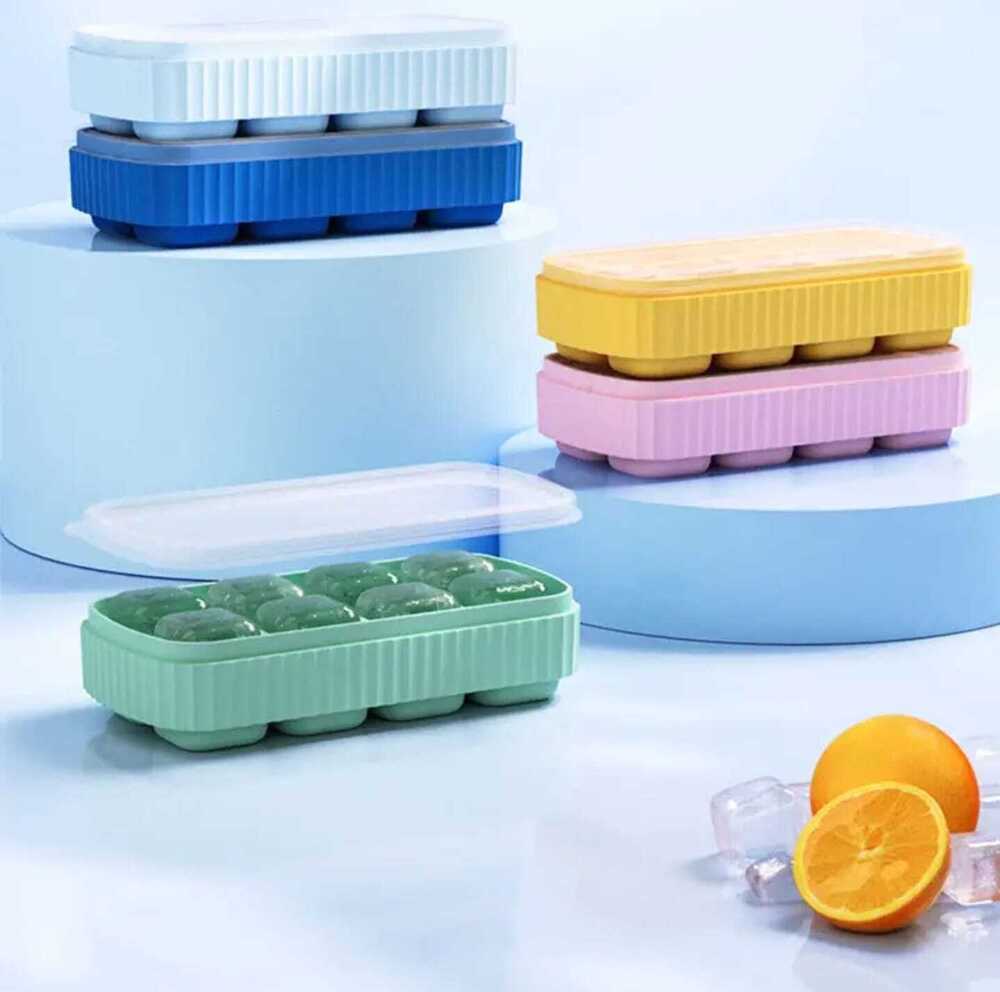
8 Cube Ice Trays
Price:30 INR /Piece
Paper Lids
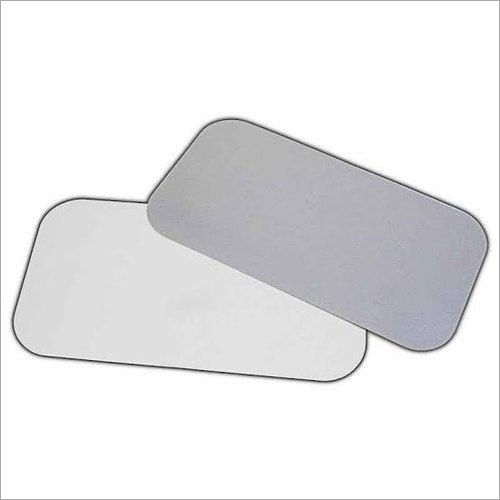
Rectangular Plain Paper Lid
Price:0.3 INR /Pack
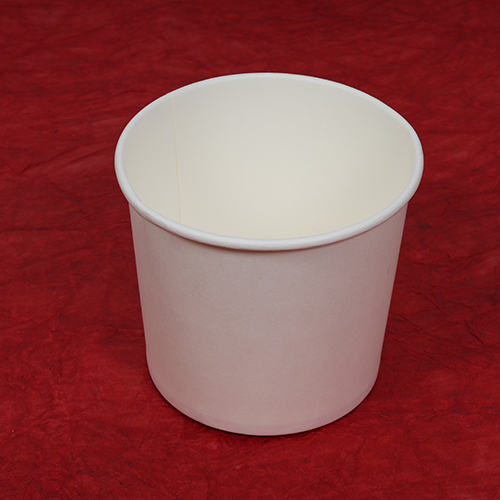
750ml Tall White Paper Bowl with Lid
Price:6.6 INR /Piece
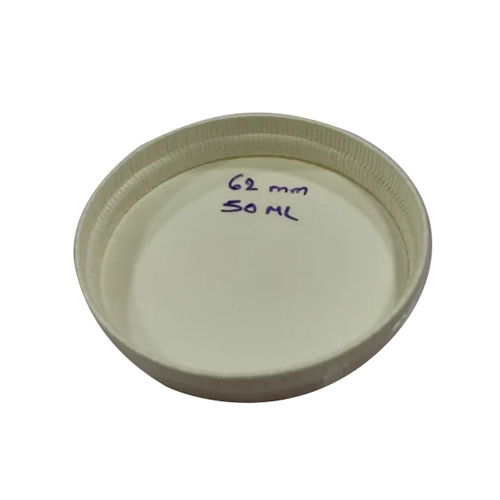
50 ML Paper Tub Lid
Price:1.23 INR /Piece
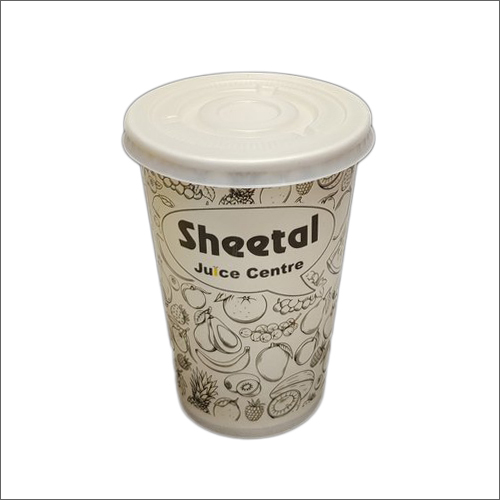
80mm Paper Glass Flat Lid
Price:1 INR /Piece
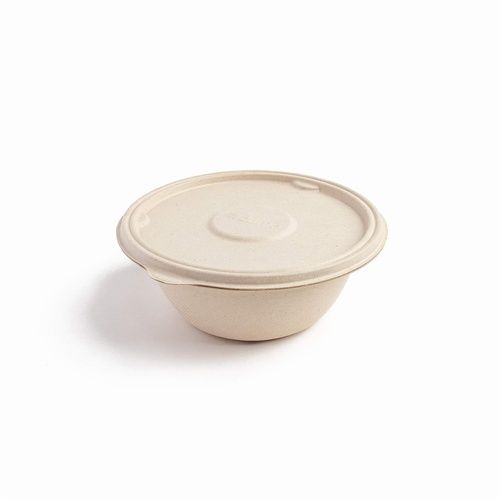
750ML Premium Sugarcane Bagasse Meal Bowl with Lid
Price:14.8 INR /Piece
How to Do Packaging & Paper Export/Import Business?
Register Your Company
First, you will need to create a free seller account.

Get Your License
Request for your permits and licenses to become eligible.

Learn Regulations
Learn all about the rules and regulations of import & export business.

Hire Professional Shipping Company
Partner with ecommerce company to deliver your products.

Import/Export Business
Stepwise Process to Start the Import Export Business for Packaging & Paper Industry
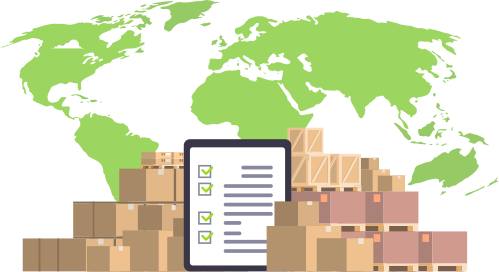
Get Custom Clearance Document
Contact a custom clearing officer to get a go ahead to ship your products.

Recently Added Products in Packaging & Paper Categories
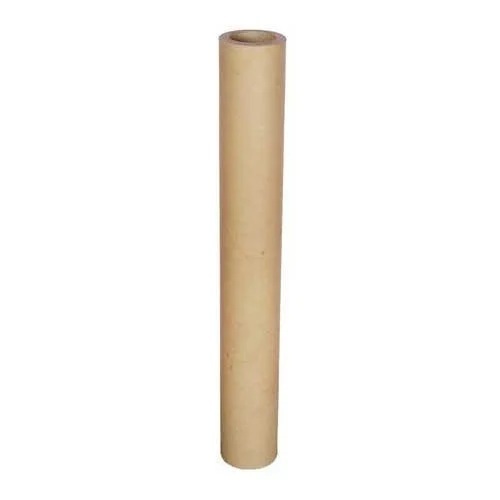
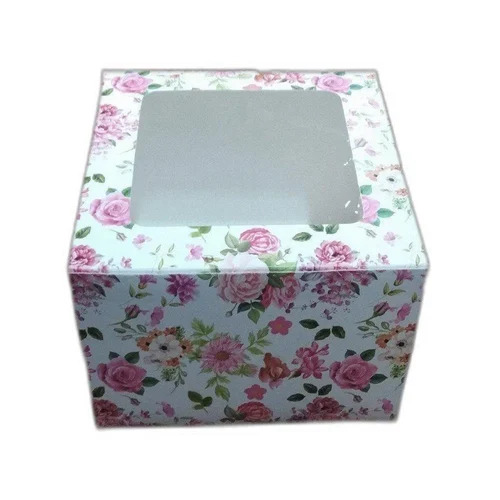

Garment Tissue Paper - Finishing: Glossy Lamination
By:
Dynamic International
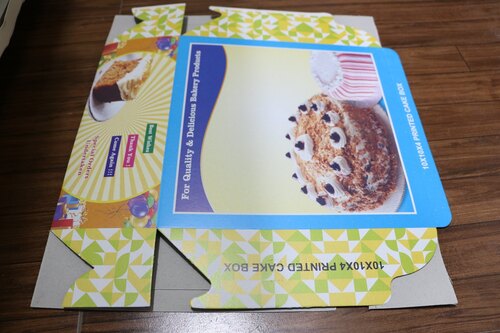

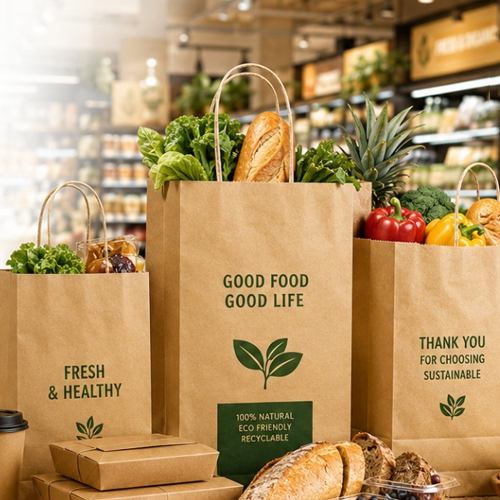
Brown Grocery And Food Packaging Paper Bag
By:
Shubh Solutions Trendlink
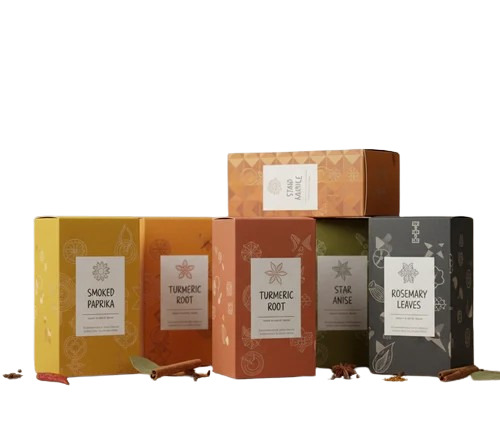
Popular Packaging & Paper Categories










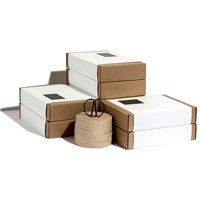
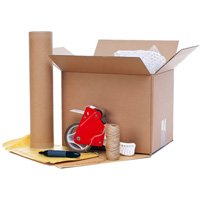
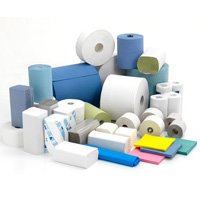

What Is Packaging? - Definition, Types, & Functions
Introduction
Parchment paper and bags made of paper are two examples of paper packaging used to store and transport dry goods. Popular in today's market is paper packaging, which is manufactured from paper rather than plastic or metal. Goods are packed, stored, and transported using this sort of packaging to safeguard the contents from the rigors of transit. At now, this sector is eager to spend money on developing trendy new forms and integrating branding features into existing ones.
Due to the high technical standards of the dairy industry and the fact that milk is an expensive food that is easily fermented and damaged if not packaged and shielded by a multi-layer packaging, the market share of this product type is concentrated in this sector.
Type of Packaging Paper
- Corrugated board
Two sheets of kraft paper sandwich a sheet of corrugating fluting paper to create a corrugated board. Fibreboard is commonly used for the transportation of both bulk food and retail food products due to its resilience to impact abrasion and crushing damage.
-
Kraft Paper
Bleached white kraft paper, heavy-duty, natural brown and unbleached are just some of the varieties that may be found in stores. Most bags and wrapping paper are made from natural kraft since it is the most durable option. It's also used for storing and transporting things like flour, sugar, and dried fruits and vegetables.
-
Greaseproof paper
Wrapping snack foods, candy bars, cookies, and other oily goods with greaseproof paper is becoming obsolete due to the widespread availability of more convenient and disposable plastic film alternatives.
-
Parchment or Baking paper
The acid alters the cellulose to render it smoother and more resistant to water and oil, hence increasing the wet strength of the pulp from which it is made. Butter and lard are packed in it since it is not a good barrier to air and moisture, it cannot be heat sealed, and it is used for preservation.
-
Duplex paper
Duplex paper is created by melting together two sheets of paper. Frequently, a protective coating is applied to the exterior of the board to increase its resistance to moisture and lend it a glossy appearance.
Depending on what is needed, the duplex paper can be created from food-safe materials.
Duplex paper is commonly used for pharmaceutical packaging and the production of printed mono cartons.
-
Solid Bleached board
Typically, one or more layers of mineral or synthetic pigment coat the surfaces of solid bleached board (SBB) or solid bleached sulfate (SBS), two types of paper board created entirely from bleached chemical pulp.
This medium density board is completely white on both sides, making it ideal for graphic design and packaging applications. It's simple to fold, score, emboss, and use hot foil stamps on.
This board, however, is not suitable for holding food and must be laminated before it can be used for that purpose.
-
Virgin paper
Virgin Paper is paper manufactured from newly felled trees that have not been used for any other purpose.
The trees are felled, turned into pulp at a mill, and then shaped into fresh paper. It is not necessary to laminate virgin paper to make it safe for use with food. High-quality items tend to be soft and fragrant.
When compared to recycled paper, Virgin paper's superior strength makes it suitable for use in the food industry.
Virgin Packaging & Paper is more expensive than the alternatives listed below because it is of a higher quality (usually food grade) and greater strength.
-
Cardboard
Fluting, or recycled paper, is used in the construction of cardboard, which is then sandwiched between two liners.
These liners often also contain a sizeable amount of recycled materials, such as cardboard or other discarded paper products.
The thickness of cardboard also greatly affects its strength and durability. Because it is not FDA-approved for direct contact with food, it must be laminated before it may be used in food packaging.
-
Butter Paper
It's not non-stick, so you can't use it to make sandwiches, and it goes by various names. You shouldn't use it for baking, but it's great for wrapping moist or greasy foods in the grocery store. Wrapping food and drinks with butter paper is fine because it is made to food safety standards.
For use with burgers and sandwiches, the butter paper is sliced into thin sheets. Salads, bread, munchies, etc., can all be stored conveniently in pouches.
The butter paper provides an outstanding option for flexible packaging. Because of its low cost and high resilience to heat, butter paper is an ideal main packaging material.
Top Reasons Why Packaging is Important
-
Prevents Tampering
Food safety requires tamper-resistant packaging. As a result of the adulteration, the food item is now harmful to consumers. Using proper packaging can help solve the tampering problem. Thus, it is important to incorporate tamper-evident symbols on food packaging. Food producers should employ tamper-evident labels that reveal any attempted manipulation of the product. This comprises visuals and product features that evolve as a result of tampering, such as printed features, specific packaging membranes, breakaway closures, and so on.
-
Maintains the Freshness of the Food
Thanks to advancements in food packing, produce cultivated on the West Coast may now be shipped to the South. This means that with the correct packaging, food goods can maintain their freshness and quality for longer. Because of advancements in packaging technology, producers and processors of food may now provide consumers with perishable goods that are guaranteed to maintain their freshness.
-
Ensures Safety
The primary function of packaging is to ensure the security of its contents and the well-being of its intended recipients. Important product and safety information should be included on the packaging. For food items, for instance, the packing date, best-before date, and ingredient list should all be prominently displayed. Whether made from virgin materials or recycled plastic, food should not absorb any undesirable chemical, odor, or flavor from the packaging.
-
Attractiveness of Electronics
The product's packaging is a crucial aspect of its marketing and branding. One's propensity to purchase a product may be influenced by the packaging's uniqueness. The product itself is secondary only to its packaging. Its goals are to draw attention to the product, increase sales, educate consumers, and pique their curiosity. Two-thirds of consumers think they are influenced by a product's packaging.
-
Sustainability
The carbon footprint, reusability, and recycleability of packaging materials are increasingly becoming important considerations for customers. The more favorably sustainable packaging is viewed, the greater the effect on sales it has.
Future of Packaging & Paper Industry in India
At a CAGR of 6.63% between 2022 and 2027, the value of the India Paper and Packaging Market is projected to rise from its 2021 level of $10.77 Bn to $15.69 Bn.
Top 3 trends that will shape the future of packaging to 2027
-
Brand Owner trends
As corporations in the fast-moving consumer products industry look for new growth opportunities, a growing number of their brand names are being introduced to consumers in other countries.
Through the year 2027, this trend will speed up in important growth economies as a result of increased exposure to westernized lifestyles.
Brand owners' interest in tools like radio frequency identification (RFID) labels and smart tags to detect and prevent the distribution of counterfeit goods has been stoked by the proliferation of e-commerce and the liberalization of international trade.
-
Consumer Trends
The number of people who shop online as a regular part of their shopping habits is growing. Until 2027, this trend is expected to intensify, leading to a greater need for packaging solutions, particularly corrugated board shapes that can transport goods securely via increasingly intricate distribution networks.
On-the-go consumption of consumables like food, drink, and medicine is on the rise. As a result, the market for flexible plastics is poised to grow as more people look for lightweight and portable packaging options.
-
Economic and Demographic growth
The world's population is rising, and urbanization is expected to speed up, especially in major growing economies like China and India.
A growing middle class has more disposable cash to spend on consumer goods, more access to cutting-edge retail options, and a desire to adopt Western consumerism.
Demand for healthcare and pharmaceutical products is expected to rise as the population ages due to rising life expectancy, particularly in key developed nations like Japan. At the same time, there's a demand for packages that are easier for seniors to open.
FAQs: Packaging & Paper
Q. What are the Types of Packaging Material?
Ans. Here are the materials used for packaging:
-
1. Jute Bags
-
2. Cardboard Boxes
-
3. Butter Paper
-
4. Corrugated boxes
-
5. Shrink Wrap
-
6. Woven Sack
Q. What type of Paper is used for Packaging?
Ans. Kraft paper, corrugated board paper, Wrapping paper, and Butter paper are the common papers used for packaging products or food items.
Q. What are the Common uses of Packaging?
Ans. Here are the uses:
-
1. Product protection
-
2. Physical protection
-
3. Bringing Attractive
-
4. Waste Reduction
-
5. Safety
-
6. Promotion
Q. What is the 5 Importance of Packaging?
Ans. The 5 importance are:
-
1. Providing protection
-
2. Safety
-
3. Attractive looks
-
4. Specific customer demand
-
5. Promotion the brand
-
6. Optimal Design




© 1999-2026 Infocom Network Private Limited. All rights reserved.