


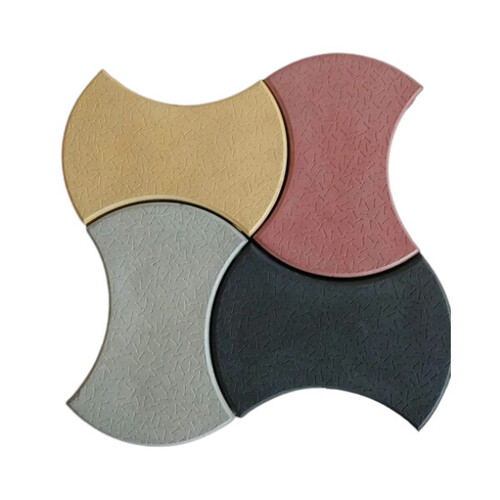
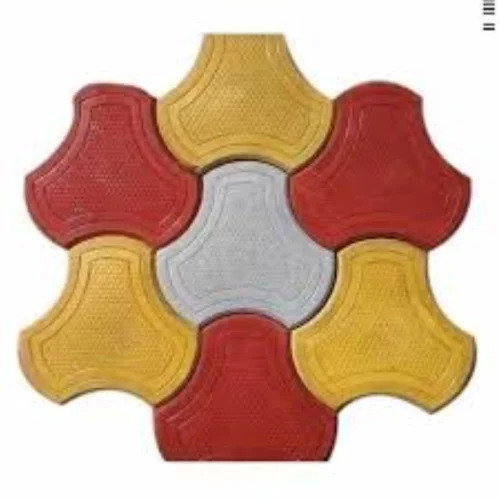
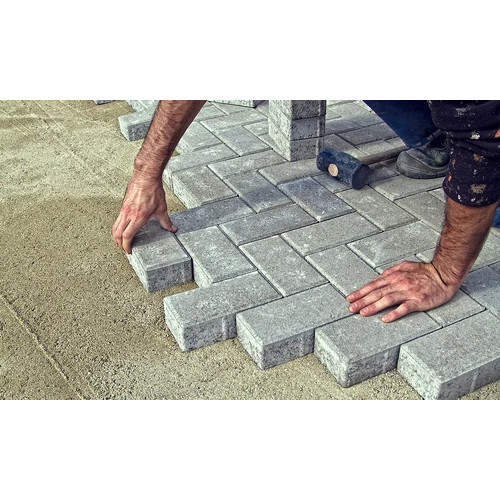
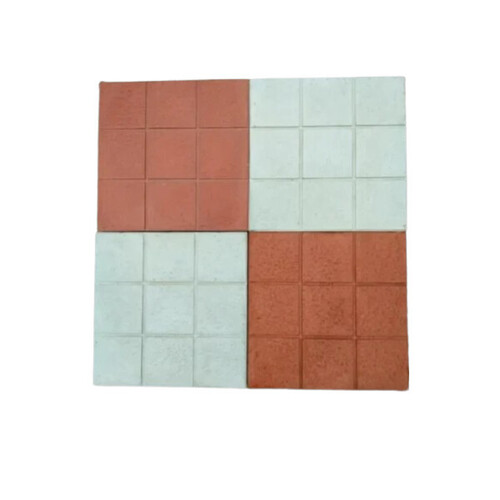
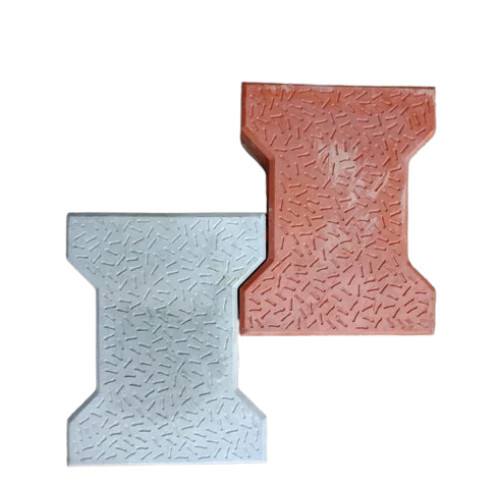
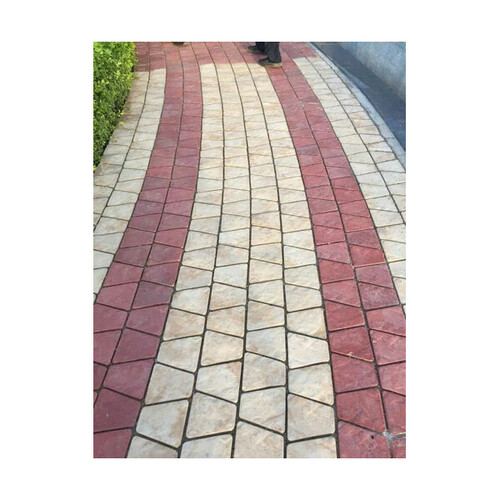
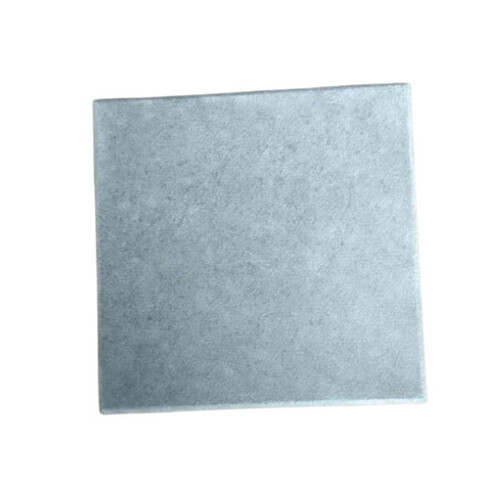
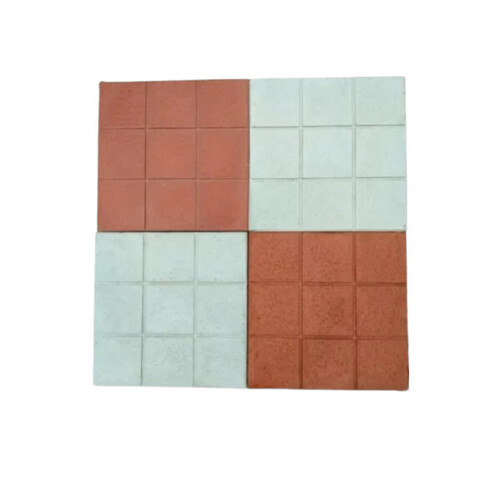
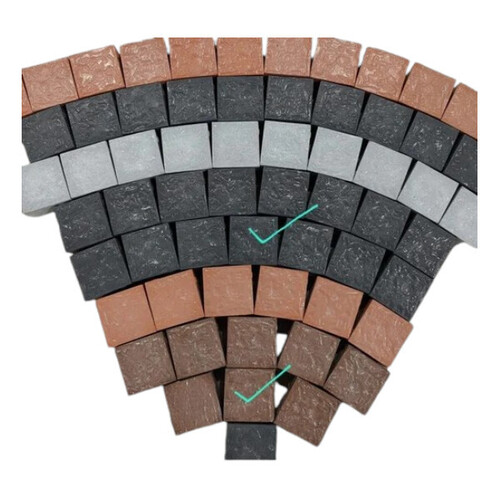
Cement Interlocking Paver Tile - Concrete, 60mm Thickness, Multicolor | Durable, Non-slip, Textured Finish, Stable
Price: 35.00 INR / Piece
(35.00 INR + 0% GST)
Get Latest Price
1 Pack Contains :
1
Minimum Pack Size :
1000

In Stock
Product Specifications
| Material | Concrete |
| Thickness | 60mm |
| Shape | Curved |
| Color | Multicolor |
| Finish | Textured |
| Size | Variable |
| Features | Durable, Interlocking, Stable, Strong, Attractive, Versatile, Easy Install |
| Tile Type | Other, Concrete Tiles |
| Tile Material | Other, Concrete |
| Usage | Exterior Tiles |
| Application | Floor Tiles |
| Feature | Non-Slip |
| Payment Terms | Cash Advance (CA), Cash in Advance (CID) |
| Supply Ability | 5000 Per Week |
| Delivery Time | 1 Week |
| Sample Policy | Contact us for information regarding our sample policy |
| Packaging Details | Standard |
| Main Domestic Market | All India |
| Moq | 1000 |
| Returnable | No |
| Stock Quantity | 5000 |
| Color | Grays, Reds / Pinks |
| Product Unit | 1000 Piece/Pieces |
| Mop | 1000 |
| Unit Type | Piece/Pieces |
| Currency | INR |
| Price | 35.00 INR (Approx.) |
| Price Type | fixed |
| Packsize | 1 |
| Minimum Order Quantity | 1000 |
| Minimum Ordered Packs | 1000 |
| GSTIN | 0% |
Product Overview
Key Features
Made from strong concrete for durability
60mm thickness for high load-bearing capacity
Interlocking design ensures stable installation
Plain tile design for a clean and uniform look
Ideal for pavements and flooring applications
Company Details
Focusing on a customer-centric approach, Twisha Cement Product has a pan-India presence and caters to a huge consumer base throughout the country. Buy Tiles in bulk from Twisha Cement Product at Trade India quality-assured products.
Business Type
Distributor, Supplier
Establishment
2015
Working Days
Monday To Sunday
Related Products
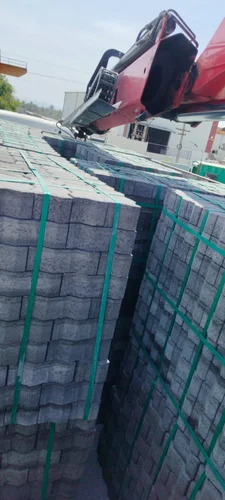
Cement Paver Block - Color: Grey
Price: 60 INR
MOQ - 100 Square Feet
Avs Tech Building Solutions India Private Limited
Hosur, Tamil Nadu
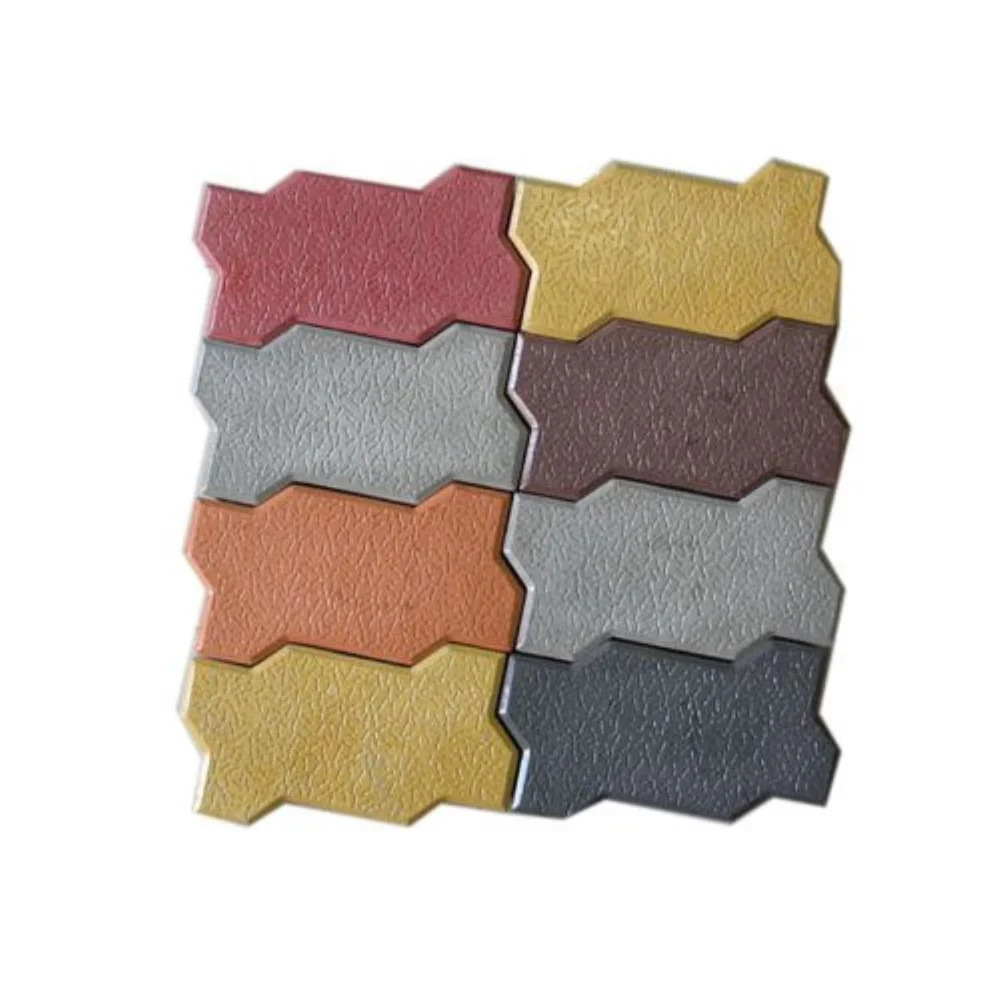
Interlocking Paver Block - Color: Various Available
Price: 45 INR
MOQ - 100 Square Foot/Square Foots
Namo Pavers And Designer Tiles
Pune, Maharashtra
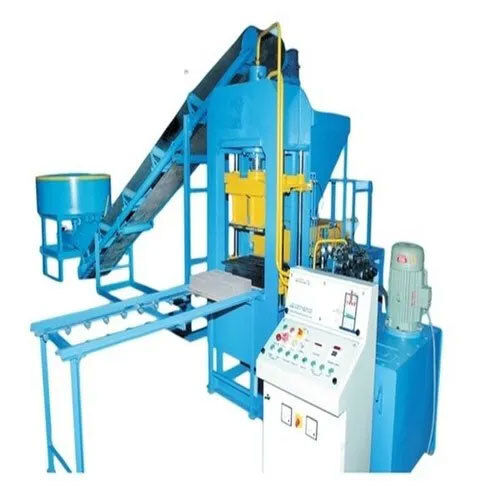
Cement Interlocking Tiles Making Machine - Color: Blue
Price: 600000 INR
MOQ - 1 Piece/Pieces
Ultra Tile Machine
Noida, Uttar Pradesh
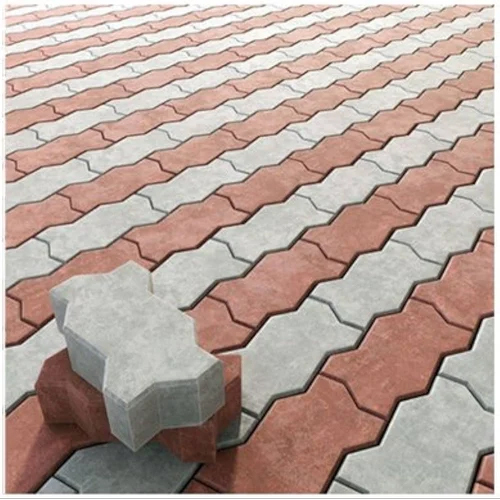
Cement Interlocking Tiles - Feature: Wear-Resistant
Price: 16 INR
MOQ - 100 Piece/Pieces
The Tiles World
Jaipur, Rajasthan
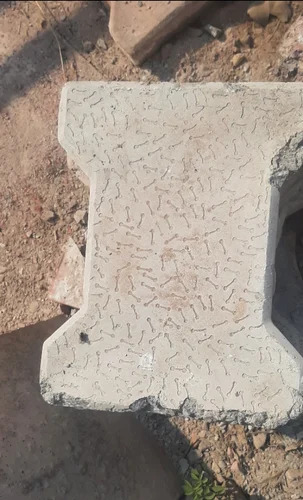
Cement Interlocking Tile - Color: Gray
Price: 14 INR
MOQ - 100 Piece/Pieces
G Trader And Cement Udhyog
Agra, Uttar Pradesh
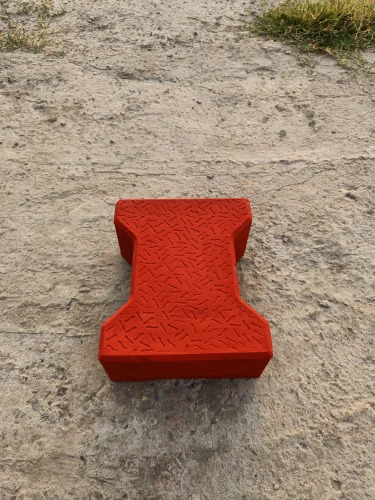
Cement Interlocking Tiles
Price: 15 INR
MOQ - 1000 Piece/Pieces
M/s Radha Rani Concrete Products
Palwal, Haryana
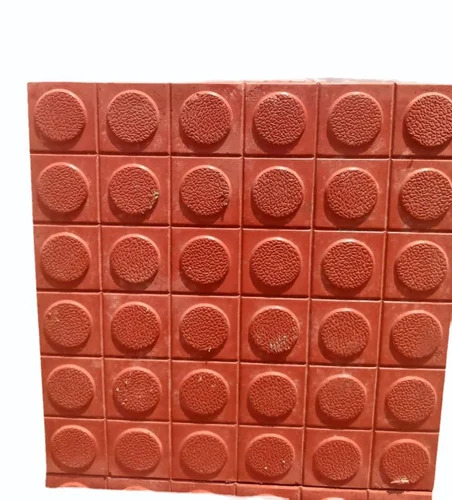
Cement Interlocking Tiles
MOQ - 1000 Piece/Pieces
Eco Vision Industries Pvt. Ltd.
Greater Noida, Uttar Pradesh
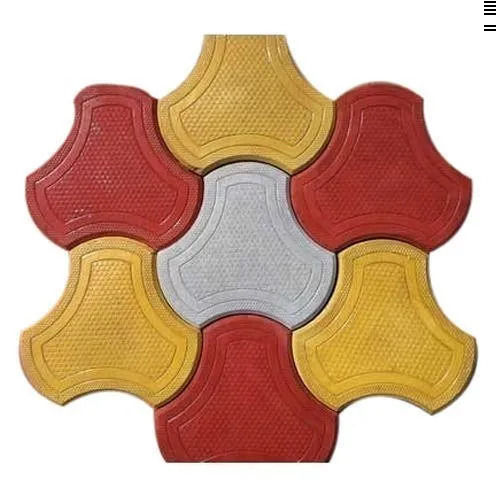

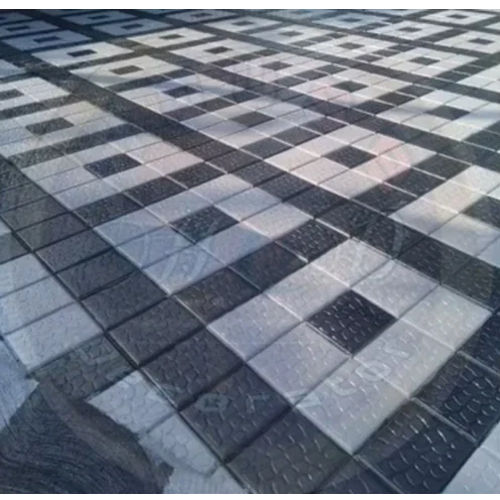
20mm Cement Interlocking Tiles - Concrete Material, 20mm Thickness, Mosaic Design, Matt Finish | Non-Slip Feature, Interlocking Pattern, Ideal for Outdoor Use
Price: 14 INR
MOQ - 5000 Piece/Pieces
Choudhary Tiles
Rupnagar, Punjab
Explore Related Categories


More Products From This Seller
Seller Details
Surendranagar, Gujarat
Proprietor
Mr. Manish Patel
Address
Shop No.A-15, Godavari Village, Muli Post Office, Muli Taluka, Surendranagar, Gujarat, 382745, India
Report incorrect details