

Heat Exchangers
(5412 products)


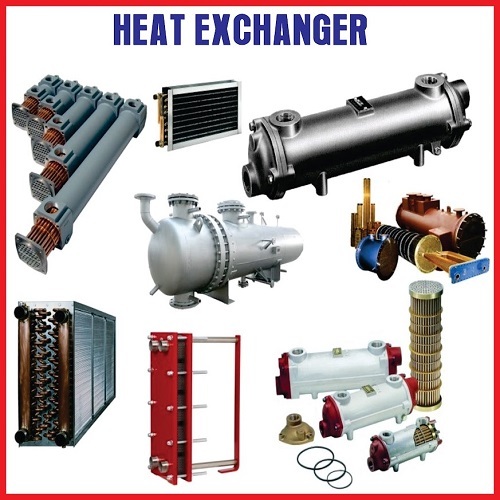
Heat Exchangers - Color: Black
6000 INR/Piece
MOQ10 Piece/Pieces
TemperatureMedium-Temperature
ColorBlack, Silver, Blue
ConditionNew
UsageIndustrial
SizeStandard
Working Presssure200PSi
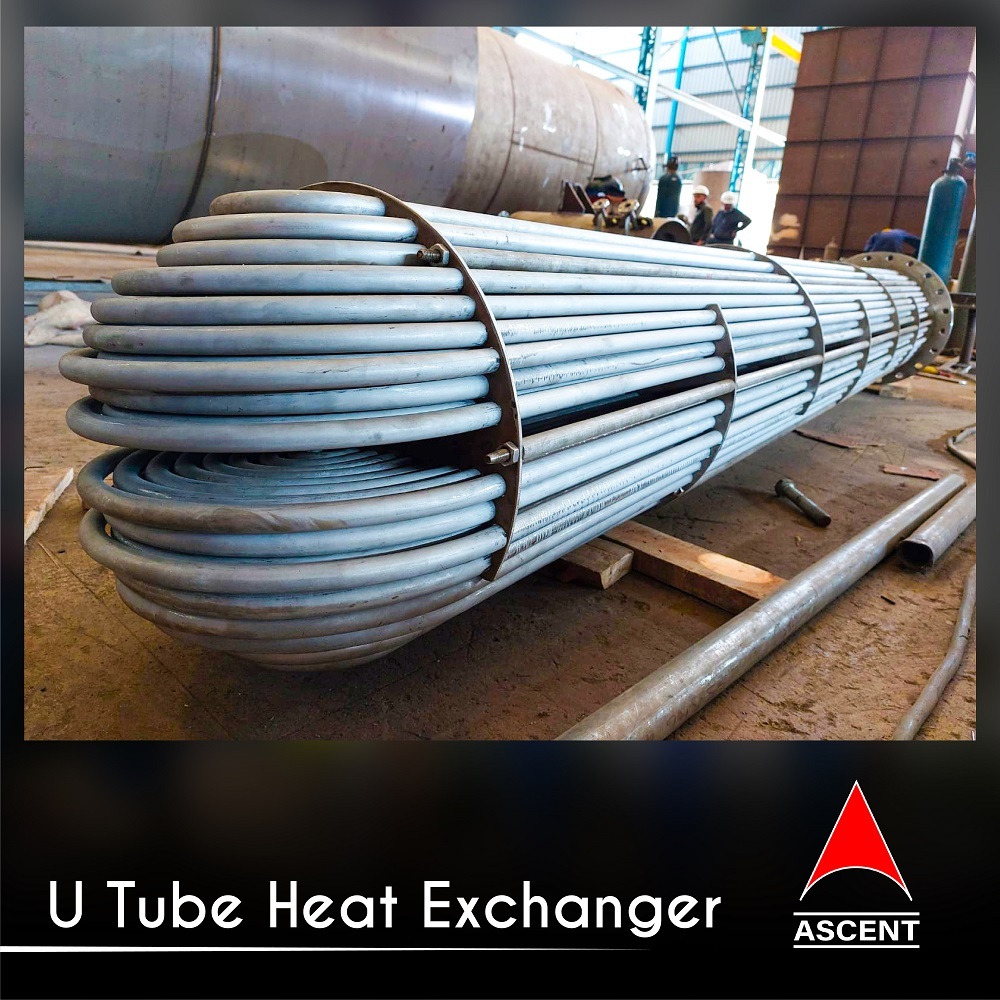
U Tube Heat Exchanger - Color: Silver
250000 INR/Unit
MOQ1 Unit/Units
Number of PipeMultiple (Based on Design)
ColorSilver
UsageIndustries
ConditionNew
StructureOther
Working Presssure5-15 Bar

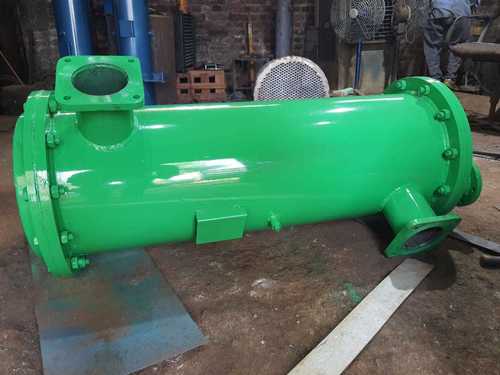
Tube Heat Exchanger - Color: Green
8000 INR/Piece
MOQ10 Piece/Pieces
ColorGreen
UsageIndustrial
ConditionNew
Structuretube Heat Exchanger
Voltage220 Volt (v)
Product TypeTube Heat Exchanger

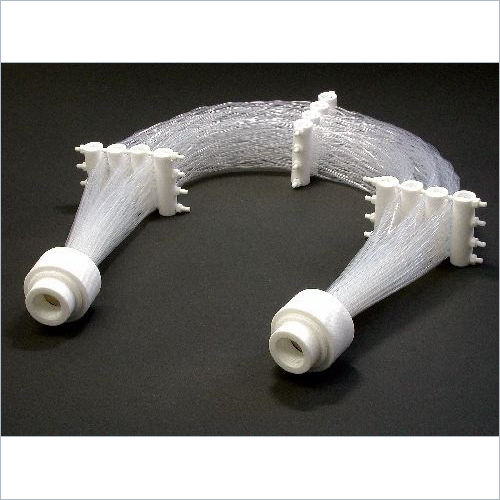
White Fluoropolymer Heat Exchanger
MOQ10 Unit/Units
Usageindustrial
ConditionNew
Structuretube Heat Exchanger
Product TypeFluoropolymer Heat Exchanger
ColorWhite
Hi-tech Applicator
Ahmedabad
 Super Bonanza
 Trusted Seller
19 Years

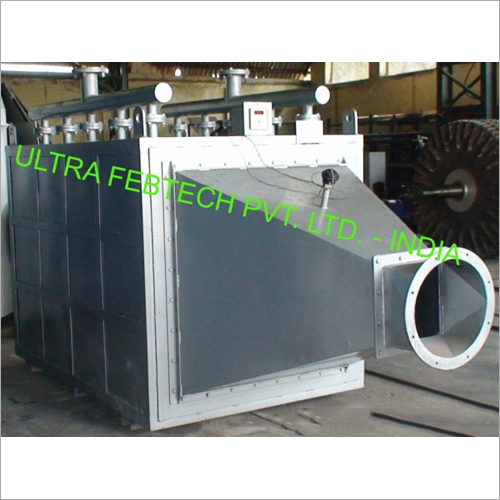
Industrial Heat Exchanger - Stainless Steel, Automatic Operation at Up to 280 Volt | High Durability, Effective in Cooling and Heating Processes
Price: 200000 INR/Unit
MOQ1 Unit/Units
ColorSilver
UsageIndustrial
ConditionNew
Structuretube Heat Exchanger
SizeStandard
Voltage280 Volt (v)
Ultra Febtech Private Ltd.
Ahmedabad
Trusted Seller Super Premium
 Super Seller
5 Years
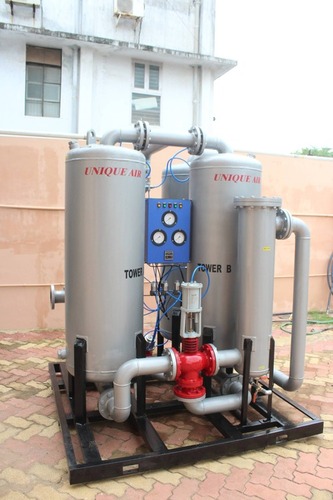
Heatless Air Dryer - Color: White
Price: 5000 INR/Unit
MOQ1 Unit/Units
TemperatureHigh-temperature
Max Pressure2 Bar to 80 Bar
Air Volume20 CFM Onwards ft3/min (CFM)
ColorWhite
Max. Capacity10 Cubic Feet Per Minute (ft3/min)
ConditionNew
Unique Air Products
Vadodara
Trusted SellerSuper Premium16 Years
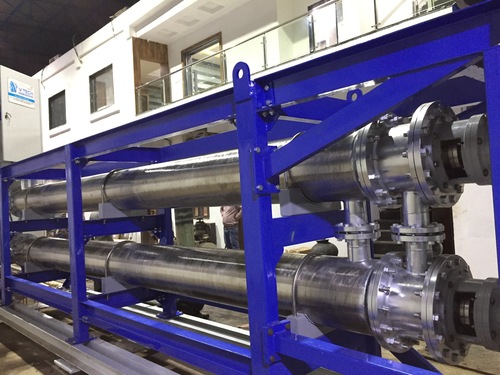
Double Pipe Heat Exchanger - Copper Alloy, Compact Design, Efficient Heat Transfer, High Durability, Versatile Applications
Price Trend: 500000.00 - 1500000.00 INR/Set
MOQ1 , Set/Sets
Number of Pipe1 inner, 1 outer (double pipe)
DiameterInner pipe: 25-100 mm, Outer pipe: 50-200 mm
Air VolumeN/A (for liquid-liquid or liquid-gas applications)
TemperatureOther, -10AdegC to 180AdegC
Max. Capacity200,000 kcal/hr
Thickness3 mm to 8 mm (shell and tube)
V Tech Engineering
Indore
Trusted SellerSuper Seller Premium Seller
17 Years
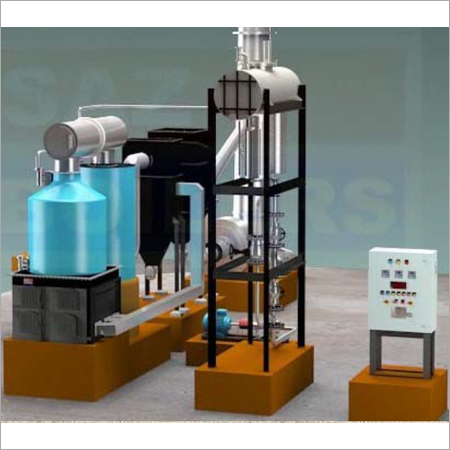
Wood Fired Thermic Fluid Heaters Usage: Industrial
Price: 2500000 INR/Unit
MOQ1 , Unit/Units
UsageIndustrial
ConditionNew
Voltage380 Volt (v)
Product TypeWood Fired Thermic Fluid Heaters
Saz Boilers
Pune
Super SellerPremium Seller8 Years

Shell And Tube Heat Exchanger - Usage: Industrial
MOQ1 Unit/Units
TemperatureHigh-temperature
ConditionNew
UsageIndustrial
Structuretube Heat Exchanger
Voltage280 Volt (v)
Luftsol Engineering Private Limited
Pune
Trusted SellerSuper Seller3 Years
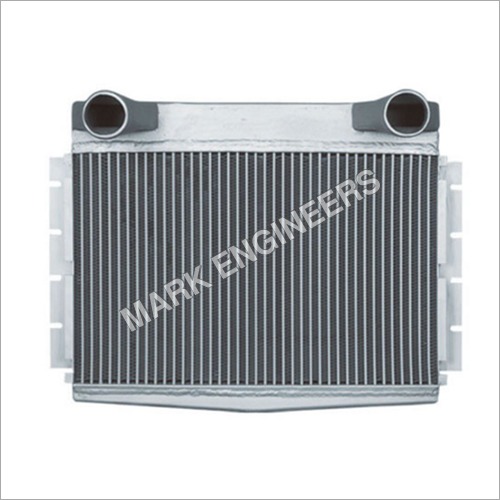
Industrial Oil Cooler Voltage: 220-240 Volt (V)
Price: 250000.00 INR/Unit
MOQ1 Unit/Units
UsageHydraulic and Industrial Process
ConditionNew
Product TypeOil Cooler
Voltage220-240 Volt (v)
Mark Engineers
Ahmedabad
Trusted SellerSuper SellerPremium Seller6 Years
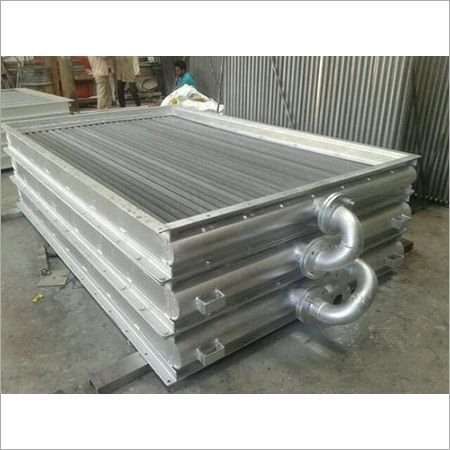
Silver Thermic Fluid Heat Exchanger For Sago Industries
Price: 60000 INR/Piece
MOQ1 Piece/Pieces
TemperatureOther, Up to 350AdegC
Max Pressure12 bar
Colorsilver
Max. Capacity100,000 Kcal/hr
UsageIndustrial
ConditionNew
Thermal Energy Solutions
Chennai
Trusted SellerPremium Seller14 Years
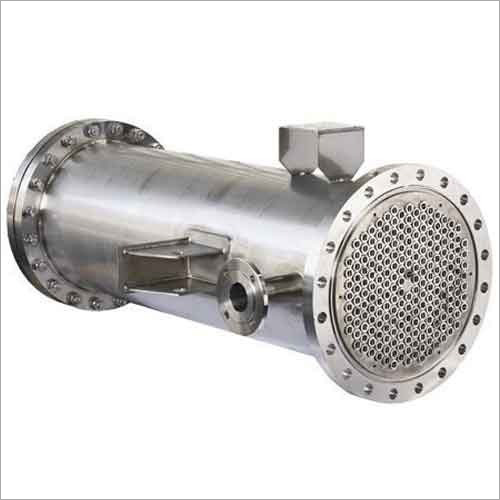
Industrial Tube Heat Exchanger - Color: Silver
Price: 100000.00 INR/Piece
MOQ1 Piece/Pieces
ColorSilver
TemperatureMedium-Temperature Celsius (oC)
ConditionNew
UsageIndustrial
Structuretube Heat Exchanger
Liquid Flow Rate2.5m/s Cubic m/s
Excellent Engineers Enterprises
Faridabad
Trusted SellerSuper Seller7 Years
Sugar Mill Heat Exchanger
Price Trend: 10000.00 - 100000.00 INR/Piece
MOQ5 Piece/Pieces
Diameter200mm aEUR" 1200mm (customized)
Number of PipeUp to 150 tubes
Max Pressure10 bar
TemperatureOther, Up to 150AdegC
Thickness5mmaEUR"12mm (shell and tubes, as per design)
Max. CapacityUp to 80,000 LPH (as per requirement)
Badrin Industries
Chennai
Trusted SellerSuper SellerPremium Seller23 Years
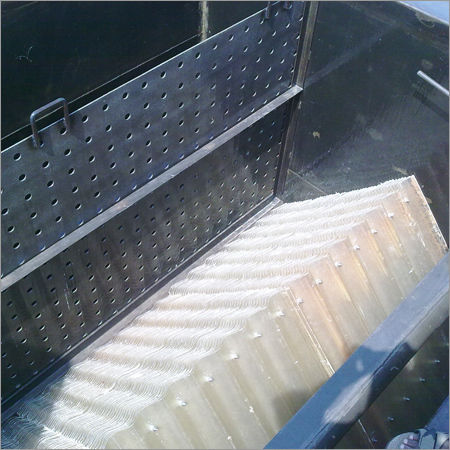
Grey Plate Pack Distribution Unit (Heat Exchanger)
Price: 400000.00 INR/Unit
MOQ1 Unit/Units
ColorGrey
ConditionNew
UsageIndustrial Use
Product TypePlate Pack Distribution Unit (Heat Exchanger)
Weight20.00 Kilograms (kg)
K-pack Systems Private Limited
Bengaluru
Trusted SellerSuper SellerPremium Seller16 Years
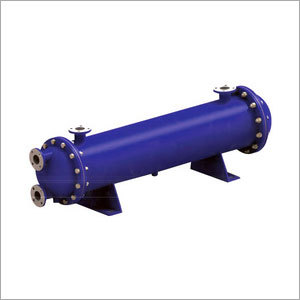
Heat Exchanger - Color: Any
Price: 100000 INR/Unit
MOQ1 Unit/Units
ColorAny
UsageIndustrial
ConditionNew
Product TypeHeat Exchanger
Sunrise Process Equipments Private Limited
Mumbai
Trusted SellerSuper Seller22 Years
U Tube Heat Exchanger - Color: Silver
Price: 250000 INR/Unit
MOQ1 Unit/Units
Number of PipeMultiple (Based on Design)
ColorSilver
UsageIndustries
ConditionNew
StructureOther
Working Presssure5-15 Bar
Ascent Machineries & Engg. Services
Mumbai
Trusted SellerSuper SellerPremium Seller18 Years
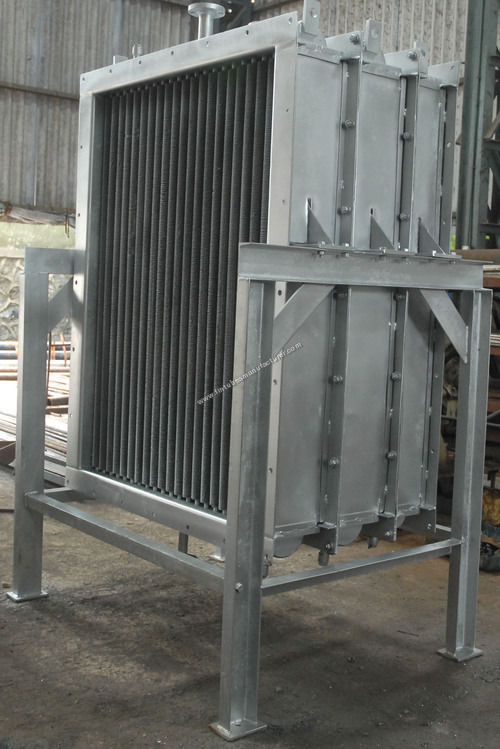
Gray Finned Tube Heat Exchangers
MOQ1 Piece/Pieces
UsageIndustrial
ConditionNew
Structuretube Heat Exchanger
Product TypeFinned Tube Heat Exchangers
ColorGray
Thermotech Industries (india) Pvt. Ltd.
Navi Mumbai
Trusted SellerPremium Seller19 Years

Surface Steam Condenser - Alloyed Material, Large Cylindrical Design, High Rigidity and Strength | New Condition, Safe Operation at Extreme Temperatures and Pressures
Price: 2500000 INR/Unit
MOQ1 Unit/Units
ThicknessDifferent Available Millimeter (mm)
UsageIndustrial
ConditionNew
SizeDifferent Available
Product TypeSurface Steam Condenser
Karunanand Hydro-pneumatic Controls Pvt. Ltd.
Ambernath
Trusted SellerSuper Seller12 Years
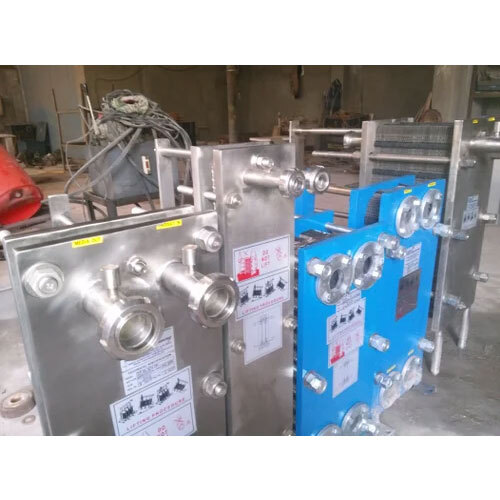
Juice Cooler Phe - Color: Blue Sliver
Price: 90000 INR/Piece
MOQ1 Piece/Pieces
TemperatureHigh-temperature
UsageIndustrial
ConditionNew
StructurePlate Heat Exchanger
SizeStandard
ColorBlue Sliver
Ved Engineering
Noida
Trusted SellerPremium Seller13 Years
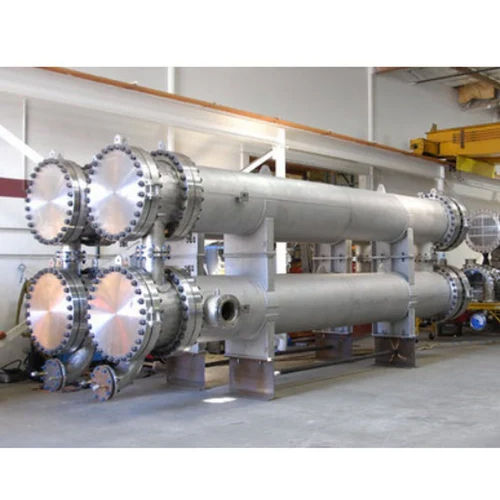
Shell And Tube Heat Exchanger - Standard Size, Silver Finish | New, 220 V for Hydraulic and Industrial Processes
Price: 1000000 INR/Piece
MOQ1 Piece/Pieces
ColorSilver
UsageHydraulic and Industrial Process
ConditionNew
SizeStandard
Voltage220 V Volt (v)
Product TypeShell And Tube Heat Exchanger
Kep Engineering Services (p) Ltd.
Medak
Trusted SellerPremium Seller3 Years

Vertical Thermic Fluid Heater - Capacity: 25K-1500K Kcal/Hr | Features: Automatic Operation, Smokeless Combustion, High Efficiency, Noiseless
Product DescriptionIn recent times, thermic fluid heaters have found wide applications for indirect process heating. Employing petroleum - based fluids as the heat transfer medium, these heaters provide constantly maintainable temperatures for the user equipments. The combustion system comprises of a fixed grate with
Therm Tech Industries
Ahmedabad
Trusted SellerSuper SellerPremium Seller6 Years
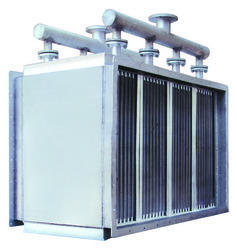
Aluminium Paints Salt Process Heat Exchanger
Price: 185000 INR/Unit
MOQ1 Unit/Units
ColorAluminium Paints
UsageIndustrial
ConditionNew
Structuretube Heat Exchanger
Product TypeHeat Exchanger
Weight500 Kilograms (kg)
Jaldhara Industries
Ahmedabad
Trusted SellerSuper Seller14 Years
Modular Heat Exchanger - High-Quality Steel Fabrication | Compact Design, High Efficiency, Low Energy Costs, Customizable Solutions, Long Service Life
Product DescriptionWe are a one of the reputed name, engaged in manufacturing and supplying a high quality assortment of Modular Heat Exchanger. Our these heat exchangers are fabricated by using finest grade material and advanced technology in compliance with the set industry norms. Our exchangers can also be customiz
Sparktech Processes Llp
Mumbai
Trusted SellerSuper Seller16 Years
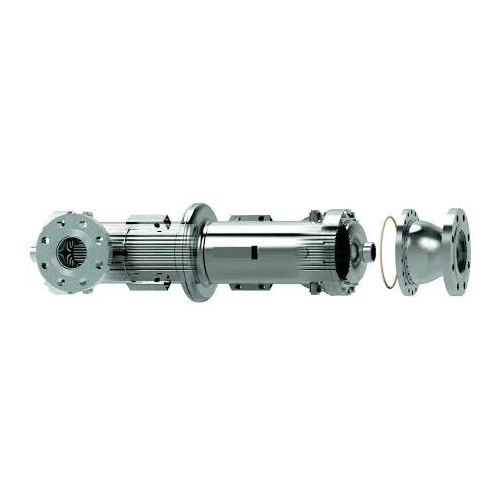
Modular Heat Exchanger - Color: Sliver
MOQ1 Piece/Pieces
TemperatureHigh-temperature
UsageIndustrial
ConditionNew
StructurePlate Heat Exchanger
Working Presssure10-20 m3/hr
Voltage220-240 Volt (v)
Space Tech Equipments & Structural Private Limited
Thane
Trusted SellerPremium Seller2 Years
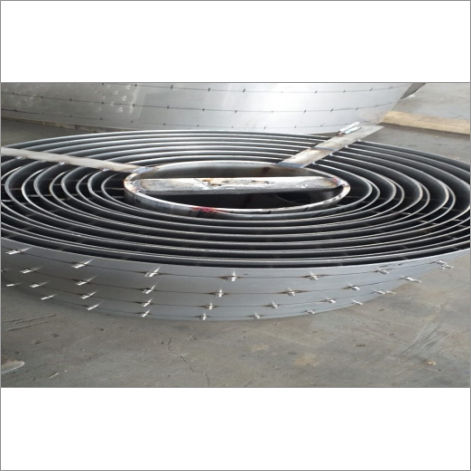
Spiral Wound Heat Exchanger - Medium-Temperature, Grey | New Industrial Usage
Diameter300 mm to 2000 mm
Max Pressure25 bar
Max. CapacityUp to 500 mA3/h (varies with design)
TemperatureMedium-Temperature
Thickness2 mm to 6 mm (based on material and application)
UsageIndustrial
Yantrik Engineers
Pune
Premium Seller8 Years
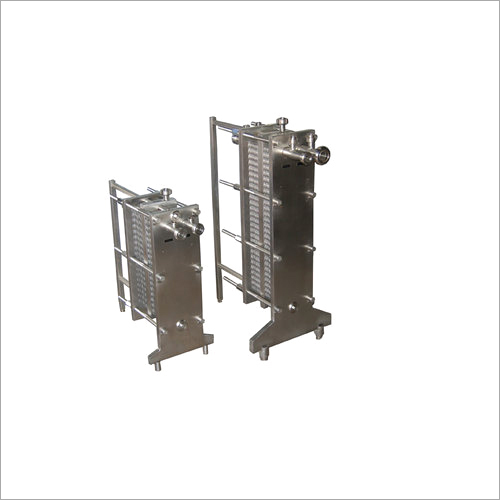
Industrial Plate Heat Exchanger Voltage: 220-240 Volt (V)
Price: 75000 INR/Unit
MOQ1 Unit/Units
ConditionNew
UsageIndustrial
SizeCustomized
Product TypePlate Heat Exchanger
Voltage220-240 Volt (v)
Shreya Engineering Works
Anand
Trusted SellerPremium Seller5 Years
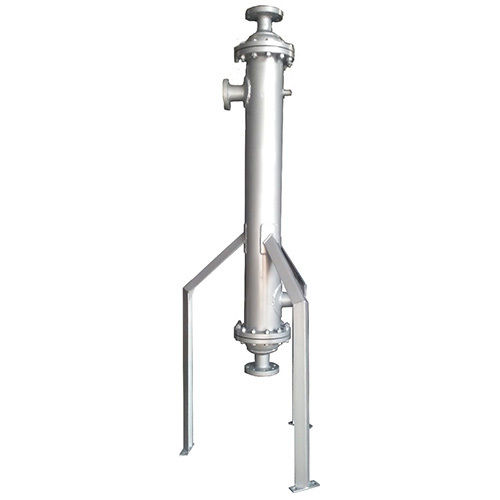
Heavy Duty Heat Exchanger - Color: Silver
Price: 135000.00 INR/Unit
MOQ1 Unit/Units
ColorSilver
TemperatureHigh-temperature
ConditionNew
UsageIndustrial
Structuretube Heat Exchanger
SizeStandard
Vishwakarma Engineering
Vadodara
Trusted SellerSuper Seller4 Years

Air Heat Exchanger - Premium Quality Raw Materials, High Performance Efficiency | Manufactured by Skilled Professionals
Product DescriptionDue to our expertise of this domain, we are manufacturing, exporting and supplying an extreme quality range of Air Heat Exchanger in Ahmedabad, Gujarat, India. Widely acclaimed among our clients for their high quality nature and hassle free performance. The provided heat exchanger is manufactured us
Swastik Enterprise
Ahmedabad
Trusted SellerPremium Seller10 Years
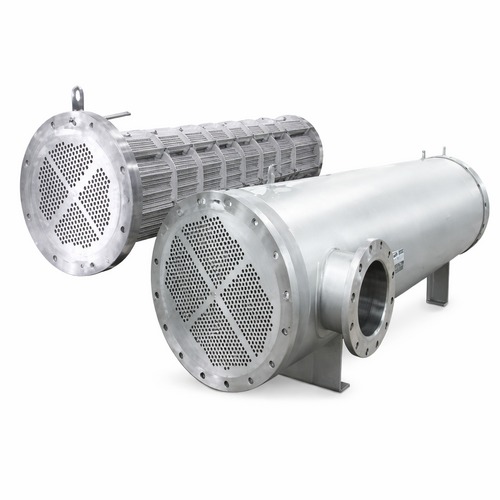
Corrugated Heat Exchanger - Dimension (L*W*H): Customized
Price: 40000.0 INR/Piece
MOQ1 Piece/Pieces
PressureNormal atmospheric
SealingFully Sealed
UsageIndustrial
ConditionNew
ProcessOther, Evaporation
SizeCustomized
Semcorp Process And Vacuum Systems Private Limited
Pune
Trusted SellerPremium Seller2 Years
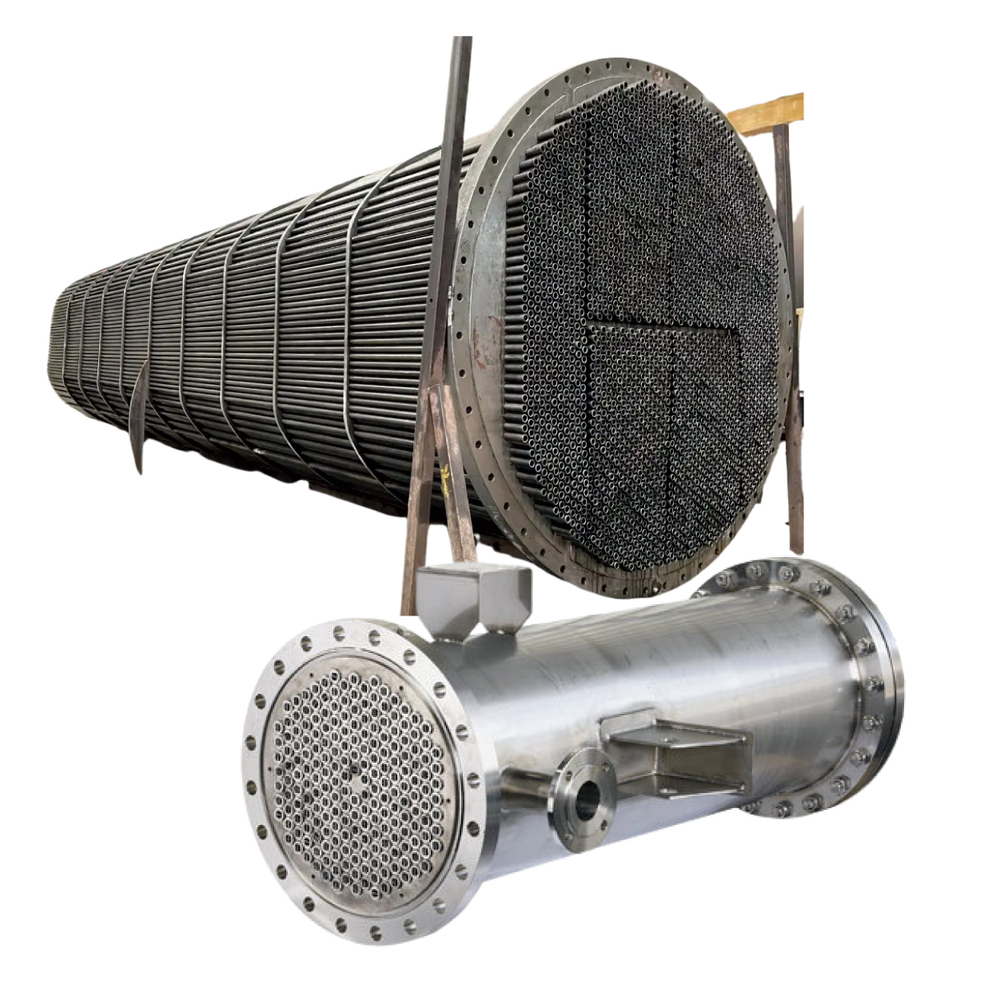
Heat Exchanger - Color: Silver
Price: 70000 INR/Unit
MOQ1 Unit/Units
TemperatureHigh-temperature
ColorSilver
ConditionNew
Working PresssureHigh
WeightDiffer as per size Kilograms (kg)
Deshanjay Exports Pvt. Ltd.
Pune
Trusted SellerPremium Seller2 Years
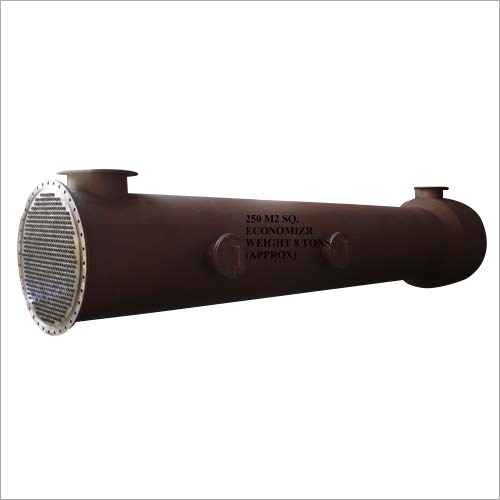
Boiler Economizer Heat Exchanger
Price: 17000 INR/Unit
MOQ100 Unit/Units
Diameter76 mm
Air Volume8500 mA3/h
Thickness5 mm
TemperatureOther, up to 300AdegC
Max Pressure20 bar
Max. Capacity150000 Kcal/h
Mechno Tech
Dewas
Trusted SellerSuper Seller7 Years
Latest From Heat Exchangers
Popular Heat Exchangers
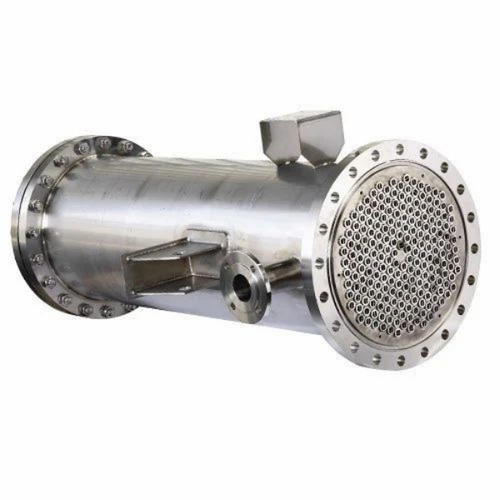
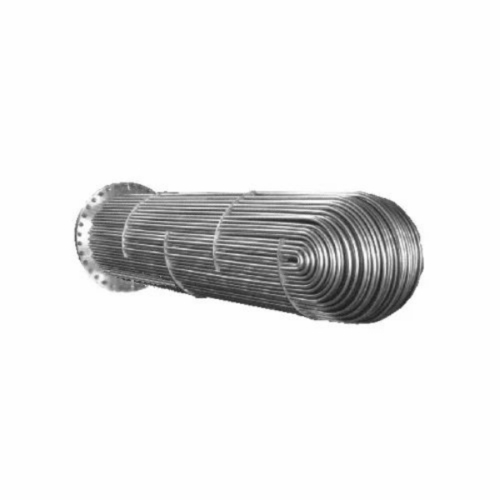
What Is Heat Exchangers
Introduction
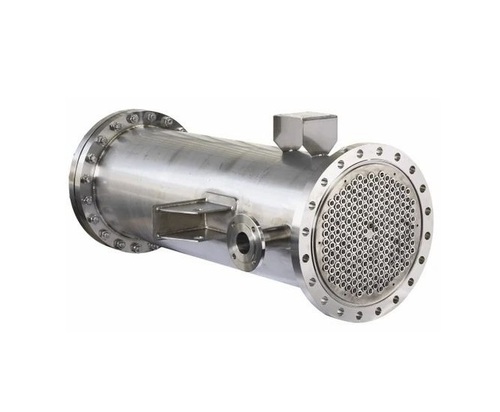
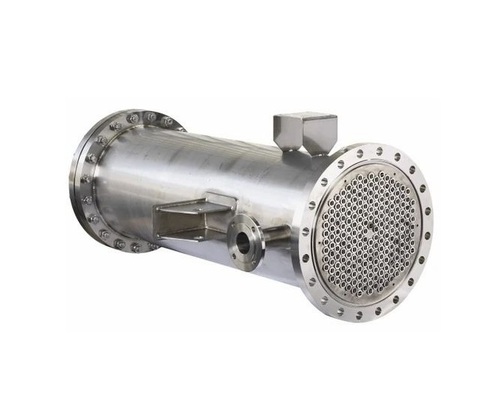
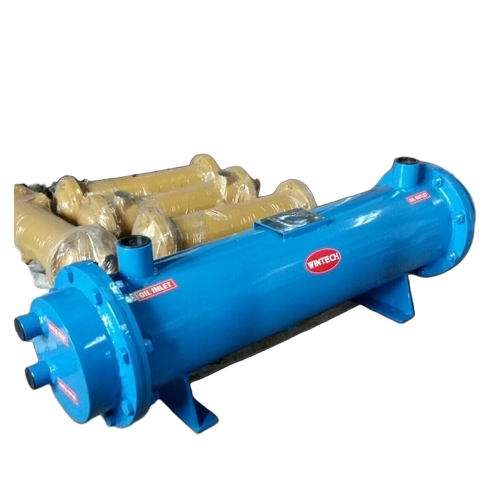
A heat exchanger, in its simplest form, is any device that moves heat from one medium to another; for instance, a Hydraulic Oil Cooler transfers the heat of heated oil to cool water or air. Pool water can also be heated via a heat exchanger that draws hot water from a boiler or solar heated water circuit. Through the materials of the heat exchanger, heat is exchanged between the two media. When cooling liquid, a shell and tube heat exchanger directs the fluid through and over the tubes, whereas an air cooled heat exchanger directs the air through a core of fins.
Types of Heat Exchangers
1. Micro channel heat Exchanger
They are multi-pass parallel-flow heat exchangers, and its components are input and exit manifolds, tubes with multiple ports, hydraulic channels thinner than 1 mm in diameter, and fins. When joining these components, a controlled environment brazing procedure is typically used.
2. Phase Change heat Exchanger
Due to the negligible size change between the solid and liquid states, this phase transition typically occurs. This phase transition acts as a buffer, allowing for additional heat to be acquired while maintaining a steady temperature. When it comes to energy storage, phase change materials really shine.
3. Adiabatic heat Exchanger
This particular heat exchanger finds widespread application in manufacturing. One side of the heat exchanger stores heat in a fluid while the other side transfers it elsewhere.
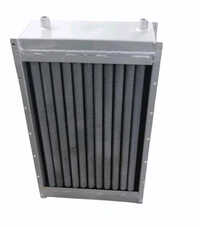
4. Finned heat exchanger
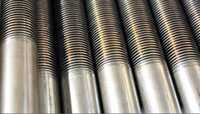
To better conduct heat in liquids with low thermal conductivity, like air, finned tube heat exchangers are built to refer to the highest heat transfer surface area with the exchanged heat. It's made up of a network of tubes with fins attached to maximize the surface area in contact with the external fluid and the surface area in contact with the fluid inside the tube, allowing for more efficient heat transfer.
5. Pillow Plate heat Exchanger
Products in manufacturing facilities can benefit from both their cooling and heating capabilities with these. As they inflate, the wavy "pillow-shaped" surface of these heat exchangers is formed. Typical applications for these include reboilers, water chillers, solids dryers, and so on. The cooling of milk in huge stainless steel bulk tanks is a popular application of this type of heat exchanger.
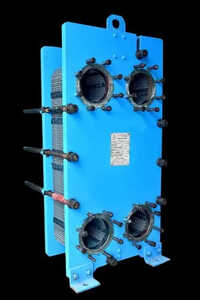
6. Plate Heat Exchanger
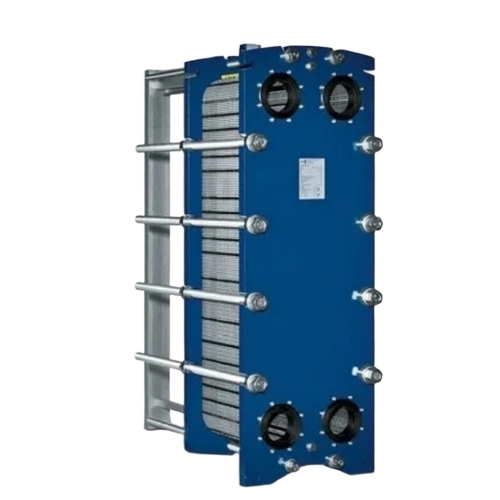
These heat exchangers use metal plates to transfer heat, as their name implies. The fluids in motion can move freely because of the channels formed by the metal plates.
Plate Heat Exchangers are constructed from many individual flat plates that are linked together to create a network of channels via which heat and cold can be transferred. This is because the heat penetrates the surface, creating a barrier between the hot and cold media.
For this reason, the energy required to heat or cool liquids and gases is quite small. Compared to shell and tube, they can sometimes be cheaper and take up less space. The water heating and air conditioning industries rely heavily on these.
7. Direct Heat Exchanger
In the absence of an insulating wall, direct heat exchangers facilitate the transfer of heat between two streams of hot and cold currents. The heat transfer process occurs concurrently when the hot and cold liquids are mixed together, eliminating the need for a heat exchanger. There are a few types of cooling towers and jet condensers.
8. Indirect Heat Exchanger
Because of the impermeability of the barrier between the two common fluids, the temperature difference between the two common fluids can be measured indirectly using an indirect heat exchanger. Tubes, plates, and other heat-insulating materials maintain the fluids being exchanged at different temperatures.
9. Double Pipe heat Exchanger
The inner pipe works as a conductive barrier, allowing one liquid to flow through it while another flows between it and the outer pipe. It finds widespread application in manufacturing, cooling technology, refrigeration, and other areas due to its high efficiency and low capital cost.
10. Tube in tube heat exchanger
The heating and cooling needs of sludge including fibers and particles are met by a tube-in-tube heat exchanger.
With the introduction of tube in tube heat exchangers, a tube is introduced inside of a tube. Within the tube, the product medium floats countercurrent to the service medium as the tube operates. The product tube may be plain or folded.
This innovative layout saves bulk, boosts performance, and stops thermal exhaustion.
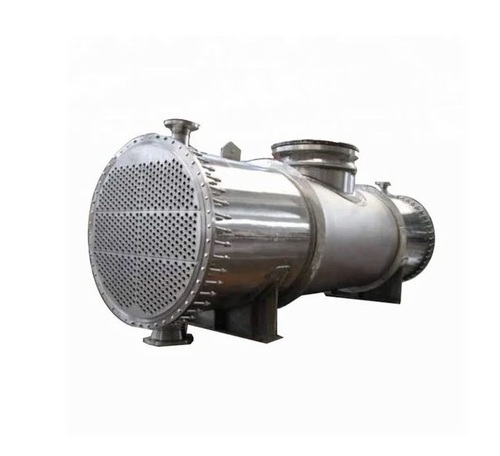
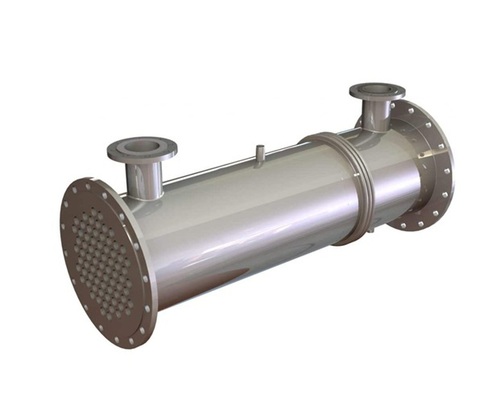
11. Shell and Tube heat exchanger
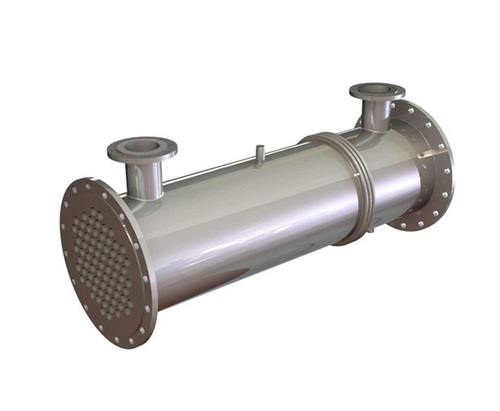
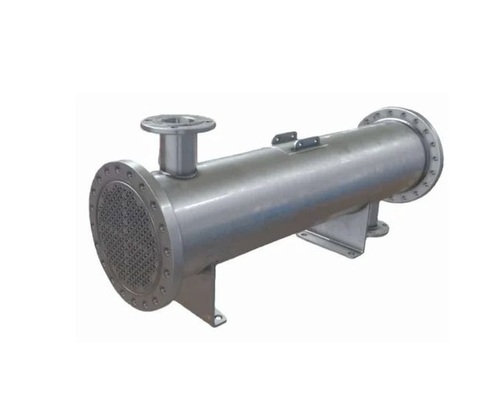
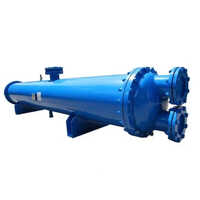
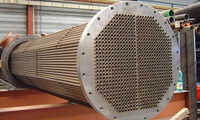
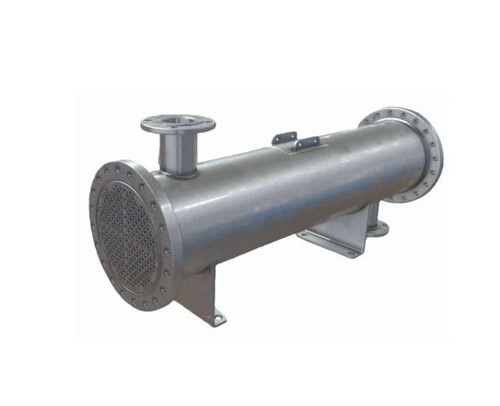
These heat exchangers are the most popular and adaptable ones used today. Within a cylindrical housing, this heat exchanger's many tubes come into direct thermal contact with the two working fluids, exchanging heat in the process.
This configuration allows one fluid to move inside the tubes while another moves outside the shell. A shell and tube heat exchanger is a small, low-maintenance, and high-performing heat exchanger design. Preheating, oil cooling, and steam production are all possible with this heat exchanger.
What Is the Principle of Heat Exchanger.
Heat exchangers are predicated on the principles outlined in the laws of thermodynamics.
- 1. In a state of thermal equilibrium, all thermodynamic systems have the same temperature, as required by the Thermodynamics. If two systems are in thermodynamic equilibrium with a third, then the temperatures of all three must be equal.
- 2. It is impossible to create or destroy energy, according to the First Law of Thermodynamics, yet energy can be transferred from one medium to another in the form of heat.
- 3. A closed thermodynamic system has a natural, invariable tendency to rise in entropy over time, as described by the Second Law of Thermodynamics, which establishes entropy (S) as an extra attribute of thermodynamic systems.
What Are the Advantages of Heat Exchanger.
1. Minimal Operating Cost
Heat exchangers do not need to be maintained as frequently as air conditioners do since they do not employ complex external equipment and because they are designed to eliminate the majority of pollution.
They are also extremely durable, with the ability to outlive the majority of air conditioning units by many orders of magnitude before requiring maintenance, repair, or replacement.
2. Lower Environmental Impact
Heat exchangers have to be kept in a constant state of operation in order for them to be successful in preventing high-powered control panels from overheating.
The fact that modern heat exchangers do not need supplementary apparatus to function well, such as air conditioning or air compression units, is one of the most significant advantages offered by these devices.
As a result, in comparison to other, more conventional techniques of temperature control, they consume an enormous amount less energy and generate almost no pollution.
3. Smaller Spatial Footprint
It would appear that more powerful also means smaller as a result of the progression of modern technology.
This includes smaller personal devices, smaller and more adaptable manufacturing equipment, and a number of other examples. As the amount of space available in electrical cabinets decreases, the potential for heat pockets and the subsequent damage to electrical components increases.
As a result, there is an increased demand for cooling solutions that are both more compact and more effective, such as heat exchangers.
4. High Heat Transfer Coefficient
The heat transfer coefficient of the air-cooled heat exchanger is high, and it is commonly estimated to be three to five times higher than the heat transfer coefficient of the shell-and-tube heat exchanger.
The heat exchange area of an air-cooled heat exchanger is much less than half of the heat exchanges area of a shell-and-tube heat exchanger while performing the identical heat exchange duty;
5. Large Temperature Difference Correction Coefficient
The flow patterns of the two fluids in a shell-and-tube heat exchanger are typically described as being cross-flowing, as they take place in the shell and tube sections, respectively.
The logarithmic mean temperature difference needs to be adjusted since additional investigation reveals that the flow on the shell side is a mixed flow and the flow along the tube length is a multi-strand flow. In most cases, the factor is not very significant.
Air-cooled heat exchangers typically have either a countercurrent or concurrent fluid flow pattern.
FAQs: Heat Exchangers
Q. What are heat exchangers used for?
Ans: There are a wide variety of engineering uses for heat exchangers, including cooling, heating, air conditioning, power generation, waste heat recovery, vehicle radiators, and chemical and food processing.
Q. What is heat exchanger and example?
Ans: Shell & Tube is the most common heat exchanger example that uses for parallel arrangements of tubes.
Q. What liquid is used in heat exchangers?
Ans: Heat transfer fluids include liquids like synthetic oil, molten salt, and water. Due to its large thermal capacity and low viscosity, water makes for an excellent heat transfer fluid.
Q. Which type of heat exchanger is mostly used?
Ans: Shell and Tube are the main heat exchanger that is mostly used in food industry.
Manufacturers & Suppliers of Heat Exchangers
Company Name | Member Since |
|---|---|
Badrin Industries Chennai, India | 23 Years |
Sunrise Process Equipments Private Limited Mumbai, India | 22 Years |
Hi-Tech Applicator Ahmedabad, India | 19 Years |
Thermotech Industries (India) Pvt. Ltd. Navi Mumbai, India | 19 Years |
Ascent Machineries & Engg. Services Mumbai, India | 18 Years |
V Tech Engineering Indore, India | 17 Years |
Unique Air Products Vadodara, India | 16 Years |
K-Pack Systems Private Limited Bengaluru, India | 16 Years |
Sparktech Processes Llp Mumbai, India | 16 Years |
Thermal Energy Solutions Chennai, India | 14 Years |
Popular Products




© 1999-2026 Infocom Network Private Limited. All rights reserved.