

Fabric Care By S. K. Florescences Pvt. Ltd.
Get Latest Price

In Stock
Product Specifications
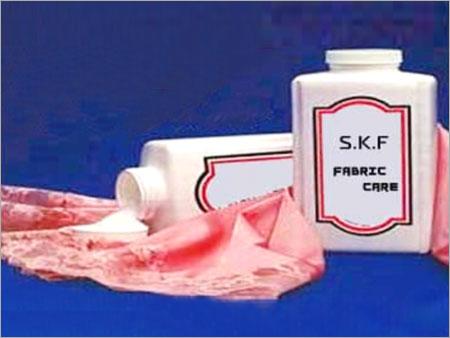
| Product Type | Fabric Care |
| Material | Powder |
| Packaging | Plastic bottle |
| Weight | 1kg |
| Dimensions | 10x15x20 cm |
| Ingredients | Detergents |
| PH level | 7 |
| Features | Fabric protection, Stain removal, Gentle cleaning, Color preservation, Fresh scent, Easy to use, Effective results |
Product Overview
Key Features
Fabric Care
Generally,
the best rule is to follow the
care instructions
on the manufacturers label. If
there
is no label and/or you wish to
wash a garment
or fabric at home instead of dry
clean,
the properties of each fabric will
help
you determine the care of the
fabric or
garment.
Dry Cleaning is by definition,
cleaning
with solvents and little or no
water. The
combination of solvents and heat
is hard
on fabrics and may cause as much
wear as
actual wearing of the garment.
Perchlorethylene,
the cleaning fluid used by most
dry cleaners,
is the most effective cleaner so
far for
most all types of fabrics.
However, "perc"
as it is called in the
dry-cleaning industry
is classified as a hazardous air
pollutant
by the Clean Air Act. Perc is
toxic. Dry
cleaning customers should take
their garments out of the plastic bags and air their garments
after dry cleaning. You, the consumer,
can inform
yourself when selecting a dry cleaner.
Common
sense will cover the basic questions
such as
the appearance of the dry cleaning
store - -
- Is it neat and clean or dirty and
cluttered?
Is the location convenient and are
they open
when you need to drop of or pick up
your dry
cleaning?
Technical considerations include
solvent purity.
Solvent must be distilled to remove
greases,
oils, waxes and dyes. Poor solvent
purity or
quality can result in an objectionable
odor
in the garment and a "graying" of
white clothing.
Pressing after cleaning should also
be considered.
Most anyone can press wool pants but
it takes
a skilled professional presser to do a
quality
job on linen and silk items. If the
dry cleaner
cannot explain the difference in
pressing linen
and silk versus wool directly and
authoritatively,
it is doubtful that these garments
will be handled
with the care they require. Linen can
withstand
higher heat when ironed, and should be
pressed
when damp. Silk requires a lower
temperature
iron and should be steam ironed,
preferably
with a press cloth. Wool should be
pressed with
steam and a moderate temperature.
Packaging of the cleaned garment is
also important.
A garment can be cleaned and pressed
well but
if it is jammed into a small bag, it
can become
a wrinkled mess. Jamming too many
finished and
bagged garments into the dry cleaners
rack can
also wrinkle finished garments.
Finally, develop a dialogue with your
dry cleaner.
Note the type of stains that you have
on your
garment and list it for the dry
cleaner. Their
pre-spotting will help eliminate
stains that
could otherwise be heat set after the
garment
is cleaned.
Be an informed and fair consumer. Not
all spots
can be removed especially if you, the
consumer,
have pressed the stain into the
fabric. Many
stains can be heat set. Garment care
is the
responsibility of both you and your
dry cleaner
Home Laundering is not only easier to
control
but can add life to your garments.
Choosing
a detergent for home laundering is a
daunting
task!
Detergents are chemical compounds
that contain
wetting agents and emulsifiers.
Technically
detergents are called "Synthetic
Detergents"
as they are not made from fats and lye
from
which soap is made. Generally the
labels on
the detergent inform you, the
consumer, and
make the choice easier.
General purpose laundry detergents
work well
on most washable fabrics. Some
detergents take
more product for each wash as fillers
are used
by the detergent manufacture.
Recently, detergent
companies have started to reduce the
amount
of fillers in their products, thus the
amount
of detergent required per load of
laundry is
less. Read the label to determine
various additives.
Added bleach may gradually remove the
dyes or
color unless the garment is colorfast
to bleach.
Most all detergents have "surfactants"
this is nothing new. Whiteners can be
either
bleach or bluing agents. More
expensive is not
always better.
Soap is not the same as detergents.
All detergents
are soaps but not all soaps are
detergents.
Confused? Soap was first used in 600
BC Soap
was first made by boiling goat fat,
water, and
ash high in potassium carbonate.
Although soap
has been improved over the years, it
still leaves
a deposit we call "soap scum" in the
shower and bath. This scum is
difficult to remove
from fabrics if soap is used in the
laundry.
Chlorine bleaches can safely be used
on cotton,
cotton/polyester and some man made
fabrics.
Consult the garment care label or
properties
of individual fibers listed in this
booklet.
Hand washing detergents can be used
for home
laundry when cleaning fine fabrics.
These products
are often effective when using cold
water. However,
not all hand washing detergents are
milder than
regular laundry products although they
are often
more expensive. Properties to look for
when
using hand washing detergents include
use in
cold water, quick dissolving in cold
water,
and complete rinsing of the detergent
after
the wash.
To test hand washing detergents or
any detergent,
dissolve recommended amount of
detergent in
a quart of cold water. Allow the
detergent and
water to sit for 24 hours. Note the
residue,
if any, in the bottom of the quart
jar. This
residue may be difficult to rinse out
of your
garment.
Shampoos can also be used for hand
washing
garments. Use a good shampoo, not one
containing
"creme rinse". If your shampoo cleans
your hair and leaves it shiny with no
residues,
it usually cleans your garment too.
Fabric softeners, both liquid and
dryer sheets,
add products to your fabrics. Some of
the softeners
are wax based which leaves a coating
on the
fibers creating a feel of softer but
reducing
the absorbency of the fiber. Some
softeners
have a perfume that is allergy related
for many
people. If you have ever used a fabric
softener
dryer sheet with your polyester
garments, you
may have seen "grease" spots appear
on your garment. This is actually a
wax and
can be removed by re-washing.
Company Details
Focusing on a customer-centric approach, S. K. Florescences Pvt. Ltd. has a pan-India presence and caters to a huge consumer base throughout the country. Buy Essential Oils & Aromatics in bulk from S. K. Florescences Pvt. Ltd. at Trade India quality-assured products.
Business Type
Exporter, Manufacturer, Supplier
Employee Count
30
Establishment
1982
Working Days
Monday To Sunday
GST NO
07AAMCS4365D1Z8
Related Products
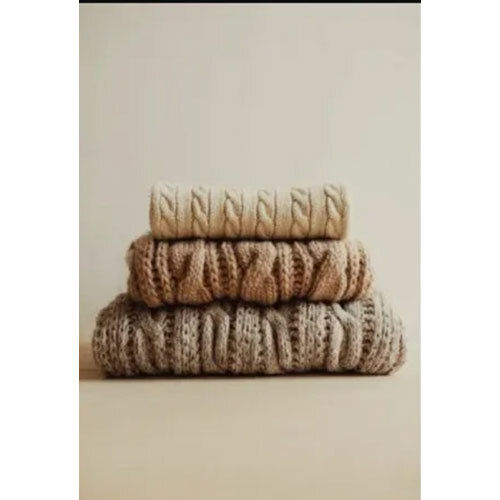
Cotton Fabric Care Products Fragrances - Liquid Form | Cotton Fabric Care Liquid Fragrance
Price: 750 INR
MOQ - 50 Kilograms/Kilograms
Kastur Chemicals
Greater Noida, Uttar Pradesh

Explore Related Categories


More Products From This Seller






Seller Details

GST - 07AAMCS4365D1Z8
Delhi, Delhi
Business Development Manager
Mr. Vinod Sharma
Address
S-4, Badli Industrial Area, Phase-I, Badli, Delhi, Delhi, 110042, India
fabric care products in Delhi
Report incorrect details