

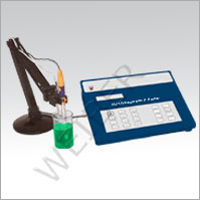
Digital Ph Meters- Table Model
Get Latest Price

In Stock
Product Specifications
| Dimensions | 15x10x5 cm |
| Weight | 1 kg |
| Materials | Plastic, Metal |
| Power | AC adapter |
| Accuracy | +/-0.01 pH |
| Calibration | Automatic |
| Resolution | 0.01pH |
| Features | Accurate readings, Easy operation, Durable design, Reliable results, Versatile use, Stable readings, Fast response |
Product Overview
Key Features
Digital pH Meters- Table Model
pH is a measure of how acidic or alkaline a solution is. In pure
water at room temperature, a small fraction (about two out of every
billion) of the water molecules (H 2 O, or really, H-O-H) splits, or
dissociates , spontaneously, into one positively charged hydrogen ion
(H + ) and one negatively charged hydroxide ion (OH - ) each. There
is an equal number of each ion, so the water is said to be "neutral".
Some materials, when dissolved in water, will produce an excess of
(H + ), either because they contain these ions and release them when
they dissolve, or because they react with the water and cause it to
produce the extra hydrogen ions. Substances which do this are called
acids . Likewise, some chemicals, called bases or alkalis , produce
an excess of hydroxide ions.
The scale which is used to describe the concentration of acid or
base is known as pH, for power or potential of the Hydrogen ion. A pH
of 7 is neutral. pH's above 7 are alkaline (basic); below 7, acidic.
The scale runs from about zero, which is very acidic, to fourteen,
which is highly alkaline. The scale is logarithmic , meaning that
each change of one unit of pH represents a factor of 10 change in
concentration of hydrogen ion. So a solution which has a pH of 3
contains 10 times as many (H + ) ions as the same volume of a
solution with a pH of 4, 100 times as many as one with a pH of 5, a
thousand times as many as one of pH6, and so on. Some common
materials and their approximate pH's are: Acids- carbonated
beverages, 2 to 4; lemon juice, about 2.3; vinegar,about 3; Bases:
baking soda, 8.4; milk of magnesia.10.5; ammonia,11.7;lye,14 to 15.
(Some of these figures are from the Handbook of Chemistry and
Physics, 56th ed., CRC Press,1976).
While the pH measures the concentration of hydrogen or hydroxide
ions, it may not measure the total amount of acid or base in the
solution. This is because most acids and bases do not dissociate
completely in water. That is, they only release a portion of their
hydrogen or hydroxide ions.
A strong acid, like hydrochloric acid, HCl, releases essentially
all of its H + in water. The concentration of H + is the same as the
total concentration of the acid. A weak acid, like acetic acid (the
acid in vinegar), may release only a few percent of the hydrogen that
it has available.
If you are trying to neutralize an acid by adding a base, like
sodium hydroxide, the amount you would need to neutralize a strong
acid could be calculated directly from the pH of the acid solution.
But for a weak acid, the pH does not tell the whole story; the total
amount of base needed would be a lot more. This is because as the OH
- from the base reacts with the H + in solution to form water, more H
+ will break loose from the undissociated portion of the acid to take
its place. The neutralization will not be complete until all of the
weak acid has dissociated. To measure the total acidity , also called
base-neutralizing capacity (BNC) of a water sample, it has to be
titrated with base. That is, a solution of a base whose concentration
is known must be added to the water sample slowly until the
neutralization is complete. By measuring the volume of the base
added, you can figure out the original concentration of acid.
In a similar way, the acid-neutralizing capacity (ANC), or
alkalinity of a water sample has to be determined by titrating it
with a solution of a strong acid of known concentration.
About Our pH meter
Weiber Digital pH Meter, with its state-of-the-art design, is
specially targeted for routine pH measurement applications.
Measurement of pH of any aqueous solution gives the degree of acidity
or alkalinity of the solution. Mathematically pH is defined as the
negative logarithm of the Hydrogen Ion concentration and pH is
measured on the scale of 0 to 14 units.
Application
- Purification of drinking water
- Manufacturing of sugar, pharmaceuticals and cosmetics
- Effluent treatment plants
- Dyes and chemicals
- Biotechnology
- Electroplating
Technical Specifications
PH/MV | |
Range | 0 to 14 pH 0 to +/- 1999 mV |
Accuracy | +/- 0.05 pH +/- 1 digit |
Resolution | 0.01 pH 1 mV |
Temp. Compensation | Automatic |
Input Impedance | >10 12 ohms |
Probe | Combination pH electrode |
Display | LED Seven segment |
Input | BNC |
Temperature | |
Range | 0 to 100oC |
Accuracy | +/-1.0oC |
Resolution | 0.1oC |
Input | Setero Socket |
Probe | RTD Sensor |
Environmental Operating Conditions | |
Operation | Indoor |
Temperature | Ambient to 45oC |
Relative Humidity | 5 to 90% non-condensing |
Power Requirement | 230 Vac + 10%, 50Hz |
Company Details
Focusing on a customer-centric approach, ACMAS TECHNOLOGIES PVT. LTD. has a pan-India presence and caters to a huge consumer base throughout the country. Get Water Treatment Plants from ACMAS TECHNOLOGIES PVT. LTD. at Trade India quality-assured services.
Business Type
Exporter, Importer, Manufacturer, Service Provider, Distributor, Supplier, Trading Company
Employee Count
25
Establishment
2000
Working Days
Monday To Sunday
GST NO
06AAKCA8493Q1ZQ
Certification
ISO 9001:2000, ISO 9001:2008, ISO 14001 : 2004, ISO 13485 : 2003, ISO 18001:2002
Related Products
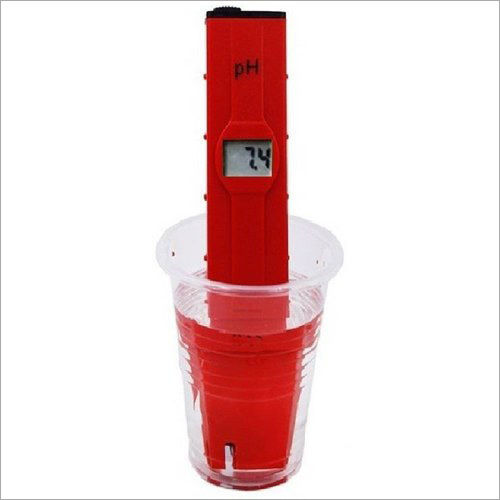
Digital pH Meter - 1-Point Calibration, 0.1 pH Resolution, Hand-Held Design, Red Color | Smart Water Testing for Hospitals
Price: 450.0 INR
MOQ - 50 Piece/Pieces
Fusion Biotech
Delhi, Delhi
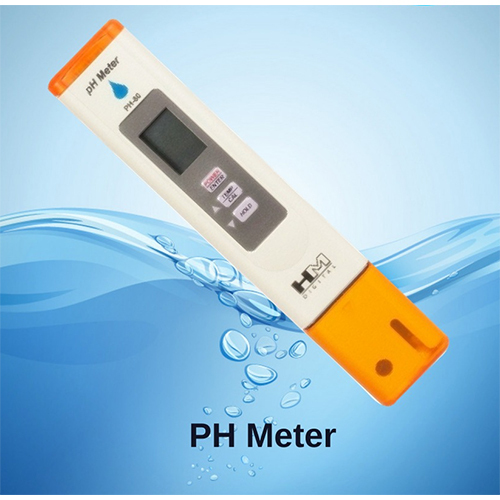
PH Meter - PVC Material | Standard Size, White & Yellow Color, Designed for Swimming Pool Use, 1-Year Warranty
Price: 1500 INR
MOQ - 1 Piece/Pieces
D S Water Technology
Delhi, Delhi
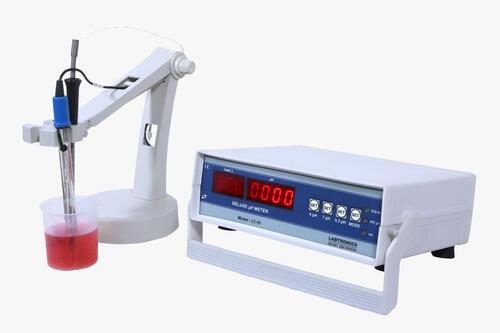
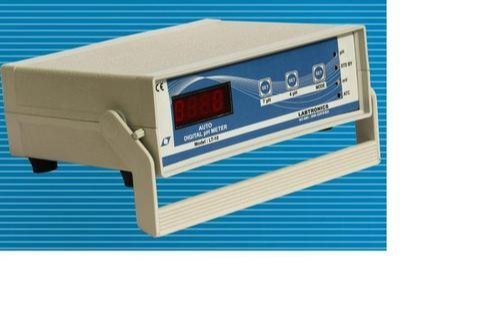
Lt-10 Auto Deluxe Ph Meter - Color: White
Price: 7500.0 INR
MOQ - 1 Number
Swastik Systems & Services
Delhi, Delhi
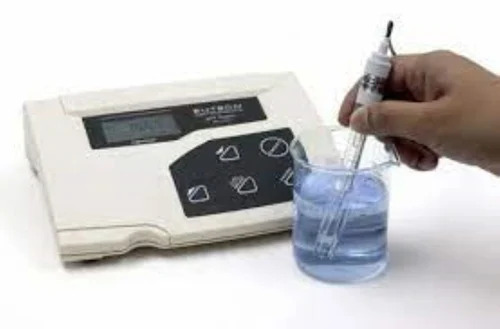
Digital Ph Meter - Color: White
Price: 250 USD ($)
MOQ - 1 Unit/Units
Sunshine Scientific Equipments
Delhi, Delhi
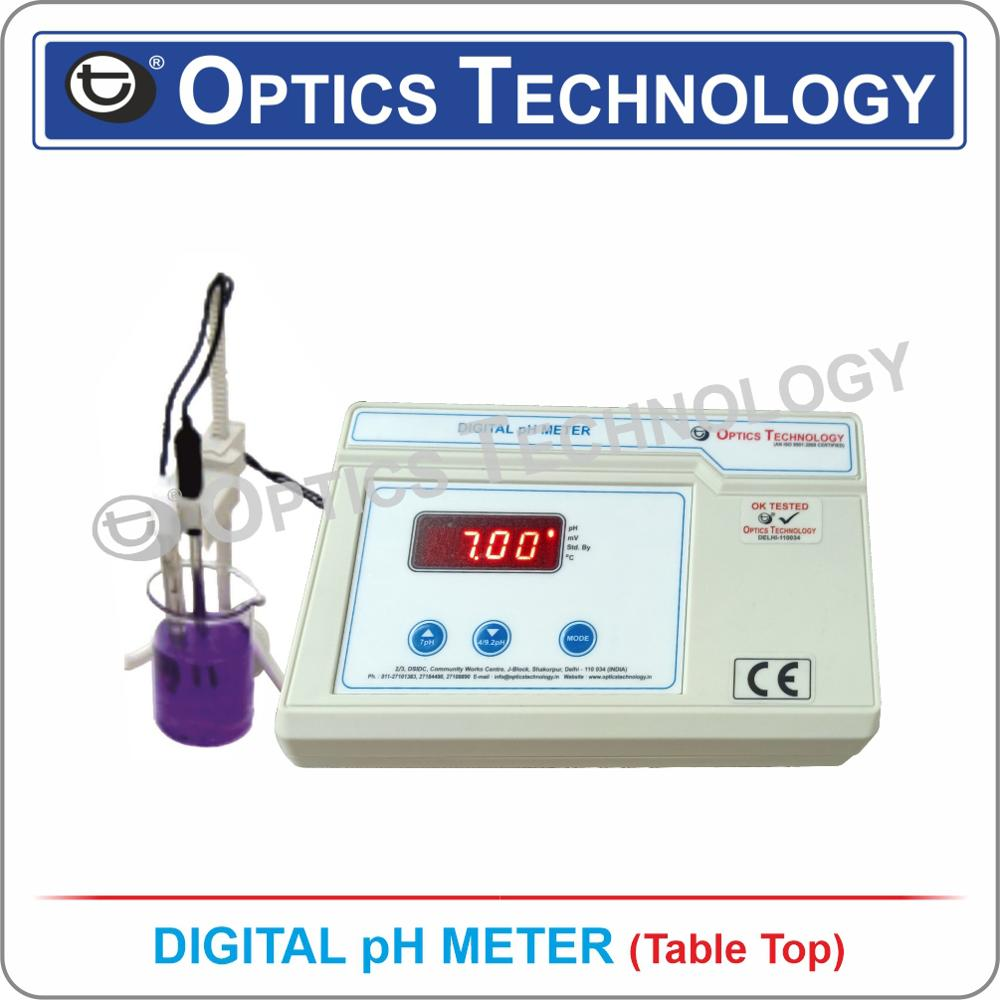
Ph Meter - Application: Industrial
Price: 19500 INR
MOQ - 1 Piece/Pieces
Precision Scientific Instruments Corporation
Delhi, Delhi
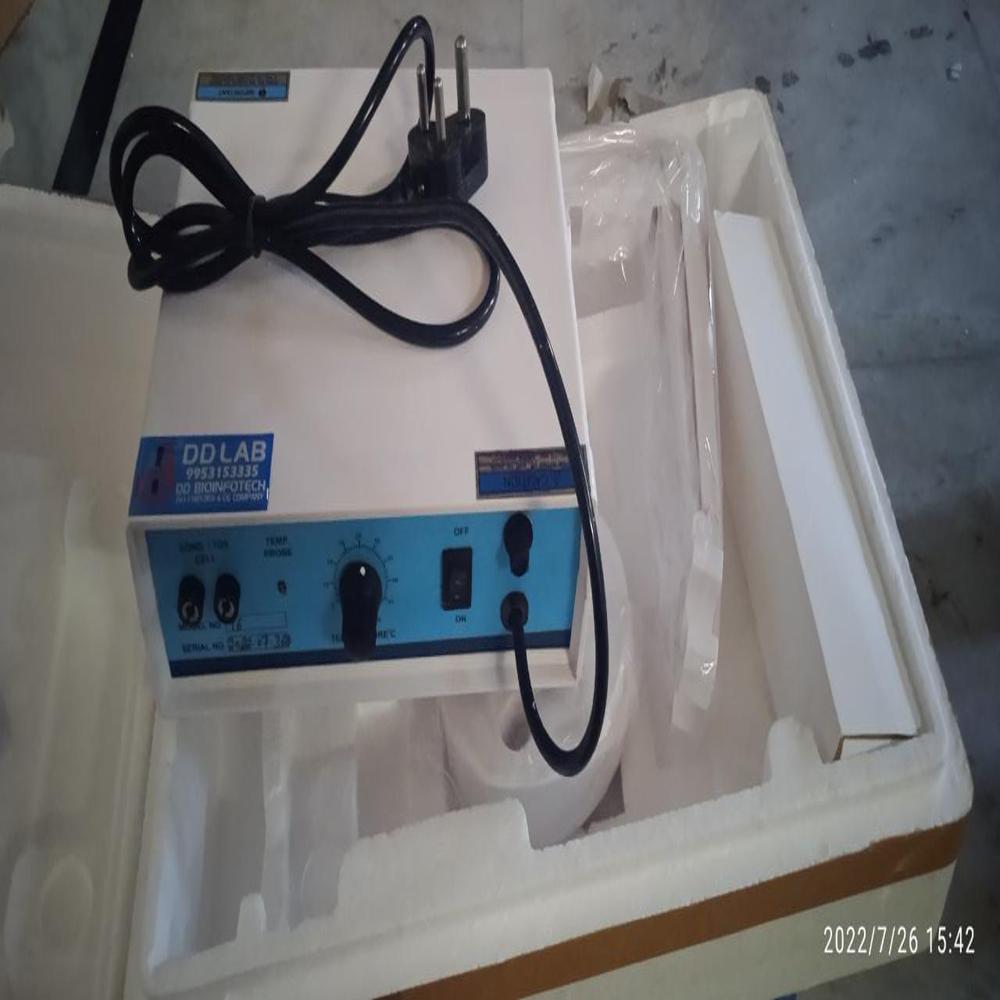
Digital Ph Meter - Speed Range: 230V +/- 10V
Price: 12000.0 INR
MOQ - 1 Unit/Units
Dd Bioinfotech
Delhi, Delhi
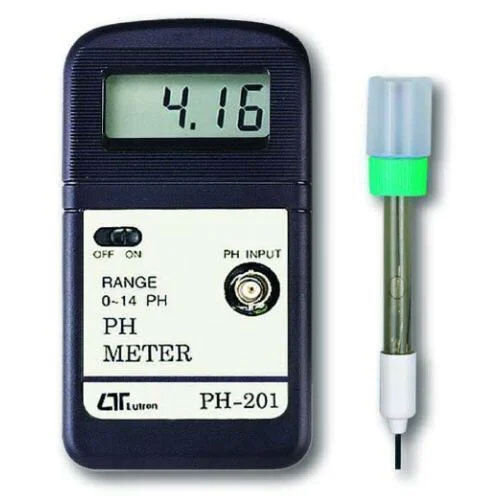
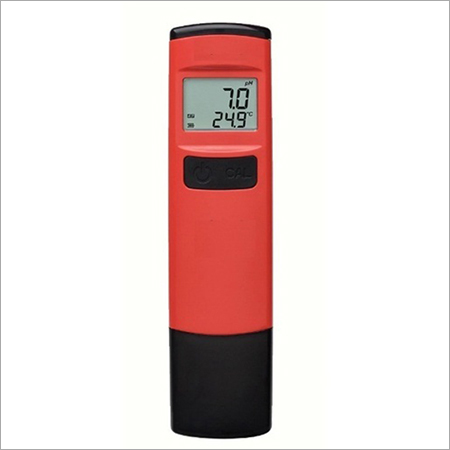
Ph Meter - Application: Pool
Price: 1250 INR
MOQ - 1 Piece/Pieces
Vardhman Chemi-sol Industries
Delhi, Delhi
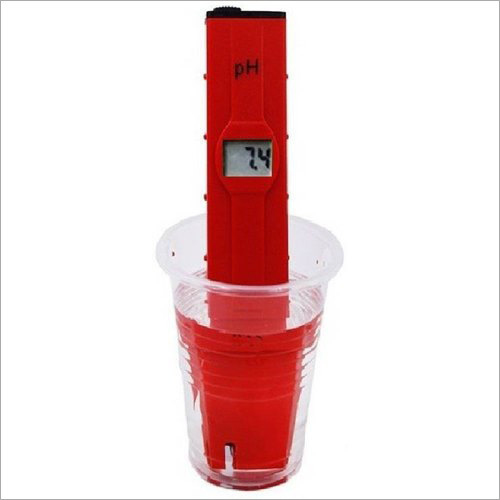
Digital Ph Meter - Accuracy: +0.2Ph
Price: 450 INR
MOQ - 50 Piece/Pieces
Eltex Life Sciences
Delhi, Delhi
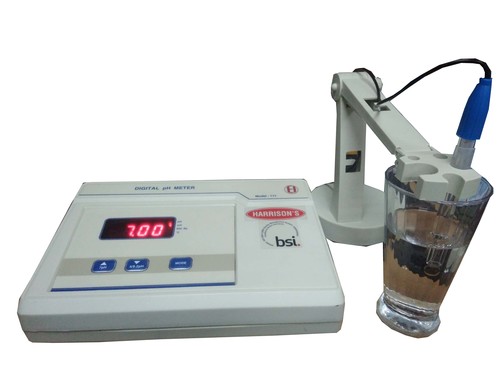
Digital Ph Meter - Color: White
Price: 12499 INR
MOQ - 1 Piece/Pieces
Harrison's Pharma Machinery Pvt. Ltd.
Delhi, Delhi
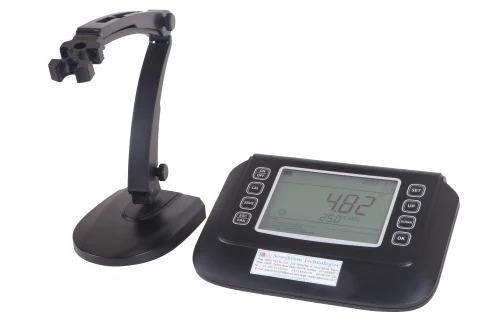
pH Meter - Portable Digital 0.1 Resolution, Calibrated, 200g Weight
Price: 30000 INR
MOQ - 1 Piece/Pieces
Newchrom Technologies
Delhi, Delhi
Explore Related Categories


More Products From This Seller


Seller Details

GST - 06AAKCA8493Q1ZQ
Delhi, Delhi
Director
Mr. Atul Badola
Address
507, Pearl Best Heights II, Pitampura, Delhi, Delhi, 110034, India
digital ph meters in Delhi
Report incorrect details