

Construction & Real Estate
Doors/Windows Accessories & Fittings

Latch Bolts

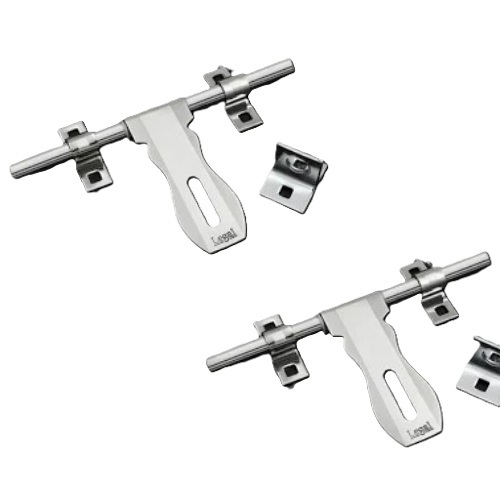
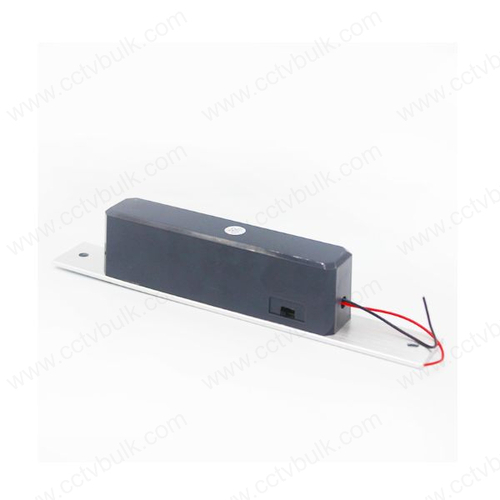

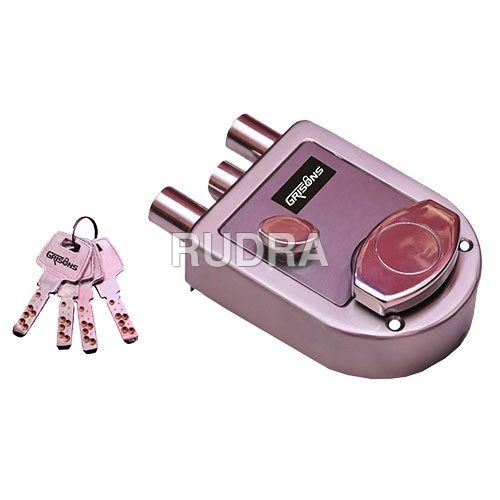
Arched Door
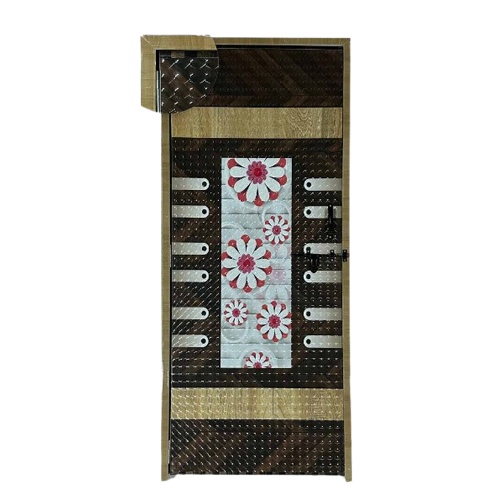
30mm 3D Door
Price:1550.0 INR /Unit

GSB Arch Gate
Price:1 INR /Set
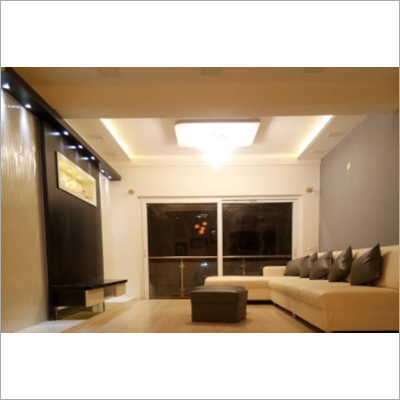
UPVC Sliding Door
Price:370 INR
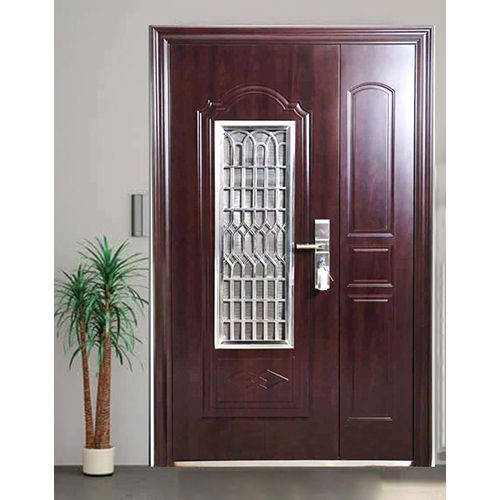
7X4 Feet Entrence Door
Price:15000 INR /Unit

UPVC Door
Price:1200.0 INR /Square Feet
Kick Plate
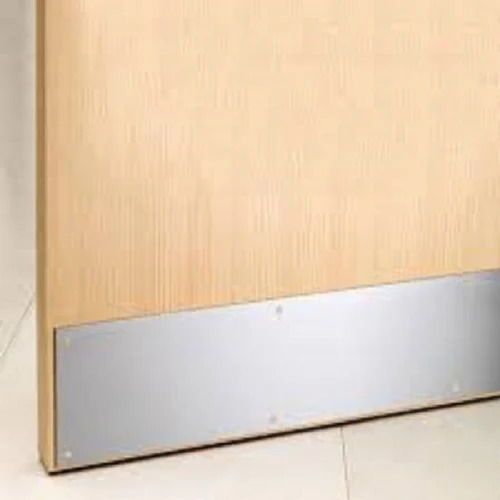
SS Kick Plates
Price:1000 INR /Piece
Kick Plate Toe Plate
Price:200 INR /Kilograms
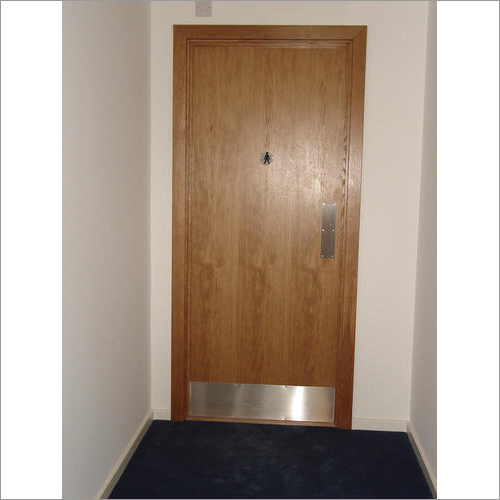
Kick Plate
Price:450 INR /Piece
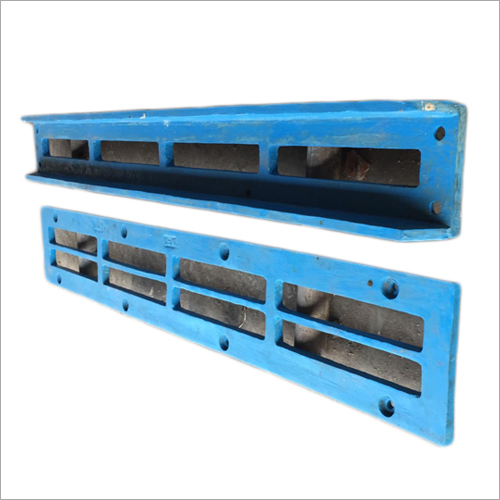
Kick Off Plates
Price:90 INR /Kilograms
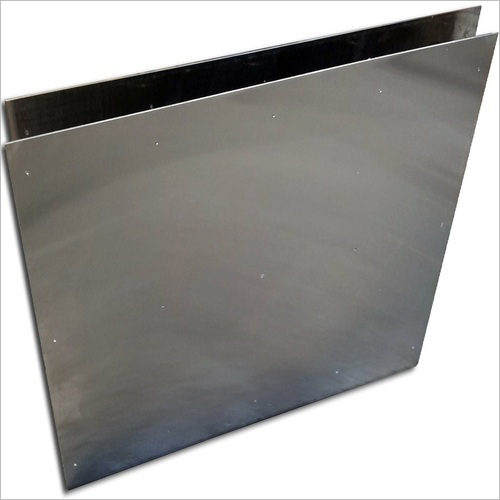
Kick Plates
Price:4000.00 INR /Piece
Hydraulic Door Closers
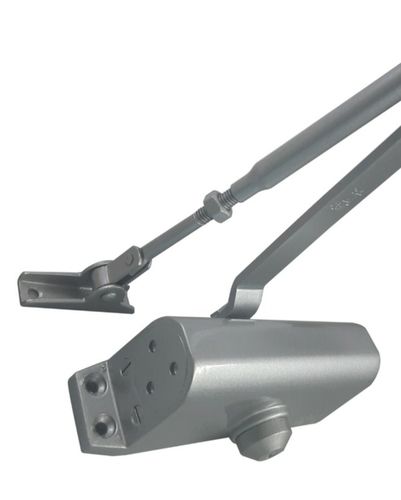
DESIGNER DOOR CLOSER - KLACIK
Price:1250 INR /Piece
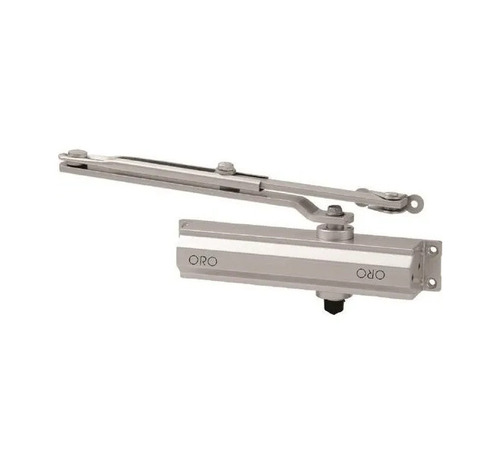
Hydraulic Door Closer
Price:1050 INR /Piece
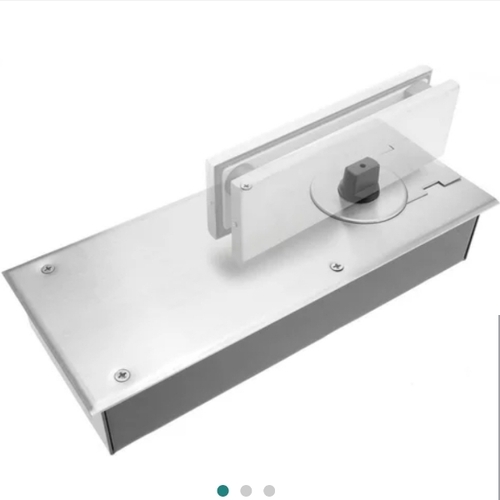
Hydraulic Floor Spring Door Closer
Price:1600 INR /Piece

SS Hydraulic Soft Auto Close Hinge
Price:165 INR /Piece
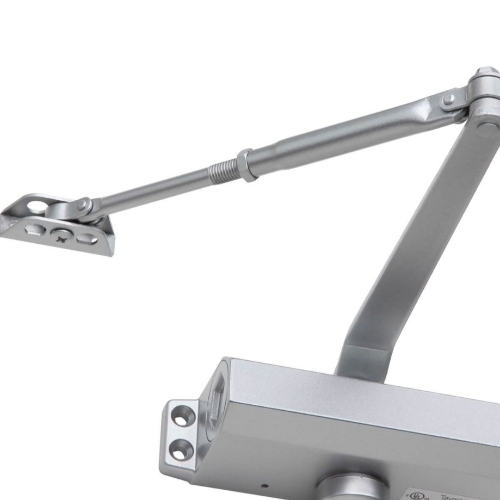
Hydraulic Aluminium Door Closer
Price:2000 INR /Unit
Decorative Handle

Fancy Diamond Handle 8 Inch Black
Price:100.0 INR /Piece
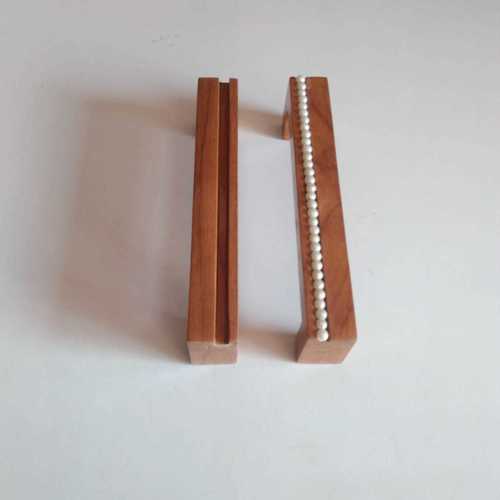
WOODEN CABINET HANDLE
Price:25 INR /Inch
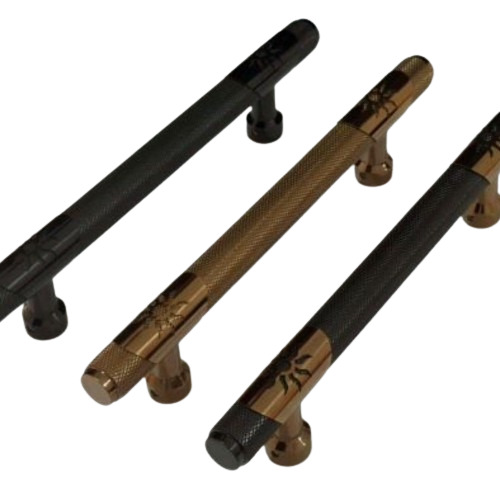
Designing Door Handle
Price:150 INR /Piece

Golden Wardrobe Handle
Price:170 INR /Piece

Vise Hollow Handle Black Finished
Price:86 INR /Piece
Furniture Fittings & Fixtures
Metal Furniture Legs
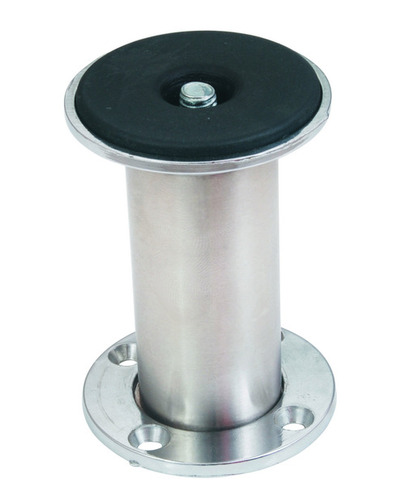
Steel Cylindrical Furniture Leg
Price:130 INR /Piece
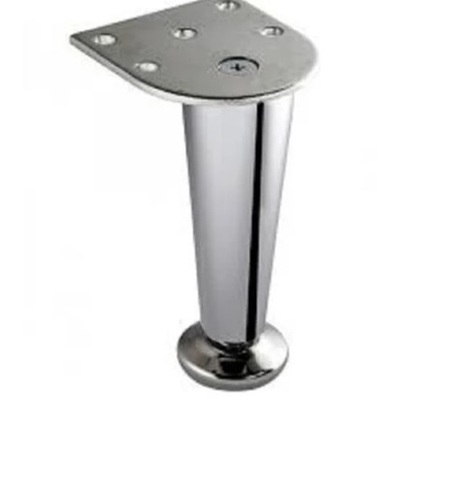
Metal Furniture Leg
Price:50 INR /Piece
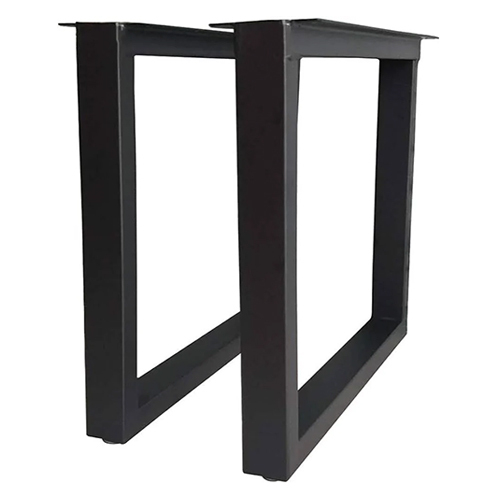
Workstation Metal Legs
Price:1660 INR /Piece
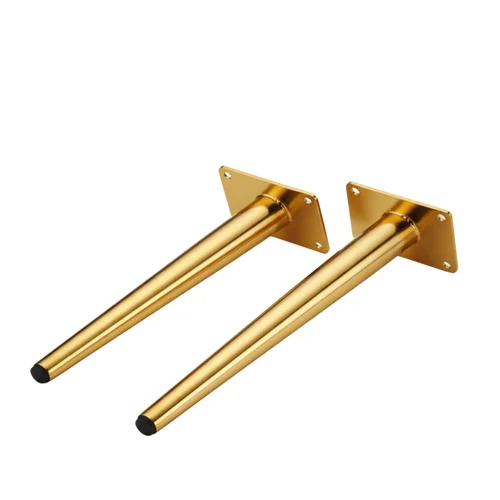
BEEDS Tapered Metal Furniture Legs
Price:50 INR /Piece

Modern Heavy Duty Tall Black Metal iron Desk Legs Riser,Bench Furniture Legs
Price:2000 INR /Piece
Dresser Drawer
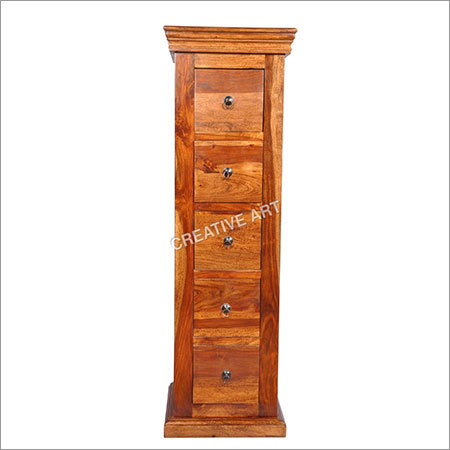
Jackson CD Rack in Sheesham Wood
Price:6000 INR /Carton
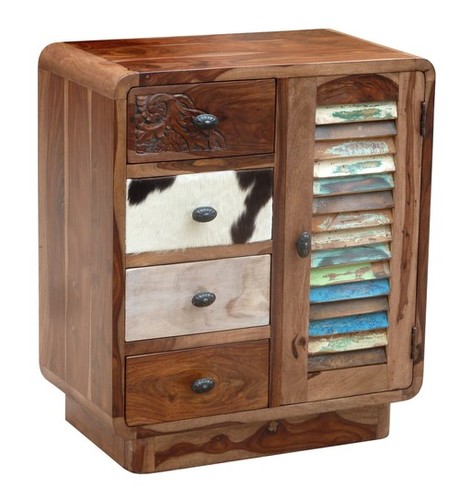
Drawer Cabinet 4 Drawer 1 Door
Price:5000 INR /Piece

Drawers Knob
Price:80 INR /Piece

Rectangular Shaped Drawer Innerwear Organizer
Price:499 INR /Unit
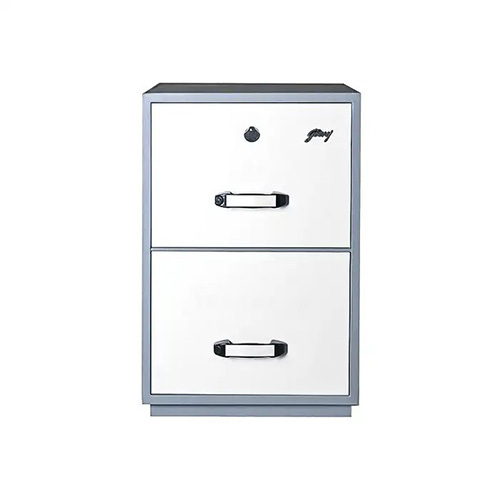
Godrej Drawers
Price:84700 INR /Piece
College Furniture
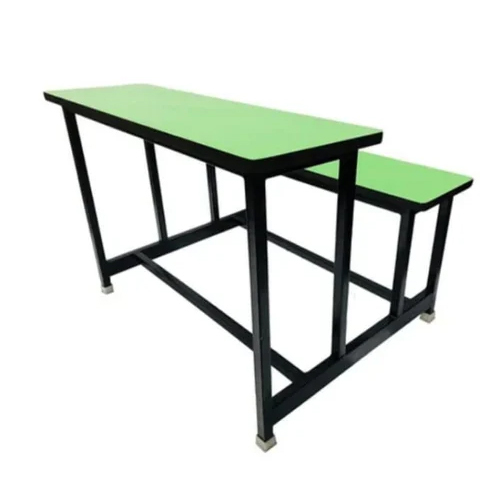
School College Furniture
Price:2500 INR /Unit
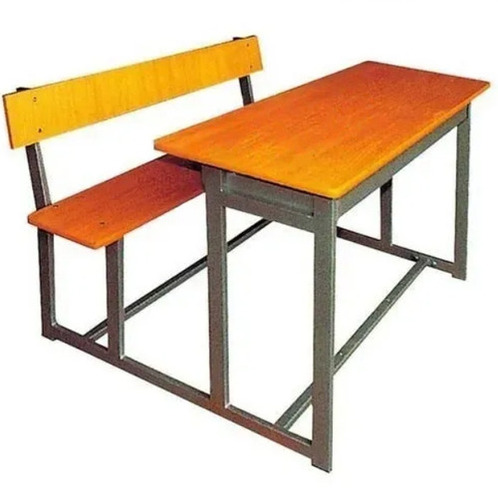
College Furniture Dual Desk
Price:4800.00 INR /Unit
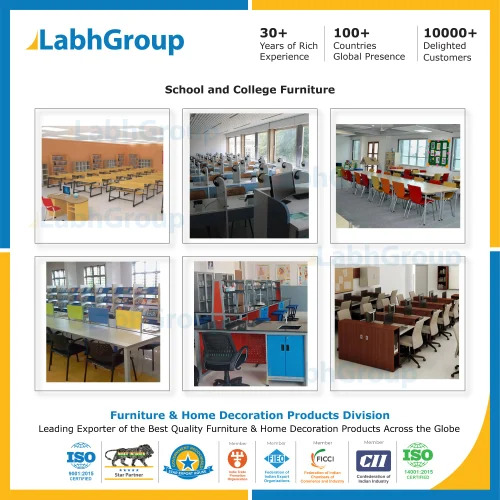
Educational Institution Furniture
Price:5000 INR /Unit
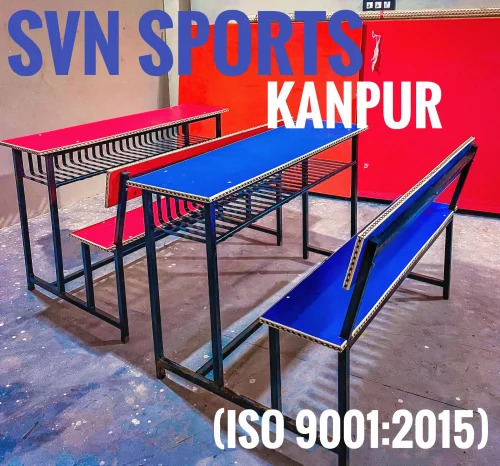
School And College Furniture
Price:2000.0 INR /Piece
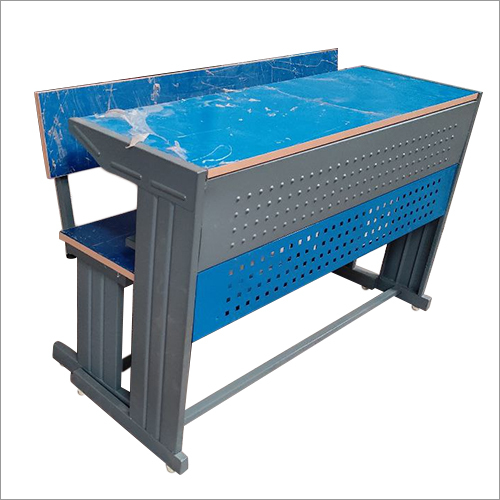
Classroom Two Seater Desk
Price:3300 INR /Piece
Baby Wardrobe

Polished Bedroom Wooden Wardrobe
Price:1200 Onwards INR /Square Foot
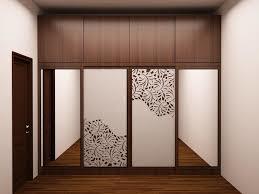
Designer Wooden Wardrobes
Price:1600 INR

New Born Baby Dress
Price:3 INR /Piece

Cloth Wardrobe
Price:1250 INR /Carton
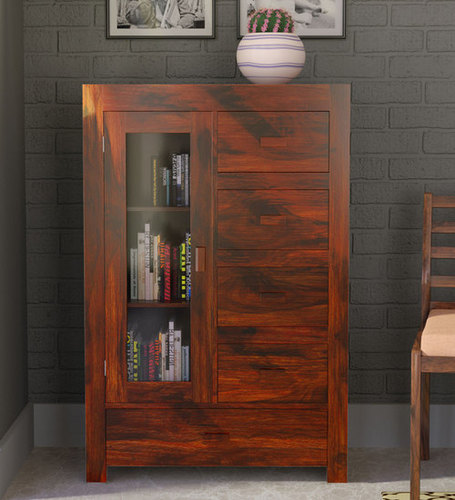
Handcrafted Cabinet in Walnut Finish by Wudstuk
Price:7500 INR /Carton
Bedroom Armoire
Polished Bedroom Wooden Wardrobe
Price:1200 Onwards INR /Square Foot
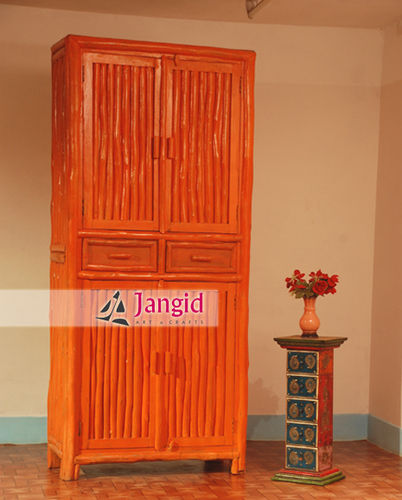
Bedroom Furniture Designs
Price:8940 INR /Unit
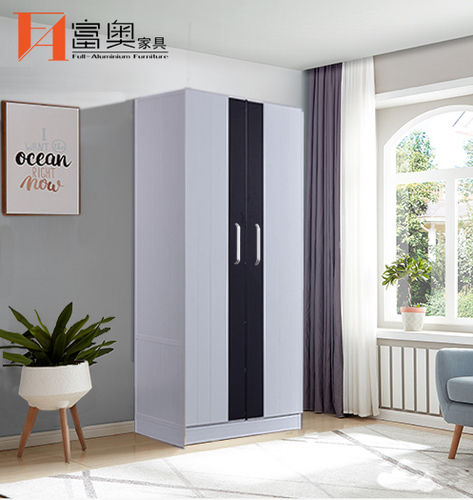

Bathroom & Toilet Accessories/Fittings

Rain Shower Head

Abs Shower Round
Price:130 INR /Piece

Wall Mounted Chrome Finished Stainless Steel Slim Rain Square Shower Head
Price:195 INR /Piece
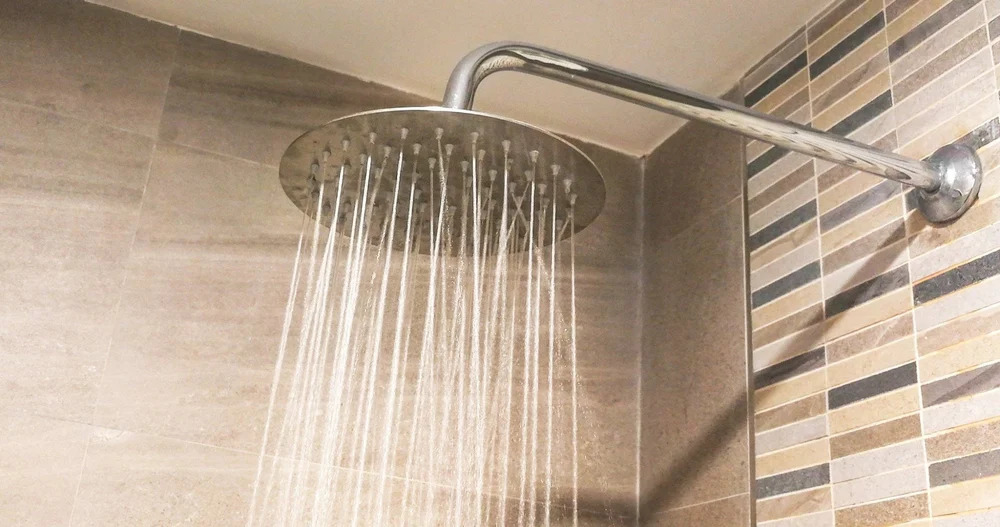
Rain Shower Case
Price:3498 INR /Piece

4x4 Ultra Slim Rain Shower Head
Price:48 INR /Piece

Bathroom Shower Head
Price:500 INR /Piece
Bathroom Suites
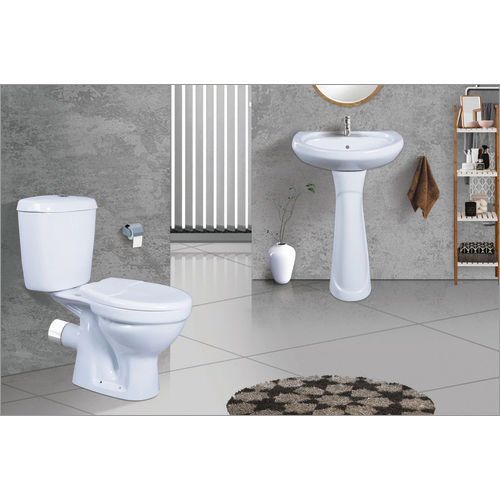
ITALIAN SET
Price:10.71 USD ($) /Unit
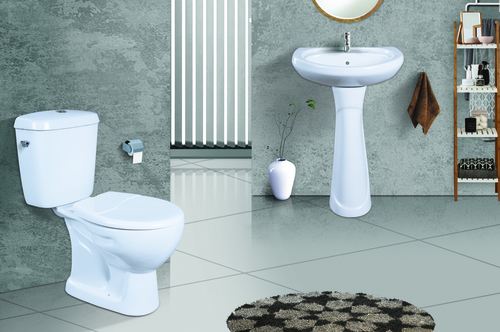
Ceramic Sanitary Ware Suite
Price:22.00 USD ($) /Set
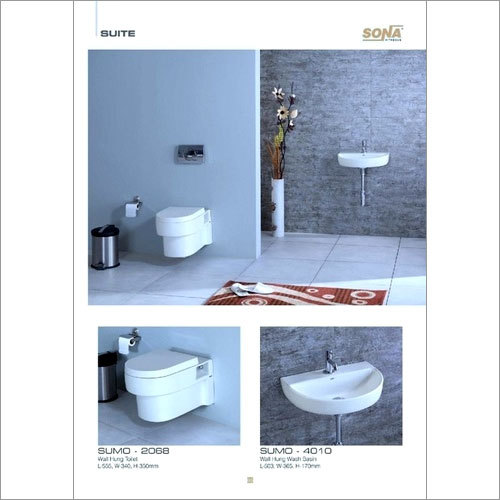
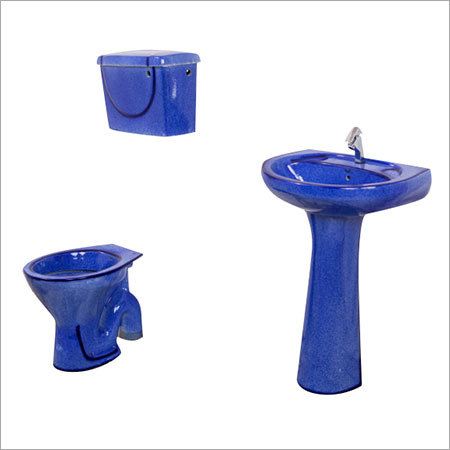
Ceramic Couple Bathroom Suite
Price:920 INR /, Piece
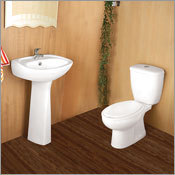
Plastic Soap Holder

Wall Mounted Plastic Soap Dish Adhesive Soap Holder Tray
Price:18.0 INR /Piece


Plastic Soap Dish Holder Bathroom Shower Wall Mounted Self Adhesive ,Sabudani (1 Pc)
Price:13.07 INR /Piece

Double Soap Dish Plastic Abs
Price:80 INR /Piece
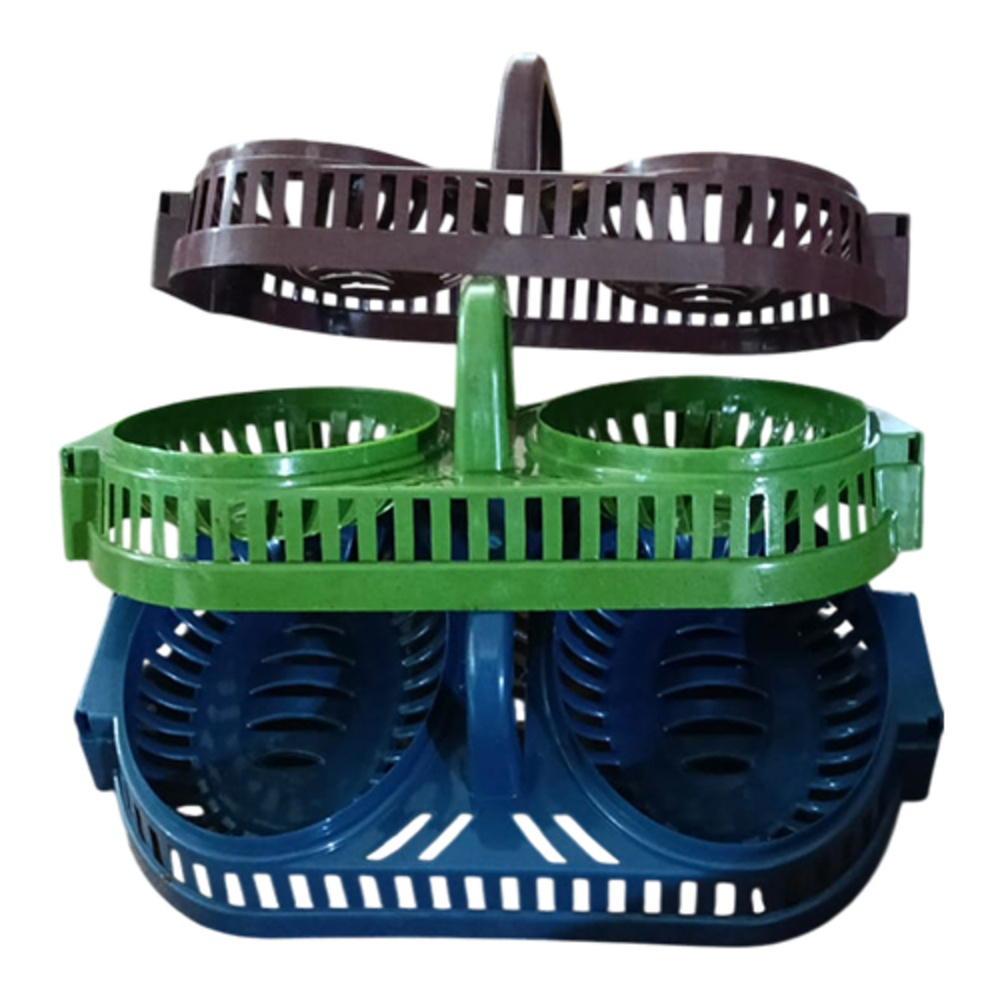
Shower Light
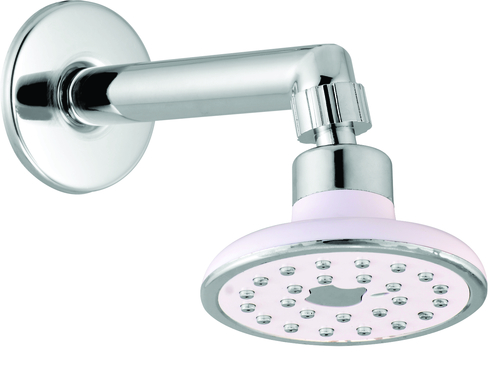
Shower Light
Price:200 INR /Piece

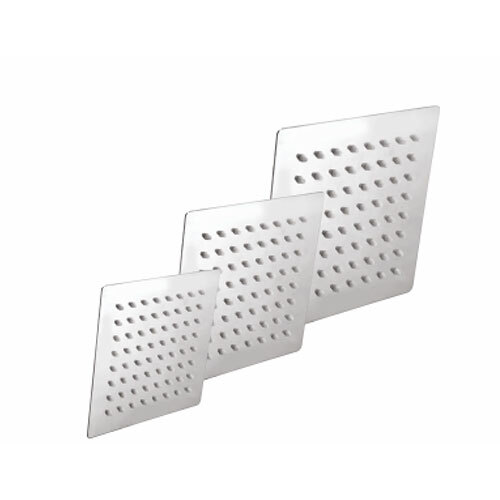

Lighting Rain Shower
Price:20000 INR /Piece

Nahani Trap

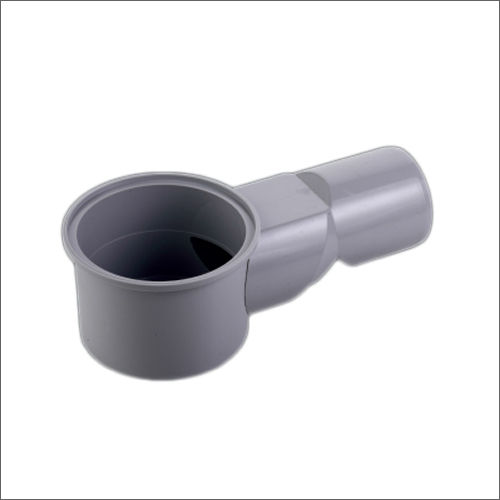
Nahani Trap With Jali
Price:300.0 INR /Piece
Nahani Trap 110 X 75 MM
Price:121 INR /Piece
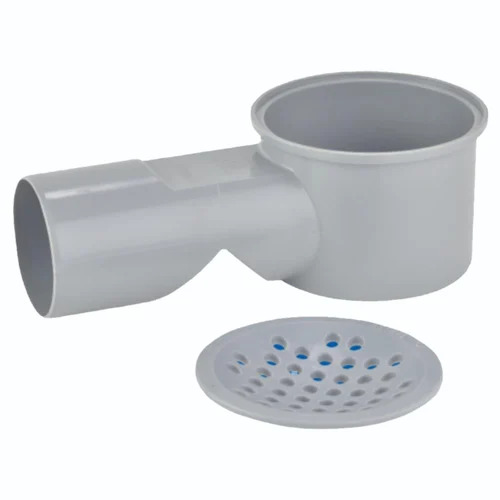
Pvc Nahani Trap
Price:185.00 INR /Unit
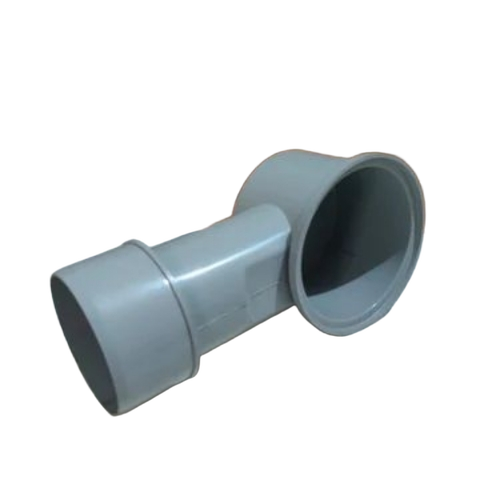
Nahani Trap Jali
Price:35 INR /Piece
Building & Construction Material & Supplies

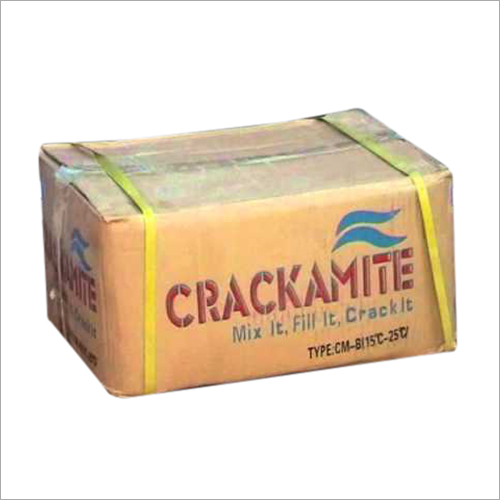
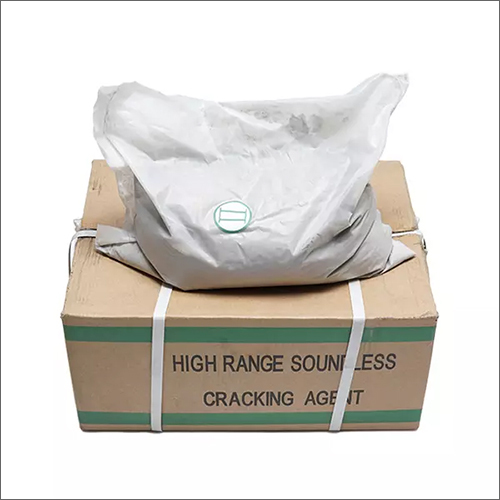
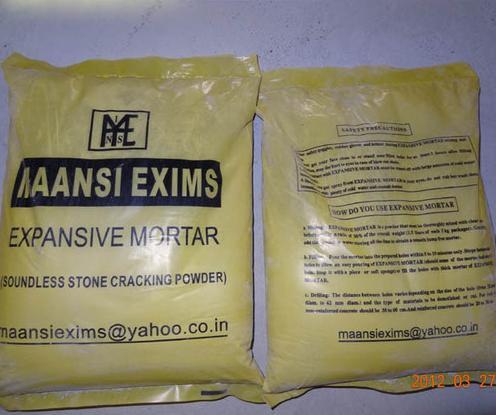

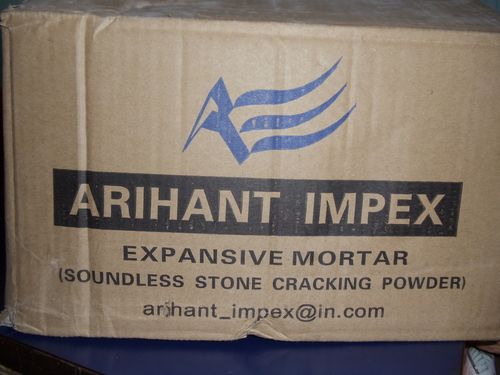
Universal Beam
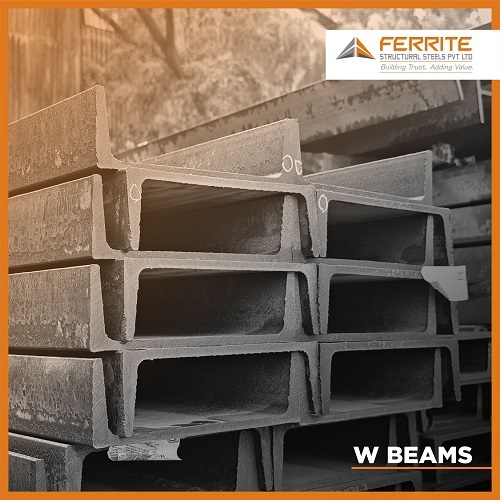
MS W Beam
Price:56000 INR /Ton
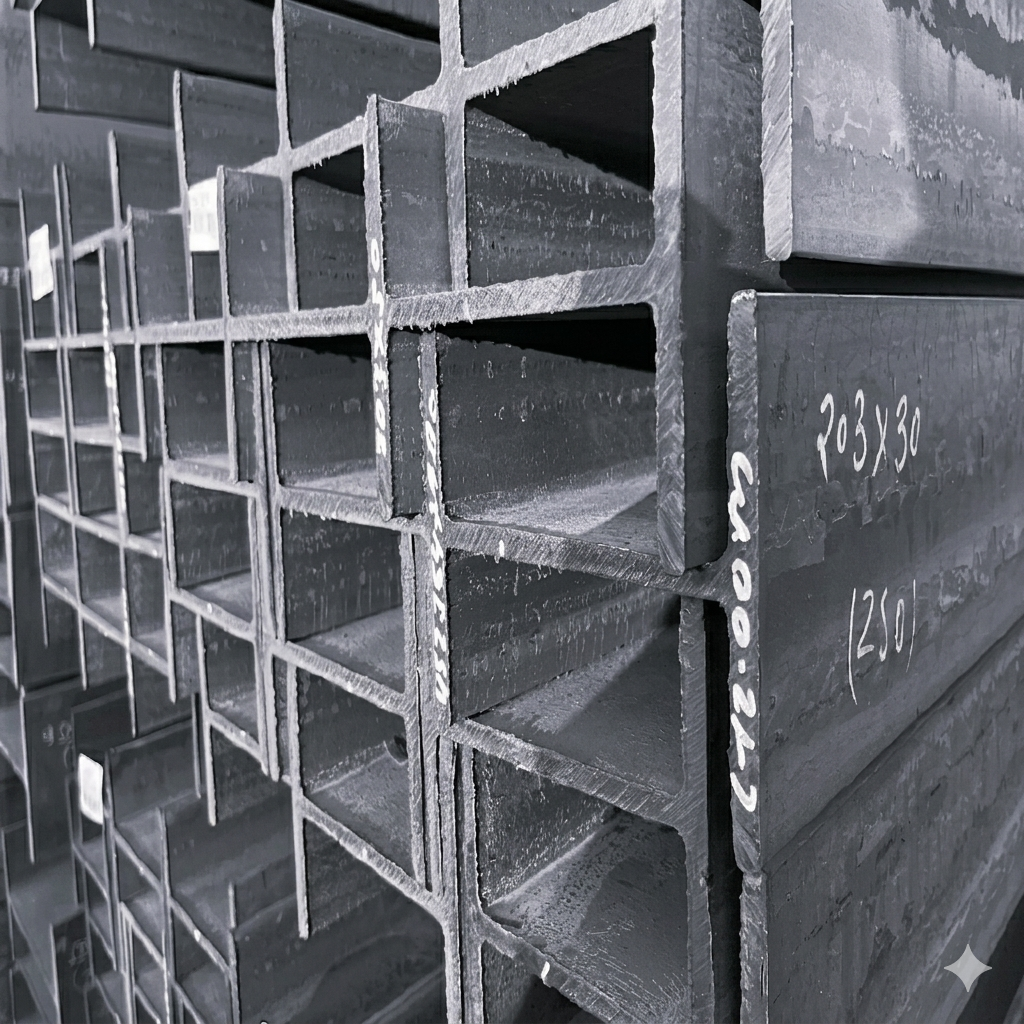
Universal Beam (UB)
Price:600000 INR /Unit

Hot Rolled Universal Beam
Price:44000 INR /Ton
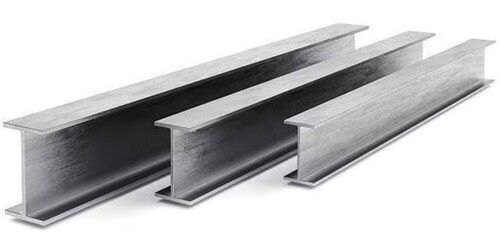
Mild Steel Beam
Price:50000 INR /Metric Ton
Mild Steel Beam
Price:47 INR
Concrete Fiber
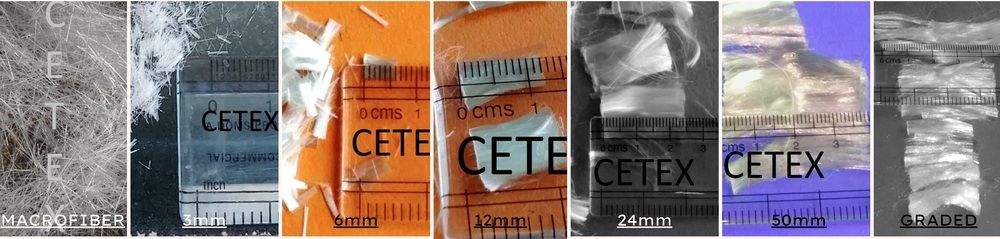
Polypropylene Fiber
Price:160.0 INR /Kilograms
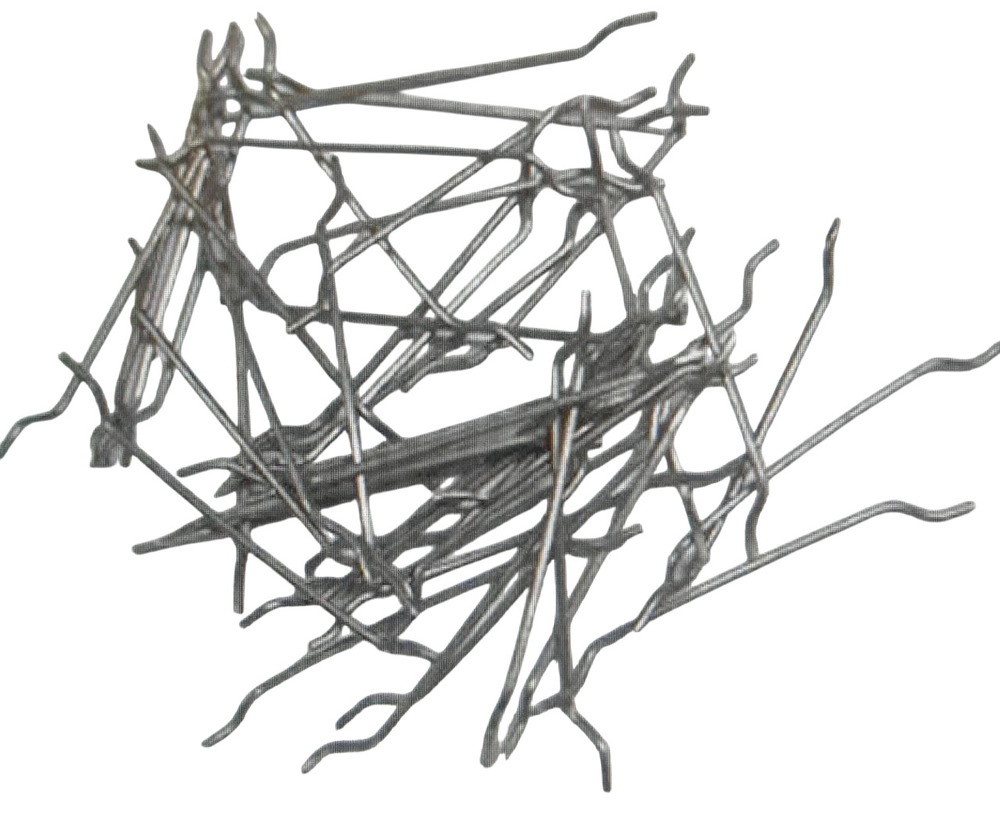
Steel Fiber
Price:115 INR /Kilograms
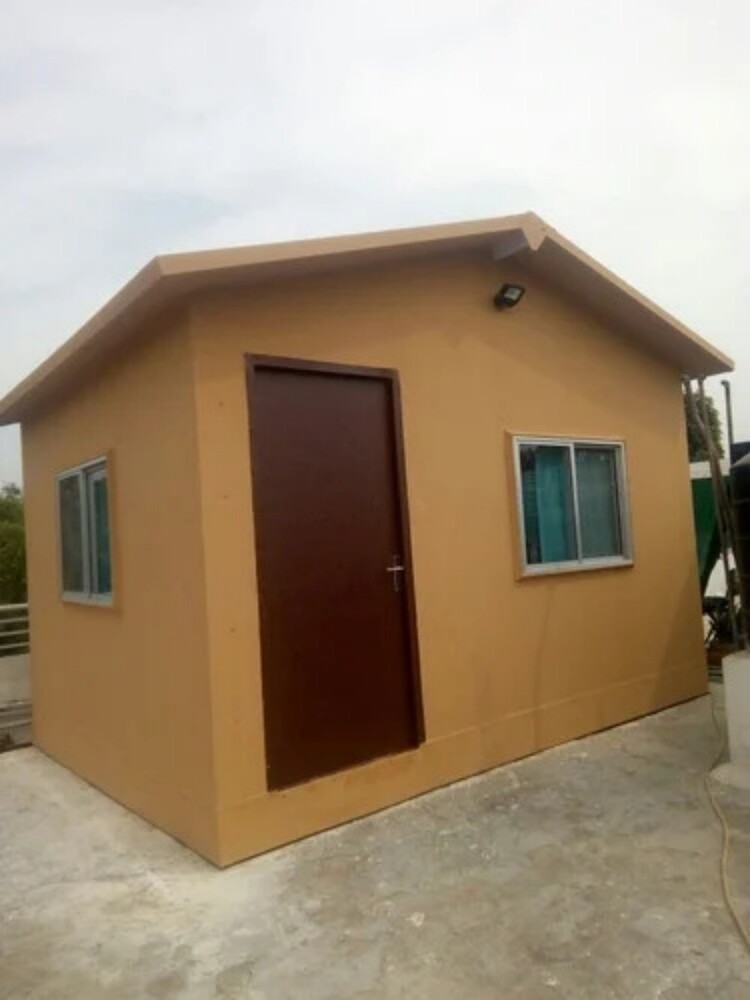
Cement Fibre Porta Cabin
Price:1200 INR /Square Feet
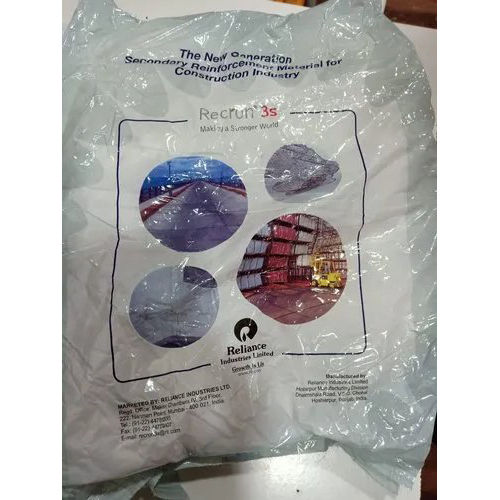
Recron Polyester (Concrete) Fiber CT2424-12MM ,900Gms
Price:328 INR /Pack
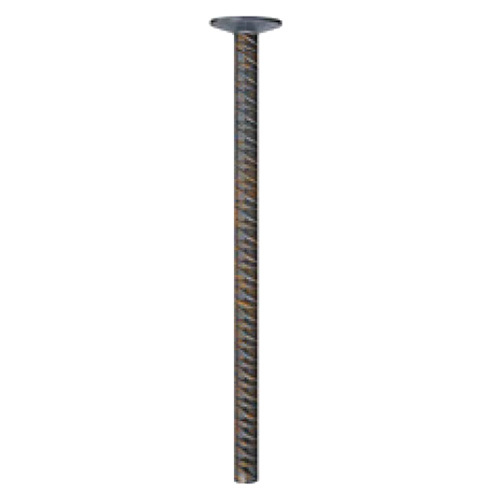
Slide Rail
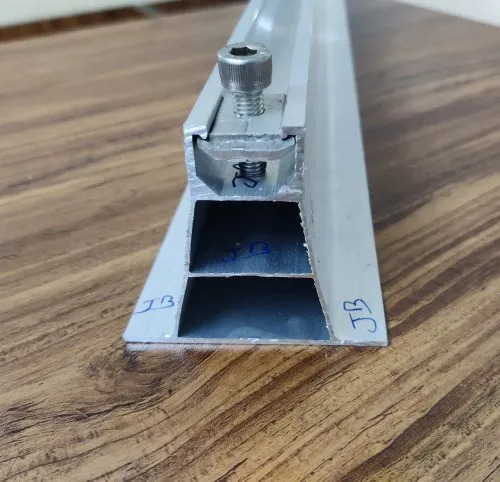
Micro Rail
Price:132 INR /Piece
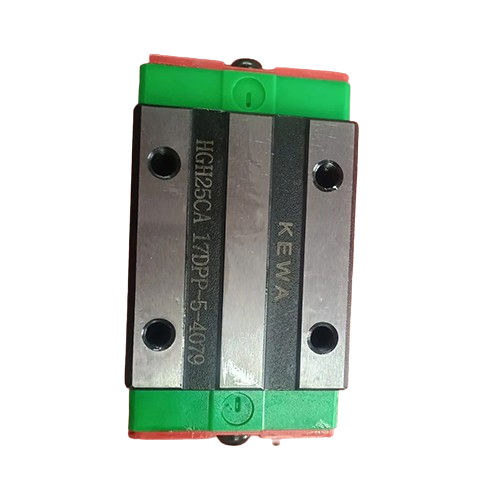
HGH15CA Linear Guideway Block
Price:1500 INR /Piece
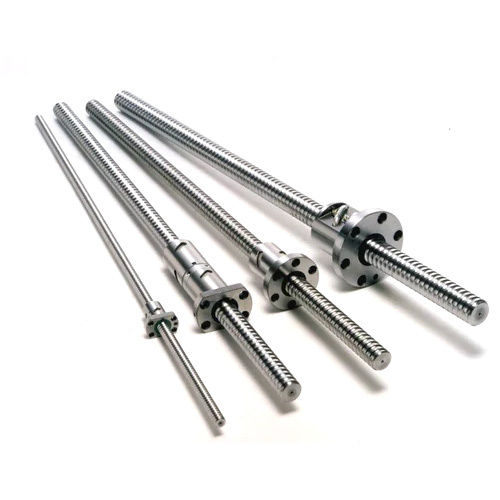
Ball Screw Linear Motion Guide Rail
Price:6300 INR /Piece

LF 971 Bear Slide
Price:7050 INR /Piece
Water Channel
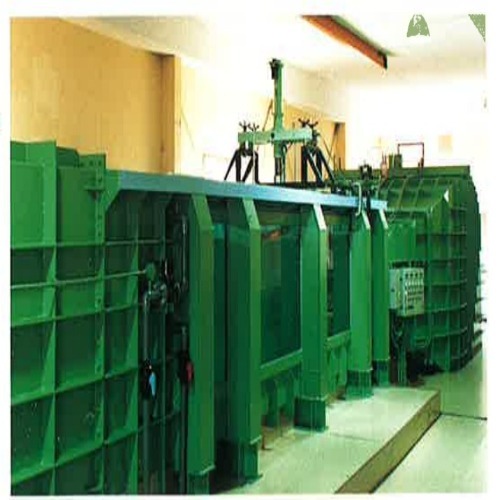
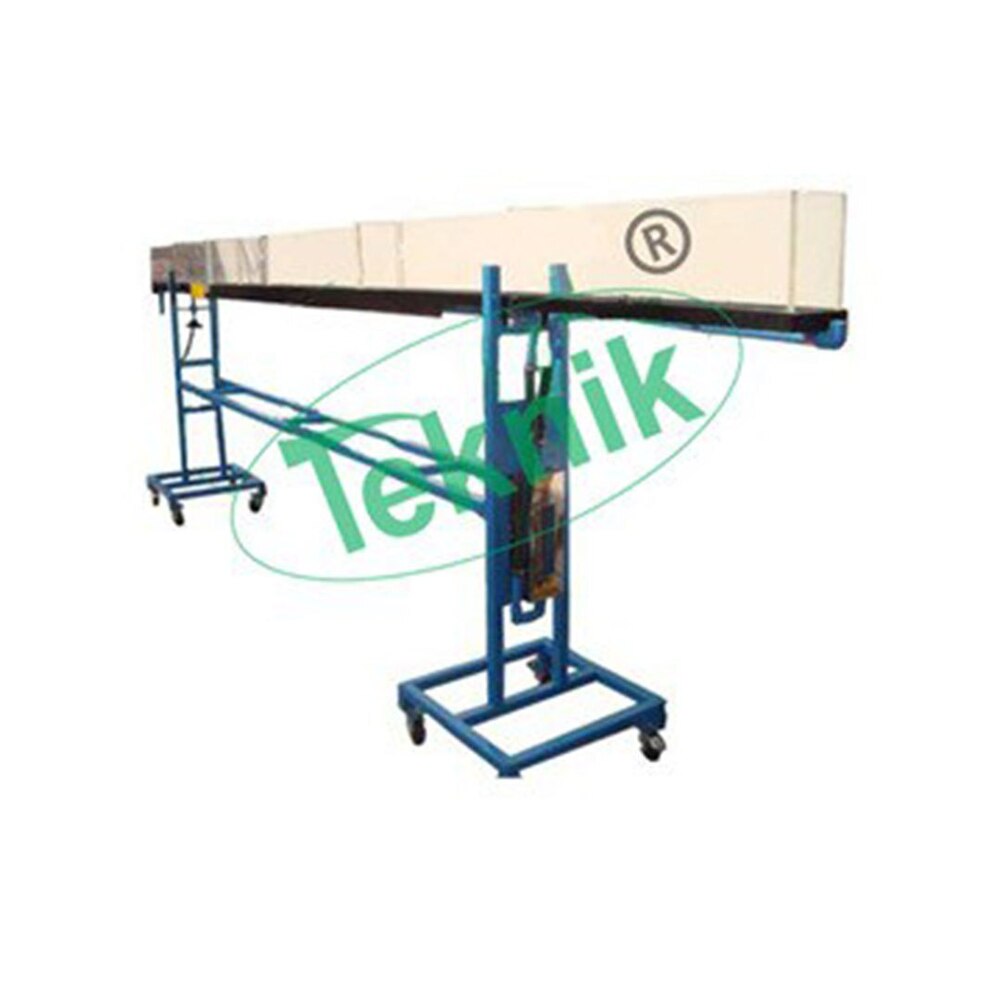
High Speed Circulating water Channel
Price:500000.0 INR /Number
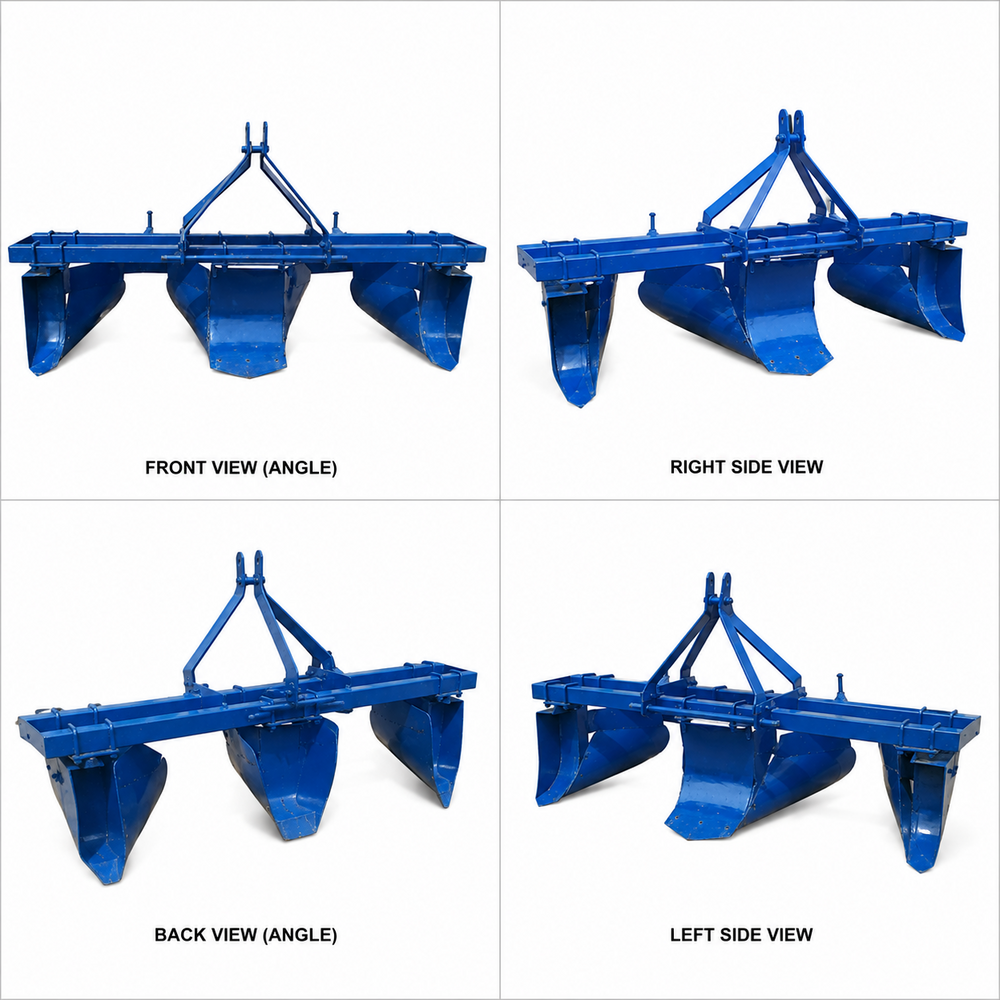
Agriculture Water Channel Maker
Price:65000.0 INR /Piece
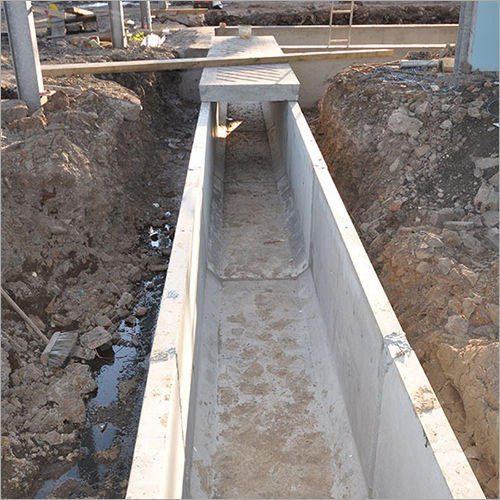
Concrete Water Channel
Price:15 INR /Piece
PVC Water Channel
Price:250.0 INR /Piece
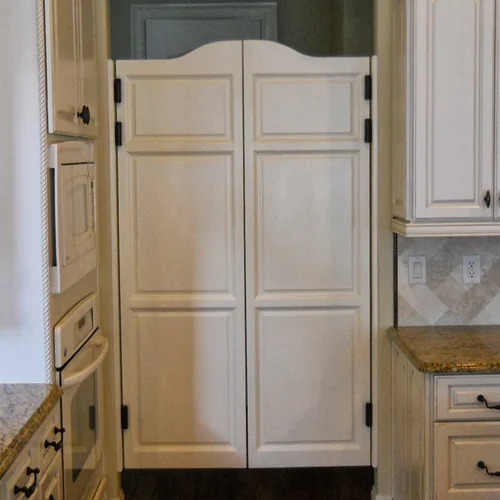
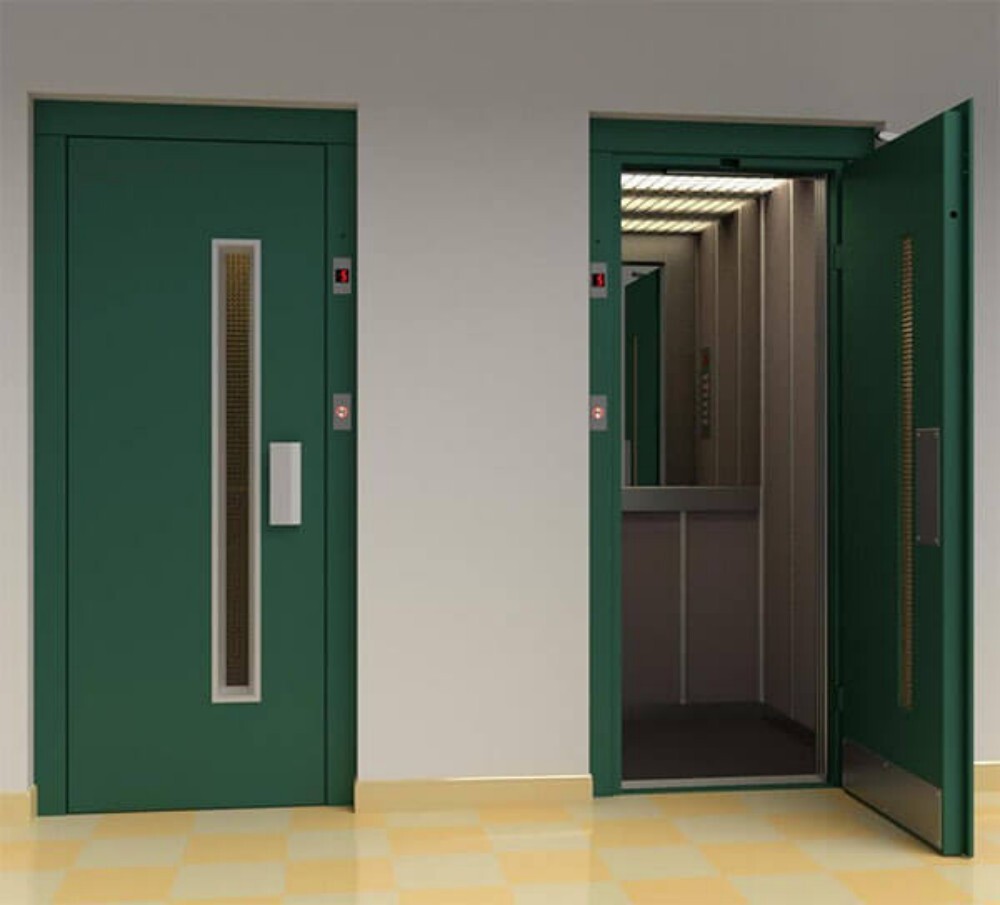
Doors/Wooden Door Panels


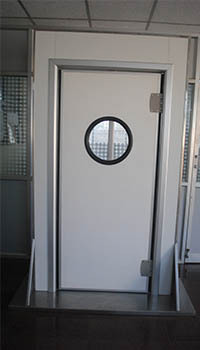
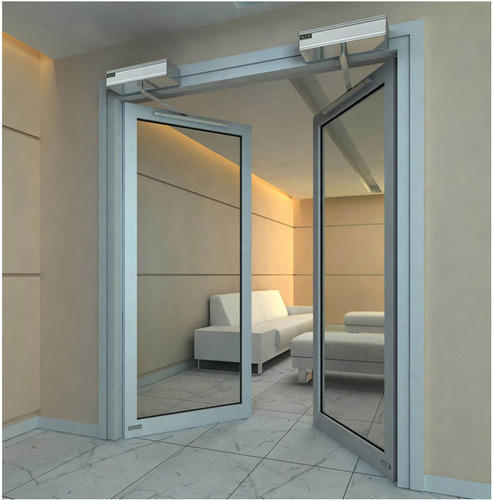
Folding Window

UPVC Folding Window
Price:2500 INR /Square Foot
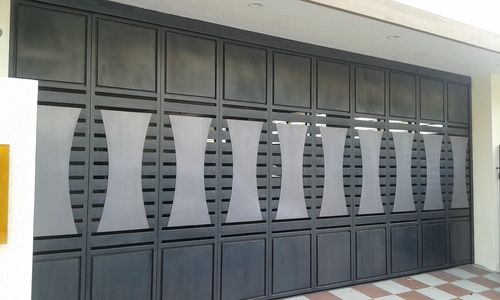
Industrial garage doors
Price:650 INR /Square Foot

White Upvc Sliding Windows
Price:450 INR /Square Foot
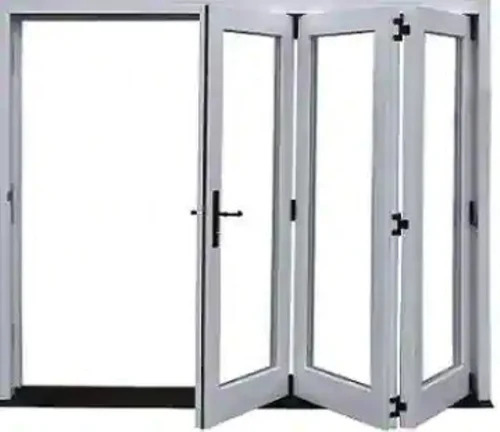
UPVC Folding Window
Price:550 INR /Square Feet
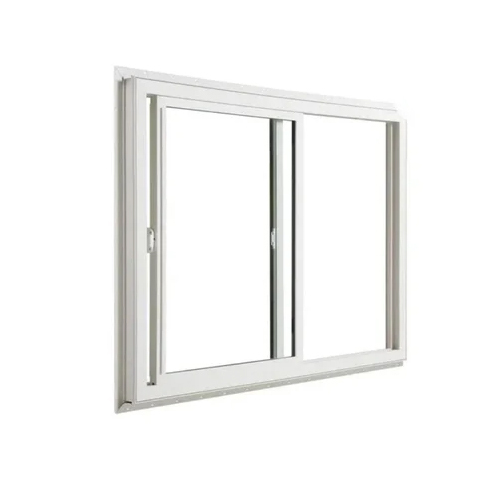
Upvc Folding Window
Price:550 INR /Square Foot
Automatic Door System
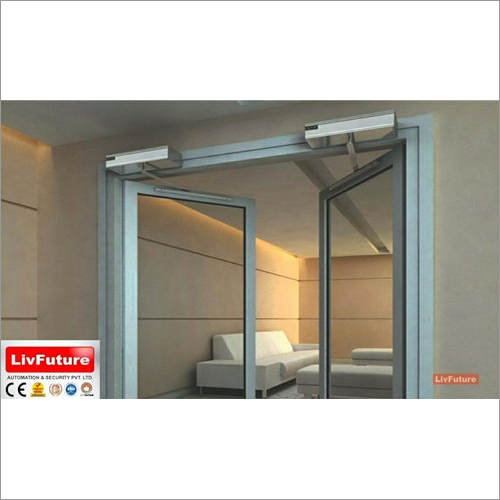
Automatic Door Motor
Price:69,999 INR /Piece
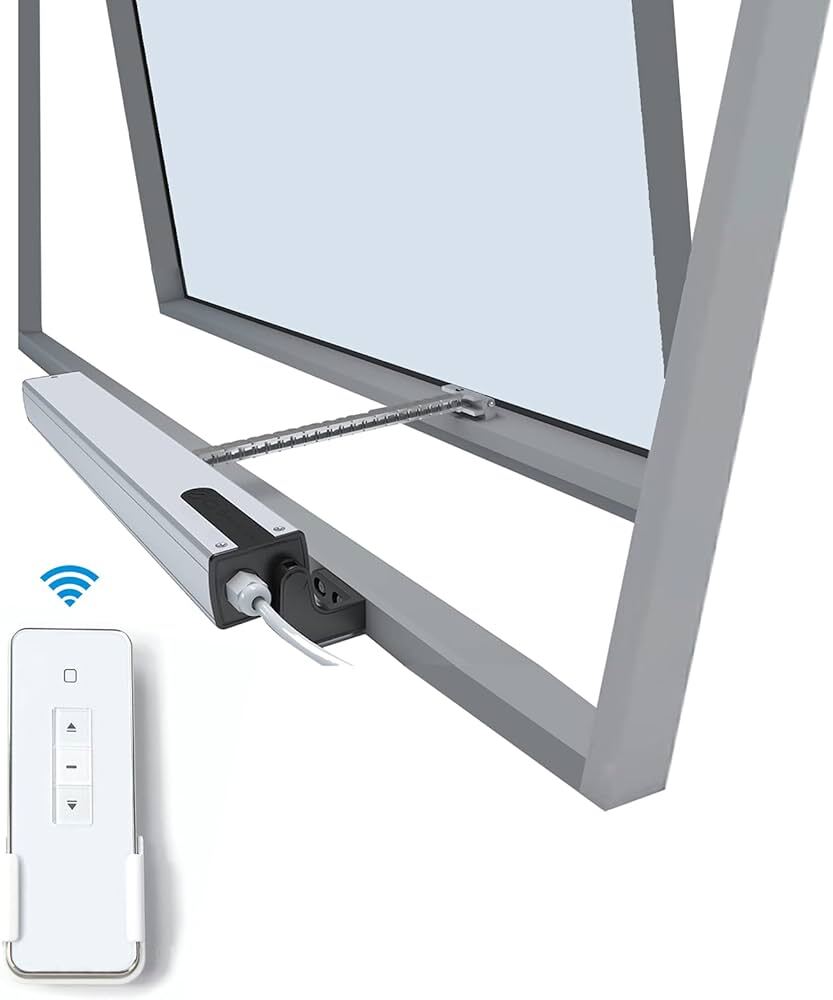
Automatic Window Opener System
Price:15000 INR /Piece
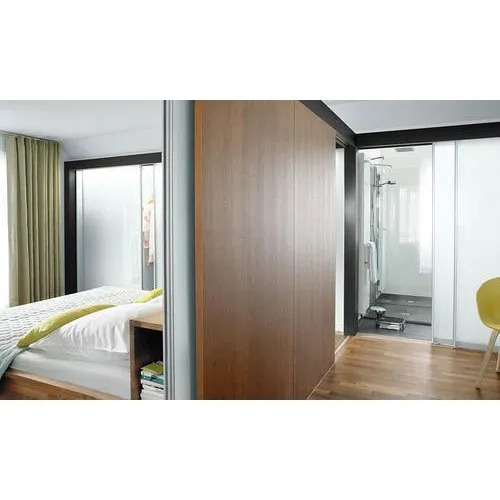
SIO Woodslide 250 Linear Doors System
Price:24000 INR /Unit
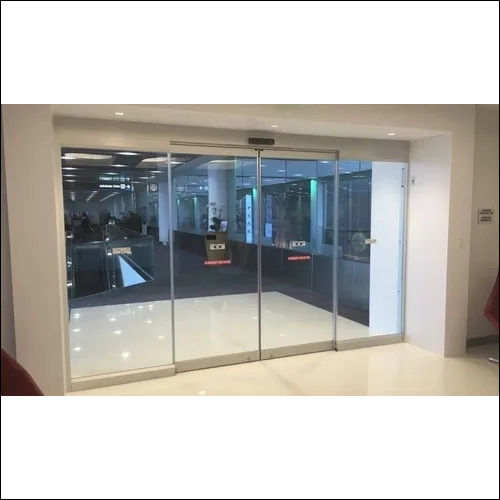
Automatic Sensor Door
Price:58000 INR /Set
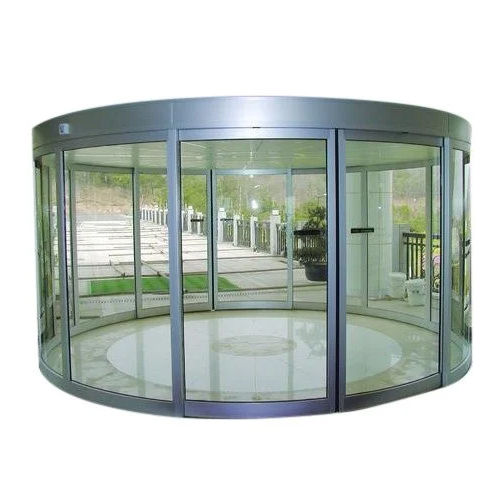
Automatic Curved Sliding Door
Price:200000 INR /Piece


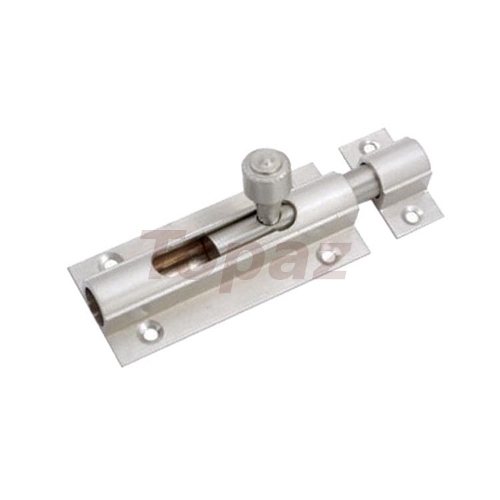

Tiles

Natural Stone Tiles
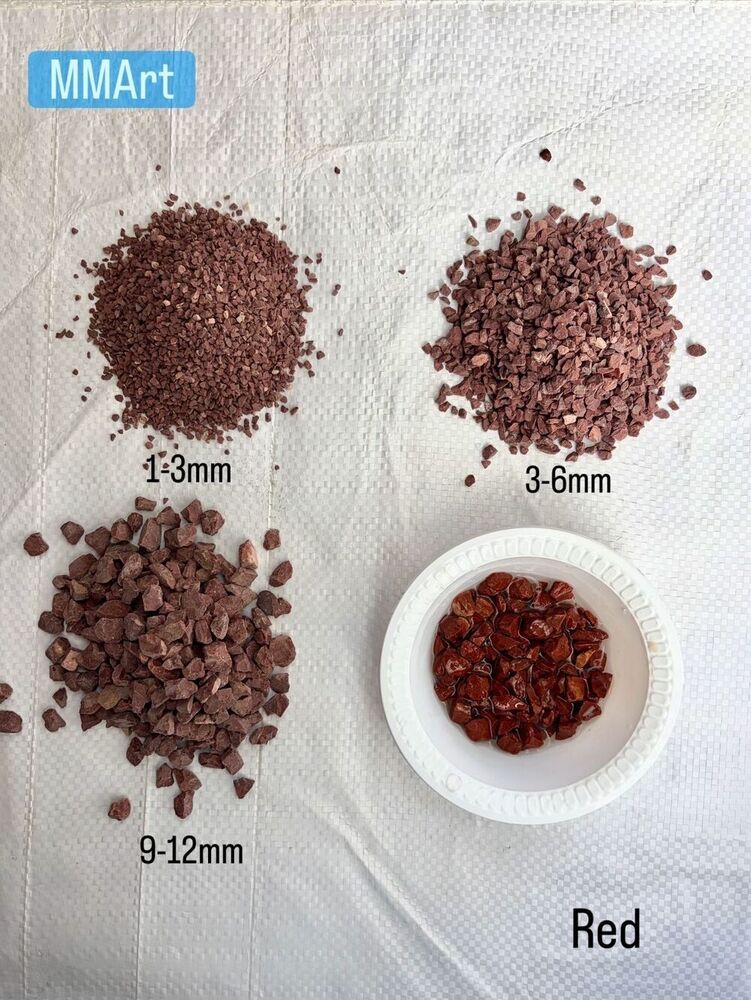
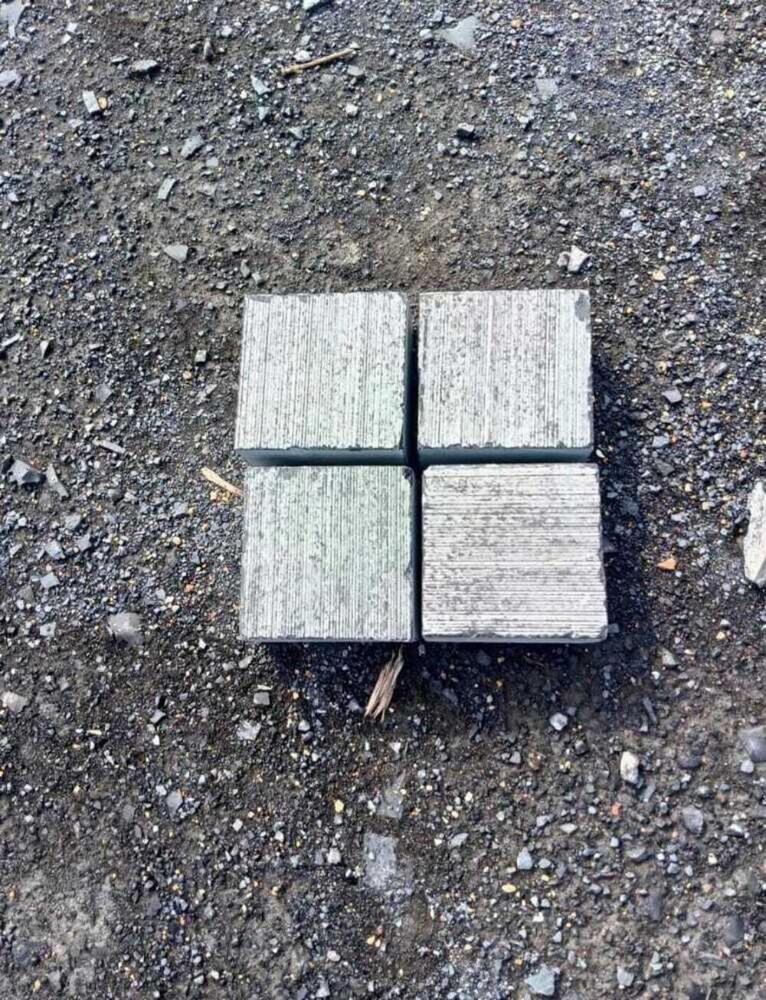
Natural coble stone
Price:6 INR /Piece

Stone effect tiles
Price:2.9 USD ($) /Square Meter

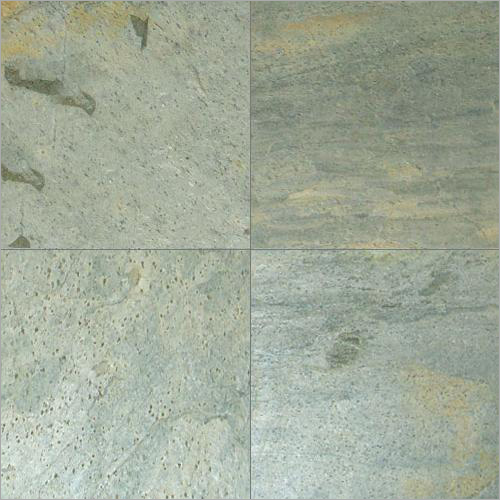
Zeera Green Quartzite Indian Slate Stone Tiles
Price:12.0 USD ($) /Square Meter
Parking Tiles
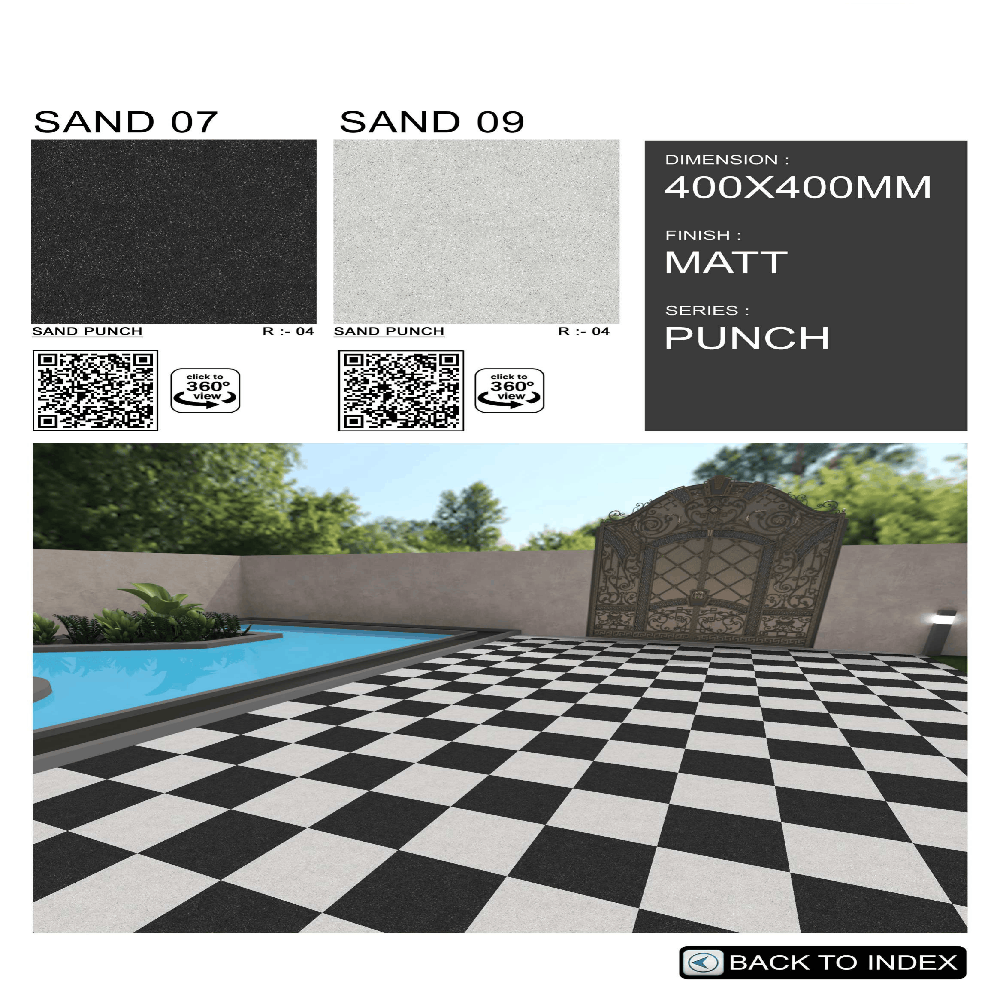
Heavy Duty Parking Tiles
Price:180.0 INR /Box
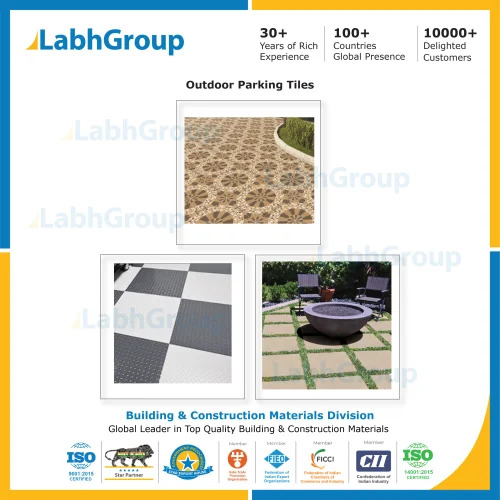
Outdoor Parking Tiles
Price:70.00 INR /Box
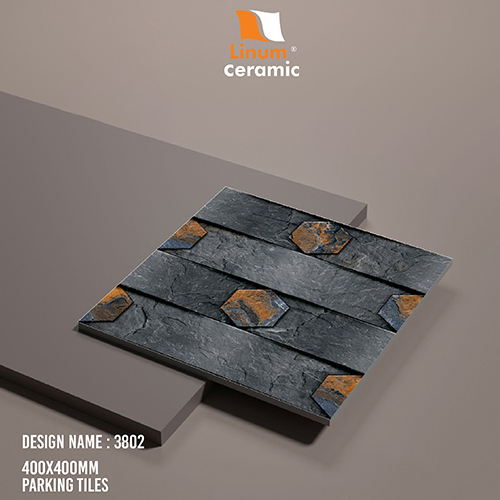
400x400 MM Parking Tile
Price:140.0 INR /Box
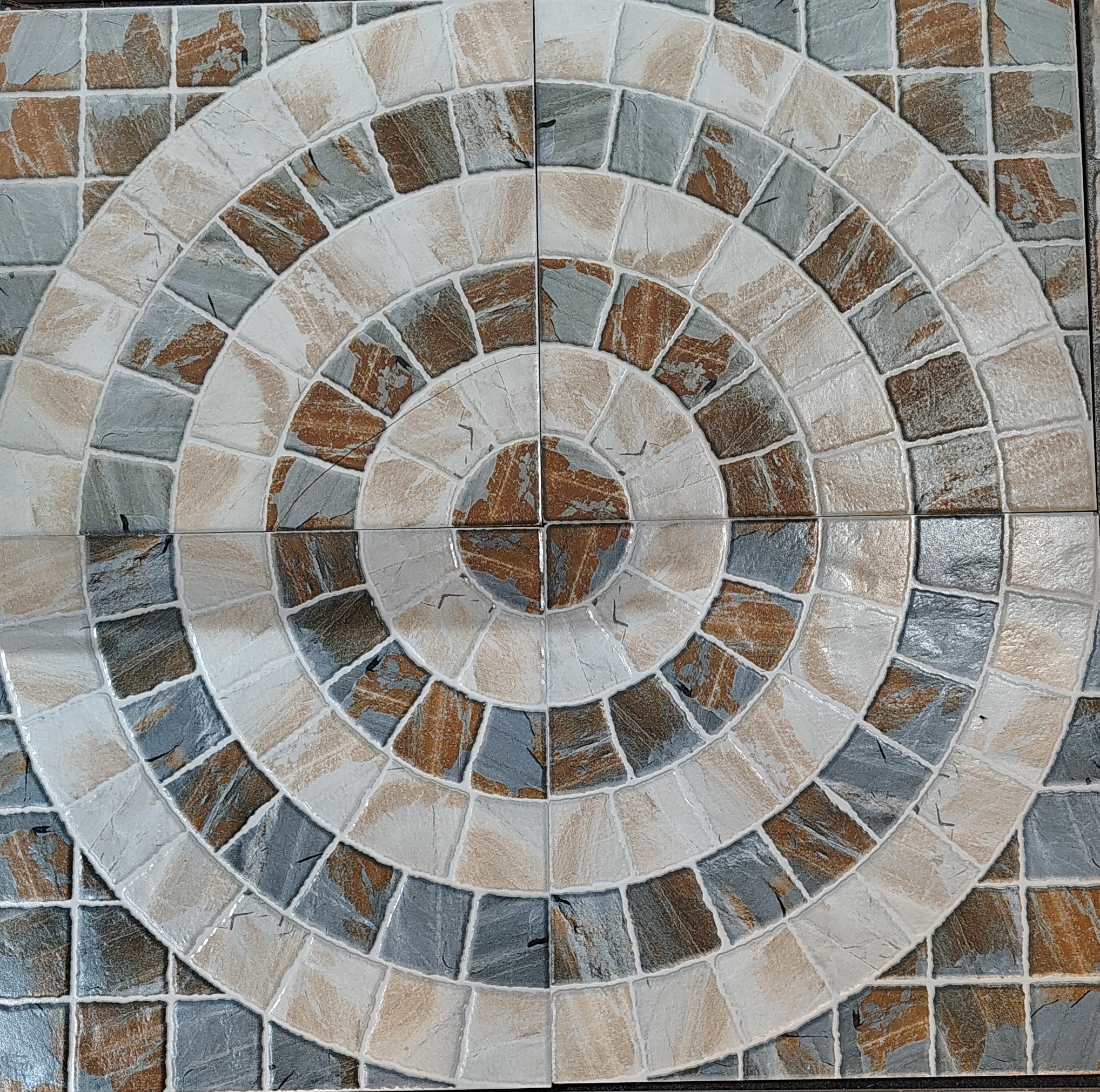
16"A 16" Digital Parking Heavy Duty Tile
Price:400 INR /Box
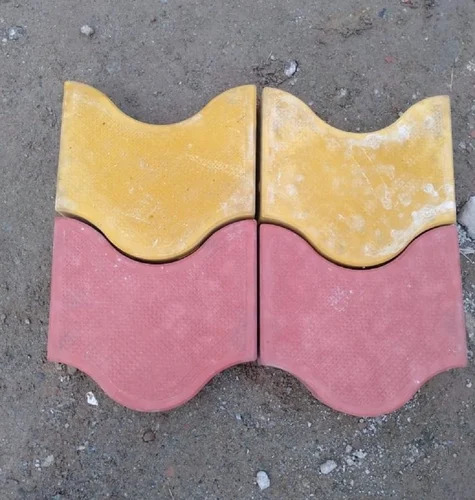
DD Paver Block
Price:18.0 INR /Piece
Vitrified Parking Tiles
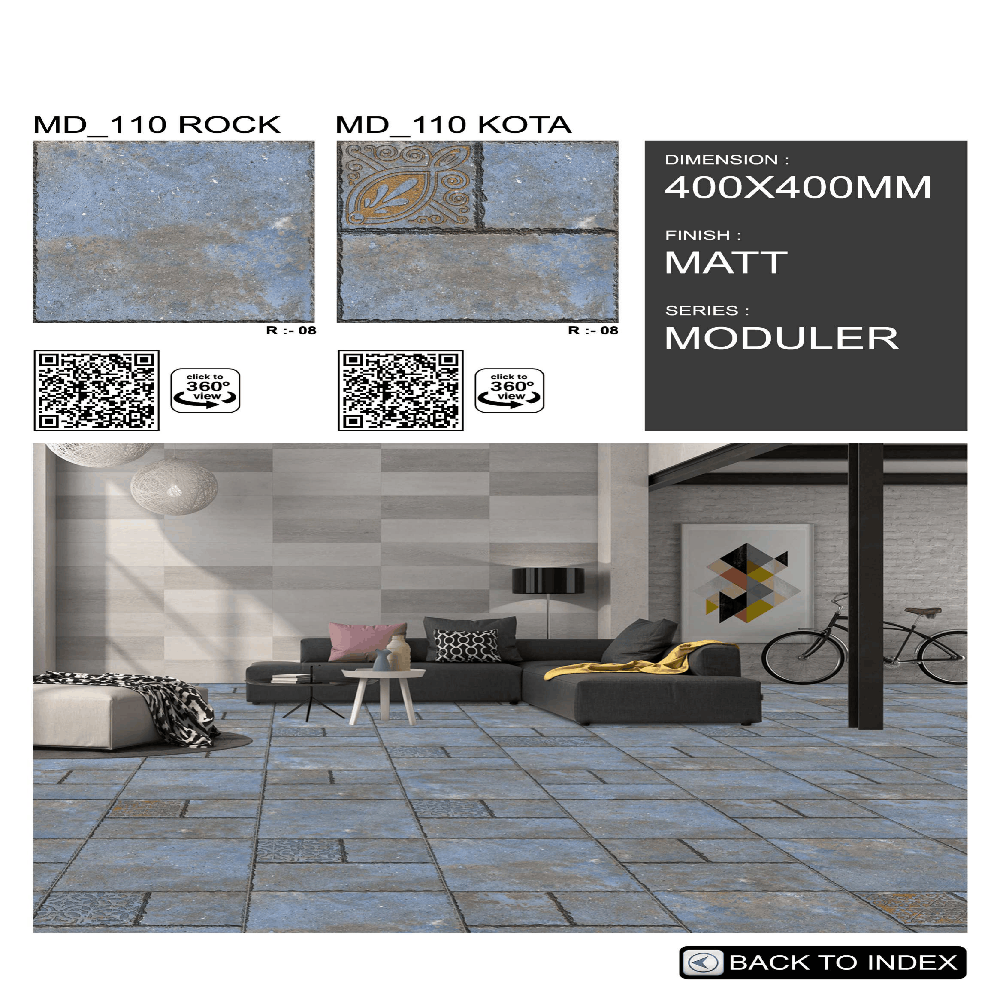
Parking Tiles Dealer
Price:250.0 INR /Box

400x400 MM Vitrified Parking Tile
Price:150.0 INR /Box
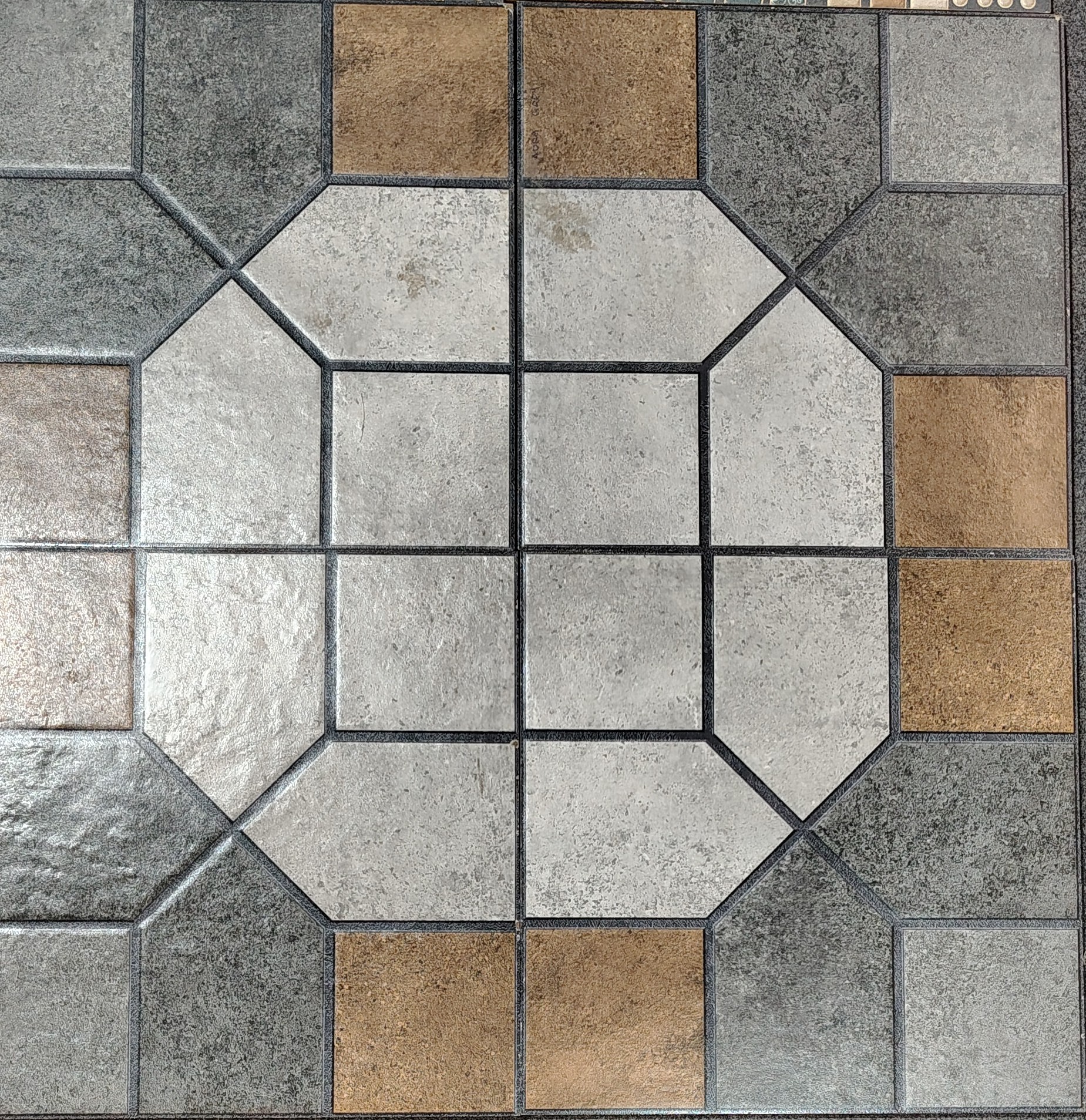
16"A 16" Digital Vitrified Heavy Duty Parking Outdoor Tile
Price:450 INR /Box
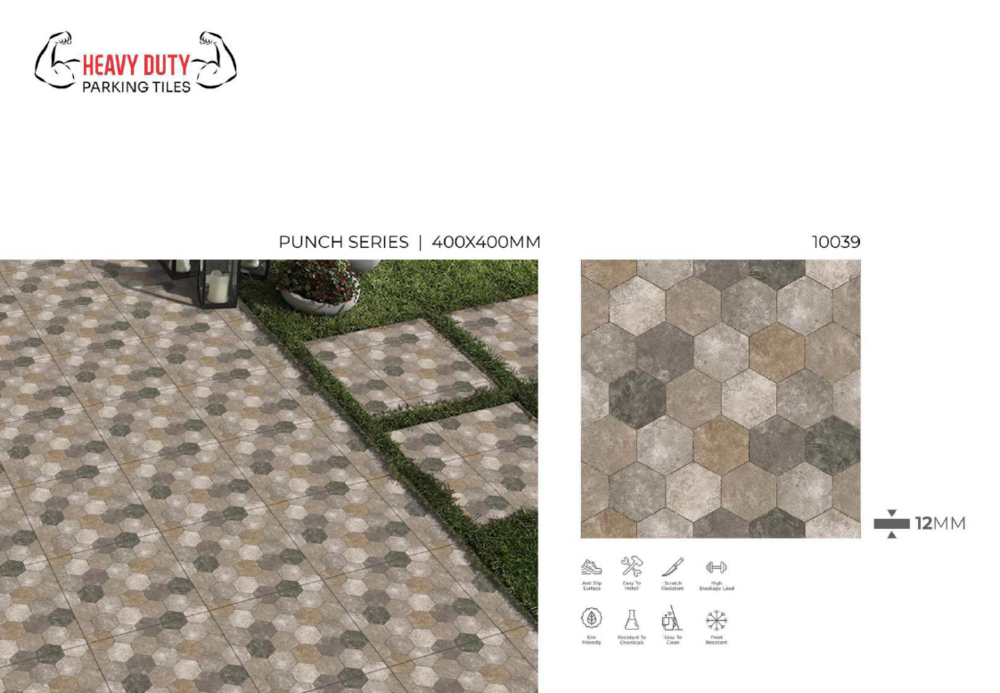
Non-slip parking tiles
Price:3.15 USD ($) /Square Meter
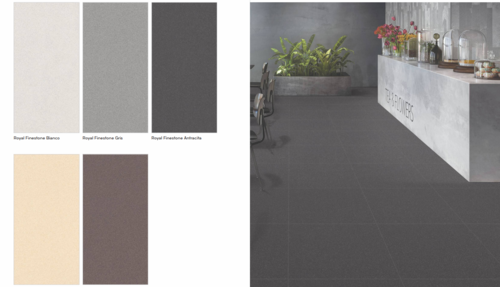
OUTDOOR FULL BODY TILE
Price:1000 INR /, Box
Pearl White Vitrified Tiles
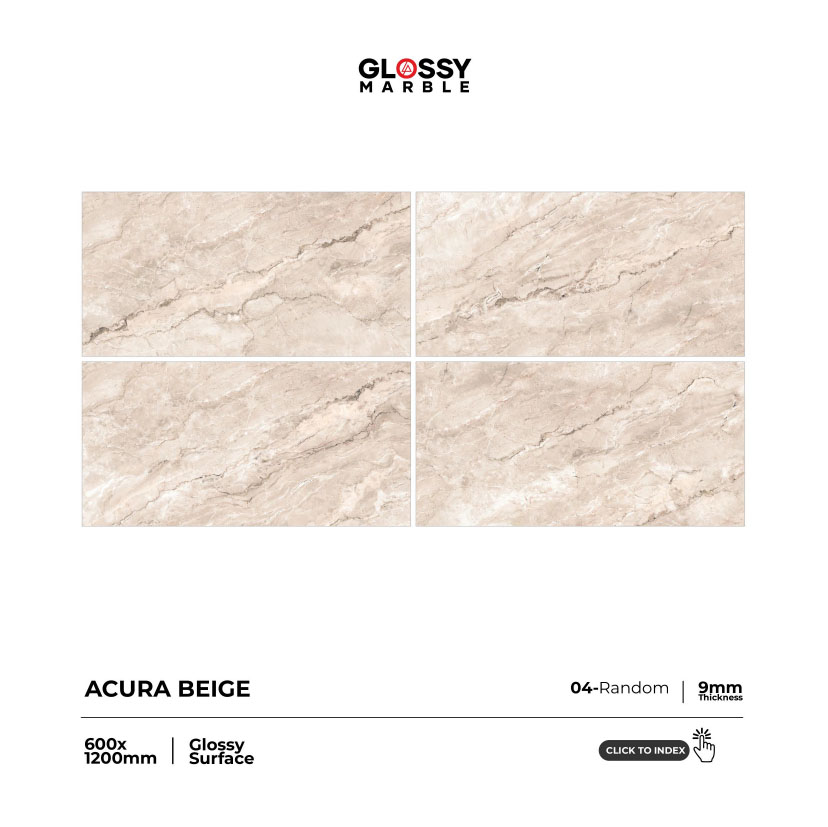
Pearl Glow Glossy Vitrified Tile
Price:30.0 INR /Box

White Statuario Porcelain Floor Tiles ADVIK GREY
Price:77.0 INR /Box

POLISHED GLAZED VITRIFIED TILES
Price:27 INR /Square Meter


SOMANY NANO VITRIFIED TILES 600X600 MM
Price:29 INR /Square Foot
Pebble Tiles

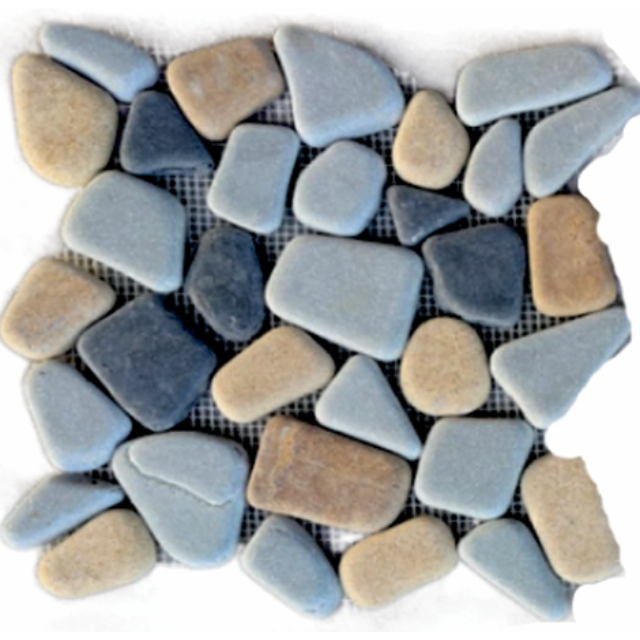
Pebble Mosaic Multi Col
Price:1.85 USD ($) /Piece
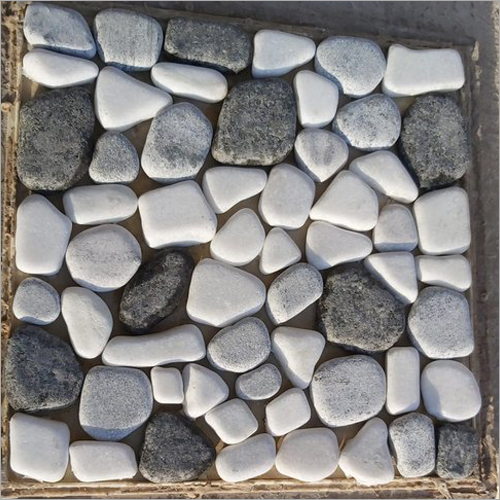
Colored Pebbles Tiles
Price:230.0 INR /Square Foot

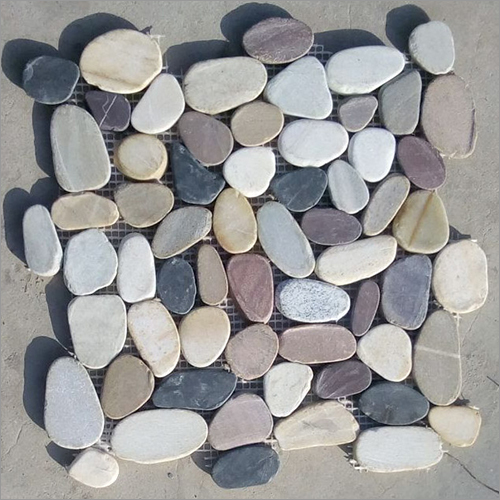
Mix River Pebbles Tiles
Price:95 INR /Piece
Top Rated Companies from Construction & Real Estate Category








Paint & Allied Products

Epoxy Enamel


Triesty Cross Engraving with Enameled Handmade Cremation Ash Urn
Price:15 USD ($) /Piece
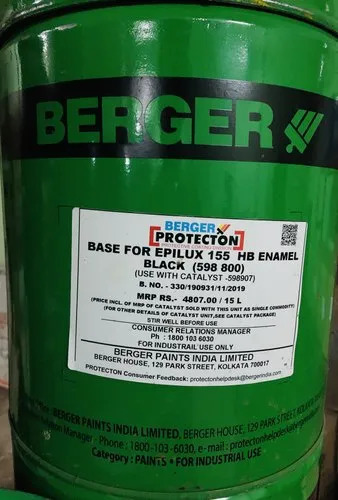
Epilux 155 HB Enamel Epoxy Paint
Price:325 INR /Liter

Epoxy Enamel Paint
Price:220 INR /Liter

15L Berger Epoxy Hb White Enamel
Price:270 INR /Liter
Epoxy Thinner
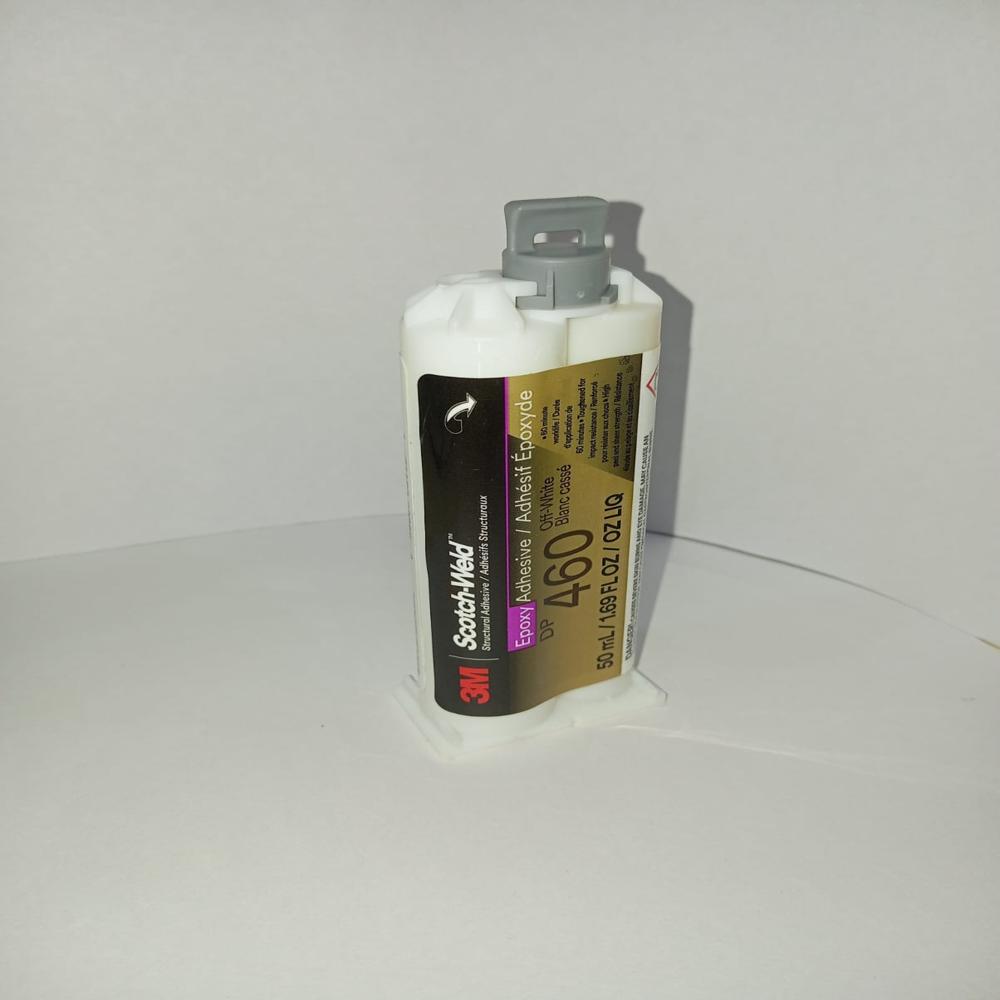
Heavy Duty Epoxy
Price:1550.0 INR /Piece
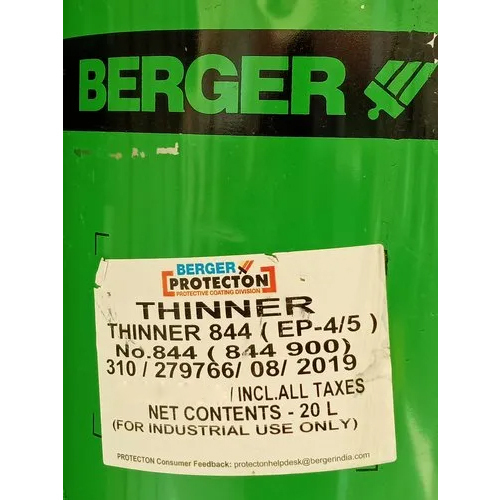
20 Ltr Berger 844 Epoxy Thinner
Price:2900.0 INR /Piece

Epoxy Thinner
Price:55.0 INR /Liter
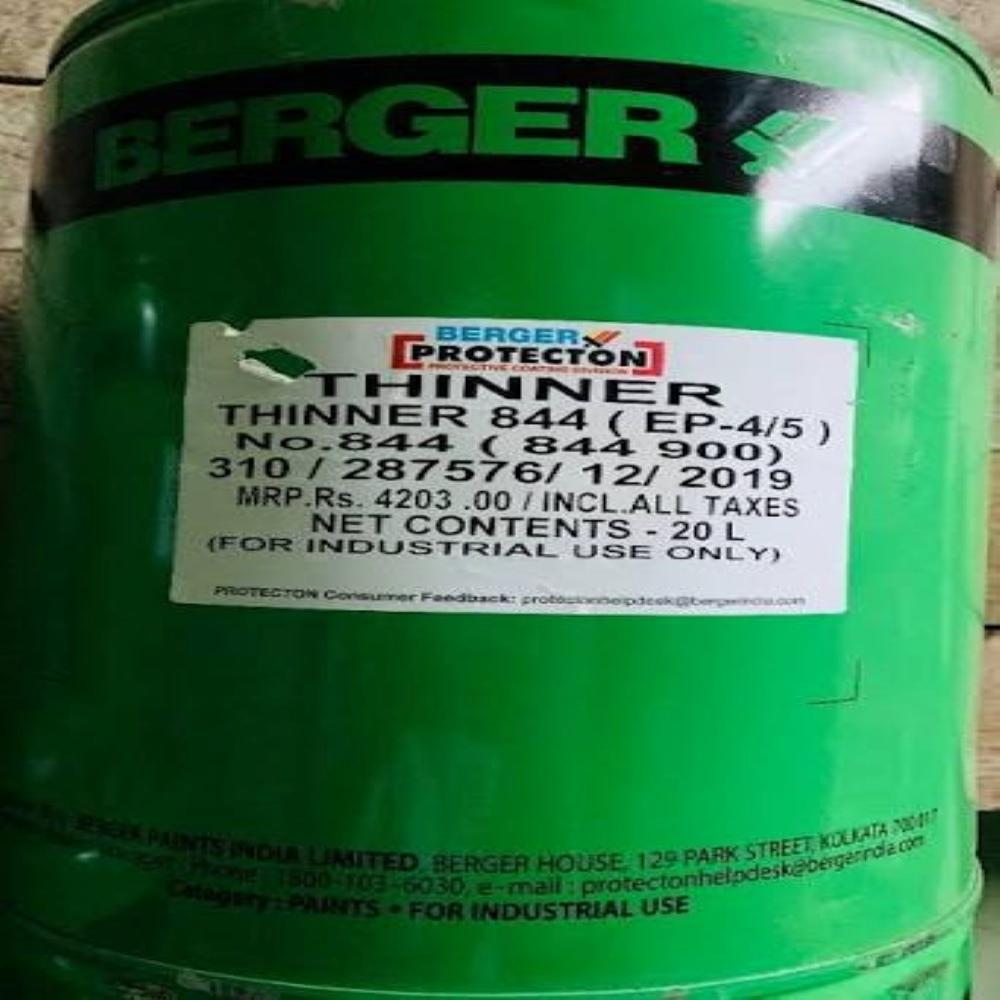
THINNER 844(EPOXY THINNER)
Price:215.0 INR /Kilograms
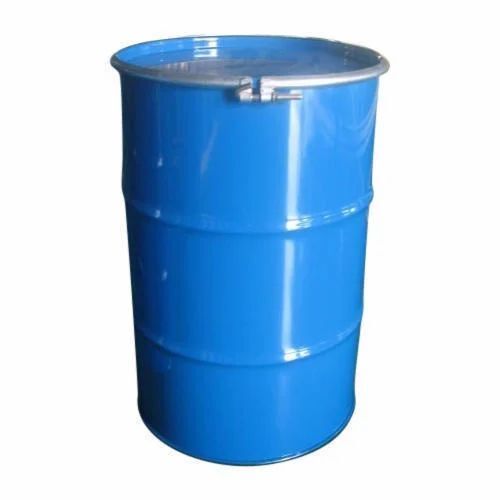
Epoxy Thinner 200 L Packaging
Price:80 INR /Liter
Enamel Thinner
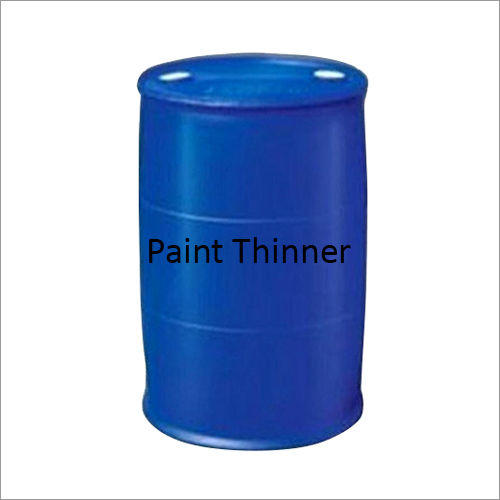

99% Pure Smooth Finish High Gloss Liquid Enamel Thinner
Price:35 INR /Liter

Dcp Solvent Enamel Thinner
Price:4 INR /Kilograms
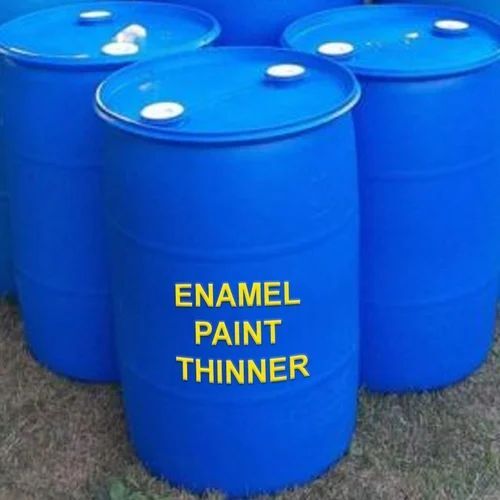
Enamel Paint Thinner
Price:45 INR /Liter
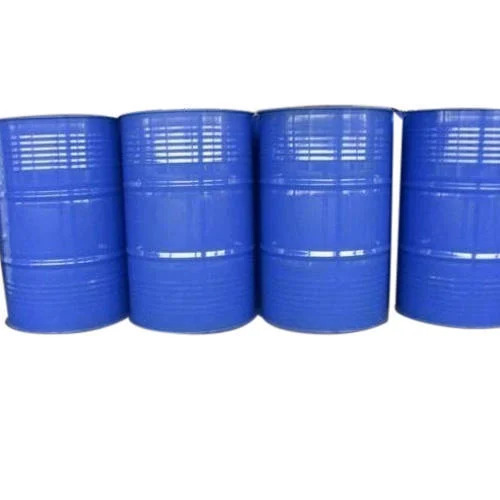
Synthetic Enamel Thinner
Price:125 INR /Kilograms
Stone Polish


Stone and Tile Polish Cream
Price:250.00 INR /Pair
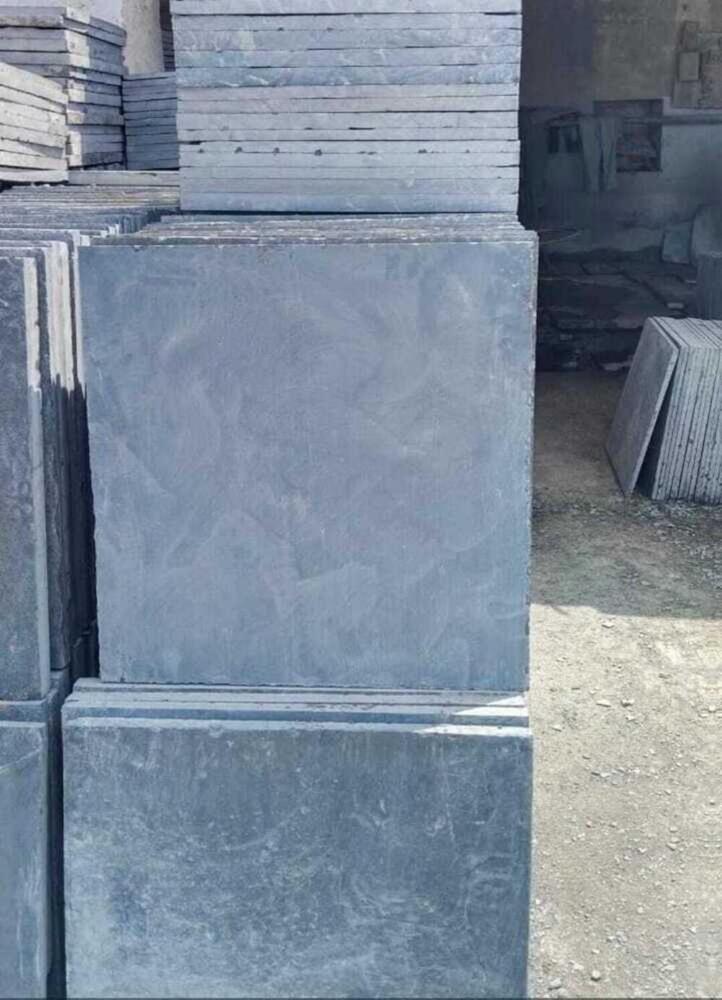
BLACK LIME STONE POLISH
Price:20 INR /Square Feet


Premium Wax Polish
Price:300 INR /Kilograms
Casting Powder

Cast Iron Powder
Price:36.0 INR /Kilograms
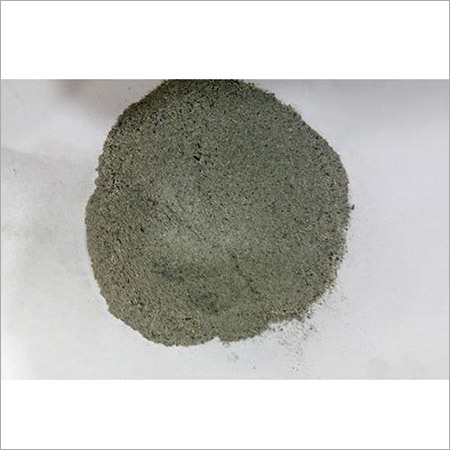
Spill Track Casting Powder
Price:19.8 INR /Kilograms
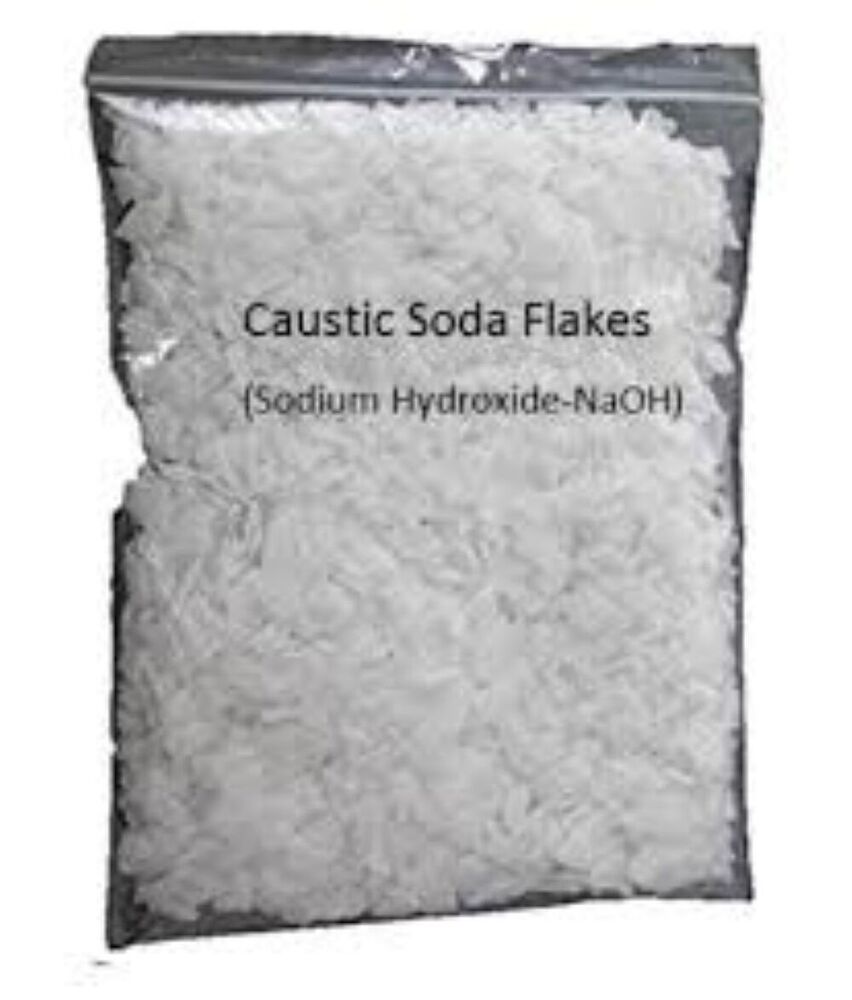
Castic Soda powder 1kg
Price:85.0 INR /Piece

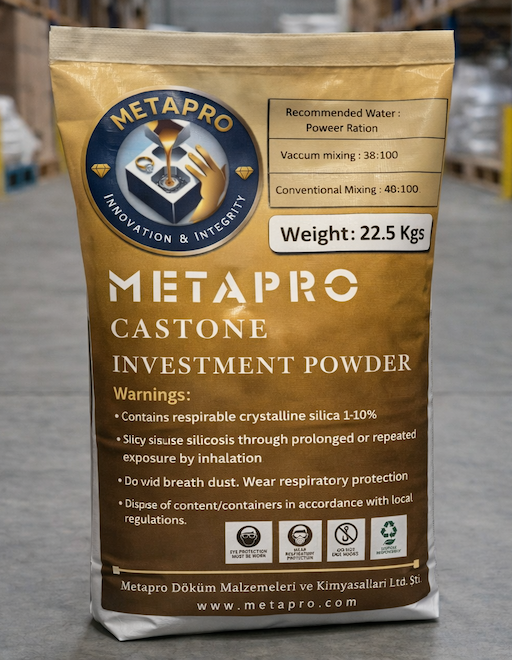
Metapro Castone Brass Jewellery Investment Casting Powder
Price:1050.0 INR /Bag
Roofing Systems

Steel Roofing Sheet
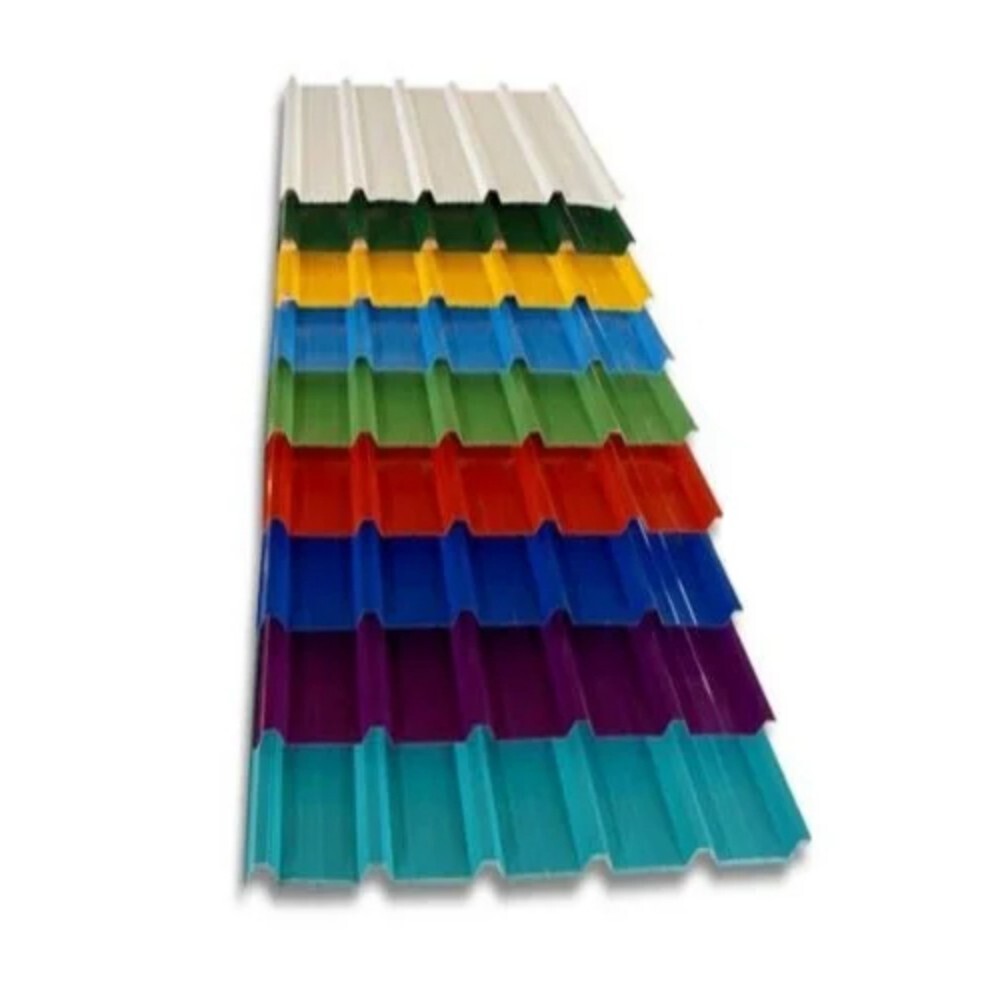
Roofing Tin Sheet
Price:109 INR /Kilograms

0.5mm TATA Shaktee Steel Roofing Sheet
Price:98.00 INR /Kilograms
Jindal Roofing Sheet
Price:120 INR /Kilograms
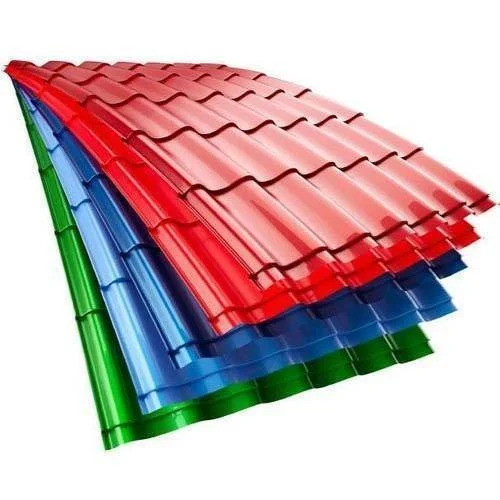
Metal Roofing Sheet
Price:75 INR /Kilograms
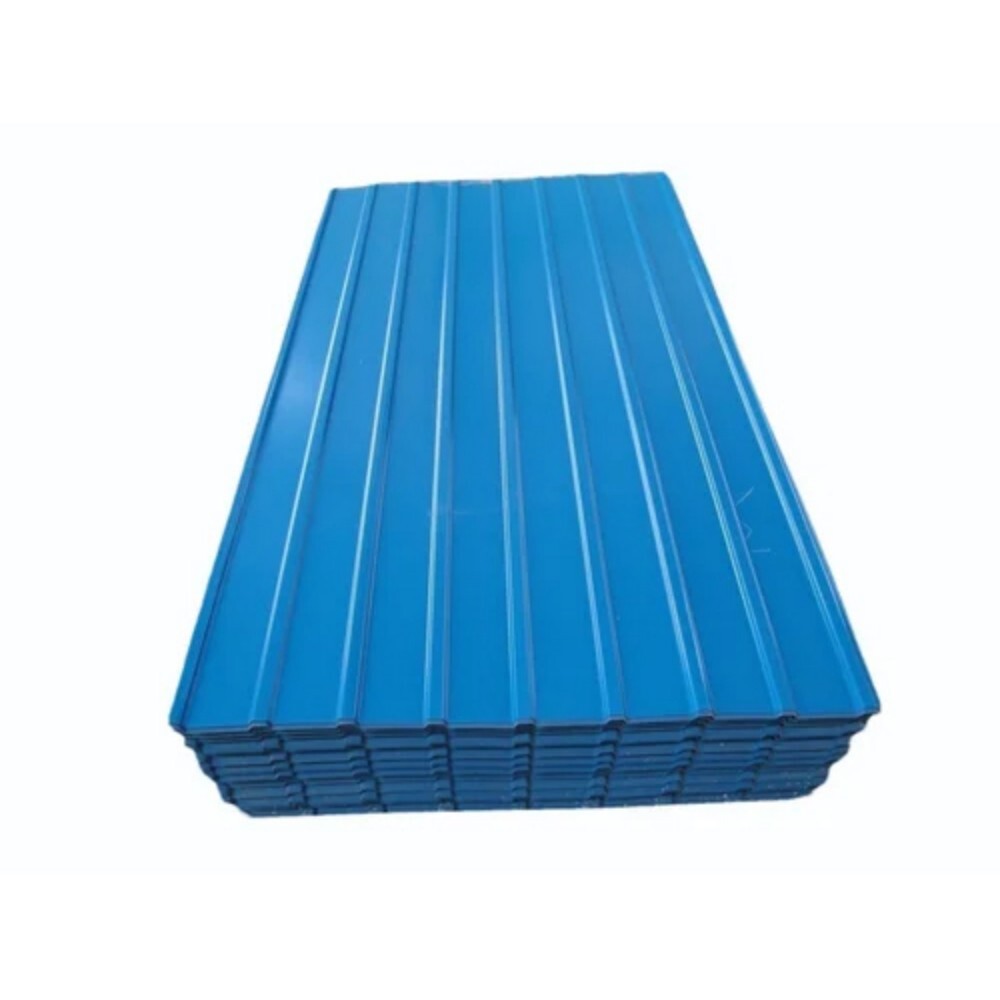
Colour Coated Roofing Sheet
Price:92 INR /Kilograms
Frp Shed
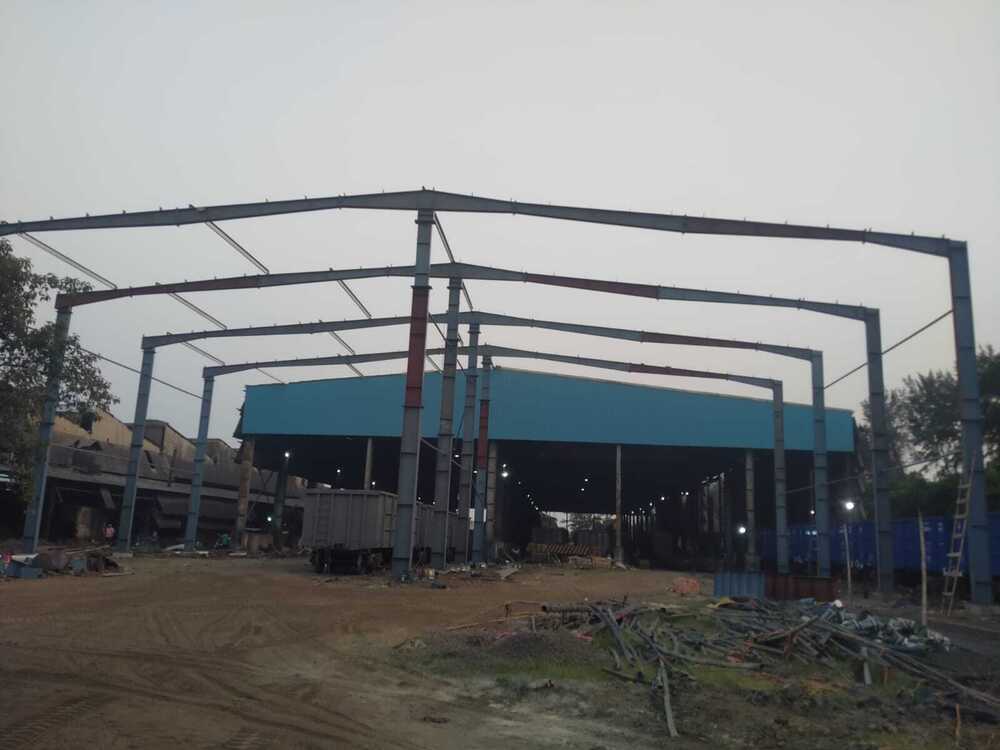
Factory Shed
Price:78 INR /Kilograms
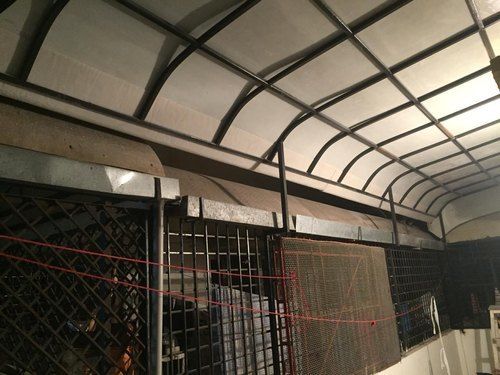
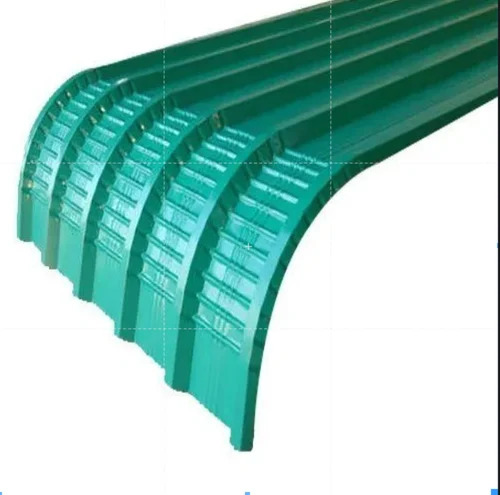
Green Frp Shed
Price:120 INR /Square Foot
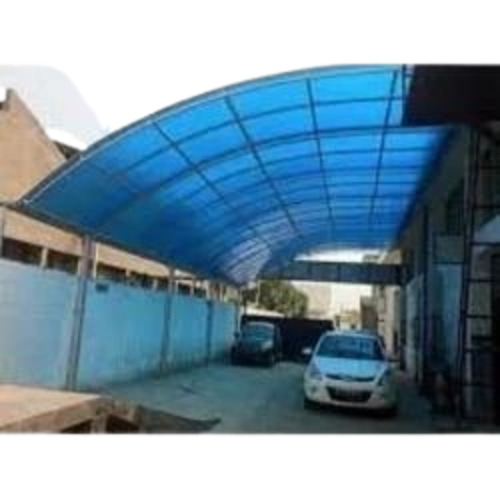
Frp Sun Shed
Price:1400 INR /Square Foot
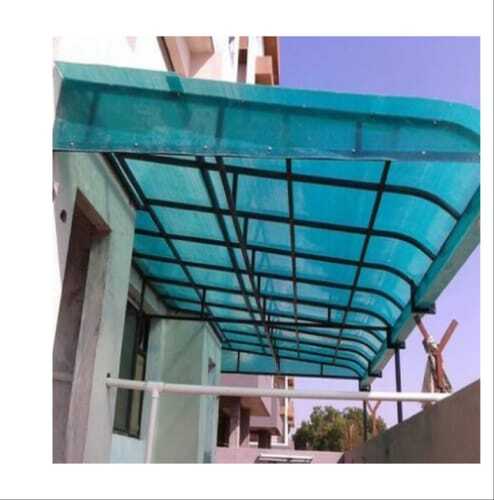
FRP Green Shade
Price:120 INR /Square Feet
Industrial Ceiling
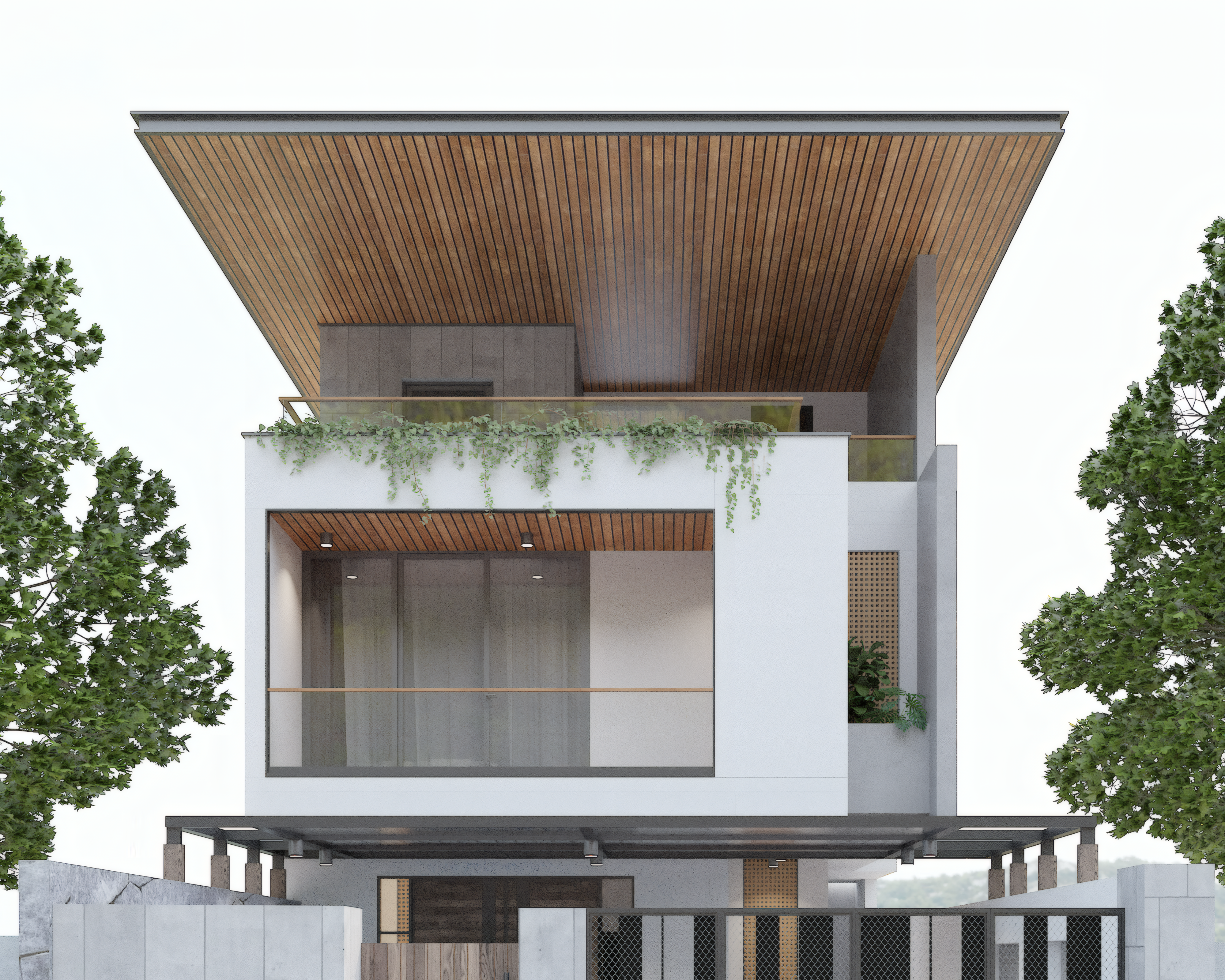
84C Baffle Ceiling
Price:120 INR
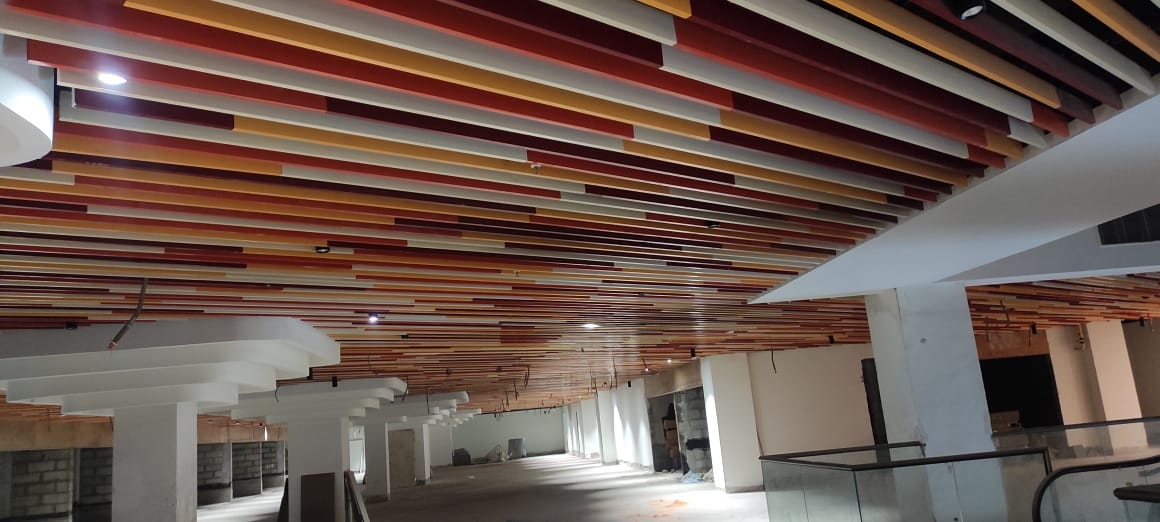
IQUBX BFC4 100 25 mm Aluminium Baffle Ceiling
Price:1600 INR /Unit
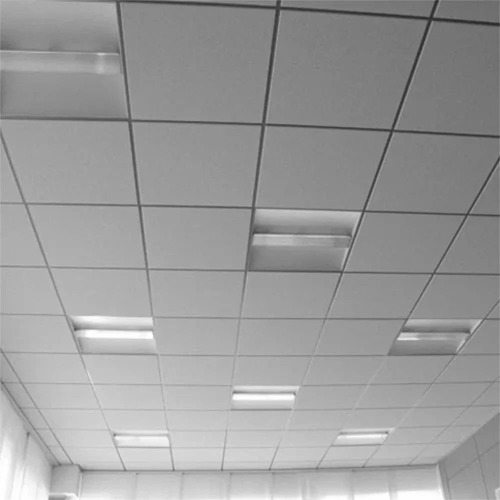
Industrial Ceiling
Price:1000 INR /Square Foot
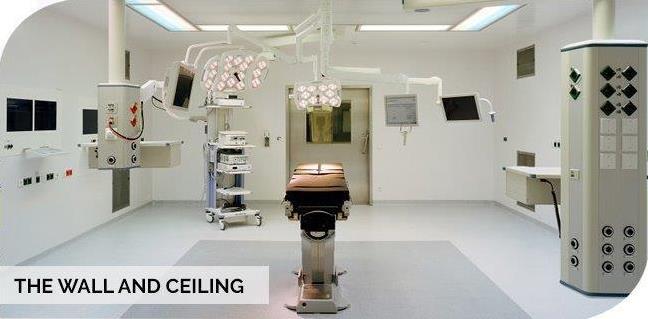
Clean Room Ceiling
Price:250 INR /Piece
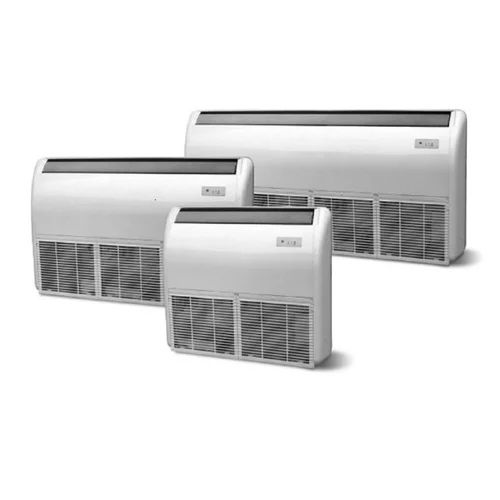
Ceiling And Floor Fuc Unit
Price:45000 INR /Ton
Color Profile Sheet
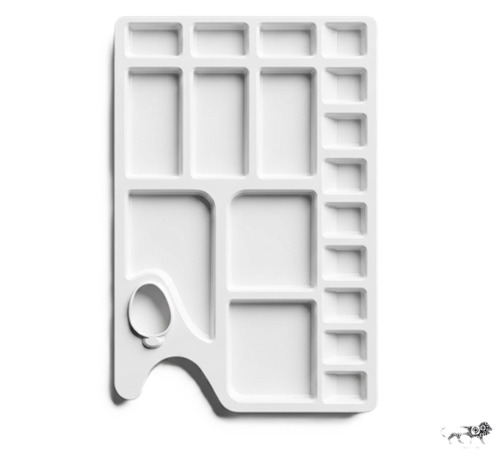
Topic Color Palette
Price:25 INR
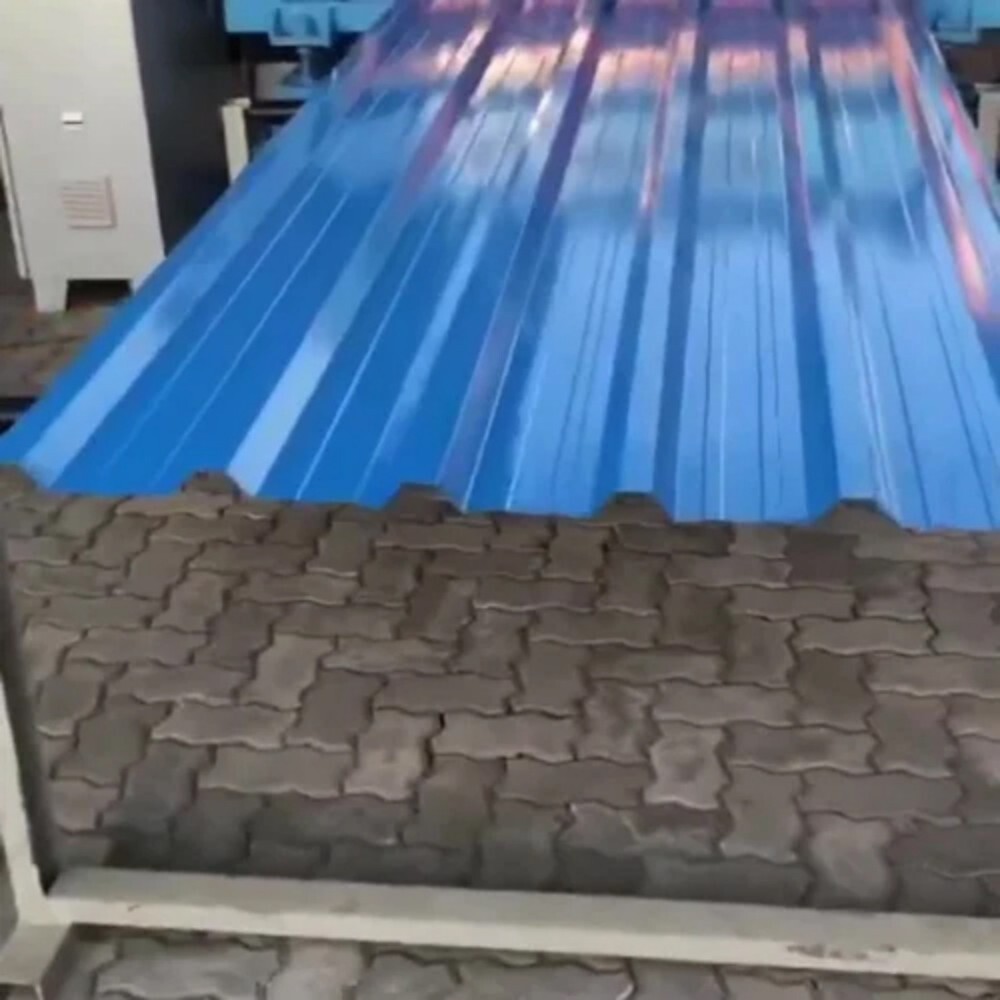
Color Profile Sheet
Price:84 INR /Kilograms
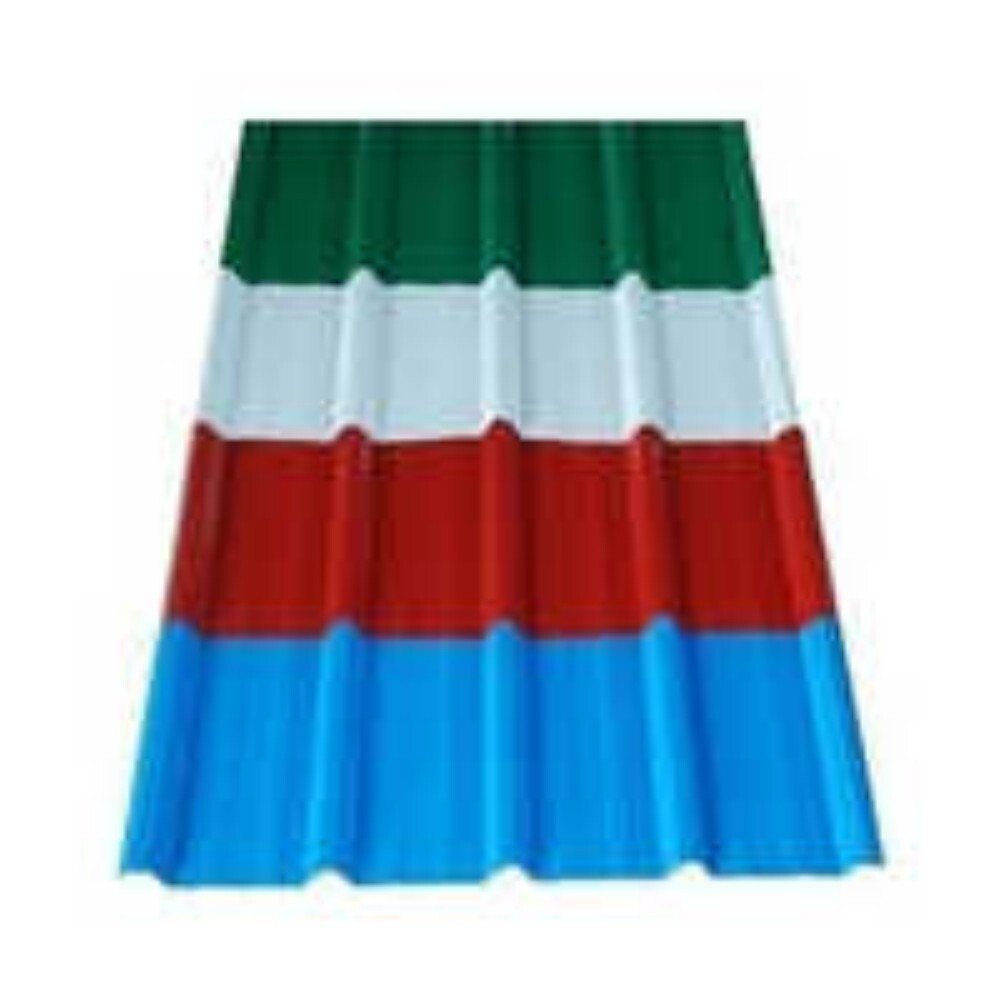
GI Color Profile Sheet
Price:120 INR /Kilograms
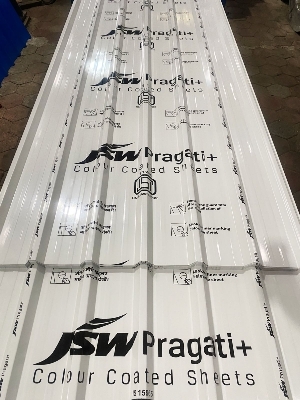
Jsw steel Pragati+ Guardfilm Roofing Profile Sheet
Price:91.0 INR /Kilograms
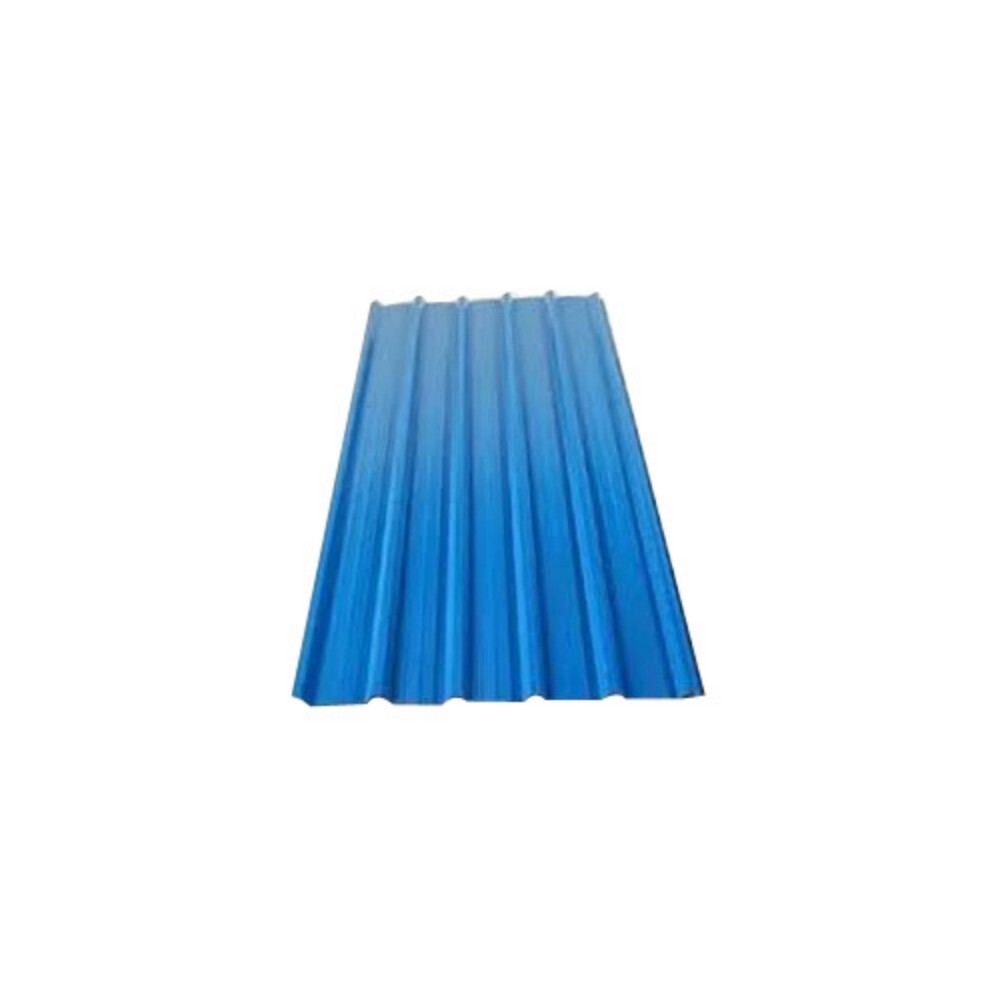
Profile Sheet Blue
Price:100 INR /Square Foot
Truss System
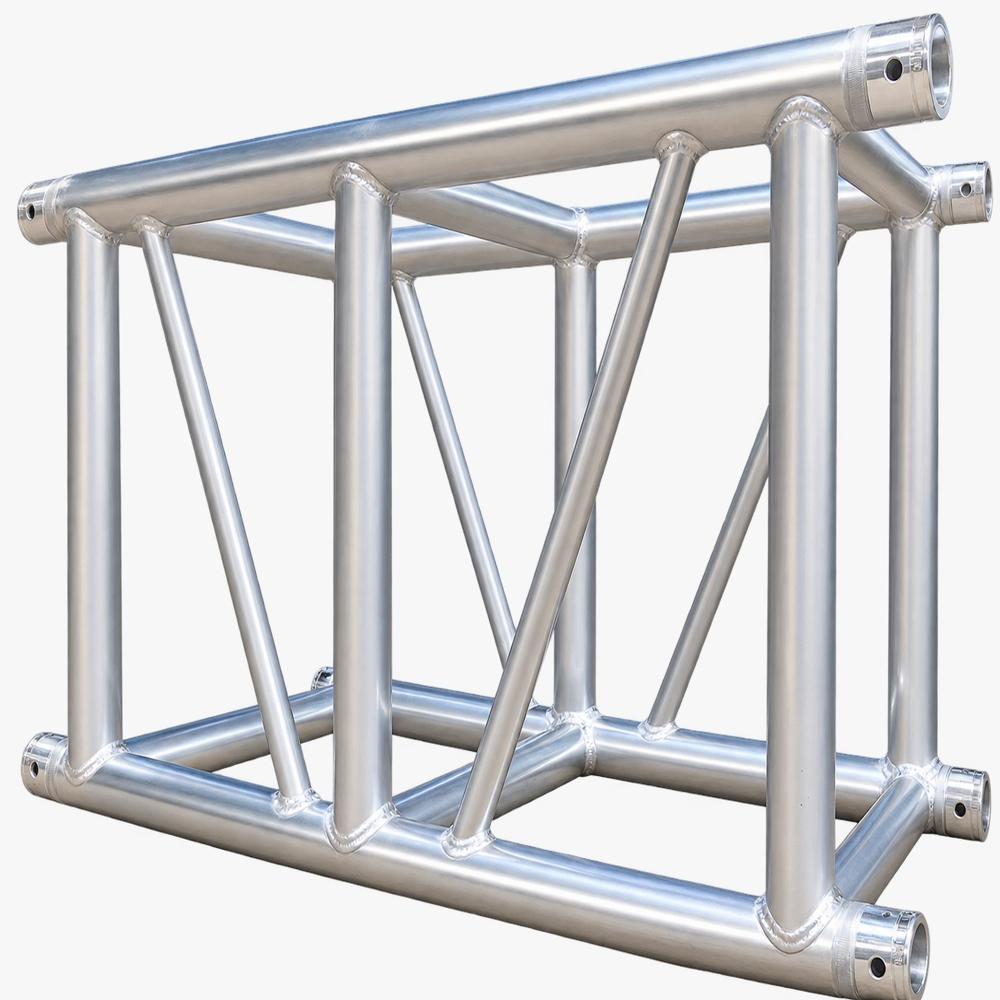
520x600 SINGLE TRUSS
Price:41000.0 INR /Piece
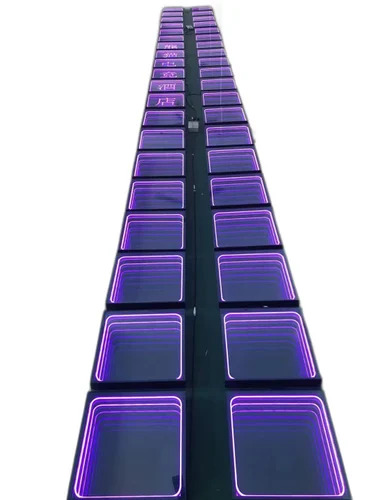
LED Dance Floor Light
Price:9500 INR /Piece
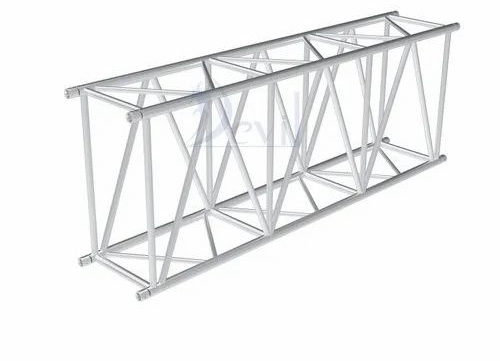
Mt-X - Monster Truss(Wide)
Price:70000 INR /Unit
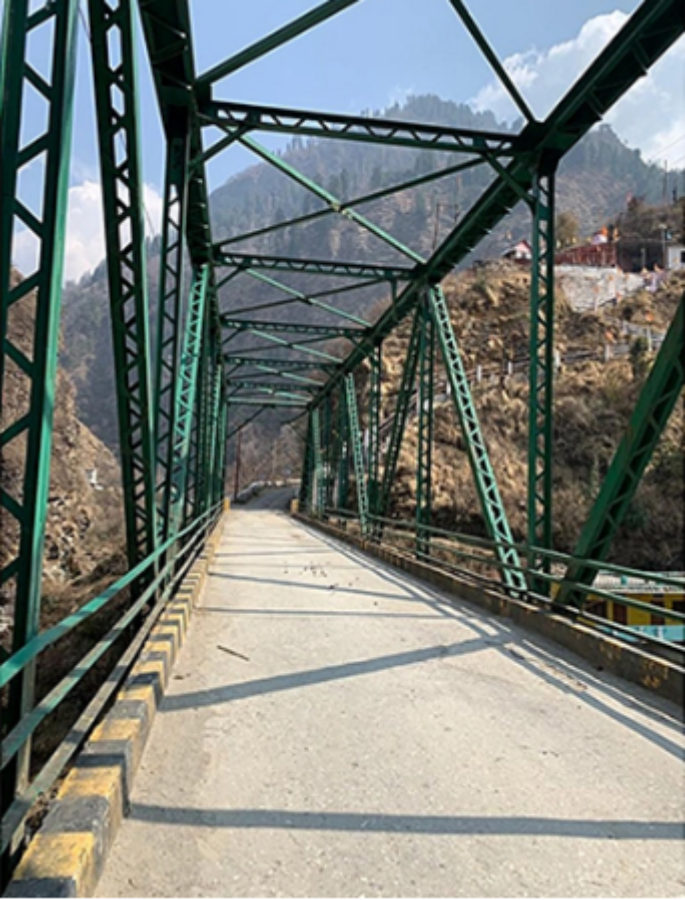
Steel Truss Bridge
Price:80 INR /Kilograms
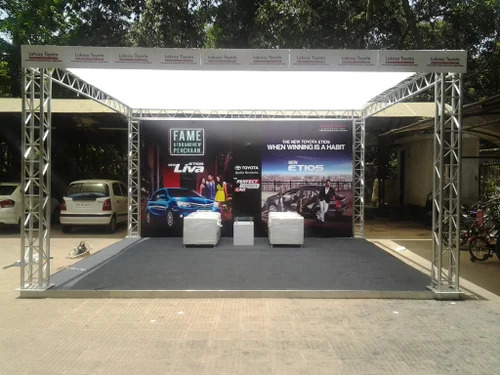
Truss Structure
Price:900000 INR /Unit
Plywood

Rosewood Veneer
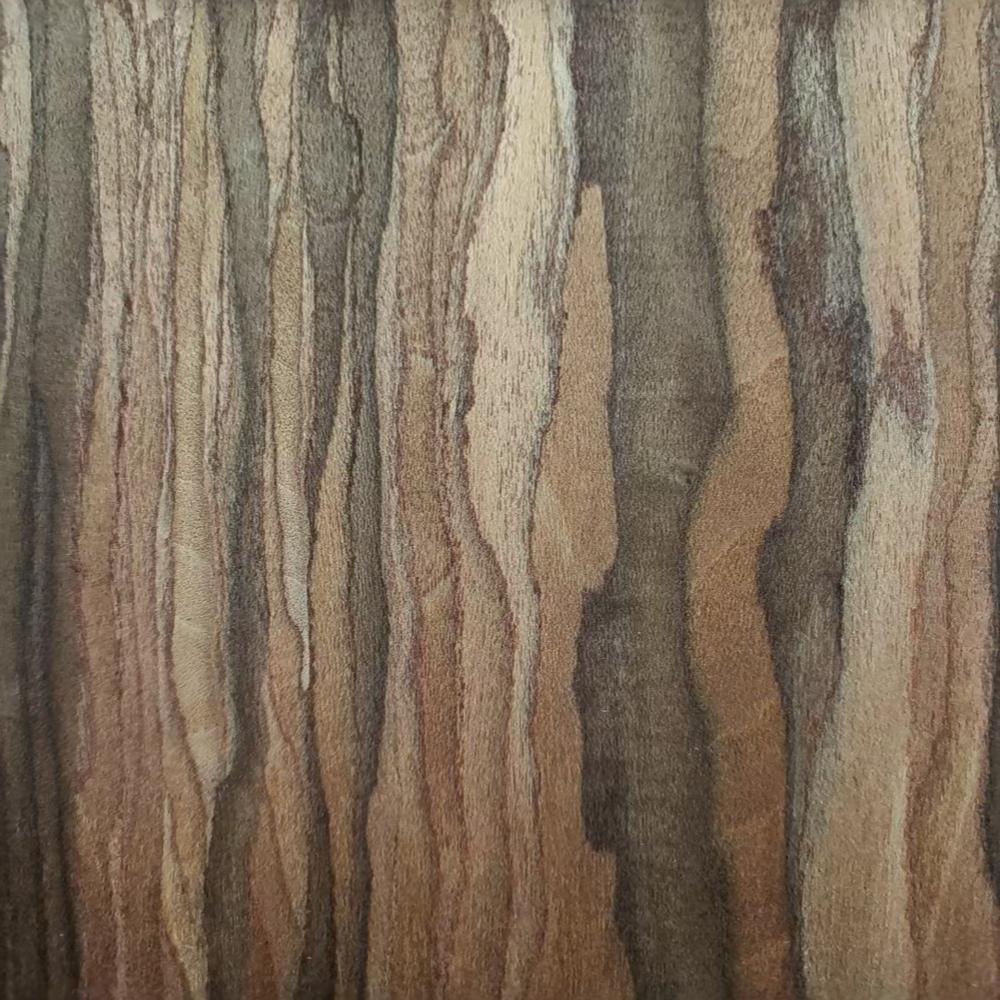
Brazilian Rosewood Veneer HH-3948C
Price:1.5 USD ($) /Piece

24 X 24 Feet Rosewood Veneer
Price:64 INR /Square Foot

Macassar Ebony Veneer
Price:165 INR /Square Foot
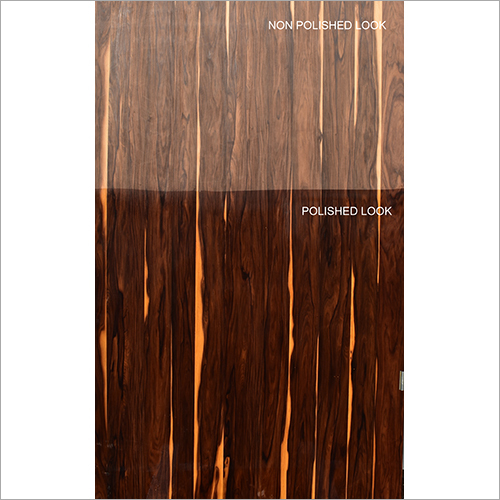
Bovilian Rosewood Veneer
Price:nan INR /Square Foot
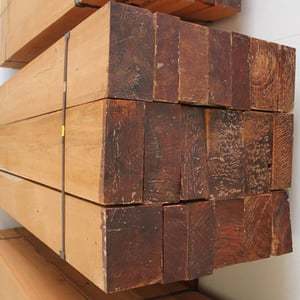
Rosewood Timber
Price:100-200 USD ($) /Cubic Meter
Oak Wood
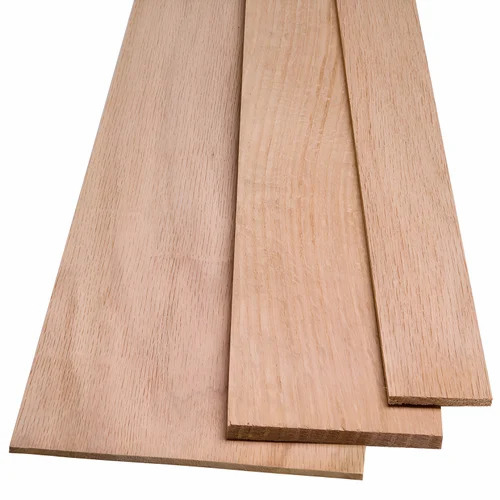
Red Oak Wood
Price:2000 INR /Square Foot
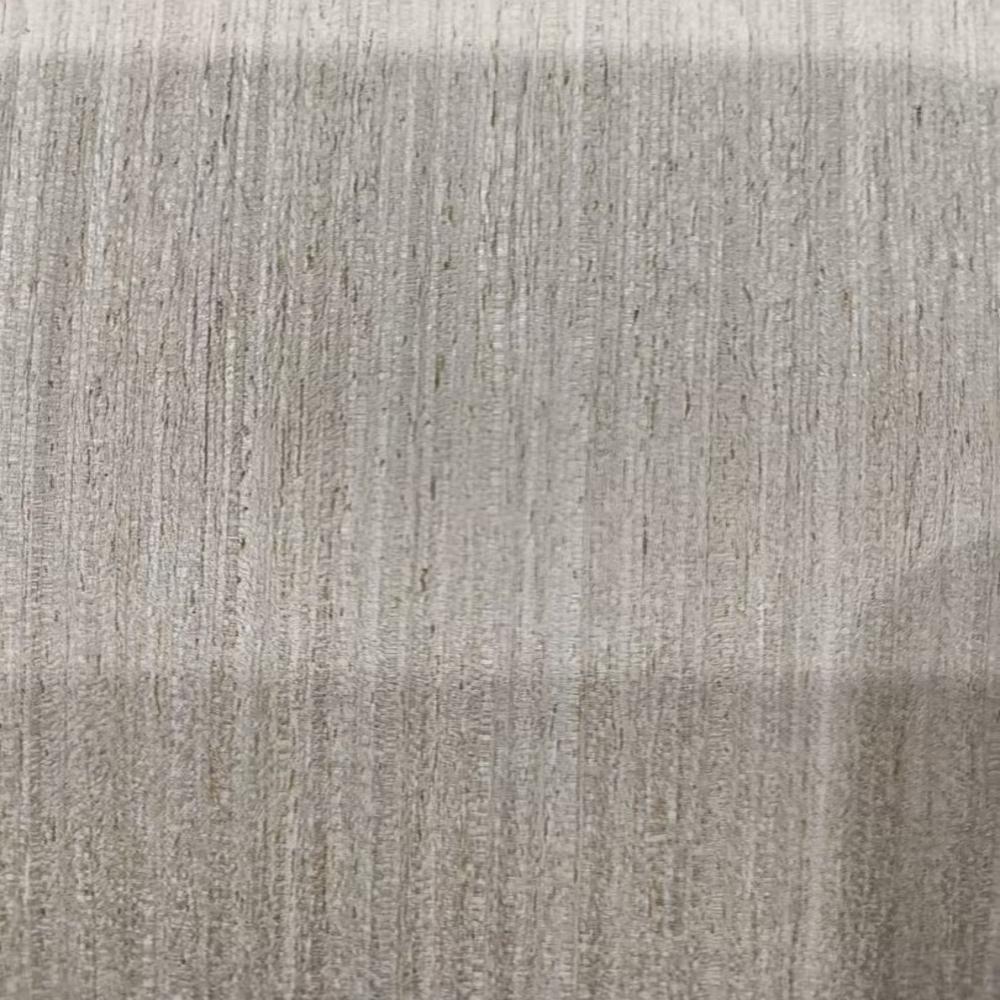
Oak Wood HH-3487Q
Price:1.5 USD ($) /Piece
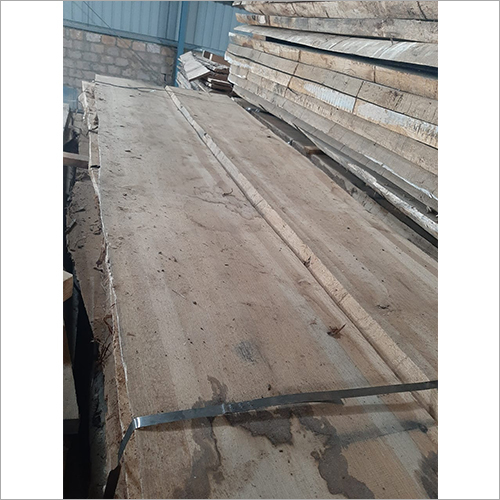
White Oak Wood
Price:2500 INR /Cubic Foot

Floor Board
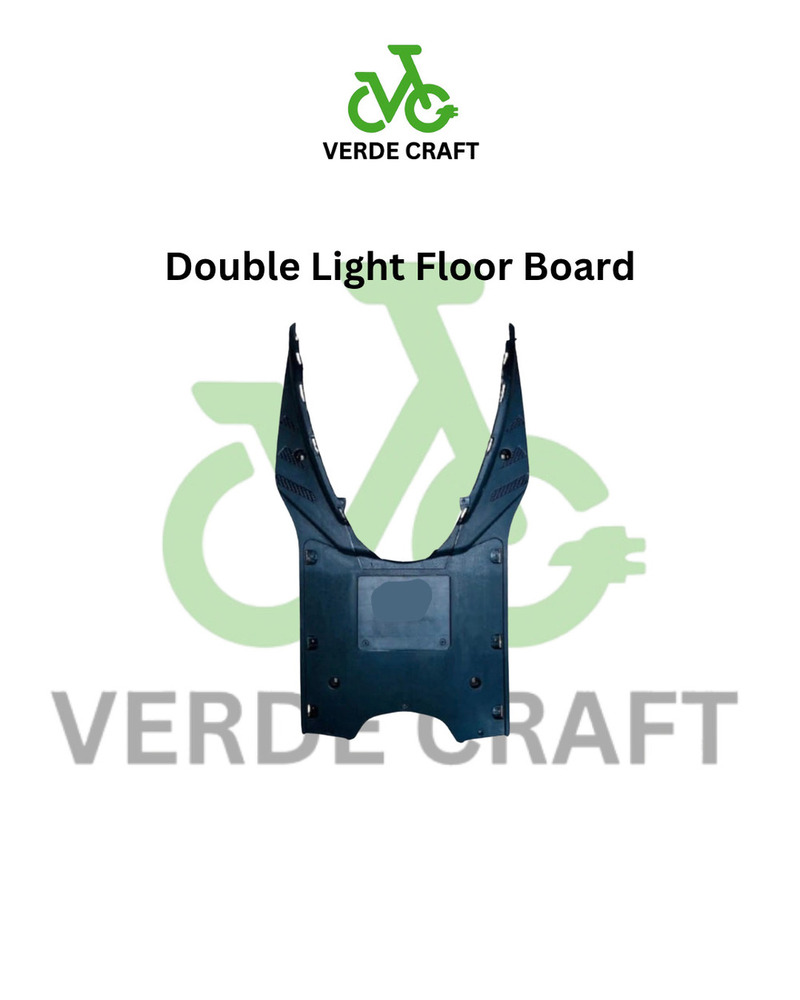
Double Light Floor Board
Price:500.0 INR /Piece
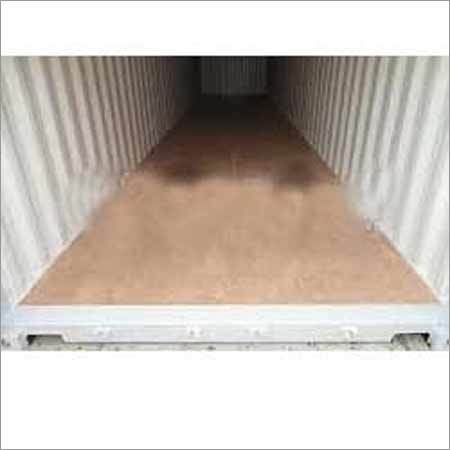
Shipping Container Floorboard
Price:100 INR /Piece
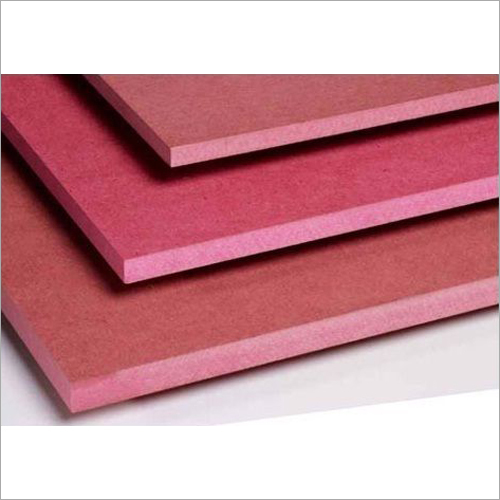
Flooring MDF Board
Price:400 INR /Sheet
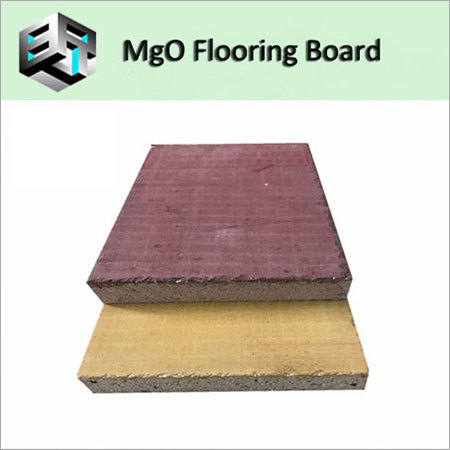

Peanut Shera Floor Board
Price:150 INR /Square Foot
National Plywood
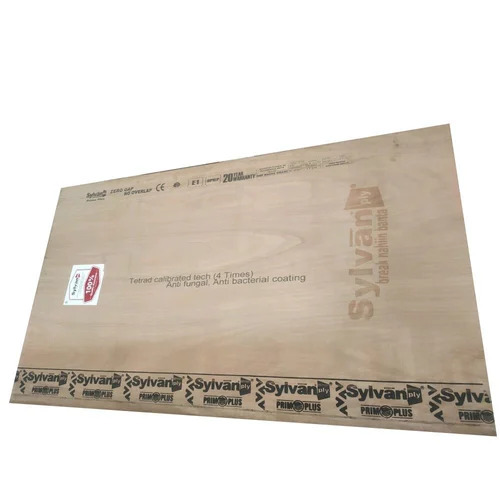
19mm Sylvan Plywood
Price:121 INR /Square Feet
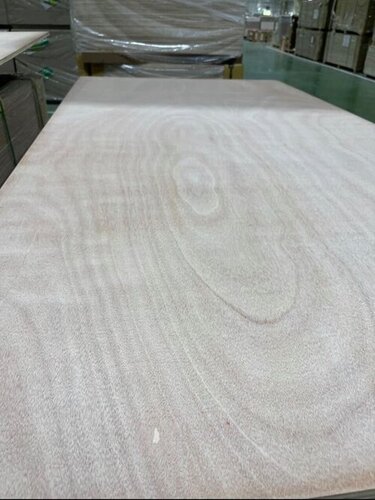
Vietnamese Okoume Plywood
Price:15 USD ($) /Piece
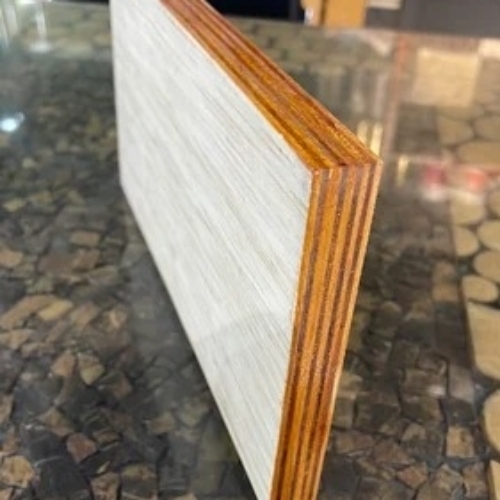
Plywood 18 Mm
Price:80 INR /Square Foot
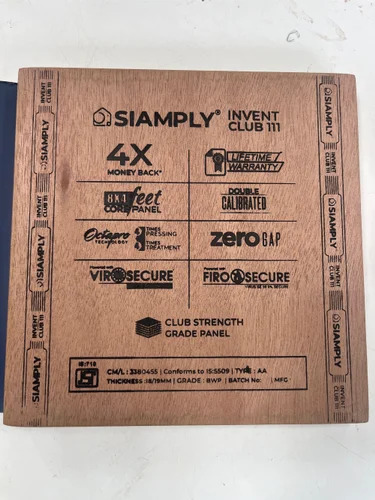
Siam Plywood Club 111
Price:128 INR /Square Feet
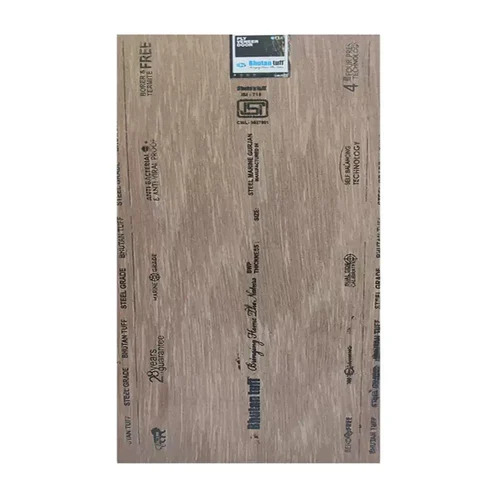
Buttan Tuff Plywood
Price:100 INR /Square Feet
Duro Plywood
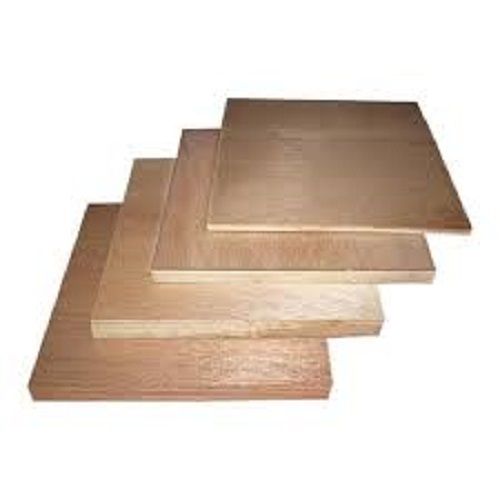
Heavy Duty Termite Resistant Reliable Square Waterproof Plywood Brown Board
Price:290 INR /Square Foot
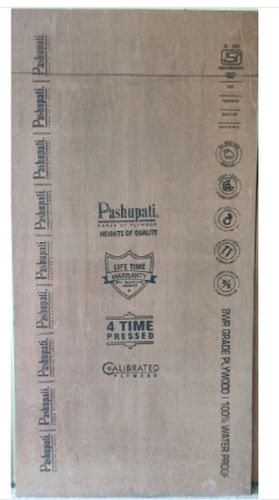
Combine Hardwood Duro Plywood For Indoor And Outdoor Uses
Price:80 INR /Square Foot
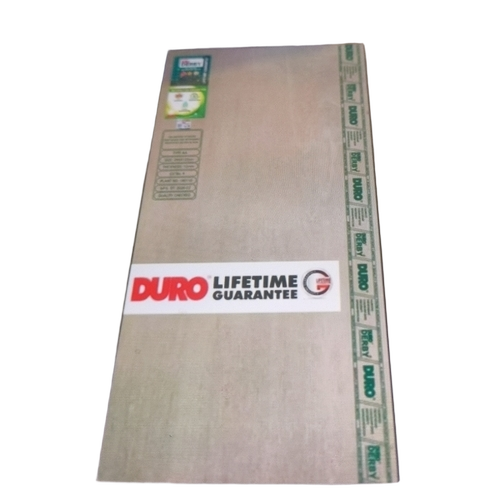
Duro Derby Plywood
Price:250 INR /Square Foot
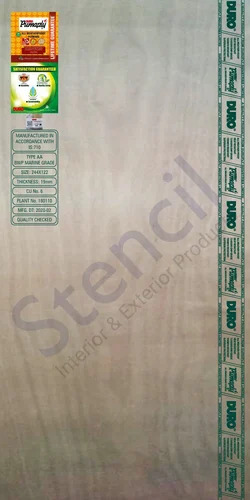
Duro Titanium Plywood
Price:110 INR /Square Feet
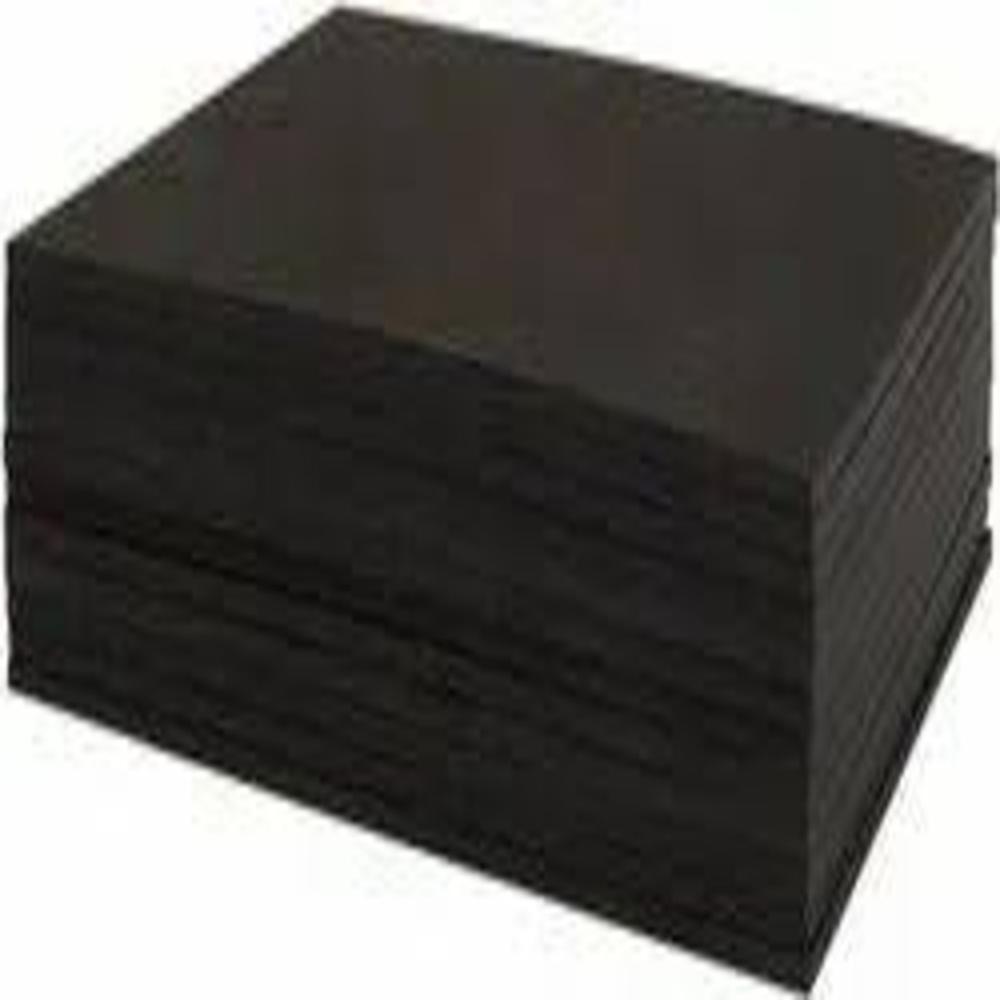
DURA BOARDHD100
Price:330.0 INR /Sheet
PVC Products
Pvc Insulated Domestic Wire
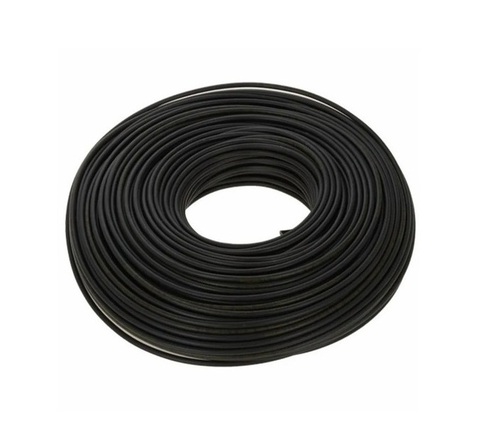
Pvc Copper Electrical House Wire
Price:1250 INR /Roll

Kei Homecab Pvc Insulated Single Core Copper Wire
Price:1370.00 INR /Roll
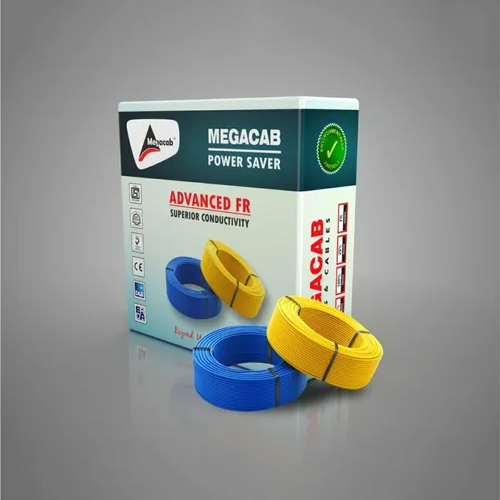
PVC Unsheathed House Wire
Price:860.0 INR /Roll
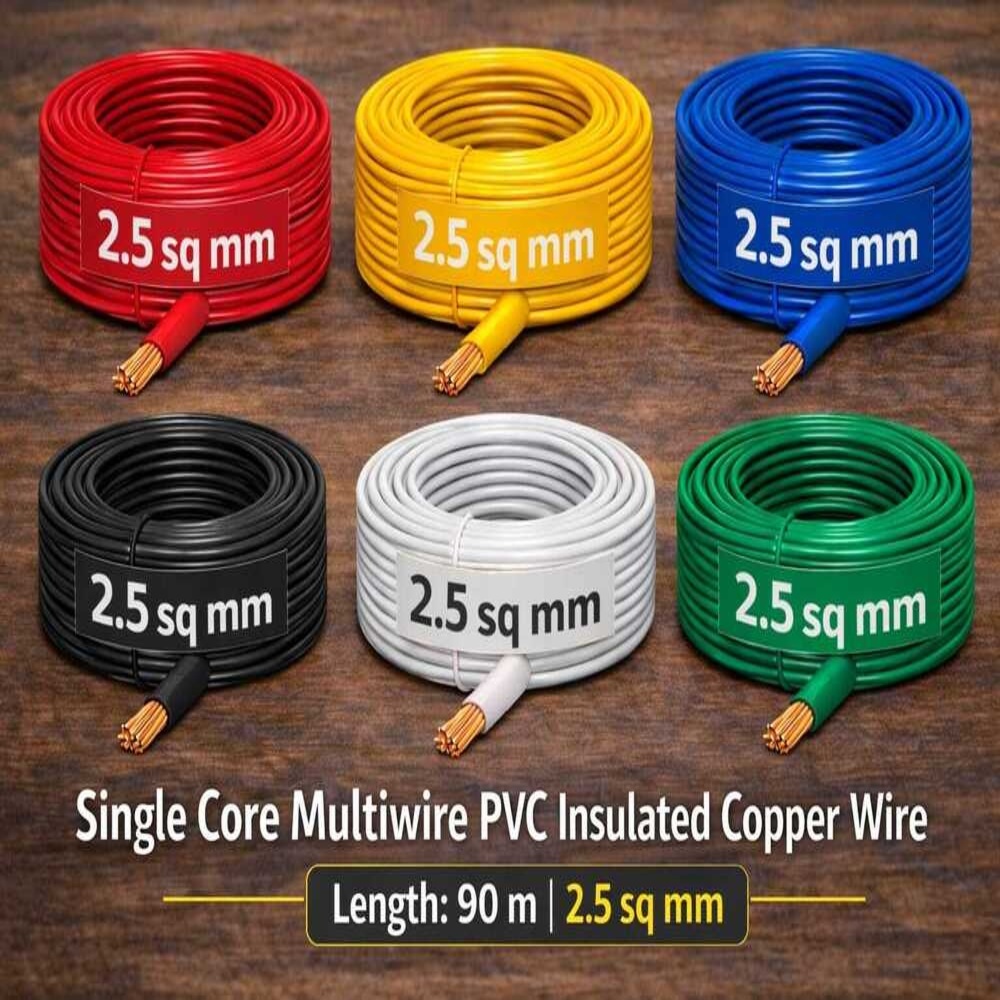
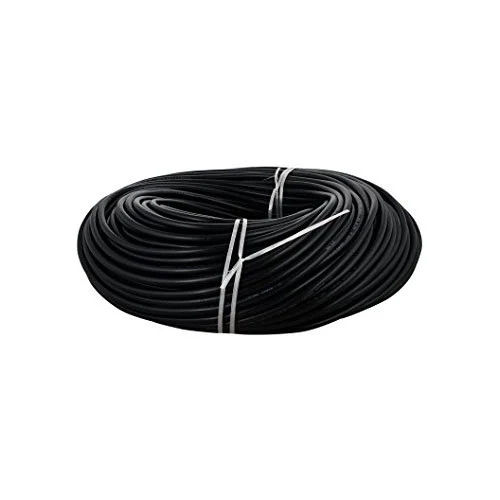
PVC Insulated House Wire
Price:685 INR /Roll
Pvc Insulated Flexible Wire
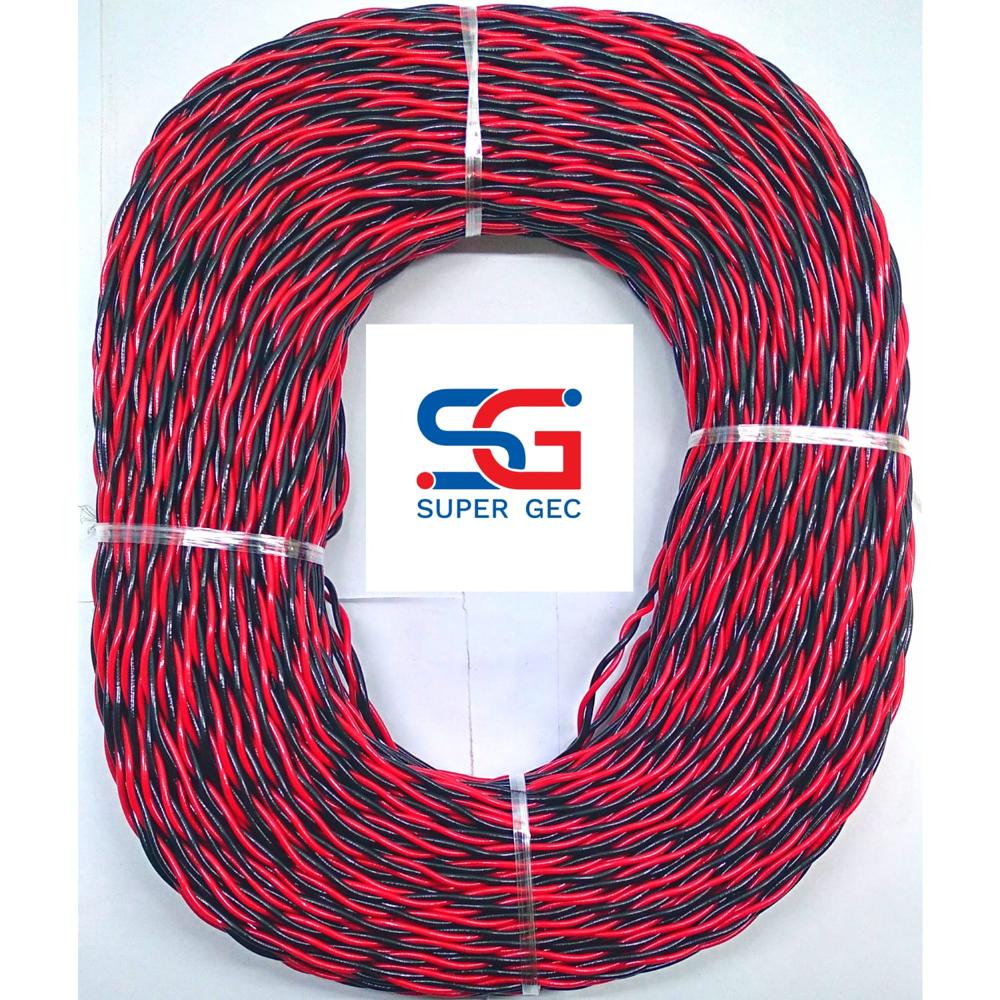
Aluminium Flexible Polypack
Price:500.0 INR /Meter
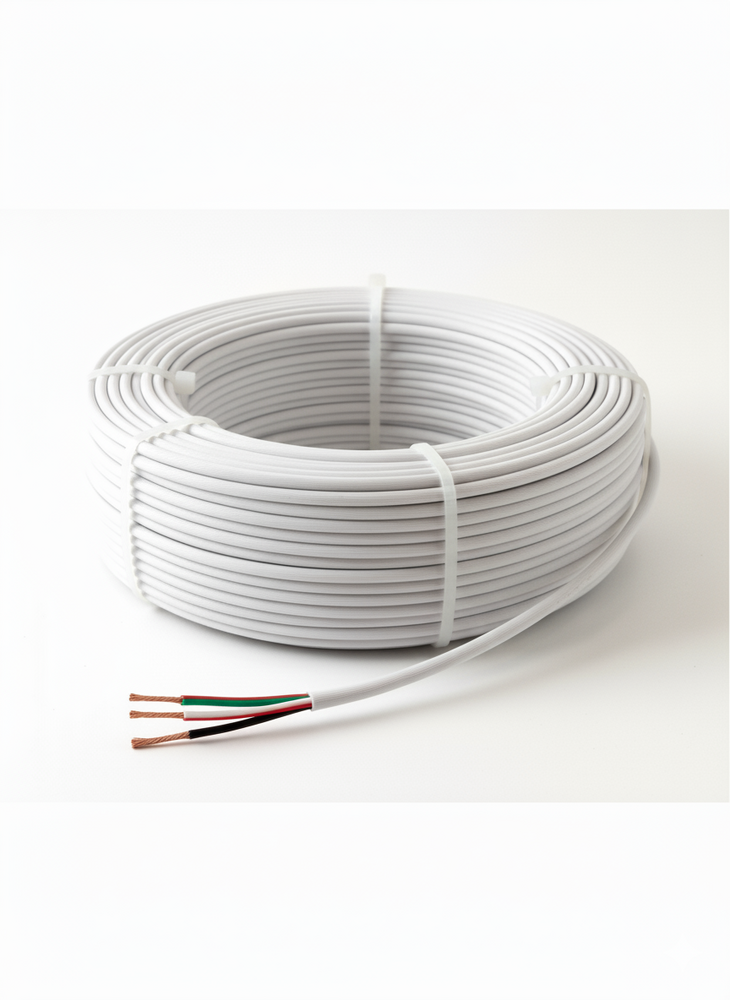
4 CORE DATA CABLE WIRE (LINNING)
Price:400 INR /Roll

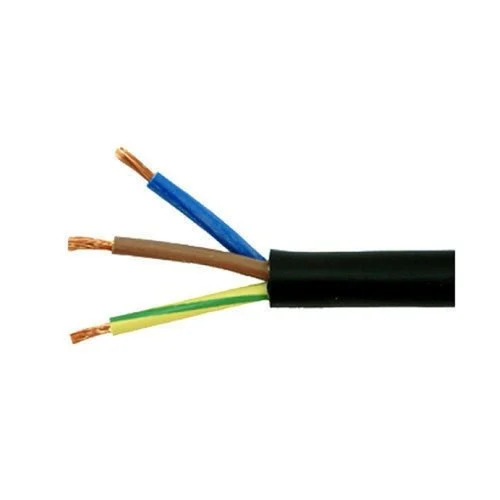
PVC Copper round Cable Flexible Insulated Electrical Wire
Price:24.45 INR /Meter
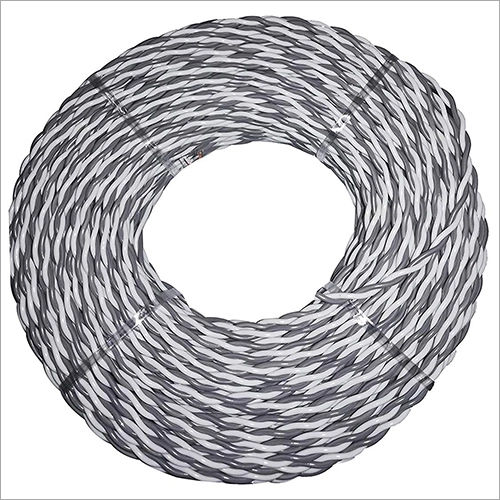
Pvc Insulated Copper Wires
Pvc Copper Electrical House Wire
Price:1250 INR /Roll
Kei Homecab Pvc Insulated Single Core Copper Wire
Price:1370.00 INR /Roll

1.5 sq mm PVC Insulated Multi Strand Copper Wire
Price:2000 INR /Roll

Single Core Multi Strand Wire
Price:550 INR /, Meter
Pvc Industrial Wires
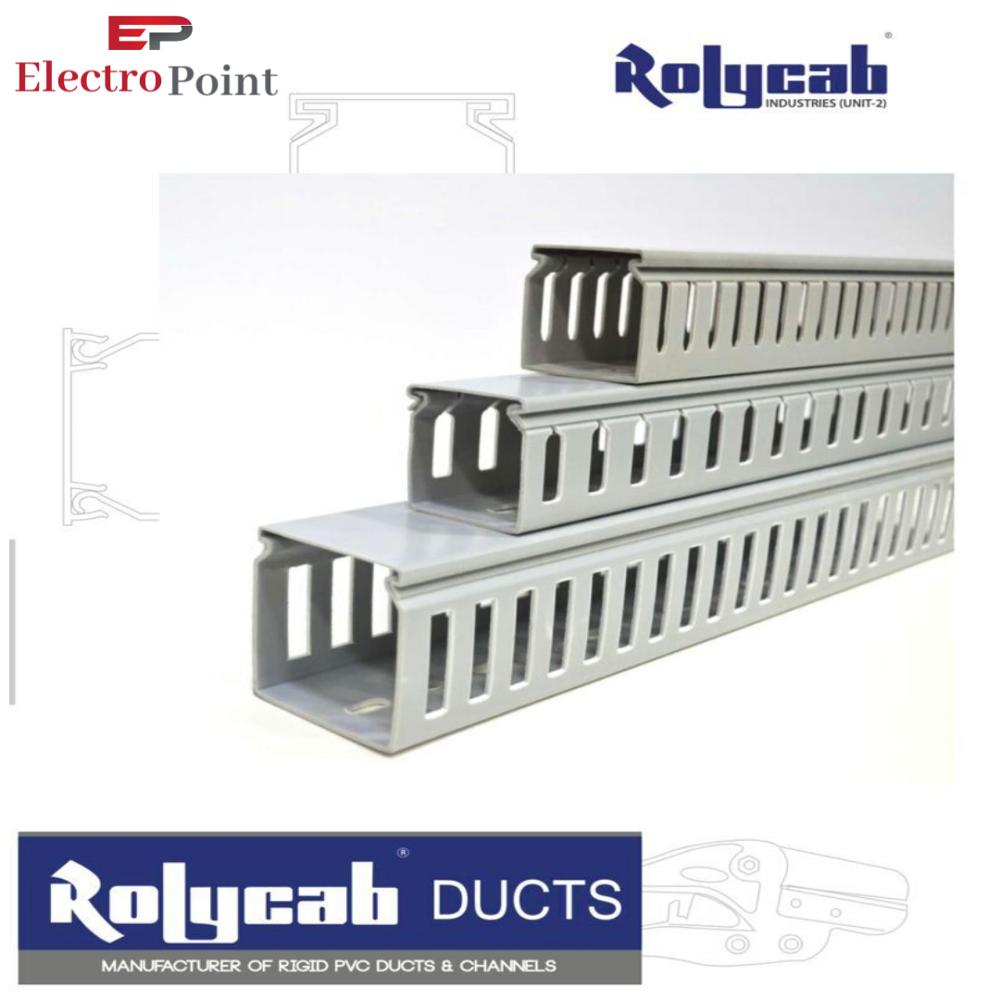
Industrial PVC Channel
Price:63.0 INR /Piece
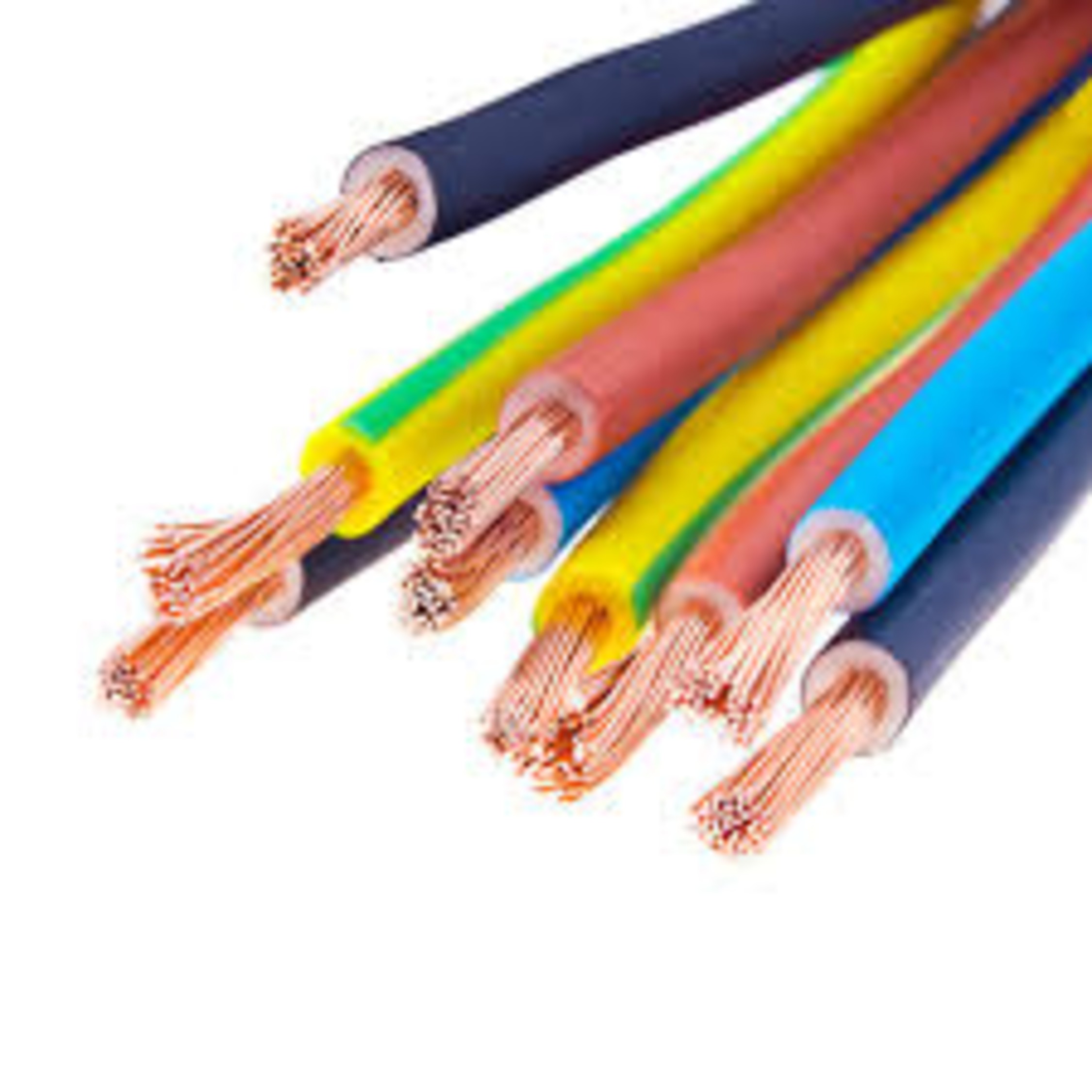
Pvc Electrical Wire
Price:20.00 INR /Meter

PVC Sheathed Wire
Price:8 INR /Meter
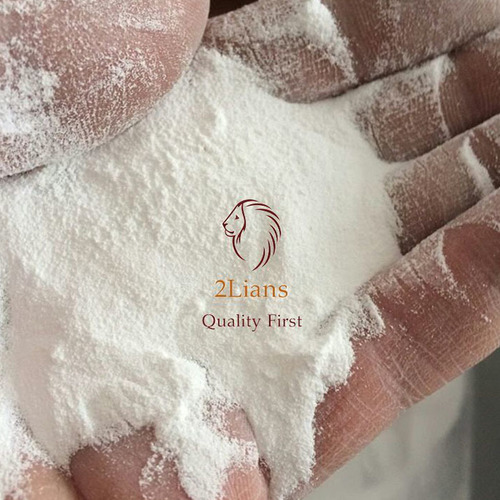
PVC Powder Emulsion scrap PVC Resin Paste Emulsion Grade
Price:500-700 USD ($) /Ton

220 Volt 20 Ampere 90 Meter PVC Insulated Copper Conductor Industrial Wire
Price:64 INR /Meter
Pvc Insulated Copper Cables

Ramson 2.5mm PVC Insulated Copper Cable House Wire
Price:2999 INR /Roll
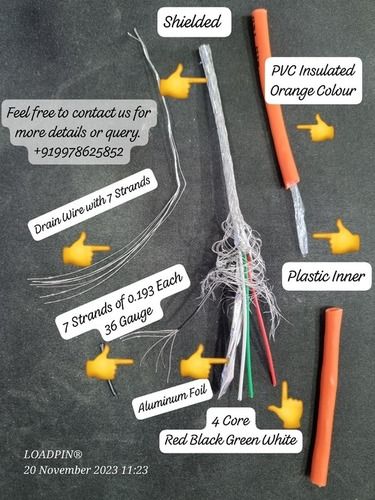
4 CORE Load Cell Cable
Price:48 INR /Meter

How to Do Construction & Real Estate Export/Import Business?
Register Your Company
First, you will need to create a free seller account.

Get Your License
Request for your permits and licenses to become eligible.

Learn Regulations
Learn all about the rules and regulations of import & export business.

Hire Professional Shipping Company
Partner with ecommerce company to deliver your products.

Import/Export Business
Stepwise Process to Start the Import Export Business for Construction & Real Estate Industry

Get Custom Clearance Document
Contact a custom clearing officer to get a go ahead to ship your products.

Recently Added Products in Construction & Real Estate Categories

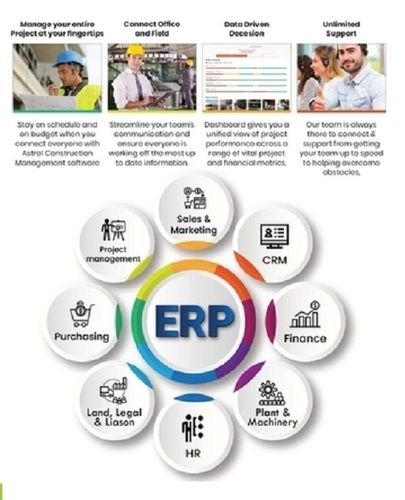
Astral Real Estate ERP
By:
Astral Ites Llp

SAP Support And Consultant Services
By:
Zyple Software Solutions Pvt Ltd

10-36 Meters Stainless Steel Round Bar Used In Construction Sector
By:
Roshan Steel India
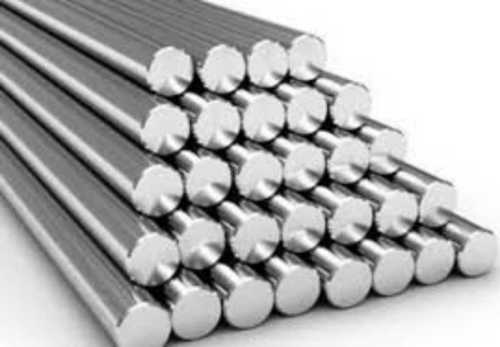

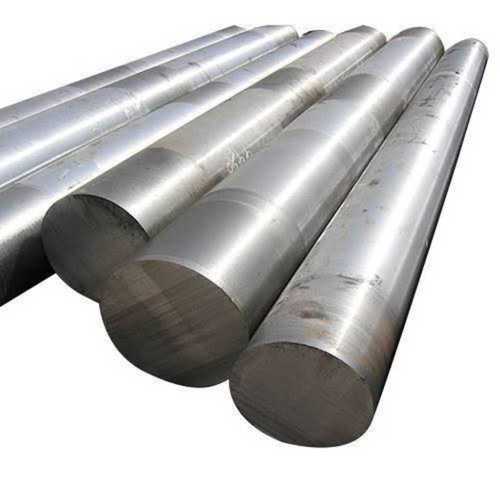
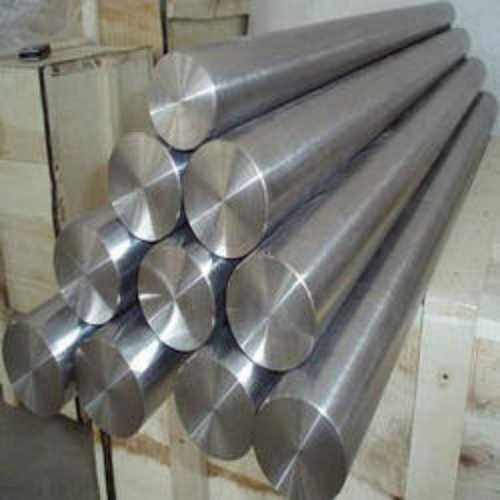
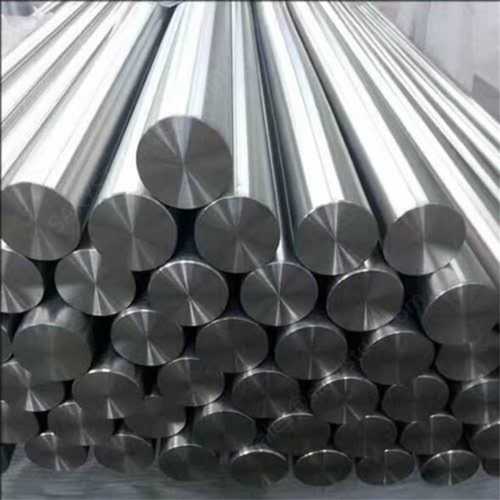
Stainless Steel Round Bar - 3-4 Inch Diameter, 6 Meter Length | Polished Finish, Ideal for Pharma Workshop and Manufacturing
260 INR
By:
Triton Metal & Alloys
Popular Construction & Real Estate Categories










































What is Construction & Real Estate
Introduction
Building, renovating, and fixing up existing structures are all included in this sector. Residential construction, bridge construction, demolitions, roadway paving, commercial building, excavations, and massive painting projects are all good examples. In this context, "residential construction" means the building or remodeling of residences. Most residential construction projects are very modest in scale, such as the addition of a new room or a new bathroom or kitchen.
All businesses that deal in the acquisition, disposition, or rental of land, structures, or dwellings are classified here. Appraisal firms, brokerages, development firms, net leasing companies, lenders, managers, marketers, financiers, investors, movers, and corporations all fall under the umbrella of real estate. One can find companies that focus on residential, commercial, or industrial real estate under each of these categories.
Difference between Real Estate and Construction
-
Conceptual Differences
The construction company must finish the job because it is accountable for constructing the homes. The construction company is responsible for assembling the necessary workforce and assigning them to various tasks, such as laying the groundwork, doing the actual construction, and completing the project.
This means that real estate agents will be in charge of marketing and selling the properties once construction is complete. A real estate company that wants to optimize sales may choose to run multiple promotions at once.
-
Tabular Difference
Construction Companies:
-
1. A construction company is responsible for carrying out the project. A business, corporation, industry, or other group whose only focus is building houses, roads, highways, and other infrastructure, as well as other types of buildings, homes, and facilities.
-
2. To ensure that time and money are not wasted on a construction site, productivity must be maximized. In order to maximize profits, construction companies are constantly searching for new ways to increase efficiency, as projects that come in under budget and ahead of schedule generate significantly more cash.
-
3. Before launching a project, construction firms generally amass substantial sums of money. With these funds, the corporation can begin hiring project contributors such as subcontractors and laborers.
-
4. Dedicated to one or a few tasks
-
5. Massive sums of money up front
-
6. People who are hired to do work on projects as subcontractors
Real Estate Companies:
-
1. Buying up big plots of land and turning them into buildable property is what most real estate firms specialize in.
-
2. It is the difference between the price at which properties are acquired and the price at which they are sold that generates a profit for the company.
-
3. Companies in this category may employ a wide variety of financing methods to acquire properties, from the most basic to the most intricate, but they typically don't take on a lot of debt.
-
4. Investing in real estate for the long term
-
5. Reduced debt levels relative to competitors.
-
6. No limits on capacity, an unlimited amount of available land
-
7. In a world where there is a limitless amount of land, real estate's main benefita low pricesa would last forever because of supply and demand.
-
What is a Real Estate construction company
Building a house is a complicated process that calls for the assistance of many experts. In most cases, construction contractors are the ones in charge of getting things done on the job site.
Therefore, it is the role of a Construction & Real Estate company, masons, technical designers, architects, and other craftspeople to build the building or buildings that will comprise the new construction offering. All sorts of building experts work together in these companies to ensure that the final result lives up to standards. Because of this, they need to function as a unit perfectly.
The Future of Construction & Real Estate Industry in India
-
Market Overview
Construction Sector:
-
1. After agriculture, India's construction sector is the country's second-biggest economic driver. It employs around 35 million people, mostly those with low to moderate levels of education or training, and contributes roughly 11 percent to India's GDP.
-
2. Over the next decade, the Indian construction industry is expected to expand at a rate of 7-8% annually.
-
3. It is predicted that by 2017, India's real estate sector will be worth USD 140 billion, up from an estimated USD 78.5 billion in 2013.
Real Estate Sector:
-
1. There are many price ranges for homes in the residential market, from moderate to high end.
-
2. Over the next few decades, the residential sector, which currently accounts for over 80% of the real estate market, is predicted to expand at a rapid rate.
-
3. Commercial real estate (CRE) rental yields in India are among the highest globally. Average rental returns for commercial real estate are at 8-11%, while residential yields are in the 3-4% range.
-
4. The demand-supply gap for commercial real estate widened until 2014, when it was estimated to be between 4 and 10 million square feet. This was due to buyers choosing to delay expansion/new space acquisition while developers did not slow down supply.
-
Future of Indian Construction industry
Population growth and suburbanization have made it imperative to improve existing cities and build new ones that are more conducive to modern living. Smart housing and city planning are necessities for the proposed communities.
The government's new urban development agenda includes building 500 towns, some of which are specifically designed to attract religious and tourist visitors in an effort to further spur growth. The goal is to increase the involvement of private companies and individuals by leveraging P3s to pool resources and expertise (PPPs). Over the next decade, this will enhance the quality of infrastructure and services.
India is building skyscrapers on water, artificial islands and islands made entirely of manmade materials, bridges, lakes, roads, hyperloops, bullet trains, subways, desalination plants, waste water treatment facilities, water resource management systems, airports, rivers, and smart cities, to name just a few of the countless projects currently underway.
The current government has helped the economy by increasing investments in real estate and infrastructure and by attracting foreign capital for industrial purposes.
-
Future trends of Indian Real Estate Industry
-
1. Indian Real Estate is Extravagant and Voluminous: There has been, and will continue to be, expansion in the real estate industry. By 2025, the market is expected to be worth $650 billion, or 13% of India's GDP. By 2030, that number might rise to $1.0 trillion.
-
2. Boost Affordable housing Construction: Buyers' appetite for reasonably priced housing has never waned. Almost everyone is on the lookout for a piece of real estate that suits their budget, with a particular focus on cheap options that offer lots of perks. Builders also deserve credit for providing reasonably priced housing that includes all necessary amenities.
-
3. Interest Subsidy to home buyers: The reduction in home loan rates and tax brackets has given the real estate market a boost. As a result, residential real estate has found newfound optimism in the diminishing circle rates. However, not everyone can qualify for the home loan subsidy; in fact, only those whose family income doesn't exceed 18 lakh per year are allowed to apply for the program. Up to Rs. 2.67 million in loan principal might be subsidized at an interest rate of up to 6.5 percent under this program.
-
4. Demand for Residential space is expected to grow: The Indian residential market is appealing to a wide range of players, not simply investors and builders. As long as new projects keep getting green lit, this industry should expand rapidly to meet the extraordinary demand. Both rising incomes and increased concentration of population in cities are driving up demand for housing.
FAQs: Construction & Real Estate?
Q. What is Real Estate and Construction?
Ans. It is possible to classify real estate into the three main groups of residential, commercial, and industrial. Building something, usually something substantial, from the ground up is what we mean when we talk about construction.
Q. What are the 4 Types of Real Estate?
Ans. Here are the four common types of Real Estate:
-
1. Commercial Real Estate
-
2. Residential Real Estate
-
3. Land Real Estate
-
4. Industrial Real Estate
Q. Is Construction and Real Estate Industry Same?
Ans. No, Investing in real estate entails acquiring and maintaining ownership of various assets for the purpose of earning a profit. Companies in the construction industry "do what it says on the tin," which is to build structures. It is not uncommon for a construction company to partner with a real estate developer on a project by providing the necessary funding for, let's say, a home development.
Q. Is Real Estate a Good Business in India?
Ans. Yes, due to its high return on investment (ROI) value, the Indian real estate business is flourishing and has become a part of many successful investment portfolios. A recent study found that real estate made up an astounding 77 percent of the average Indian family's total assets.
Q. What are the 4 Benefits of Real Estate?
Ans. Here are the benefits:
-
1. Safe and Secured Investment place
-
2. Tax Benefits
-
3. Leverage
-
4. Decent ROI
-
5. Sufficient Cashflow through Rental income




© 1999-2026 Infocom Network Private Limited. All rights reserved.