




Ro Antiscalant - Application: Oil Industry
Price: 295.00 INR / Kilograms
(250.00 INR + 18% GST)
Get Latest Price
MRP:
295.00 INR / Kilograms
Weight :
1.00 Kilogram
1 Pack Contains :
50
Minimum Pack Size :
10

In Stock
Product Specifications
| Density | 1.10 1.25 Gram per cubic centimeter(g/cm3) |
| HS Code | 38249022 |
| Structural Formula | Complex polymer/phosphonate blend Typically contains repeating units of: Carboxylic acid groups ( COOH) Phosphonic acid groups ( PO H ) Various polymer chains |
| Taste | Odorless |
| Form | Liquid |
| Boiling point | - |
| Melting Point | - |
| Ph Level | as supplied |
| Purity | 30-40% active content (balance: water and stabilizers) |
| Storage | Shades |
| Molecular Formula | Mixture |
| Other Names | Scale Inhibitor, Antiscalant & Dispersant, Membrane Antiscalant, RO Scale Inhibitor, Threshold Inhibitor |
| Poisonous | No |
| Shape | Liquid (no distinct shape) |
| Refractive Rate | 1.380 1.420 nD at 20 C |
| Molecular Weight | 50 Kilograms (kg) |
| Solubility | water |
| Smell | Other |
| Classification | Other |
| Chemical Name | antiscalant |
| CAS No | 9003-01-4 |
| EINECS No | 927-847-0 |
| Grade | Industrial Grade |
| Standard | Complies with NSF/ANSI Standard 60 for drinking water (if certified) Meets membrane manufacturers' guidelines ISO 9001:2015 Quality Management RO membrane compatible (FilmTech, Hydranautics, LG, Toray, etc.) |
| Type | Scale Inhibitor / Dispersant |
| Usage | What is RO Antiscalant?RO Antiscalant is a specialized chemical pretreatment used to protect Reverse Osmosis (RO) membranes from scaling. Scaling occurs when dissolved minerals in the feed water become concentrated beyond their solubility limit and form solid deposits on the membrane surface.Think of it like limescale building up inside a kettle, but on a much more critical and expensive piece of equipment. These scale deposits, often composed of calcium carbonate, calcium sulfate, barium sulfate, strontium sulfate, and silica, can clog the membrane pores, reducing its efficiency and leading to costly downtime.An antiscalant is a "scale inhibitor" that doesn't remove the scaling ions but rather keeps them in solution, preventing them from crystallizing and sticking to the membrane.The Problem: Scaling in RO SystemsReverse Osmosis works by forcing water through a semi-permeable membrane, leaving dissolved salts and other contaminants behind. This process naturally concentrates these salts in the reject stream (the brine that doesn't pass through the membrane).As the concentration increases, the water can become supersaturated with certain minerals. This supersaturated state is unstable, and the minerals will spontaneously precipitate out of the solution to form scale crystals. This scaling has several negative effects:Reduced Water Production: Scale acts as a physical barrier, making it harder for water to pass through the membrane. This decreases the permeate flow rate.Increased Energy Consumption: Higher pressure is required to push water through the scaled membrane, leading to increased energy costs.Poor Water Quality: The scaling can compromise the membrane's ability to reject salts, resulting in higher salt passage and lower quality permeate water.Increased Cleaning Frequency: Membranes require frequent chemical cleaning to remove scale, which shortens their operational life.Membrane Damage: Severe or frequent scaling can cause irreversible damage to the membrane, necessitating early replacement a significant capital expense.How Does RO Antiscalant Work?Antiscalants use several mechanisms to prevent scale formation, primarily through threshold inhibition and crystal distortion.Threshold Inhibition:Antiscalant molecules adsorb onto the surface of microscopic scale crystals as they begin to form.This creates a negative charge barrier that prevents other ions from attaching to the crystal.It stops the crystal from growing beyond a tiny, sub-microscopic size, keeping it suspended in the water flow where it is safely flushed away in the concentrate stream.Crystal Distortion:If crystals do begin to grow, the antiscalant interferes with their normal, orderly crystal structure.It gets incorporated into the crystal lattice, causing it to become deformed, brittle, and non-adherent.These distorted crystals are less likely to stick firmly to the membrane surface and are more easily washed away.Dispersion:Antiscalants can also act as dispersants, keeping suspended particles (including tiny scale crystals, colloids, and silt) separated and in suspension, preventing them from agglomerating and depositing on the membrane.Key Benefits of Using RO AntiscalantExtended Membrane Life: The primary benefit. By preventing scale, membranes last significantly longer, delaying costly replacements.Higher System Recovery: Antiscalants allow the RO system to operate at a higher recovery rate (the ratio of permeate water to feed water) without scaling. This means more product water and less wastewater.Reduced Operating Costs: Lower energy consumption, fewer chemical cleanings, and longer membrane life all contribute to a lower total cost of ownership.Improved System Performance: Consistent flow rates and salt rejection ensure the system operates at its design specifications.Operational Flexibility: Allows systems to handle feed water with higher scaling potential.Common Types of AntiscalantsAntiscalants are typically polymer-based or phosphonate-based compounds.Phosphonates (e.g., ATMP, HEDP, DTPMP): Very effective threshold inhibitors, especially for carbonate and sulfate scales. They are widely used and cost-effective.Polyacrylic Acids (PAA) and Polymaleic Acids (PMA): Excellent dispersants and effective at inhibiting a broad range of scales, particularly silica scale.Polyphosphates (e.g., SHMP - Sodium Hexameta Phosphate): An older, less stable technology that has largely been replaced by more effective and reliable organic polymers and phosphonates.Blended Formulations: Many commercial antiscalants are proprietary blends designed to target specific scale types or handle complex water chemistries.Important Considerations for UseUsing antiscalant effectively is not as simple as "more is better." It requires careful planning and monitoring.Water Analysis: The single most important step. A complete feed water analysis is essential to identify the scaling potential and select the correct antiscalant type and dosage.Correct Dosage: Dosage is typically in the range of 2-5 mg/L, but it must be calculated based on water chemistry, system recovery, and temperature. Under-dosing leads to scaling, while over-dosing can lead to fouling or even damage the membrane.Compatibility: The antiscalant must be compatible with the membrane (most are, but should be verified) and other pretreatment chemicals.Feed Point: Antiscalant is injected into the feed water stream after cartridge filtration but before the RO high-pressure pump to ensure good mixing.Monitoring: Regular monitoring of system performance (pressure, flow, salt rejection) and periodic autopsy of old membranes are crucial to ensure the antiscalant program is working. |
| Delivery Time | 5 Week |
| Main Domestic Market | All India |
| GSTIN | 18% |
| Price | 250.00 INR (Approx.) |
| Stock Quantity | 5000 |
| Returnable | No |
| Moq | 100 |
| Pkg Box Breadth | 55.00 cm |
| Shipping Type | actual |
| Weight | 1.00 Kilogram |
| Price Type | fixed |
| MRP | 295.00 INR |
| Pkg Box Length | 55.00 cm |
| Unit Type | Kilograms/Kilograms |
| Packsize | 50 |
| Currency | INR |
| Pkg Box Height | 90.00 cm |
| Brand Name | Anil&Co |
| Product Unit | 100 Kilograms/Kilograms |
| Mop | 10 |
| Minimum Order Quantity | 100 |
| Minimum Ordered Packs | 10 |
Company Details
A committed group of professionals boasting of global expertise, we are providing latest technology Effluent Treatment Plant, Filtration Housing, and many other innovative solutions since 1977. It has been decades since we planted our roots and are still going strong with the support of adept professionals. Trained in various aspects of the business, our employees help us in accomplishing even complex demands with efficiency. We will continue to march in the same direction and achieve new milestones.
Business Type
Exporter, Manufacturer, Supplier
Employee Count
25
Establishment
1977
Working Days
Monday To Sunday
GST NO
24ABEFA9980E1ZD
Related Products

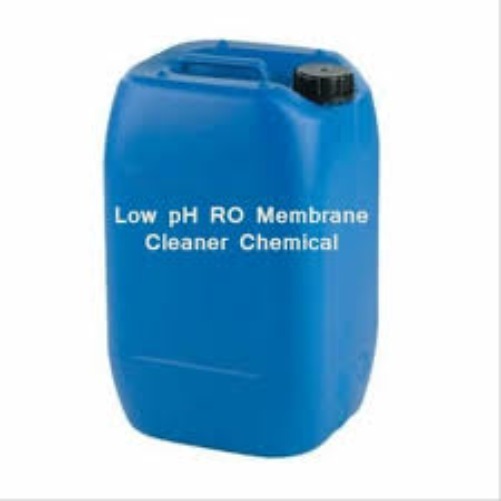
RO Membrane Cleaning Chemicals - High Purity Formula | Durable Standard, Accurate Composition, Free from Impurities
Eco Enterprises
Surat, Gujarat

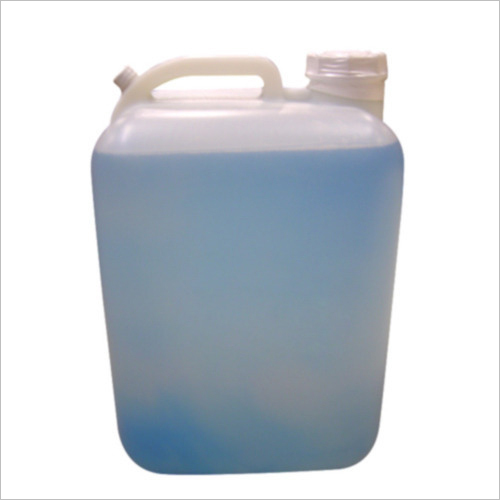
RO Membrane Cleaning Chemicals - Industrial Grade Powder, CAS No: 6381-92-6, 90% Purity | Effective Descaling, Antifouling, Versatile Compatibility
Price: 90 INR
MOQ - 100 null
Angel Chemicals Private Limited
Vadodara, Gujarat
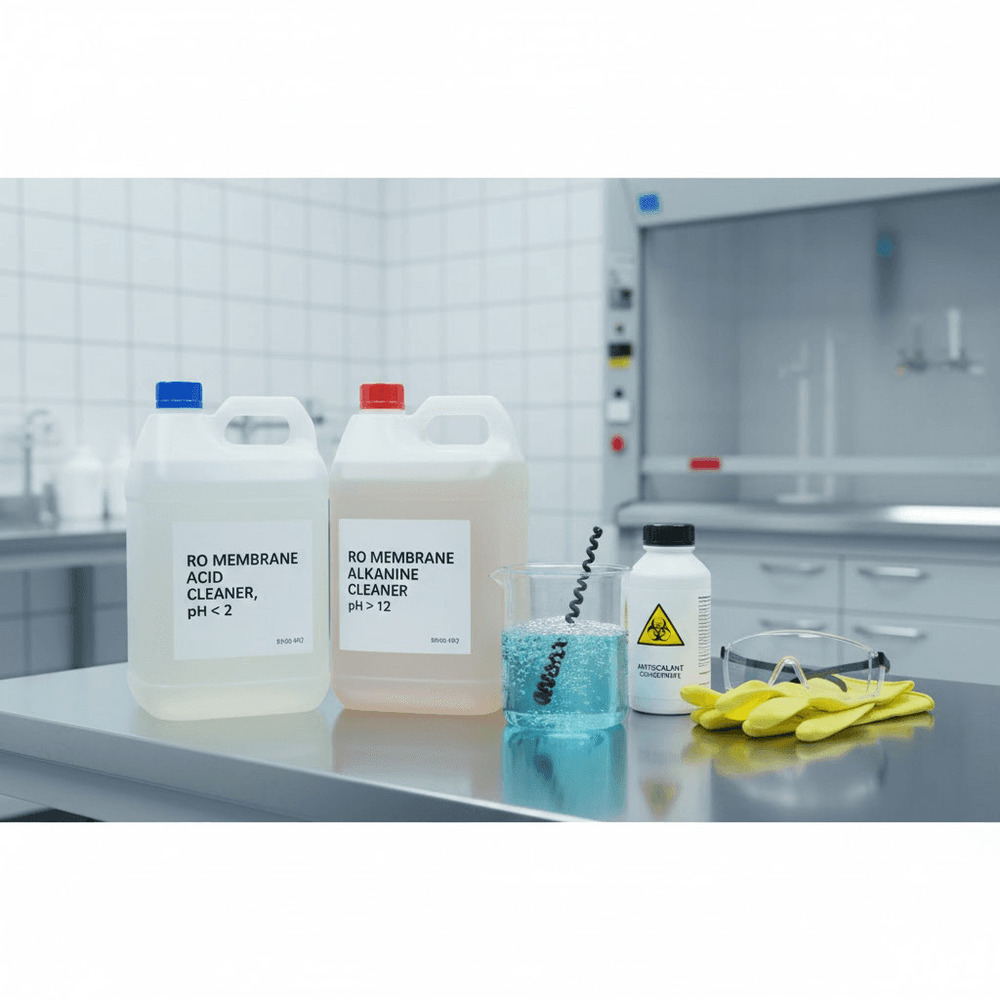
Ro Membrane Cleaning Chemicals - Color: Clear
MOQ - 50 Liter/Liters
Vertex Chemical Corporation
Vadodara, Gujarat
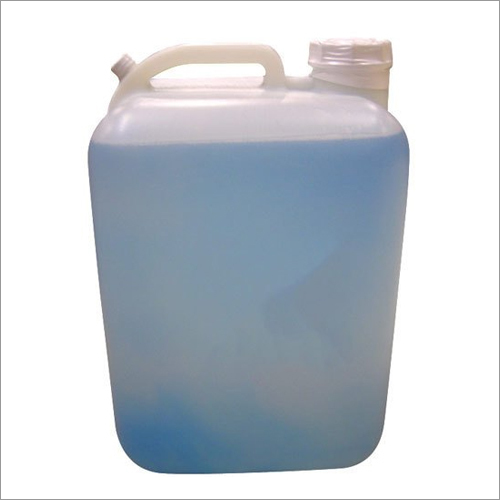
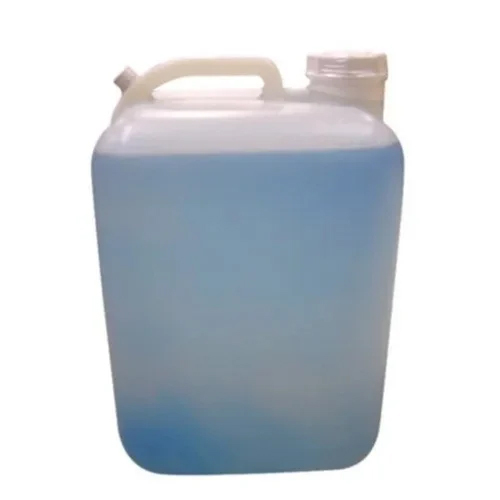
RO Membrane Cleaning Chemical - Citric Acid, 5 Gallon Jug, Light Blue Color, pH Level 2-4 | Effective RO Membrane Cleaning and Sanitation, Scale and Biofouling Removal
Price: 1000 INR
MOQ - 1 Piece/Pieces
H2o Ion Exchange
Ahmedabad, Gujarat
Industrial Ro Membrane Cleaning Chemical - Packaging Type: Can
Price: 80 INR
MOQ - 100 Kilograms/Kilograms
Drashti Chemicals
Vadodara, Gujarat

Reverse Osmosis And Nano-Filteration Membrane Scale And Fouling Cleaners Grade: Industrial Grade
Price: 125 INR
MOQ - 100 Kilograms/Kilograms
Maxwell Additives Private Limited
Vadodara, Gujarat
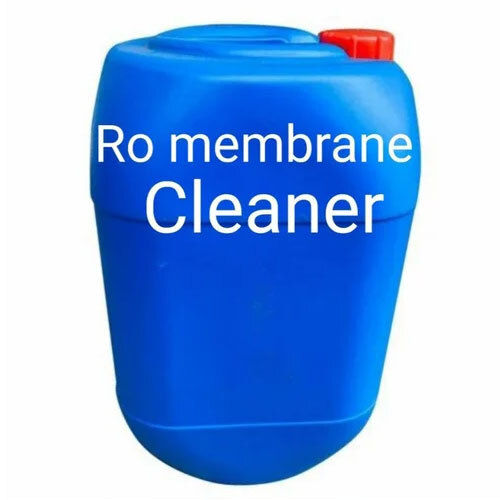
Ro Membrane Cleaner - Application: Swimming Pool Water Treatment
Price: 70 INR
MOQ - 1 Kilograms/Kilograms
Chemlink Corporation
Ahmedabad, Gujarat
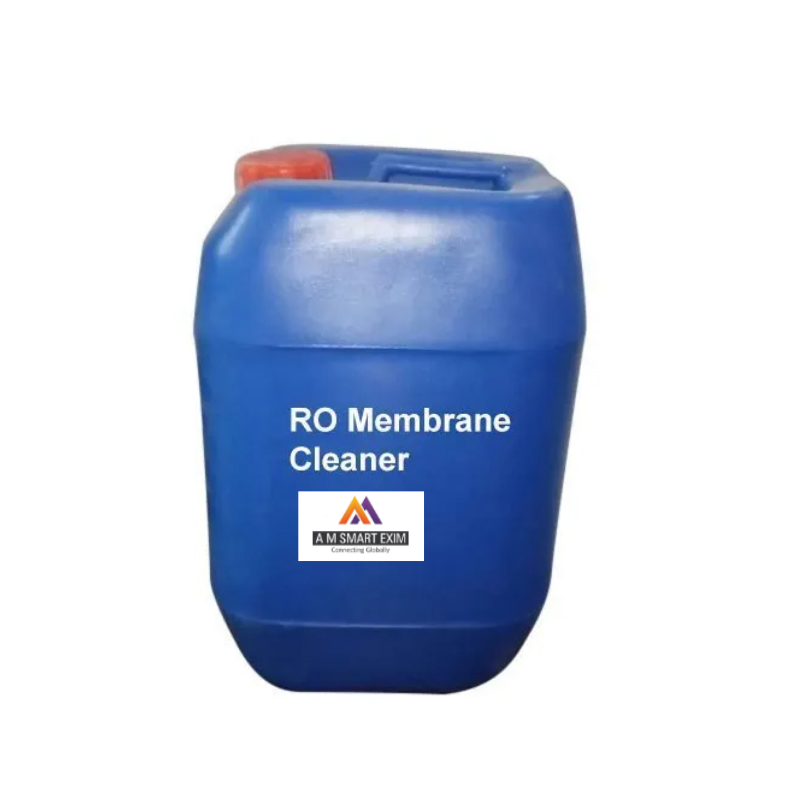
Ro Membrane Cleaner - Application: Swimming Pool Water Treatment
Price: 108.0 INR
MOQ - 50 Kilograms/Kilograms
A M Smart Exim
Vadodara, Gujarat
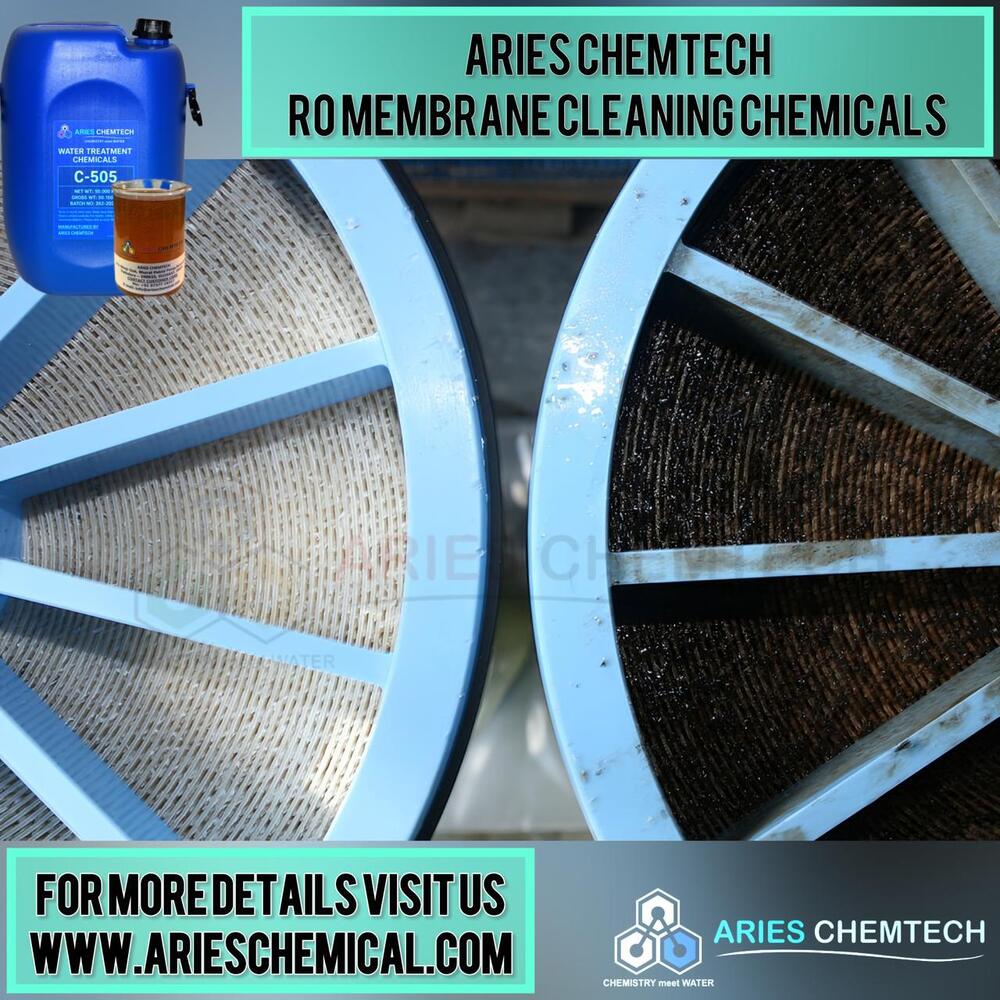
Ro High Ph Membrane Cleaning Chemicals - Application: Industrial
Price: 75 INR
MOQ - 100 Kilograms/Kilograms
Aries Chemtech
Vadodara, Gujarat
Explore Related Categories


More Products From This Seller


Seller Details


GST - 24ABEFA9980E1ZD
 TrustedSeller
Surat, Gujarat
Proprietor
Mr Harshal K. Parekh
Members since
22 Years
Address
96-97, Parekh Industrial Estate, Tatithaiya, Kadodara- Bardoli Road, Surat, Gujarat, 395305, India
membrane cleaning chemicals in Surat
Report incorrect details