

Pesticides
(10197 products)

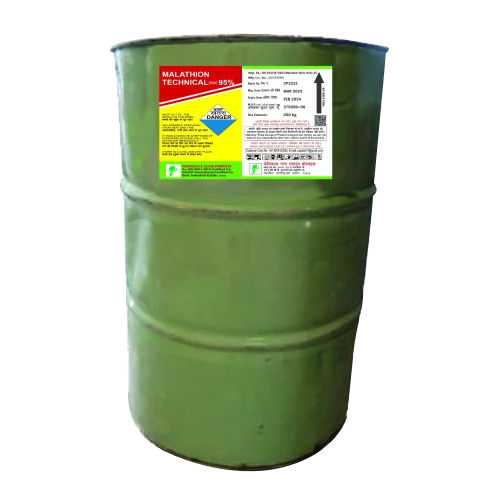
95 Percent Malathion Tech Pesticides Application: Agriculture
1500 INR/Kilograms
MOQ100 Kilograms/Kilograms
ColorAny Color
ClassificationBiological Pesticide
Release TypeControlled
Purity(%)98% 99% 100%
ApplicationAgriculture

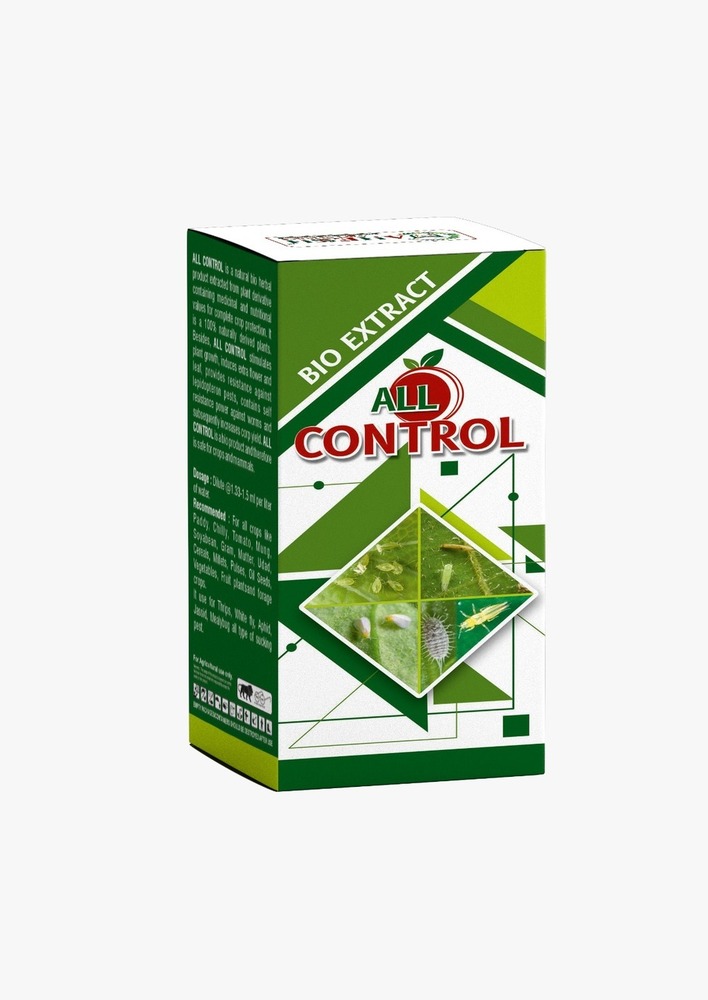
Bio Pesticide - Application: Agriculture
950 INR/Liter
MOQ50 Liter/Liters
Packaging TypeBottle
FormLiquid
ColorBrown
ClassificationPlant Growth Regulator
Purity(%)98% 99% 100%
ApplicationAgriculture

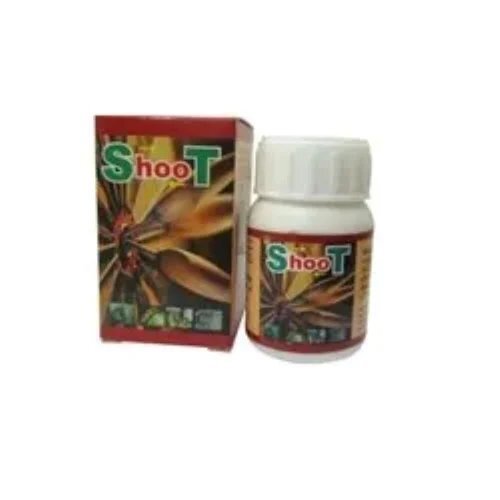
Organic Pesticides - Application: Agriculture
Price: 500000.0 INR/Liter
MOQ50 Liter/Liters
FormLiquid
Packaging TypeHDPE Bottles
Dosage0.33 ml per litre of water
ClassificationOther, Organic Pesticides
Release TypeControlled
Purity(%)98% 99% 100%
Eagle Plant Protect Pvt. Ltd.
Sanand
 Super Bonanza
 Trusted Seller
9 Years

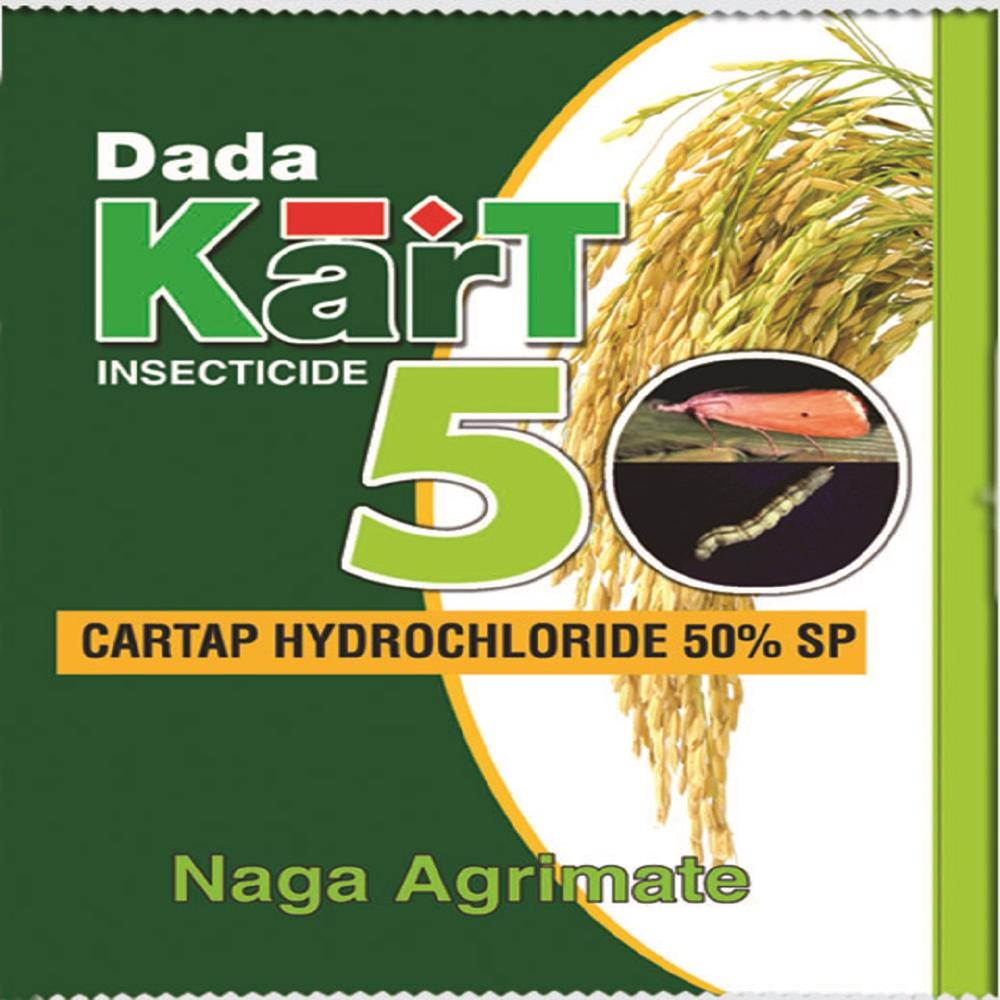
Naga - Dada Kart 50 - Application: Agriculture
Price: 2700.0 INR/Pack
MOQ10 Carton/Cartons
FormPowder
Packaging TypePacket
ClassificationBiological Pesticide
Release TypeSlow
Purity(%)97%
ApplicationAgriculture
Sylvan Chemicals
Howrah
Trusted Seller Super Premium
3 Years
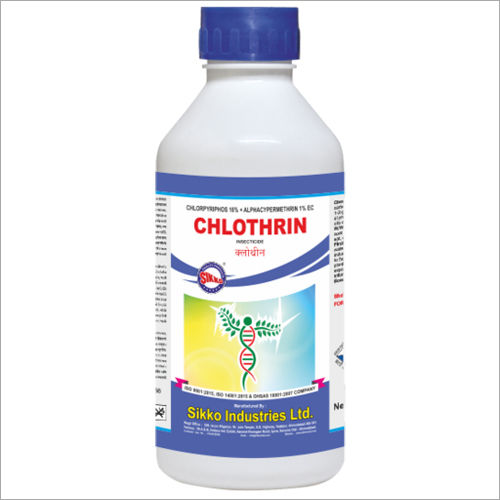
Clothrin Insecticide - Quick Release Formula | Advanced Agriculture Pest Control Solution
MOQ50 Liter/Liters
Release TypeQuick
ApplicationAgriculture
TypeInsecticide
Sikko Industries Ltd.
Ahmedabad
Trusted Seller Super Seller
19 Years
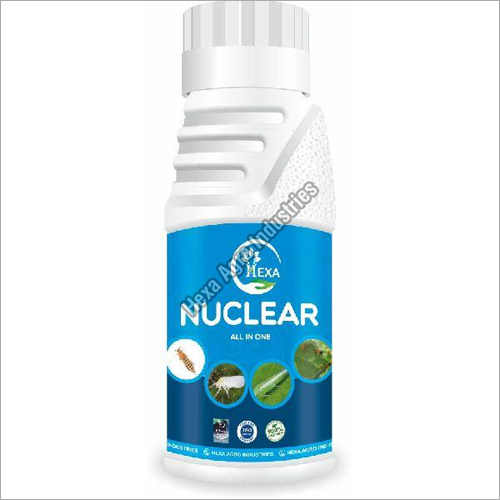
Nuclear Organic Pesticide - Application: Agriculture
Price: 3059 INR/Liter
MOQ100 , Liter/Liters
ClassificationBiological Pesticide
Release TypeControlled
Purity(%)98% 99% 100%
ApplicationAgriculture
TypeOther
Hexa Agro Industries
Ahmedabad
Super Seller6 Years
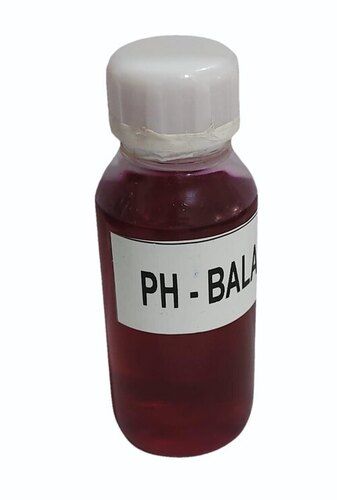
Soil pH Balancer Liquid - Organic Raw Water Conditioner, 99% Purity, Water Soluble, Odorless, Slow Release Type, Enhances Efficiency of AI
Price: 80.00 INR/Liter
MOQ1 Liter/Liters
SolubilityWater Soluble
HS Code3808
SmellOther
FormLiquid
Purity99
StorageRoom Temperature
Greenchem Biotech
Pune
Trusted SellerSuper Seller Premium Seller
17 Years
Pacer Pesticides
Price Trend: 130.00 - 140.00 INR/Kilograms
MOQ1000 Kilograms/Kilograms
Product NamePacerA(r)
StatePowder
Agri Life(india) Private Limited
Hyderabad
Trusted SellerSuper Seller23 Years
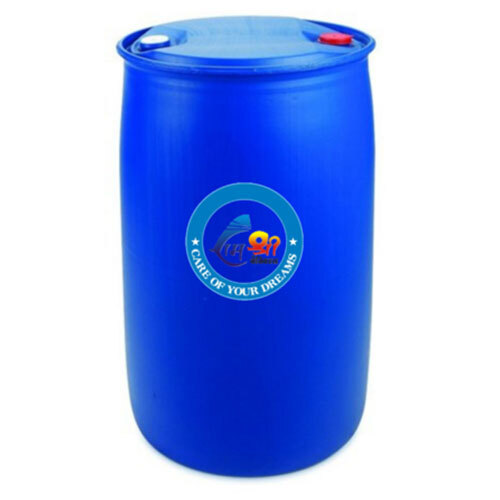
Bispyribac-Sodium Herbicides - Application: Agriculture
Price: 4800.0 INR/Kilograms
MOQ250 Kilograms/Kilograms
Application MethodTech grade is not applied directly.
Moisture0.5 1%
Pest TypeGRASSES , SEDGES
ColorBLUE
Dosage200 ml/ha
Packaging Type25 KG , 50 KG , 200 KG
Ram Shree Chemicals
Mumbai
Trusted SellerSuper Seller11 Years

Propoxure 20 % EC
Price: 1600 INR/Liter
MOQ100 Liter/Liters
Packaging TypeHDPE Bottle / Drum
Pest TypeAphids, Whiteflies, Thrips, Leafhoppers, Mosquitoes
MoistureNil
Dosage1 to 1.5 ml/litre water
FormLiquid
Application MethodSpray
Kalyani Industries Ltd.
Mumbai
Trusted SellerPremium Seller13 Years
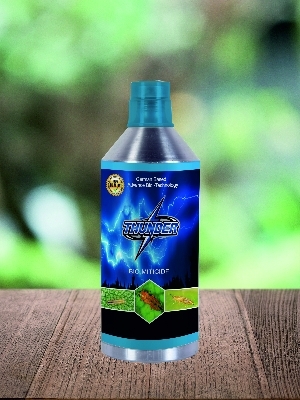
Bio Miticide Thunder - Application: Agrochemical
Price: 1200.0 INR/Liter
MOQ50 Liter/Liters
MoistureNo
Application MethodSpery
Packaging TypeBottel
ColorOil based
Dosage2 ml of 1 ml water
Pest TypeMites
Shakti Chemical Industries
Rajkot
Trusted SellerPremium Seller5 Years
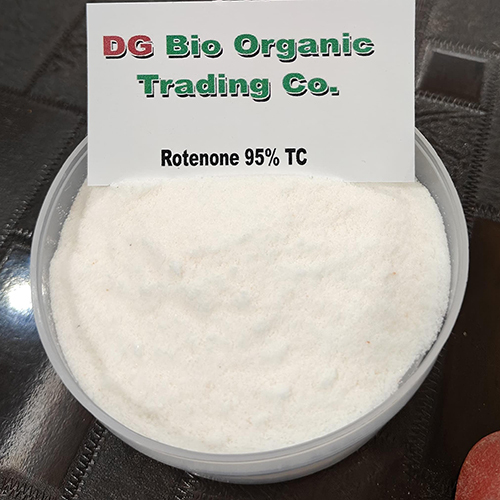
Rotenon 95% Tc - Application: Agriculture
Price: 16000.0 INR/Kilograms
MOQ25 Kilograms/Kilograms
FormPowder
MoisturenO
ColorWhite
Physical StatePowder
Purity(%)95%
ApplicationAgriculture
D G Bio Organic Trading Company
Kolkata
Trusted SellerPremium Seller3 Years

Imidacloprid 0.3% Gr Pesticide - Cas No: 138261-41-3
MOQ50 Liter/Liters
MoistureMax 2%
Pest TypeSucking pests such as Aphids, Leafhoppers, Whiteflies, Thrips
Packaging TypeHDPE bags / Pouches
FormGranule
Application MethodSoil application and broadcasting
Dosage4-7 kg/acre (depending upon crop)
Plantix Crop Care
Rajkot
Premium Seller1 Years
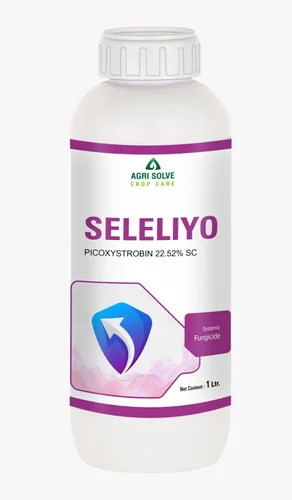
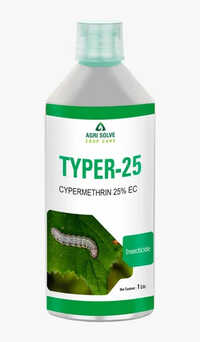
1 Litre Agri Solve Seleliyo Liquid Pesiticide - Packaging Type: Bottle
Price: 1980 INR/Liter
MOQ100 Liter/Liters
ColorClear Liquid
DosageAs recommended
Application MethodFoliar Spray
Packaging TypeBottle
Pest TypeFungal Pathogens
FormLiquid
Agri Solve Crop Care
Rajkot
Trusted SellerPremium Seller1 Years
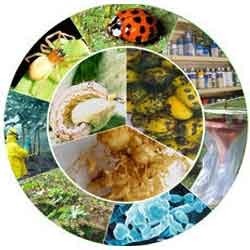
Bio Pesticides - Natural Extracts Liquid Spray, Biodegradable, Eco-friendly, Effective Pest Control, Target Specific, Low Toxicity
Product DescriptionBio Pesticides
Growrich Agrotech India Pvt Ltd
Indore
Trusted SellerPremium Seller3 Years
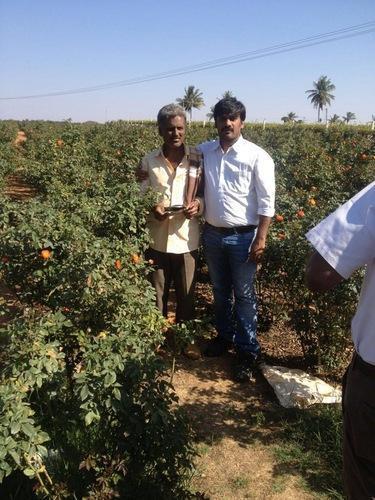
Pest Controller For Agricultural Use - White Color, Pest Control | High Performance, 85% Regulator Result, Plant Growth
Payment TermsOthers, Telegraphic Transfer (T/T)
Delivery Time2 Week
Sample PolicyContact us for information regarding our sample policy
Mother Agri Biotech Laboratories India Pvt Ltd.
Bengaluru
Trusted SellerPremium Seller1 Years
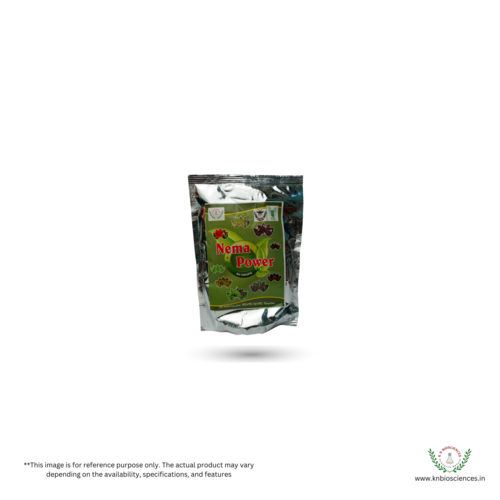
Agriculture Nema Power Controlled Release Type
Price: 985 INR/Pack
MOQ10 Pack/Packs
Release TypeControlled
ApplicationAgriculture
TypeInsecticide
K. N. Bio Sciences (india) Pvt. Ltd.
Hyderabad
Trusted SellerPremium Seller5 Years
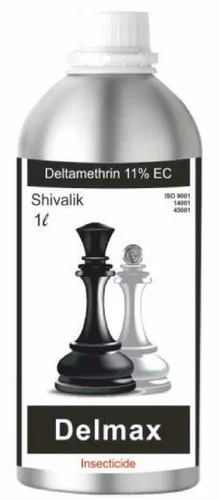
Delmax Deltamethrin 11 EC
Price: 1200 INR/Liter
MOQ10 Liter/Liters
Moisture<0.5%
Pest TypeBollworms, Aphids, Whiteflies, Jassids
Dosage250-300 ml/acre
ColorLight yellow
FormLiquid
Application MethodSpray
M/s B And Brothers Barnagarwala
Indore
Trusted Seller1 Years

Bio Larvicide Liquid - 50 Ltr, 200 Ltr | Natural Insecticide, 98%-100% Purity, Slow Release, Effective for All Larvae
Price: 250 INR/Liter
MOQ50 Liter/Liters
ColorNatural
Release TypeSlow
Purity(%)98% 99% 100%
ApplicationChemical Pesticide, Pest Control
TypeInsecticide
Silver Sine Bio Tech
Ahmedabad
Trusted SellerPremium Seller2 Years
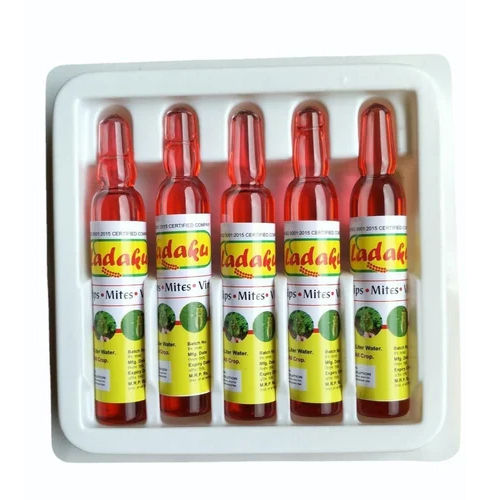
Insect Control Liquid - Application: Agriculture
Price: 39 INR/Milliliter
MOQ100 Milliliter/Milliliters
FormLiqude
ColorRed
Packaging TypeBottle
Dosage110 ml
ClassificationBiological Pesticide
Purity(%)98% 99% 100%
Green Agri Solution
Valsad
Trusted SellerPremium Seller3 Years
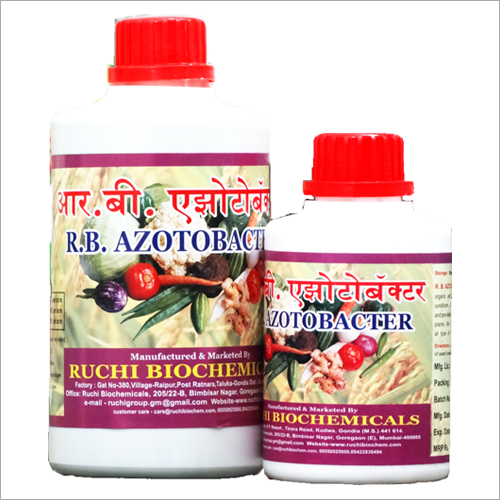
Azotobacter Bio Fertilizer
Price Trend: 90 - 400 INR/Liter
MOQ50 liter Liter/Liters
Supply Ability1000 liter Per Day
Delivery Time1 Week
Ruchi Biochemicals
Mumbai
Trusted SellerPremium Seller8 Years
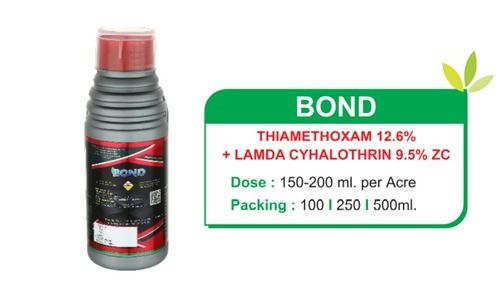
500 Ml Thaimethoxam 12.6% Lambdacyhalothrin 9.5% ZC
Price: 500 INR/Bottle
MOQ1 Bottle/Bottles
Product DescriptionNominal price range.\015\012Highly Effective.\015\012Excellent properties.\015\012Properly packed.\015\012Long shelf life.\015\012Delivered with in committed time frame.\015\012
Greenwell Biotech
Rajkot
Trusted Seller6 Years
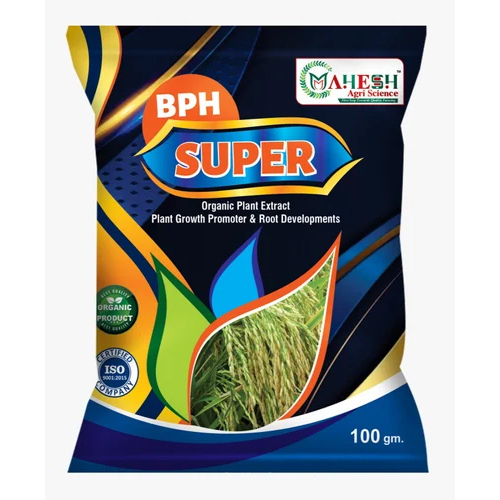
Bph Controller - Application: Agriculture
Price: 3000 INR/Kilograms
MOQ25 Kilograms/Kilograms
FormPowder
ColorBrown
Packaging TypeBag
ClassificationPlant Growth Regulator
Purity(%)98% 99% 100%
ApplicationAgriculture
Mahesh Agri Science
Ahmedabad
Trusted SellerPremium Seller3 Years

Rotenone 95% Tc Application: Agriculture
Price: 15000 INR/Kilograms
MOQ25 Kilograms/Kilograms
StatePowder
Product NameRotenone 90% TC
Gradetechnical
Shapesolid
Purity(%)90% - 98%
ApplicationAgriculture
Star Bio Science
Kolkata
Trusted Seller12 Years
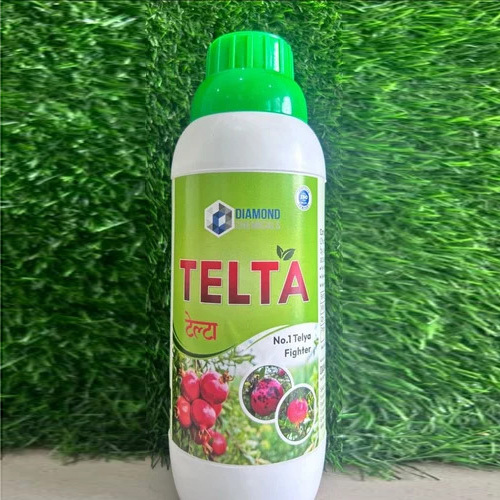
Telta Pesticides - Packaging Type: Bottle
Price: 999 INR/Liter
MOQ1 Liter/Liters
FormLiquid
Packaging TypeBottle
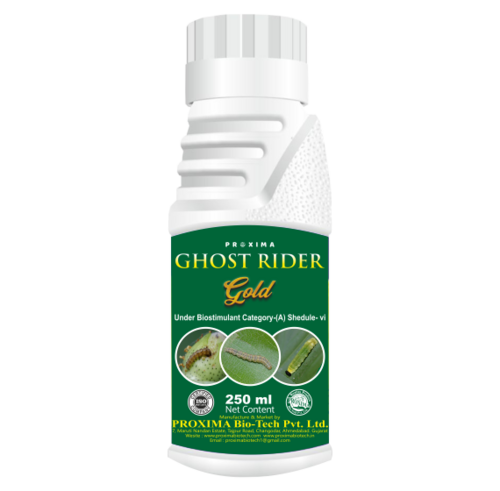
Ghost Rider Gold - Cas No: 2921-88-2
Price: 4900.0 INR/Bottle
MOQ50 Bottle/Bottles
Dosage2.0 ml per litre of water
FormLiquid
Application MethodSpray
Packaging TypeBottle
Pest TypeAphids, Jassids, Thrips, Bollworm
ColorGolden Yellow
Proxima Bio-tech Pvt Ltd.
Ahmedabad
Trusted SellerPremium Seller12 Years
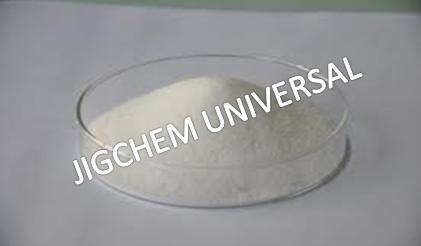
L Valine - High Purity Amino Acid Powder , Ideal for Muscle Recovery and Enhanced Performance
Price: 20 INR/, Kilograms
MOQ25 , Kilograms/Kilograms
ColorWhite
Packaging Type25 kg Bag / Drum
FormCrystalline Powder
Application MethodAdditive or supplement blending
Moisturea%0$?0.3%
DosageAs prescribed in formulation or as per industry use
Jigchem Universal
Mumbai
Trusted SellerPremium Seller17 Years
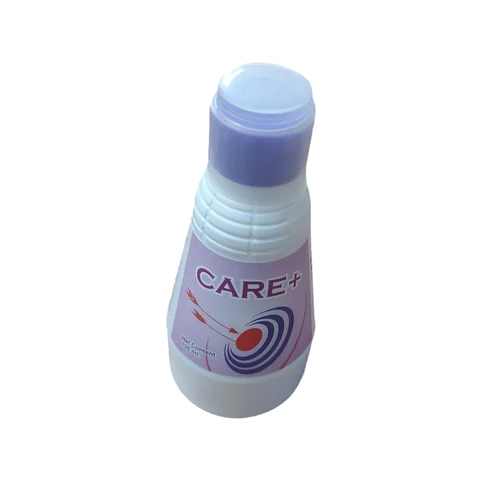
Care Coragen Pesticide - Application: Agriculture
Price: 2500 INR/Liter
MOQ100 Liter/Liters
ColorWhite
FormLiquid
ClassificationBiological Pesticide
Purity(%)98% 99% 100%
ApplicationAgriculture

Quickphos Tablets Upl
Price: 764 INR/Liter
MOQ100 Liter/Liters
FormLiquid
ColorWhite
Packaging TypeBottle
ClassificationOther, Quickphos Tablets Upl
Purity(%)98% 99% 100%
ApplicationAgriculture
Shri Hanuman Seeds & Pesticides
Sant Kabir Nagar
Trusted SellerPremium Seller2 Years
Cas-No - 111988-49-9 Thiacloprid 21%Sc - Application: Pest Control
Price: 2750 INR/Kilograms
MOQ100 Kilograms/Kilograms
ClassificationBiological Pesticide
Release TypeQuick
CAS No111988-49-9
Purity(%)98% 99% 100%
ApplicationAgriculture, Pest Control
Sarne Industries Private Limited
Navi Mumbai
3 Years
Latest From Pesticides
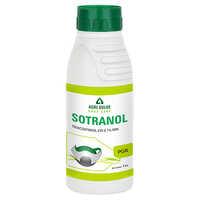
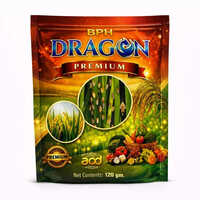
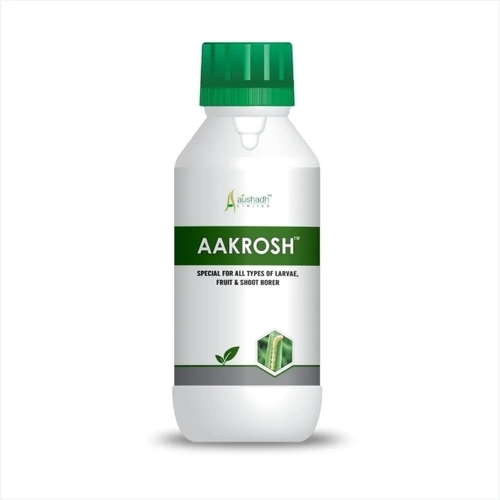
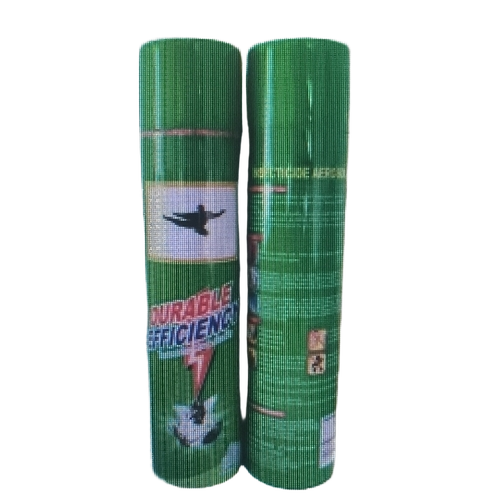
Popular Pesticides

Pesticides - A brief history
Advanced agriculture tools and measures can boost success in the contemporary world. For a long time, humans have utilized agriculture pesticides for the severe protection of crops. Since 2000 BC, pesticides have been put to use for boosting the production rate and yield. These chemicals have worked wonderfully in the past and have contributed to the efficiency of food production. By the 15th century, different chemicals, such as mercury were introduced for killing the pests.
The Science of Pesticides
The science of pesticides significantly revolves around the chemicals that are of incredible importance in the protection of crops from pests, insects, . These are chemical pesticides that can hamper the growth of insects and keep rodents away. In agriculture sector, these chemicals can be used extensively following certain precautions and regulations. The science studying these topics is often called ecology or molecular biology. They work by interfering with the biological movements and systems of pests. It can either be a disruption of the nervous system or hamper the reproduction process of them.
Types, Effects, and Benefits of Pesticides
There is a numerous range of pesticides that are designed and formulated in a way to kill or control specialised pests. Insecticides are mainly formulated for controlling insects such as mosquitoes and beetles. They are applied to the plants and soil for killing the insects. Herbicides are specifically designed for controlling the growth of undesirable vegetation. They can be notably specific in order to target selective plant species. Rodenticides are formed by attacking the mice that enter the crop field. Similarly, nematicides and fungicides are primarily used for killing worms and fungi, respectively.
It is time to ponder over the effects of using pesticides, like chlorpyriphos 10% GR, neem powder, propoxure 20 % Ec and more. These are chemical compounds that are used in the agricultural sector and similar industries aimed at controlling pests. Excessive use of pesticides can sometimes contaminate soil or water components if not used in moderate dosage. Many times, the overuse of such chemicals can have adverse effects on harmless insects and birds. Therefore, it is crucial for handling them with high safety and in safe disposal ways. Some farmers try to use a small amount of them along with biological controls and strategies, which can eventually reduce the negative effects.
Discussing the benefits associated with the use of pesticides is highly relevant. These chemical compounds play a key role in increasing food production. Obviously, food quality is of utmost importance. Food or crops which are less affected by insects, rodents are appreciated in the market and considered highly valuable. The pesticides can be further used for controlling home insects too. The use of these chemical compounds can significantly increase the sustainability of agriculture.
Choosing the Right Pesticide for Your Needs
Choosing the correct category of pesticide for targeting specialized pesticides is an important step. There are other factors, too, that directly and indirectly influence the selection of pesticides. The first and foremost step is to identify the type of pest that has to be targeted, which can be helpful in selecting the right product. The formulation or chemical composition is the next criterion which can be someone's personal choice. Choosing pesticides with less toxicity is mainly recommended. There are several organic pesticides that are available in powder and liquid forms. The way of targeting also plays an essential role, like whether the nervous system has to be attacked or the reproductive system is to be affected.
Alternatives to Pesticides
While the practice of using pesticides has become highly common in the agricultural industry, some farmers seek out alternatives to pesticides to keep their crops free from chemicals and their effects. IPM, which is popularly known as integrated pest management, is another effective way for controlling the pests on the farm. This technique uses biological controls such as predators and planting of pest-resistant species. For illustration, marigolds are planted with vegetables to repel pests. Secondly, the pests are also controlled and several physical methods are put into use, such as nets in the form of physical barriers. Hand-picking is also commonly practiced.
Safe and Effective Pesticide Use
Safe and effective pesticide usage is of critical importance not only for crops and the environment but also for human health. Various measures crucially determine the safe usage of these chemical compounds. Labels for pesticides with relevant points and instructions about the product must be read carefully to keep valuable precautions and safety measures in mind. Following instructions appropriately is important for their applications. Wearing protective clothing along with masks and gloves can prevent the spread of toxic chemicals and their associated hazardous effects when inhaled. Storing bottles or containers containing pesticides should always be done away from pets and kids.
FAQs: Pesticides
Q. What are pesticides?
Ans. Pesticides are chemical compounds produced in laboratories for their applications in the farm sector. The innovation of pesticides has surely revolutionized the way food crops are protected from pests and disease-causing organisms. In modern agriculture, the demand for these chemicals is noticeably rising. It has been researched that using them can improve yield or production along with satisfactory food security. Without the use of pesticides, it becomes highly challenging to grow enough food crops to feed the human population because a large percentage of those crops will be damaged by rodents, insects, weeds, and fungi. Pesticides also enable farmers to avoid the manual labor associated with hand-picking methods to control pests.
Q. How do pesticides work?
Ans. Pesticides are effective tools in the farm sector with a specialised purpose. They are accepted in the applications of modern agriculture and public health sectors. They are known to work in different ways, depending on the specific type of pesticide with a selective mode of action. This is because some chemicals are made for attacking the nervous system of the pests (leading to organism' paralysis) , some kill them, and some disrupt their biological processes, specifically reproduction processes, to hamper their spread.
Q. What are the different types of pesticides?
Ans. Pesticide types and categories are determined by the pests with which they must interact. In other words, some pesticides can be highly effective on certain crops but not on others. For example, insecticides are intended to hamper the biological processes of mosquitoes and beetles. Whereas, fungicides are responsible for killing fungi and related microbes.
Q. What are the regulations surrounding pesticide use?
Ans. For maintaining the good health of humans and the environment, certain regulations must be kept in mind, aimed at ensuring pesticides' right usage. Undoubtedly, there are negative impacts on humans and the biosphere with the use of chemical compounds. But they can be significantly minimized to a great extent via certain ways. Checking the labels and following the instructions with a high focus is recommended. Some pesticides are made for specialized applications and cannot be used in any farm field. They are labeled or classified as restricted in use for only allowing certified applicators to usage.
Manufacturers & Suppliers of Pesticides
Company Name | Member Since |
|---|---|
Agri Life(India) Private Limited Hyderabad, India | 23 Years |
Sikko Industries Ltd. Ahmedabad, India | 19 Years |
Greenchem Biotech Pune, India | 17 Years |
Jigchem Universal Mumbai, India | 17 Years |
Kalyani Industries Ltd. Mumbai, India | 13 Years |
Star Bio Science Kolkata, India | 12 Years |
Proxima Bio-Tech Pvt Ltd. Ahmedabad, India | 12 Years |
Ram Shree Chemicals Mumbai, India | 11 Years |
Eagle Plant Protect Pvt. Ltd. Sanand, India | 9 Years |
Ruchi Biochemicals Mumbai, India | 8 Years |




© 1999-2026 Infocom Network Private Limited. All rights reserved.