



Game Development Service
Price: 944000.00 INR / Piece
(800000.00 INR + 18% GST)
Get Latest Price
MRP:
944000.00 INR / Piece
Weight :
12.00 Kilogram
1 Pack Contains :
1
Minimum Pack Size :
1

In Stock
Product Specifications
| Payment Terms | Paypal, Cash Against Delivery (CAD), Cash on Delivery (COD), Cash Advance (CA), Cash in Advance (CID) |
| Supply Ability | 1 Per Day |
| Delivery Time | 1 Days |
| Sample Available | No |
| Sample Policy | Within a certain price range free samples are available |
| Main Export Market(s) | Asia |
| Main Domestic Market | All India |
| Pkg Box Length | 24.00 cm |
| Shipping Type | free |
| Packsize | 1 |
| Unit Type | Piece/Pieces |
| Currency | INR |
| GSTIN | 18% |
| Pkg Box Height | 36.00 cm |
| Price | 800000.00 INR (Approx.) |
| Pkg Box Breadth | 12.00 cm |
| Weight | 12.00 Kilogram |
| Stock Quantity | 1 |
| MRP | 944000.00 INR |
| Mop | 1 |
| Price Type | fixed |
| Brand Name | Taksh IT Solutions |
| Returnable | No |
| Minimum Ordered Packs | 1 |
Company Details
Taksh IT Solutions Pvt. Ltd. is an India-based software development and IT services company headquartered in Noida, Uttar Pradesh, India. Established in 2021, we focus on designing, developing, implementing and maintaining custom technology solutions that help businesses modernize their operations, improve productivity, strengthen customer engagement and build scalable digital products.
We work with startups, entrepreneurs, small and medium-sized businesses, enterprises, institutions and organizations looking to convert their business ideas, operational requirements and technology challenges into practical software solutions. Our approach combines business understanding, technical expertise, structured development processes and a focus on long-term usability.
At Taksh IT Solutions, we believe that software should do more than simply perform a function. It should solve real business problems, simplify complex processes, support informed decision-making and create opportunities for growth. Whether a client needs a corporate , a mobile application, a custom enterprise platform, an ERP system, an AI-powered application, a SaaS product or a blockchain-based solution, we aim to deliver technology aligned with the client's objectives.
Our services cover the complete software development lifecycle, from initial consultation and requirement analysis to solution architecture, UI/UX design, development, integration, quality assurance, deployment and ongoing technical support, depending on the agreed project scope.
Who We Are
Taksh IT Solutions Pvt. Ltd. is a technology development partner offering custom software engineering and digital transformation services. We develop solutions for businesses that require tailored functionality rather than relying entirely on generic, off-the-shelf software.
Different organizations operate with different workflows, customer expectations, reporting requirements and growth plans. A standard application may not always provide the flexibility needed to manage these requirements. Our development approach focuses on understanding these differences and creating software that fits the intended business model.
We work across multiple technology domains, including web development, mobile application development, enterprise software, cloud-based systems, artificial intelligence, blockchain technology, SaaS platforms, e-commerce and business process automation.
Our objective is to build maintainable, adaptable and scalable digital solutions that can evolve as business requirements change.
Our Core Software Development Services
1. Custom Software Development
We provide custom software development services for businesses that need applications designed around their specific processes, users and operational requirements.
Our development capabilities include:
- Business process management software
- Custom workflow automation systems
- Enterprise application development
- Web-based business management platforms
- Customer and employee management systems
- Data management and reporting applications
- Inventory and operations management software
- Document management solutions
- Internal business portals
- Role-based application systems
- Custom dashboards and reporting tools
- Third-party software integrations
We first understand the business requirements and then plan the application structure, functionality, user roles, database architecture and integration requirements. The resulting software is developed according to the approved scope and technical specifications.
2. Development
We design and develop for companies, service providers, startups, institutions, manufacturers, retailers and other business categories.
Our development services include:
- Corporate development
- Business development
- Static development
- Dynamic development
- Custom development
- E-commerce development
- B2B and B2C development
- Product catalogue
- Marketplace development
- Membership and subscription
- Customer and vendor portals
- Booking and appointment
- Educational and institutional
- redesign and modernization
- Content management system development
- Custom web application development
Our can include responsive layouts, custom content sections, enquiry forms, user registration, admin panels, product management, payment integrations, database connectivity and other features based on project requirements.
We consider usability, mobile responsiveness, structure, loading performance, maintainability and search-engine-friendly development practices during implementation.
3. Mobile Application Development
Taksh IT Solutions develops mobile applications for businesses that want to provide digital services through smartphones and tablets.
Our mobile application development capabilities include:
- Android application development
- iOS application development
- Cross-platform mobile applications
- Business and enterprise mobile apps
- Customer-facing mobile applications
- Employee and field staff applications
- E-commerce mobile applications
- On-demand service applications
- Delivery and logistics applications
- Booking and appointment applications
- Education and learning applications
- Healthcare-related applications
- Finance and business management applications
- Location-based mobile applications
- Mobile application backend and API development
Depending on the project, mobile applications can include user authentication, profile management, notifications, payment gateway integration, location services, booking systems, chat functionality, dashboards, reporting and secure API communication.
We consider the intended user experience, supported devices, operating systems, application performance and backend requirements while planning mobile solutions.
4. SaaS Product Development
We help entrepreneurs, startups and established businesses develop Software-as-a-Service products that can be accessed through web browsers or supported mobile applications.
Our SaaS development services include:
- Multi-tenant SaaS architecture
- Subscription management systems
- User and organization management
- SaaS administration dashboards
- Role-based access control
- Subscription plans and billing workflows
- Usage monitoring and reporting
- Customer portals
- Automated notifications
- API-based integrations
- SaaS analytics dashboards
- Cloud deployment and configuration
- Product maintenance and enhancement
A SaaS product can be designed for a single business category or a broader customer market. The architecture, subscription model, user permissions, hosting environment and scalability requirements are planned according to the product's intended use.
5. Artificial Intelligence and Machine Learning Development
We develop AI-enabled software solutions that help organizations automate repetitive tasks, analyze information, improve workflows and provide intelligent digital experiences.
Our AI and machine learning development capabilities include:
- AI-powered business applications
- AI chatbot development
- AI customer support assistants
- AI virtual agents
- Agentic AI workflow development
- Intelligent task automation
- Natural language processing applications
- Document processing and information extraction
- AI-powered search functionality
- Recommendation systems
- Predictive analytics applications
- Machine learning model integration
- Image and text processing solutions
- AI reporting and analytics dashboards
- Custom AI API integrations
We can integrate suitable AI models and services into existing applications or develop new applications around AI-enabled workflows. Depending on the use case, solutions may incorporate large language models, retrieval-augmented generation, structured data processing, workflow orchestration and external AI services.
AI systems are planned with consideration for data quality, access permissions, human review, output validation, privacy and operational requirements. The suitability of a particular AI model depends on the business use case and technical feasibility.
6. ERP and CRM Software Development
We build ERP and CRM systems to help organizations manage business operations, customer relationships, resources, transactions and internal workflows through centralized software.
Our ERP development capabilities include:
- Manufacturing ERP
- Inventory management ERP
- Purchase and procurement management
- Sales and order management
- Production planning and tracking
- Warehouse management
- Employee and HR management
- Attendance and payroll management
- Accounts and financial reporting modules
- Vendor and supplier management
- Customer management
- Business analytics and reporting
Our CRM development capabilities include:
- Lead management
- Sales pipeline management
- Customer databases
- Follow-up and task management
- Sales team management
- Customer communication records
- Enquiry and quotation management
- Customer support workflows
- Performance dashboards
- Automated notifications
We also develop sector-specific ERP solutions for schools, colleges, universities, manufacturing companies, service organizations, distributors and other business categories.
ERP and CRM modules can be developed as standalone applications or integrated into a broader enterprise platform, depending on the client's requirements.
7. Education Software and Institutional ERP
We provide software development services for educational institutions that want to digitize academic, administrative and communication processes.
Our education technology solutions include:
- School management software
- College management software
- University management systems
- Learning management systems (LMS)
- Student information systems
- Online examination platforms
- Admission management systems
- Fee management software
- Attendance management systems
- Faculty and staff management
- Timetable and scheduling modules
- Parent and student portals
- Online learning platforms
- Digital content management
- Academic reporting dashboards
The software can be configured around institutional roles, academic structures, student records, communication workflows and reporting needs.
8. E-Commerce and Marketplace Development
Taksh IT Solutions develops e-commerce platforms and online marketplaces for businesses that want to sell products or services through digital channels.
Our services include:
- Single-vendor e-commerce platforms
- Multi-vendor marketplace development
- B2B e-commerce software
- B2C e-commerce applications
- Product catalogue management
- Shopping cart and checkout systems
- Order and shipment management
- Seller and vendor dashboards
- Customer account management
- Discount and coupon management
- Inventory and stock management
- Payment gateway integration
- Delivery and logistics integrations
- Return and refund workflows
- E-commerce analytics and reporting
- Android and iOS shopping applications
We develop platform functionality according to the intended business model, product categories, vendor structure, order workflows and integration requirements.
9. Blockchain and Web3 Development
We provide blockchain software development services for businesses exploring decentralized applications, token-based systems, smart contracts and Web3 technology.
Our blockchain development capabilities include:
- Custom blockchain application development
- Decentralized application (DApp) development
- Smart contract development
- ERC-20 token development
- BEP-20 token development
- TRC-20 token development
- NFT marketplace development
- NFT minting platforms
- DeFi application development
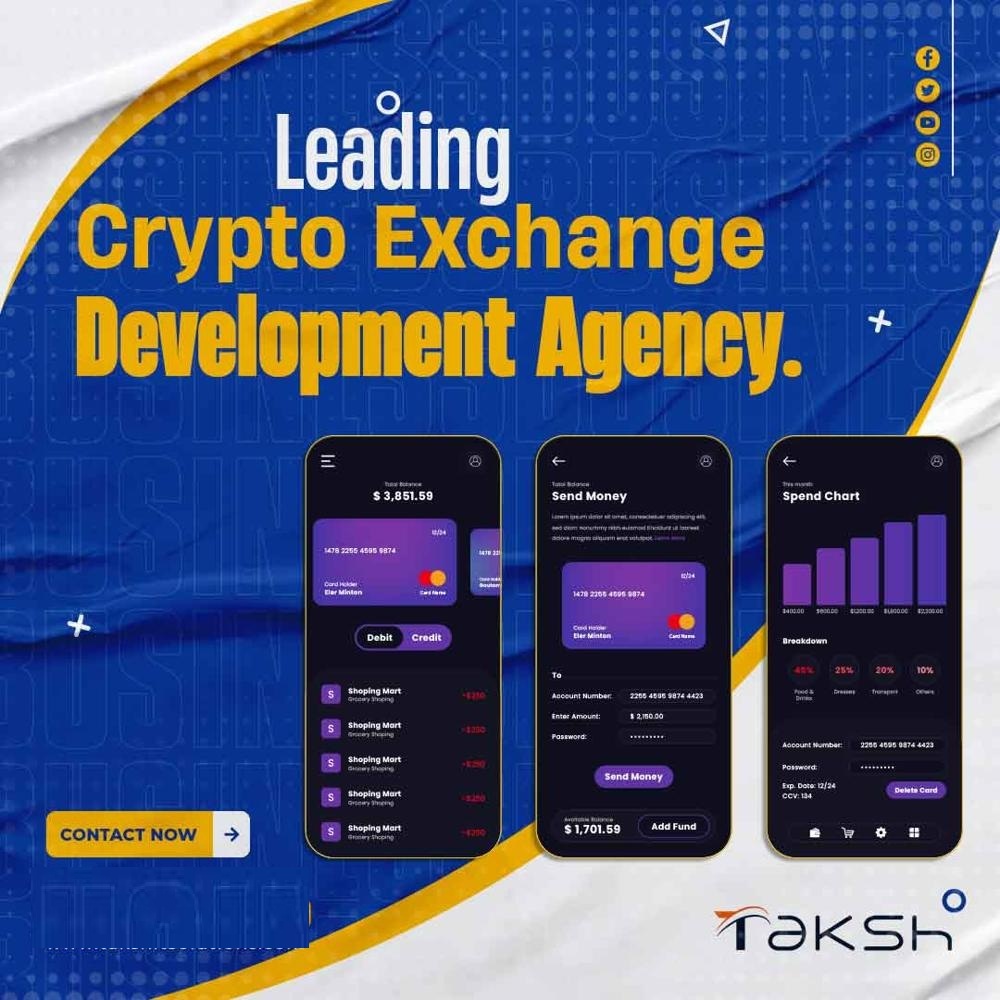
- Crypto exchange software development
- Blockchain explorer development
- Web3 wallet integration
- Token management platforms
- Blockchain-based business applications
- Multichain application development
- Blockchain API and node integrations
- Blockchain data indexing solutions
- Decentralized identity-related applications
We work with suitable blockchain technologies and frameworks based on project requirements. This may include Ethereum-compatible networks, Polygon, BNB Smart Chain, Solana, TRON and other supported blockchain ecosystems.
Smart contract functionality, token standards, network selection, wallet integration and transaction workflows are defined during technical planning.
Blockchain software development does not itself provide financial, securities, exchange or regulatory licences. Clients must obtain applicable legal advice, approvals and third-party audits where required for their intended business activities.
10. Cryptocurrency Exchange and Wallet Software
We develop software components and platforms for digital asset businesses, subject to technical scope and applicable legal requirements.
Potential development modules include:
- Centralized exchange software
- Peer-to-peer trading platforms
- Spot trading interfaces
- Order management systems
- User registration and account management
- Wallet integration
- Deposit and withdrawal workflows
- Transaction history
- Trading dashboards
- Admin and operational panels
- KYC workflow integrations
- API integrations
- Liquidity provider integrations
- Blockchain network connectivity
- Reporting and monitoring tools
Wallet and exchange architecture requires careful consideration of security, key management, transaction authorization, infrastructure and operational controls. The exact custody model and security requirements must be established before development.
We provide software development services and do not act as a bank, financial institution, investment adviser or regulatory licensing authority.
11. Smart Contract and Token Development
Our blockchain development services include the creation and integration of smart contracts for supported blockchain networks.
Depending on the project, smart contracts may support:
- Token creation and management
- Token transfer functionality
- Vesting and allocation logic
- NFT minting and transfers
- Marketplace transactions
- Staking mechanisms
- Governance functionality
- Escrow workflows
- Decentralized application interactions
- Business-specific blockchain workflows
Smart contracts are developed according to agreed functional specifications. Testing, code review and independent security audits should be considered before production deployment, particularly where contracts manage valuable assets or financial transactions.
12. Cloud Computing and DevOps Services
We help businesses build, configure and maintain cloud-based software environments and development workflows.
Our capabilities include:
- Cloud application development
- Cloud infrastructure planning
- Server configuration
- Application deployment
- CI/CD pipeline development
- DevOps automation
- Containerization
- Docker-based deployments
- Kubernetes-related implementation
- Application monitoring
- Log management
- Backup planning
- Environment configuration
- Database deployment
- Infrastructure optimization
- Version control workflows
The cloud provider, hosting model, deployment architecture and operational responsibilities are finalized according to the application's requirements and the client's preferred infrastructure.
13. Cybersecurity-Oriented Software Development
Security is an important consideration in modern software engineering. We incorporate appropriate security practices into application development based on the nature of the system and agreed project scope.
Our development capabilities may include:
- Secure authentication workflows
- Role-based access control
- Multi-factor authentication integration
- API authentication and validation
- Input validation
- Secure session management
- Data encryption integration
- Audit logging
- Permission management
- Secure file handling
- Application security improvements
- Security-focused code reviews
- Vulnerability remediation support
- Backup and recovery planning
Security requirements vary according to the application's architecture, data sensitivity, infrastructure and regulatory environment. Independent penetration testing, formal security audits and compliance certifications should be arranged through qualified third-party organizations when required.
14. UI/UX Design and Product Engineering
A software product must be understandable and convenient for its intended users. We plan user interfaces and application workflows to support clear navigation, consistent interaction and practical usability.
Our UI/UX and product design capabilities include:
- UI/UX design
- Mobile application interface design
- Dashboard design
- Admin panel design
- User journey planning
- Wireframing
- Interactive prototypes
- Design systems
- Responsive interface planning
- Application workflow design
- Existing interface modernization
Design decisions are guided by the intended audience, business objectives, functional requirements and technical limitations.
15. API Development and Third-Party Integrations
Modern applications often need to communicate with external services and existing business systems. We develop APIs and integration layers to connect different software components.
Our integration capabilities include:
- REST API development
- Third-party API integration
- Payment gateway integration
- SMS and OTP service integration
- service integration
- CRM and ERP integration
- Shipping and logistics integration
- Maps and location service integration
- Cloud service integration
- Authentication service integration
- AI model and API integration
- Blockchain node and API integration
- Data synchronization workflows
Integration availability depends on the third-party provider's documentation, API access, permissions, pricing and technical limitations. External subscriptions and usage charges are generally separate unless included in the approved quotation.
Industry Areas We Serve
Our software development services can be adapted for different business sectors and operational environments. Some of the areas we work with include:
Manufacturing and Industrial Businesses: Production management, inventory tracking, procurement, warehouse operations, quality workflows, supplier management and manufacturing ERP.
Education and Training: School ERP, college ERP, university management software, LMS, examination systems, student portals and online learning applications.
Healthcare and Wellness: Appointment systems, healthcare administration applications, patient-facing portals, healthcare workflow software and secure information management systems, subject to applicable privacy and regulatory requirements.
Retail and E-Commerce: Online stores, product catalogues, inventory applications, marketplace platforms, order processing and customer management systems.
Financial Technology: Loan management software, DSA management systems, financial workflow applications, payment integrations and reporting platforms. Regulated financial activities require appropriate approvals and licensed third-party services.
Logistics and Transportation: Fleet management, delivery tracking, booking applications, driver applications, dispatch systems and operational dashboards.
Real Estate and Property: Property listing portals, customer enquiry systems, agent management, booking workflows and property management applications.
Professional Services: CRM systems, appointment booking, project management, billing workflows, employee portals and customer service platforms.
Technology and Startups: SaaS products, AI applications, blockchain platforms, mobile apps, API-driven systems and custom digital products.
Membership and Direct Selling Businesses: Member management, genealogy structures, product and order workflows, commission calculations and reporting systems. Business models and compensation structures should undergo appropriate legal review.
Our Software Development Process
We follow a structured development approach to help ensure that the project scope, technical requirements and delivery expectations are understood before implementation.
1. Requirement Discovery and Consultation
We begin by understanding the client's business model, objectives, target users, existing systems and major challenges. This stage helps identify the actual problem the software needs to solve.
2. Requirement Documentation
The project requirements are organized into functional modules, user roles, workflows, integrations and technical expectations. Any assumptions, exclusions and dependencies are identified for discussion.
3. Solution Architecture and Planning
We plan the application architecture, technology stack, database structure, API requirements, hosting approach and integration model according to the project scope.
4. UI/UX and Workflow Design
Where applicable, we prepare interface layouts, wireframes and application workflows. The design is reviewed before proceeding with the relevant development stages.
5. Software Development
The frontend, backend, database, APIs and other approved modules are developed according to the agreed specifications. Development may be organized into milestones or iterations.
6. Integration and Testing
The application is tested for functional correctness, user workflows, integration behaviour, compatibility and relevant performance requirements. Issues identified during testing are addressed within the agreed scope.
7. Deployment and Handover
After approval and completion of the agreed deployment requirements, the software can be deployed to the client's hosting or cloud environment. Documentation and source-code handover are provided according to the commercial agreement.
8. Maintenance and Technical Support
Post-deployment support, bug fixes, upgrades, monitoring and new feature development can be arranged under the agreed support or maintenance terms.
Technologies and Development Capabilities
Technology selection depends on the type of application, performance expectations, scalability needs, integrations and available infrastructure.
Our development work may involve technologies and frameworks such as:
- Frontend: HTML5, CSS3, JavaScript, Bootstrap, React.js and Next.js
- Backend: Node.js, PHP, Laravel, Python and other suitable backend technologies
- Mobile: Android technologies, iOS technologies and cross-platform development frameworks
- Databases: MySQL, PostgreSQL, MongoDB and other suitable database systems
- AI and Machine Learning: AI model integrations, language models, machine learning workflows and data processing tools
- Blockchain: Solidity, Rust, Anchor and supported blockchain development frameworks
- Cloud and DevOps: Cloud infrastructure, Docker, CI/CD tools, deployment automation and monitoring systems
- Integration: REST APIs, web services, payment services, messaging services and third-party platforms
The final technology stack is selected based on technical suitability rather than using the same technology for every project.
Why Businesses Consider Taksh IT Solutions
Choosing a software development partner involves more than selecting a team to write code. Businesses need a development partner that understands the purpose of the application and can translate requirements into a workable technical solution.
At Taksh IT Solutions, our approach focuses on:
- Requirement-focused development: We begin with the client's business needs and intended application workflows.
- Custom-built solutions: We develop functionality according to approved requirements instead of assuming every business needs the same software.
- Multiple technology capabilities: Our service portfolio covers , mobile applications, enterprise systems, SaaS, AI, blockchain and cloud-based applications.
- Practical product planning: We consider the users, workflows, integrations, data structure and future maintenance requirements.
- Structured development: Projects can be organized around documented requirements, milestones, testing and review.
- Integration capabilities: We can plan connections between applications, APIs and supported third-party services.
- Scalable architecture considerations: We consider expected usage, infrastructure and future development needs while designing the solution.
- Business-oriented communication: We aim to maintain clarity regarding scope, dependencies, deliverables and project progress.
- Post-development assistance: Maintenance and enhancement services can be arranged according to the agreed support terms.
Our focus is on creating software that has a clear purpose, usable functionality and a technical foundation appropriate to the project.
Working with Startups, SMEs and Enterprises
We understand that organizations at different stages of growth have different technology requirements.
For Startups: We can help convert an initial product idea into a functional , mobile application, SaaS platform or minimum viable product (MVP). Development can be planned in phases to validate important functionality before expanding the product.
For Small and Medium-Sized Businesses: We develop systems that help digitize operational workflows, manage customers, track inventory, organize employee activities and improve internal reporting.
For Enterprises: We can work on custom enterprise applications, system integrations, workflow automation, data management platforms and modernization of existing software, subject to project requirements and technical feasibility.
For Institutions: We develop educational and administrative platforms that support student management, academic operations, staff workflows, communication and reporting.
Customization, Integration and Future Expansion
Business requirements rarely remain unchanged. A company may begin with a basic application and later require additional user roles, reporting features, integrations, automation or mobile access.
For this reason, we consider future expansion during the planning stage wherever practical. Depending on the architecture and approved scope, software can be designed to support additional modules, new user categories, API integrations, reporting tools and other enhancements.
Customization may include:
- Business-specific dashboards
- Different user permissions
- Customized approval workflows
- Automated notifications
- Data import and export
- Custom reports
- Third-party integrations
- Multi-branch or multi-location management
- Multi-language interfaces
- Subscription and membership workflows
- Mobile application connectivity
- Advanced analytics and automation
Any additional functionality beyond the agreed scope can be assessed and quoted separately.
Quality, Documentation and Delivery
We consider quality assurance an essential part of software development. Testing activities are selected according to the type, complexity and risk profile of the project.
Depending on the engagement, the development and delivery process may include:
- Requirement and functionality review
- Interface and usability checks
- Browser and device compatibility testing
- API testing
- Database validation
- User role and permission checks
- Integration testing
- Error handling and workflow verification
- Performance checks
- Deployment verification
- Technical documentation
The final deliverables are based on the approved scope and commercial agreement. These may include application code, frontend and backend components, database configuration, API documentation, deployment assistance, user documentation and other agreed project materials.
Source-code ownership, licensing, third-party components, hosting responsibilities and handover conditions are defined in the relevant proposal or agreement.
Support and Maintenance
Software may require updates after deployment because of changing business requirements, operating system updates, third-party API changes, security improvements or additional features.
Taksh IT Solutions can provide support and maintenance services based on the project agreement. These services may include:
- Technical troubleshooting
- Bug fixing within the agreed scope
- Application updates
- Minor functional improvements
- Database support
- API integration assistance
- Deployment support
- Performance-related investigation
- Feature enhancement planning
- Version updates
The availability, duration, response arrangements and cost of support depend on the selected maintenance plan and project terms. Hosting, cloud infrastructure, domain renewal, premium services and third-party subscriptions are separate unless expressly included in the agreement.
Our Commitment
At Taksh IT Solutions Pvt. Ltd., we aim to build long-term technology relationships by maintaining clarity throughout the development process. We believe that successful software development begins with understanding the business problem, defining achievable requirements and selecting an appropriate technical approach.
We do not believe in applying a single solution to every organization. Each project is evaluated according to its objectives, users, operational needs, budget, integrations and technical complexity.
From a business or mobile application to an enterprise ERP, AI-powered platform, SaaS product or blockchain application, we aim to provide development services that help organizations move forward with technology.
Our goal is to make software development practical, transparent and aligned with measurable business needs.
Frequently Asked Questions (FAQs)
1. What does Taksh IT Solutions Pvt. Ltd. do?
Taksh IT Solutions Pvt. Ltd. provides software development and IT services, including custom software, development, mobile applications, SaaS products, ERP and CRM systems, AI development, blockchain solutions, e-commerce platforms, cloud services and software integrations.
2. Where is Taksh IT Solutions located?
The company is headquartered in Noida, Uttar Pradesh, India. We can discuss and undertake suitable projects for clients in other Indian cities and international markets.
3. When was Taksh IT Solutions established?
Taksh IT Solutions Pvt. Ltd. was established in 2021.
4. Does Taksh IT Solutions develop custom software?
Yes. We develop custom software based on business requirements, application workflows, user roles, database needs and integration specifications.
5. Can you develop software from an initial business idea?
Yes. We can discuss the idea, evaluate technical feasibility, define an initial scope and plan the development of a suitable prototype, MVP or complete application.
6. Do you develop for businesses?
Yes. Our development services include corporate , dynamic , custom portals, e-commerce , business and database-driven web applications.
7. Can you develop Android and iOS applications?
Yes. We provide mobile application development services for Android and iOS, depending on the required features, technology and project scope.
8. Does your company develop SaaS software?
Yes. We develop SaaS applications with features such as user management, subscription workflows, administration panels, role-based access and cloud deployment.
9. Can you develop ERP software for manufacturing companies?
Yes. Manufacturing ERP solutions can include inventory, production, purchase, warehouse, sales, vendor management and reporting modules, depending on operational requirements.
10. Do you provide school, college and university software?
Yes. We develop educational management applications, including school ERP, college ERP, university management software, LMS and student information systems.
11. Can you develop a CRM application?
Yes. CRM systems can include lead tracking, customer databases, sales pipelines, follow-up management, communication records and performance reporting.
12. Does Taksh IT Solutions offer AI development?
Yes. We develop AI-enabled applications, chatbots, intelligent assistants, document-processing solutions, AI integrations and automation workflows based on project requirements.
13. Do you develop agentic AI solutions?
We can develop agentic AI workflows that coordinate supported tools, process information and perform defined tasks. The level of autonomy, permissions, human approval and validation must be designed according to the use case.
14. Can you integrate AI into existing software?
Yes. Existing applications may be enhanced with suitable AI models, APIs, intelligent search, chat interfaces, document processing and automation features, subject to technical compatibility.
15. Does the company provide blockchain development?
Yes. Our blockchain services include smart contracts, DApps, token development, NFT marketplaces, DeFi applications, blockchain integrations and related Web3 software.
16. Which blockchain networks can be considered for development?
Network selection depends on the project. Supported development options may include Ethereum-compatible networks, Polygon, BNB Smart Chain, Solana, TRON and other suitable ecosystems.
17. Can you develop an NFT marketplace?
Yes. NFT marketplace development may include user accounts, wallet connectivity, minting workflows, listing management, transaction interfaces and administration features.
18. Do you develop cryptocurrency exchange software?
We provide development services for exchange-related software, including trading interfaces, order workflows, administration panels and supported wallet or blockchain integrations. Applicable legal and regulatory requirements must be independently addressed by the client.
19. Can you create smart contracts?
Yes. Smart contracts can be developed for token functionality, NFT applications, marketplace workflows, staking, escrow and other agreed blockchain use cases. Testing and independent security review should be considered before production deployment.
20. Does Taksh IT Solutions provide financial or regulatory licences?
No. We provide software development services and do not issue financial, securities, exchange or government licences. Clients must obtain the required approvals and legal advice from appropriate authorities and professionals.
21. Do you develop e-commerce ?
Yes. We develop single-vendor and multi-vendor e-commerce platforms with product management, cart, checkout, order processing, customer accounts and payment integrations.
22. Can you develop a multi-vendor marketplace?
Yes. Marketplace functionality can include seller registration, vendor dashboards, product listings, order allocation, commission rules, customer accounts and administration features.
23. Can your software integrate with third-party APIs?
Yes. We can integrate supported payment services, messaging tools, maps, shipping providers, CRM systems, AI services and other APIs where access and technical documentation are available.
24. Do you provide payment gateway integration?
Yes. We can integrate supported payment gateways into and applications. Merchant approval, gateway charges, settlement arrangements and regulatory requirements are handled by the relevant payment provider and client.
25. Does the company provide cloud and DevOps services?
Yes. Our capabilities include deployment planning, server configuration, CI/CD workflows, containerization, cloud application support and infrastructure automation, depending on project scope.
26. Can you modernize an existing software application?
Yes. We can assess an existing application and discuss redesign, feature enhancement, technology migration, API integration, performance improvements and other modernization requirements.
27. Do you provide UI/UX design?
Yes. UI/UX services can include wireframes, application layouts, dashboards, user journeys, prototypes and responsive interface design.
28. Can you develop software for international clients?
Yes. We can discuss projects from international clients and evaluate the required communication, technical, commercial and delivery arrangements.
29. How does the software development process begin?
The process generally begins with a requirement discussion. We then identify the main modules, user roles, integrations, technical requirements and expected deliverables before preparing a suitable proposal.
30. Will the project have documented requirements?
Project requirements can be documented through functional specifications, module descriptions, workflows, interface approvals and other relevant project documents, as agreed.
31. How is the development cost determined?
Development cost depends on functionality, project complexity, design requirements, number of platforms, integrations, technology, security requirements and delivery scope. A quotation can be prepared after reviewing the requirements.
32. How long does software development take?
The timeline depends on the size and complexity of the project, the number of modules, integration dependencies, approval cycles and testing requirements. A project-specific timeline is discussed during estimation.
33. Can the project be delivered in milestones?
Yes. Suitable projects can be divided into milestones covering requirement finalization, design, development, integration, testing and deployment.
34. Can we request changes during development?
Changes can be reviewed during development. Minor adjustments within the agreed scope may be accommodated, while substantial changes or additional modules may require revised estimates and timelines.
35. Does Taksh IT Solutions provide source code?
Source-code handover and ownership are governed by the proposal or agreement. The applicable licensing, third-party components and payment or handover conditions should be defined before development.
36. Will the software be mobile responsive?
Responsive design can be included for and web applications so that supported interfaces adapt to different screen sizes and devices.
37. Can you develop multi-language applications?
Yes. Multi-language functionality can be planned according to the required languages, translation workflow, interface design and content-management requirements.
38. Is application testing included?
Testing activities are planned according to the project scope and may include functionality, interface, integration, compatibility and relevant performance checks.
39. Do you provide cybersecurity certifications?
Taksh IT Solutions provides software development services and does not act as an independent certification authority. Formal certifications and independent audits must be obtained through authorized third parties.
40. How is application security addressed?
Security measures may include authentication, access controls, API validation, secure session handling, encryption integrations, logging and other controls suitable for the application. Exact measures depend on the project architecture and scope.
41. Can you develop software for healthcare organizations?
Yes. We can discuss healthcare-related applications, administration platforms, appointment systems and information-management workflows. Sensitive data handling and applicable healthcare privacy requirements must be considered during planning.
42. Can you develop logistics and delivery applications?
Yes. Potential features include order allocation, driver management, delivery tracking, location integration, status updates and operational dashboards.
43. Does Taksh IT Solutions provide software maintenance?
Yes. Maintenance and technical support can be arranged under an agreed service plan covering the specified application, support period and responsibilities.
44. Are domain and hosting charges included in development?
Domain registration, hosting, cloud infrastructure, premium services and third-party subscriptions are separate unless expressly included in the approved quotation.
45. Can you integrate our existing database or business system?
We can evaluate integration with existing databases and applications. Feasibility depends on data formats, access permissions, API availability, system architecture and security requirements.
46. Can you develop an MVP for a startup?
Yes. We can help define and develop a minimum viable product with the essential functionality needed to test a product concept or initial business workflow.
47. Do you develop employee and HR management software?
Yes. HR and employee management applications may include employee records, attendance, leave management, payroll workflows, document management and reporting.
48. Can you develop inventory and warehouse management software?
Yes. Inventory solutions can include stock tracking, purchase records, warehouse operations, product movement, supplier management, alerts and reports.
49. Can software be expanded after its initial launch?
Yes. Additional modules and integrations can be planned after reviewing the existing architecture, technical limitations and new requirements.
50. How can a business start a project with Taksh IT Solutions?
A business can begin by sharing its project idea, business objectives, expected features, preferred platforms and any existing documentation. Our team can review the information and discuss the next steps for requirement analysis and project estimation.
51. Can Taksh IT Solutions develop a complete business management application?
Yes. We develop customized business management applications that can combine customer management, employee records, inventory, sales, purchase, reporting and other operational modules.
52. Do you develop cloud-based business applications?
Yes. We develop cloud-based applications that can be accessed through supported devices and browsers, subject to the selected hosting architecture and project requirements.
53. Can you develop a web portal for customers?
Yes. Customer portals can include registration, login, profile management, service requests, order tracking, payment information, notifications and support features.
54. Do you provide vendor portal development?
Yes. Vendor portals can include vendor registration, product management, order processing, purchase information, invoices, communication and performance reports.
55. Can you create an employee self-service portal?
Yes. Employee portals can support attendance, leave requests, salary information, employee documents, internal communication and HR workflows.
56. Can you develop inventory software for wholesalers and distributors?
Yes. Inventory solutions can include stock management, purchase orders, sales records, supplier information, warehouse tracking, stock transfers and reporting.
57. Do you develop school fee management software?
Yes. Fee management modules can support fee structures, payment records, receipts, outstanding balances, concessions and financial reports.
58. Can you develop online examination software?
Yes. Online examination platforms can include question banks, examination scheduling, timed tests, automated evaluation for supported question types, results and student dashboards.
59. Do you develop Learning Management Systems (LMS)?
Yes. LMS platforms can include course management, learning materials, student accounts, instructor dashboards, assessments, progress tracking and certificates according to the agreed scope.
60. Can you develop an online appointment booking system?
Yes. Appointment applications can include service selection, availability calendars, booking confirmation, reminders, customer profiles and administration dashboards.
61. Do you develop hotel and hospitality management software?
Yes. We can develop booking systems, room management, guest records, reservation workflows, billing and operational reporting applications.
62. Can you develop restaurant management software?
Yes. Restaurant applications can include menu management, order processing, table management, billing, kitchen workflows, inventory and sales reports.
63. Do you provide food delivery application development?
Yes. Food delivery platforms can include customer applications, restaurant panels, delivery partner applications, order tracking, payment integration and administration features.
64. Can you develop taxi booking or ride-hailing software?
Yes. Taxi applications may include passenger registration, driver management, ride booking, location tracking, fare calculation, trip history and admin controls.
65. Do you develop logistics management software?
Yes. Logistics applications can include shipment tracking, fleet management, dispatch planning, delivery status updates, driver management and operational reports.
66. Can you build a real estate property listing portal?
Yes. Property portals can include property listings, search filters, agent accounts, enquiry management, image galleries, location information and customer dashboards.
67. Do you develop job portal software?
Yes. Job portals can include employer registration, candidate profiles, job listings, applications, resume management, search filters and administration tools.
68. Can you develop matrimonial or matchmaking applications?
Yes. These applications can include user profiles, preferences, search filters, connection requests, messaging features, subscriptions and administrative controls.
69. Do you provide social networking application development?
Yes. Social applications can include user profiles, posts, comments, reactions, messaging, notifications, communities and content management.
70. Can you develop a video streaming platform?
Yes. Video platforms can include content libraries, user accounts, subscriptions, video playback integration, content administration and viewing history. Streaming infrastructure and third-party service charges depend on the selected solution.
71. Do you develop online learning applications?
Yes. We develop web and mobile learning platforms with courses, lessons, assessments, instructor accounts, student dashboards and progress tracking.
72. Can you develop document management software?
Yes. Document management systems can include file uploads, folders, search, permissions, version tracking, approval workflows and document activity logs.
73. Do you provide project management software development?
Yes. Project management platforms can include task assignment, project timelines, team collaboration, progress tracking, notifications and performance reports.
74. Can you develop attendance management software?
Yes. Attendance systems can include employee check-in and check-out, shift management, leave records, attendance reports and supported device integrations.
75. Do you develop payroll management systems?
Yes. Payroll applications can include employee salary structures, payroll calculations, allowances, deductions, payslips, payroll reports and configurable approval workflows. Statutory requirements must be validated for the applicable jurisdiction.
76. Can you develop HRMS software?
Yes. HRMS solutions can include employee onboarding, employee records, attendance, leave management, payroll workflows, performance management and HR reporting.
77. Do you develop loan management software?
Yes. Loan management systems can include customer registration, application processing, document management, repayment schedules, collections, loan status tracking and administrative reports.
78. Can you develop DSA loan management software?
Yes. DSA platforms can support agent registration, lead management, customer applications, document tracking, lender workflows, commission records and performance dashboards.
79. Do you provide payment gateway software development?
We develop payment-related applications and integrations according to the required architecture. Payment processing, settlement, acquiring and regulated financial activities require suitable licensed providers and applicable approvals.
80. Can you integrate multiple payment gateways into one application?
Yes. Multiple supported payment gateways can be integrated based on provider documentation, merchant eligibility, API availability and the application's requirements.
81. Do you develop digital wallet applications?
Yes. We can develop wallet interfaces, transaction history, account dashboards and supported payment or blockchain integrations. Custody, fund handling and financial regulatory requirements must be addressed separately.
82. Can you develop a P2P cryptocurrency trading platform?
Yes. P2P platform functionality may include user accounts, trade listings, order workflows, dispute management, transaction records and supported wallet integrations. Legal requirements and operational controls must be reviewed before launch.
83. Do you develop centralized cryptocurrency exchange software?
Yes. We can develop exchange software components such as trading interfaces, order management, user dashboards, administrative tools and supported blockchain integrations.
84. Can you develop a decentralized exchange (DEX)?
Yes. DEX development may include smart contracts, token swap interfaces, liquidity-related functionality and wallet connectivity. Network selection and contract security requirements are evaluated during planning.
85. Do you develop blockchain explorers?
Yes. Blockchain explorer solutions can include transaction search, block information, wallet address details, token information, network statistics and indexed blockchain data.
86. Can you develop a blockchain-based supply chain application?
Yes. Supply chain applications can use blockchain technology for supported product tracking, transaction records, verification workflows and data traceability.
87. Do you provide private blockchain development?
Yes. We can evaluate private or permissioned blockchain requirements, including participant access, transaction workflows, data management and integration with existing systems.
88. Can you develop a custom cryptocurrency or blockchain network?
We can assess custom blockchain and network development requirements, including architecture, consensus considerations, node functionality and supporting tools. Feasibility and cost depend on technical complexity.
89. Do you develop NFT minting platforms?
Yes. NFT platforms can include wallet connection, metadata management, minting workflows, collection pages, transaction history and administrative functionality.
90. Can you develop token vesting and distribution software?
Yes. We can develop token allocation, vesting schedules, distribution interfaces and smart contract functionality according to approved specifications and the selected blockchain.
91. Can you integrate MetaMask or other Web3 wallets?
Yes. We can integrate supported Web3 wallets for authentication, account connectivity and transaction signing. Wallet compatibility depends on the selected network and technical implementation.
92. Do you provide smart contract testing?
We can perform development-stage testing and validation according to the project scope. Independent security audits should be arranged through qualified third-party auditors for critical production contracts.
93. Can you develop multichain applications?
Yes. Multichain applications can be designed to interact with supported blockchain networks. The number of networks, wallet compatibility and transaction workflows affect development complexity.
94. Do you develop blockchain APIs?
Yes. We can develop or integrate APIs for blockchain data access, transaction monitoring, wallet connectivity, smart contract interaction and application communication.
95. Can you develop an AI-powered customer support chatbot?
Yes. Chatbots can answer supported questions, retrieve approved information, collect enquiries, classify customer intent and connect users with human support when required.
96. Do you develop WhatsApp AI chatbot solutions?
We can develop WhatsApp-integrated chatbot workflows using supported APIs and approved service providers. Business verification, WhatsApp platform permissions and provider charges may apply.
97. Can you develop AI voice assistants?
Yes. Voice assistant applications can include speech recognition, text-to-speech, conversational AI, knowledge retrieval and supported external integrations.
98. Do you provide AI agent development?
Yes. AI agents can be designed to perform defined tasks through approved tools and workflows, with permission controls, output validation and human approval where appropriate.
99. Can AI be integrated into ERP or CRM software?
Yes. AI functionality can be added to suitable ERP and CRM systems for document processing, information retrieval, customer assistance, reporting and workflow automation.
100. Do you develop machine learning applications?
Yes. We can develop machine learning-based applications for suitable classification, prediction, recommendation and data analysis use cases, subject to data availability and feasibility.
101. Can you develop AI document processing software?
Yes. Document processing solutions can extract, classify, organize and validate information from supported document formats using suitable technologies.
102. Do you provide AI image processing solutions?
Yes. AI-based image solutions may include image classification, enhancement, object detection and other image-processing workflows depending on the use case.
103. Can you build a recommendation engine?
Yes. Recommendation systems can be developed using available user, product or activity data and suitable recommendation techniques.
104. Do you develop business intelligence dashboards?
Yes. Dashboards can display operational data, sales performance, financial indicators, inventory information, customer activity and other business metrics.
105. Can you automate repetitive business processes?
Yes. We can develop automation workflows for data entry, notifications, approvals, reporting, document handling and other repetitive operations.
106. Do you provide custom API development?
Yes. We develop APIs to connect , mobile applications, databases, enterprise systems and supported third-party services.
107. Can you integrate an existing CRM with an ERP system?
Yes. Integration can synchronize supported customer, sales, inventory and operational data, depending on the systems' API availability and architecture.
108. Do you develop database-driven applications?
Yes. We develop applications using suitable database technologies for storing, processing and managing structured or unstructured business information.
109. Can you migrate an existing to a new technology?
We can evaluate the existing and plan a migration based on its current architecture, data, functionality, hosting environment and compatibility requirements.
110. Do you provide redesign services?
Yes. redesign can include updated layouts, improved navigation, responsive interfaces, content restructuring and technical improvements.
111. Can you develop multilingual ?
Yes. We can develop with multiple language options, translated content structures and language-specific navigation according to requirements.
112. Do you develop progressive web applications (PWAs)?
Yes. We can evaluate and develop PWAs with supported browser-based functionality, responsive interfaces and selected offline or installation capabilities.
113. Can you develop software for multiple branches?
Yes. Multi-branch systems can include location-wise users, inventory, transactions, permissions, reporting and centralized administration.
114. Do you provide software integration with accounting systems?
We can integrate supported accounting software or develop accounting-related workflows, depending on API access, data formats and functional requirements.
115. Can you develop custom reporting software?
Yes. Reporting applications can include filters, summaries, charts, downloadable reports and role-based access to business information.
116. Do you provide cloud migration services?
We can assess existing applications and infrastructure and plan migration to a suitable cloud environment, subject to compatibility, access and infrastructure requirements.
117. Can you develop software using open-source technologies?
Yes. We can use suitable open-source frameworks, libraries and tools, while considering licensing obligations, compatibility and maintenance requirements.
118. Do you provide software consultation before development?
Yes. We can discuss business objectives, technical feasibility, possible architecture, major modules, integrations and development estimates before a project begins.
119. Can you prepare a software requirement specification (SRS)?
Yes. Requirement documentation can be prepared to describe the system's functionality, user roles, workflows, integrations and technical expectations.
120. Do you provide prototype and wireframe development?
Yes. We can prepare wireframes, interface concepts and prototypes to help review the proposed application structure before full development.
121. Can you work on an unfinished software project?
Yes. We can review the available source code, documentation, current functionality and technical condition before estimating the effort required to continue or improve the project.
122. Do you provide legacy software modernization?
Yes. We can assess older applications for interface updates, architecture improvements, technology migration, integration and maintainability enhancements.
123. Can you develop software for Windows and Linux environments?
Yes. Applications can be designed for supported operating systems and deployment environments according to the selected technology.
124. Do you provide desktop application development?
We can evaluate desktop application requirements and develop suitable solutions based on operating system compatibility, user workflows and technical scope.
125. Can you develop location-based applications?
Yes. Applications can use supported mapping and location services for tracking, navigation, nearby search, delivery management and location-based workflows.
126. Do you develop GPS tracking software?
Yes. GPS tracking applications can include device connectivity, location records, map interfaces, movement history, alerts and administrative reports.
127. Can you develop IoT software applications?
We can develop software platforms for supported IoT use cases, including device data collection, dashboards, monitoring, alerts and API communication. Hardware compatibility must be evaluated separately.
128. Do you provide software for smart devices?
We can develop applications that communicate with supported smart devices, subject to device protocols, SDK availability and integration requirements.
129. Can you develop a custom admin panel?
Yes. Admin panels can include user management, permissions, content management, transactions, reports, configuration and operational controls.
130. Do you provide role-based access management?
Yes. Applications can include role-based permissions to control which users can access specific pages, records, modules and actions.
131. Can you develop automated and SMS notification systems?
Yes. We can integrate supported and SMS providers for alerts, verification messages, reminders and business notifications. Provider charges may apply.
132. Do you develop live chat functionality?
Yes. Live chat modules can include customer conversations, agent dashboards, message history, notifications and support workflows.
133. Can you develop subscription-based applications?
Yes. Subscription applications can include plans, recurring billing workflows, account access, renewal notifications and subscription administration using supported payment services.
134. Do you develop membership management software?
Yes. Membership systems can include registration, member profiles, renewals, subscription records, communication and membership reports.
135. Can you develop commission management software?
Yes. Commission systems can calculate configurable commissions based on approved business rules, transactions, sales records and eligibility conditions.
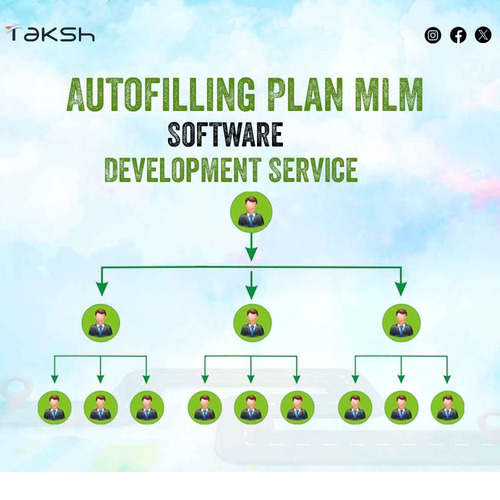
136. Do you develop MLM software?
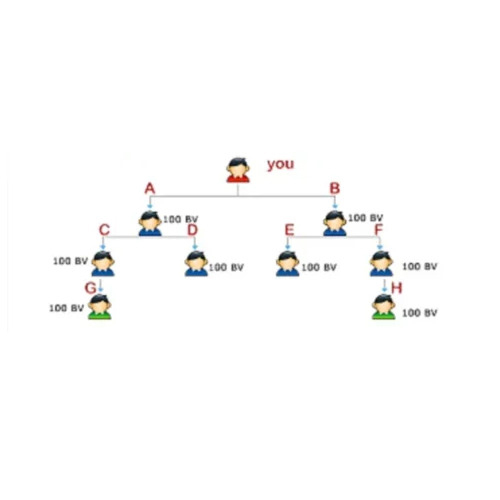
Yes. MLM software can include member registration, genealogy structures, binary, matrix, unilevel or hybrid plan calculations, product management, commission records and reports. The business model must undergo appropriate legal review.
137. Can you develop a mobile application for an existing ?
Yes. We can evaluate the 's backend and APIs and plan Android or iOS applications that connect with the existing system.
138. Do you provide application performance optimization?
We can assess performance bottlenecks and implement suitable improvements involving code, database queries, caching, assets and infrastructure within the agreed scope.
139. Can you help deploy software on our own server?
Yes. We can assist with deployment to a client's server or hosting environment, provided the infrastructure meets the application's technical requirements.
140. Do you provide backup and recovery planning?
We can configure or recommend backup and recovery workflows based on application architecture, database requirements, hosting capabilities and the agreed responsibilities.
141. Can you provide technical documentation for developed software?
Yes. Documentation may include installation instructions, API details, database information, configuration guidance and user instructions, depending on the project agreement.
142. Do you provide training after software delivery?
Training and handover sessions can be arranged according to the project scope to help administrators or users understand the application's main features.
143. Can you develop software in phases?
Yes. Suitable projects can be divided into development phases, allowing the client to prioritize essential modules and plan additional functionality separately.
144. Do you provide fixed-price software development projects?
Fixed-price development can be considered when requirements, deliverables, assumptions and exclusions are sufficiently defined and mutually agreed.
145. Can the software be customized after delivery?
Yes. Additional features, integrations and changes can be evaluated after delivery and estimated separately according to the existing architecture and new requirements.
146. How do you handle project confidentiality?
Confidentiality requirements can be addressed through mutually agreed documentation, contractual terms and appropriate access controls for project information and assets.
147. Are third-party software and API charges included in your development fees?
Not automatically. Hosting, domains, cloud services, API usage, SMS, OTP, payment gateways, premium plugins and other external charges are included only when specifically mentioned in the quotation.
148. Does Taksh IT Solutions guarantee that software will never have bugs?
No software can be guaranteed to be completely free from defects. We conduct relevant testing and address identified issues according to the agreed scope, warranty and support terms.
149. Can Taksh IT Solutions provide long-term development support?
Yes. Ongoing technical support, maintenance, upgrades and new feature development can be arranged under mutually agreed service terms.
150. Why should we discuss our software requirements with Taksh IT Solutions?
Discussing requirements with Taksh IT Solutions helps businesses evaluate suitable technologies, define project modules, understand development feasibility and plan a customized digital solution aligned with their objectives.
Connect Your Business with Technology
Taksh IT Solutions Pvt. Ltd. works to help businesses turn technology requirements into practical digital products. From custom and mobile applications to ERP platforms, SaaS products, AI automation and blockchain solutions, we focus on developing software around real business requirements.
Taksh IT Solutions Pvt. Ltd.
Head Office: Noida, Uttar Pradesh, India
Established: 2021
Business Category: Software Development and IT Services
Core Expertise: Custom Software | Web Development | Mobile Applications | SaaS | AI & Machine Learning | ERP & CRM | E-Commerce | Blockchain & Web3 | Smart Contracts | Cloud & DevOps | Cybersecurity
Business Type
Importer, Service Provider, Supplier
Employee Count
75
Establishment
2021
Working Days
To
GST NO
09AAICT3610Q1ZU
Payment Mode
Wallet & UPI, Online Payments (NEFT/RTGS/IMPS), Cheque/DD
Certification
by govt
More Products From This Seller

Seller Details


GST - 09AAICT3610Q1ZU
Noida, Uttar Pradesh
Director
Mr. Sachin Kumar
Members since
2 Years
Address
No.912A, Plot No. A-40, Sector-62, Noida, Uttar Pradesh, 201301, India
Report incorrect details