


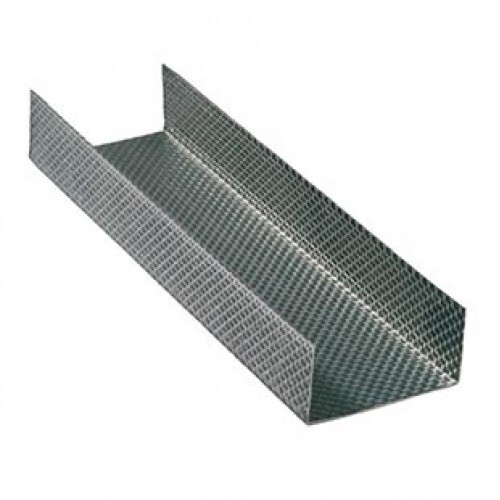
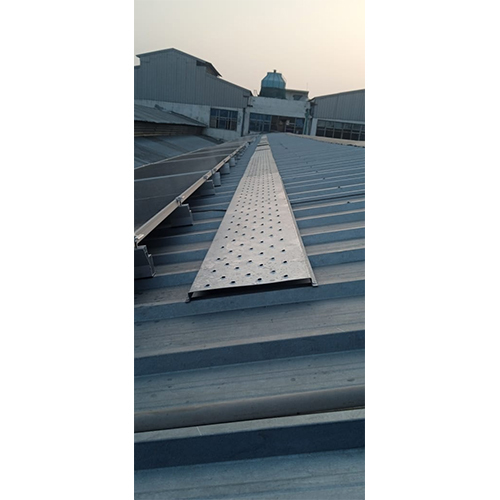
Gi Track Channel - Application: Construction
Price: 90 INR / Kilograms
Get Latest Price
Minimum Order Quantity :
1000 Kilograms
Brand Name :
Gyb Steel

In Stock
Product Specifications
| Product Type | GI TRACK CHANNEL |
| Material | GI |
| Application | Construction |
| Size | Different Sizes Available |
| Color | Silver |
| Feature | High Quality |
| Payment Terms | Cash Advance (CA), Cash in Advance (CID) |
| Supply Ability | 10000 Per Week |
| Delivery Time | 10 Days |
| Sample Available | Yes |
| Sample Policy | Sample costs shipping and taxes has to be paid by the buyer |
| Packaging Details | AS PER CUSTOMER REQUIREMENT |
Product Overview
Key Features
Here's a breakdown of the GI tract channel:
Overall Structure and Length:
The entire human GI tract is approximately 9 meters (30 feet) long in an adult at autopsy. It's shorter in a living body due to constant muscle tone.
It's divided into the upper GI tract and lower GI tract, and also into foregut, midgut, and hindgut based on embryological origin.
Main Organs of the GI Tract Channel (in order of food passage):
Mouth (Oral Cavity):
Function: Ingestion of food. Mechanical digestion begins with chewing (mastication) by teeth. Chemical digestion starts with salivary amylase breaking down carbohydrates. Saliva also moistens food for easy swallowing and lubrication.
Accessory organs: Teeth, tongue, and salivary glands (parotid, submandibular, sublingual).
Pharynx (Throat):
Function: A passageway for both food and air. It directs food from the mouth to the esophagus and prevents food from entering the trachea (windpipe) by the action of the epiglottis.
Esophagus:
Function: A muscular tube that transports food from the pharynx to the stomach through rhythmic waves of muscle contractions called peristalsis.
Stomach:
Function: Temporarily stores food and performs both mechanical and chemical breakdown. Stomach muscles churn and mix food with digestive juices (hydrochloric acid and enzymes) to form a semi-liquid mixture called chyme. Hydrochloric acid destroys most microorganisms, denatures proteins, and activates enzymes like pepsin (for protein digestion). The intrinsic factor produced in the stomach is essential for Vitamin B12 absorption.
Parts: Cardia, fundus, body, and pylorus.
Small Intestine:
Function: This is where the majority of chemical digestion and nutrient absorption occurs (about 90% of food absorption). It receives chyme from the stomach and digestive fluids from the pancreas and liver.
Length: Approximately 3-5 meters (9-16 feet) in a living person. Its internal lining has folds, villi, and microvilli, vastly increasing its surface area for absorption.
Parts:
Duodenum: The first and shortest part, it receives chyme from the stomach, bile from the gallbladder (produced by the liver), and pancreatic juice from the pancreas. Enzymes here break down proteins, carbohydrates, and fats. Bicarbonate from the pancreas neutralizes stomach acid.
Jejunum: The mid-section where the bulk of chemical digestion and absorption of sugars, amino acids, and fatty acids into the bloodstream takes place.
Ileum: The final section, primarily responsible for absorbing vitamin B12 and bile acids, as well as any remaining nutrients.
Large Intestine (Colon):
Function: Processes indigestible food material, absorbs most residual water and electrolytes, and forms feces. Bacteria in the colon further break down some remaining food products.
Length: About 1.5 meters (5 feet) long.
Parts: Cecum (with the appendix attached), ascending colon, transverse colon, descending colon, and sigmoid colon.
Rectum:
Function: The final section of the large intestine that temporarily stores feces until elimination.
Anus:
Function: The external opening at the end of the GI tract through which solid waste (feces) is expelled from the body (defecation). Controlled by sphincters.
Accessory Organs of Digestion (not part of the continuous tube but crucial for digestion):
Salivary Glands: Produce saliva to moisten food and begin carbohydrate digestion.
Liver: Produces bile, which helps emulsify (break down) fats for better digestion and absorption.
Gallbladder: Stores and concentrates bile from the liver and releases it into the small intestine.
Pancreas: Produces digestive enzymes (for carbohydrates, fats, and proteins) and bicarbonate, which neutralizes stomach acid in the small intestine.
In summary, the GI tract channel is a highly coordinated system, where each organ plays a specific role in breaking down food, absorbing essential nutrients, and eliminating waste, all working together to provide the body with the energy and building blocks it needs to function.
Company Details
Business Type
Manufacturer, Distributor, Supplier, Trading Company
Employee Count
20
Establishment
2005
Working Days
Monday To Sunday
GST NO
07AAFPB6020Q1ZQ
Related Products
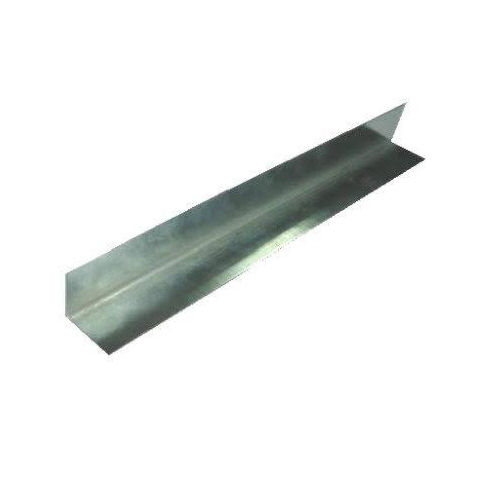
Angle GI Ceiling Channel - Stainless Steel, Customized Size | High Quality for Industrial Applications
MOQ - 100 Piece/Pieces
Gyb Steel
New Delhi, Delhi
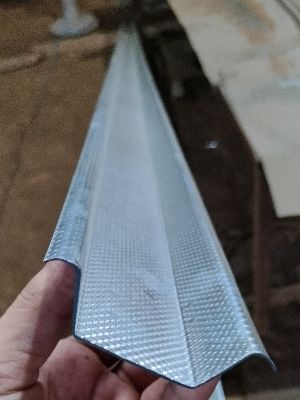

Gi Octagonal Poles - Color: White
Price: 4000 INR
MOQ - 1 Piece/Pieces
Shri Manjunatha Industries
Bengaluru, Karnataka
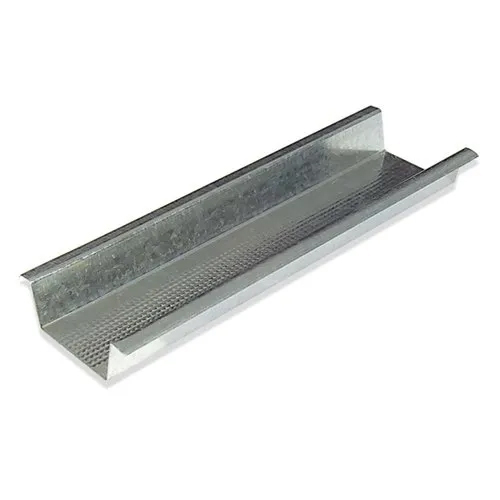
Rectangular GI Ceiling Channel - Iron, 3.5mm Size, Silver Color | Easy Installation, Ideal for Industrial Applications
Price: 99 INR
MOQ - 50 Piece/Pieces
Gayathri Roofing Systems
Hyderabad, Telangana
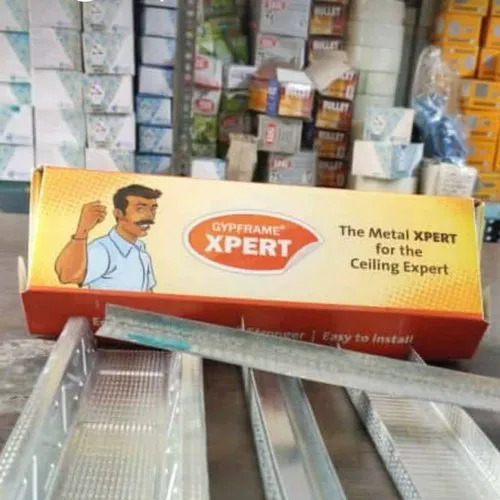
Gi Gypsum Ceiling Channel - Application: Residential & Commercial
Price: 170 INR
MOQ - 100 Piece/Pieces
Ambal Agencies
Coimbatore, Tamil Nadu

Gi Ceiling Channel - Length: 8 Foot (Ft)
Price: 87 INR
MOQ - 2000 Kilograms/Kilograms
Indian Steel Empire
Navi Mumbai, Maharashtra

Pressure Tube Frp Membrane Housing - Purifying Function: Uv Filtration
MOQ - 1 Unit/Units
Violi India
Ahmedabad, Gujarat

2Feet False Ceiling Channel - Color: Grey
Price: 88 INR
MOQ - 100 Kilograms/Kilograms
Shubham Sales Corporation
Jaipur, Rajasthan

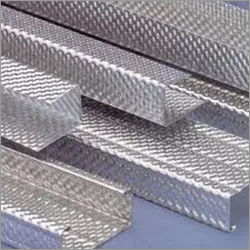
Gi Ceiling Channel Application: Construction
Price: 85 INR
MOQ - 10 Unit/Units
Metro Trading Company
Pune, Maharashtra
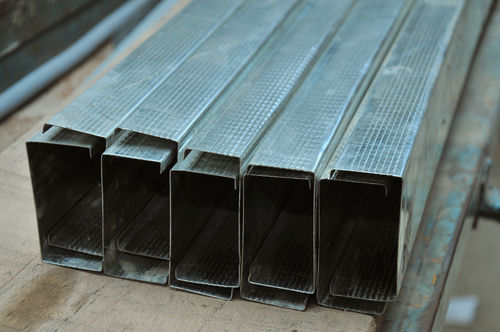
POP Main Ceiling Channel - Galvanized Steel, Various Sizes and Customizable Thickness | Smooth Surface Finish, High Rust Resistance, High Temperature Endurance
MOQ - 25 Ton/Tons
Goyal Plaster Industries
Bikaner, Rajasthan
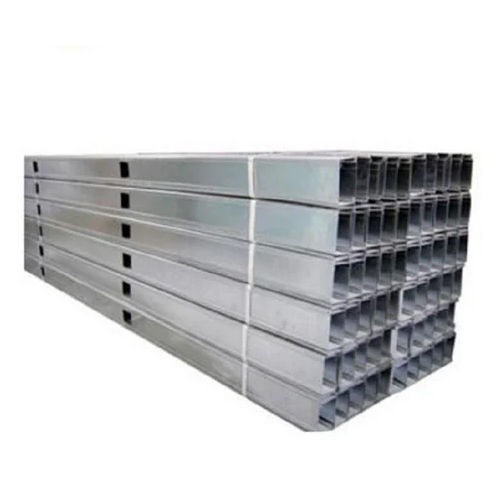
50Mm Gi Ceiling Channel - Application: Residential
Price: 123 INR
MOQ - 50 Piece/Pieces
Atdpl
Gurugram, Haryana
Explore Related Categories


More Products From This Seller
Seller Details


GST - 07AAFPB6020Q1ZQ
New Delhi, Delhi
Manufacturer
Mr. Gagan Bhatia
Members since
4 Years
Address
A-121, Swarn Park Industrial Area, Mundka, Near Rajdhani Metro Station, New Delhi, Delhi, 110041, India
gi ceiling channel in New Delhi
Report incorrect details