


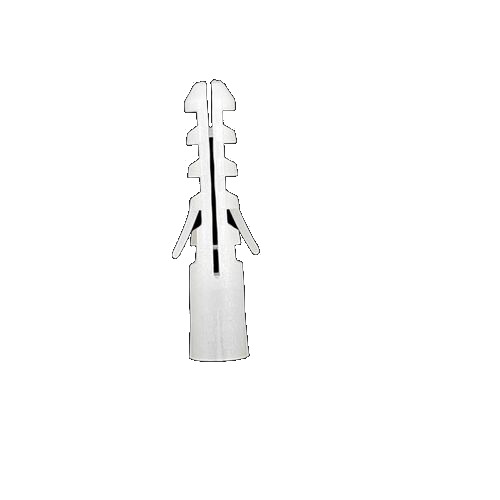
Expansion Plug
Price: 0.50 INR / Piece
Get Latest Price
Minimum Order Quantity :
10000 Piece

In Stock
Product Specifications
| Product Type | Expansion Plug |
| Application | Building Material |
| Color | White |
| Payment Terms | Cash Advance (CA), Cash in Advance (CID) |
| Supply Ability | 10000000 Per Month |
| Delivery Time | 3 Days |
| Sample Available | Yes |
| Sample Policy | Sample costs shipping and taxes has to be paid by the buyer |
| Packaging Details | Carton Box |
| Main Export Market(s) | Asia, Australia, Central America, North America, South America, Eastern Europe, Western Europe, Middle East, Africa |
| Main Domestic Market | All India, South India, Central India, West India, North India, East India, Gujarat, Karnataka, Kerala, Lakshadweep, Mizoram, Meghalaya, Manipur, Andhra Pradesh, Bihar, Chandigarh, Daman and Diu, Goa, Jharkhand, Odisha, Punjab, Assam, Delhi, Dadra and Nagar Haveli, Andaman and Nicobar Islands, Arunachal Pradesh, Chhattisgarh, Haryana, Himachal Pradesh, Jammu and Kashmir, Madhya Pradesh, Maharashtra, Nagaland, Rajasthan, Sikkim, Tamil Nadu, Telangana, Tripura, Pondicherry, Uttar Pradesh, Uttarakhand, West Bengal |
Product Overview
Key Features
Salient Features:-
Material: Typically made of PVC, nylon, or metal.
Design: Ribbed or grooved to prevent rotation when inserting screws.
Sizes: Available in various lengths and diameters for different screw sizes and load requirements.
Applications: Used in construction, furniture installation, and DIY projects for hanging items like shelves, mirrors, and curtain rods.
FAQs about Expansion Plugs
1. What are expansion plugs used for?
Expansion plugs are used to secure screws or bolts in materials such as drywall, concrete, brick, or plaster. They prevent screws from loosening or pulling out by creating a firm grip.
2. How do expansion plugs work?
When a screw is inserted into the plug, it forces the plug to expand. This expansion creates friction and tension against the wall or material, securely holding the screw in place.
3. Are expansion plugs suitable for heavy loads?
Yes, but the load capacity depends on the type of plug, its size, and the material it is installed in. Heavy-duty plugs or anchors are recommended for heavier loads.
4. How do I choose the right expansion plug?
Consider the following:
Material of the wall (e.g., drywall, concrete, or brick).
Weight of the item being mounted.
Screw size to ensure a snug fit.
5. Do I need a specific drill size for expansion plugs?
Yes, match the drill bit size to the diameter of the expansion plug for a snug fit. Most plugs have markings or instructions indicating the required drill size.
6. Can I reuse expansion plugs?
Typically, expansion plugs are not reusable because they deform when the screw is removed, reducing their effectiveness.
7. Are expansion plugs weather-resistant?
Many plugs, especially nylon ones, are weather-resistant and can be used outdoors. PVC plugs may degrade over time when exposed to extreme temperatures or UV light.
8. What is the difference between expansion plugs and wall anchors?
Wall anchors are a broader category that includes various types of anchors, such as expansion plugs, toggle bolts, and sleeve anchors. Expansion plugs specifically refer to anchors that expand when a screw is inserted.
9. Can expansion plugs be used in hollow walls?
Standard expansion plugs are not ideal for hollow walls, as they require solid material to expand against. For hollow walls, specialized anchors like toggle bolts or hollow wall anchors are better options.
10. How do I remove an expansion plug?
You can try the following:
Unscrew the screw and pull the plug out with pliers.
Drill into the plug to break it apart.
Push it deeper into the wall cavity if removal isn't possible.
Company Details
Business Type
Exporter, Manufacturer, Distributor, Supplier, Trading Company, Wholesaler, Retailer, Dealer
Employee Count
22
Establishment
2014
Working Days
Monday To Sunday
GST NO
27AWMPM8943Q1ZD
Related Products
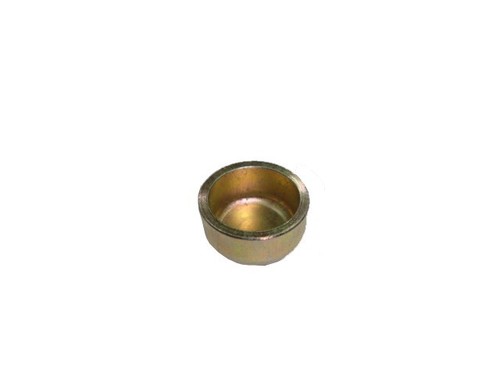
Metal Plug Expansion For Cyliner Block 10Pcs.
MOQ - 100 Piece/Pieces
Automount Industries Llp
Palghar, Maharashtra
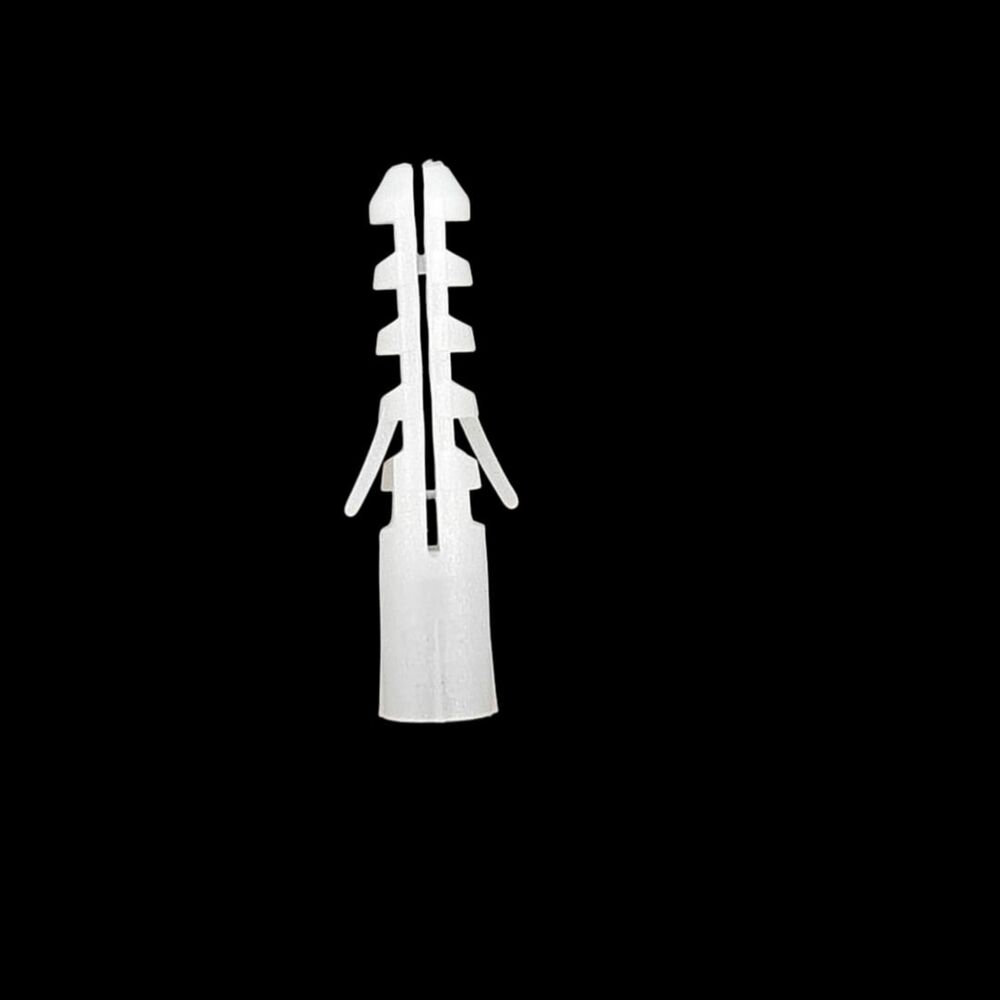
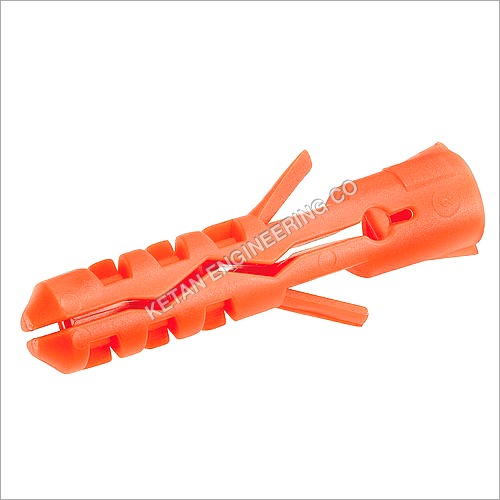
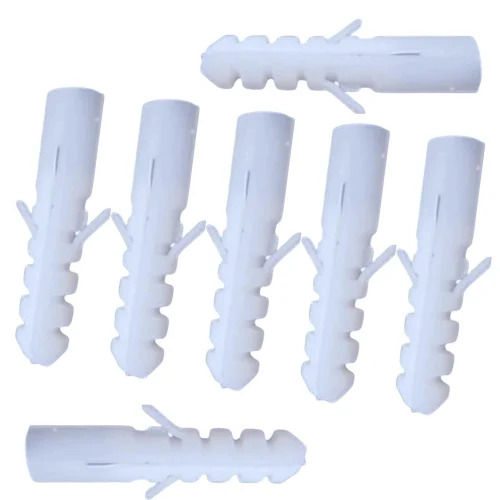
Plastic Wall Plug
Price: 0.15 INR
MOQ - 1000 Piece/Pieces
Indet Concrete Techniq Private Limited
Mumbai, Maharashtra
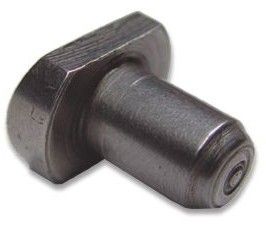
Metal Plug Expansion For Rocker Lever
MOQ - 100 Piece/Pieces
Automount Industries Llp
Palghar, Maharashtra
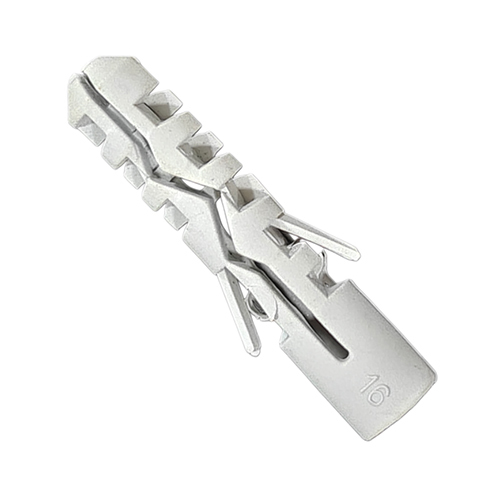
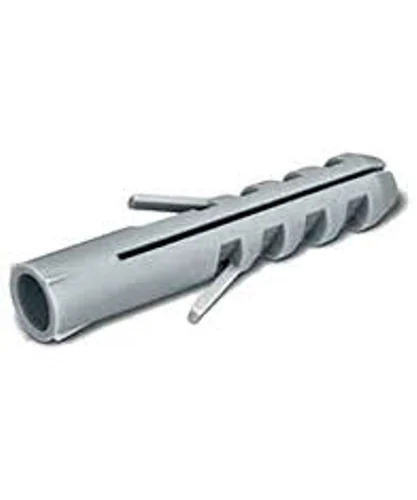
80X16Mm Plastic Wall Plug - Color: As Per Availability
Price: 47 INR
MOQ - 100 Piece/Pieces
Balaji Sales Corporation
Palghar, Maharashtra
Explore Related Categories


More Products From This Seller





Seller Details


GST - 27AWMPM8943Q1ZD
 TrustedSeller
Palghar, Maharashtra
Partner
Mr Madan Lal Mewada
Members since
2 Years
Address
Plot No 21/1, Bajrang Nagar, Kolhi Village, Naigaon East, Near Chinchoti Phata, Dist., Palghar, Maharashtra, 401208, India
Report incorrect details