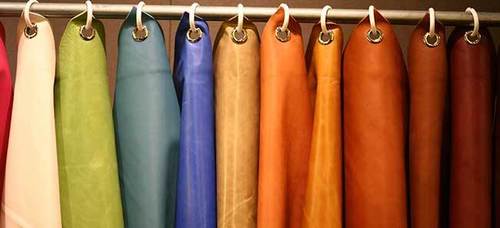


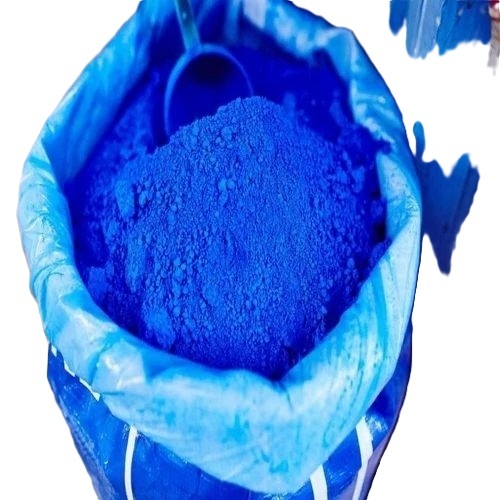
Aluminium Dyes
Get Latest Price

In Stock
Product Specifications
| Material | Aluminum |
| Dye type | Acid dyes |
| Application | Anodized Aluminum |
| PH range | 5.0-5.5 |
| Solubility | Water soluble |
| Packaging | Powder |
| Concentration | X gm/litre |
| Features | Vibrant colors, Durable finish, Easy application, Excellent fastness, Wide color range, Cost effective, Level dyeing |
Product Overview
Key Features
Aluminium Dyes
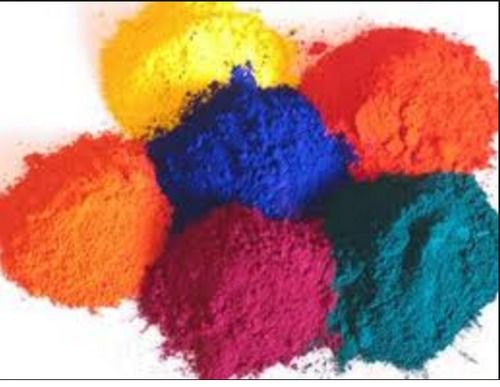
Colorants Chem Pvt Ltd is the manufacturer & formulator of Aluminium dyes. We are als supplier of variant dyes. Details of our Aluminium dye is as below
Colorants Dyestuff for dyeing anodized Aluminium.
Colorants Aluminium dyestuffs are designed for dyeing anodized Aluminium and some of its alloys. The procedure consists in producing artificially on the metal surface of porous oxide coating of suitable thickness and bath dyeing of this coating in solution of dyes. Dyestuffs assure level dyeing of the anode coatings and give dyeing with good or very good fastnesses. The pretreatment of metal surface consist of common operations, such as:
- Mechanical working
- Degreasing with Solvents or emulsion
- Chemical or electrolytic cleaning
- Brightening of metal surface
- Chemical or electrolytic polishing
- Removing of the unsuitable oxide coat
Anodic Oxidation
Most suitable for dyeing with dyestuffs are films obtained by anodic oxidation of the metal surface under the following condition:
Pretreatments
Degreasing Etching
Anodizing
| Electrolyte | 20% wt. Sulphuric Acid with specific gravity of 1.14. |
| Temperature | 18-20 C. |
| Current Potential | Direct current with a density of 1.5 A/sq.dcm and voltage 14-17 V. |
| Time of Anodizing | 15-45 Minute. |
| Film Thickness | Ca.20 um |
Note: the anodized surfaces should be protected from contamination and the more so from greases, as otherwise unlevel dyeing may be obtained.
Dyeing
The anodized metal required an Acid treatment in such a way. Put the anodized metal in a tank containing 10% Nitric Acid for 10-15 second. Then rinsed the panel thoroughly in running cold water to remove Nitric Acid.
Setting of the dye bath
The best results are obtained when dyeing in dye solutions directly after, anodic oxidation. The weighted out portion of the dyestuff is pasted with small amount of cold water, diluted with boiling distilled or softened water (condensate may be used, provided it is free from oil or grease). The solution is filtered and diluted in the bath to required volume. It is recommended to maintain the temperature precisely in the range characteristic of the particular dyestuff, only exceptionally, when the dyestuff is absorbed too quickly from the bath giving unlevel dyeing, the temperature may be raised above 60 C. the volume of the is adjusted so as to provide 300-500 ml of dyestuff solutions per 1 sq.dcm of the stained surface. (We recommend to dissolve the dyestuff in de mineralized water. Tap water is suitable as well but the bath stability can be reduced, however.) The powder dyestuff should be completely dissolved before addition to the bath. It is best to paste it with some of hot water, stirring constantly until a homogeneous paste free from lumps is formed and then to add more hot water with continued stirring so that the paste goes slowly in to the solution.)
- Colorants Aluminium Dye X gm/litre.
- Sodium acetate 8 gm/litre.
- Acetic Acid 0.4 ml/litre. (pH 5.0-5.5)
pH of the Dye Bath
The optimum value for dyeing and stabilization of the dye bath is ph 4.5-5.0. The life of the dye bath is shortened by pH values beyond the tolerance region of 4.0-4.8 owing to accumulation of Aluminium or ageing. Moreover lower pH values encourage bronzing of the dyeing.
Dyeing Temperature
The optimum temperature for build-up of the dyestuff is 55-60 C. At the lower temperature e.g. room temperature; a smaller amount of dyestuff is adsorbed in the anodic coating in constant dyeing time. Dyeing produced at lower temperature are easier to strip, but they bleed rather more heavily in the sealing solution.
Dyeing Time
The dyeing process is carried on for 15-20 minute at 55-60 C. in the bath continuously agitated. Under the normal anodizing and dyeing condition, i.e.
| Coating thickness | 12-15 qm |
| Dyeing temperature | 60 C |
| PH | 4.5-5.0 |
| Dyeing concentration | 5-10 gms/litre. |
The saturation limit is very nearly reached after dyeing for 20 min. Longer dyeing times do not result in any significant increase in the intensity.
Sealing
The stained anodic coating must always be sealed. This procedure increases the resistance of these coating to corrosion, and improves the wet fastnesses of the dyeing. However there are two method of sealing is generally in practice. e.g.
| Sealing in Boiling Water |
|
| Temperature | Boiling |
| Time | 45 Minute |
| Medium | water with 5 gms/liter sealing salt |
Sealing in Nickle Base
| Coloseal | 5.0 gms/litre |
| PH | 6.0 |
| Temp. | 10 Minute |
Final seal in hot water at pH 5.5 for 5 minute.
Company Details
Focusing on a customer-centric approach, COLORANTS CHEM PVT. LTD. has a pan-India presence and caters to a huge consumer base throughout the country. Buy Dyes in bulk from COLORANTS CHEM PVT. LTD. at Trade India quality-assured products.
Business Type
Exporter, Manufacturer, Supplier
Employee Count
5
Establishment
2001
Working Days
Monday To Sunday
GST NO
27AAFCC0233R1ZH
Related Products

Industrial Dyes - Modern Technology Driven Solutions | Prompt and Safe Delivery, Wide Product Range
Megha International
Mumbai, Maharashtra

Solvent Yellow 160 Application: Industrial
Price: 500.00 INR
MOQ - 1 Kilograms/Kilograms
S D International
Mumbai, Maharashtra
Industrial Sublimation Printer - Automatic Grade: Automatic
MOQ - 1 Piece/Pieces
Jet Cartridge India Private Limited
Mumbai, Maharashtra
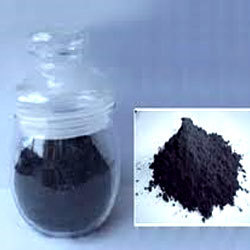
Black Dyes - Technical Grade Powder, Dark Brown Solid Appearance, Melting Point 1554°C, Designed for Catalytic Hydrogenations in Organic Synthesis
Price: 190 INR
MOQ - 1 Gram/Grams
Indian Platinum Private Limited
Mumbai, Maharashtra

Brown 287-L Dye - Synthetic Microfine Powder, Rich Brown, 25 kg HDPE Bag | High Strength, Excellent Fabric Affinity, Good Fastness
Kevin India Co
Mumbai, Maharashtra
High Grade Textile Dyes - Grade: Industrial
MOQ - 100 Kilograms/Kilograms
Brilliant Colors
Mumbai, Maharashtra
Industrial Acid Dyes - High Concentration, Versatile Color Spectrum for Textile and Leather Applications
Price: 50-600000 INR
MOQ - 10 Kilograms/Kilograms
Khatau Valabhdas And Co.
Mumbai, Maharashtra
Red Reactive Dye Powder - 100% Purity | Industrial Application, Premium Quality
MOQ - 100 Kilograms/Kilograms
Popular Enterprises
Mumbai, Maharashtra
Industrial Dye Intermediates Powder - 100% Purity, Industrial Grade | Timely Delivery, Long Shelf Life, Excellent Properties, Properly Packed
Price: 400 INR
MOQ - 50 Kilograms/Kilograms
Kankai Exports India
Mumbai, Maharashtra
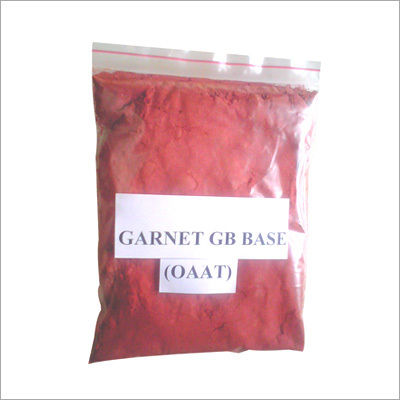
Dye Intermediates - High Purity Chemical Compounds | Non-Toxic, Long Shelf Life, Highly Effective
Parco Pharmaceuticals And Chemicals
Pune, Maharashtra
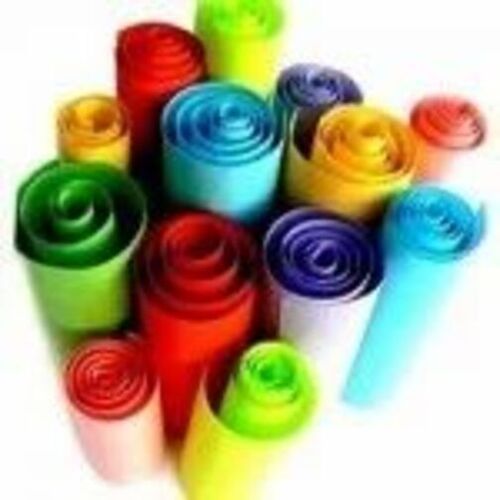
Multi Color Basic Dyes For Multiple Industries Use - Multi Color, Textile Dyestuffs | Industrial, Textile Application
MOQ - 300 Kilograms/Kilograms
Pranav Enterprise
Mumbai, Maharashtra
Explore Related Categories


More Products From This Seller



Seller Details

GST - 27AAFCC0233R1ZH
 Rating
Vasai, Maharashtra
Director
Mr. Gajendradeo M. Pandey
Address
107, Kahan Prerana, Inside Rajprabha Industrial Estate, Golani Complex, Waliv Road, Vasai (E), Vasai, Maharashtra, 401208, India
industrial dyes in Vasai
Report incorrect details