

Pan Masala
(533 products)


Finest Gulkand
Price: 80 INR/Kilograms
MOQ100 Kilograms/Kilograms
Product DescriptionUnder the assistance of our professionals, we are engaged in manufacturing, exporting and supplying a wide spread of Gulkand in Kannauj, Uttar Pradesh, India. Our offered Gulkand is prepared using supreme quality raw gulkand and latest processing machine. We provide this range of Gulkanda at very re
Shubham Natural Fragrances
Kannauj
 Trusted Seller
 Premium Seller
17 Years
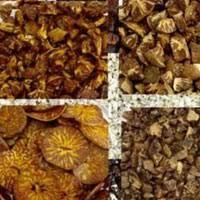
Premium Sweet Supari Compound
Payment TermsCash Against Delivery (CAD), Cheque, Others, Telegraphic Transfer (T/T), Cash in Advance (CID)
Delivery Time1 Week
Sample PolicyContact us for information regarding our sample policy
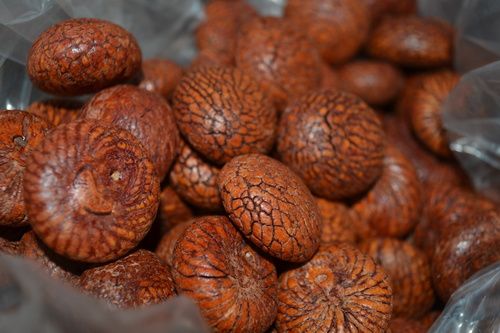
Coloured A7 Barda
Product DescriptionOur range of Coloured A7 Barda is pure Yellapur Barda available in Different Sizes VIZ : A11, A9,A8 and A7. These are Pure handpicked best quality Yellapur Barda Coloured with Areca nut Boiled Water and food colours
Shri Ganesh Prasad Traders
Yellapur
15 Years
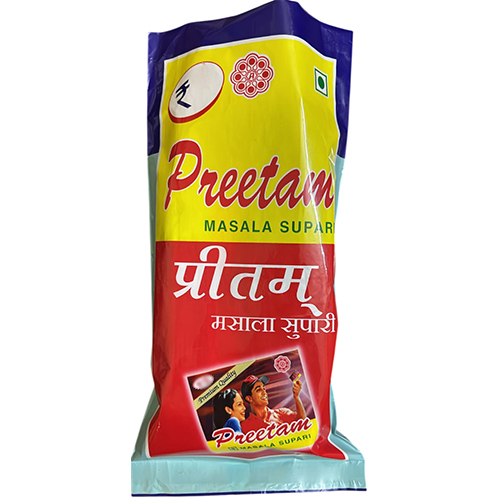
Masala Supari - Ingredients: Betel Nut (Supari)
MOQ100 Kilograms/Kilograms
FormSolid/Granules
Storage InstructionsStore in cool, dry place away from direct sunlight
Preserving CompoundLess than 0.1% permitted preservative (INS 211)
IngredientsBetel nut (supari), sugar, saccharin, menthol, spices, edible starch, permitted flavors
StyleDried
Drying ProcessSun dried
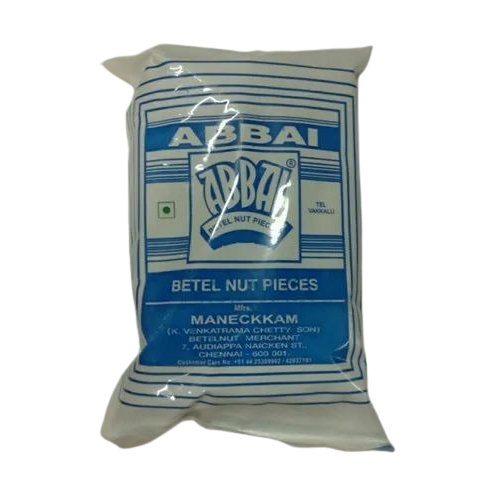
Abbai Supari - Flavor: Sweet / Cardamom / Mint / Rose / Meetha Pan
Price: 1600 INR/Kilograms
MOQ50 Kilograms/Kilograms
FormSoft / Semi-soft / Moist
Storage InstructionsStore in a cool, dry place away from sunlight and moisture
StyleFlavored / Mouth Freshener
Drying ProcessSun-dried / Air-dried / Dehydrated
FlavorSweet / Cardamom / Mint / Rose / Meetha Pan
TasteSweet & Refreshing
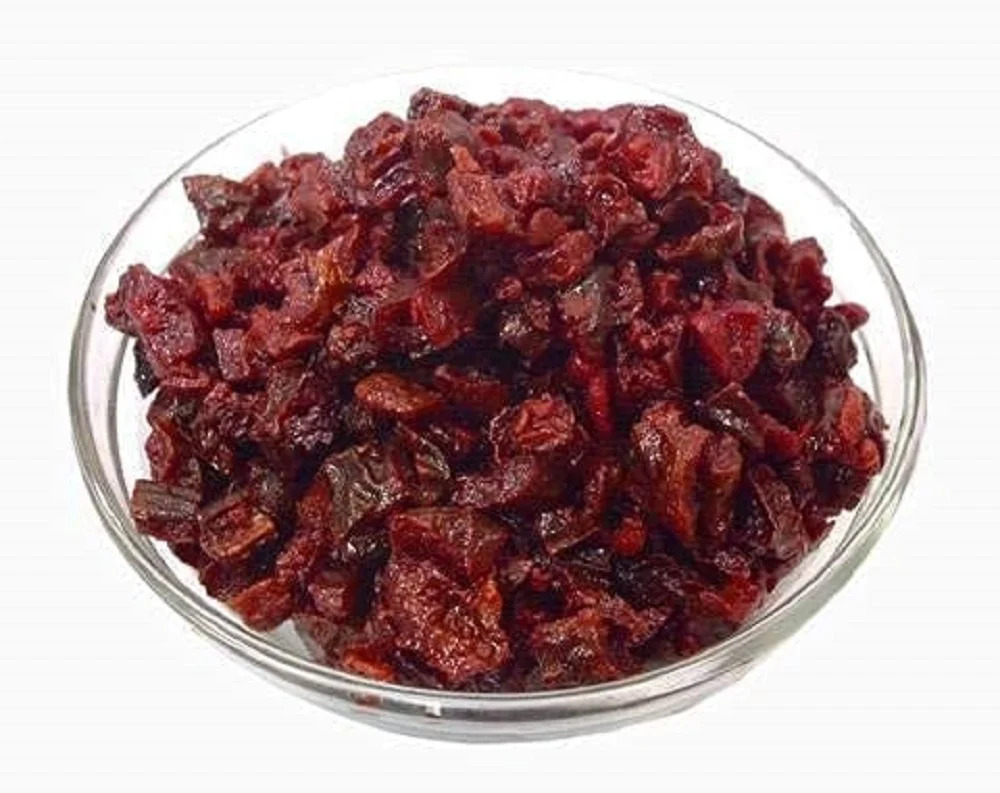
1kg Khajur Sweet Supari
Price: 150 INR/Pack
MOQ40 Pack/Packs
Preserving CompoundNatural preservatives
FormGranules
Storage InstructionsStore in a cool, dry place
IngredientsSupari, Khajur, Sugar
StyleTraditional
Drying ProcessAir dried
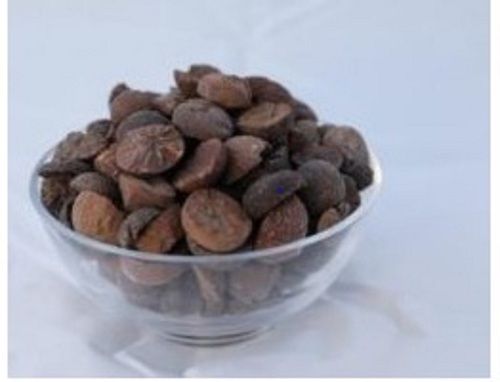
Pack Of 1 Kg Solid Form Natural Food Grade Brown Colour Supari
Price: 190 INR/Kilograms
MOQ10 Ton/Tons
Payment TermsCash on Delivery (COD), Telegraphic Transfer (T/T)
Supply Ability10000 Per Week
Delivery Time2 Days

Scented Red Supari
Product DescriptionWe are one of the leading provider of various types of scented red supari. These product are made of fine quality ingredients. These product are very famous amongst our client's. We offer our product at a very competitive market rates. Customer can buy these things as per their need
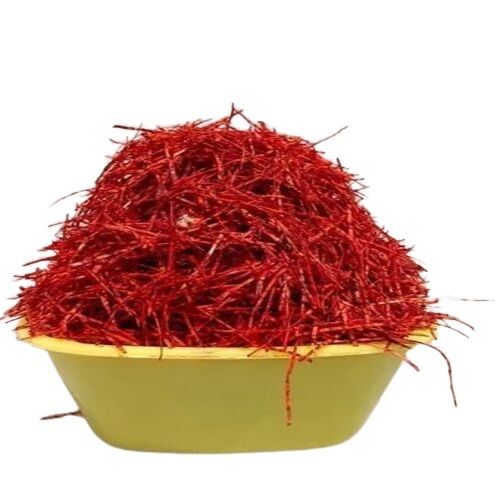
Fresh and Refreshing Sweet Minaxi Lachha Supari
Price: 480 INR/Kilograms
MOQ25 Kilograms/Kilograms
Supply Ability5000 Per Week
Delivery Time1 Week
Sample PolicyContact us for information regarding our sample policy

Shahi And Sunny Sweet Supari
Product DescriptionWe are offering our clients Shahi And Sunny Sweet Supari. This Shahi and Suuny Sweet Supari is sweet betel nut which has unique flavor and taste which give freshness feeling. Clients can avail these Shahi And Sunny Sweet Suparis at affordable prices with us
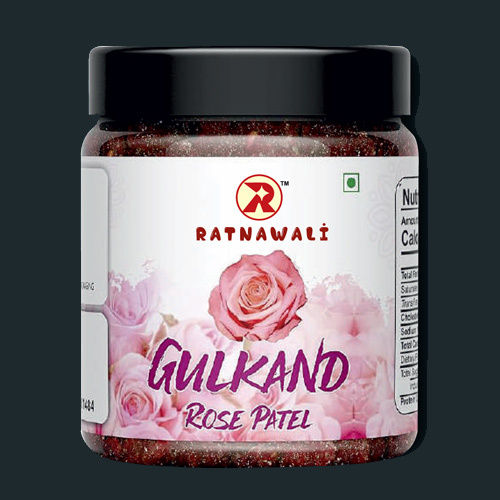
Gulkand Rose Patel
Price: 110 INR/Pack
MOQ100 Pack/Packs
IngredientsRose Petals, Sugar, Honey
Storage InstructionsStore in a cool and dry place
FormPaste
Preserving CompoundSugar Syrup
StylePreserved
Drying ProcessSun Dried
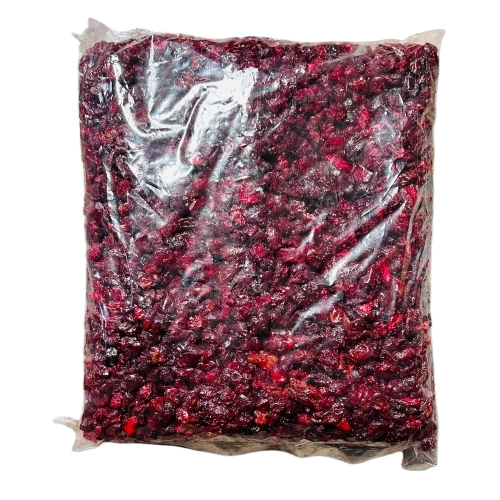
Khajoor Supari - Sweet Taste, Bag Pack | Natural Ingredients, Fresh Taste, Hygienically Packed, Long Shelf-Life
Price: 160 INR/Kilograms
MOQ400 Kilograms/Kilograms
TasteSweet
ShapeBag
Pack TypePack
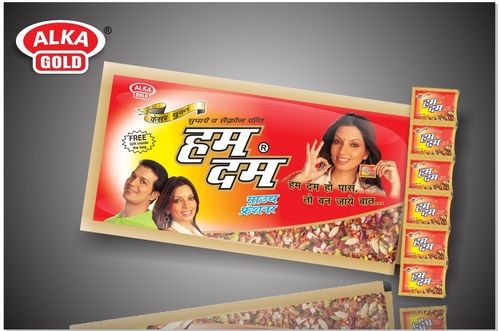
Humdum Outer Pouch
Product DescriptionWe offer high and fine quality Humdum Outer Pouch to our most reliable customers which are situated all round the nation. These Humdum Outer Pouch are available at market leading prices.\015\012

Calcutta Tukda Supari
Price: 750 INR/Kilograms
MOQ20 Kilograms/Kilograms
IngredientsBetel Nuts
TasteSweet
Shelf Life6 Months
Pack TypeLoose
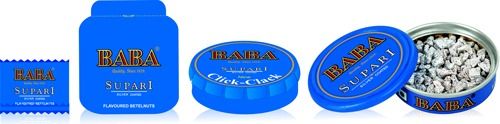
BABA Supari
Payment TermsCash Against Delivery (CAD), Cash Advance (CA)
Supply AbilityOn Order Per Week
Delivery Time01 Week

Betel Nut - Brown, Roundish Shape, Varying Size | Pure, Fibrous Texture, Astringent Taste
Product DescriptionBacked a team of hardworking professionals, we have been able to export, trade, distribute and supply a supreme quality of Betel Nut in Ahmedabad, Gujarat, India. In traditionalism with the varying longings of our supporters, these gave nuts are readied brilliance. Aside from this, this assortment
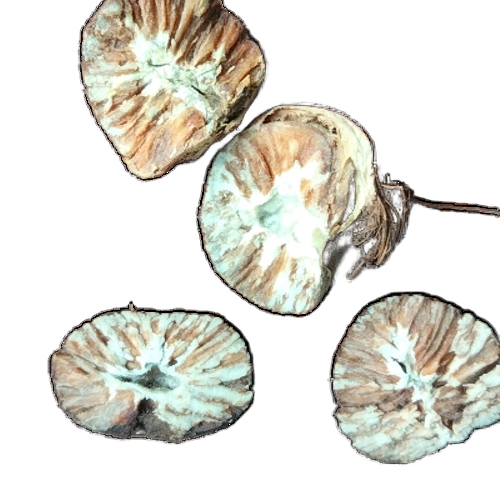
Gota Supari - Color: Brown
Price: 300 INR/Kilograms
MOQ100 Kilograms/Kilograms
Storage InstructionsRoom temperature
Product Type969 N Gota Supari
Cultivation TypeCommon
VarietyOther, Gota / 969 N Grade
StyleDried
ColorBrown
Agro Food's International Export & Import
Kolkata
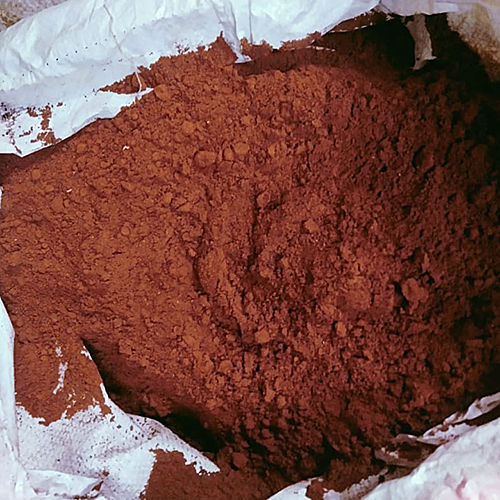
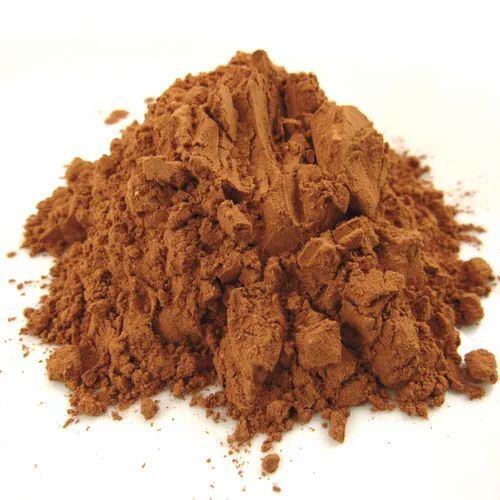
Supari Dust Powder
MOQ100 Kilograms/Kilograms
Payment TermsCash on Delivery (COD)
Supply Ability5000 Per Month
Delivery Time10 Days
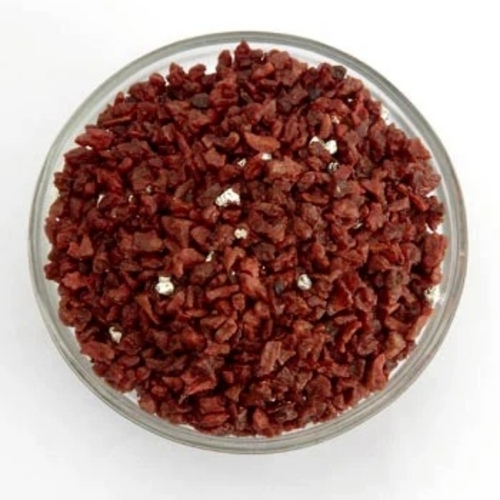
Sweet Supari
Price: 900 INR/Kilograms
MOQ60 Kilograms/Kilograms
FormSolid
Storage InstructionsRoom Tempreture
FlavorSweet
ShapePiece
PackagingPouch
Pack Size1 Kg
Natural Consumer Care Marketing Pvt. Ltd.
Jaipur
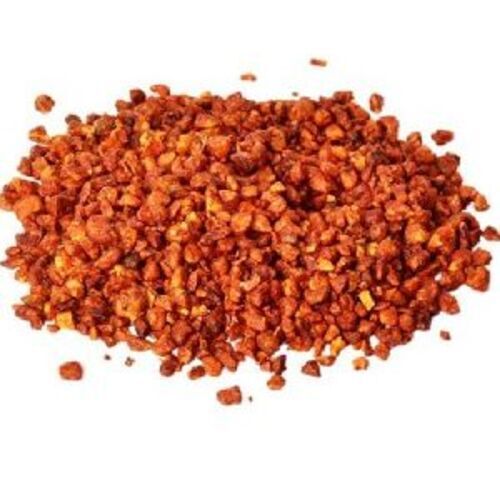
Sweet Supari Feature Excellent Aroma
Price: 150 INR/Kilograms
MOQ110 Kilograms/Kilograms
Product Typemakhana
Cultivation TypeOrganic
StyleFresh
ColorBrown
Flavorbrown
Moisture (%)no
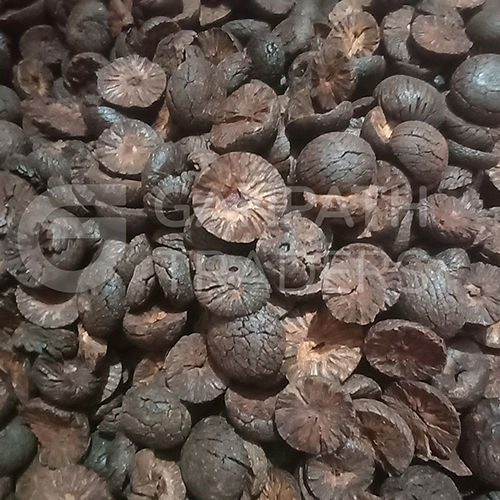
Red Boiled Split Supari
Price: 540 INR/Kilograms
MOQ100 Kilograms/Kilograms
Payment TermsCash Advance (CA)
Supply Ability5000 Per Month
Delivery Time10 Days
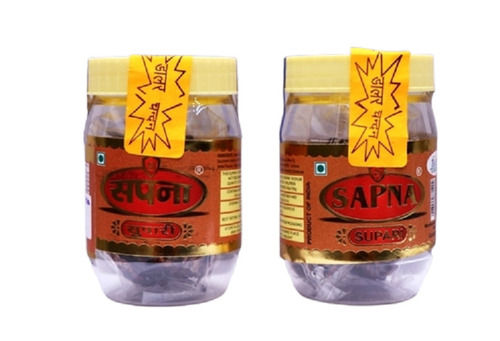
99.9% Pure A Grade Sapna Scented Supari - Brown Color, Jar Packaging | Mouth Freshening After Meals, Premium Quality, Ideal for Shops
Price: 8000 INR/Kilograms
MOQ30 Kilograms/Kilograms
Payment TermsCash in Advance (CID), Cheque, Telegraphic Transfer (T/T)
Supply Ability100 Per Week
Delivery Time7 Days

Supari - Raw, Dry, Cut or Whole | Light Brown, Bulk Option, High Quality, Natural Flavor, Cultural Use, Rich Texture
Price: 350000 INR/Metric Ton
MOQ1 Metric Ton
Payment TermsCash Advance (CA), Cash in Advance (CID), Cheque
Supply Ability35 Per Week
Delivery Time6 Days

Organic Supari For Mouth Freshener(Gluten Free And Anti Cavity Effect)
Price: 260 INR/Kilograms
MOQ38 Kilograms/Kilograms, Kilograms/Kilograms
Payment TermsCash on Delivery (COD), Cash Against Delivery (CAD), Cash in Advance (CID), Cheque, Cash Advance (CA)
Delivery Time4-10 Days
Main Export Market(s)Asia
Ovica's Health Genious Research Private Limited
Ahmedabad
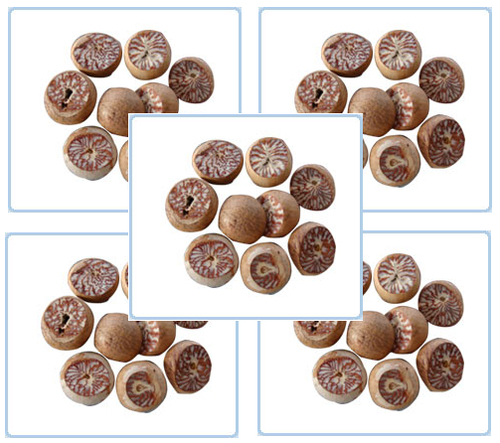
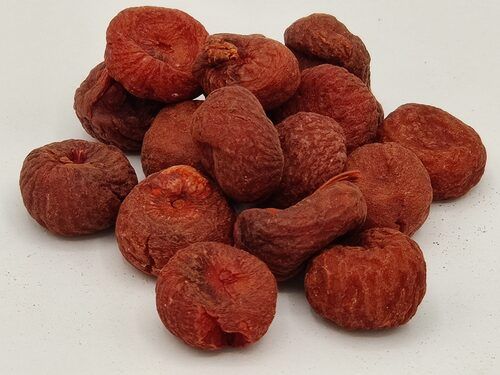
Red Supari Packaging: Box
Price: 350 INR/Kilograms
MOQ45 Kilograms/Kilograms
Product TypeRed Supari
StyleDried
ShapeOther, Piece
FormSolid
TextureSoft
TasteSalty
Latest From Pan Masala
Pan Masala Red Kattha Powder
By:
Ravi Pan Masala
Pan Masala
By:
Shubham
Pan Masala
By:
Key Pee & Company
Green Pan Masala
By:
Prabhat Zarda Factory (india) Pvt. Ltd.
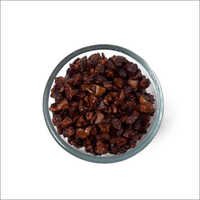
Pan Masala
By:
A-one Products
Pan Masala
By:
Viknite International
Popular Pan Masala
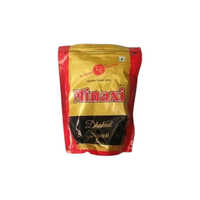
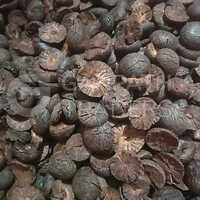
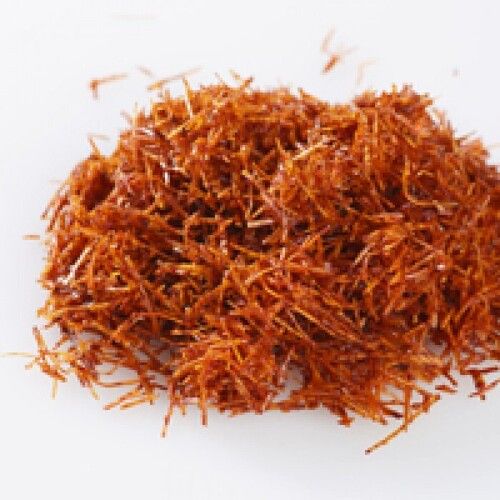
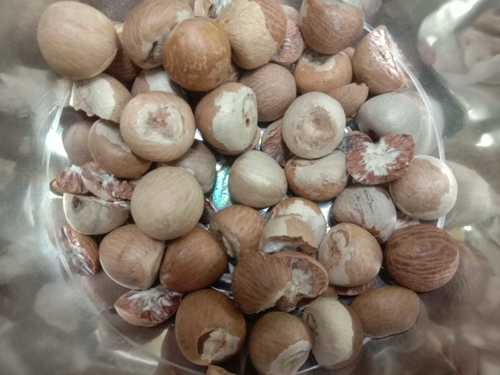
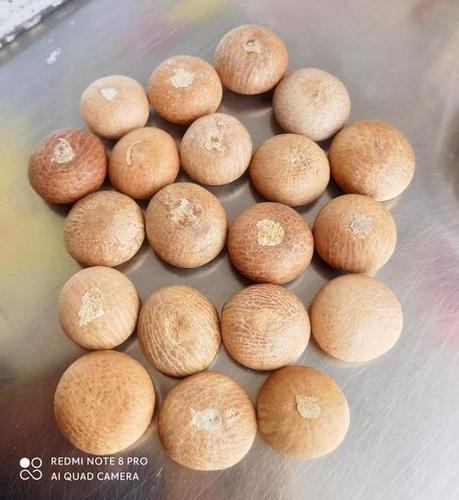
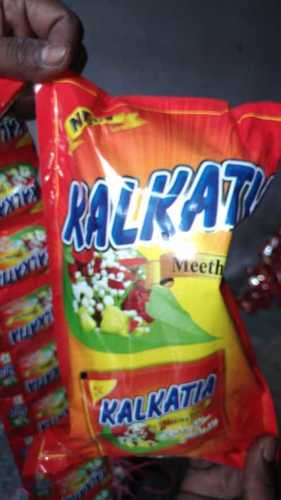
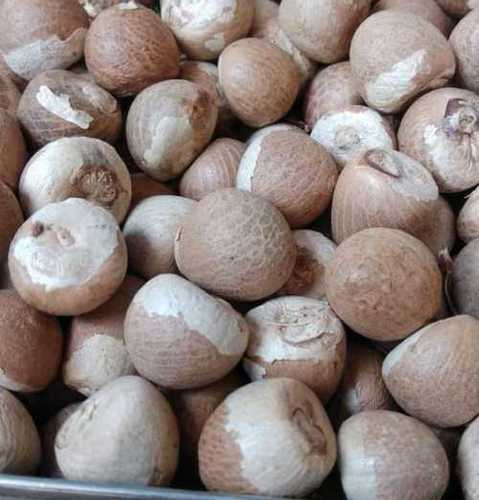
What is Paan Masala?
Pan Masala is a balanced mixture of betel leaf with lime, areca nut, clove, cardamom, mint, tobacco, essence and other ingredients. It is an agricultural product with herbal properties, also available in hygienic pack and pouches. It acts as a mouth freshener and unlike other Western synthetic pan masala made with chemical and petroleum ingredients, the Indian pan masala is safe. But excessive use may have adverse effect.  Available in brands in India like 'Raj Darbar', 'Paan Bahar', 'Goga', 'Rajnigandha', 'Tulsi', the paan masala is consumed by all age groups and social classes.
Most people across the world eat some mouth freshener after their meal or during leisure time. In the western countries, chewing gum is the common practice whereas in the Asian sub continent paan or paan masala is consumed. Today readymade packets of paan masala are available in western countries too.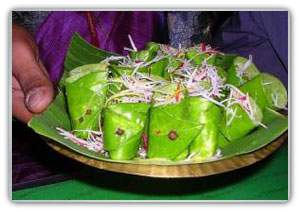 Active Compounds in Paan Masala
The active chemical compounds of betel nut are alkaloids called arecaine and arecoline, arecaidine, arecolidine, guracine (guacine), guvacoline, etc. which are comparable to nicotine due to their stimulating and mildly intoxicating characteristics.
What is Paan?
Paan is a type of Indian snack, which consists of fillings of areca nut and pan masala, wrapped in a triangular package using betel leaf that is held together with a toothpick or a clove. It is chewed as a palate cleanser and a breath freshener usually taken after meal and during leisure hours. Paan is available in different flavours, viz. tobacco (tambaku paan), betel nut (paan supari or sada paan), sweet (meetha paan), etc.
Origin
Paan chewing is a tradition which dates back to thousands of years. Scholars of Ayurveda first experimented paan on rats, and found that it was good for digestion. Later, they advocated its use as one of the best means of digestion. Lord Krishna, as mentioned in Shrimad Bhagavatam chewed paan that verifies the existence of paan in India some 5000 years ago.
Noorjahan of the Mughal dynasty started the chewing of paan as a tradition. In olden days, women used natural elements to adorn their personality. Queen Noorjahan discovered that by adding some particular ingredients to the paan and eating it gives a fantastic natural red color to the lips. Hence, other than relishing its taste and using it as a mouth freshener, the paan was chewed and eaten by women for reddening the lips, an alternative to the modern day 'lipstick'.
What is Masala?
The term 'masala' refers to the spicy ingredients which one uses as a mixture in cooking, chewing of betel nuts, etc. In paan, the fillings of the masala enhances the taste and flavour, heightening the chewing effect. Paan without paan masala seems tasteless, hence paan and masala are interdependent terms.
The Paan Culture
Paan is consumed by an estimated 200-400 million people, mainly Indo-Asians and Chinese. India is the largest consumer of betel nut, or what we call the paan in the world. The culture of paan eating rose to the zenith in North India as a mark of cultural custom and sophistication, especially in Lucknow and the North-east.
The traditional way of paan making, storing and serving draws much attention and awe in the eyes of the beholder. The paan leaves (of a creeper plant) are stored and wrapped in a moist, red colored cloth called 'shaal-baaf', inside a silver or other metal casket called, 'Paan Daan'. The Paan Daan has several compartments with lids built in it, each for storing a different filling or for storing the masala. To serve, a leaf is removed from the wrapping cloth, de-veined, and kattha and choona paste is applied on its surface. This is topped with tiny pieces of betel nuts and paan masala as per a person's taste. The leaf is then folded in a triangular form ready to be eaten. On special occasions, the final serving is wrapped in delicate silver leaf, inserted with a silver pin or toothpick to prevent it from unfolding. Many a paan eater do not swallow the paan; they chew it enjoying its flavours and then spit it into a spittoon.
One point is to be noted here that dried areca nuts sliced into tiny pieces are served, but in Assam, Meghalaya and other regions of the North-east, most of the people chew the raw nut along with betel leaf topped with tobacco and lime.
In Assam, it is a tradition to offer paan known as 'tamul paan' (betel leaves and raw betel nut) to guests after tea or meals in a brass plate with stand called 'bota'. A betel nut in Assam is considered as a symbol of fertility, which is used during religious and marriage ceremonies. It is also a tradition, especially in Upper Assam to invite guests to wedding receptions by offering a few betel nuts with leaves. During Bihu, the dance troupe called 'husori players' who exhibit their art from door to door are offered betel nuts and leaves by each household to seek their blessings.
In Myanmar, paan is termed as 'kun-ya', which is a part of entertaining guests in the household. It is offered to visitors, both men and women together with cheroots to smoke and green tea to drink. In Burma, the nut is called taungoo, and the paan here is deemed an essential item to be offered to monks and elders particularly in their old ages.
In most of the Hindu religious traditions, the raw areca nut along with the betel leaf is offered to the deity as an offering. The betel leaves and areca juices are used ceremonially in Vietnamese weddings. Other than being used as a mouth freshener and after meals, the paan is also served to guests during ceremonies such as weddings, receptions, etc.
Thus, the areca nut and paan leaf, the most important ingredients of paan, have varied regional, religion and cultural significance.
Medicinal Uses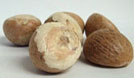
The betel nut in powdered form without the mixture of the masala is used as a constituent in some tooth powders. It is also used for the removal of tapeworms and other intestinal parasites by swallowing a few teaspoons, or by taking as tablets containing the extracted alkaloids.
Status Symbol
Today, paan as well as paan masala stands as a symbol of status and distinction.
Manufacturers & Suppliers of Pan Masala
Company Name | Member Since |
|---|---|
Meena Perfumery Kannauj, India | 18 Years |
Shubham Natural Fragrances Kannauj, India | 17 Years |
Shri Ganesh Prasad Traders Yellapur, India | 15 Years |
Sardar Supari Bhandar Jodhpur, India | 2 Years |
M.S.Arakeri Ranibennur, India | 1 Years |
Rajan Supari Center Indore, India | 1 Years |
Ashoka Agro International Delhi, India | 1 Years |




© 1999-2026 Infocom Network Private Limited. All rights reserved.