

Plastics & Products
Plastic Products

Dust Cover

DC SOCKET COVER
Price:1 INR /Piece
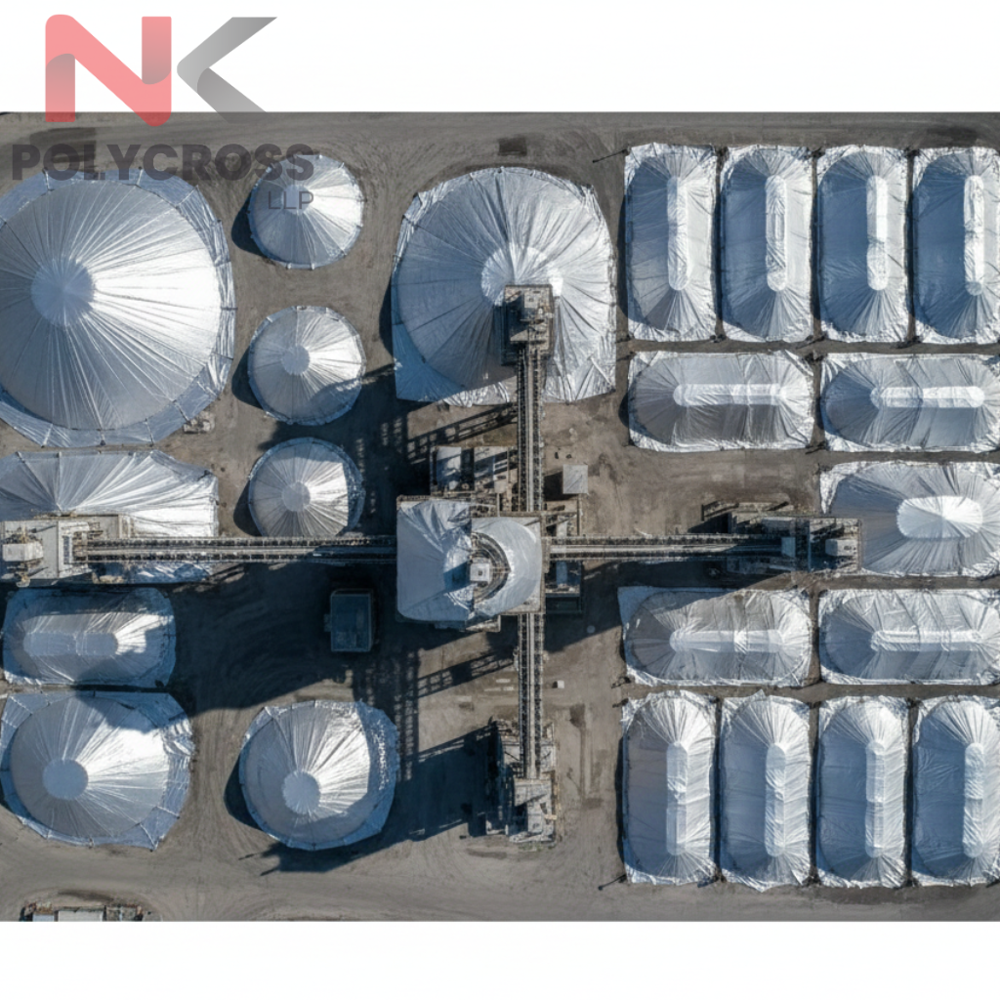
Cement Plant Dust Cover
Price:150.0 INR /Kilograms

Dustproof Cover for Indoor, TV Screen Protector Cloth Cover (32 Inch)
Price:131.75 INR /Piece

MG 9 Pin Dsub Dust Cover
Price:35 INR /Piece
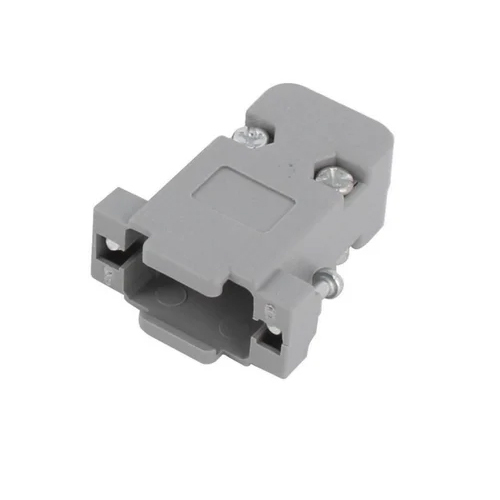
D Sub Dust Cover
Price:3.50 INR /Unit
Hips Sheets
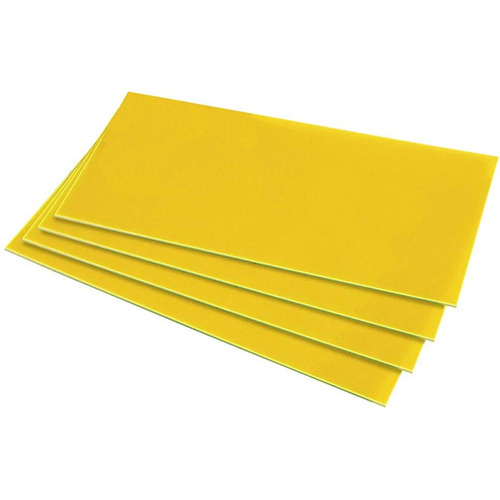
Hips Sheets
Price:150 INR /Kilograms

High Impact Polystyrene Sheet
Price:70 INR /Kilograms

Grey HIPS Sheet
Price:105 INR /Kilograms
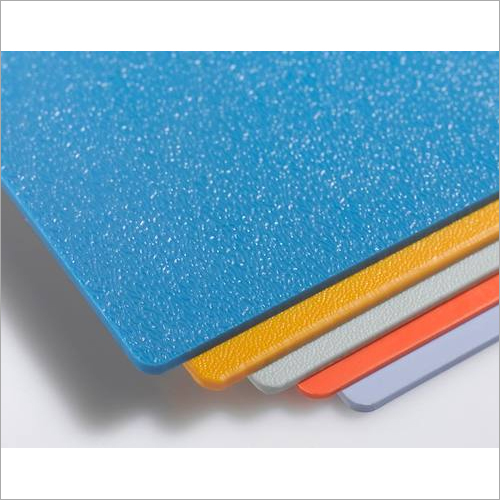
HIPS Sheets
Price:130.0 INR /Kilograms

Plastic Components

Plastic Component
Price:3 INR /Piece
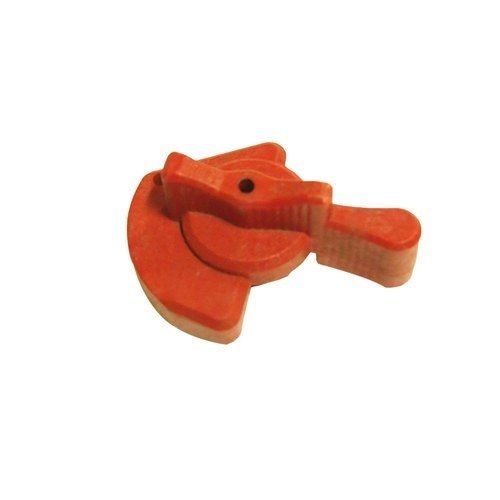
Ruggedly Constructed Abs Material Orange Plastic Components With 8 Inch Length
Price:80 INR /Piece
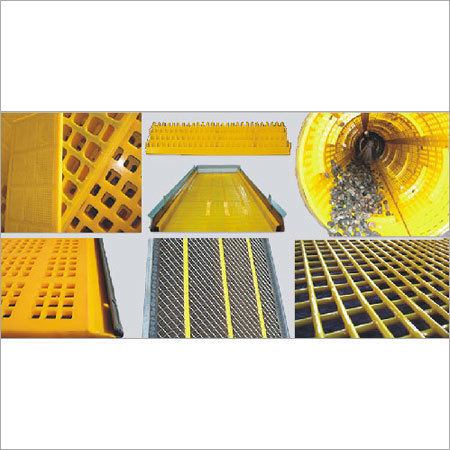
Polyurethane Screen Decks
Price:1200-1500 INR /Piece
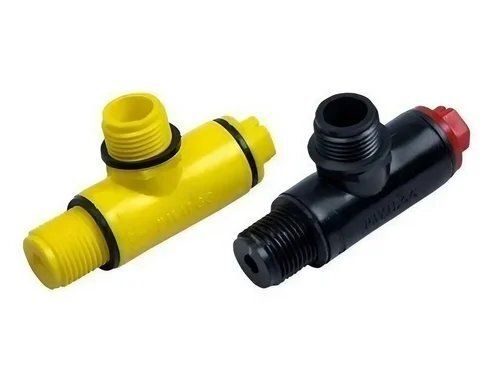
20 MM Plastic Ferrule
Price:15 INR /Number
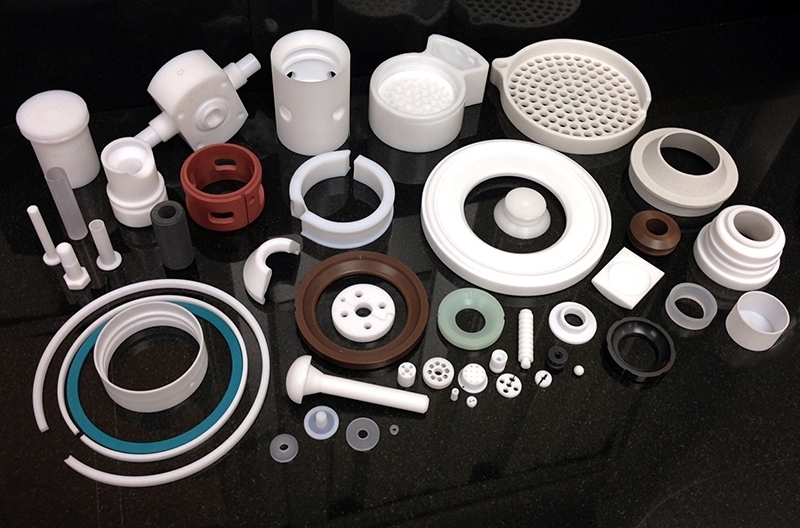
Plastic Engineering Parts
Price:150 INR /Piece
Plastic Cover Blocks
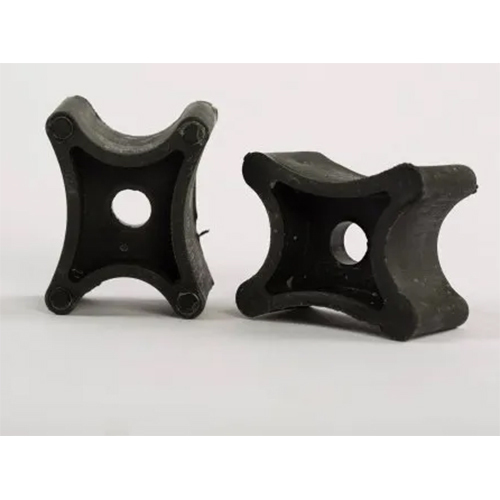
Spacers Cover Blocks
Price:0.89 INR /Piece
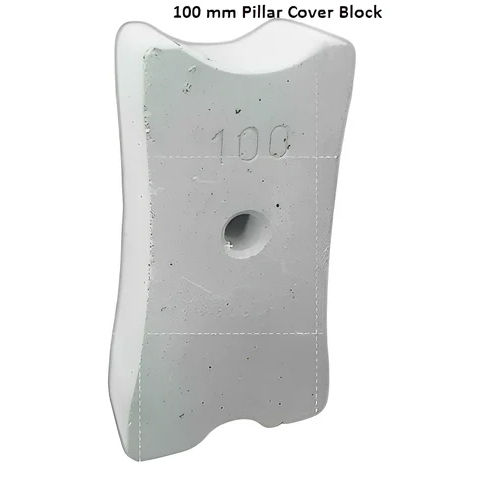
100 mm Pillar Cover Block
Price:12 INR /Piece
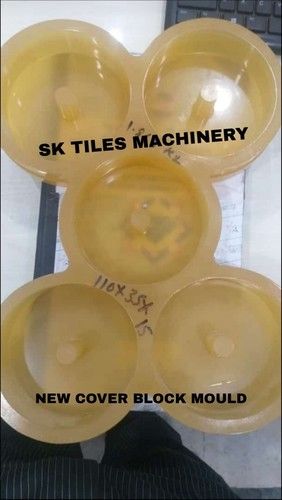
New Cover Block Mould
Price:200 INR /Piece
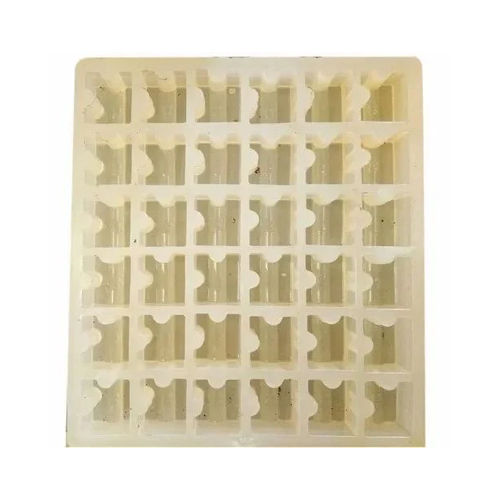
Plastic Cover Block Mould
Price:170 INR /Unit

Plastic Equipment
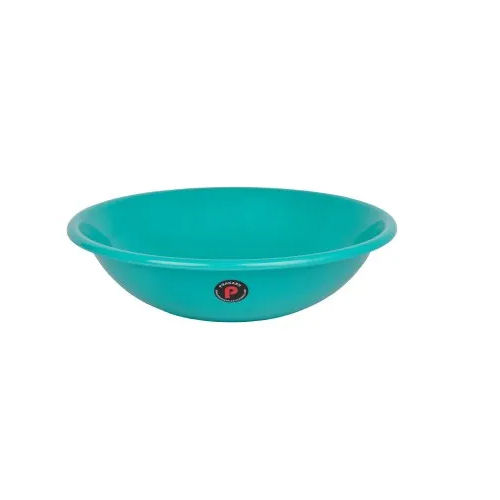

Plastic AkB6 Road Safety Equipment
Price:4500 INR /Piece

PP CRYO BOX
Price:180 INR /Piece
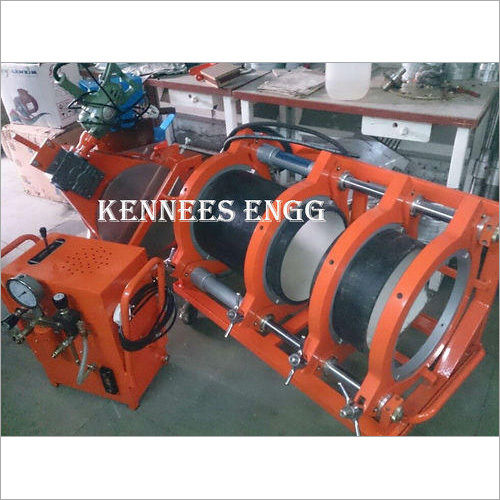
Plastic Pipe Welding Machine
Price:450000 INR /Unit
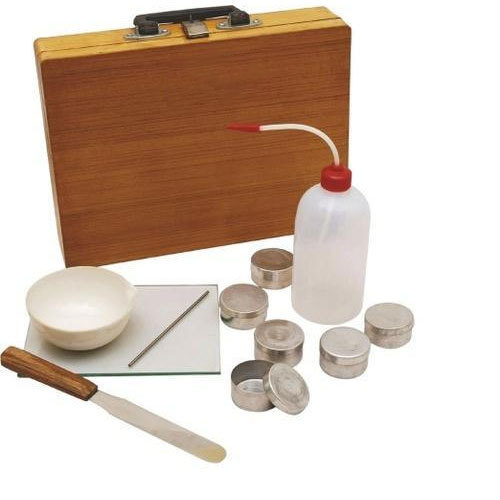
PLASTIC LIMIT SET
Price:950 INR /Unit
Popular Posts Related to Plastic Products
A Complete Guide To Start Plastic Straw Manufacturing Business in India
Check out brief info on how to start own plastic straw making business in India along with faq's.
Plastic Raw Material
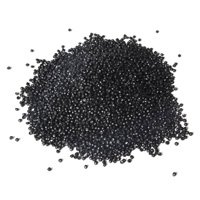
Polyamide

Nylon 6,6 - Poly-amide
Price:390 /Bag
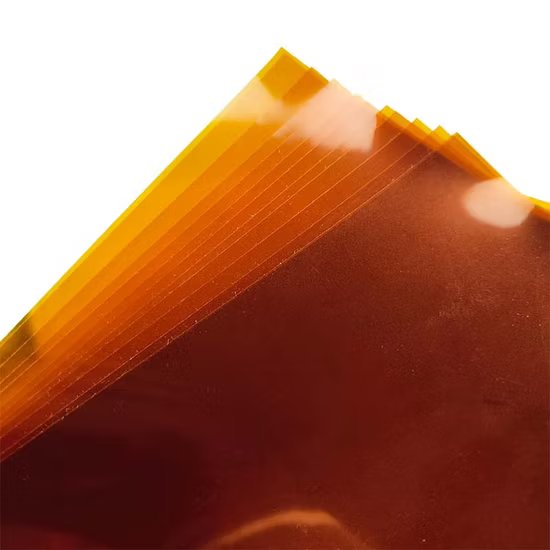
Polyamide Film
Price:50.0 INR /Kilograms
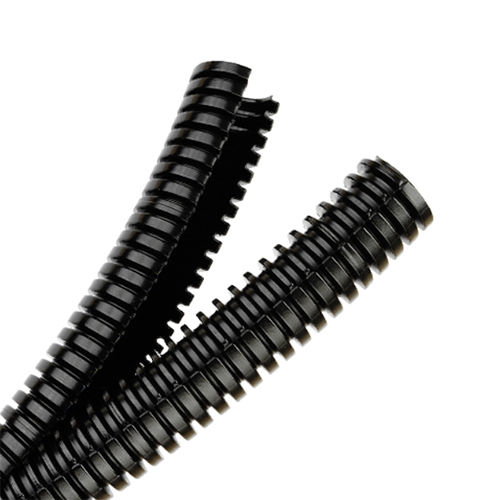
Slitted Polyamide Flexible Conduit Pipe
Price:20.0 INR /Piece
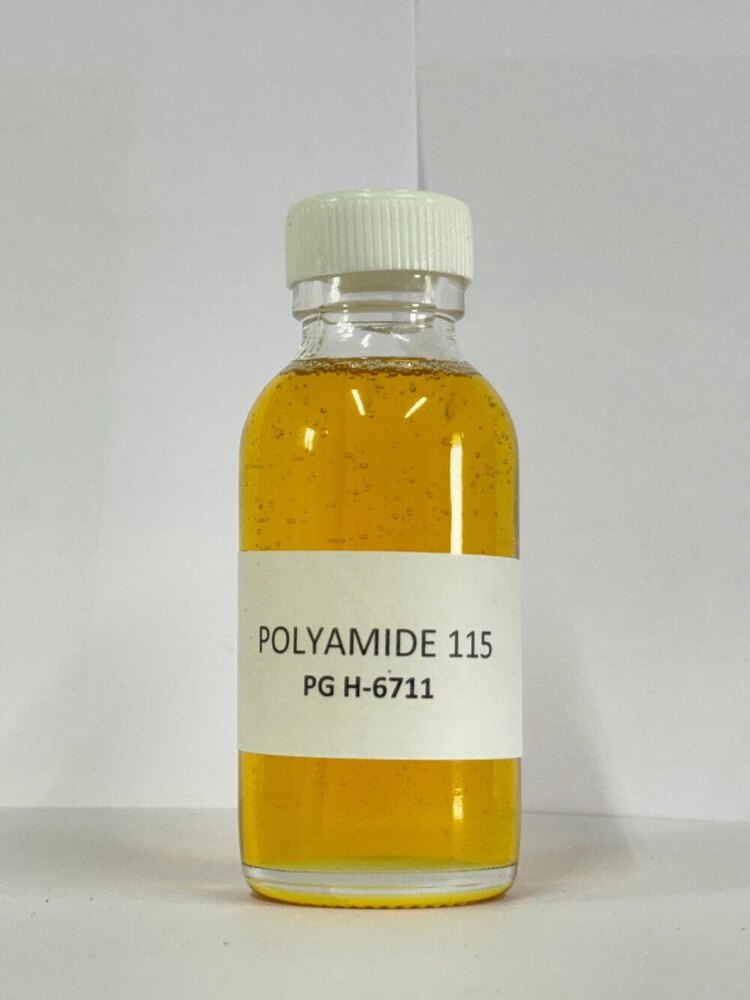
Polyamide 115 Curing Agent
Price:260 INR /Kilograms
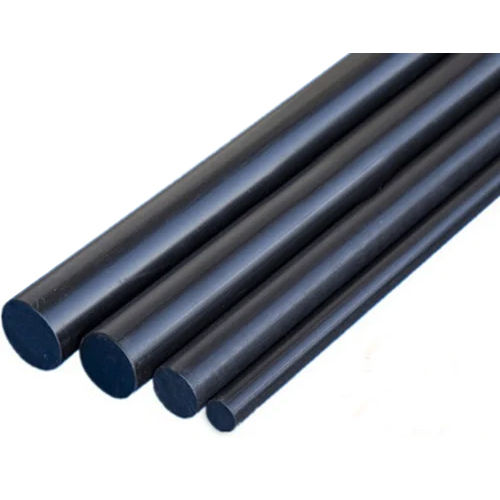
Polyamide Round Rod
Price:450 INR /Kilograms
Polyethylene Terephthalate
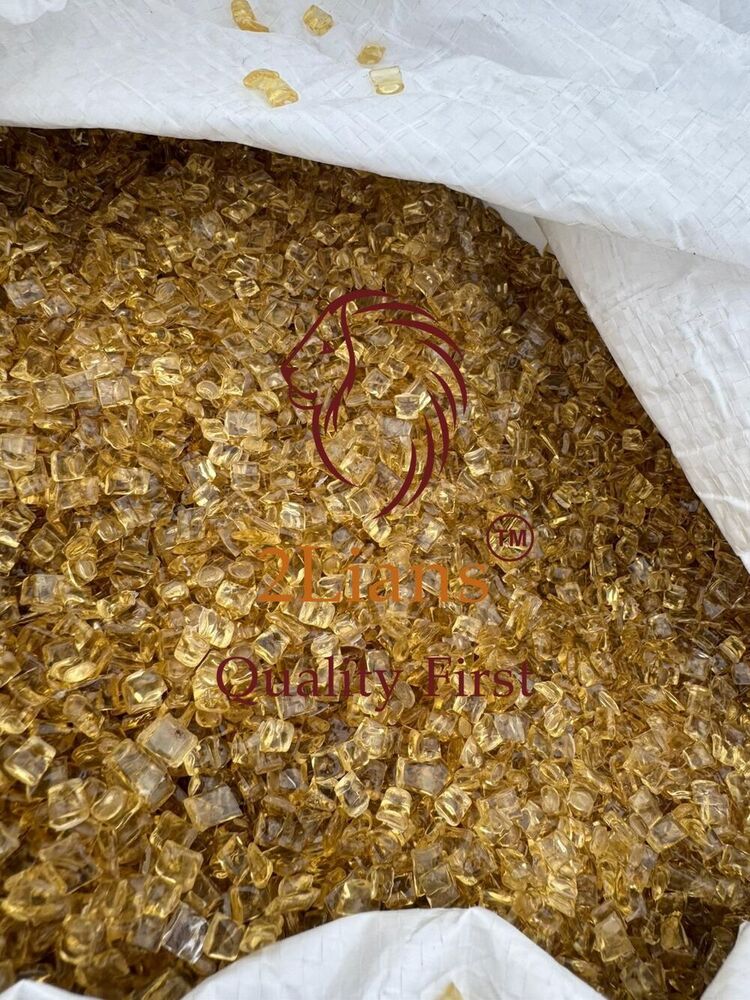
PET off grade pellets from refinery kind of natural colors
Price:650 USD ($) /Metric Ton
Polyethylene Terephthalate (PET Resin)
Price:100 INR /Kilograms
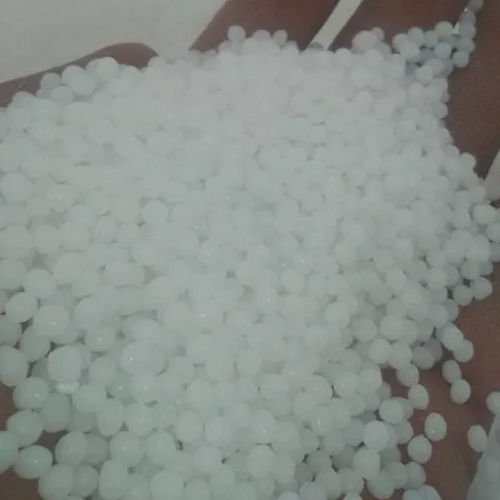
White Polybutylene Terephthalate Granules
Price:100 INR /Kilograms
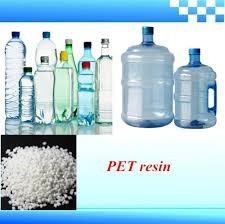
Ldpe Granules
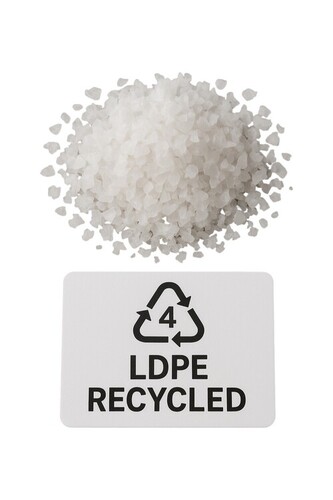
Recycled LDPE Granules
Price:65 INR /Kilograms
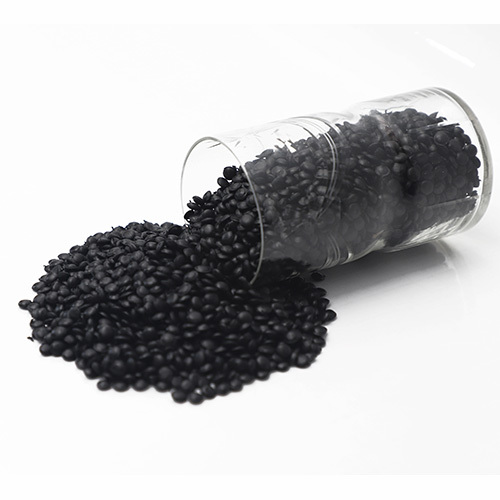
LLDPE Granules For Drip Irrigation
Price:13000 INR /Ton
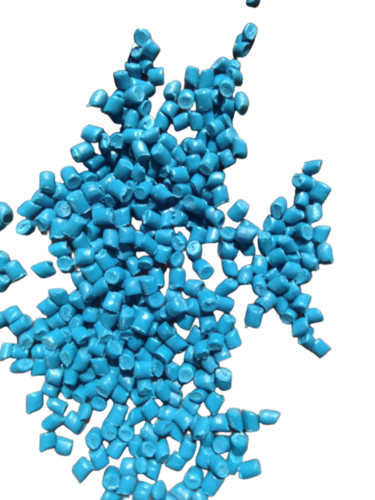
Ldpe Natural Granules
Price:95 INR /Kilograms
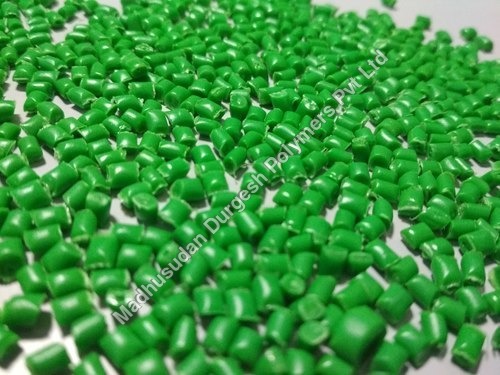
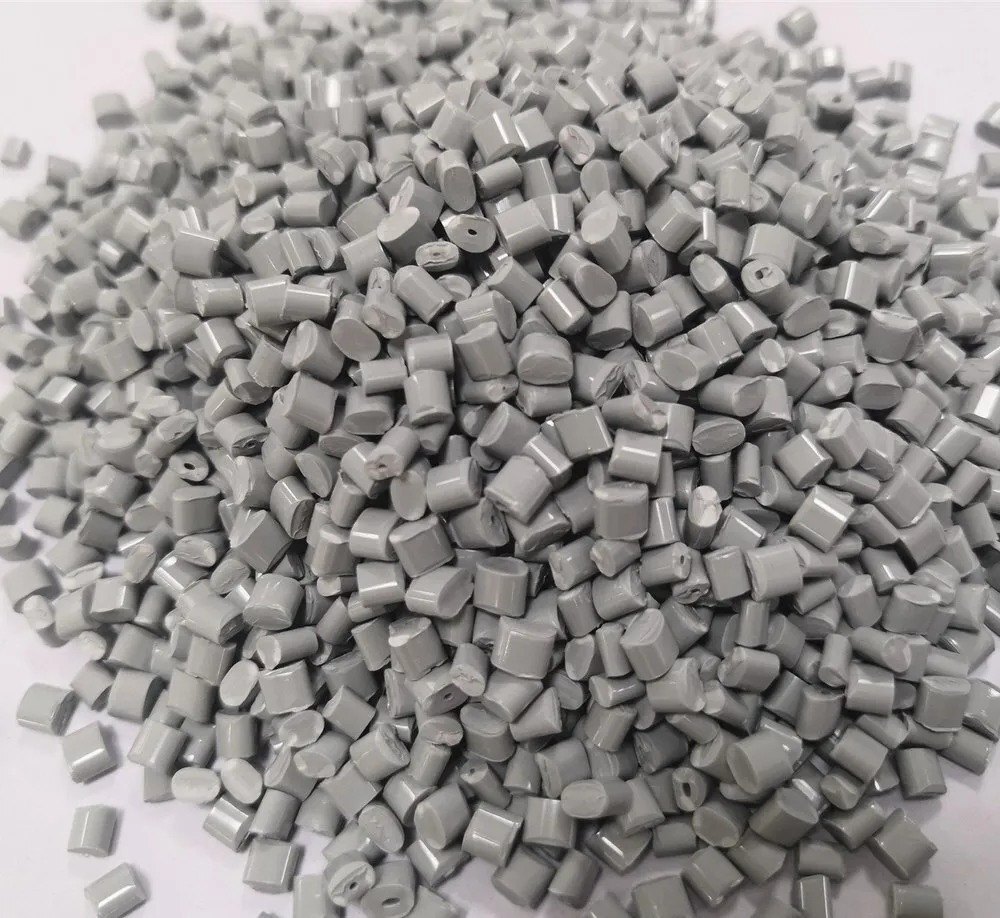
Hdpe Blow Grey Granules
Price:45.0 INR /Ton
Recycled Nylon Granules
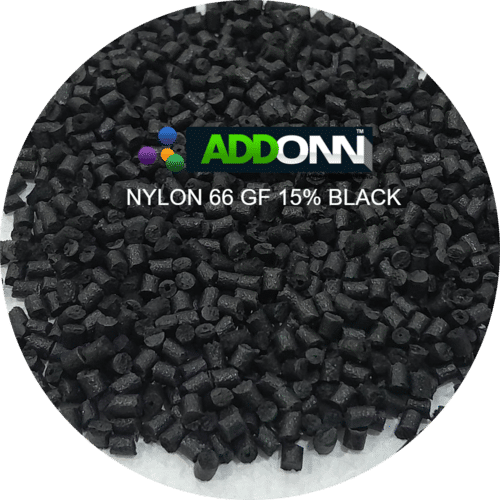
Reprocessed Nylon 66 GF 15% Black Pllastic Pellets
Price:250 INR /Kilograms

99% Pure Solid Recycled Nylon Granules For Plastic Moulding
Price:65 INR /Kilograms
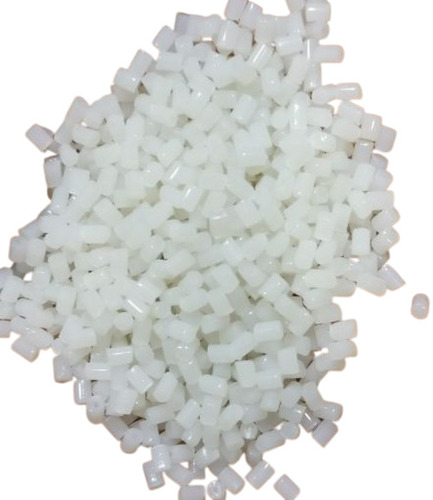
Natural Nylon Granule
Price:180 INR /Kilograms
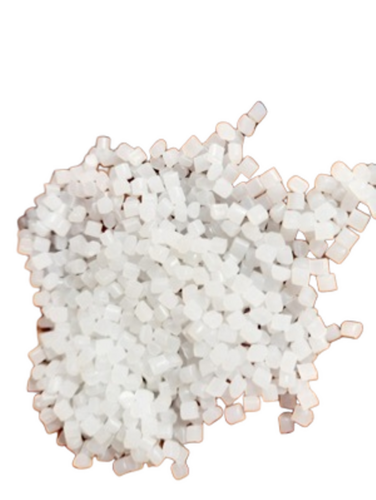
White Nylon Granules
Price:190 INR /Kilograms
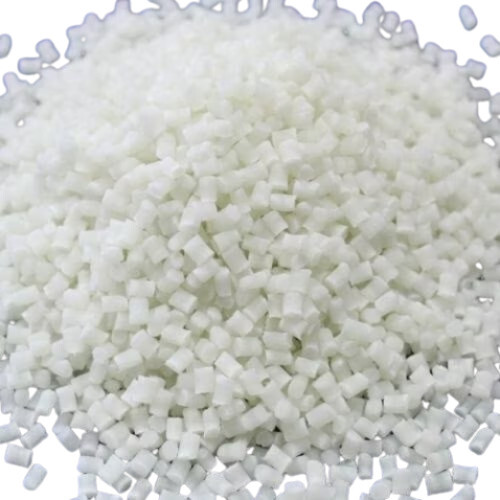
Recycled Nylon PA6/PA66 Granules
Price:970 USD ($) /Metric Ton
Natural Ld Plastic Granules
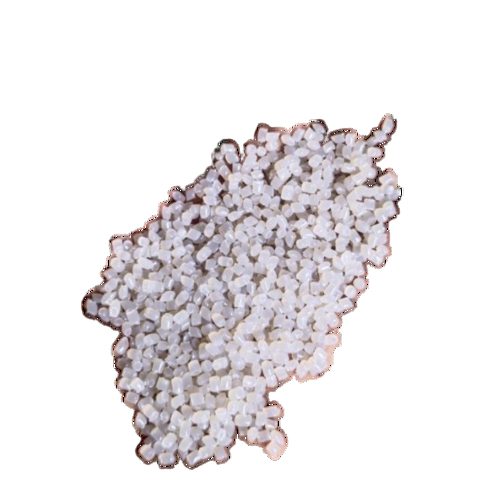
Plastic LD Natural Granules
Price:120 INR /Kilograms
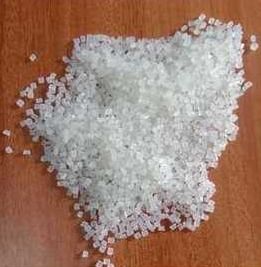
Virgin Natural LD Granules
Price:68 INR /Bag
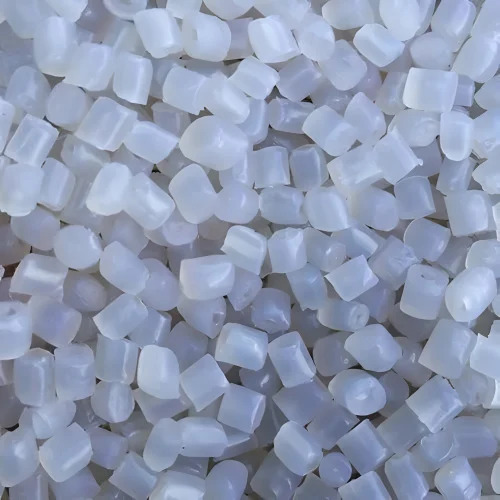
Natural LD Plastic Granule
Price:100 INR /Kilograms
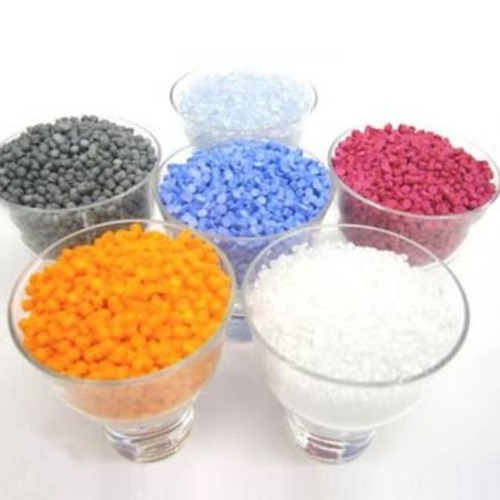
Plastic Raw Granules
Price:200 INR /Kilograms
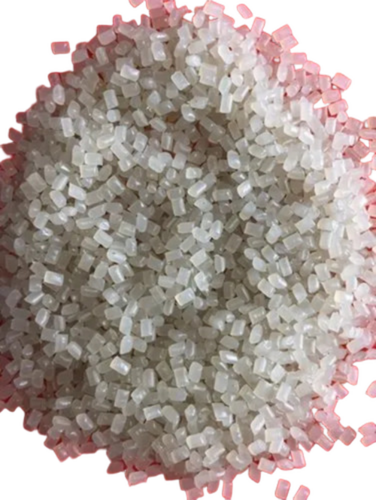
Natural Ld Plastic Granules
Price:60 INR /Kilograms
Plastic Bags
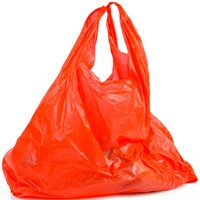
Hm Polythene Bags

Green Polythene Bags For Easy Carrying Of Your Goods
Price:180 INR /Kilograms

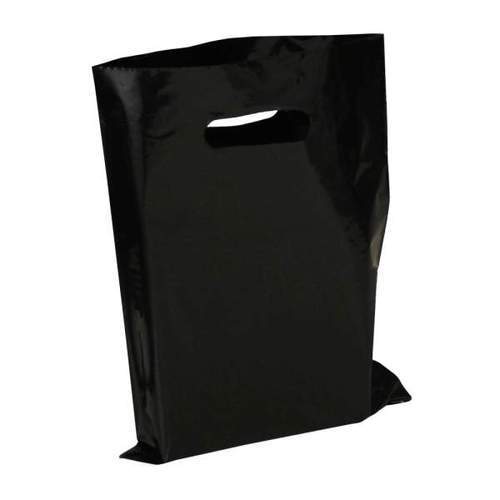

LDEPE Polythene Bags
Price:200 INR /Kilograms
Shirt Bags
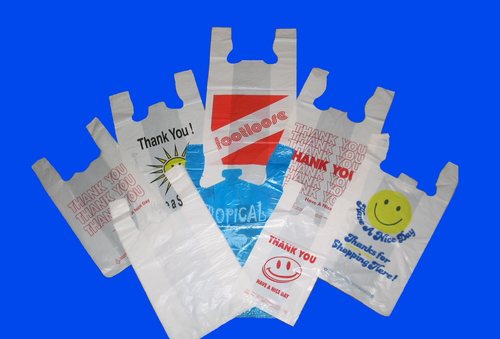
Printed T Shirt Bags
Price:90 INR /Kilograms

100GSM Woven Shirt Bag
Price:40 INR /Piece
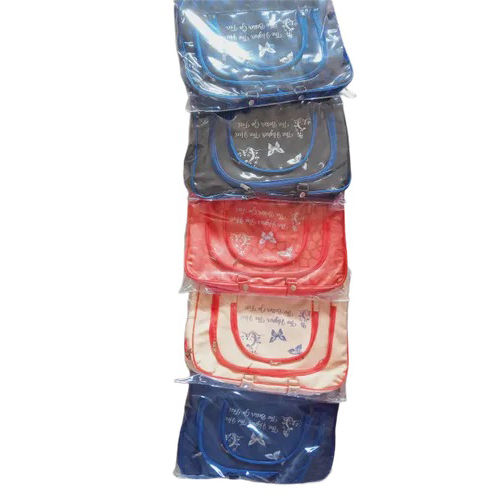
Portable Shirt Organizer Bag
Price:121 INR /Piece
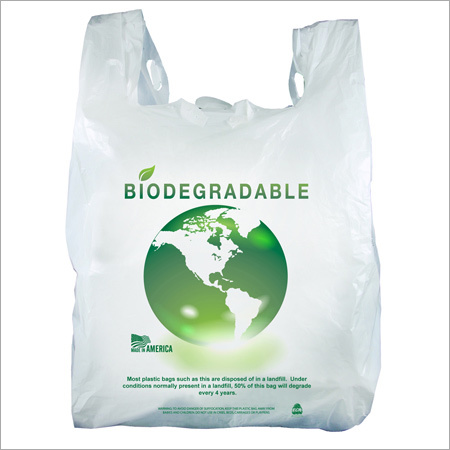

Compostable Carry Bag
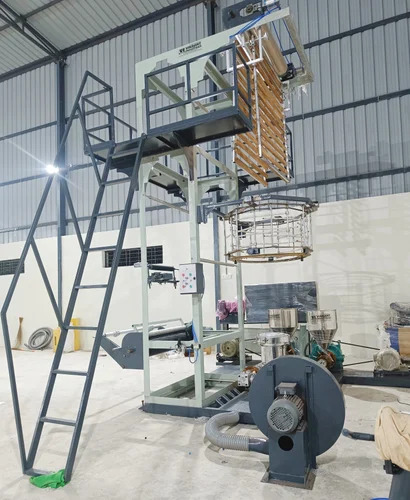
Compostable Bag Making Machine
Price:650000 INR /Piece
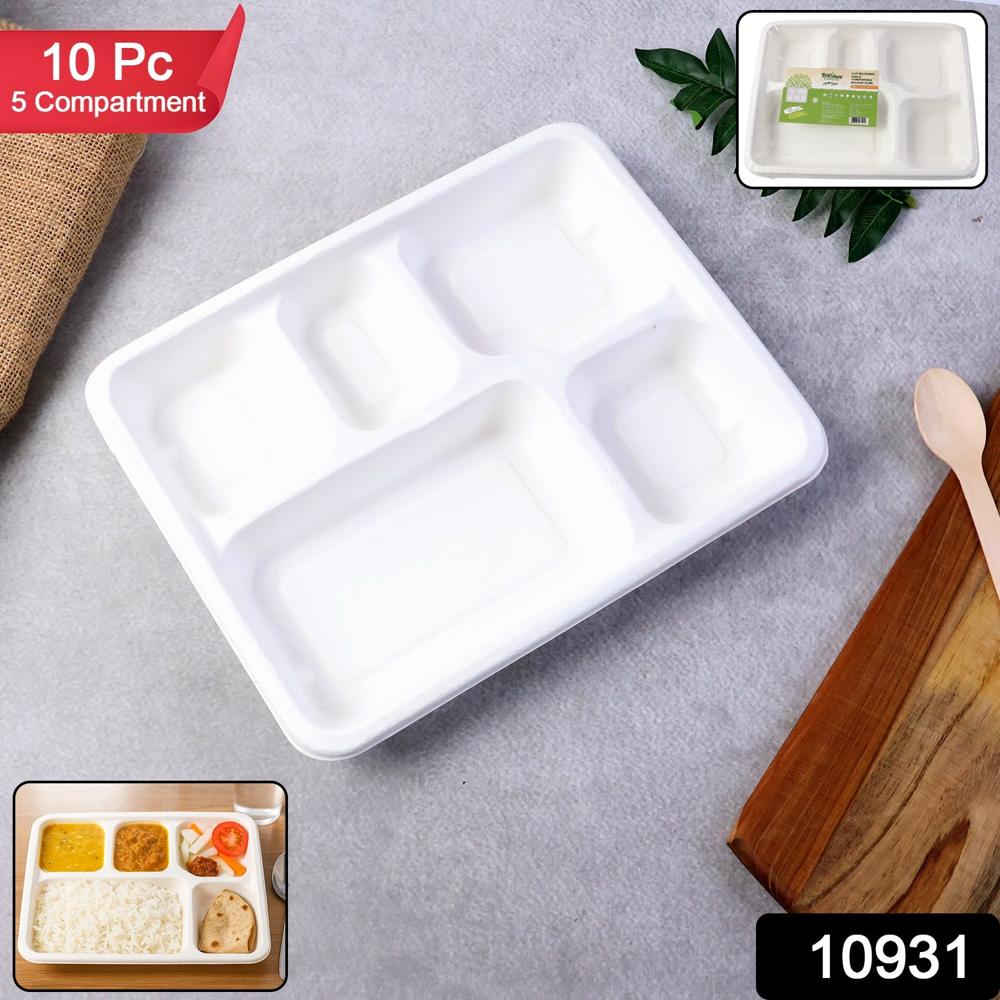
5-Compartment Rectangle Lunch Compostable Bagasse Plate 10 Pcs Pack
Price:85.52 INR /Piece

Green Compostable Nursery Bag
Price:195 INR /Kilograms
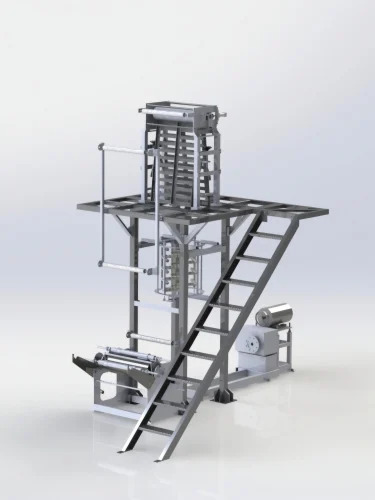
Compostable Carry Bag Making Machine
Price:625000 INR /Unit
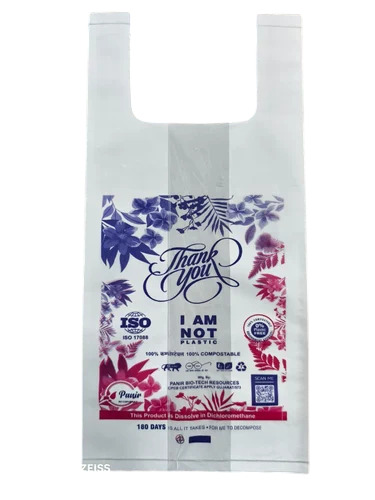
Brand Name Printing Compostable Bags
Price:250 INR /Kilograms
Biodegradable Plastic Bags
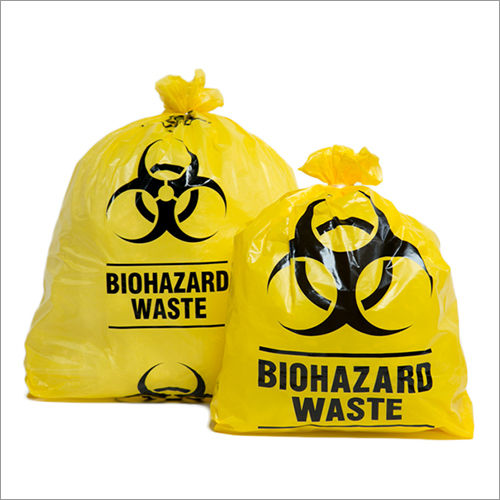
Printed Plastic Bio Hazard Bags
Price:124 INR /Kilograms
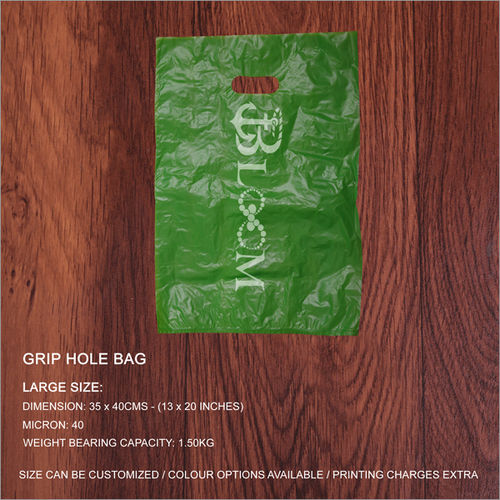
Biodegradable Starch Grip Hole Bag
Price:50 INR /Kilograms
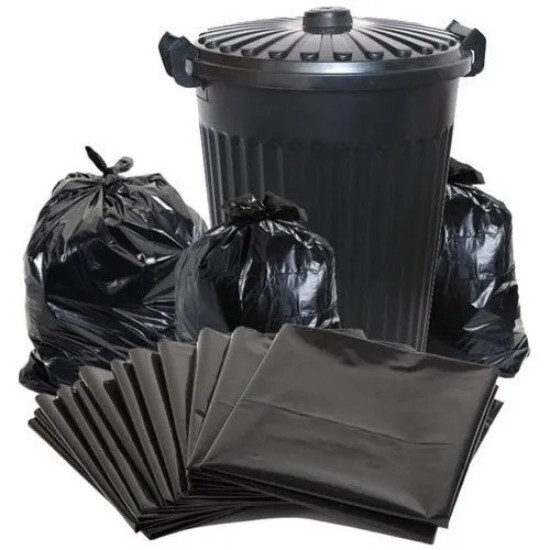
Biodegradable Trash Bags
Price:75 INR /Kilograms
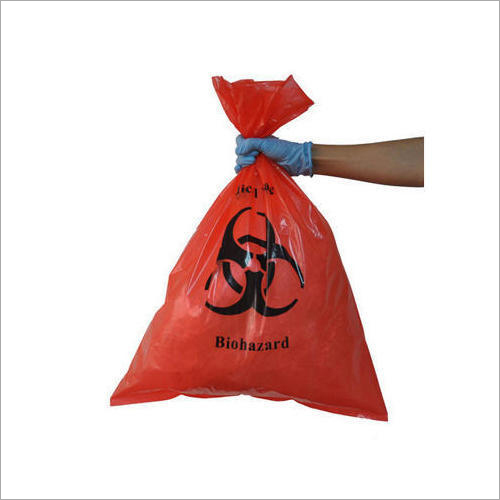

Hanger Poly Bag
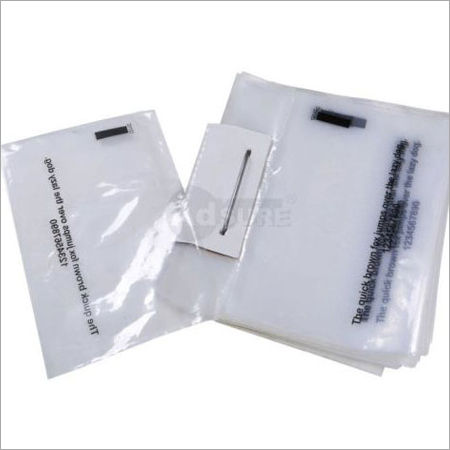
Poly Bags with Wicket
Price:2 INR /, Piece
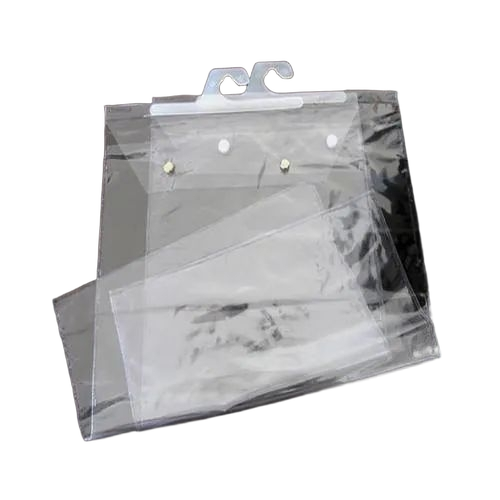
PVC Hanger Bags
Price:20 INR /Piece
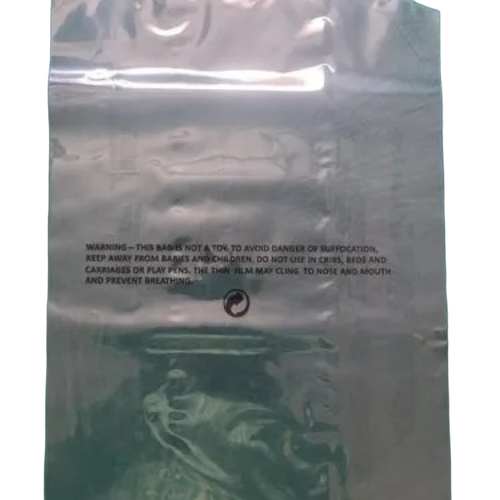
Hanger Cut Polybag
Price:5 INR /Piece
PVC Poly Bag
Price:8 INR /, Piece
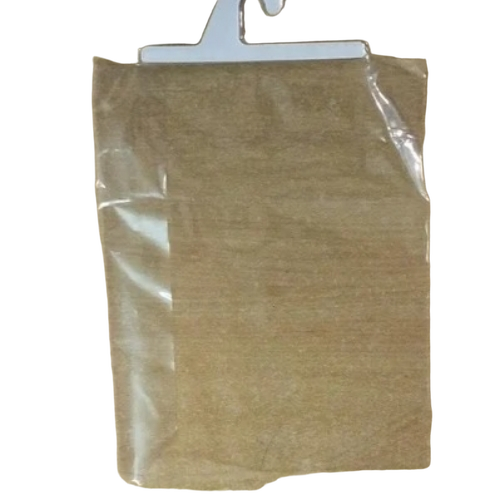
Hanger Poly Bag
Price:3 INR /Piece
Plastic Pet Products

Pet Containers
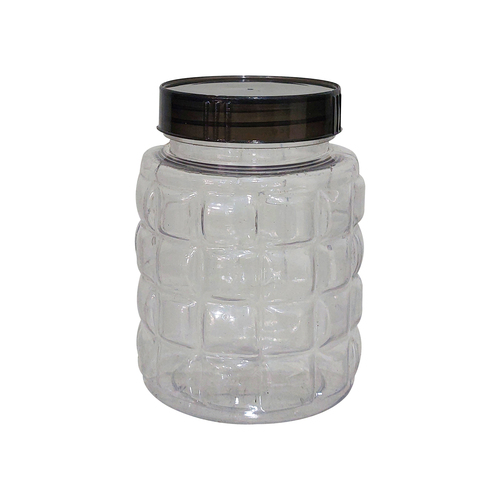
Eco Fresh 250ml Plastic Container (6 pcs set)
Price:44.00 INR /Set
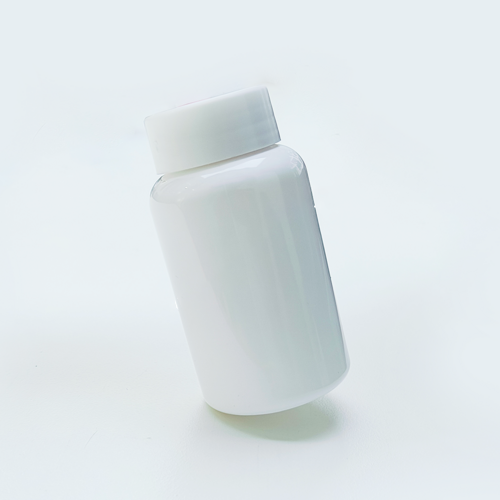
Pet Tablet Container 150ml with 38mm Screw Cap
Price:5.9 INR /Piece
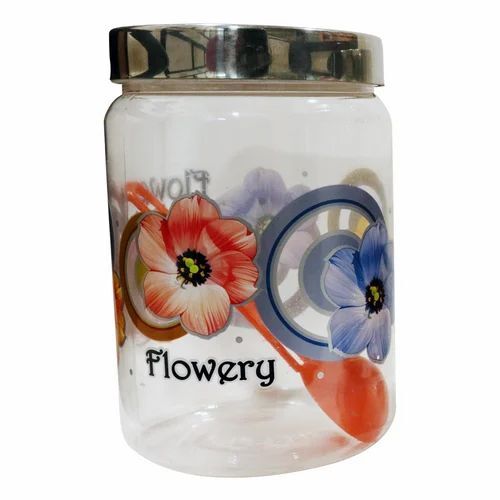
Printed Pet Container
Price:10 INR /Piece
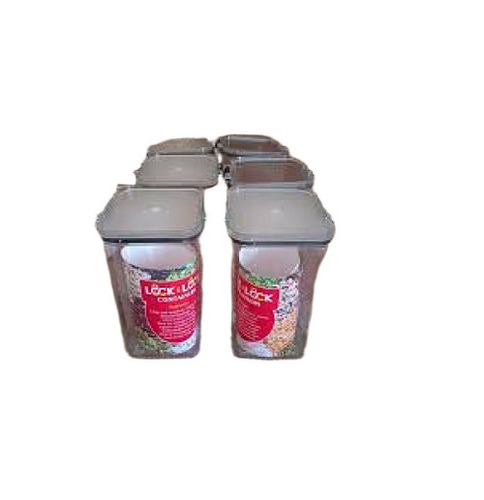
Kitchen Pet Container
Price:120 INR /Number
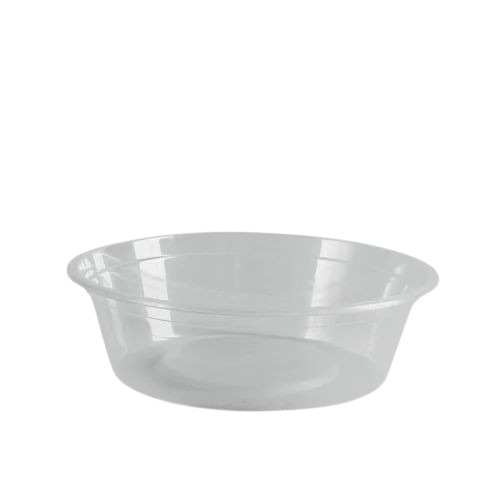
Pet Clear Round Container
Price:2 INR /Ohm
Disposable Pet Bottle

Plastic Transparent Bottle
Price:1.5 INR /Piece
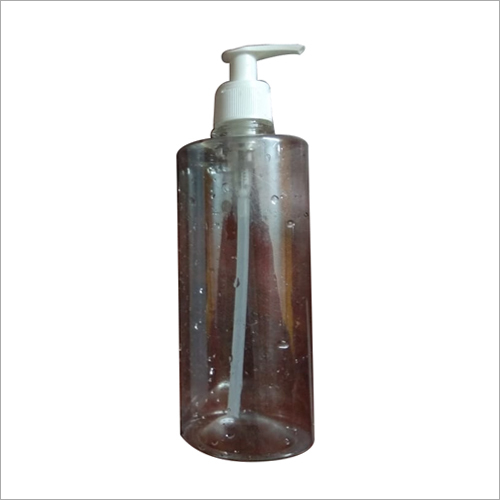
PET Bottle With Dispenser
Price:10 INR /Piece
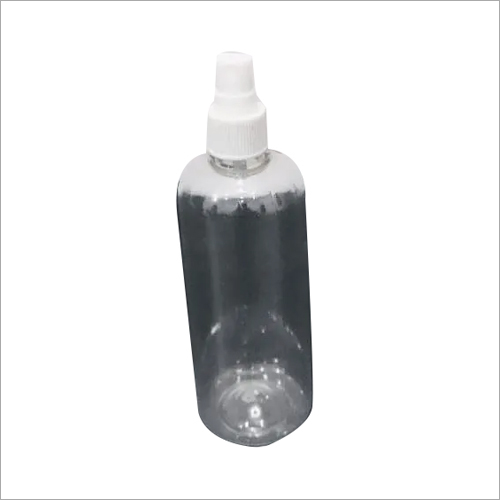
Spray Pet Bottles
Price:4-40 INR /Piece
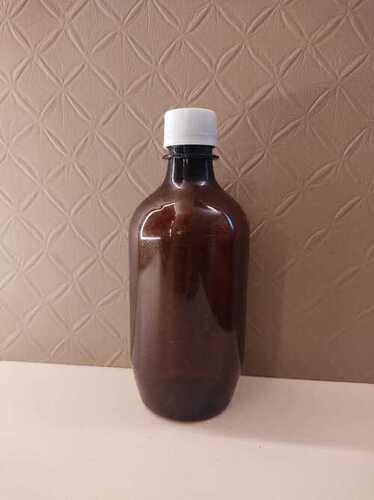
Premium Quality Round Plain Disposable Plastic Pet Bottles
Price:12 INR /Piece
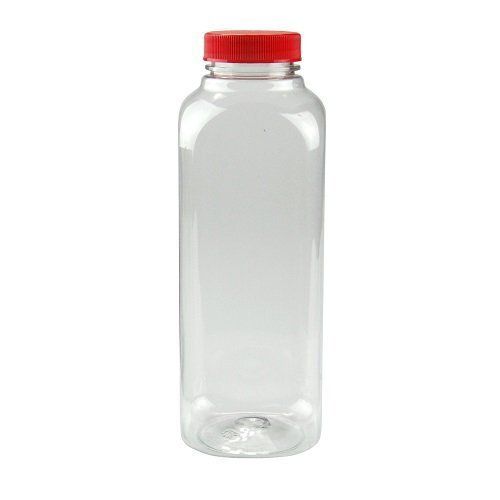
Plastic Material Rectangle Shape Transparent Disposable Pet Bottle
Price:40 INR /Piece
Pet Bottle Chips
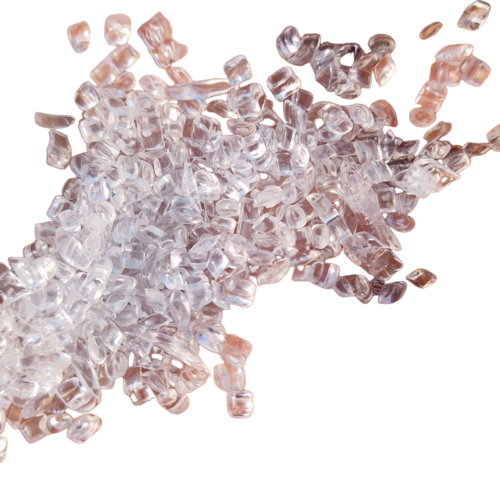
PET Bottle Grade Chips
Price:105 INR /Kilograms
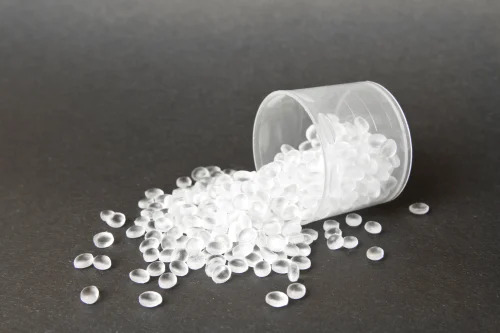
Wankai Bottle Grade Pet Chips
Price:90.0 INR /Kilograms
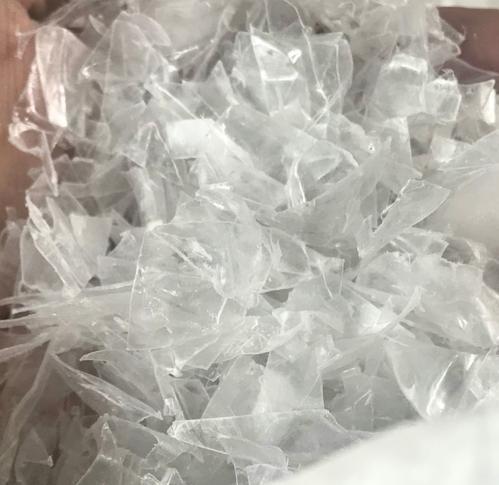
PET Chips
Price:70 INR /Ton
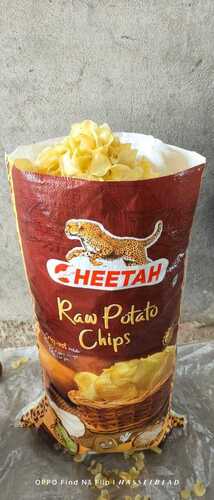
Cheetah Brand Aalu Chips
Price:95 INR /Kilograms
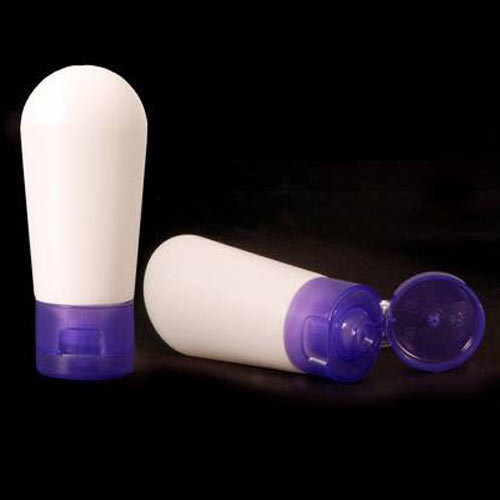
30ml Conical Stand Up Bottle
Price:2.13 INR /Piece
Plastic Pet Container
Pet Tablet Container 150ml with 38mm Screw Cap
Price:5.9 INR /Piece
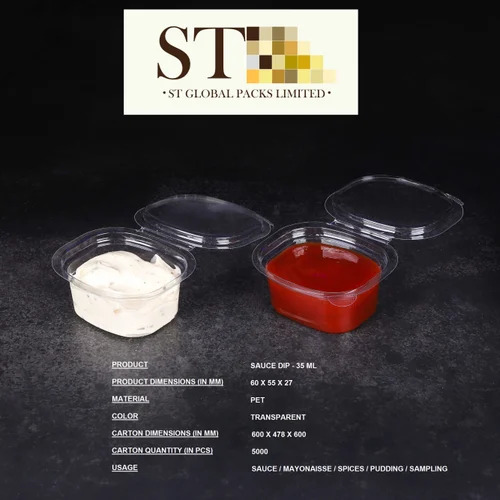
35ml Pet Plastic Hinge Sauce Dip Container
Price:0.5 INR /Piece
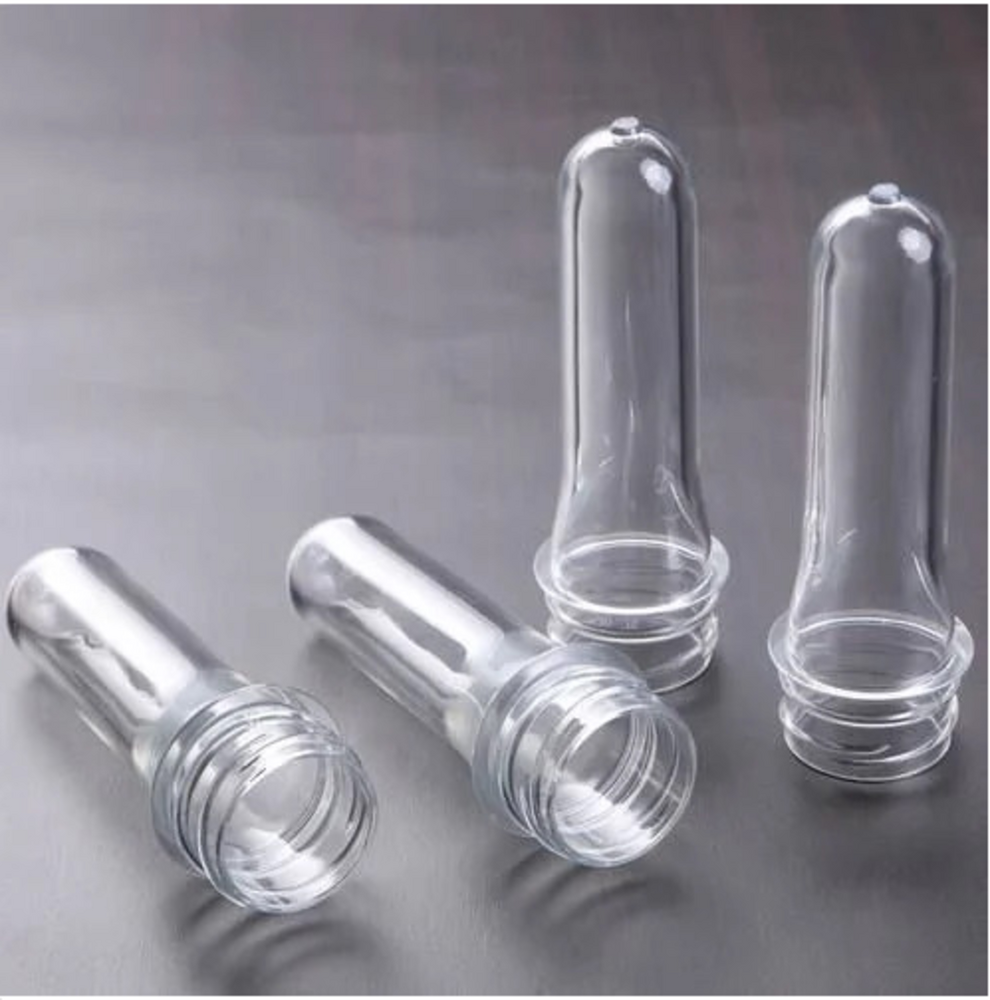
Plastic Pet Preform
Price:120 INR /Kilograms
Printed Pet Container
Price:10 INR /Piece
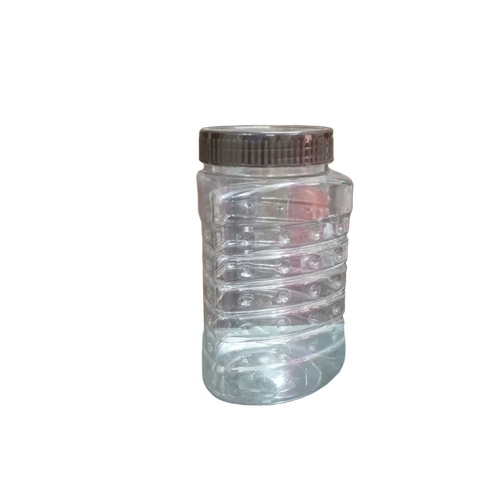
Pet Plastic Confectionery Jar
Price:11 INR /Piece
Plastic Pet Bottle
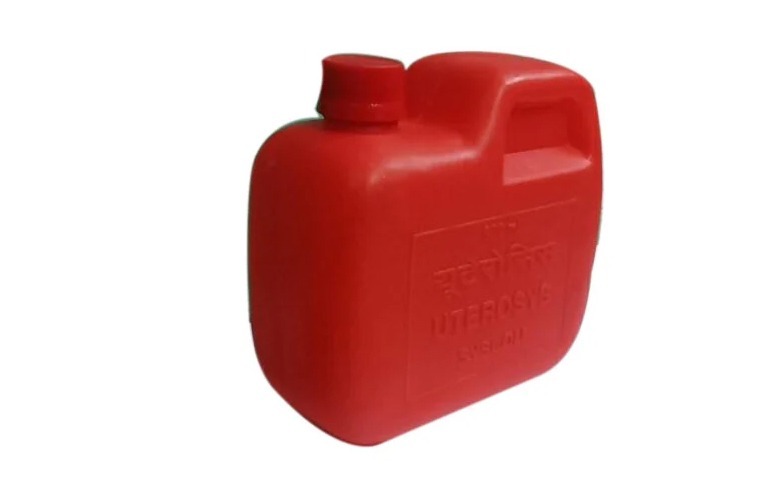
Veterinary Plastic Bottle
Price:14 INR /Piece
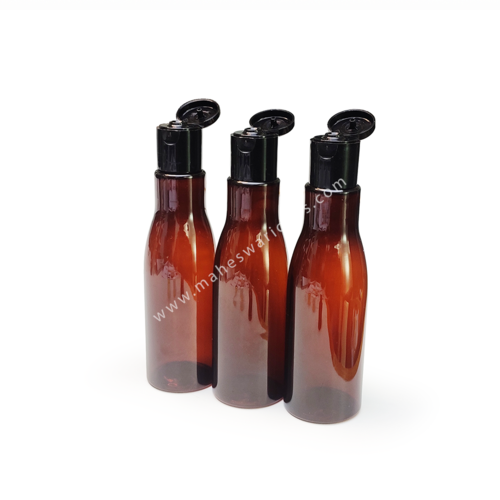
Cosmetic Asta Pet Bottle 100ml
Price:2.89 INR /Milliliter
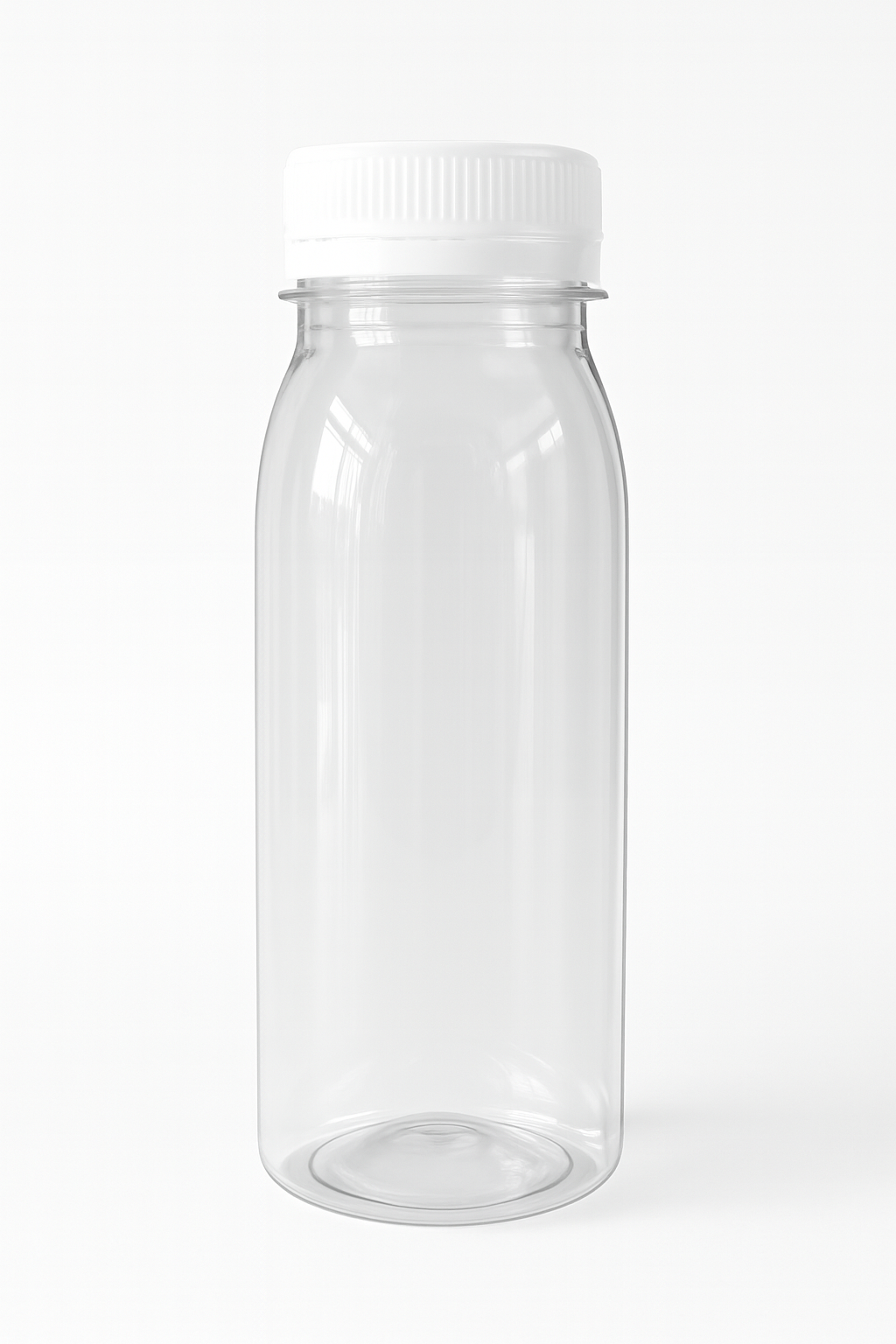
200ml Round Pet Bottle
Price:5 INR /Bottle
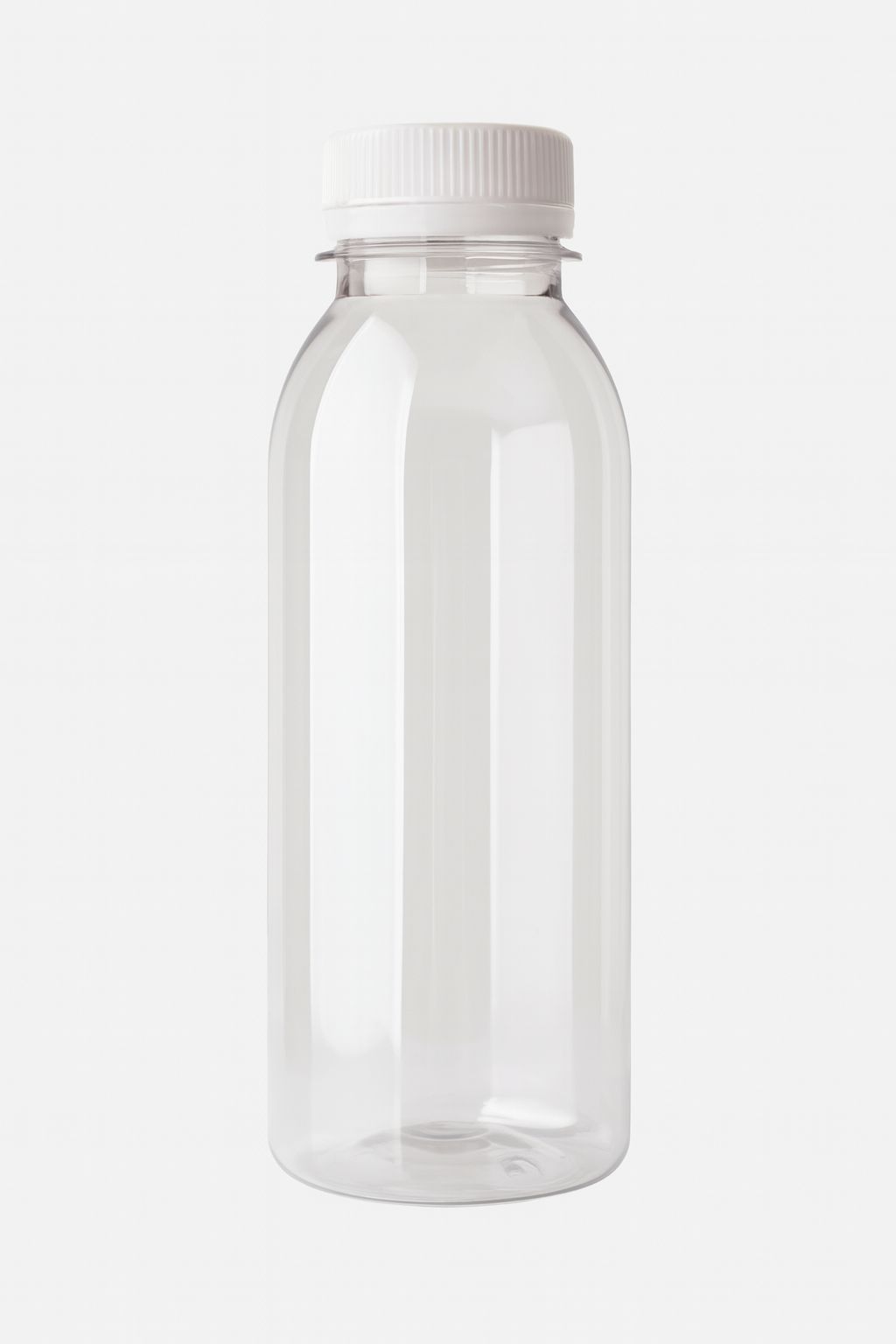
350ml PET Round Bottle
Price:5 INR /Piece
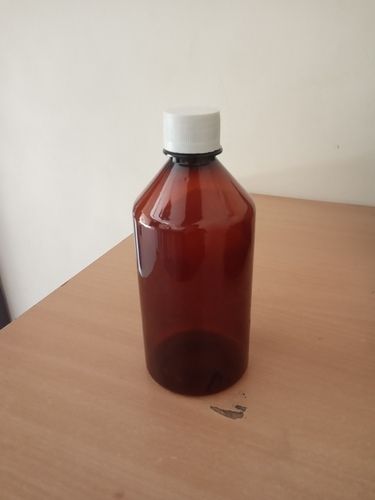
450ml Empty Black Phenyl Bottle
Price:4.80 INR /Piece
Plastic Films
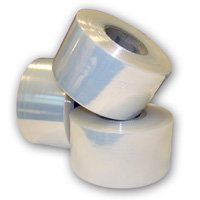
Colored Plastic Films

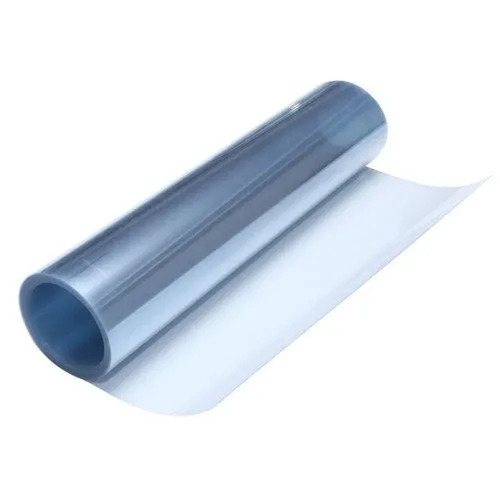
Transparent Plastic Film
Price:180 INR /Kilograms

Colored Plastic Films
Price:180 INR /Kilograms
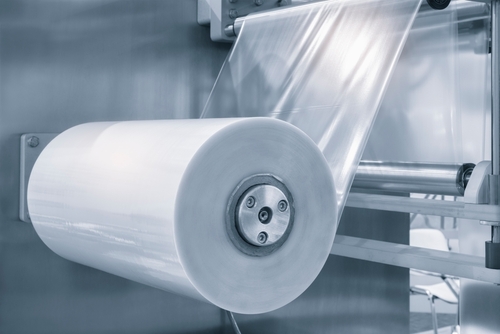
Colored Plastic Films
Price:330 INR /Meter

Polyolefin Rolls
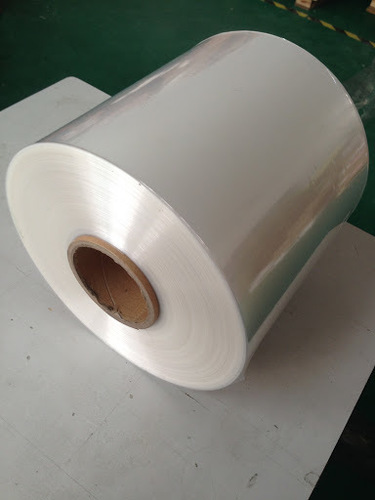
Polyolefin Shrink Packaging Film Roll
Price:215 INR /Roll
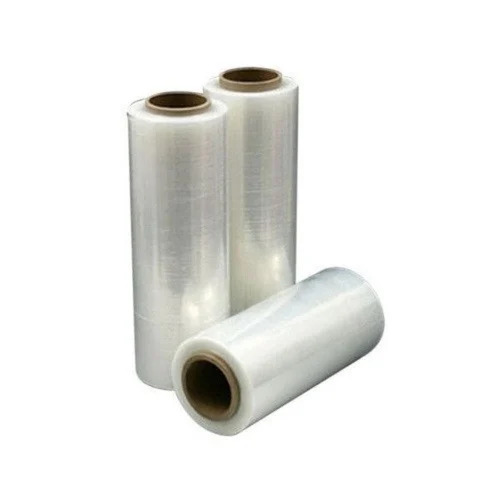
Transparent Ld Polythene Roll
Price:125 INR /Kilograms
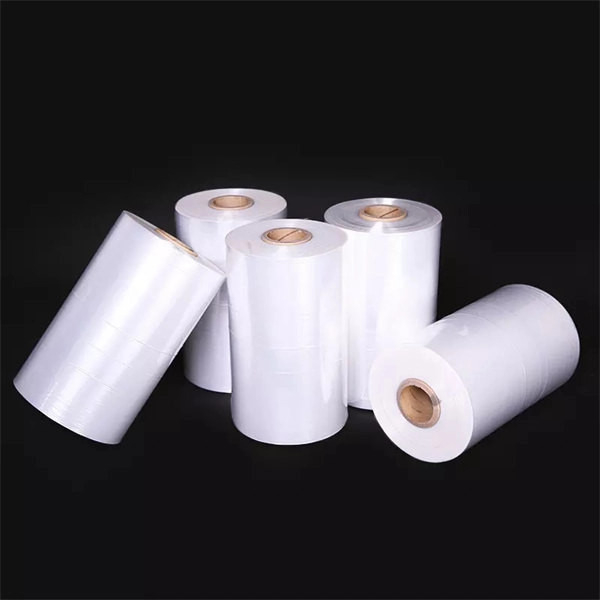
Polyolefin Shrink Wrap
Price:10.00 INR /Kilograms
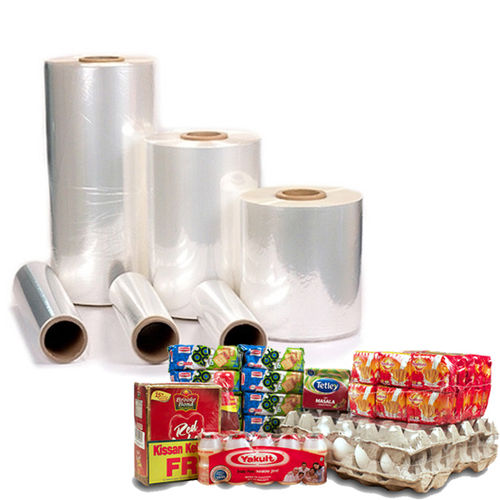
POF Shrink Films
Price:275 INR /Kilograms
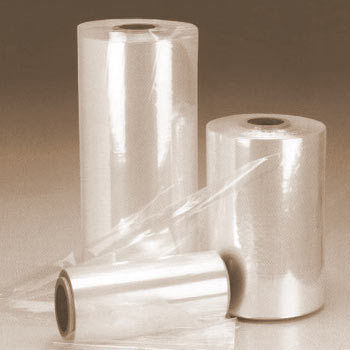
Polyolefin Shrink Stretch Wrapping Rolls
Price:205 INR /Kilograms
Pvc Shrink Films
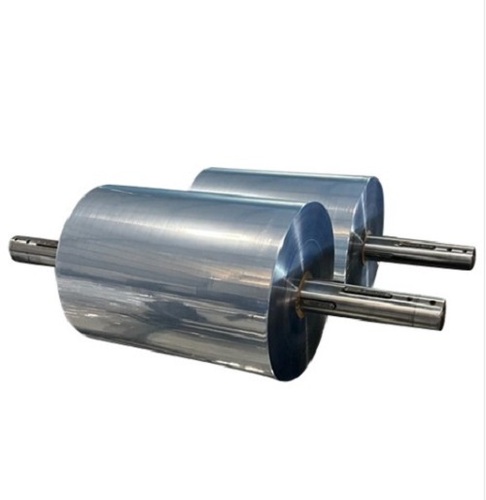
Pvc Shrink Film Roll
Price:135.0 INR /Kilograms
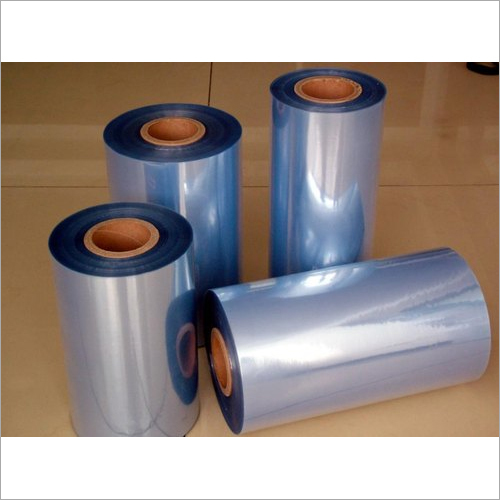
PVC Shrink Film
Price:135 INR /Kilograms
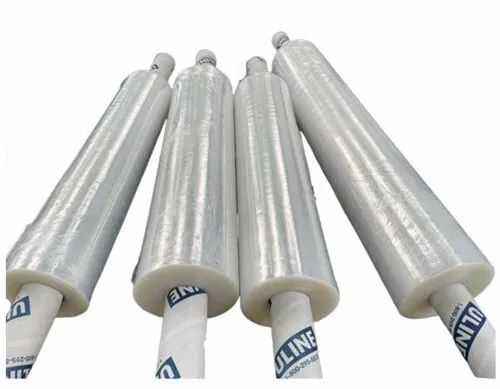
Packaging Pvc Shrink Film
Price:110 INR /Kilograms
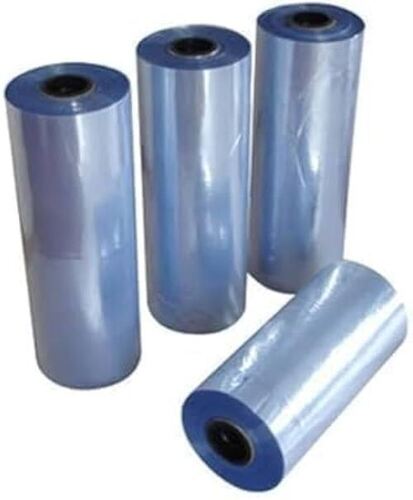
Pvc Shrink Films
Price:120 INR /Kilograms
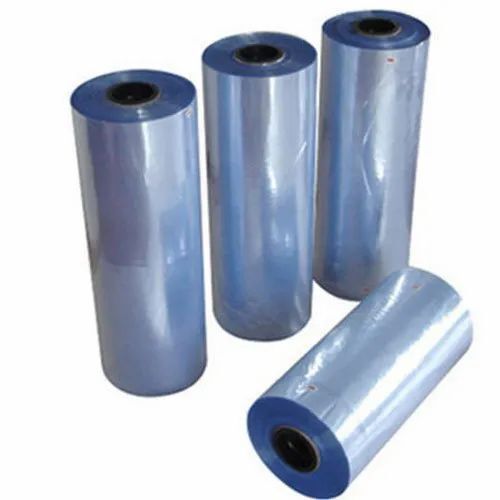
Pvc Shrink Film
Price:130 INR /Kilograms
Transparent Plastic Film
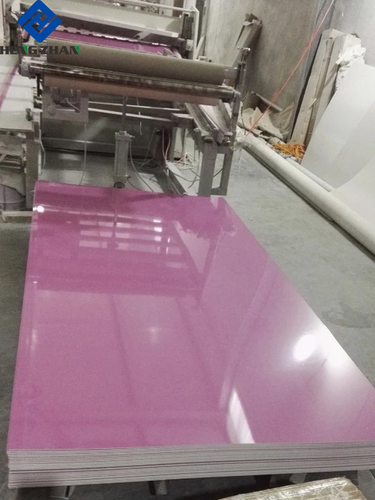
Transparent Pe Protective Film For PVC Marble Sheet
Price:0.05-0.10 USD ($) /Square Meter
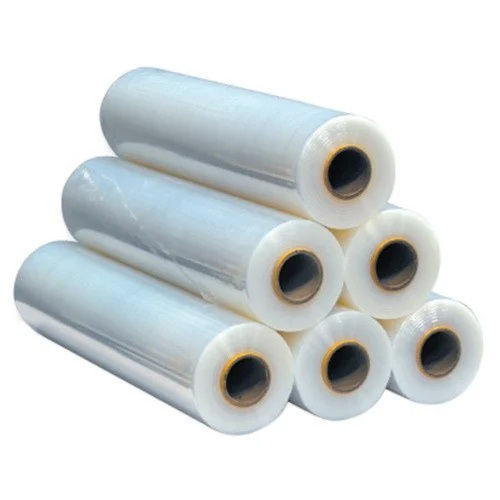
Transparent Plastic Films
Price:98 INR /Kilograms
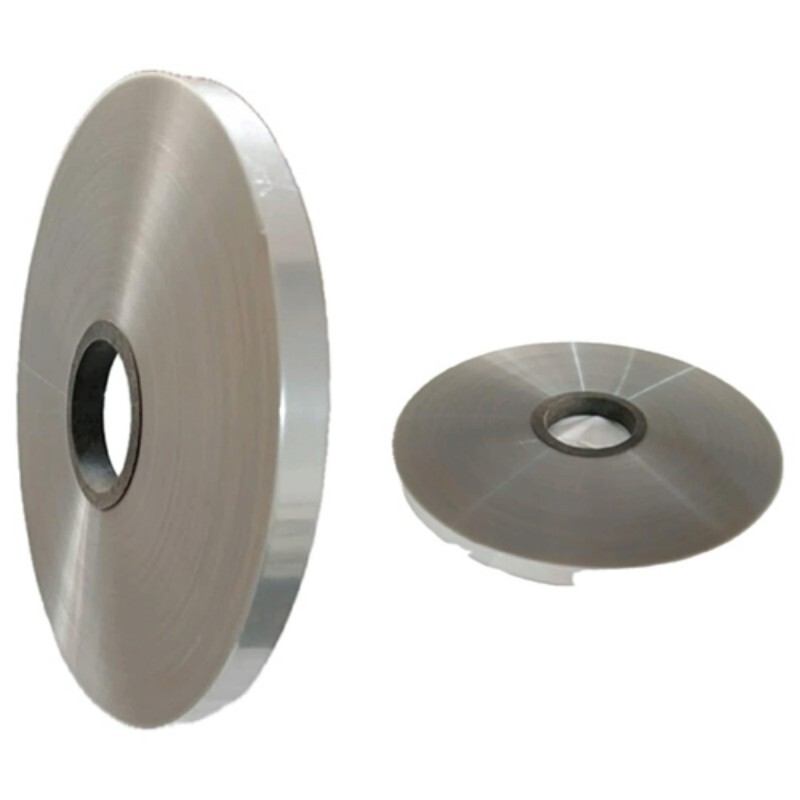
Silicon Coated Transparent Release Film
Price:245 INR /Kilograms
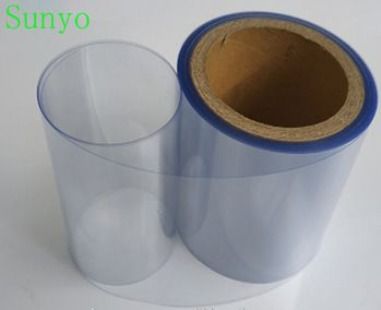
Transparent Rigid PVC Sheet
Price:1-2 USD ($) /Kilograms
Pet Shrink Films
PET film without cores Natural
Price:400 USD ($) /Metric Ton
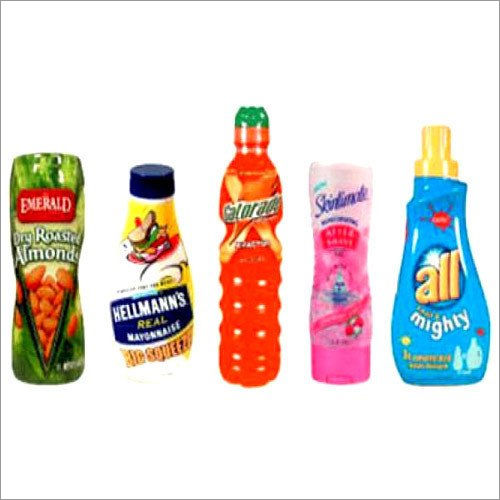
PET Shrink Film For Packing
Price:0.5 INR
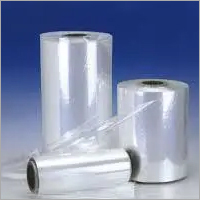
Shrink Film
Price:25 INR /Piece
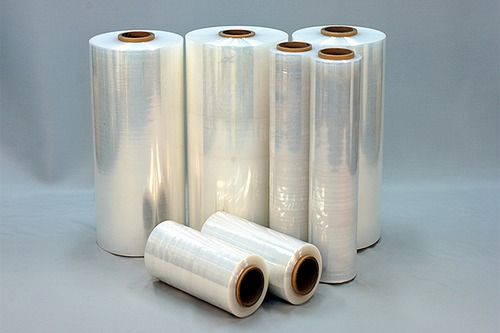
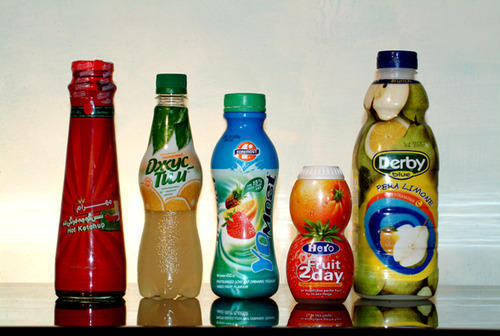
Pet Shrink Film For Printing
Price:1.7 INR /Piece
Popular Posts Related to Plastic Films

Top 10 Plastic Packaging Films Manufacturers and Suppliers in India
Discover India's leading plastic packaging films providers. Our curated list spotlights the top 10 manufacturers and suppliers for quality solutions.
Plastic Containers
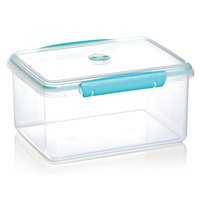
Food Containers

Twist-Locking Airtight Food Storage Kitchen Container Set
Price:60 INR /Set
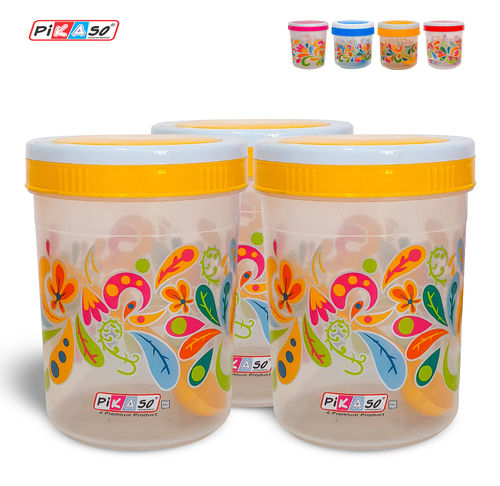
Cozy Dc 1600 Container (3 Pc Set)
Price:132.00 INR /Set
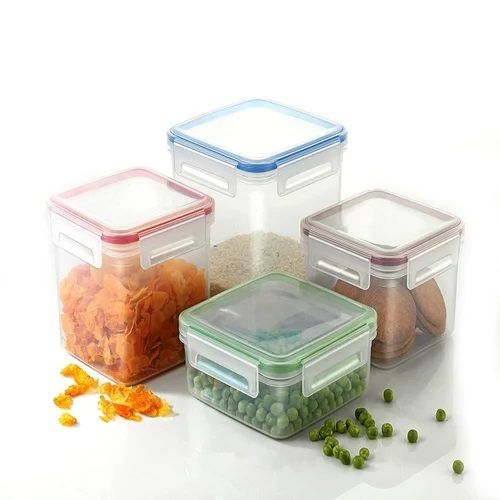

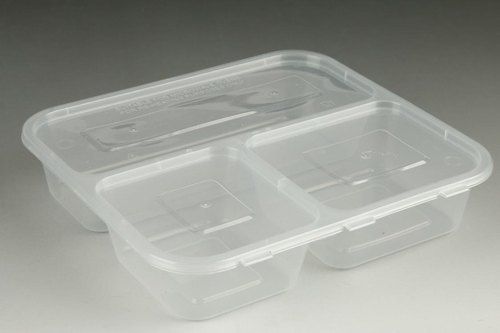
Transparent Polypropylene Plastic Plain Square Disposable Food Container
Price:200 INR /Box
Transparent Plastic Container
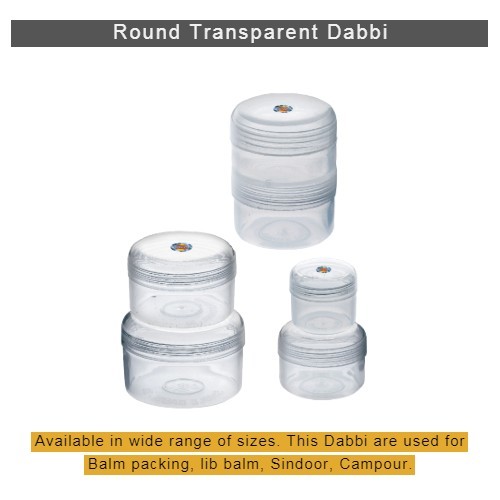
Transparent Plastic Round Dabbi
Price:3 INR /Piece
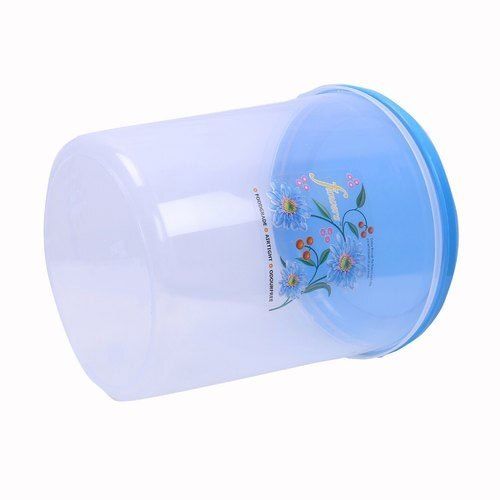
Modular Transparent Round Household Plastic Container
Price:25 INR /Piece

Transparent Plastic Packaging Jar
Price:13 INR /Piece
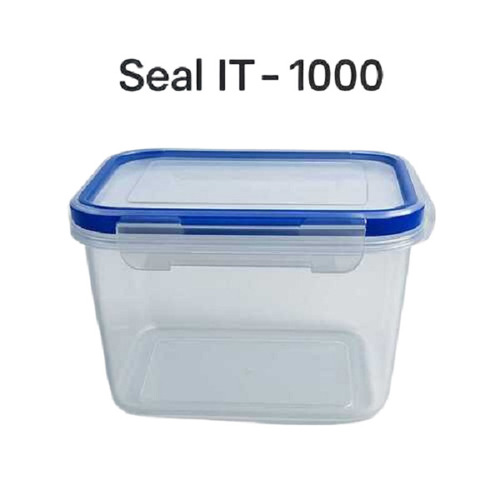
Seal It 1000 Lock and Seal Container
Price:50 INR /Piece
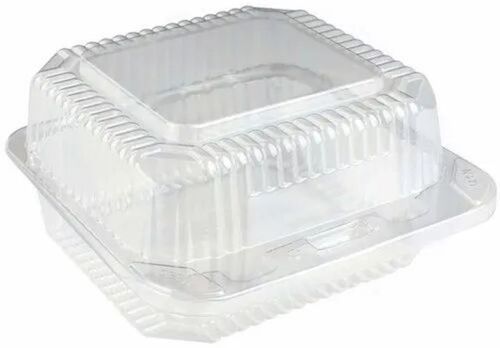
Disposable Hinged Box
Price:1 INR /Piece
Pharmaceutical Container
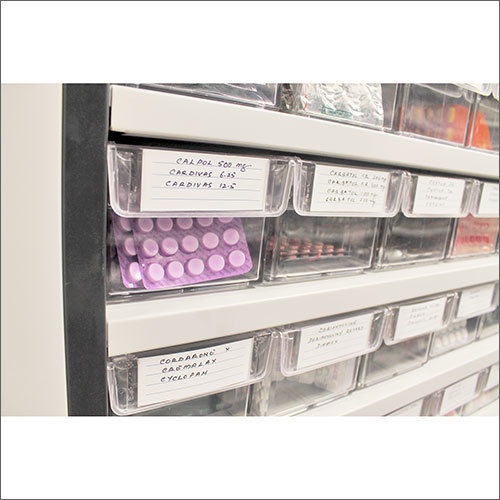
Pharmaceutical Medicine Bin
Price:235 INR /Piece
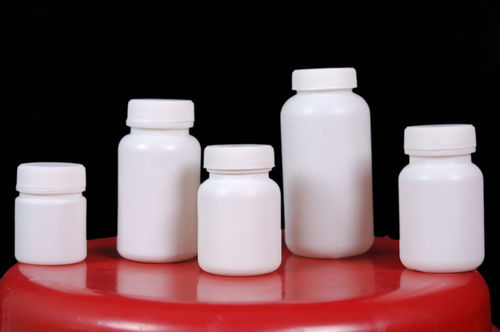
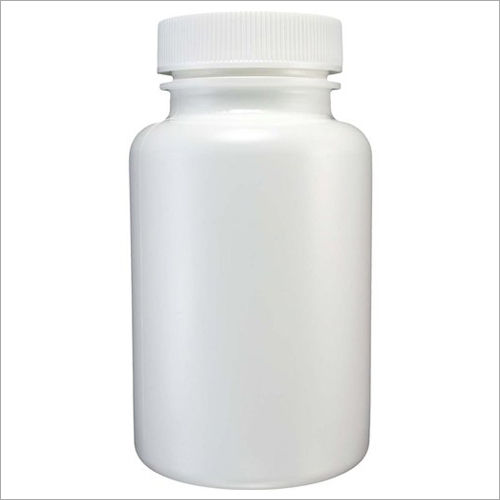

Hdpe Plain Tablet Containers
Price:5 INR /Piece

Pharmaceutical box
Price:44.0 INR /Piece
Pharmaceutical Containers

Pharmaceutical Plastic Jars and Containers
Price:2 INR /Piece
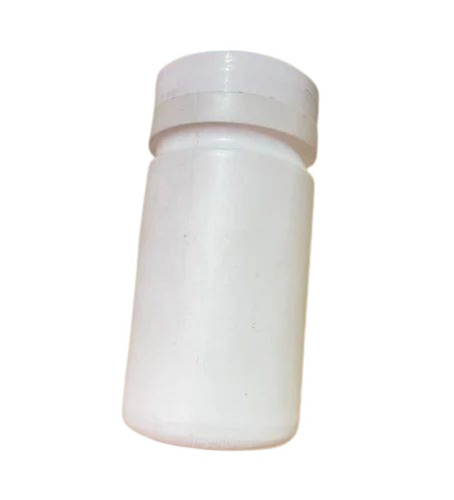
100 Ml Pharma Tablets Containers
Price:6 INR /Piece
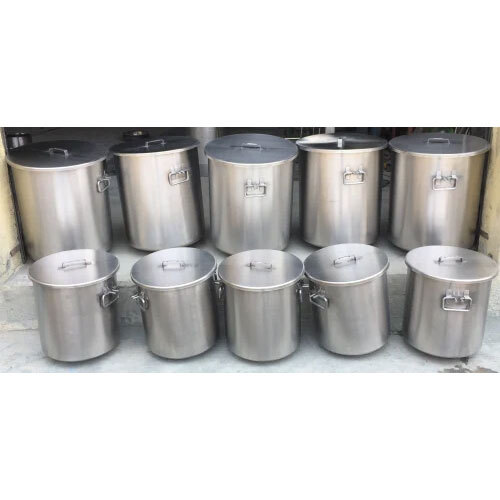
SS Pharma Containers
Price:10000 INR /Piece
Plastic Pharmaceutical Container
Price:14 INR /Piece
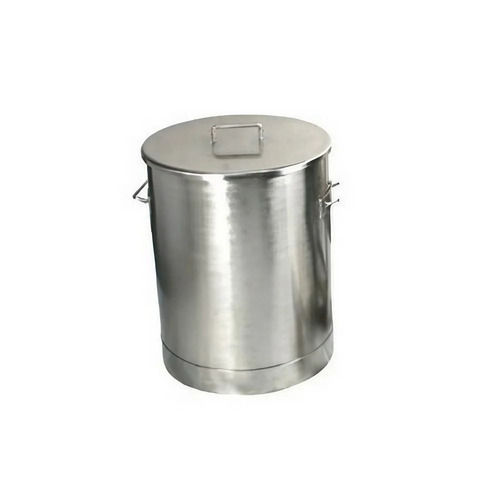
Plastic Packaging Container
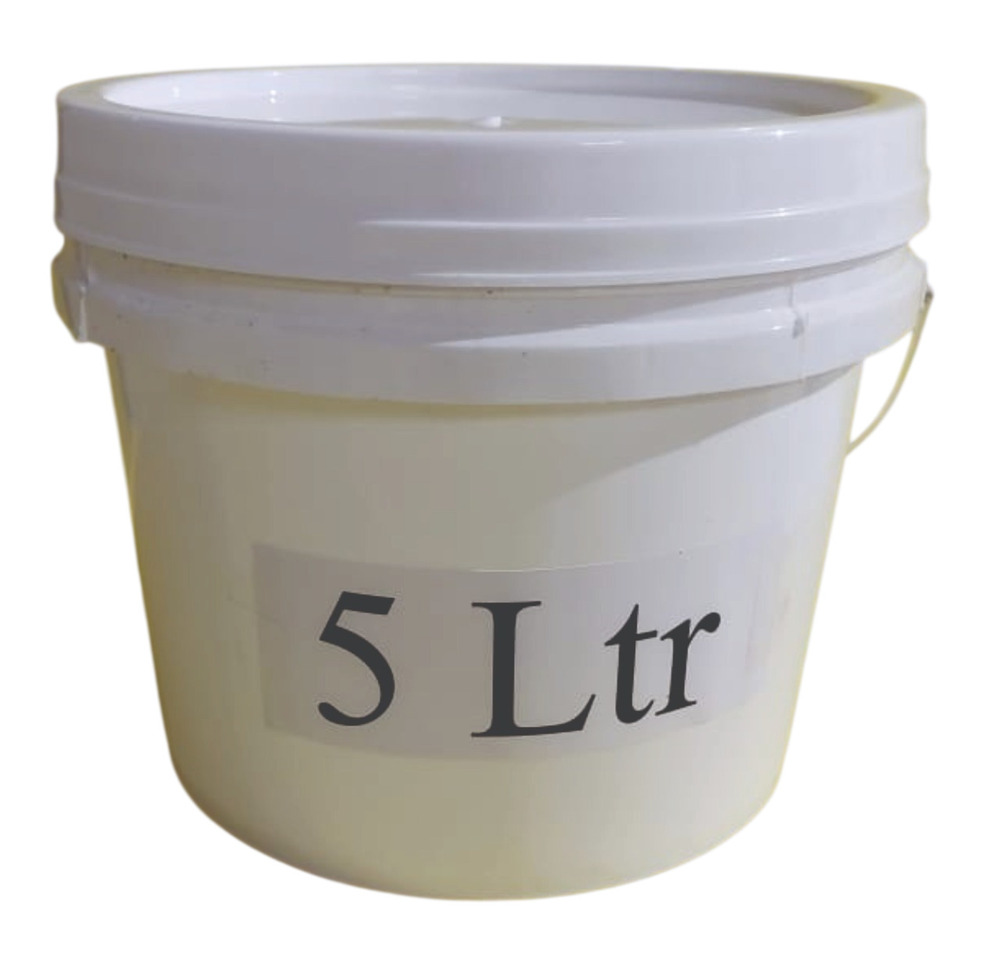
5 Ltr Plastic Container
Price:25 INR /Unit

CP 900 Big Chocolate Container (CPRE17)
Price:46.0 INR /Piece
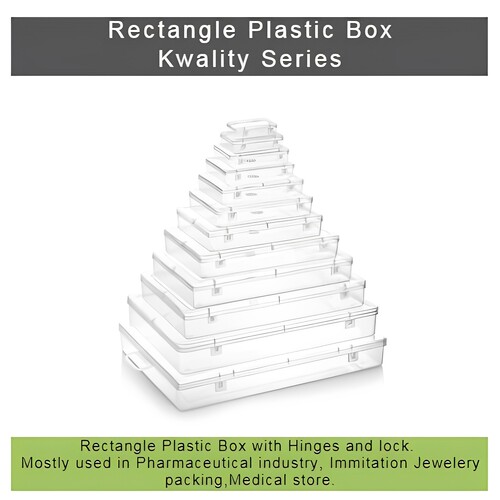
Rectangle Transparent Plastic box with Hinges Kwality
Price:20 INR /Piece
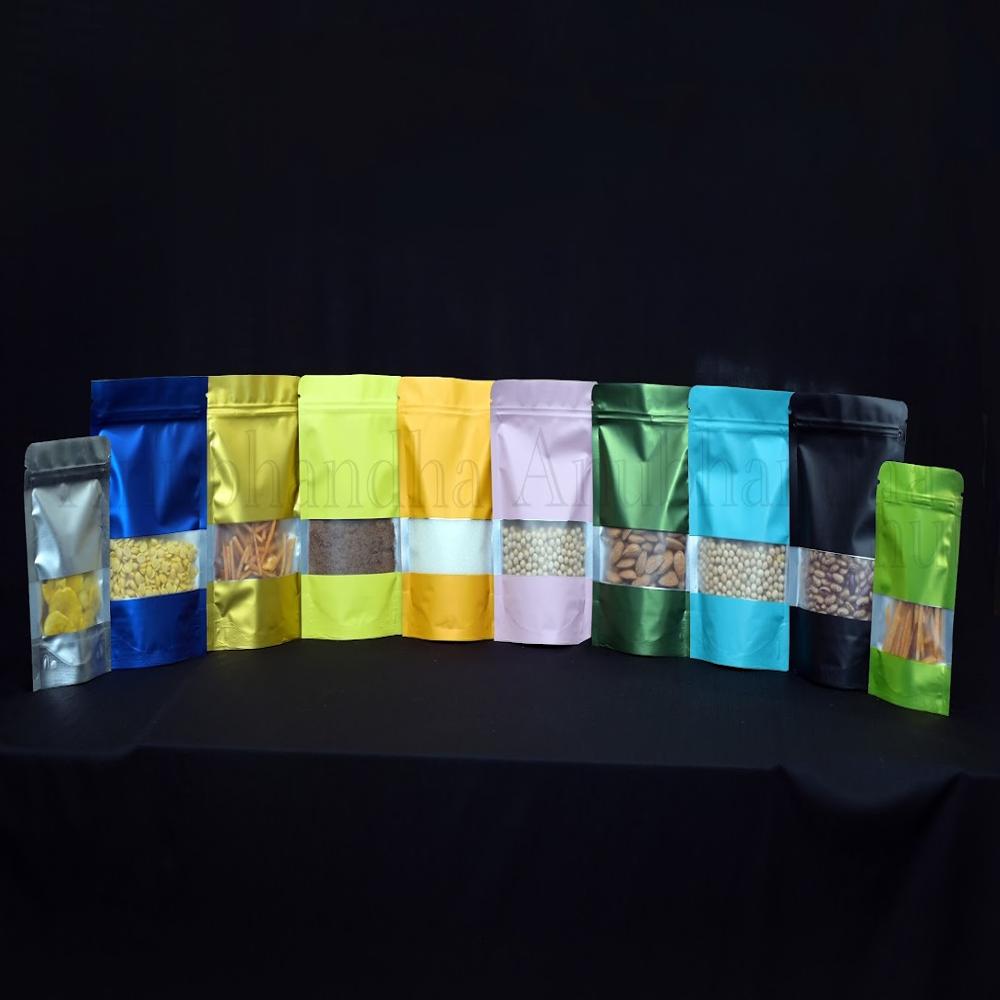
Standup zip up pouch
Price:2.0 INR /Piece
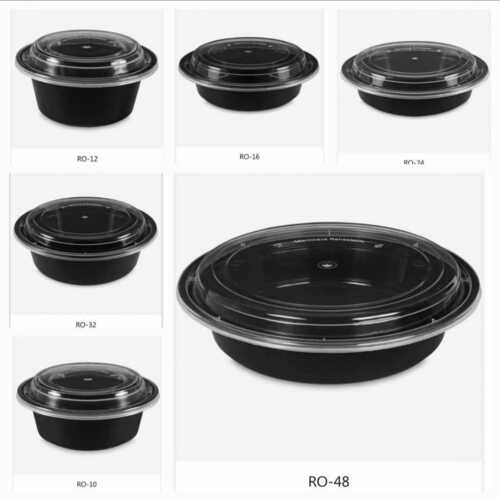
RO SERIES CONTAINER
Price:4 INR /Piece
Top Rated Companies from Plastics & Products Category







FAQs Related to Plastics & Products
What is Plastic Made of?
What Sectors use Plastic?
How Do Animals Die When They Eat Plastic?
What are the Products of Plastic?
Plastic Sheets
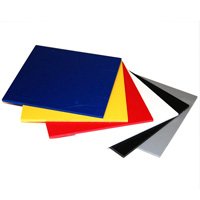
Polyethylene Sheet
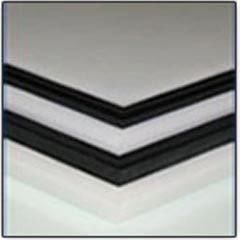
HDPE (High Density Polyethylene) Sheet
Price:110.0 INR /Piece
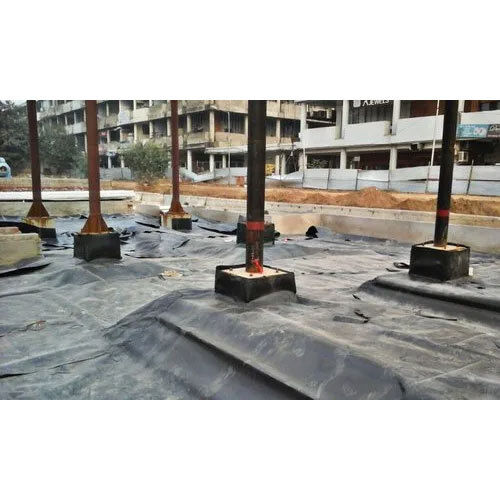
Building Construction Polythene Sheets
Price:125.0 INR /Kilograms
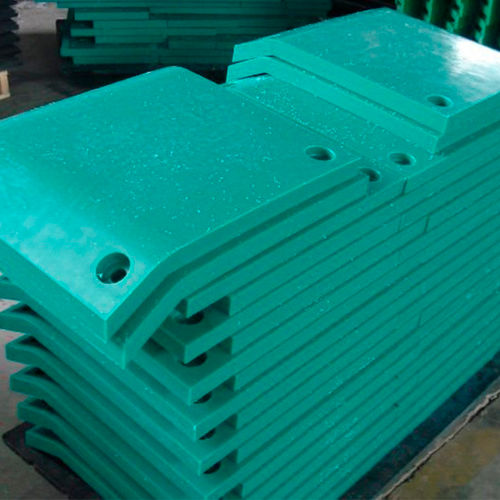
UHMW PE Corrosion Resistant Marine Fender Facing Pad
Price:USD2-USD3.8/kg USD ($) /Kilograms
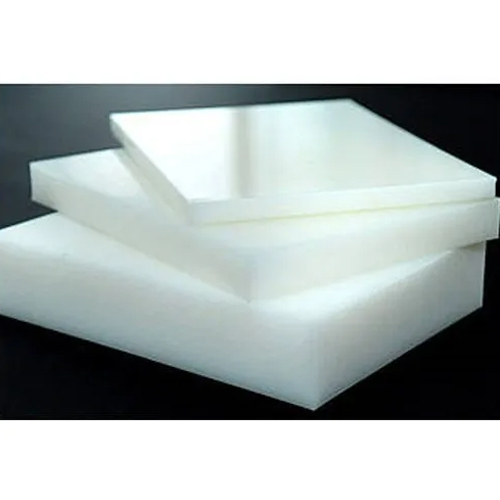
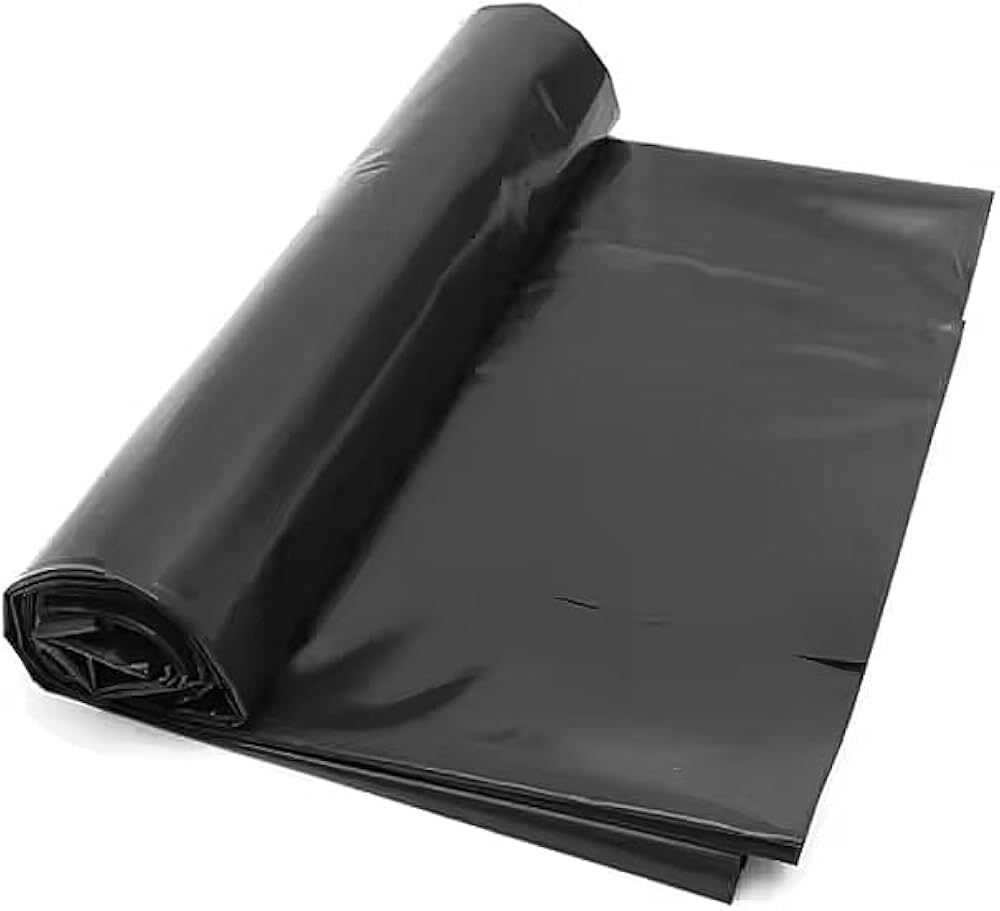
LD Polythene Sheet
Price:130.0 INR /Kilograms
Pet Sheet
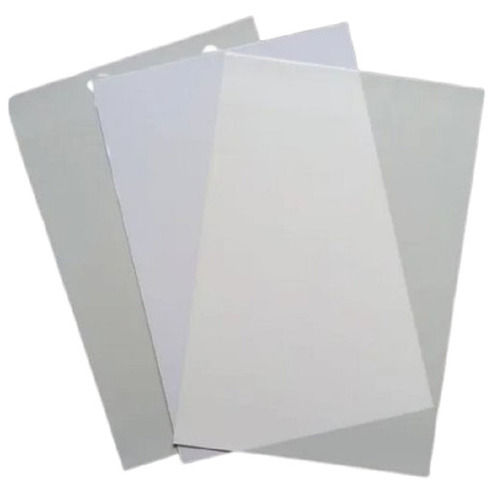
Industrial Apet Sheet
Price:130 INR /Kilograms

Pet Sheet For Printing
Price:150 INR /Kilograms
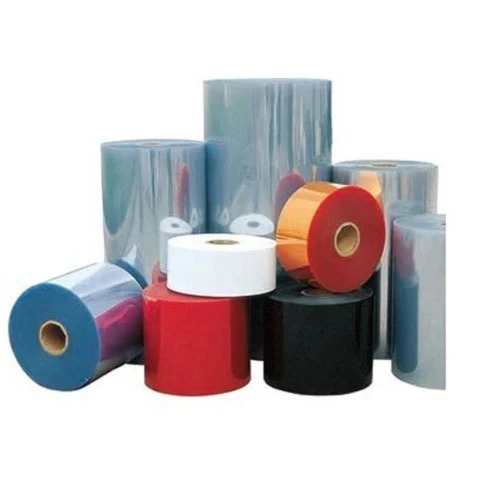
Plastics Pet Sheets
Price:200 INR /Kilograms
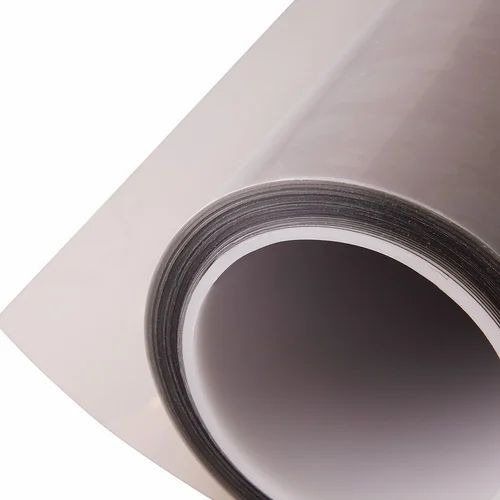
Ito Coated Pet Sheet
Price:632 INR /Piece
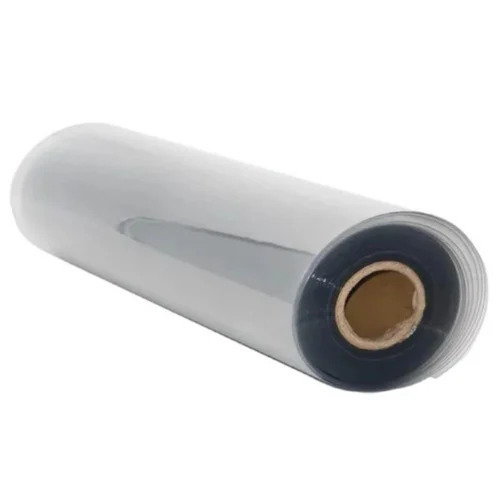
70 GSM PET Grip Sheet
Price:145 INR /Sheet
Thermoformable Sheets
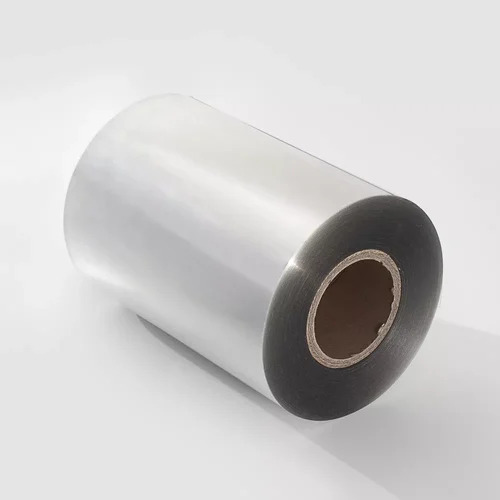
Thermoforming PET Sheets
Price:150 INR /Kilograms
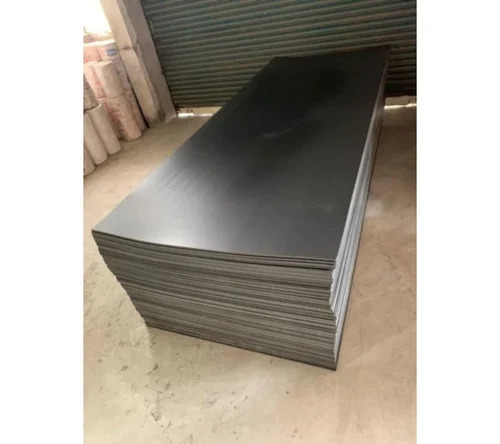
Black Thermoforming HDPE Sheets
Price:160 INR /Kilograms
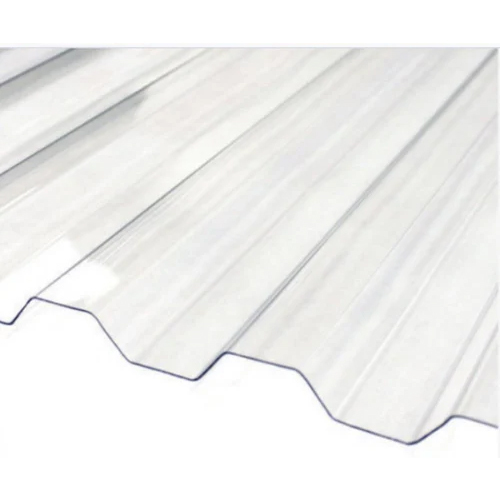
Polycarbonate Thermoforming Sheet
Price:50 INR /Square Foot
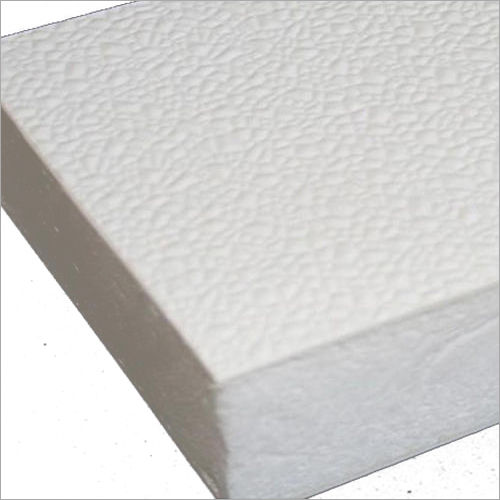
50mm Thermocol Sheets
Price:12 INR /Piece
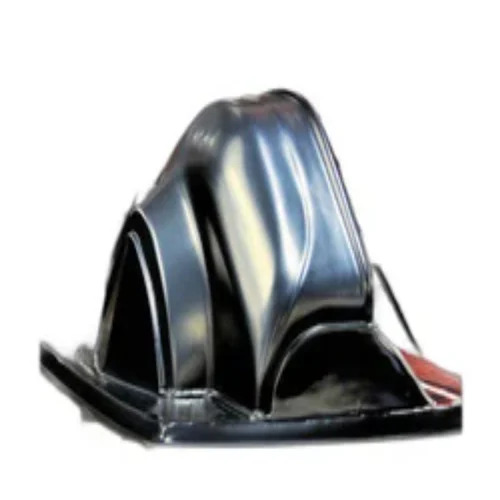
Thick Sheet truck fender Vacuum Thermoformed Products
Price:100 INR /Piece
Clear Pet Sheet
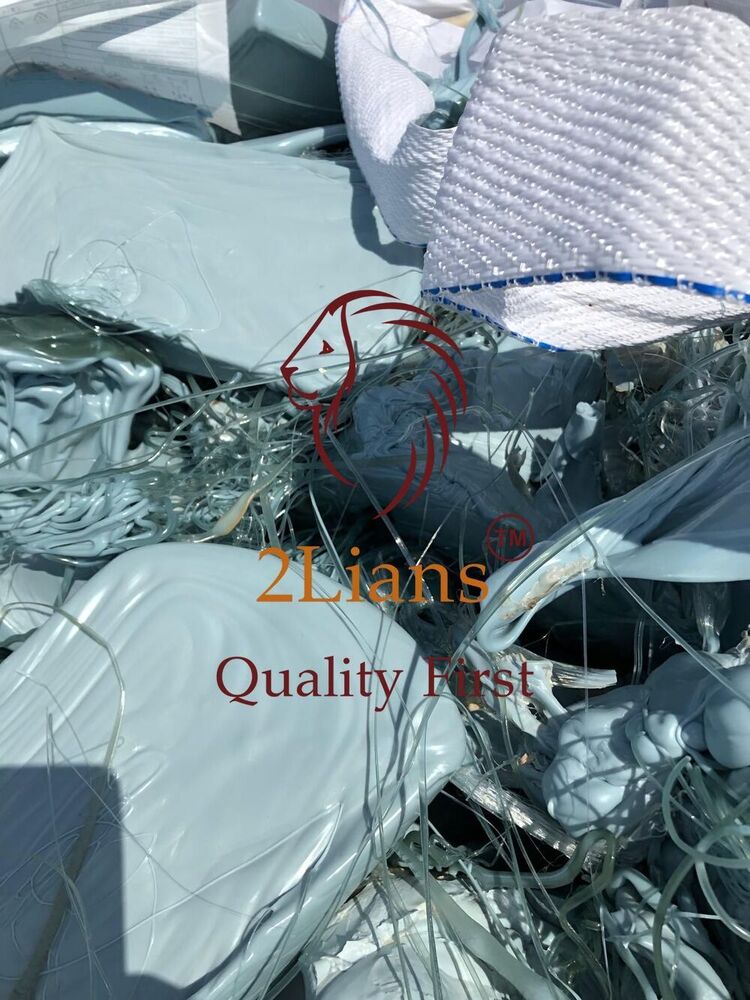
PET Lump natural and natural/blueish
Price:495 USD ($) /Metric Ton
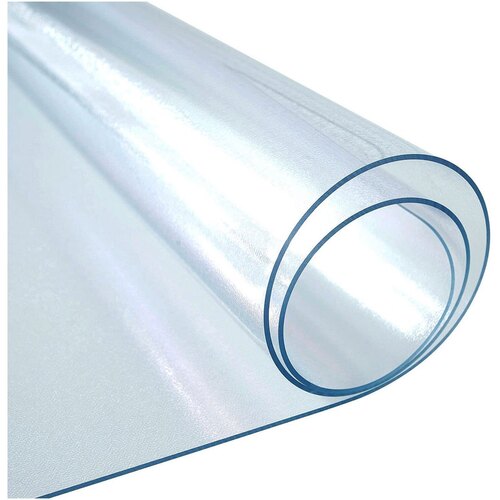
Clear Plastic Sheet
Price:125 INR /Kilograms

Fedus 14nch/15.6 Transparent Screen/Scratch Guard (Pet Sheet)
Price:33.00 INR /Piece
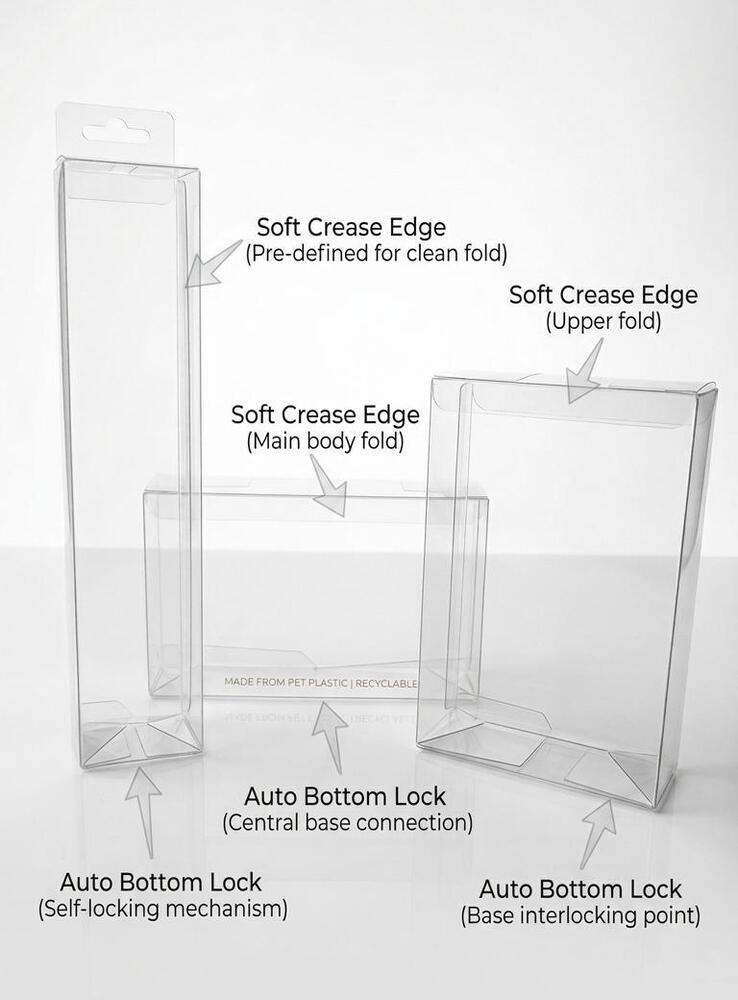
Soft Crease Pet Boxes
Price:25.0 INR /Piece
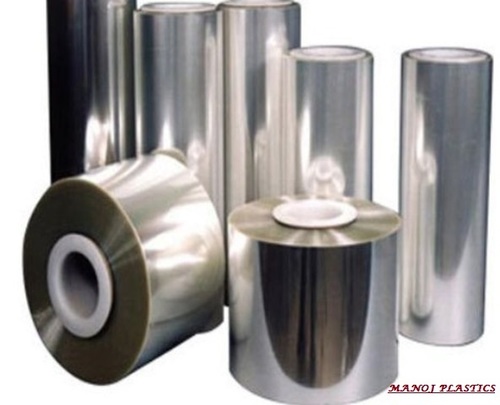
PET Sheets in Jodhpur
Price:140 INR /Kilograms
Corrugated Plastic Sheet
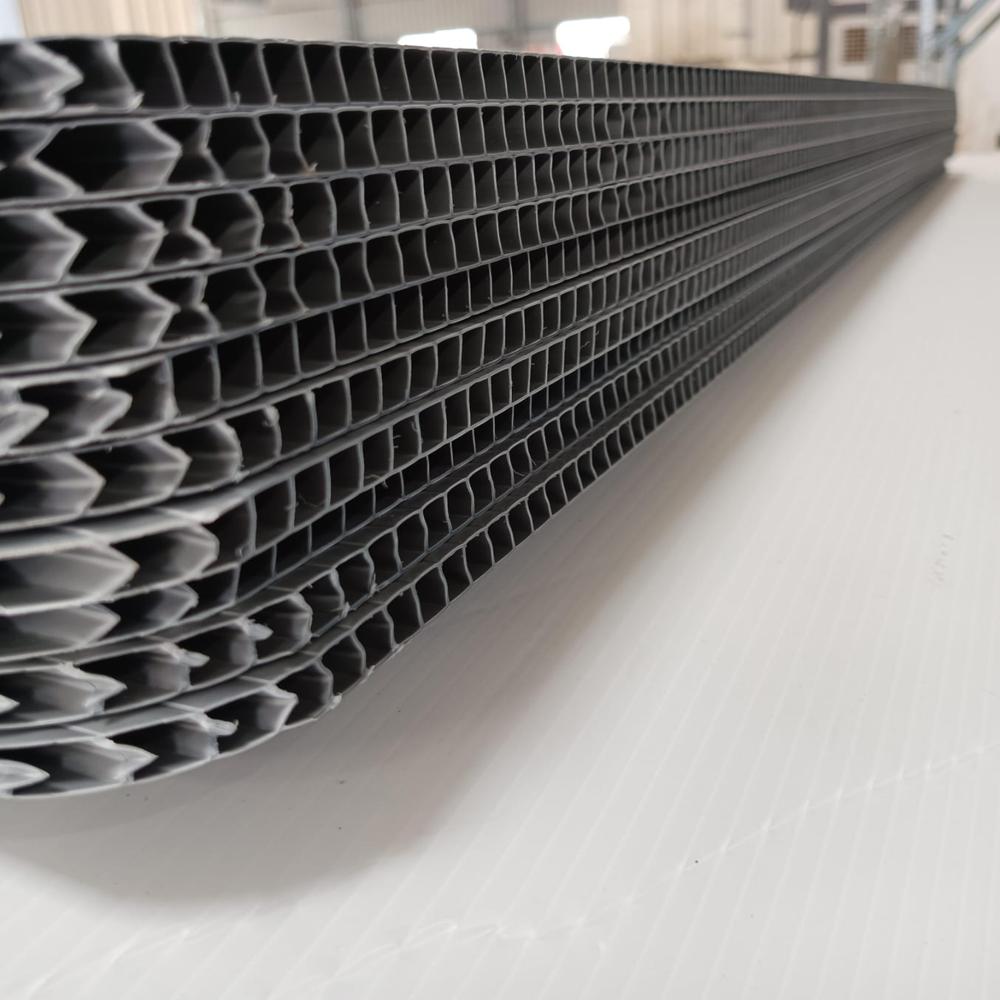
Partition Grade PP Sheet
Price:145.0 INR /Kilograms
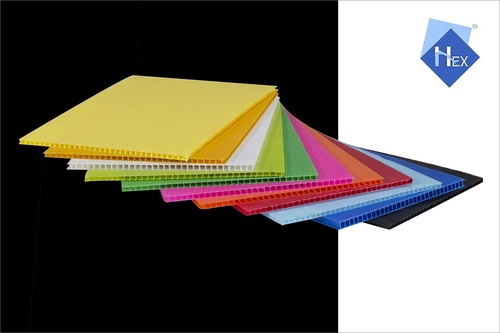
Poly Propylene Hollow Sheet
Price:nan INR /Sheet
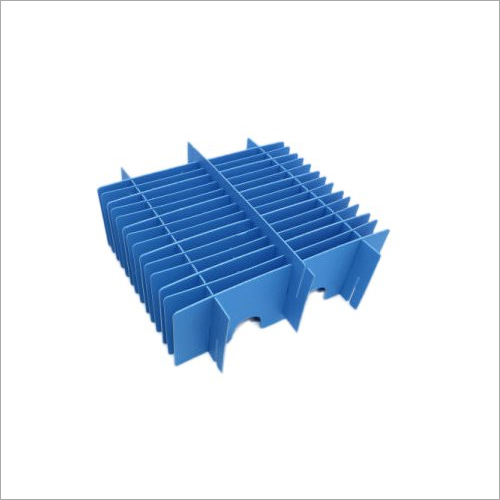
Corrugated Plastic Partition
Price:102 INR /Piece

Ppgi Corrugated Sheet
Price:110 INR /Kilograms
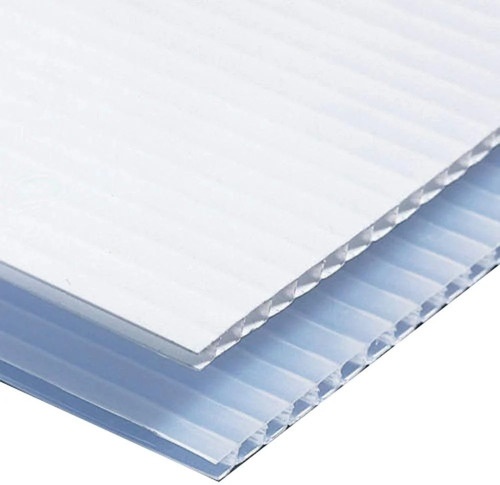
Plastic Corrugated Sheet
Price:118 INR /Kilograms
PTFE Products

Ptfe Bearing Pad
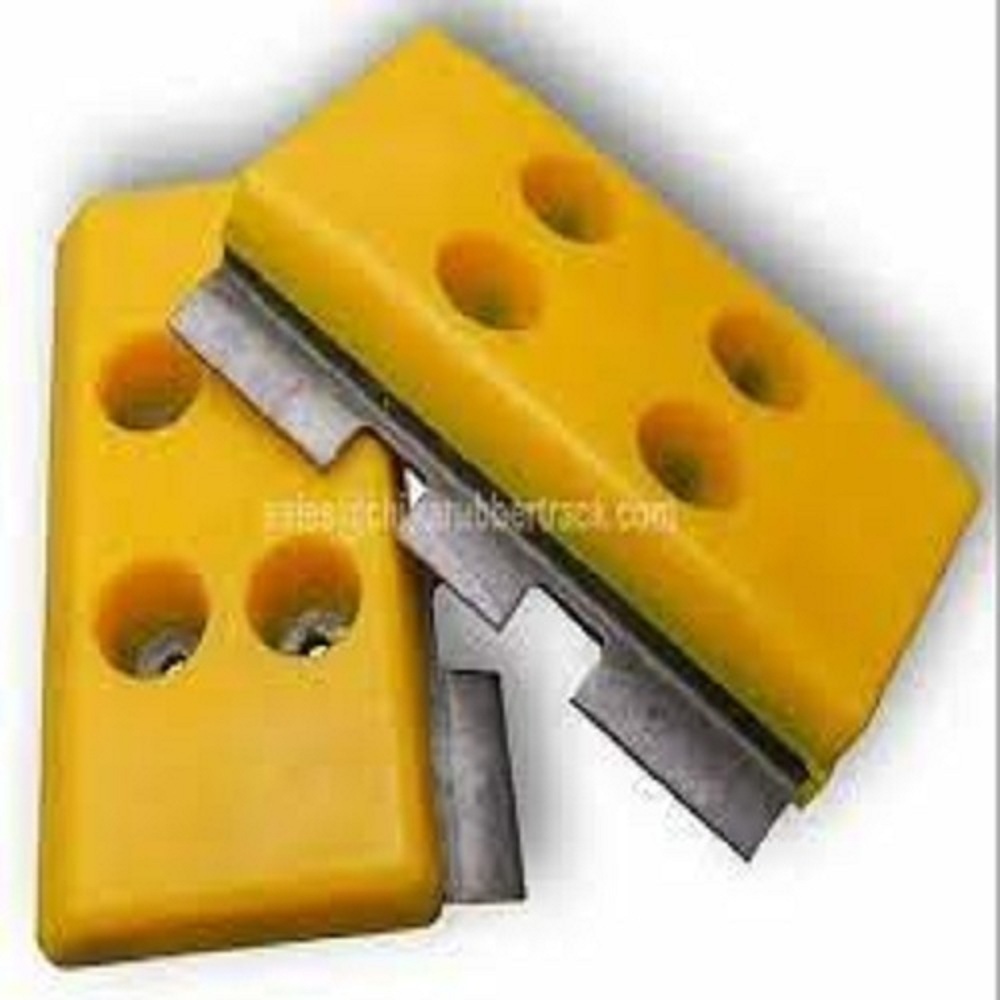
Wirtgen Paver Track Pad
Price:1800 INR /Piece
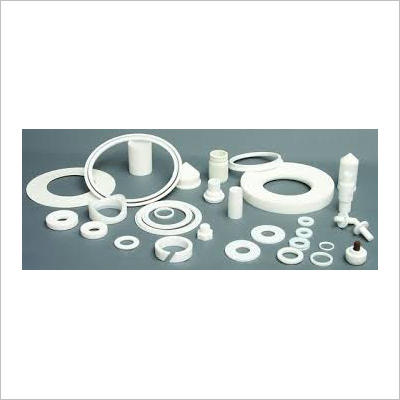
PTFE Components
Price:nan INR /, Piece
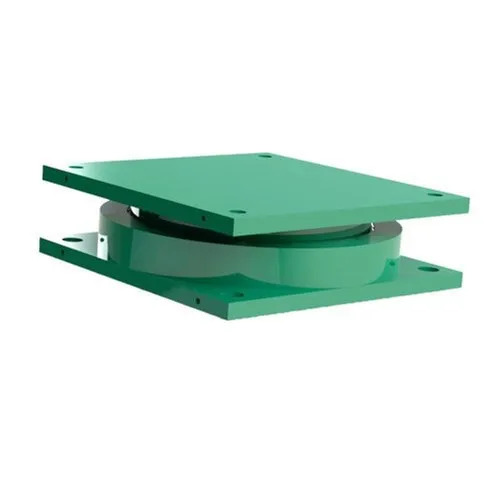
Pot PTFE Bearing Pad
Price:150 INR /Ton
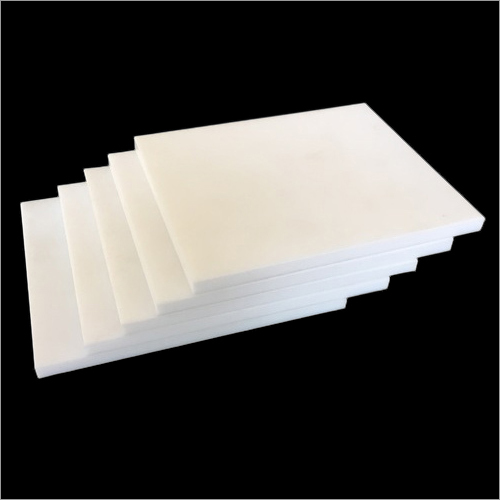
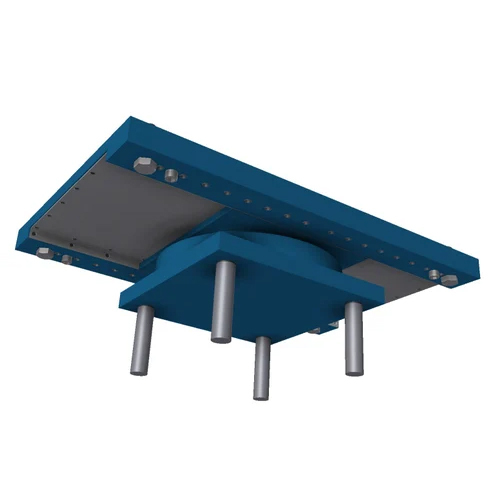
Free Pot Ptfe Bridge Bearing Pad
Price:2999 INR /Piece
Ptfe Diaphragm
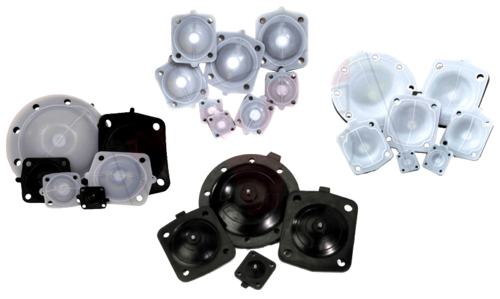
PTFE Diaphragm
Price:50 INR /Piece

PTFE Gasket
Price:650 INR /Piece
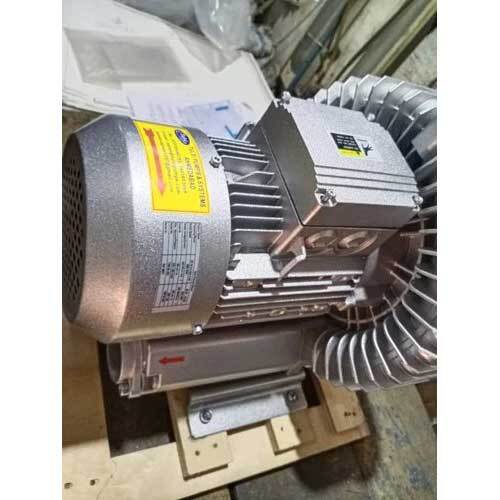
Vacuum Pump Oil Free Ptfe Coated Diaphragm
Price:15000 INR /Unit
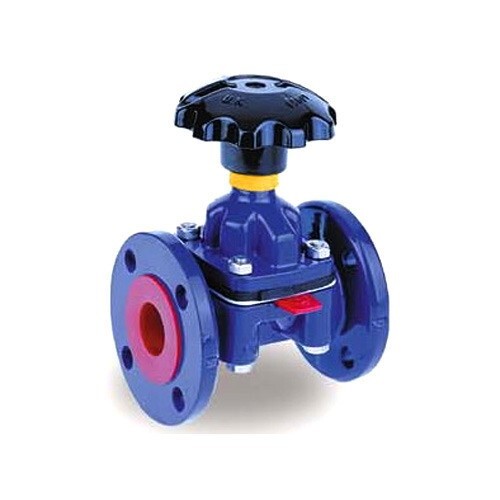
SS Diaphragm Valve
Price:2400.0 INR /Unit
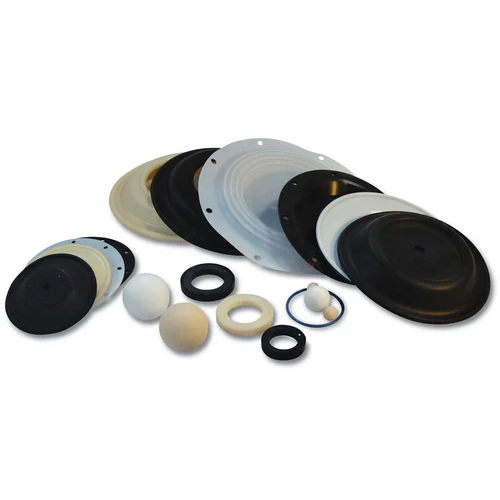
PTFE And Rubber Diaphragms
Price:500.0 INR /Piece
Ptfe Filament Packing

PTFE Pure Packing
Price:10000.0 INR /Kilograms
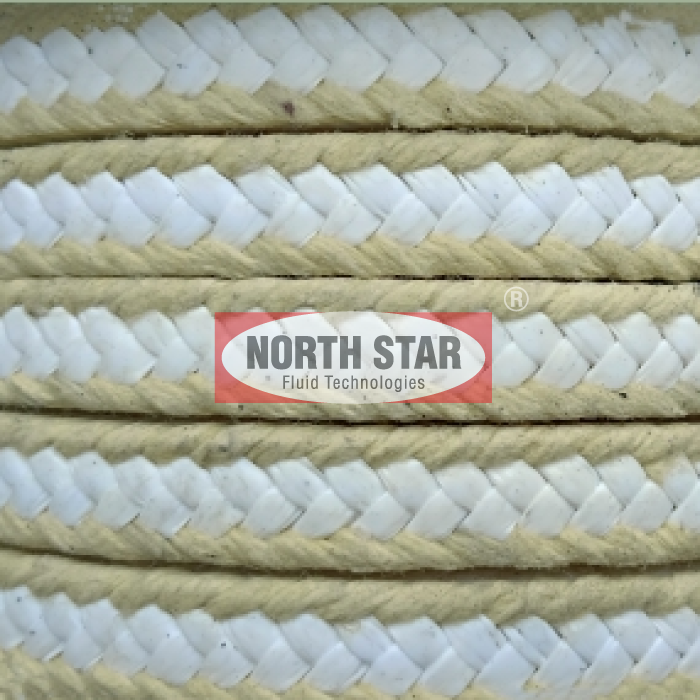
North Star Style 931-SPE Filament Aramid Corner With Expanded PTFE Gland Packing
Price:140 INR /Piece
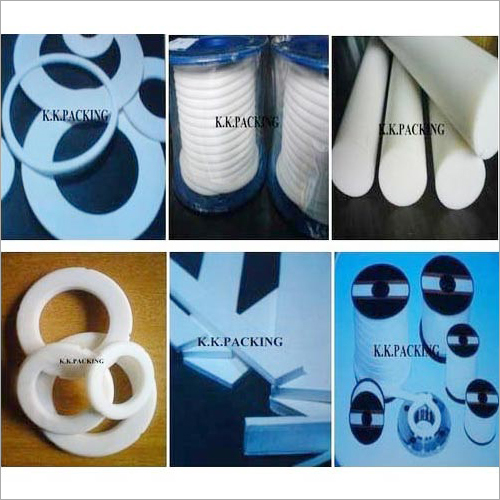
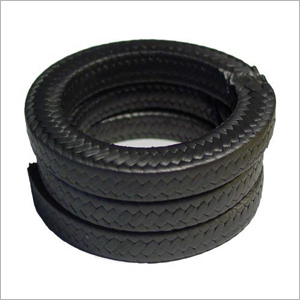
PTFE Graphite Packing
Price:1850 INR /Kilograms
Ptfe Lined Pipes
JSL Stainless Sheet
Price:205.0 INR /Kilograms
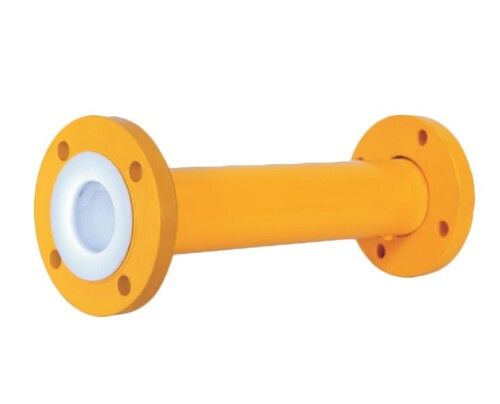
PTFE / PFA / FEP Lined Piping
Price:10000 INR /Piece

PTFE Drop Tube
Price:4500 USD ($) /Piece
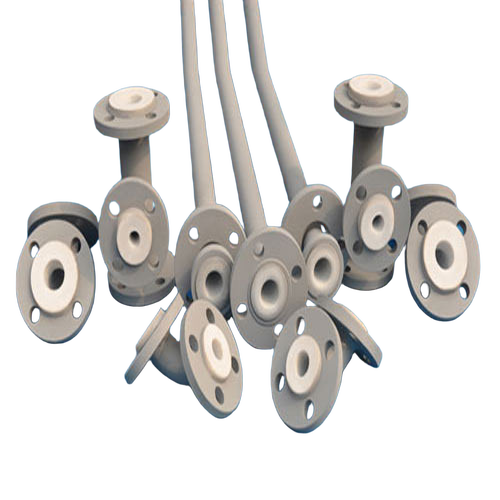
Ptfe Lined Piping
Price:400 INR /Kilograms
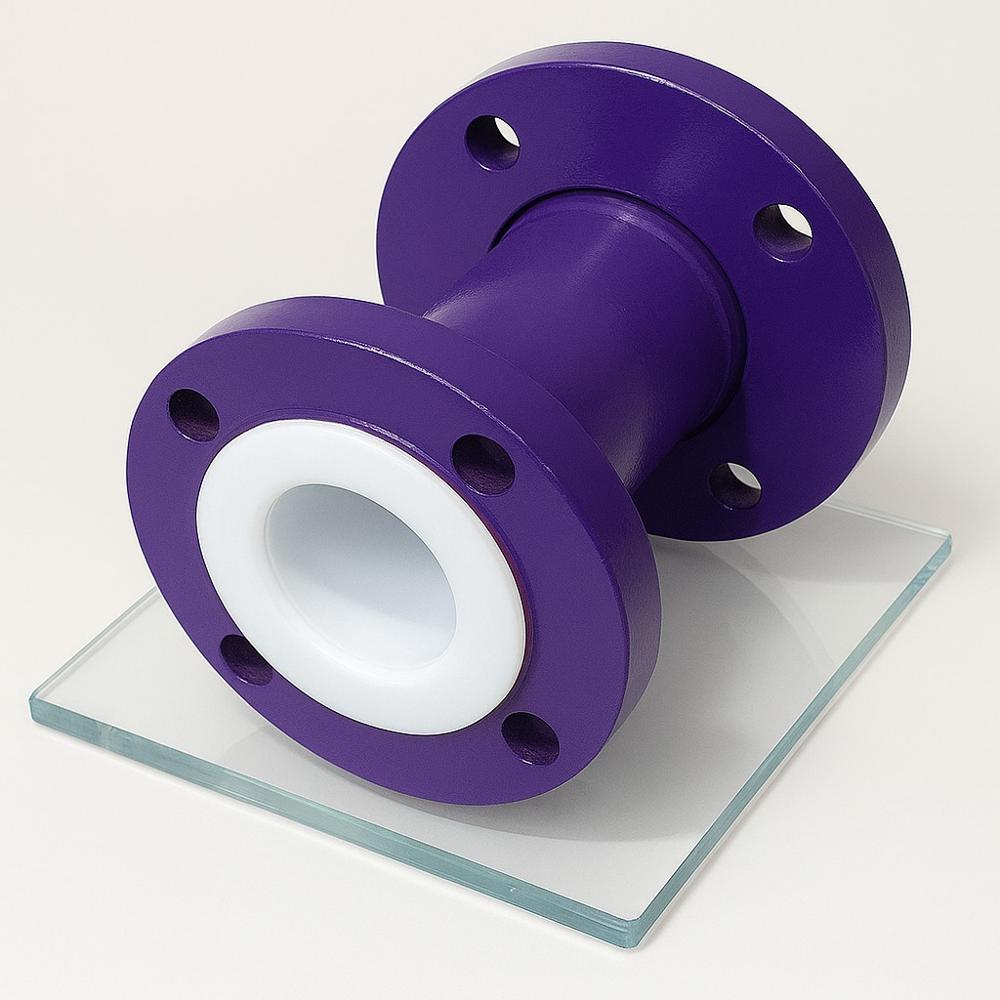
PTFE Lined Spool Pipe
Price:2000.0 INR /Piece
Ptfe Sheet
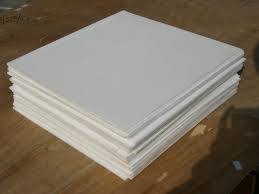
PTFE Thick Sheet
Price:10000.0 INR /Kilograms
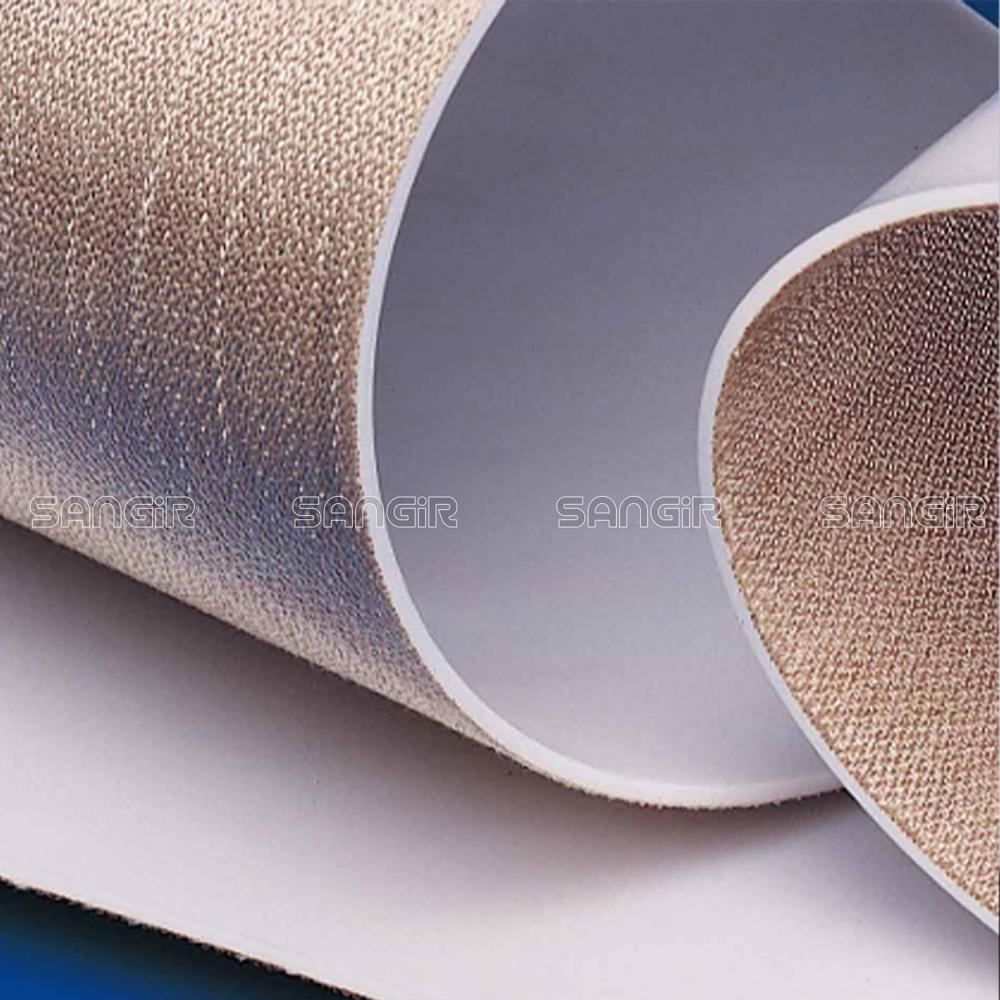
Modified PTFE Sheet- Glass Fabric Backed
Price:100.0 INR /Pack
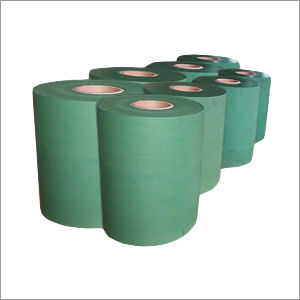
Turcite Sheet
Price:1800 INR /, Roll
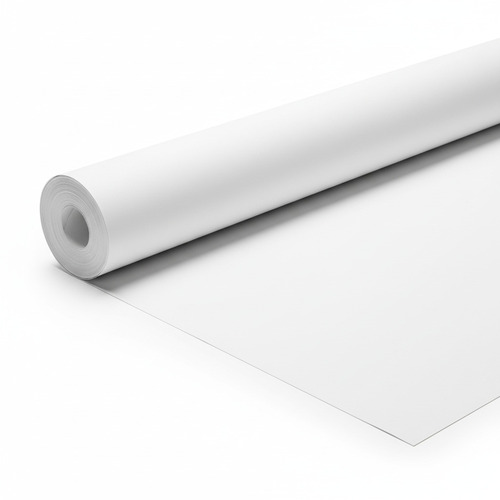
PTFE Expanded Sheet
Price:500 INR /Piece
PTFE Sheet
Price:180.0 INR /Piece
Plastic Moulding

Dip Moulded Pvc Sleeves
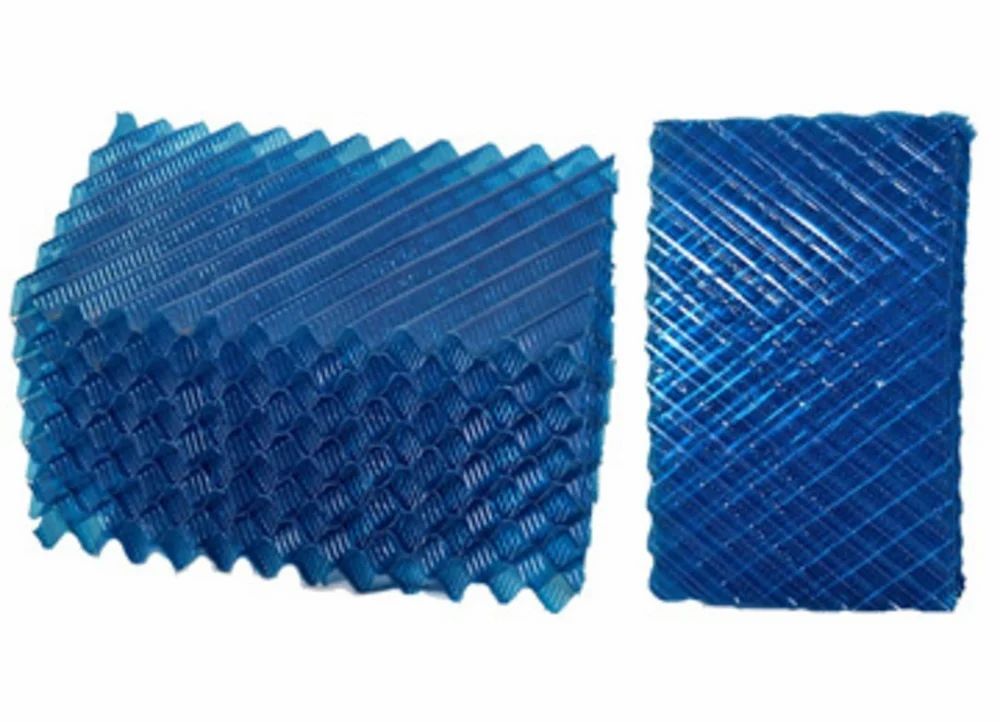
Tower PVC Fills
Price:100 INR /Pair
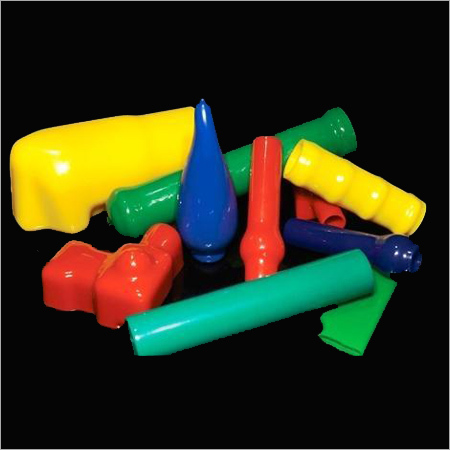
Multicolor PVC Dip Moulding Products
Price:600 INR /Kilograms
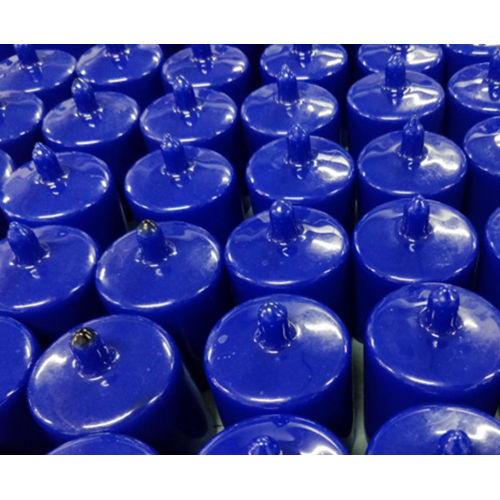
PVC Vinyl Sleeve
Price:10 INR /Piece
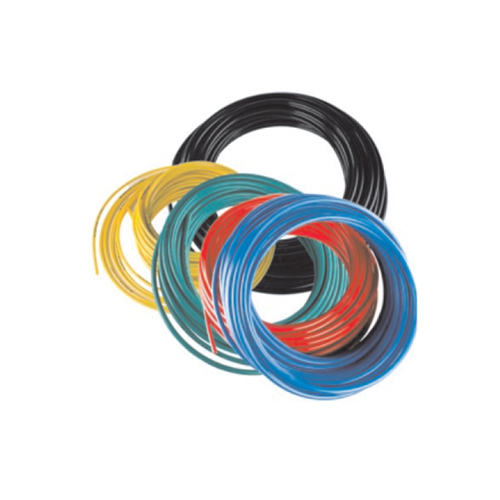
PVC Sleeve
Price:100.0 INR /Number
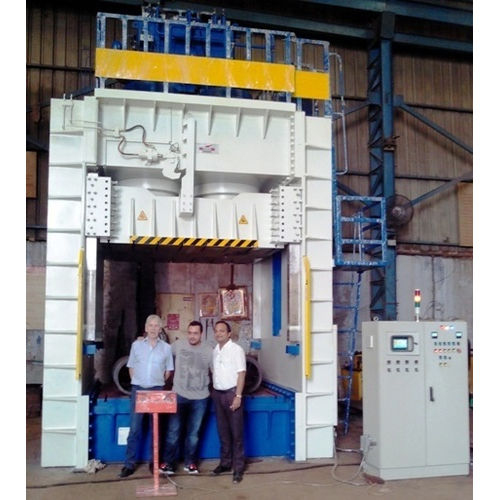
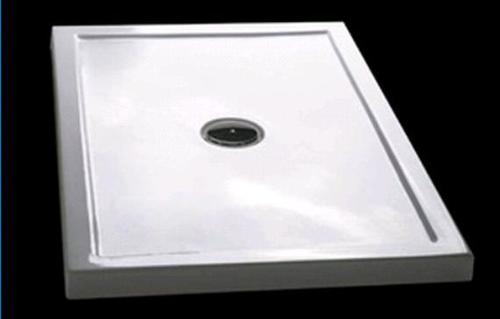
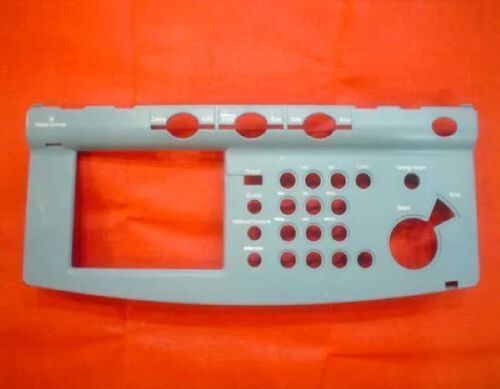
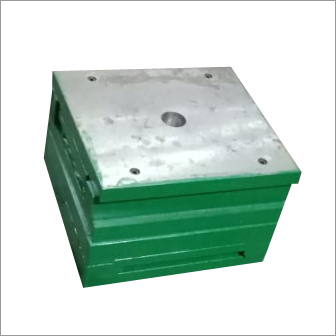
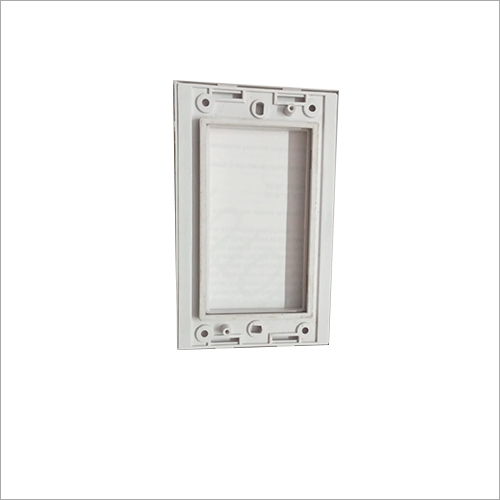
Plastic Bucket Mould
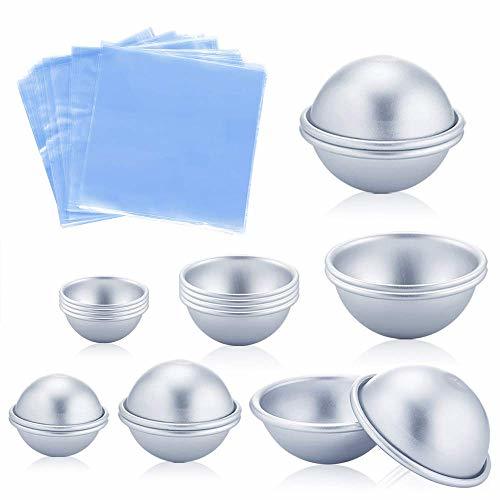
Industrial Plastic Painted Moulding
Price:35 INR /Piece
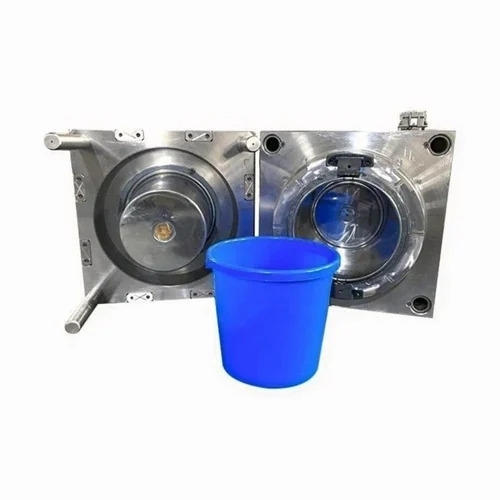
Plastic Bucket Mould
Price:100000 INR /Unit
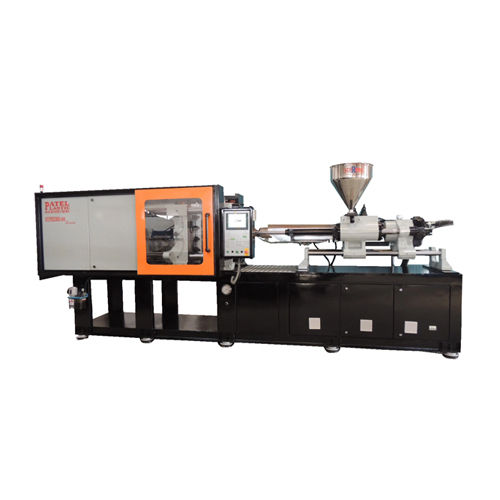
Plastic Bucket Moulding Machine
Price:1500000 INR /Unit
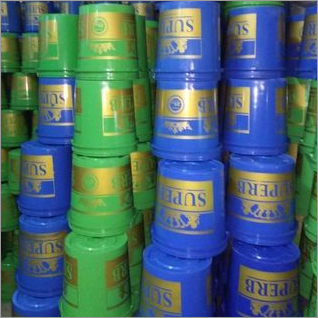
Plastic Bucket
Price:44 INR /Piece
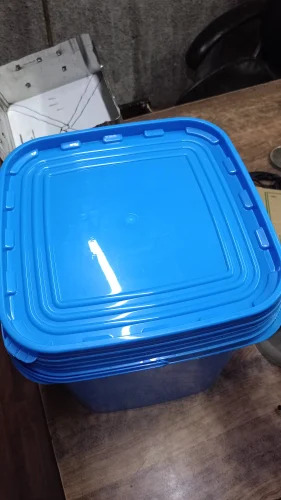
Plastic Bucket Mould
Price:50000 INR /Piece
Injection Molded Plastic Parts
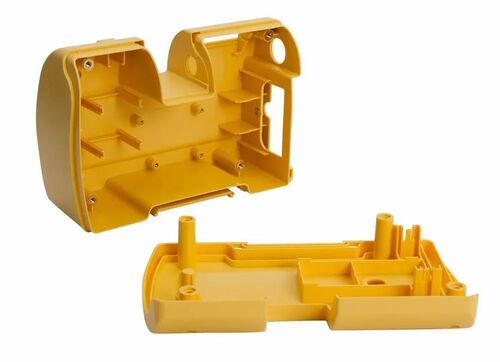
Plastic Injection Moulded Parts
Price:20 INR /Piece

Plastic Parts
Price:25000 INR /Number
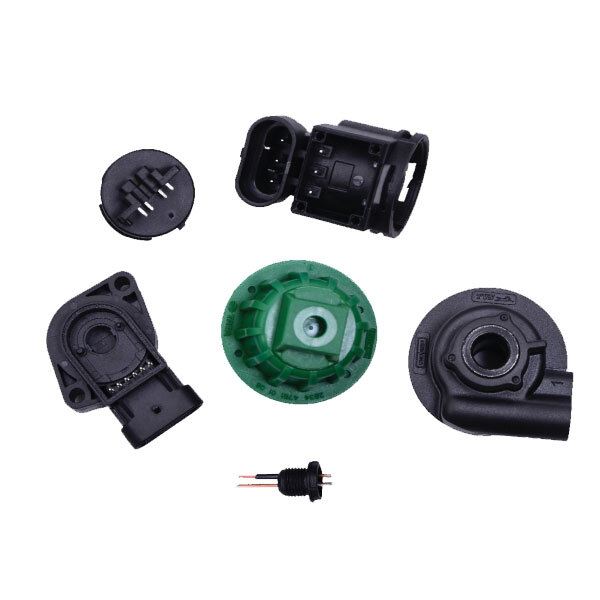
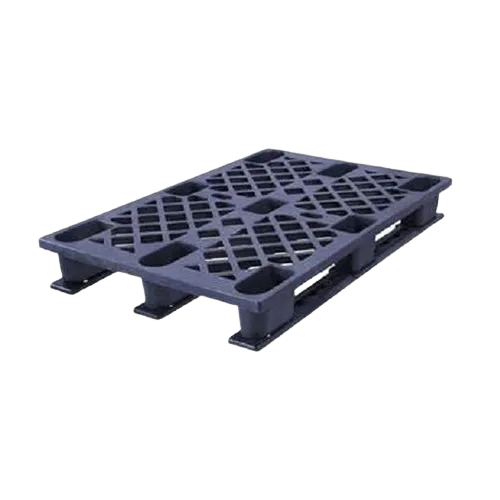
Plastic Pallet Injection Molded
Price:1299 INR /Piece

Plastic Injection Molded Components
Price:15 INR /Piece


Plastic Scrap
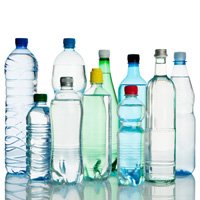
Mixed Plastic Scrap

LLDPE off grade pellets MI 0.8-3.2
Price:1035.0 USD ($) /Metric Ton
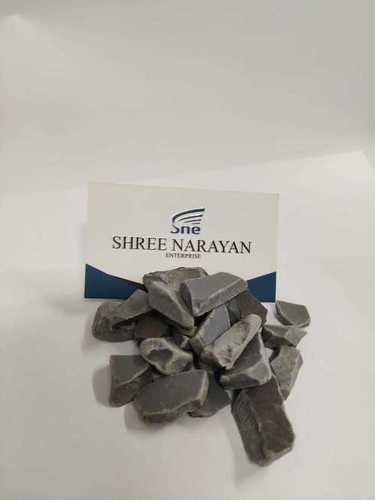
PVC Pipe Scrap
Price:70000 INR /Ton
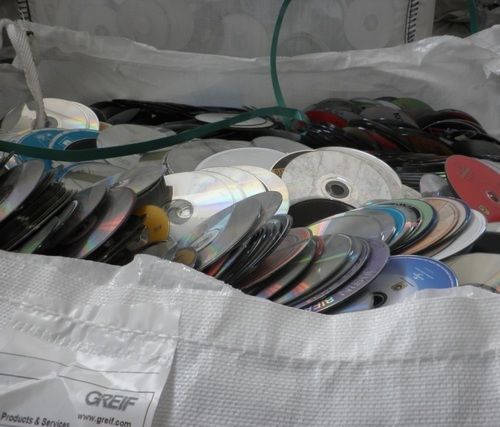
CD And DVD Scrap
Price:200 USD ($) /Metric Ton
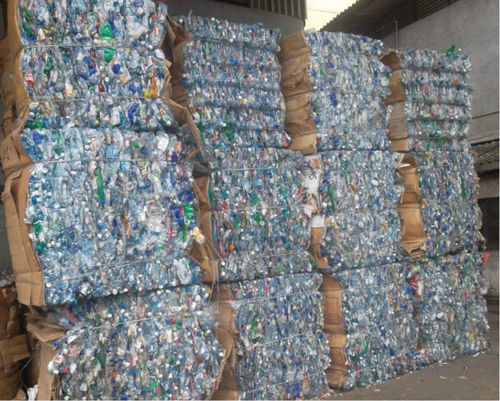
Multi-Color Plastic Scrap
Price:250 USD ($) /Metric Ton
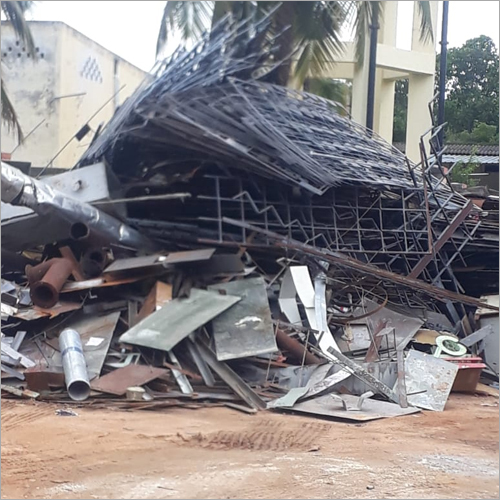
Industrial Plastic Scrap
Price:50 INR /Kilograms
Pe Film Scrap
PP & PE Purge & Regrind Mix colors
Price:500 USD ($) /Metric Ton
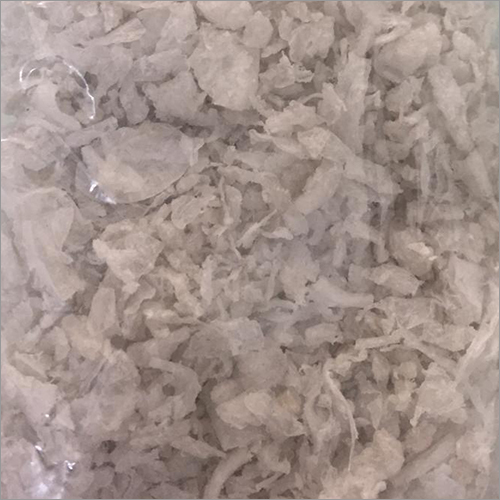
LLDPE Agglo Flakes
Price:75 INR /Kilograms
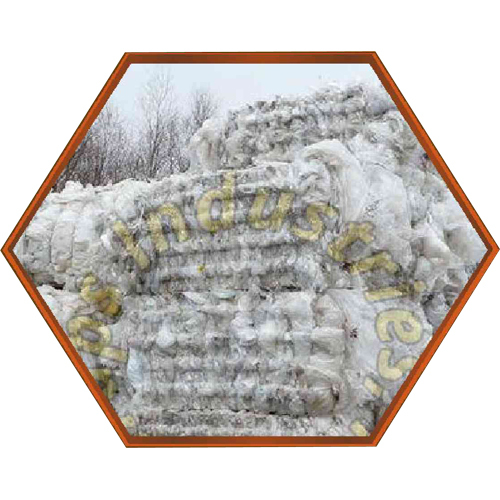
PE Scrap
Price:400 USD ($) /Metric Ton
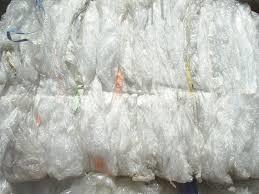
100% Natural LDPE Film Scrap
Price:370 USD ($) /Metric Ton
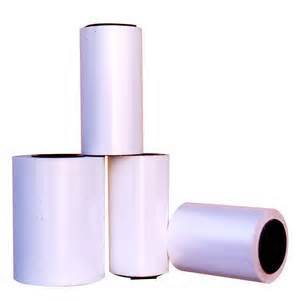
Pvc Pipe Scrap

PVC grey pipe regrind Grey scrap
Price:560 USD ($) /Metric Ton
PVC Pipe Scrap
Price:70000 INR /Ton
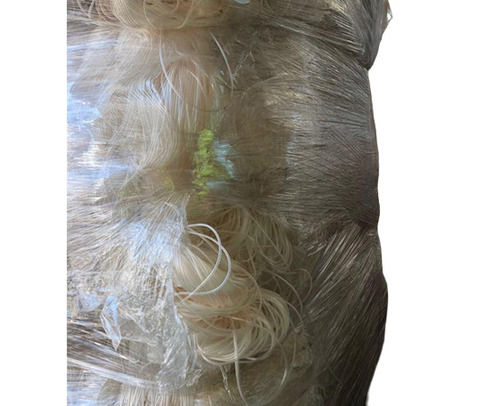
Easy To Melt Soft PVC Medical Tubes Scrap
Price:275 USD ($) /Metric Ton
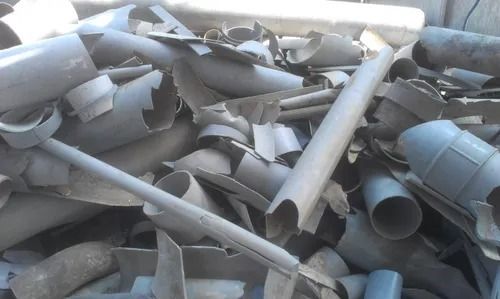
High Strength Polyvinyl Chloride Pipe Scrap
Price:42 INR /Kilograms
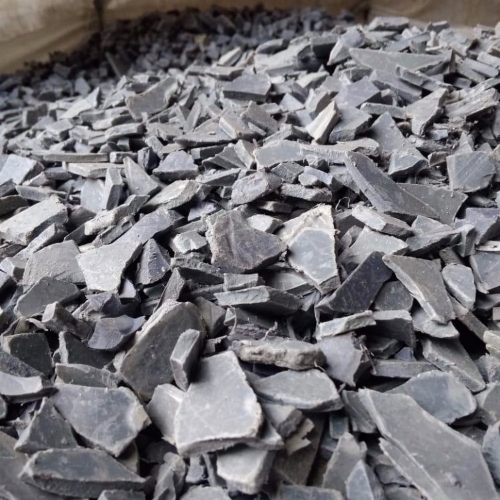
Pvc Regrind Scrap
Price:34 INR /Kilograms
Scrap Iron
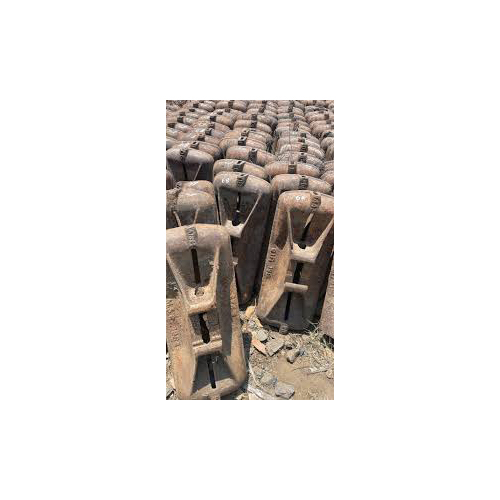
Cast Iron Scrap
Price:45 INR /Ton
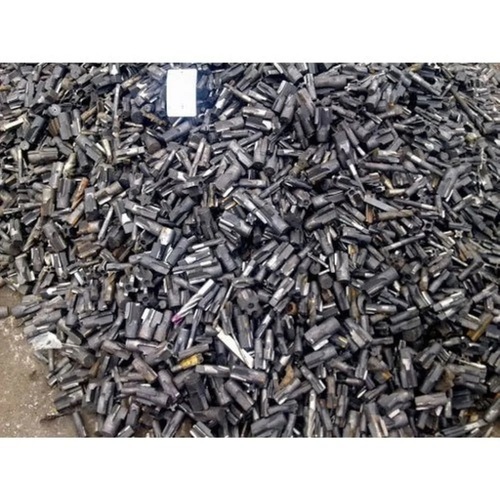
Industrial Iron Scrap
Price:25 INR /Kilometer
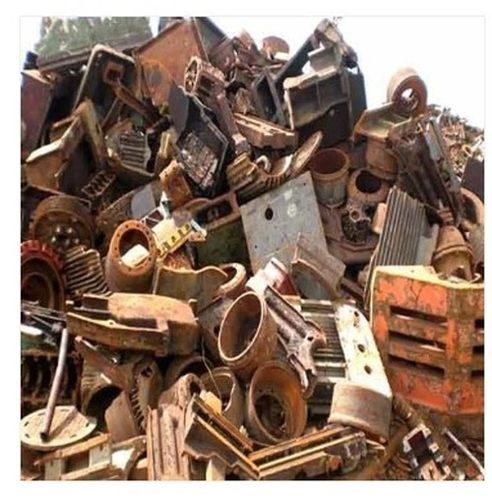
Iron Scrap
Price:14 INR /Kilograms

Heavy Duty Iron Scrap
Price:15 per kg. INR /Ton

Rust Resistant Iron Scrap For Recycling Use
Price:25 INR /Kilograms
Plastic Bottle Scrap
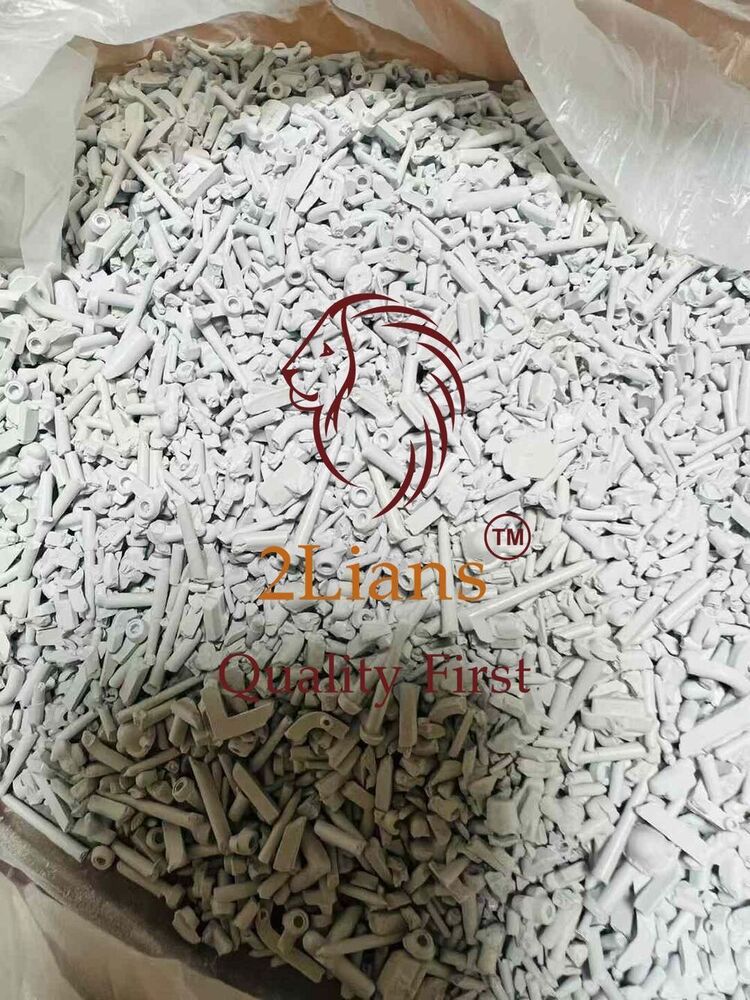
PA46 Regrind White scrap
Price:765 USD ($) /Metric Ton

Reusable HDPE Plastic Bottle Scraps
Price:20 INR /Kilograms
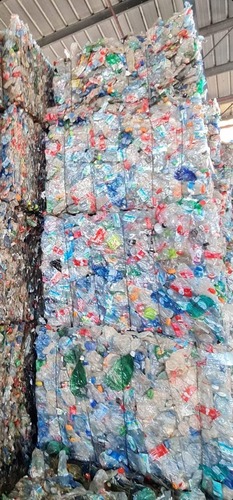
Pet Bottle Scrap
Price:260 USD ($) /Tonne
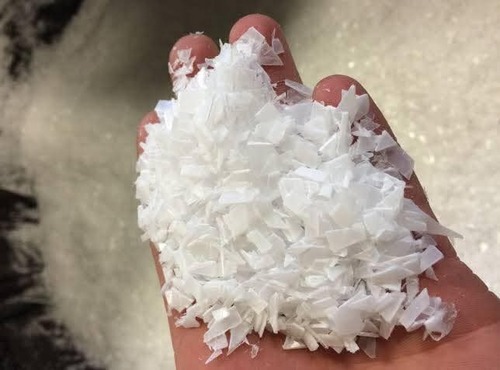
HDPE Milk Bottles Flakes
Price:380 USD ($) /Metric Ton
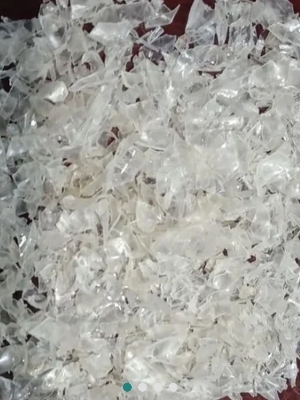
Pet Bottle Plastic Scrap
Price:66 INR /Kilograms
How to Do Machinery Export/Import Business?
Register Your Company
First, you will need to create a free seller account.

Get Your License
Request for your permits and licenses to become eligible.

Learn Regulations
Learn all about the rules and regulations of import & export business.

Hire Professional Shipping Company
Partner with ecommerce company to deliver your products.

Import/Export Business
Stepwise Process to Start the Import Export Business for Plastics & Products Industry
Get Custom Clearance Document
Contact a custom clearing officer to get a go ahead to ship your products.

Recently Added Products in Plastics & Products Categories
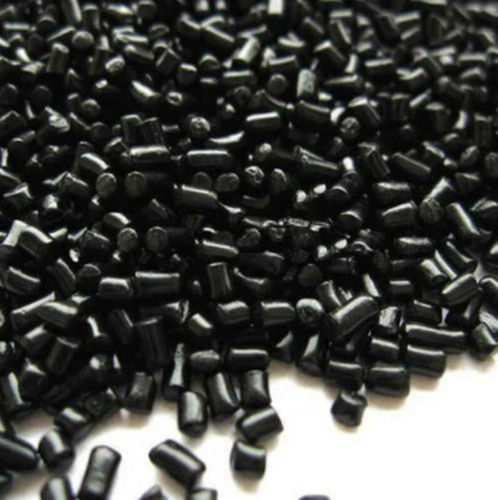
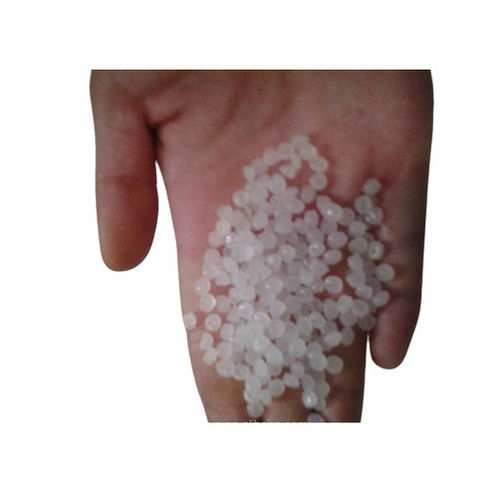
Polyethylene Pe Pellets Grade: Industrial Grade
750 USD ($)
By:
Shenzhen Zhihua Chemical Co.,ltd (dc Silicone)

Healthcare Plastic Accessories
By:
Uniquie Plastic & Processing Industries

Barite - Barium Sulfate Heavy Additive | High Density for Oil-Well Drilling, Paper, Rubber, Ink, Plastics
By:
Sri Vijaya Durga Minerals

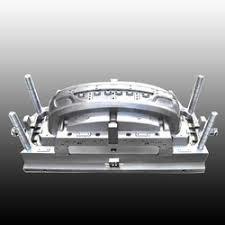

Anti Rodent Masterbatches Application: Blow Molding
By:
Kandui Industries
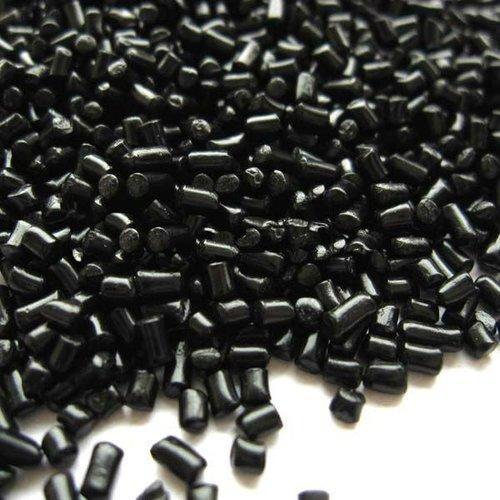
Recycled Cp Plastic Black Dana
By:
Dayal Plastic Industries

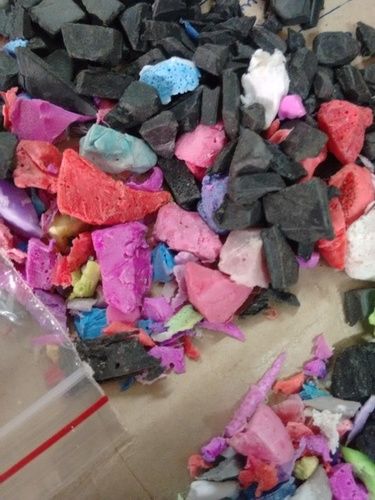
Fr Granules
By:
Tagore Industries
Policies & Schemes from Government of India for Plastics & Products Industry
Government Schemes Shaping India’s Plastic Industry in 2025

Overview of key programs including tax incentives, green-tech grants, and eco-compliance support.
Government Subsidy Scheme for Plastic MSMEs – 2025 Update
Supports domestic production, recycling, and innovation in plastic MSMEs.
Scheme for Setting up of Plastic Parks
Establishment of plastic parks with shared infrastructure for downstream processing and exports.
Centres of Excellence (CoEs) for Plastics & Polymers
Grants for research/education institutions to improve technology and quality.
Innovation Award Scheme for Petrochemicals & Plastics
Recognizes outstanding innovations in plastics and petrochemicals, promoting competitiveness.
Popular Plastics & Products Categories


An Introduction to Plastics & Products
Introduction
Plastic is a very adaptable material that is employed in the production of countless commonplace items. Discover the diverse uses and applications of plastic by studying its classification, history, and distinctive chemistry.
Produced plastics have been in use for well over a century. The first synthetic plastic was introduced at the International Exhibition in London by chemist and scientist Alexander Parkes in the year 1862.
Polymerization is the process by which tiny molecules unite to form a very long chainlike molecule, resulting in polymers.
What is Plastic?
The Greek word 'Plastikos,' which means 'to shape,' is the source of our modern English word 'plastic. Long polymer molecules can be created from the hydrocarbon chemicals found in fossil fuels. Monomers are the building blocks that can be linked together to produce polymers, which are long chains of carbon atoms.
Christian Schonbein, a famous German chemist, first created plastic in 1846. In fact, the invention of plastics was a happy accident. Christian spilled a combination of nitric acid and sulphuric acid while doing an experiment in his kitchen. He used a cloth to sweep up the solution (a combination of nitric and sulphuric acids) and then dried it over the stove.
Properties of Plastics:
- Powerful and malleable
- Neither heat nor electricity travels well through them
- Adaptable to a wide range of forms and dimensions
- Protect against rusting and can withstand exposure to various substances
Different Types of Plastic
1. Polystyrene (Styrofoam and PS)
Styrofoam, as this stiff plastic is more often known, is inexpensive and provides excellent insulation, making it widely used in the food, packaging, and construction industries. Polystyrene shares the same reputation for risk as PVC. Toxins, such as the neurotoxic styrene, can be leached out and eaten by humans through contaminated food.
Manufacturing products:
- Building insulation
- Egg Cartons
- Cutlery
- Shipping and product packaging
- Food Containers
- Cups
2. Polypropylene PP
This material (polypropylene) is extremely long-lasting. Food packaging and storage that is designed to contain hot foods or be heated itself can benefit from its higher heat resistance compared to other materials. It can be bent slightly without breaking, yet it keeps its form and durability for quite some time.
Manufacturing products:
- Prescription bottles
- DVD or CD boxes
- Straws
- Bottle Caps
- Packaging Taps
- Hot Food Containers
- Disposable diapers
3. Low-Density Polyethylene (LDPE)
One that improves upon HDPE by being softer, clearer, and more malleable. It's common application is as a lining for beverage cartons, but it also finds use in products like corrosion-resistant countertops.
Manufacturing products:
- Bread bags
- Bubble wrap
- Grocery bags
- Plastic/Cling Wrap
- Sandwich bags
- Garbage bags
- Beverage Cups
4. Polyvinyl Chloride (Vinyl or PVC)
Since it does not carry electricity, this strong and rigid plastic is frequently used in high-tech applications like wires and cables and is highly sought after in the construction industry. Because it is resistant to bacteria, can be sterilized quickly, and can be used just once, it finds extensive usage in the medical field. On the other hand, it's important to remember that PVC is the most toxic plastic ever created, and it releases harmful chemicals at every stage of its existence.
Manufacturing Products:
- Pet Toys
- IV Fluid bags
- Teething Rings
- Plumbing Pipes
- Human baby toys
- Medical Tubing
- Oxygen masks
- Credit Cards
5. High Density Polyethylene (HDPE)
High-Density Polyethylene, Low-Density Polyethylene, and Linear Low-Density Polyethylene are the three main categories of Polyethylene, the most widely used plastic in the world. High-Density Polyethylene is used extensively in the construction industry because of its durability, light weight, and resistance to moisture and chemicals.
Manufacturing Products:
- Park benches
- Cereal box liners
- Milk Cartoons
- Buckets
- Toys
- Rigid pipes
- Detergent bottles
6. Polyethylene Terephthalate (PET or PETE)
This is one of the most popular plastics & plastic products, this has several applications. It's used frequently in both food packaging and textiles because it's lightweight, durable, and usually transparent (polyester).
Manufacturing Products:
- Food bottles and jars
- Polyester clothing
- Ropes
- Beverage bottles
7. Alternate Plastics
Plastics that don't fit neatly into any of the other six categories, or are hybrids of other sorts, go here. We thought it was vital for you to know what the #7 recycling code meant in case you ever came across it, and so we included it.
Manufacturing Products:
- Eyeglasses
- Electronics CD/DVDs
- Plastic Cutlery
- Sports Bottles
Applications of Plastics
1. Medical Field
Insulin pens, IV tubes, syringes, catheters, surgical gloves, inflatable splints, tubing, dialysis machines, wound dressing, heart valves, artificial limbs, blood bags, and countless more medical tools and gadgets are all made from plastics.
2. Sports Safety Gear
The plastic helmets, protective padding, goggles, and mouth guards used in sports today are all lighter and stronger than they were even a decade ago. Protecting the head, joints, and bones are hard plastic shells covering helmets and pads. Molded, shock-absorbing plastic foam in the shoes provides stability and support.
3. Packaging
Food and drink are packaged, transported, stored, and presented using a wide range of plastics. Inert and chemically resistant to both the outside environment and the meals and beverages themselves, plastics used in food packaging are a practical choice.
Nowadays, you can find many plastic bags, wraps, and containers that can be heated in the microwave without melting.
Many plastic food storage containers can also be placed directly from the freezer into the microwave and then into the dishwasher without fear of contamination.
4. Construction Sector
Numerous construction applications have been developed using plastics. Plastics are a cost-effective and practical option in the construction sector because of their adaptability, durability, low maintenance, affordability, and corrosion resistance.
- Insulation
- Conduit and Piping
- Gaskets & Seals
- Window Doors
5. Automotive & Transport Sector
Many of the advancements in automobile design, such as increased safety, enhanced performance, and better fuel efficiency, can be attributed to plastics. In addition to being utilized extensively in transportation systems like railroads, airlines, and vehicles, plastics also find use in the maritime and aerospace industries. For instance:
- Bumpers
- Dashboards
- Seats
- Engine parts
- Doors
6. Homes uses
The television, stereo, cellphone, vacuum cleaner, and perhaps the plastic foam in the furniture all contain substantial amounts of plastic. The seats of chairs and stools, the countertops, the PTFE linings of nonstick cookware, and the plumbing of a modern home are all made of plastic.
What is Plastic Market Growth?
The value of the India Plastics Market in 2020 was US$ 36.07 Bn, and forecasts show that this would increase to about US $ 56.42 Bn by 2027, a CAGR of 6.6%.
Market Growth
Since its inception in 1957, India's plastics industry has flourished and grown dramatically. In recent decades, India's plastics industry has grown to become a major economic sector, supporting the livelihoods of nearly 4.0 million people in more than 30,000 businesses. India is also a leading exporter of plastics goods around the globe. Raw materials, laminates, electronic equipment, medical ware, and consumer items are among the many products produced and exported by the company. More than 150 countries in Europe, Africa, and Asia receive these plastic goods every year.
The plastics business in India supplies several different sectors, including the auto industry, consumer product packaging, and the electronics sector. Plastic's popularity has been on the rise for several decades, with annual growth rates of 8 percent. Throughout the predicted time period, the same growth rate is anticipated to persist.
At 16 percent annually, India's plastics consumption growth rate is among the highest in the world. With fewer people using plastic products overall, this is something to think about as the middle class grows. Per capita plastic use will almost likely rise, suggesting that the current rate of improvement will be sustained.
Conclusion
Take a glance around your immediate surroundings; chances are good that you'll find plastic everywhere. We have created a society where plastic is now essential to daily life. That being said, plastic is here to stay, as it serves both human and environmental needs. It also improves the quality of our lives by making them easier and more pleasurable to live. There is a time and a place for plastic. It's enough if we put in the effort to get the most out of it throughout its useful lifetime, and then recycle (or incinerate) it correctly rather than letting it go to waste.
FAQs: Plastics & products
Q. What is Plastic Made of ?
Ans. Through a polymerization or polycondensation process, natural resources including cellulose, coal, natural gas, salt, and crude oil are transformed into plastics.
Q. What Sectors use Plastic?
Ans. Electronics, construction, packaging, aerospace, and transportation are just a few of the many sectors that benefit from the plastics industry's products and services. The chemical industry incorporates this process.
Q. How Do Animals Die When They Eat Plastic?
Ans. To put it simply, once an animal swallows a plastic bag, it stays there since it cannot be broken down or passed. A slow and agonizing death might result from an animal ingesting plastic, as it prevents digestion of food.
Q. What are the Products of Plastic?
Ans. Plastic bottles, bags, medical tubes, electrical pipes, sports and baby bottles, caps, and containers are only a few of the many products mass-produced to meet the demands of modern life.
Popular Categories




© 1999-2026 Infocom Network Private Limited. All rights reserved.