

Emulsifiers
(1002 products)


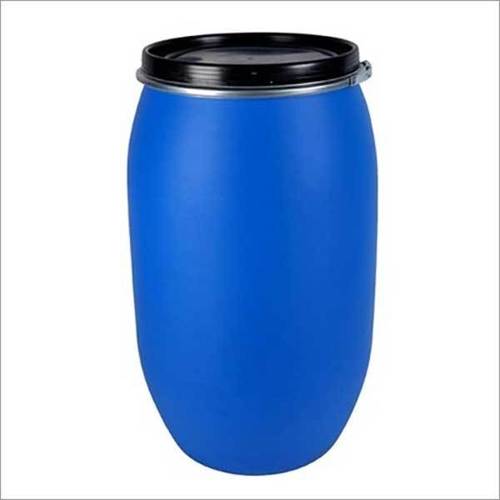
Pa40 Emulsifier - Application: Industrial
200.00 - 220.00 INR/Kilograms
MOQ50 , Kilograms/Kilograms
Physical FormLiquid
Ph Level5-8
GradeTechnical
ApplicationIndustrial
SolubilityIn Water
Purity(%)100%


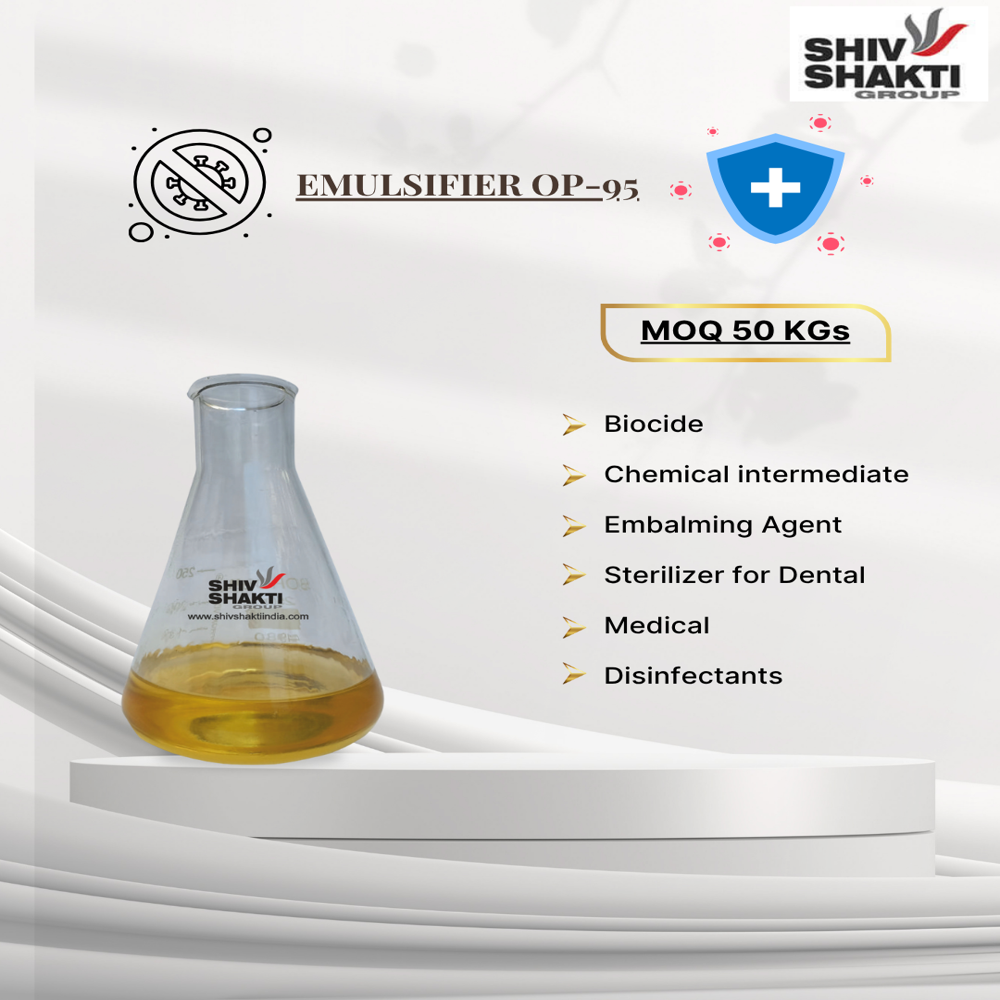
Emulsifier Op 95 Pine Oil Emulsifier - Density: 0.98 Gram Per Cubic Centimeter(G/Cm3)
Price: 125.0 INR/Kilograms
MOQ50 Kilograms/Kilograms, Kilograms/Kilograms, Kilograms/Kilograms
TasteSalty
Physical FormLiquid
PoisonousNo
AppearanceBrownish Yellow liquid
SmellStimulus
Density0.98 Gram per cubic centimeter(g/cm3)
Shiv Shakti India
Vadodara
 Super Bonanza
 Trusted Seller
17 Years

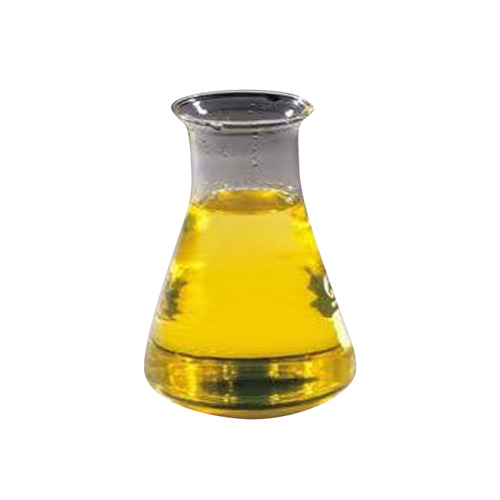
3324 Non Lonic Emulsifier Additive - Application: Industrial
Price: 220 INR/Kilograms
MOQ50 Kilograms/Kilograms
Purity(%)100%
UsageIndustrial
Physical FormLiquid
Product Name3324 Non-Ionic Emulsifier Additive
ApplicationIndustrial
Harmony Additives Private Limited
Umbergaon
Trusted Seller Super Premium
20 Years
Nitrobenzene Emulsifier - AC 2010 P Special | Milky White Powder for Stimulating Flowering in Plants, Easily Water Dispersible, Extended Shelf Life
Price: 650 INR/Kilograms
MOQ100 Kilograms/Kilograms
TasteOther, Bland
Purity(%)99%
SmellOther, Faint aromatic odor
Physical FormPowder
ShapePowder
PoisonousNo
Aquatic Chemicals
Mumbai
Trusted SellerSuper Premium Super Seller
17 Years

Heptaldehyde - Emulsifier
SmellOther, Strong, distinctive aldehyde odor
Purity(%)99
PoisonousOther, Non-poisonous
UsageIndustrial emulsification agent
HS Code2912.19.90
ApplicationOther, Surfactant, Emulsification in detergents, Specialty chemical formulations
Acme Synthetic Chemicals
Mumbai
Trusted SellerSuper Seller15 Years
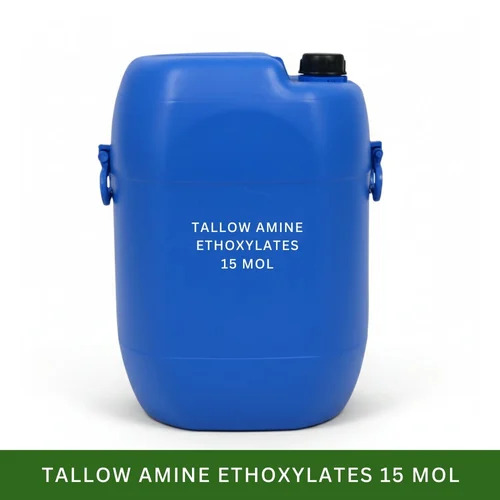
Tallow Amine Ethoxylates 15 - Acid Value: < 4 Mg Koh/G Mgkoh/G
Price: 290 INR/Kilograms
MOQ50 Kilograms/Kilograms
UsageSurface active agent
Molecular FormulaR-N(C2H4O)15H
Viscosity200 AC/AEURA" 450 cPs
GradeIndustrial
HS Code3402
SmellOther, Characteristic amine odor
Swadesh(india) Chemical Private Limited
Ahmedabad
Trusted Seller Premium Seller
3 Years
Pa40 Emulsifier - Application: Industrial
Price Trend: 200.00 - 220.00 INR/Kilograms
MOQ50 , Kilograms/Kilograms
Physical FormLiquid
Ph Level5-8
GradeTechnical
ApplicationIndustrial
SolubilityIn Water
Purity(%)100%
Fibrol Non Ionics Pvt. Ltd.
Mumbai
Trusted SellerSuper Seller11 Years
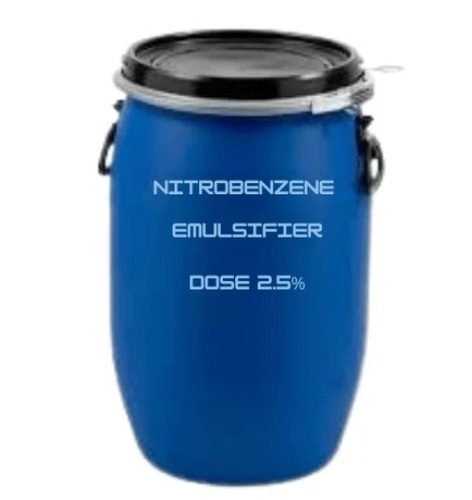
Nitrobenzene Formulation Emulsifier
Product DescriptionNitrobenzene Formulation Emulsifier
Growrich Agrotech India Pvt Ltd
Indore
Trusted SellerPremium Seller3 Years
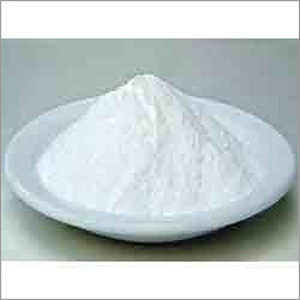
Nitrobenzene Emulsifier - Grade: Industrial
Price: 800 INR/Kilograms
MOQ25 Kilograms/Kilograms
GradeIndustrial
Physical FormPowder
ShapeOther, Powder
Product NameNitrobenzene Emulsifier
UsageIndustrial
Classic Organic Chemicals
Mumbai
Trusted SellerSuper Seller12 Years
Industrial Grade Liquid Alphox 210 / NP 10 Emulsifiers
Price: 170 INR/Kilograms
MOQ210 Barrel/Barrels
HS Code34021900
Physical FormLiquid
ApplicationIndustrial
GradeIndustrial
Product NameAlphox 210 / NP 10
CAS No127087-87-0
Dev International
Ahmedabad
Trusted SellerPremium Seller7 Years
Food Emulsifier - Advanced Quality Formulation | Maintains Softness in Bread, Cakes and Tofu
Price: 2000 INR/Kilograms
MOQ100 Kilograms/Kilograms
SmellOther, Odorless
GradeFood Grade, Industrial Grade
Molecular FormulaC26H52O11
SolubilitySoluble in water and oils
HS Code29209040
Density1.06 Gram per cubic centimeter(g/cm3)
Mohini Organics Pvt. Ltd.
Mumbai
Trusted Seller15 Years
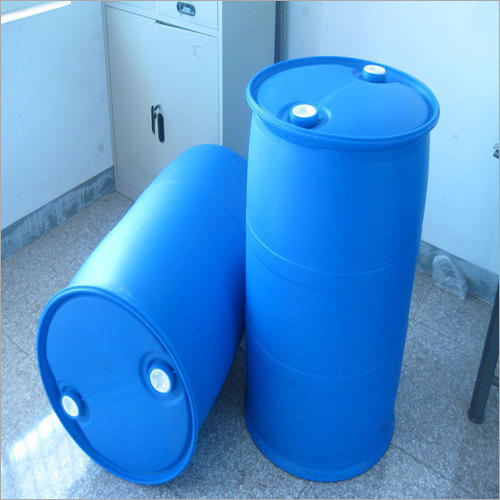
Nitrobenzene Emulsifier Grade: Industrial Grade
Price: 225 INR
MOQ100
Physical FormLiquid
Purity99%
Shelf Life2 Years
UsageAgriculture
GradeIndustrial Grade
Purity(%)95%
Greenwell Biotech
Rajkot
Trusted Seller6 Years
Liquid Blended Emulsifier
Price: 110 INR/Kilograms
MOQ50 Kilograms/Kilograms
SmellOther
Physical FormLiquid
TasteOther
ShapeOther
Usagechemical maker
Product NameBlended Emulsifier
Big Ideas
Dewas
Trusted SellerPremium Seller12 Years
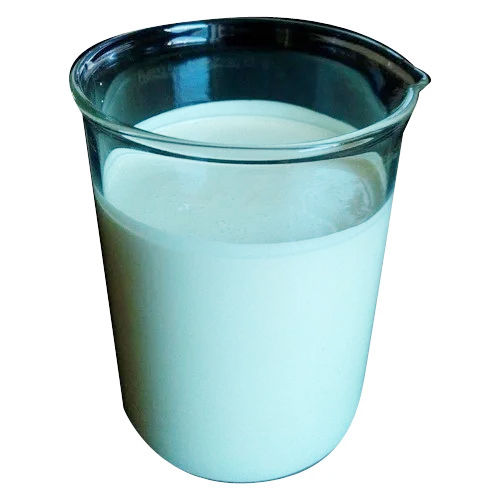
R-One Nitrobenzene Emulsifier - Application: Industrial
Price: 500.0 INR/Kilograms
MOQ100 Kilograms/Kilograms
ApplicationIndustrial
Physical FormPowder
SmellSharp
PoisonousNo
TypeEmulsifiers
Mani Agro Chemicals
Indore
Trusted SellerPremium Seller3 Years

Paraffin Wax Emulsifier - Application: Industrial
Price: 350 INR/Kilograms
MOQ50 Kilograms/Kilograms
ApplicationIndustrial
Purity(%)99%
Physical FormLiquid
Product NameParaffin Wax Emulsifier
D. K. Corporation
Indore
Trusted SellerPremium Seller18 Years
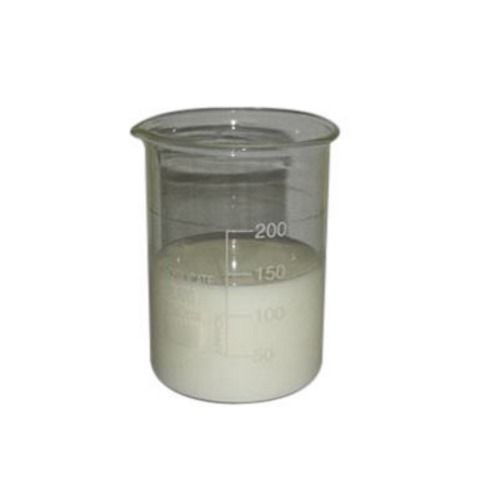
Nitrobenzene Emulsifier - Liquid Form, Non-Toxic, Odorless | Superior Quality, Flowering Stimulant, Yield Enhancer
MOQ50 Kilograms/Kilograms
PoisonousNo
UsageFlowering Stimulant, Yield Enhencer
Physical FormLiquid
TasteOdorless
Product NameNitrobenzene Emulsifier
CAS No98-95-3
Aushadh Limited
Ahmedabad
Trusted SellerPremium Seller3 Years
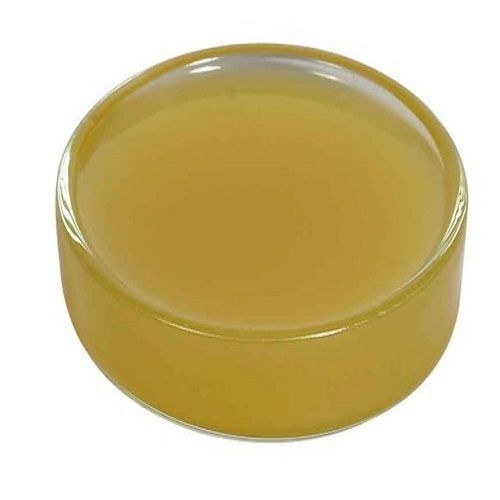
Lanolin Anhydrous - 80% Purity, Cosmetic Grade, Pale Yellow, Moisturizing Liquid for Dry Skin Treatment
MOQ1000 Kilograms/Kilograms
GradeCosmetic grade
Physical FormOther
Molecular FormulaC34H68O2
SolubilityInsoluble in water
Structural FormulaC34H68O2
AppearanceMass
Chemz Chem ( India ) Pvt. Ltd.
Navi Mumbai
Trusted SellerPremium Seller6 Years
Pva 173 Application: Industrial
Price: 150 INR/Kilograms
MOQ100 Kilograms/Kilograms,
Purity(%)95 %
Molecular FormulaCH2CHOH
Physical FormPowder
ApplicationIndustrial
Product NamePolyvinyl Alcohol
CAS No9002-89
Amrut Enterprises
Mumbai
Trusted Seller12 Years
Paints For Emulsifier - Grade: Industrial Grade
MOQ100 Kilograms/Kilograms
Purity(%)100 %
Physical FormLiquid
SolubilityYes
GradeIndustrial Grade
AppearanceLiquid
UsageIndustrial
Promois Health And Nutrition
Kanpur
Trusted Seller2 Years
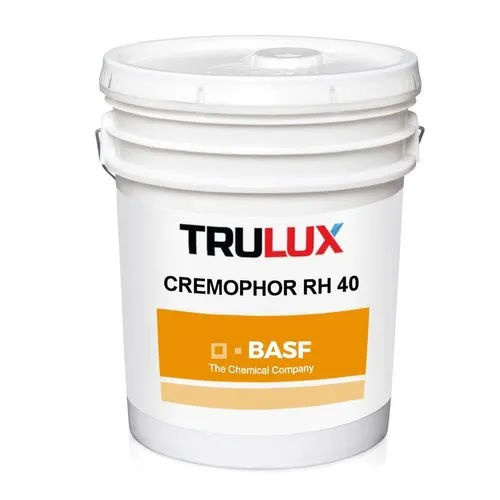
RH-40 Liquid Creasmer - 99% Purity, Water-Soluble Emulsifier for Versatile Industrial Applications
Price: 230.0 INR/Kilograms
MOQ55 Kilograms/Kilograms
Physical FormLiquid
Purity(%)99%
PoisonousNo
SmellOther
TasteOther
UsageIndustrial
Emulsifier For Nitrobenzene Application: Industrial
Price: 1 INR/Unit
MOQAny Bulk order , Kilograms/Kilograms
ApplicationIndustrial
Purity(%)99%
Physical FormLiquid
Product NameEmulsifier for Nitrobenzene
Redox Industries Limited
Ahmedabad
Super BonanzaTrusted Seller17 Years
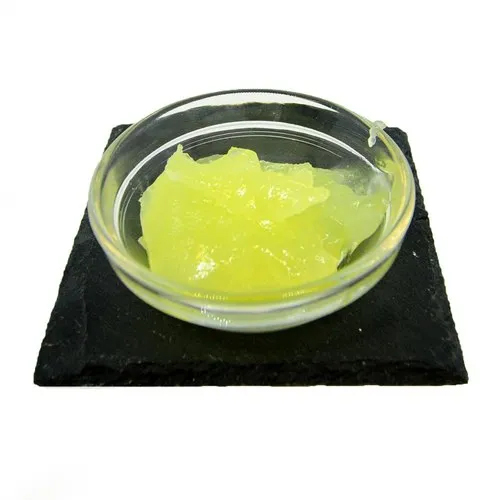
60 Tween Polysorbate - Grade: Industrial Grade
Price: 160 INR/Kilograms
MOQ50 Kilograms/Kilograms
Purity(%)80-99%
SolubilityInsoluble in water
Physical FormOther, Gel
GradeIndustrial grade
UsageIndustrial
9.5 Nitrobenzene Emulsifier Liquid - Grade: Bio Tech Grade
Price: 174 INR/Liter
MOQ100 Kilograms/Kilograms
Purity(%)99%
Physical FormLiquid
UsageIndustrial
GradeBio Tech Grade
SolubilityYes
Kvr Polymers & Chemicals
Hyderabad
Trusted Seller2 Years
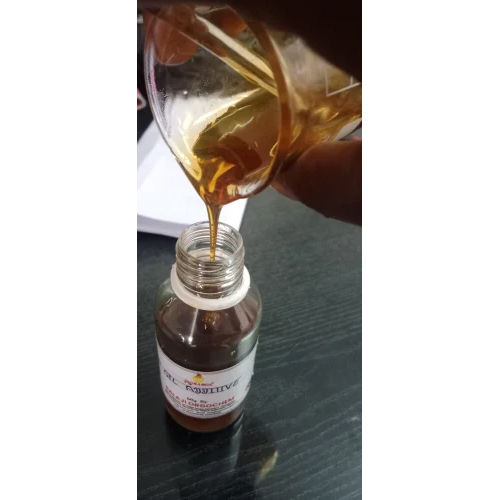
Cutting Oil Emulsifier - Application: Matel Working Fluid
Price: 160 INR/Liter
MOQ100 Liter/Liters
ApplicationIndustrial
UsageEngine Oil
Physical FormLiquid
TypeEmulsifiers

Cuelure Pheromones Concentrate - Application: Fruit Fly Trap
Price: 7,000 INR
MOQ5
Purity(%)99
Physical FormLiquid
GradeTECHNICAL
Product NameCUELURE TECHNICAL
TypeOther
AppearanceLIGHT PALE YELLOW
Fenton Chemicals
Indore
Trusted SellerPremium Seller11 Years
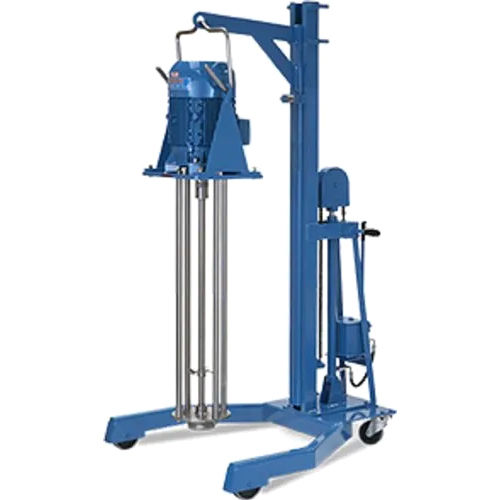
Stainless Steel High Shear Emulsifier - Grade: Semi Automatic
Price: 110000 INR/Unit
MOQ1 Unit/Units
GradeSemi Automatic
Physical FormSolid
UsageIndustrial
Shivam Industries
Mira Bhayandar
Trusted Seller3 Years
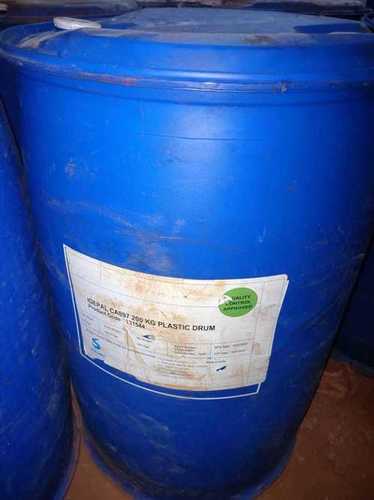
Alphox 200 Emulsifier With Packaging Size 50 Kg and 200 Kg And 0.95 g/cm3 Specific Gravity
Main Domestic MarketAll India
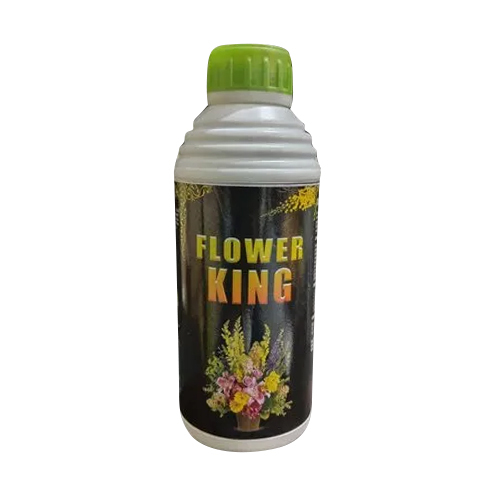
Flower King Nitrobenzene Emulsifier - Application: Agriculture
Price: 140 INR/Liter
MOQ100 Liter/Liters
Physical FormLiquid
SolubilityIn Water
SmellSharp
Purity(%)99%
ApplicationAgriculture
Bengal Agro Industries
Burdwan
Trusted Seller5 Years
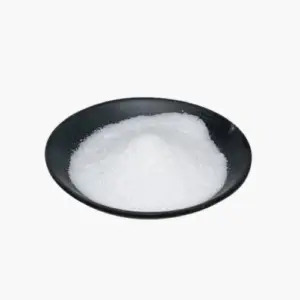
Potassium Salt Of Phosphenic Acid - Application: Industrial
MOQ100 Pack/Packs
Physical FormPowder
SmellSharp
SolubilityHigh
ApplicationIndustrial
Purity(%)99%
Jaikisan Agrotech India Pvt Ltd
Chhatrapati Sambhajinagar
Trusted Seller3 Years
Latest From Emulsifiers
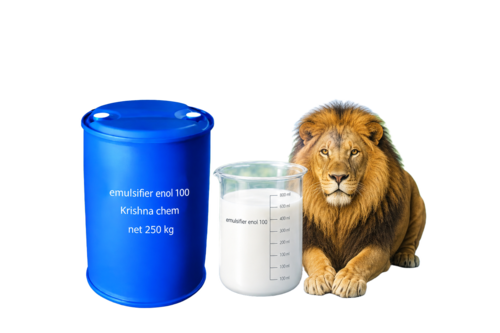
Popular Emulsifiers
How Emulsifiers Help Bind Ingredients Together?
Emulsifiers can be defined as a reliable industrial solution for mixing two ingredients that naturally don’t mix well. These are used as additives in various industrial processes across food, cosmetic, chemical, and pharma industries. For example in the food industry, emulsifiers are used as food additive molecules to prevent the separation of oil and water, as they usually don’t mix well.
The emulsion process is carried out efficiently by using emulsifiers as they have one molecule hydrophilic or water-loving, and another as hydrophobic or attracted to oil. This helps bridge the two substances to mix them well.
Why are Emulsifiers So Essential?
Emulsifiers are very essential for various manufacturing processes across industries. Majorly in food processing emulsifiers help in the emulsion of ingredients that naturally don’t mix well. This results in enhanced taste, texture, appearance, and shelf life of the products. For instance, the foods we consume today such as mayonnaise, margarine, creams, confectioneries, and a variety of bakery recipes do not have the savory taste and attractive appearance without adding emulsifiers.
Here are the Different Types of Emulsifiers Used in Various Food Recipes:
There are various types of emulsifiers used across industries with different properties and functions. Here are some of the extensively used emulsifiers:
-
Lecithin
Lecithin is most commonly used as an additive in the manufacturing process of food and cosmetics. This is a natural emulsifier that is often obtained from soybeans, egg yolks, etc.
-
Mono- and Diglycerides
Mono- and diglycerides are another type of natural emulsifier that is used in the food industry to help in the emulsion of ingredients that usually don’t mix well.
-
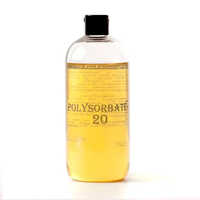
Polysorbates
Obtained from sorbitol and oleic acid, Polysorbates is a synthetic emulsifier that is most commonly used in industries like food, pharma, and cosmetics.
-
Sodium Stearoyl Lactylate or SSL
Most commonly used in the food industry to manufacture bakery products. Sodium stearoyl lactylate or SSL helps increase shelf life and enhance the texture of many bakery recipes.
-
Sorbitan Esters
There are three Sorbitan Esters: sorbitan monostearate, sorbitan tristearate, and sorbitan monooleate, which are commonly prepared in industries like chemical, cosmetic, and pharma as emulsifiers and surfactants.
-
Glycerol monostearate or GMS
In making margarine, bakery products, and ice cream, the Glycerol monostearate or GMS is used as an emulsifier to help ingredients blend together efficiently.
-
Xanthan Gum
The primary role of Xanthan Gum is to work as a thickening agent in many projects. However, it also works as a great emulsifier in certain food products.
Here are the major benefits of emulsifiers:
-
Stabilize the Emulsions
Emulsifiers help stabilize the emulsion process, preventing ingredients that don’t mix well, like oil and water. They not only contribute to the manufacturing process but also increase the shelf life of the products.
-
Enhance the Texture
Emulsifiers enhance the texture of products and offer consistency. This results in having a smooth and creamy taste in different foods like ice cream, mayonnaise, etc.
-
Improve Solubility
Natural or synthetic, emulsifiers can improve the solubility of liquid ingredients to make them absorbed into formulations with ease.
-
Even Distribution
Emulsifiers are also responsible for making sure the ingredients are evenly distributed during the manufacturing process of the product so that taste and appearance are consistent.
-
Reduces Fat Content
Because of emulsifiers, the formulation of select food products becomes healthier, as they can reduce fat content, which is required for the desired flavor and taste.
-
Simplify the Manufacturing Processes
Emulsifiers by promoting a convenient emulsion of several ingredients help facilitate the manufacturing process. Otherwise, a lot of mixing and heating will be required to have the different substances blend together.
-
Enhanced Appearance
These food additive molecules help enhance the appearance of several food products, offering a glossy and creamy look. Also, they contribute to how the cosmetic range shines in the market.
Applications of Emulsifiers:
-
Food Industry
In the food industry, emulsifiers are extensively used in the manufacturing of several food products:
- Baked Foods: to enhance the texture and lifespan.
- Dairy products: to offer creaminess and taste.
- Sauces and Dressings: to help blend ingredients uniformly and enhance the texture.
- Margarine and Spreads: for thorough consistency
-
Cosmetics Industry
The Cosmetics Industry uses emulsifiers for consistent blending of ingredients and to make formulations skin tolerant.
- Lotions and Creams: for efficient blending of ingredients such as oil and water.
- Shampoos and Conditioners: for improving texture and stable formulation.
- Sunscreens and Skincare: to facilitate the uniform distribution of ingredients.
-
Pharmaceutical Industry
In the Pharmaceutical Industry emulsifiers are resourced for specific purposes depending upon the product that they are manufacturing, such as:
- Oral suspensions and Emulsions: for improved palatability and drug delivery.
- Topical Creams and Ointments: for improving the product’s skin absorption and stability.
What are the Natural Emulsifiers in Food and Beverage?
There are three most commonly used emulsifiers in the food and beverage industry:
-
Guar Gum
Guar Gum is extensively used in food and beverage manufacturing for emulsion, thickening, and stabilizing the ingredients. Even for products that require cold temperatures, this emulsifier is used efficiently. Guar Gum also helps improve flavor, texture, and taste.
-
Gellan Gum
Gellan gum is commonly used as a gelling agent, it is obtained from a microorganism with a natural process. This emulsifier is used to develop fluid gels that are combined with other ingredients during the processes of a variety of dairy and soya-based products. There are more functions of gellan gum: to thicken, stabilize, and bind a variety of ingredients.
-
Carrageenan
Obtained from red seaweeds, Carrageenan is a natural emulsifier used to thicken food products and offer them gel-like properties. It is most commonly used for dairy and associated products, such as flavored and soy milk.
-
Emulsifiers Used in Chocolate
A word is often written on the packaging of chocolates: “emulsifier” and some people are uncertain about it. They doubt what it means and why it is used in chocolates. So let’s discuss this in detail.
Why are Emulsifiers used in Chocolates?
Emulsifiers have a variety of functions including helping mix ingredients uniformly, offering taste, enhancing the appearance, improving the texture and flavor, and as a binder in a wide range of food products. In chocolates, emulsifiers are used to make the liquid chocolate less viscous, for ease of making a wide variety of bars and candies. Moreover, emulsifiers help bind and blend chocolate ingredients together, which eliminates the need for more cocoa butter, which is very expensive.
What happens when emulsifiers are added to the chocolate?
When emulsifiers are added to the chocolate it becomes thinner and makes the manufacturing process for candies and bars easier.
These are the points to help you understand which parts of the manufacturing process become easier when emulsifiers are added:
- The heating and cooling of the chocolate stabilizes the liquid.
- When the chocolate is shaped in many different forms like bars, round candy balls, etc.
- When the chocolate is used as an outer or inner coating in truffles, pastries, etc.
- The binding of the chocolate with other ingredients.
Manufacturers & Suppliers of Emulsifiers
Company Name | Member Since |
|---|---|
Harmony Additives Private Limited Umbergaon, India | 20 Years |
D. K. Corporation Indore, India | 18 Years |
Shiv Shakti India Vadodara, India | 17 Years |
Aquatic Chemicals Mumbai, India | 17 Years |
Redox Industries Limited Ahmedabad, India | 17 Years |
Acme Synthetic Chemicals Mumbai, India | 15 Years |
Mohini Organics Pvt. Ltd. Mumbai, India | 15 Years |
Classic Organic Chemicals Mumbai, India | 12 Years |
Big Ideas Dewas, India | 12 Years |
Amrut Enterprises Mumbai, India | 12 Years |




© 1999-2026 Infocom Network Private Limited. All rights reserved.