

Anti Infective Drugs & Medicines
(4732 products)


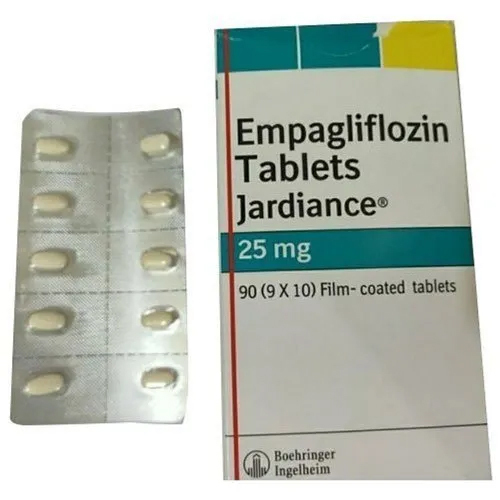
Jardiance Tablet 25 Mg - Drug Type: General Medicines
522 INR/Box
MOQ10 Box/Boxes
Drug TypeGeneral Medicines
Physical FormTablets
DosageAs Per Suggestion
Dosage GuidelinesAs Per Suggestion
Suitable ForSuitable For All
Storage InstructionsDark & Dry Place

Gefitinib Tablets - 250mg for Non-Small Cell Lung Cancer Treatment | Supports Reduced Fatigue and Nausea, Requires Dry Storage
MOQ100 Unit/Units
FeatureOther
IngredientsOther
ApplicationOther
Storage InstructionsDry Place


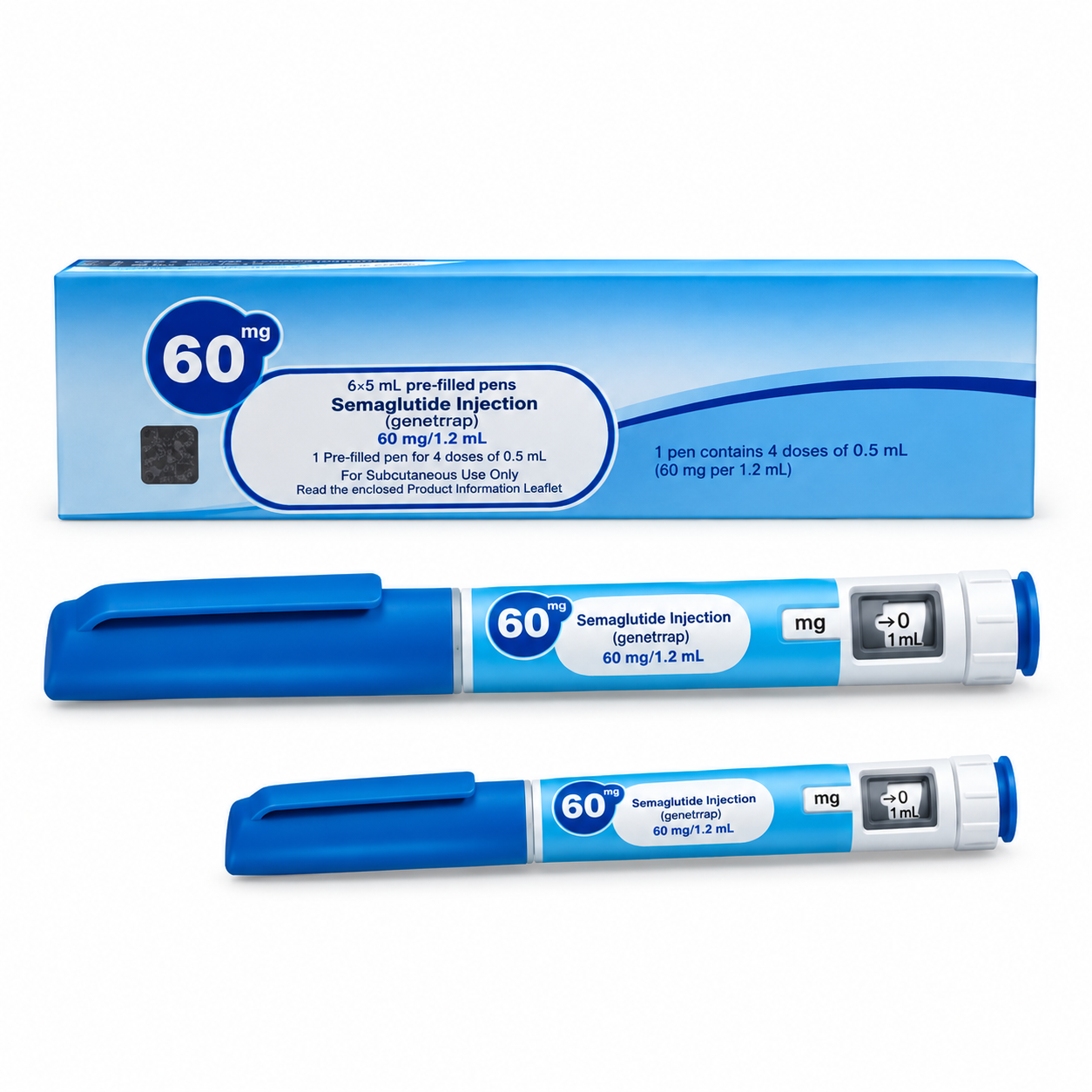
Genryzon 60mg Injection
Price: 46500 INR/Piece
MOQ5 Piece/Pieces
UsageAnti Infective Injection
Expiration Date2 Years
Medicine TypeAnti Infective
DosageAs per doctor guideline
Dosage FormLiquid
StorageCool and Dry Place
Lyotex Lifesciences Private Limited
Navi Mumbai
 Super Bonanza
 Trusted Seller
2 Years
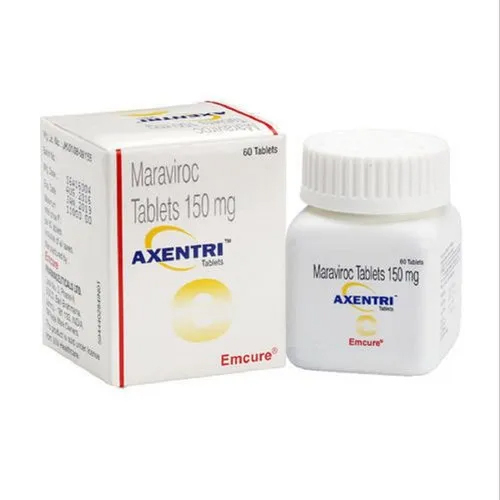
Axentri Maraviroc 150Mg Tablets - Medicine Type: Hiv Medicine
Price: 9900 INR/Unit
MOQ10 Unit/Units
Origin of MedicineIndia
UsageIndustrial
StorageDry Place
Dosage150 mg
Medicine TypeHIV Medicine
Dosage FormTablet
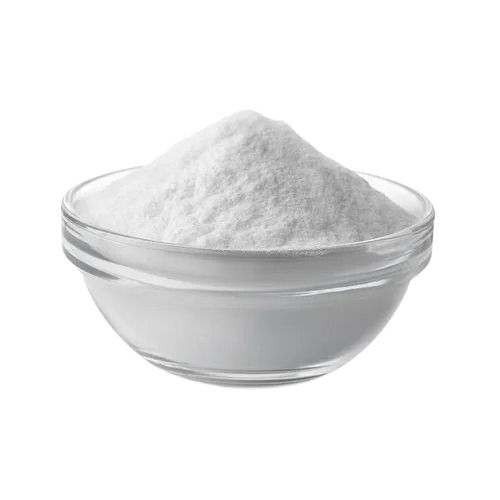
Quinine Hydrochloride API - 25 kg Pharma Grade, 99% Purity White Powder Antimalarial Medicine, IP/BP/USP Standards
Price: 7200 INR/Kilograms
MOQ25 Kilograms/Kilograms
CAS No130-89-2
Pacakaging (Quantity Per Box)25 KG
Assay99
Medicine Typeantimalarial
AppearanceWHITE POWDER
GradeIP/BP/USP
Nr Life Care
Ahmedabad
Super BonanzaTrusted Seller10 Years

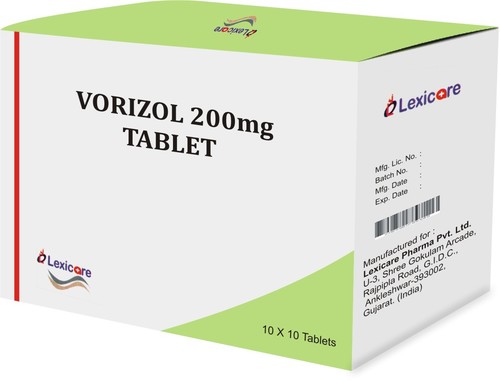
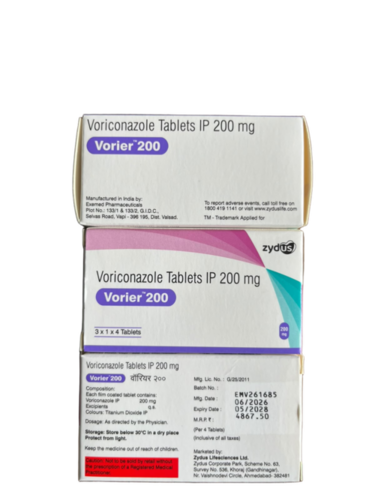
VORIZOL TABLET - 200 mg Voriconazole, White to Off-White, Alu-Alu Blister Pack | Pharmaceutical Grade Antifungal, Oral Prescription, 36 Months Shelf Life
MOQ5000 Box/Boxes
UsageAntifungal agent
Salt CompositionVoriconazole
AssayNot less than 98% (on dried basis)
StorageStore below 30AdegC, protected from moisture and light
Dosage FormTablet
GradePharmaceutical Grade
Lexicare Pharma Pvt. Ltd.
Ankleshwar
Trusted Seller Super Premium
14 Years
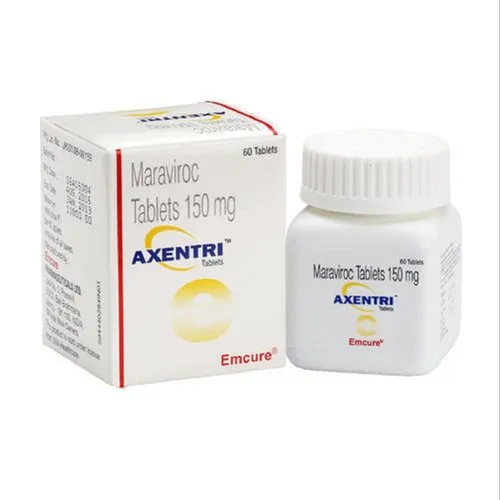
Axentri Maraviroc 150Mg Tablets - Grade: Medicine Grade
Price: 9900 INR/Bottle
MOQ1 Bottle/Bottles
StorageKeep in a Cool & Dry Place
GradeMedicine Grade
Dosage150 mg
Welcome Healthcare
Mumbai
Super BonanzaTrusted SellerSuper Premium9 Years
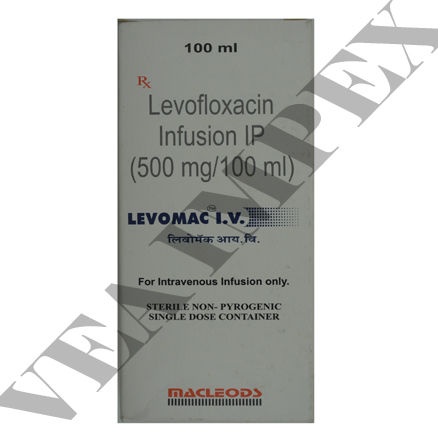
Levomac IV 500mg - 500mg Injection | Antibacterial, Broad-Spectrum Fluoroquinolone, Effective Against Gram-Positive and Gram-Negative Bacteria
Price: 154 INR/Piece
MOQ5000-1000 Piece/Pieces
UsageAnti bacterial
StorageStore below 30AdegC
CAS No100986-85-4
Medicine TypeAnti Bacterial
Molecular FormulaC18H20FN3O4
Drug TypeInjection
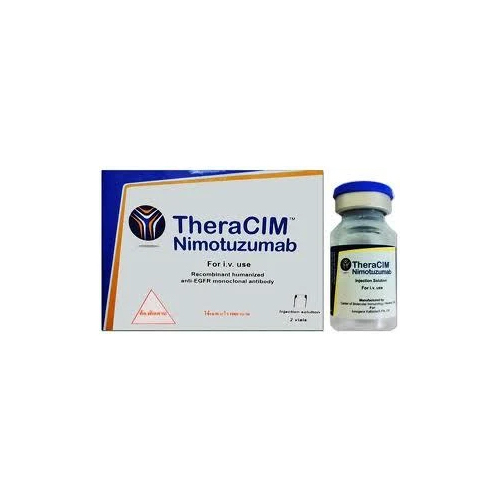
Nimotuzumab Injection Grade: Medical Grade
Price: 29000 INR/Pack
MOQ10 Pack/Packs
Medicine TypeNimotuzumab Injection
StorageKeep dry & cool place
GradeMedical Grade
Dheer Healthcare Private Limited
Mumbai
Super BonanzaTrusted Seller Super Seller
 Premium Seller
14 Years
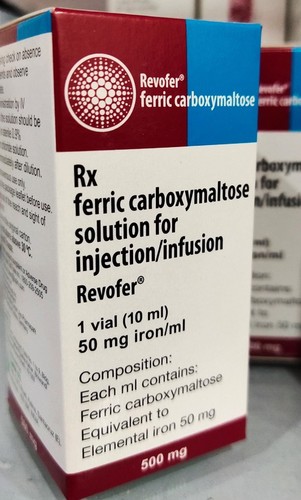
Revofer (Ferric Carboxymaltose) Injection Expiration Date: Oct 2022 Years
Price: 3000 INR/Bottle
MOQ50 Bottle/Bottles
Salt CompositionFerric Carboxymaltose 500mg/10ml
CAS No9007-72-1
IndicationIron deficiency anemia
Dosage500mg
Pacakaging (Quantity Per Box)1 vial
Molecular FormulaC18H34FeO16
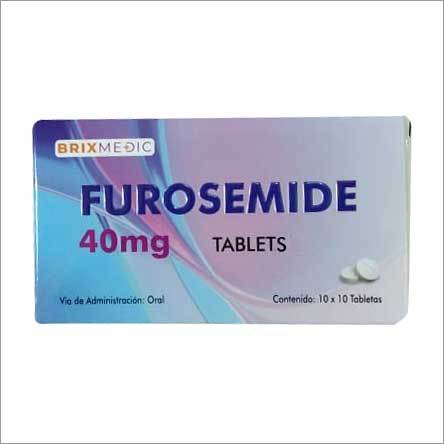
Furosemide 40 Mg Tablet - Medicine Type: Dieuretic
Price: 20.0 INR/Box
MOQ1000 Box/Boxes
Pacakaging (Quantity Per Box)10*10
AppearanceTablet
Dosage FormTablet
Salt CompositionFurosemide 40 MG
StorageKeep dry & cool place
Medicine TypeDIeuretic
Brix Biopharma Private Limited
Mumbai
Super BonanzaTrusted SellerPremium Seller6 Years
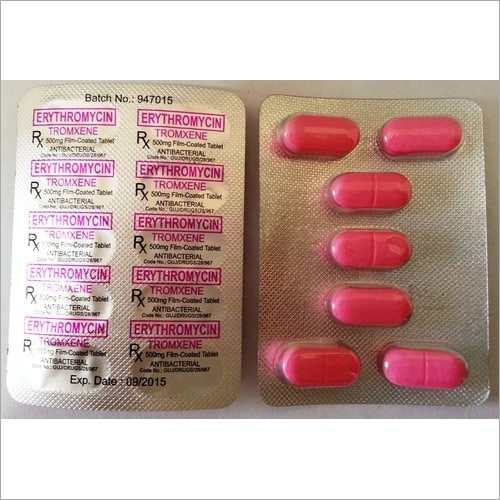
Erythromycin Tablet - Expiration Date: 24 To 36 Months
Price: 70 INR/Unit
MOQ1 Unit/Units
IndicationBacterial Infections
DosageAs per doctor
StorageDry Place
AppearanceWhite to Off-White, Round or Oval Tablets
Medicine TypeTablet
Origin of MedicineIndia
Centurion Remedies Private Limited.
Vadodara
Trusted Seller20 Years
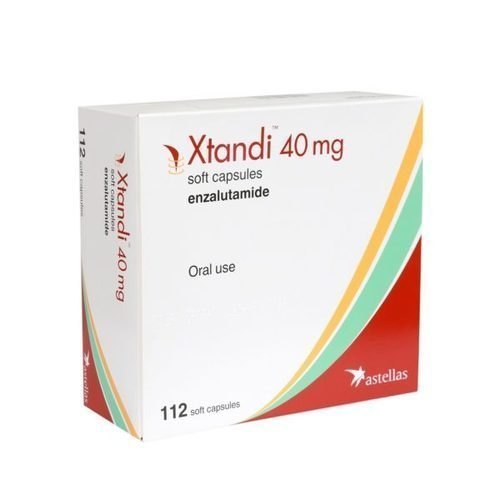
Xtandi Capsule
Price: 3000 INR/Bottle
MOQ10 Tablet
AppearanceWhite to off-white capsules
Molecular FormulaC21H16F4N4O2S
Dosage40 mg
Medicine TypeAllopathic
Expiration Date24 months from manufacturing date
IndicationProstate Cancer
Schwitz Biotech
Ahmedabad
Trusted SellerSuper Seller19 Years
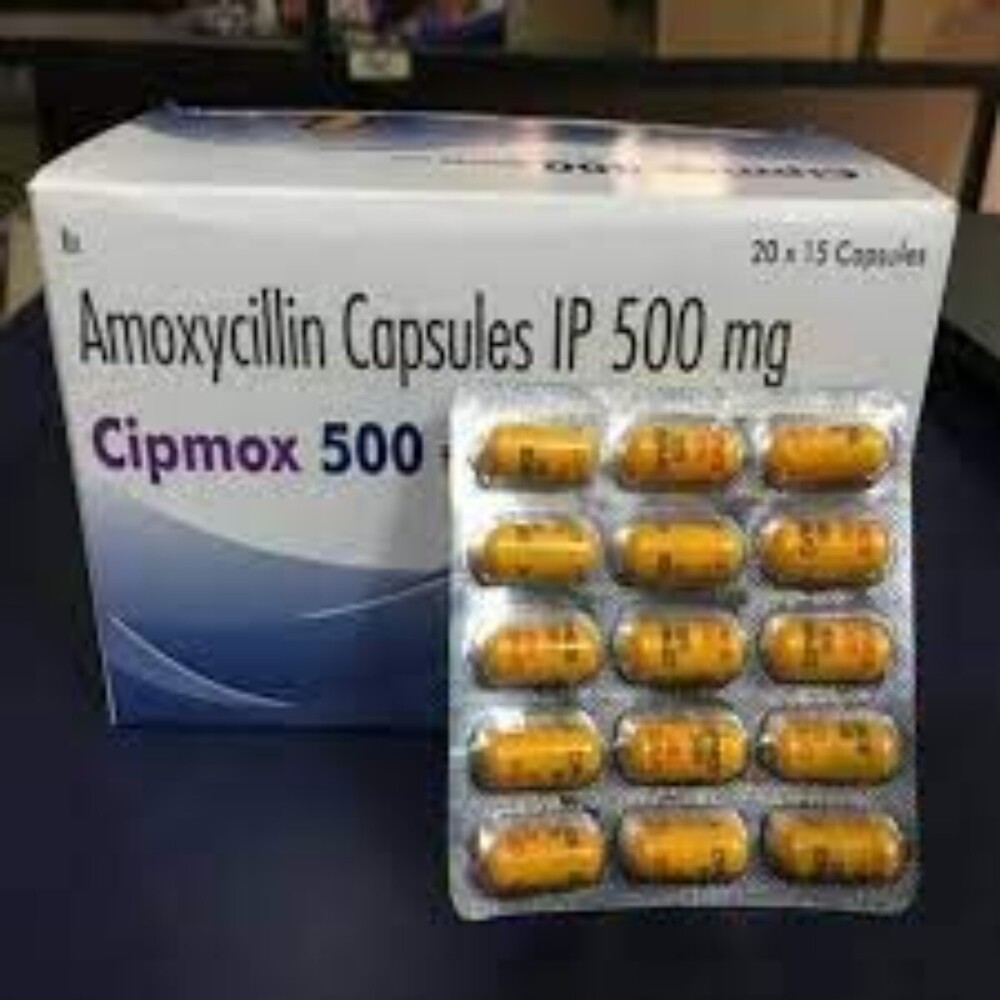
Cipmox 500 MG Capsule - 500 MG, Broad-Spectrum Antibiotic with Powerful Amoxicillin Formulation for Effective Bacterial Infection Relief
Price: 100 INR/Strip
MOQ10 Strip/Strips
CAS No26787-78-0
StorageStore below 25AdegC, protect from moisture
UsageUsed to treat bacterial infections
Pacakaging (Quantity Per Box)10 x 10 Capsules
Medicine TypeAllopathic
AppearanceHard gelatin capsule containing white to off-white powder
Dhritee Impex
Mumbai
Trusted SellerPremium Seller4 Years
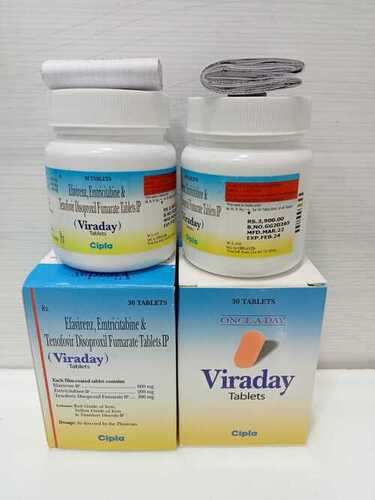
Tenofovir Disoproxil Fumarate Tablets Expiration Date: 3 Years
Price: 3900.00 INR/Tablet
MOQ10000 Tablet
DosageAs per doctor
AppearanceTablet
Expiration Date3 Years
StorageDry & Cool place
Medicine TypeHIV
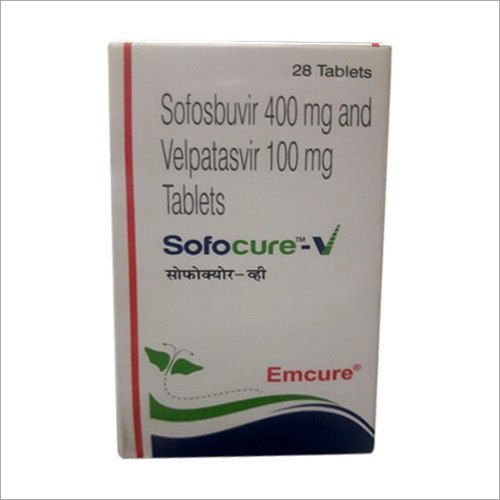
Sofosbuvir 400 mg Tablets
Price: 8500 INR/Bottle
MOQAs per requirement Bottle/Bottles
Drug TypeGeneral Medicines
Physical FormTablets
Recommended ForHIV and Anti Viral
DosageAs per doctor advice
Storage InstructionsDry and cool place
Chlorhexidine Gluconate - 97% Assay, Clear Appearance | Surgical Hand Scrub and Healthcare Handwash for Patient Preoperative Skin Preparation and Overall Skin Cleansing
Price: 200.0 INR/Kilograms
MOQ40 Kilograms/Kilograms, Kilograms/Kilograms
UsageSANITIZER, MOUTHWASH
GradeIP
StorageCOOL AND DRY PLACE
AppearanceCLEAR
DosageNA
Assay97%
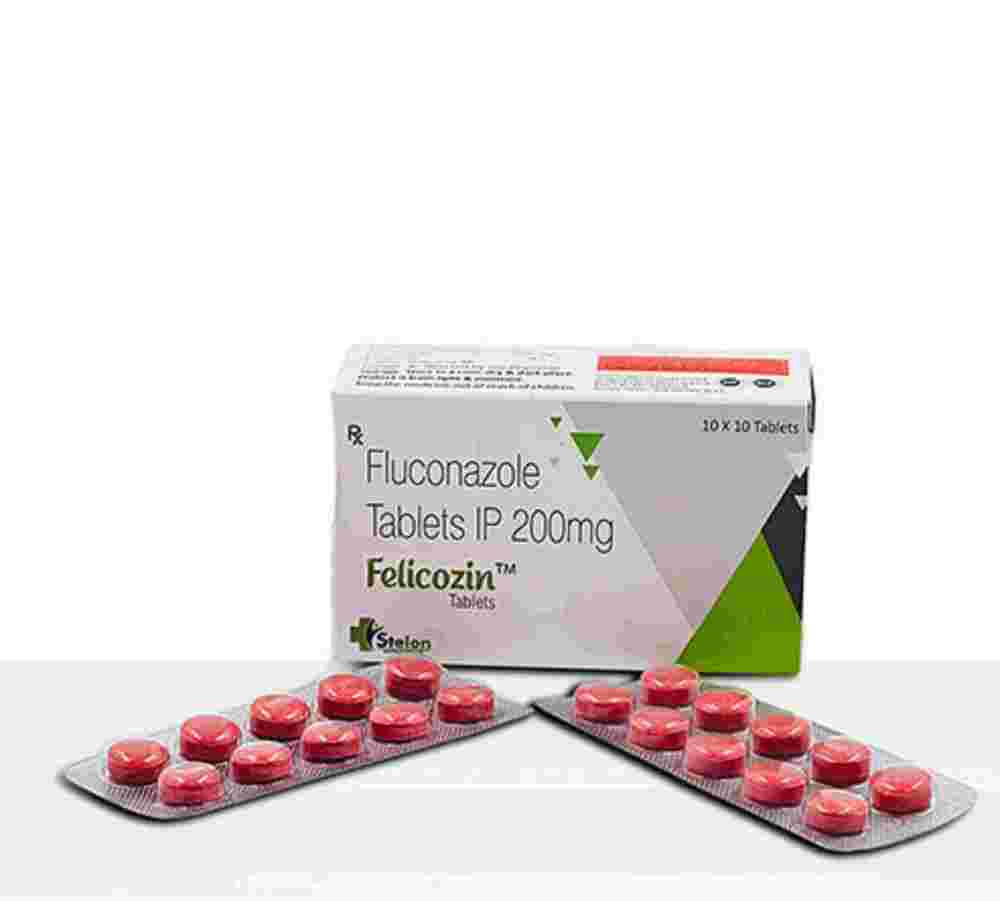
Fluconazole Tablets 200Mg - Cas No: 86386-73-4
Price: 450.0 INR/Tablet
MOQ50 Tablet
Salt CompositionFluconazole 200mg
Origin of MedicineIndia
AppearanceWhite to off-white tablet
GradePharmaceutical Grade
StorageStore below 30C, protected from moisture and light
Expiration Date36 months from the date of manufacture
Jeednya Pharma
Navi Mumbai
Trusted SellerPremium Seller4 Years
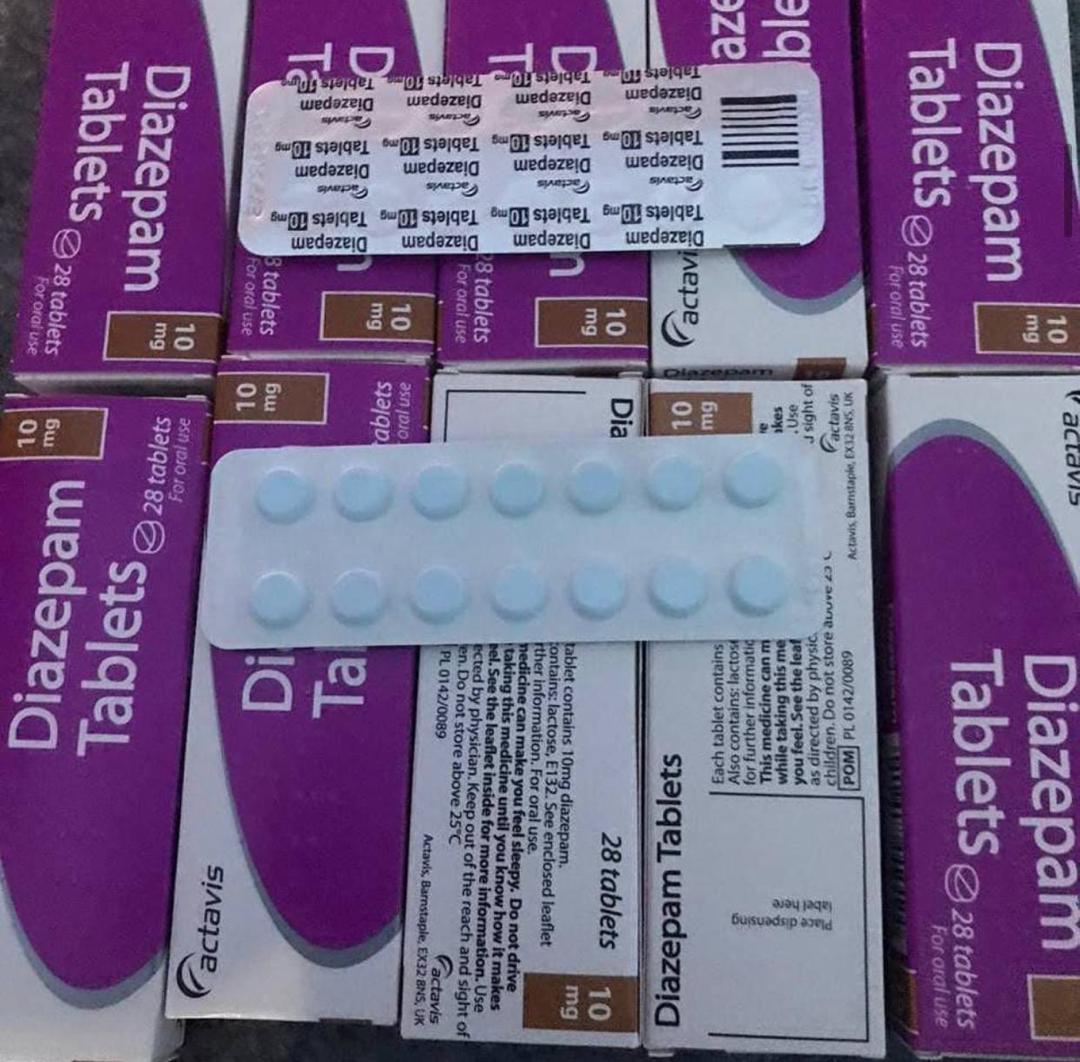
Accord Valium Diazepam 10Mg Tablets - Dosage Form: Oral
Price: 2000.00 INR/Box
MOQ25 Box/Boxes
Salt CompositionAccord Valium Diazepam
Medicine TypeAnti Infective Drug
UsageUsed to treatment of anxiety
GradeMedicine
DosageAs prescribed by the physician
Origin of MedicineBengaluru, Karnataka, India
Salonlabs Exports India Pvt. Ltd.
Bengaluru
Super BonanzaTrusted Seller16 Years
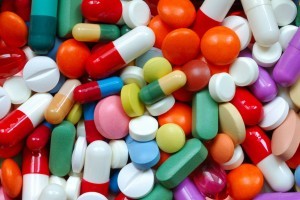
Antibiotics Medicines - Tablets, Recommended For Bacterial Infections | Highly Effective, Longer Shelf Life, Safe to Consume
Price Trend: 5000.00 - 10000.00 INR/Box
MOQ10000 Box/Boxes
Medicine TypeAntibiotics
DosageAs Prescribed By The Physician
StorageStore In Cold/Dry Place
Expiration Date24 Months
GradeMedicine Grade
Product TypeGeneral Medicines
Medico Remedies Ltd
Mumbai
Super Premium20 Years
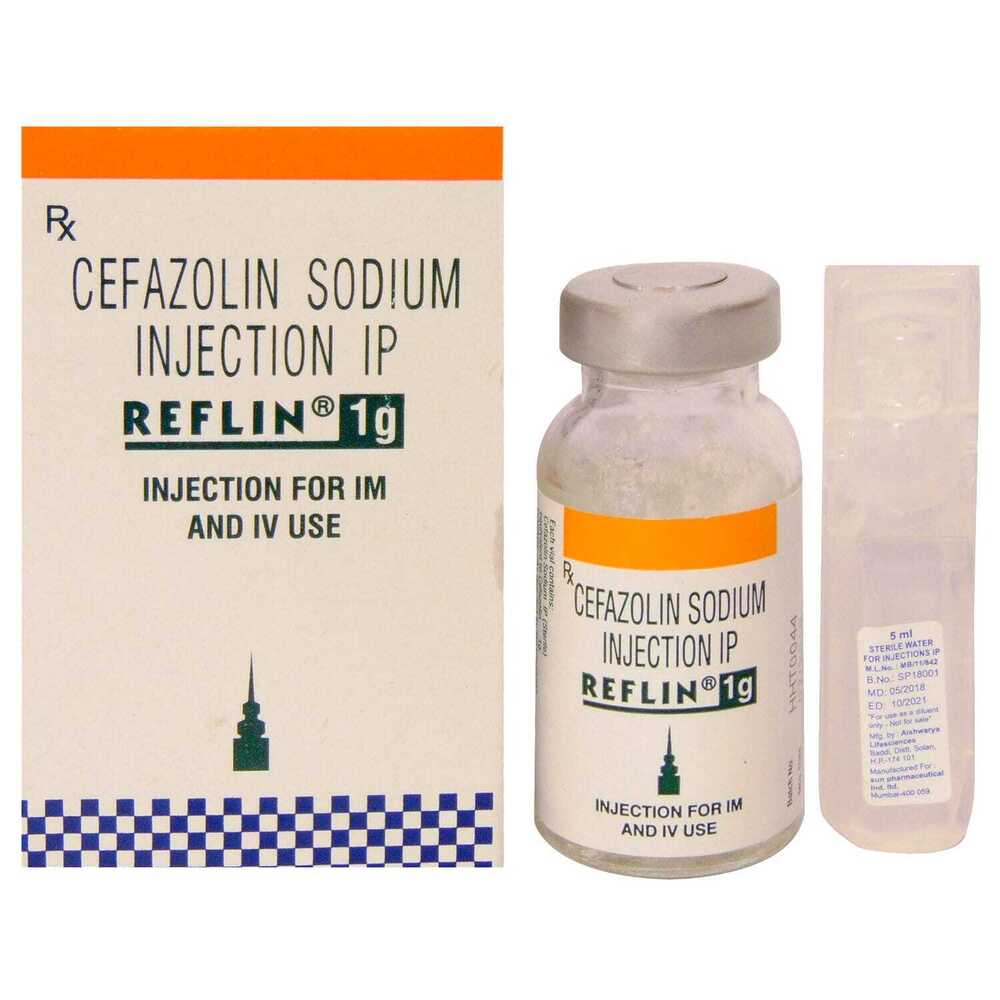
Cefazolin Sodium Injection Ip - Expiration Date: 3 Years
Price: 10.00 INR/Pack
MOQ250 Number
Appearanceinj
StorageDry place
Medicine TypeAnti bacterial
Dosage Forminjection
Indicationanti bacterial
Dosage1 g
Parshva Agency
Mumbai
Trusted SellerPremium Seller3 Years

Itrocol 200 Itraconazole Capsules Expiration Date: Printed On Packet Years
Price: 1850 INR/Box
AppearanceTablet
Dosage200 mg
UsageHospital, Clinic
Medicine TypeAnti-infection
StorageRoom Temperature
Expiration DatePrinted on packet Years
Ab Allcare Biotech
Zirakpur
Trusted SellerPremium Seller4 Years
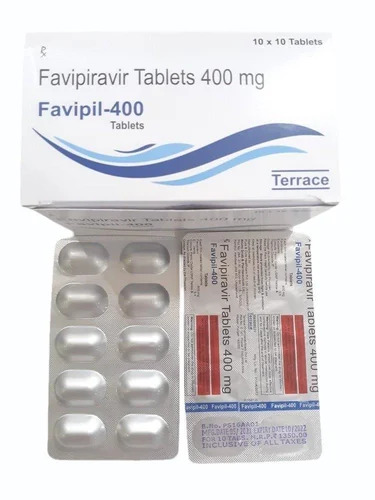
400Mg Favipiravir Tablet - Expiration Date: 24 Months
Price: 6000 INR/Strip
MOQ10 Box/Boxes
Dosage400 mg
GradeMedicine Grade
Pacakaging (Quantity Per Box)10X10 Tablets
StorageRoom Temperature
Dosage FormTablet
Expiration Date24 Months
Pharments Pharmaceuticals Private Limited
Navi Mumbai
Trusted SellerSuper Seller1 Years
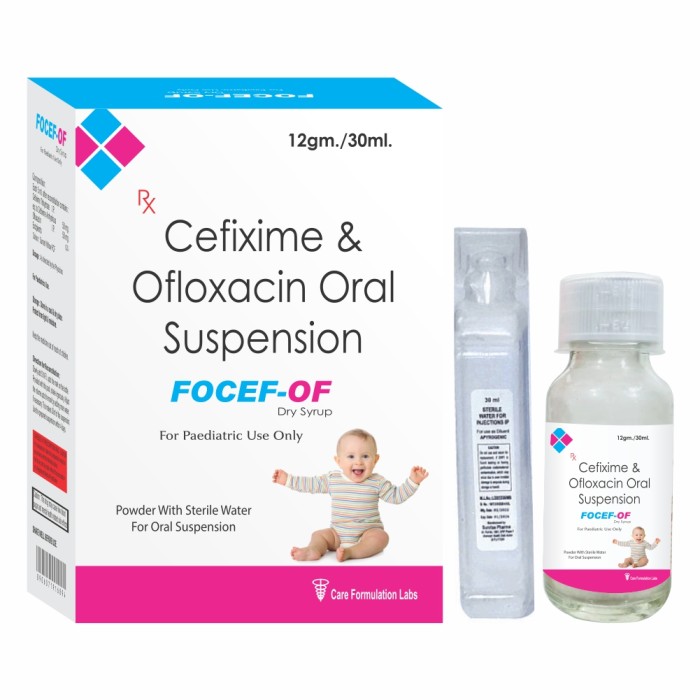
Cefixime 50 Mg. + Ofloxacin Ip 50 Mg. With Spoon Suspension - Dosage Form: Syrup
Price: 5500000.0 INR/Pack
MOQ100 Pack/Packs
Salt CompositionCefixime And Ofloxacin Oral Suspension
IndicationFor treatment of disease caused by subceptible organism in uncomplicated uti, otitis media, tonslitis & bronchitis.
Expiration Date36 Months
GradeMedicine Grade
Dosage FormSyrup
Dosage30
Care Formulation Labs Private Limited
Delhi
Trusted SellerSuper Seller7 Years
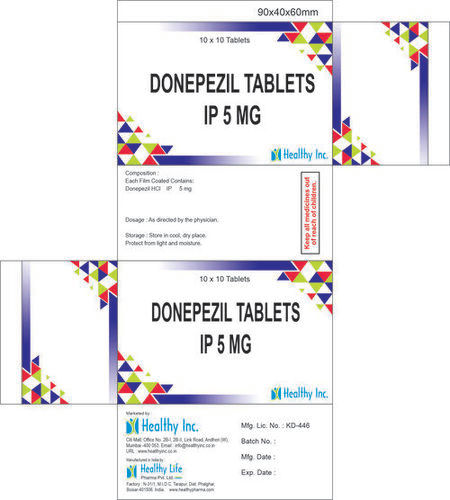
Donepezil Tablet 5Mg - Expiration Date: 2 Year Years
Price: 1211 INR/Box
MOQ1000 Box/Boxes
UsageAs per doctors and physician
DosageAs per doctors and physician
Expiration Date2 year Years
Medicine TypeDonepezil tablets 5mg
Storagecold and Dry place
Healthy Inc.
Mumbai
Trusted SellerPremium Seller12 Years
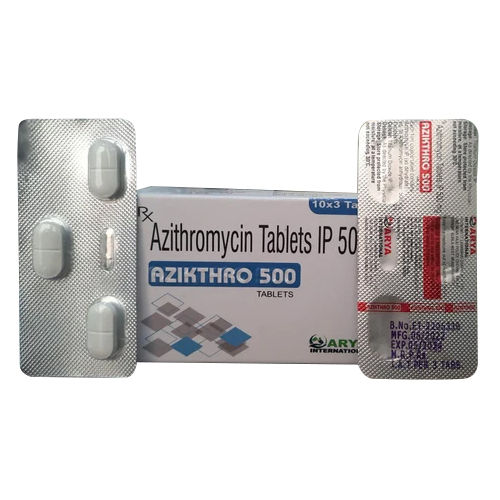
500Mg Azithromycin Tablets Ip Grade: Medicine
MOQ100 Unit/Units
GradeMedicine
StorageDry Place
Medicine TypeAzithromycin Tablets
DosageAs Per Suggestion
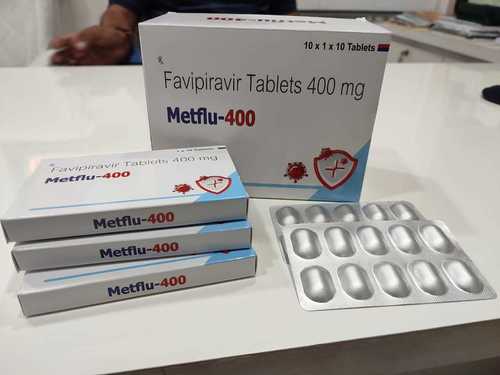
Favipiravir 400 Mg Tablet - Grade: Medicine
Price: 450.0 INR/Box
MOQ50 Box/Boxes, Box/Boxes
GradeMedicine
StorageCool and dry
Dosage FormTablet
AppearanceWhite tablet
DosageAs per physician advice
Metrix Healthcare India
Ahmedabad
Trusted SellerSuper Seller9 Years
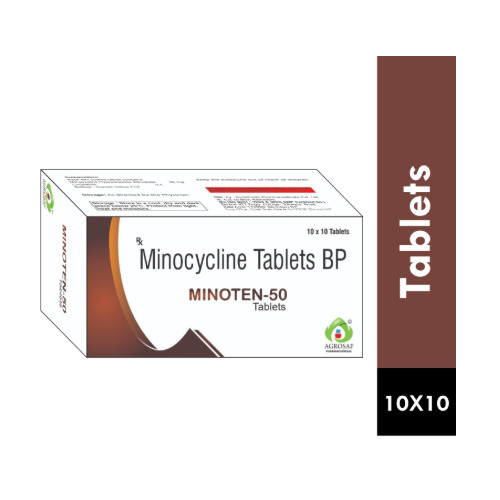
Minoten-50 Tablet
Price: 3525 INR/Box
MOQ10 Box/Boxes
IndicationBacterial Infections, Acne, Respiratory Tract Infections, Urinary Tract Infections
Pacakaging (Quantity Per Box)10x10 Tablets
Dosage FormTablet
UsageClinical, Hospital, or Personal
StorageStore in a cool, dry & dark place. Keep away from moisture and direct sunlight
Medicine TypeAllopathic
Agrosaf Pharmaceuticals Private Limited
Agra
7 Years
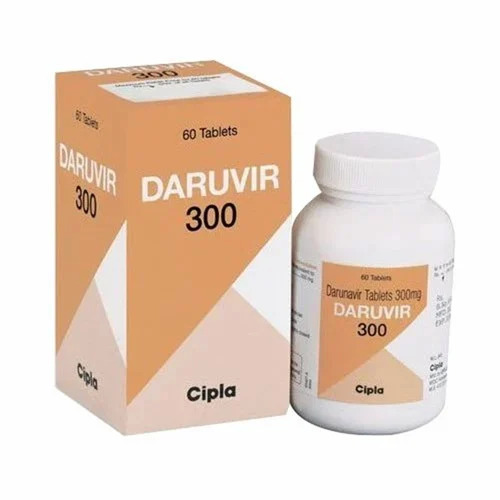
Daruvir 300 Tab - Cas No: 206361-99-1
Price: 9757.0 INR/Bottle
MOQ20 Bottle/Bottles
Dosage300 mg
AssayNLT 98%
AppearanceFilm coated tablet
Expiration Date24-36 months from manufacture Months
Dosage FormTablet
UsageTreatment of HIV infection
M/s Itrade Exim
Nagpur
Trusted SellerSuper SellerPremium Seller7 Years
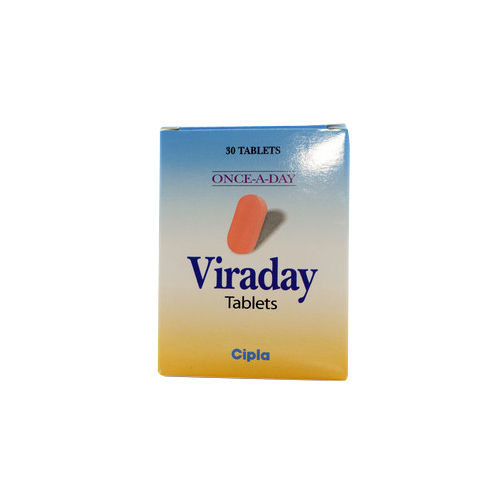
Viraday Tablets - Allopathic Medicine, 30 Tablets Box Packaging | Dosage: As Directed by Physician, Storage: Below 30°C, Protected from Light
Price: 3900 INR/Bottle
MOQ100 Bottle/Bottles
Medicine TypeAllopathic
DosageDirected By The Physician.
StorageBelow Room Temperature 30AdegC, Protected From Light.
P.B.P Enterprises Private Limited
Mumbai
Trusted SellerSuper Seller14 Years
Latest From Anti Infective Drugs & Medicines


Antibiotic Medicines
By:
Rajnikant & Bros.

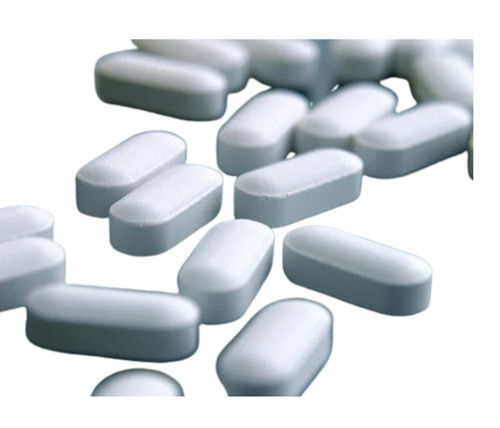
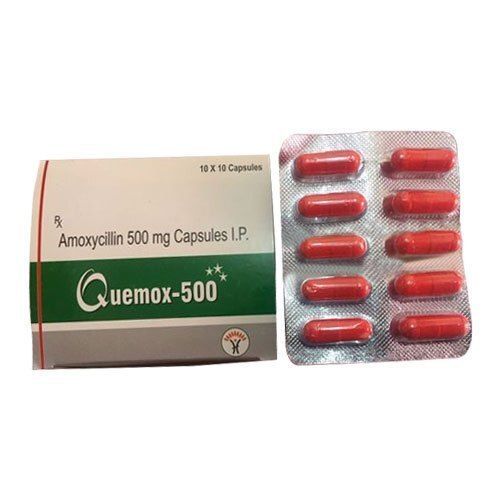

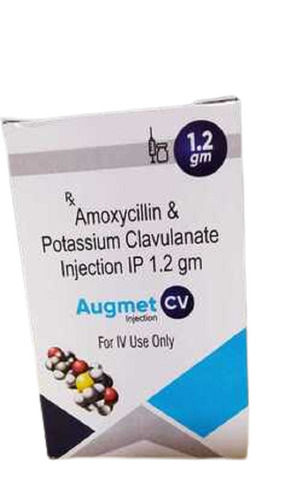
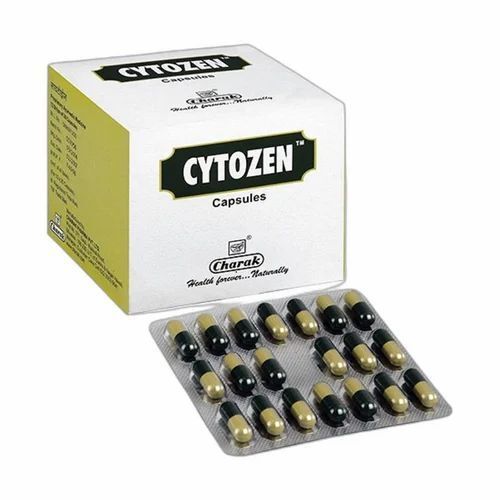
99.9% Pure Medicine Grade Charak Cytozen Antibiotic Capsules
145 INR
By:
Ashlar Life Sciences Pvt. Ltd.
Popular Anti Infective Drugs & Medicines
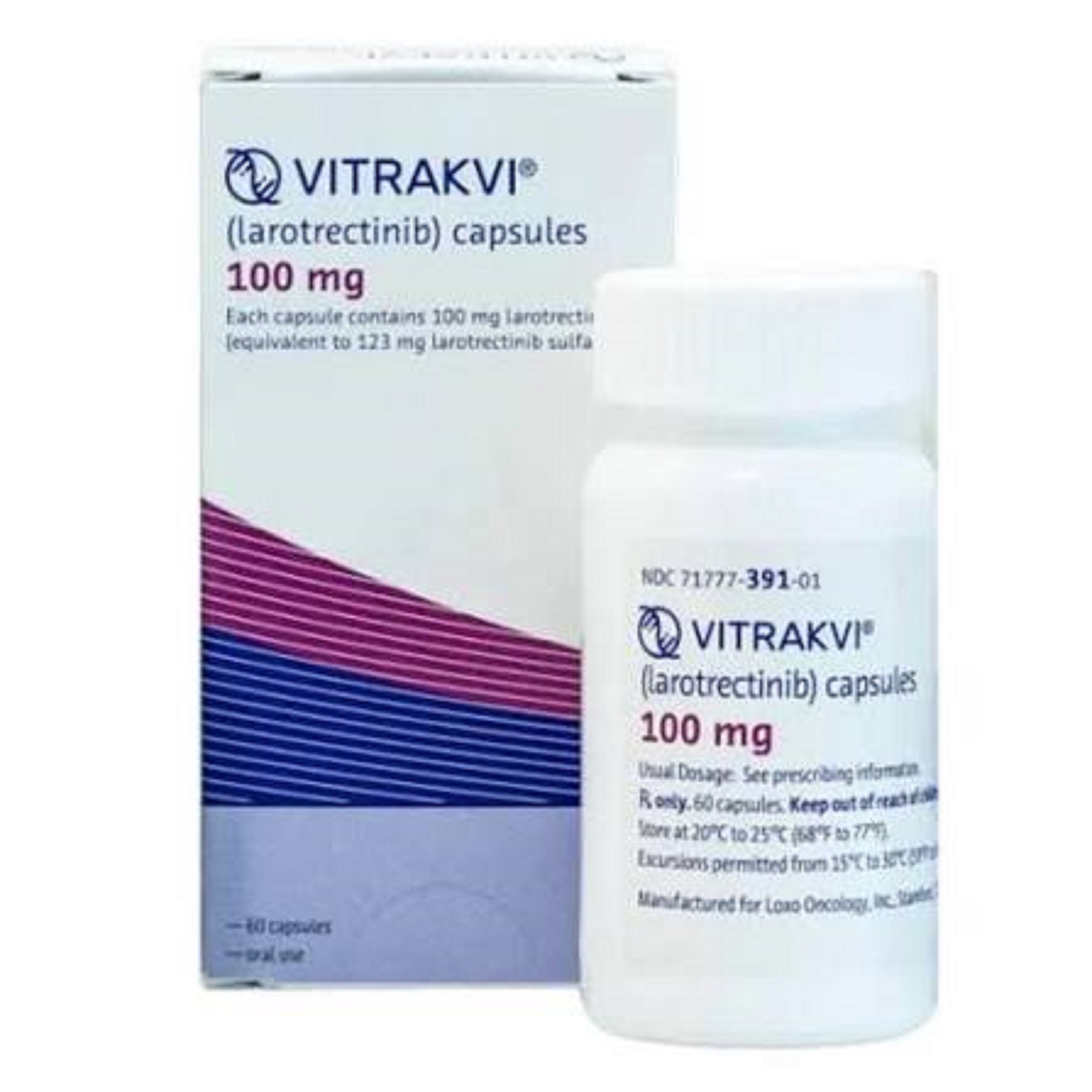
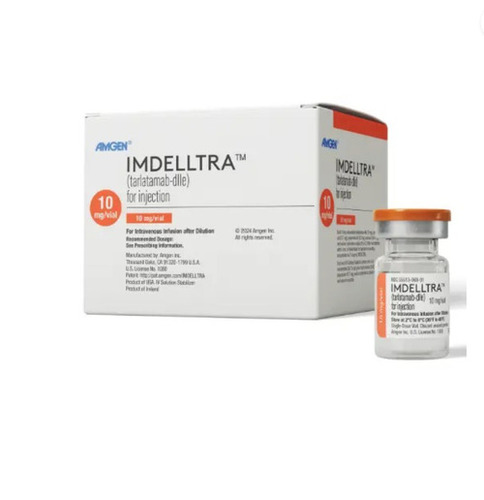
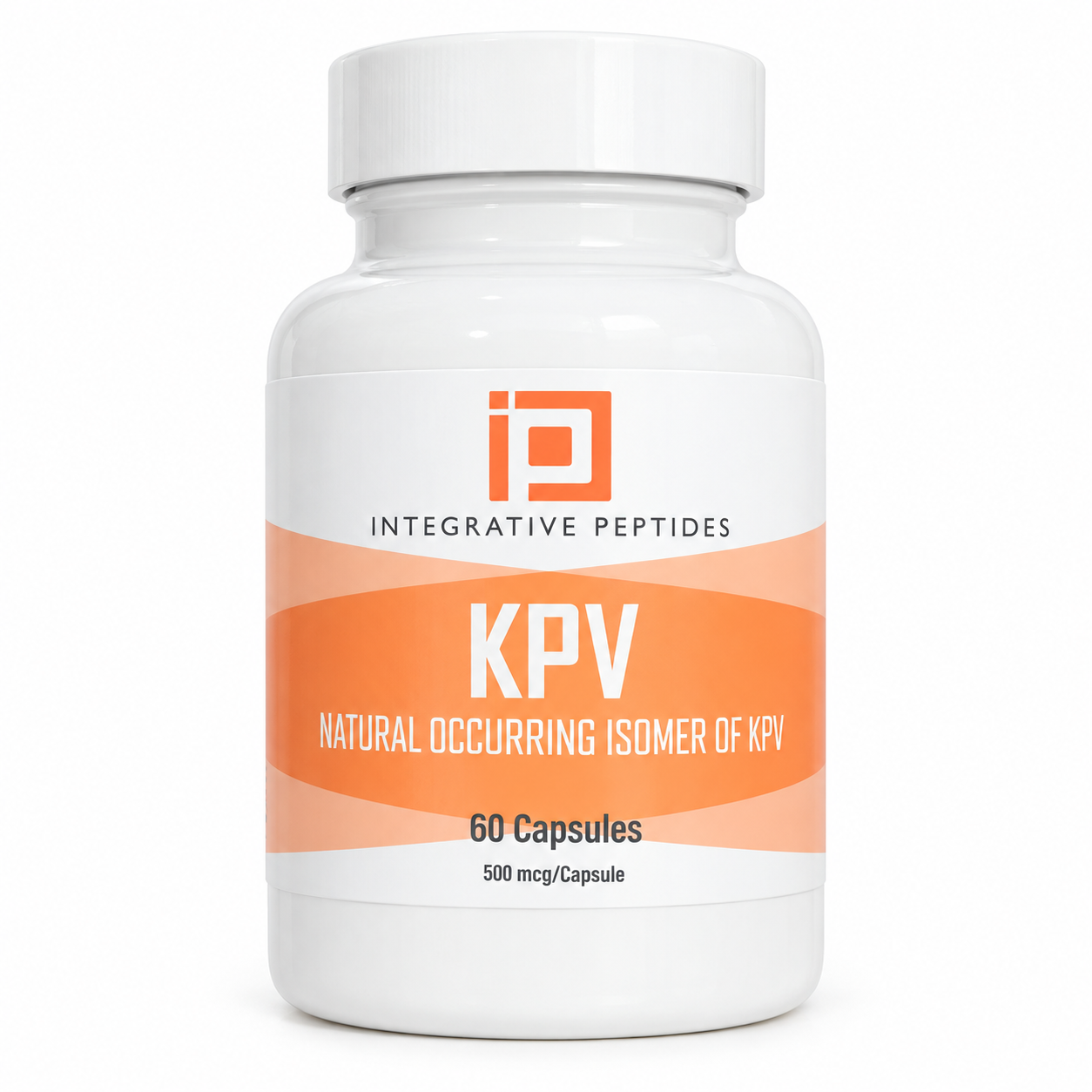
Anti Infective Drugs & Medicines: Classification
Anti-infective are pharmaceuticals used to treat or prevent infections; they can be categories into four types
a. Bacteria anti infective Drugs
b. Viruses anti infective drugs
c. Fungi anti infective Drugs
d. Parasites anti infective Drugs
Since their discovery, anti-infective have changed the medical field. They are now essential for treating and even preventing many different types of infection.
a. Aside from treating common colds and flu, antibiotics can also be used to treat and frequently completely eradicate more dangerous infections like pneumonia and tuberculosis.
b. Carry out both simple and sophisticated surgical procedures, including those with a high potential for infection such cesarean sections and joint replacements.
c. Chemotherapy and other immunosuppressive treatments are essential for cancer patients.
Antimicrobial resistance is a serious problem, reducing the efficacy of several anti-infectives (AMR).
Types of Anti-Infective Drugs & Medicines
1. Amebicides
Agents that kill or destroy amoebae are called "amebicides." Different types of amecides work in various ways. Humans and animals alike can benefit from their use, as they kill off amebae that cause disease.
2. Penicillins
Antibiotics called penicillins are isolated from the Penicillium fungus. When taken orally, antibiotics reduce or eliminate bacterial growth.
3. Oxazolidinon Antibiotics
The ribosomal 50S subunit of bacteria is targeted by oxazolidinone antibiotics, a type of synthetic antibacterial medicines. That's bad news because reproducing bacteria needs the 70S initiation complex to develop.
4. Miscellaneous Antibiotics
The term "miscellaneous antibiotics" refers to antibiotics that are the sole treatment option for their respective infections. Antibiotics from a wide variety of classes are used to treat illnesses brought on by bacteria and other organisms that are vulnerable to the drugs they are designed to combat.
5. Macrolide derivatives
Antibiotics belonging to the macrolide class are produced by streptomycetes. They are large-ring lactones found in nature, containing anywhere from 14 to 20 atoms in the ring. Macrolides prevent protein synthesis in bacteria by binding to the 50S component of the ribosome and blocking ribosomal translocation.
6. Lincomycin Derivatives
Protein synthesis is crucial to bacterial survival, and lincomycin derivatives are one of the few classes of antibiotics that work against this process. When dealing with infections caused by sensitive strains of pneumococci, staphylococci, or streptococcus, only lincomycin derivatives should be used.
7. Leprostatics
The expansion of Mycobacterium leprae, the bacterium responsible for leprosy, is slowed by leprostatic agents. Leprostatic agents can either actively kill the growing mycobacteria or they can inhibit bacterial growth, each with their own unique mechanism of action.
8. Glycylcyclines
Antibiotics in the glycocycline family prevent bacterial growth by interfering with the process of protein synthesis. They are effective against tetracycline-resistant bacteria as well as sensitive gram-negative and gram-positive bacteria. Antibiotics in the glycylcycline family are effective against bacteria that have developed resistance to other drugs. This includes MRSA, VRE, and Pseudomonas aeruginosa, to name a few.
9. Glycopeptide antibiotics
Antibiotics belonging to the glycopeptide class prevent peptidoglycan production, hence preventing the development of bacterial cell walls. Infections caused by bacteria that are resistant to beta-lactams and other antibiotics, such as multi-resistant Staphylococcus aureus (MRSA) and enterococcal infections, can be treated with these drugs. As an added benefit, they can be utilized when a patient has an allergy to beta-lactams.
10. Cephalosporins
Antibiotics belonging to the cephalosporin class are generated from the fungus Acremonium, formerly known as Cephalosporium. Similar to penicillins, cephalosporins are bactericidal (kill bacteria).
11. Carbapenems
Beta-lactam antibiotics like carbapenems are effective against a wide variety of gram-positive and gram-negative bacteria, both aerobic and anaerobic. In 1976, the first carbapenem, thienamycin, was found. Antibiotics such as penicillin and cephalosporin are significantly weakened by the presence of beta-lactamase enzymes, often known as penicillinase. Carbapenems are famous for their ability to block these enzymes.
12. Antiviral Agents
Disease-causing viruses can be stopped in their tracks with the use of antiviral drugs. The window of time in which most antiviral drugs are effective is narrow, as viruses are often only active during replication. Since viruses share most of the metabolic processes of the host cell, finding treatments that are selective for the virus is challenging. Antiviral medications could be directed at viruses by targeting their unique enzymes.
13. Antituberculosis Agents
Chemotherapy for tuberculosis typically includes administering multiple medicines at once. Distinct drug classes inhibit the development of drug-resistant strains of Mycobacterium because they target different aspects of the organism.
14. Linezolid
There is a new class of antibiotics called oxazolidinones, which includes linezolid. Indicated for the treatment of multidrug-resistant infections, it kills bacteria by blocking their ability to produce new proteins. Linezolid use during pregnancy has been reported in only one case study.
Anti Infective Drugs Uses & Side Effects
Anti Infective Drugs are normally administered orally. They can be injected or used topically by doctors to the infected area.
Anti Infective Drugs usually start acting within a few hours. For the best results, patients should take all of their prescribed medication as directed by their doctor.
It is more likely that the germs will develop resistance to future treatments if the drug is stopped before the whole course has been taken. The ones who make it through will have been exposed to the antibiotic and may develop resistance.
Even if your symptoms have subsided, it is still important to finish the full course of Anti Infective Drugs.
Instructions for proper dosing can be found in both the drug's accompanying booklet and your doctor's notes.
In order to make the most of Anti Infective Drugs, there are a few things people can do.
a. If you're taking metronidazole, don't drink alcohol.
b. If you're taking tetracyclines, it's best to avoid dairy items because they can interfere with the drug's absorption.
c. Consistent dosing occurs when medication is taken at the same time each day or at regular intervals throughout the day.
Side Effects:
1. Superinfections
Overuse of broad-spectrum antimicrobials can wipe out healthy bacteria. When normal flora bacteria are removed, opportunistic pathogens that were previously kept in check are free to penetrate tissues, causing an infection known as a superinfection.
2. Hypersensitivity Reactions
The vast majority of Anti Infective Drugs & Medicines are protein-bound, meaning they can be transported through the bloodstream and provoke antibody production in susceptible individuals.
3. Neurotoxicity
Certain antimicrobials, particularly those that tend to concentrate in certain organs or tissues, might cause damage to or interfere with the normal functioning of nerve tissue. Aminoglycoside antibiotics, for instance, have been linked to symptoms including wooziness, vertigo, and even hearing loss due to their tendency to accumulate in the eighth cranial nerve.
4. GI toxicity
A number of antimicrobials have toxic effects on the GIT lining, leading to gastrointestinal symptoms such nausea, vomiting, stomach pain, and diarrhea. Hepatitis and liver failure can be caused by the harmful effects that some medicines have on the liver.
5. Kidney Damage
Aminoglycosides and other drugs have a direct toxic effect on the kidney's delicate cells, leading to renal impairment or even failure.
Anti Infective Vs Antibiotic
Anti Infective
Something with the ability to combat infections, either by slowing their progress or eliminating them entirely. The word "anti-infective" is broad enough to include drugs that kill not just bacteria and viruses but also fungi, protozoa, and worms. The term "anti-infective agent" refers to a class of medications used to combat infectious microorganisms that have invaded the human body.
Antibiotic
Antibiotics are prescribed to patients who have been diagnosed with bacterial or fungal illnesses. When first discovered, antibiotics were substances made by one bacteria that selectively inhibited the growth of another.
Anti Infective Drugs Examples
a. Cephalosporins
b. Fidaxomicin
c. Nitrofurantoin
d. Carbapenems and monobactams
e. Clindamycin and lincomycin
f. Tetracyclines
g. Penicillins and β-lactamase inhibitors
h. Sulfonamides and trimethoprim
i. Quinolones
j. Pentamidine
k. Erythromycin and other macrolides
l. Aminoglycosides
m. Chloramphenicol
n. Glycopeptide antibiotics
FAQs: Anti Infective Drugs & Medicines
Q. Which antibiotic is good for all infections?
Ans: Antibiotics are not a panacea; they only treat certain infections. Antibiotics are used to treat bacterial illnesses caused by pathogens like Strep., Staph.,or E. coli by directly killing the germs (bactericidal) or preventing further bacterial growth (bacteriostatic).
Q. What are the most common antibiotics?
Ans: Here are the most common antibiotics:
a. Penicillins
b. Cephalosporins
c. Tetracyclines
d. Fluoroquinolones
e. Macrolides
f. Glycopeptides
g. Sulfonamides
Q. What is Anti-Infective Drugs Market Size And Forecast?
Ans: Chemicals Used to Treat Infections At a compound annual growth rate (CAGR) of 4.3% between 2023 and 2030, the market is expected to increase from a 2022 valuation of USD 132.16 Billion to a 2030 total of USD 193.05 Billion.
Q. How can I become Anti-Infective Drugs suppliers in India?
Ans: Anti Infective Drugs production is a natural process that can now be mimicked and even improved upon in lab conditions, all thanks to scientific progress. Here are the steps to follows:
a. Must have a medical degree
b. Farm Registration
c. License
d. Hire an experienced business consultant
e. Choose the right equipment
f. Find a supplier
g. Make a website or brand
h. Jump on the B2b market place
Manufacturers & Suppliers of Anti Infective Drugs & Medicines
Company Name | Member Since |
|---|---|
Centurion Remedies Private Limited. Vadodara, India | 20 Years |
Medico Remedies Ltd Mumbai, India | 20 Years |
Schwitz Biotech Ahmedabad, India | 19 Years |
Salonlabs Exports India Pvt. Ltd. Bengaluru, India | 16 Years |
Lexicare Pharma Pvt. Ltd. Ankleshwar, India | 14 Years |
Dheer Healthcare Private Limited Mumbai, India | 14 Years |
P.B.P Enterprises Private Limited Mumbai, India | 14 Years |
Ambica Pharma Mumbai, India | 12 Years |
Healthy Inc. Mumbai, India | 12 Years |
Nr Life Care Ahmedabad, India | 10 Years |




© 1999-2026 Infocom Network Private Limited. All rights reserved.